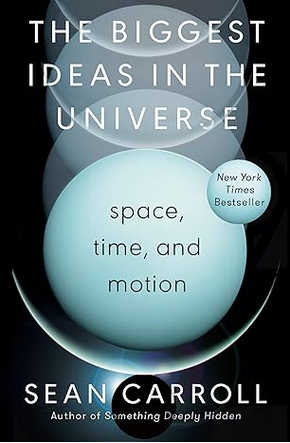
Has your dinner time conversations been dragging a bit of late? Feel like raising its knowledge level to a bit higher than the usual synopsis of the most recent reality TV show? Then take the challenge presented by Sean Carroll in his book "The Biggest Ideas in the Universe – Space, Time and Motion". Using this, your conversation might soon be sparkling with grand thoughts about modern physics, time travel, going faster than light and the curvature of the universe.
Continue reading
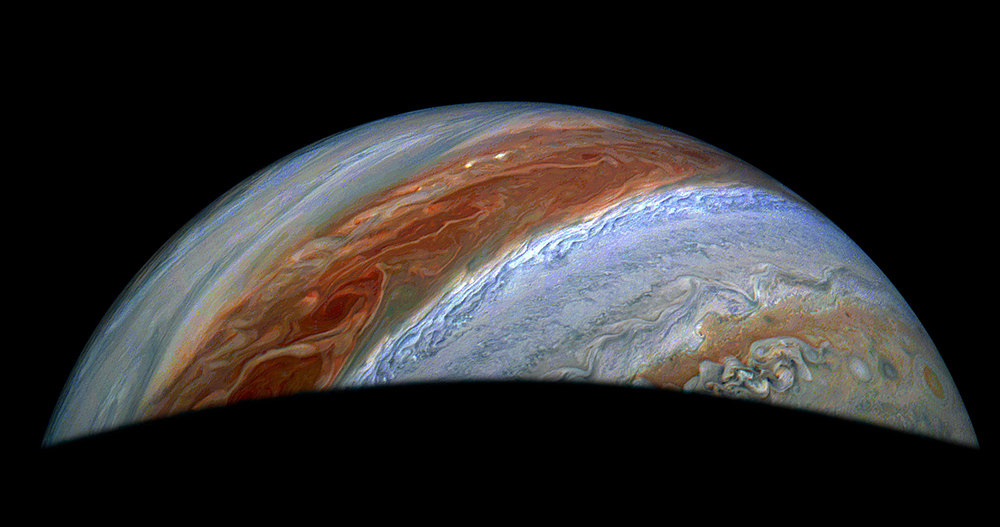
The Juno spacecraft circling in Jovian space is the planetary science gift that just keeps on giving. Although it's spending a lot of time in the strong (and damaging) Jovian radiation belts, the spacecraft's instruments are hanging in there quite well. In the process, they're peering into Jupiter's cloud tops and looking beneath the surface of the volcanic moon Io.
Continue reading
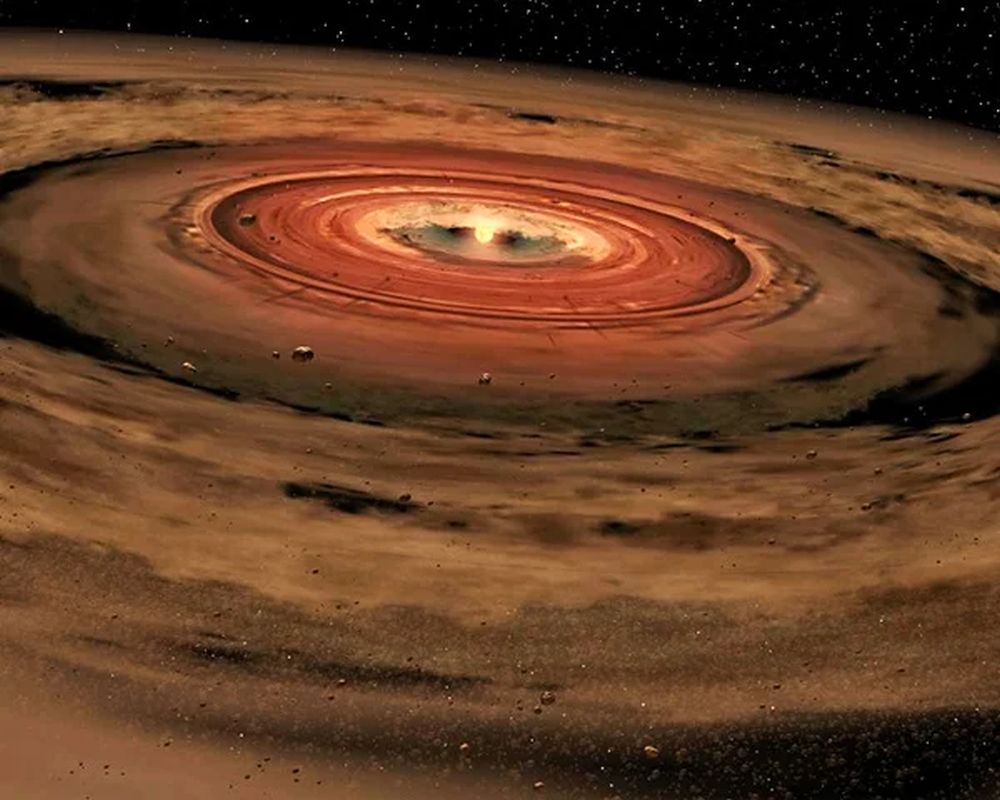
As young stars form, they exert a powerful influence on their surroundings and create complex interactions between them and their environments. As they gobble up gas and dust, they generate a rotating disk of material. This protoplanetary disk is where planets form, and new research shows that stars can feed too quickly and end up regurgitating material back into the disk.
Continue reading
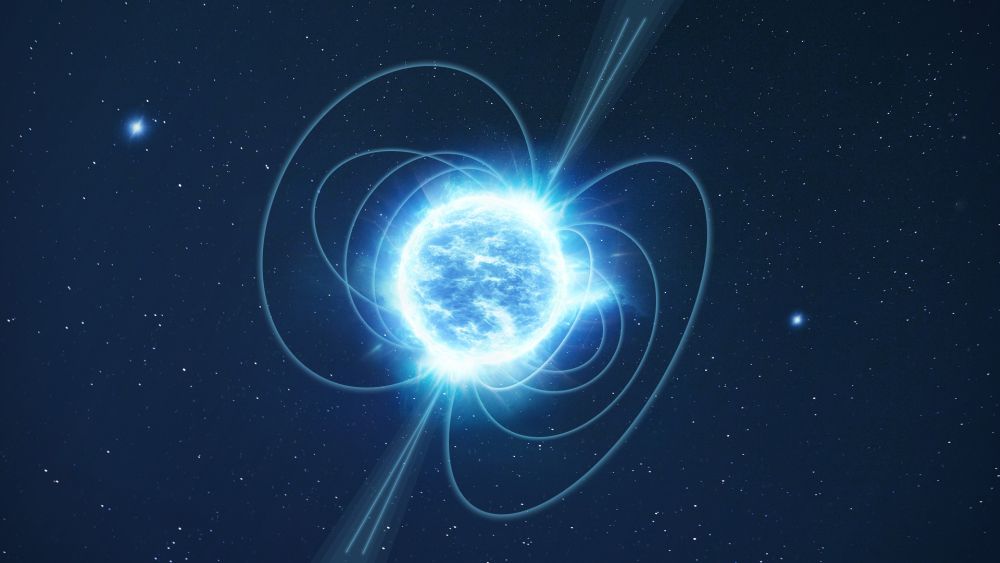
A team of researchers led by the Los Alamos National Laboratory examined the possibility that the jets coming from collapsing stars could be responsible for creating the heaviest elements in the Universe.
Continue reading
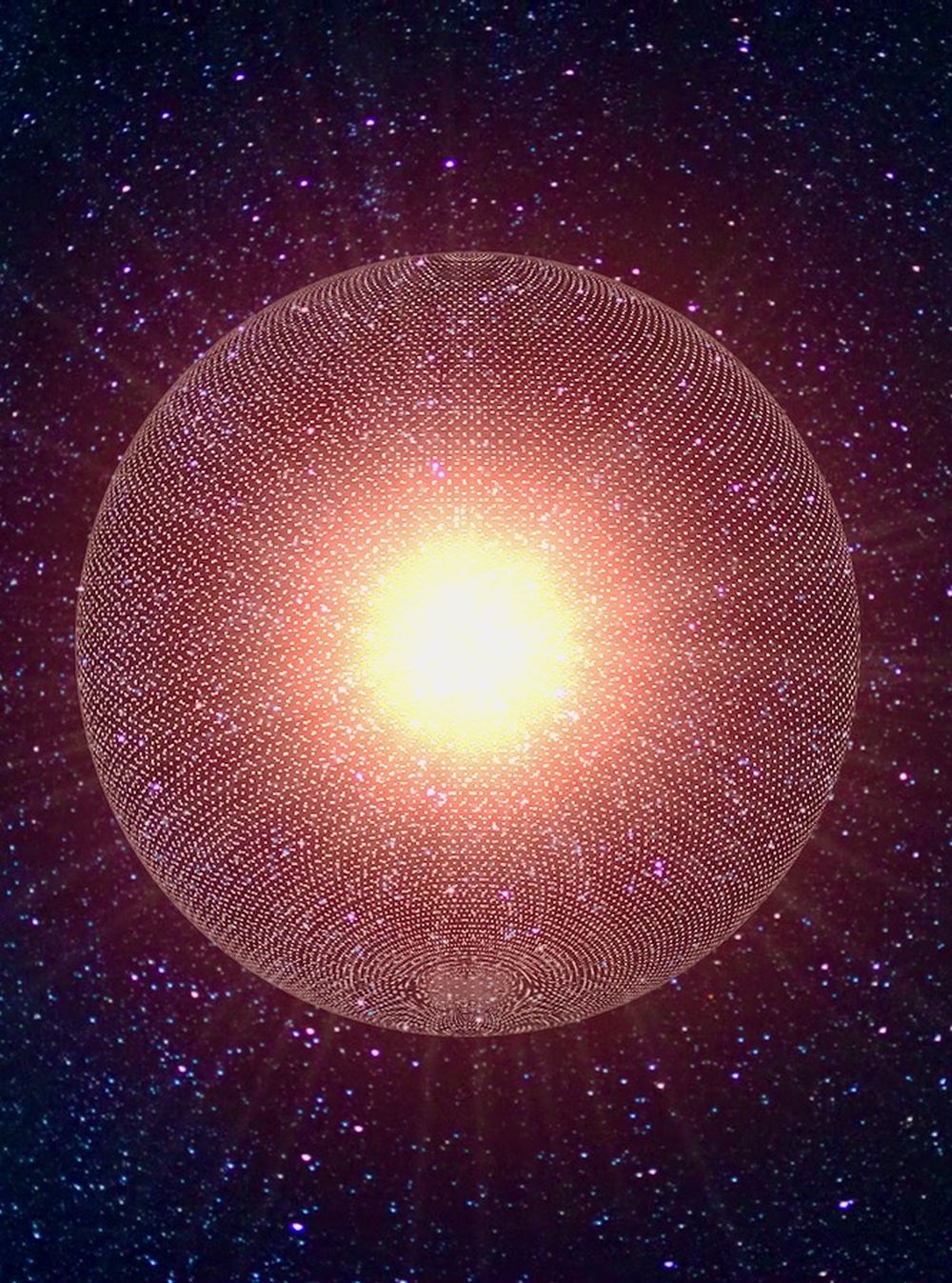
We tend to think of Extraterrestrial Intelligences (ETIs)—if they exist—as civilizations that have overcome the problems that still plague us. They're advanced, peaceful, disease-free technological societies that enjoy absolute political stability as they accomplish feats of impeccable engineering. Can that really be true in a Universe where entropy sets the stage upon which events unfold?
Continue reading
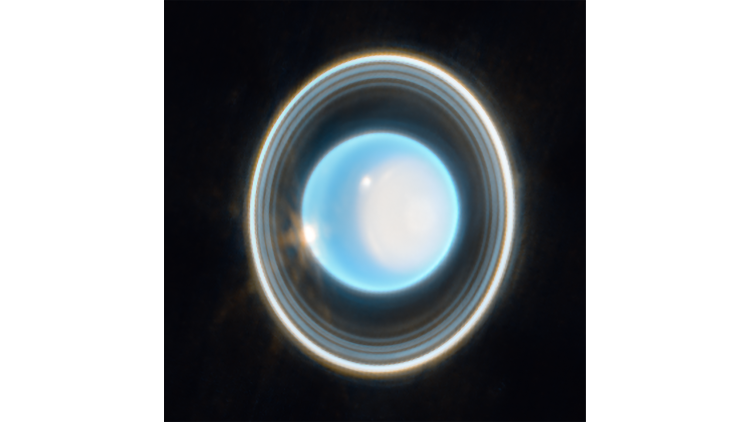
What methods can be employed to send a spacecraft to Uranus despite the former's immense distance from Earth? This is what a recent study presented at the 56th Lunar and Planetary Science Conference hopes to address as a team of scientists investigated ways to cut the travel time to the second most distant planet from the Sun. This study has the potential to help scientists, engineers, and mission planners develop low-cost and novel techniques for deep space travel while conducting cutting-edge science.
Continue reading
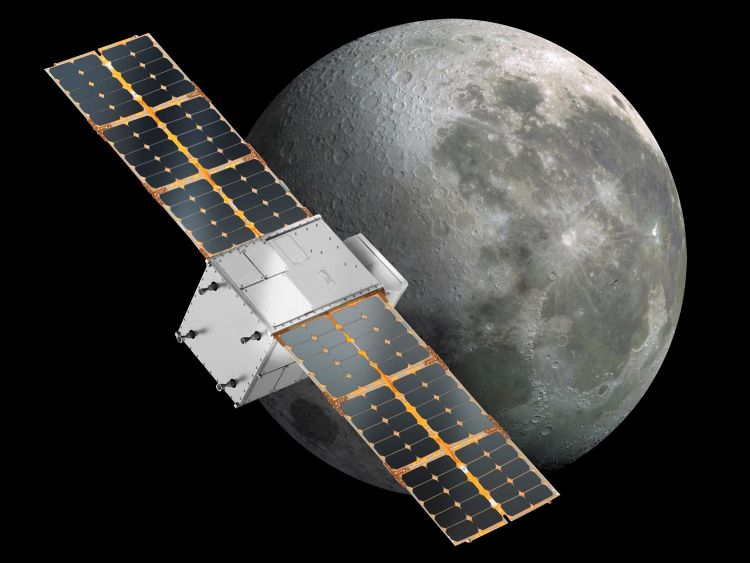
How can nanosatellites help advance lunar exploration and settlement? This is what a recent study presented at the 56th Lunar and Planetary Science Conference hopes to address as a team of researchers from Grahaa Space in India investigated the pros, cons, and applications for using nanosatellites on the Moon. This study has the potential to help scientists, engineers, mission planners, and future lunar astronauts develop and test new technologies for advancing lunar exploration, and possibly beyond the Moon.
Continue reading
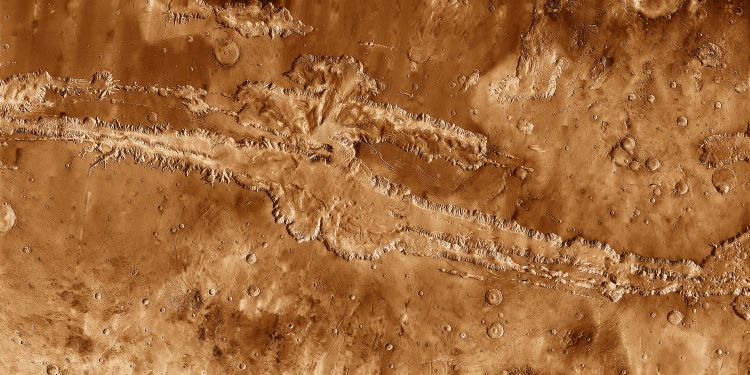
What are the best methods to explore Valles Marineris on Mars, which is the largest canyon in the solar system? This is what a recent study presented at the 56th Lunar and Planetary Science Conference hopes to address as a team of researchers investigated how helicopters could be used to explore Valles Marineris, which could offer insights into Mars' chaotic past. This study has the potential to help scientists and engineers develop new methods for studying Mars's history and whether the Red Planet once had life as we know it.
Continue reading
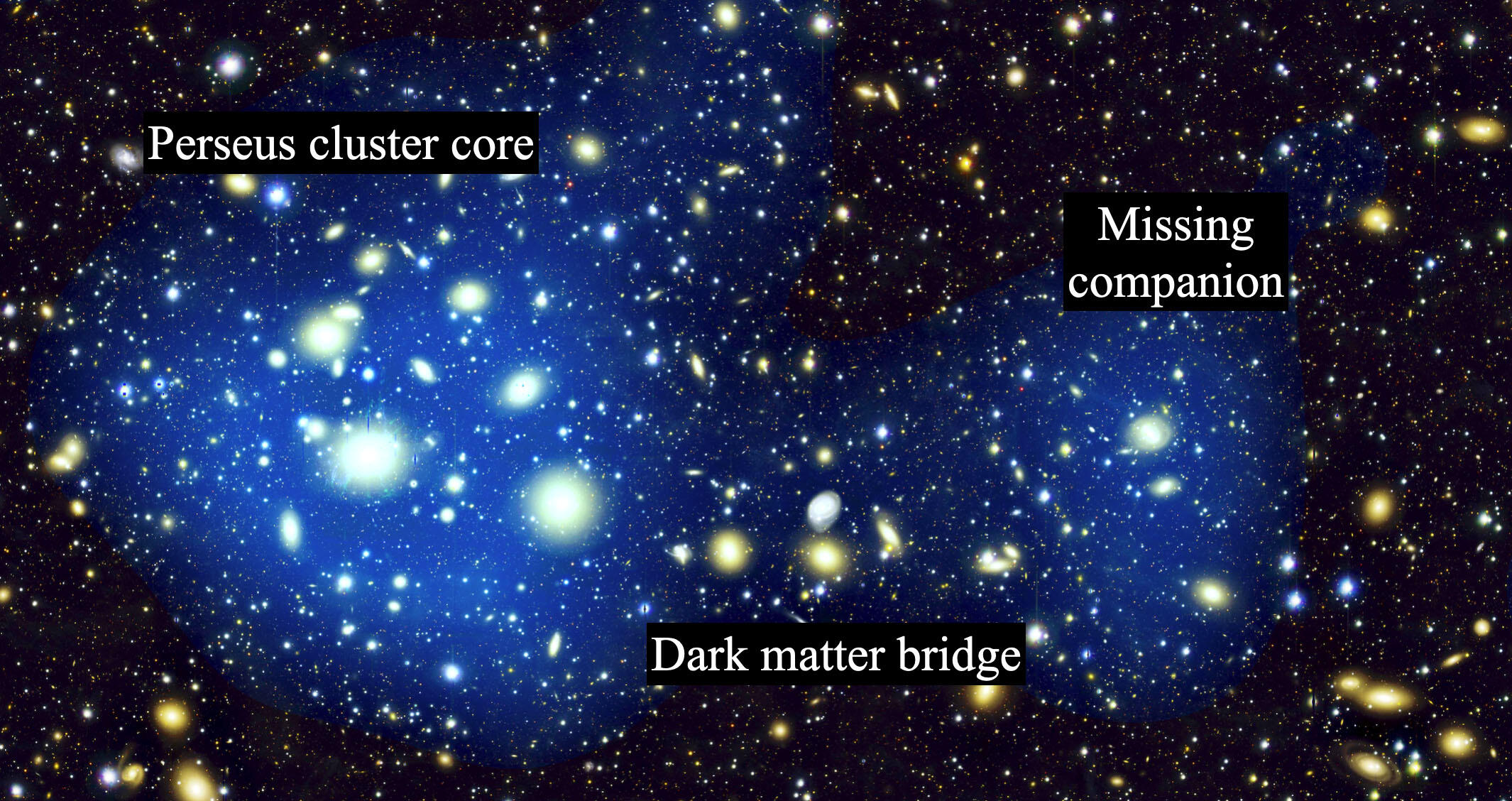
For decades, astronomers considered the Perseus cluster to be a stable grouping of galaxies, but more recent observations have shown signs that it experienced a merger in the past. Thanks to an international team of astronomers using the Subaru Telescope at Maunakea, Hawaii, a "Dark Matter bridge" connecting Perseus to a subcluster of galaxies has been discovered.
Continue reading
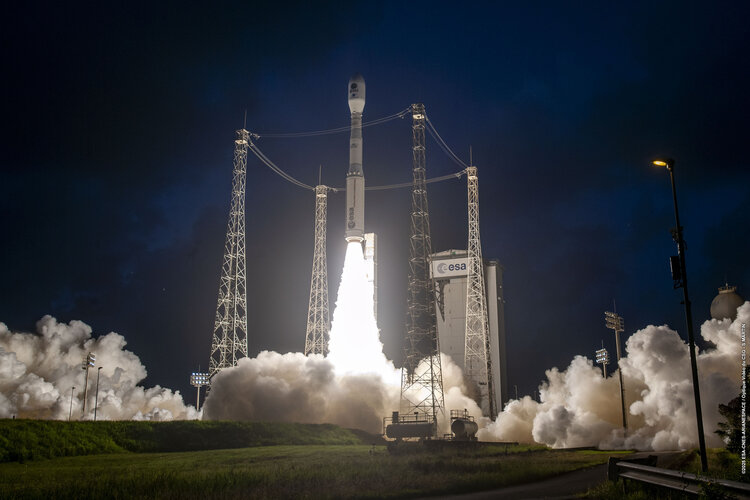
Space exploration not only allows us to look out into the universe but it also allows us to look back at Earth. ESA's Biomass satellite will measure the amount of carbon in the world's forests, tracking how the carbon cycle absorbs and releases carbon over the seasonal cycles. It launched this week from the Kourou Spaceport in French Guiana atop a Vega-C rocket and safely reached its intended orbit. It has a synthetic aperture radar that can penetrate forest canopies like an infrared telescope can peer through dark dust clouds.
Continue reading
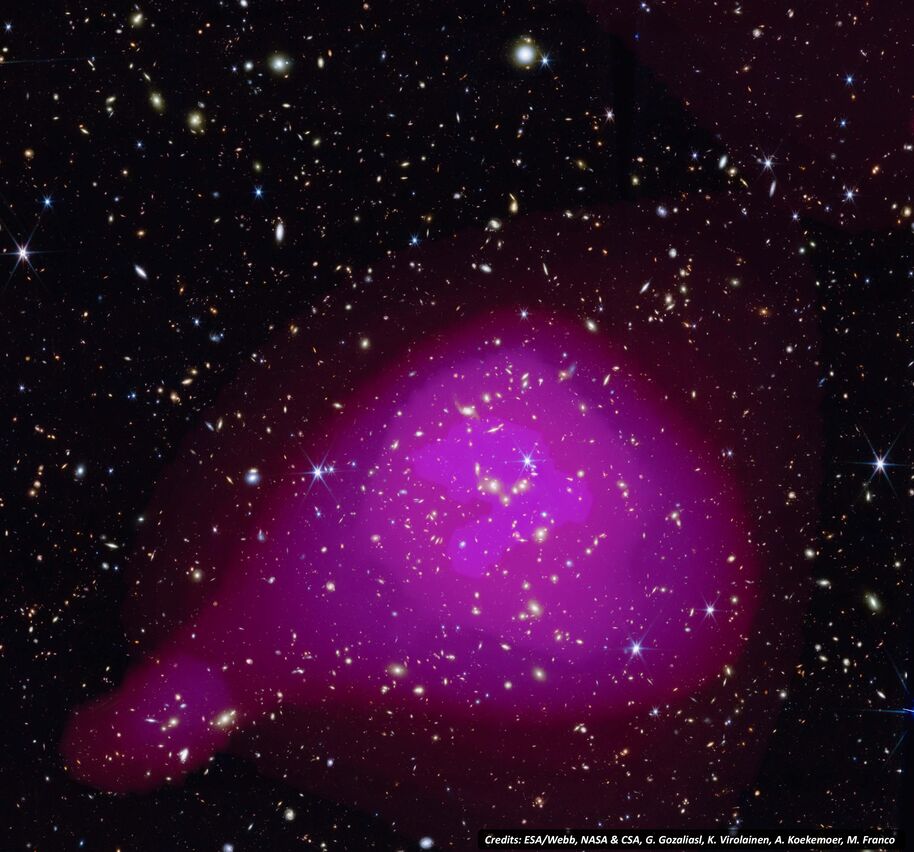
The James Webb Space Telescope has a number of science goals. One of them is to help understand the evolution of galaxies and their formation within the first billion years after the Big Bang. Astronomers have completed an initial Webb telescope survey that discovered 1,700 galaxy groups. Many of these groups date back to when the Universe was less than 1 billion years old. The survey spans 12 billion years of cosmic history, from these ancient formations to the present day.
Continue reading
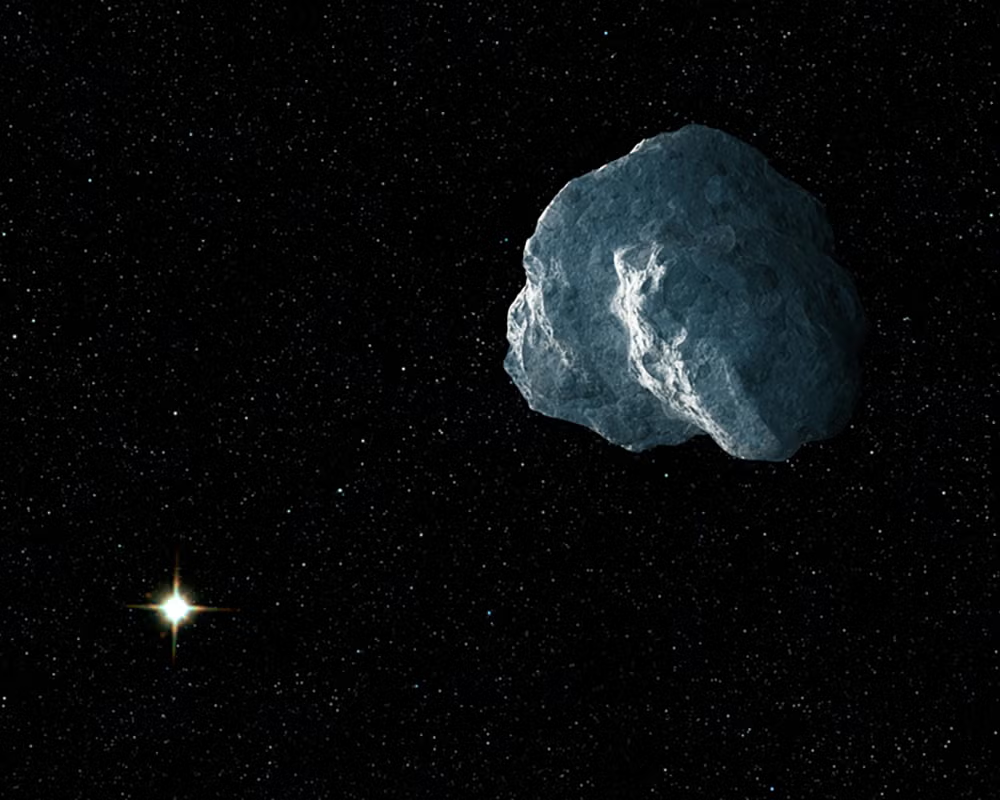
Understanding how life started on Earth means understanding the evolution of chemistry in the Solar System. It began in the protoplanetary disk of debris around the Sun and reached a critical point when life appeared on Earth billions of years ago. Close to the Sun, the chain of chemical evidence is broken by the Sun's radiation. But further out in the Solar System, billions of kilometres away, some of that ancient chemistry is preserved.
Continue reading
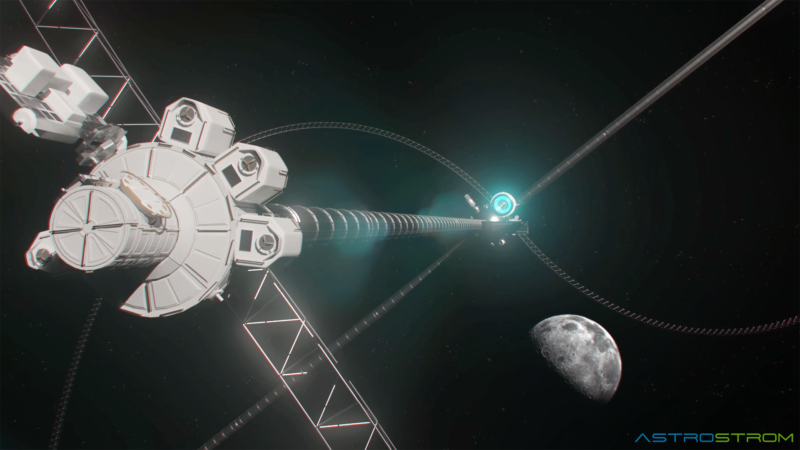
Space-based solar power (SBSP) has long been the dream of many space enthusiasts and energy economists. However, the reality of economic constraints has long left any practice projects on the ground. There has been plenty of discussion about how to lower the cost of entry to build the kind of space-based solar power satellite described by John Mankins in his books and articles. However, even with the advent of lower costs to orbit thanks to reusable rockets, the economic case for SBSP is still not great simply due to the sheer amount of mass required to get into orbit. Unless we get that mass from somewhere else, with a smaller gravity well. Astrostrom, which means something like "Star current" in German, is an organization based in Switzerland that hopes to make space-based solar power a reality.
Continue reading
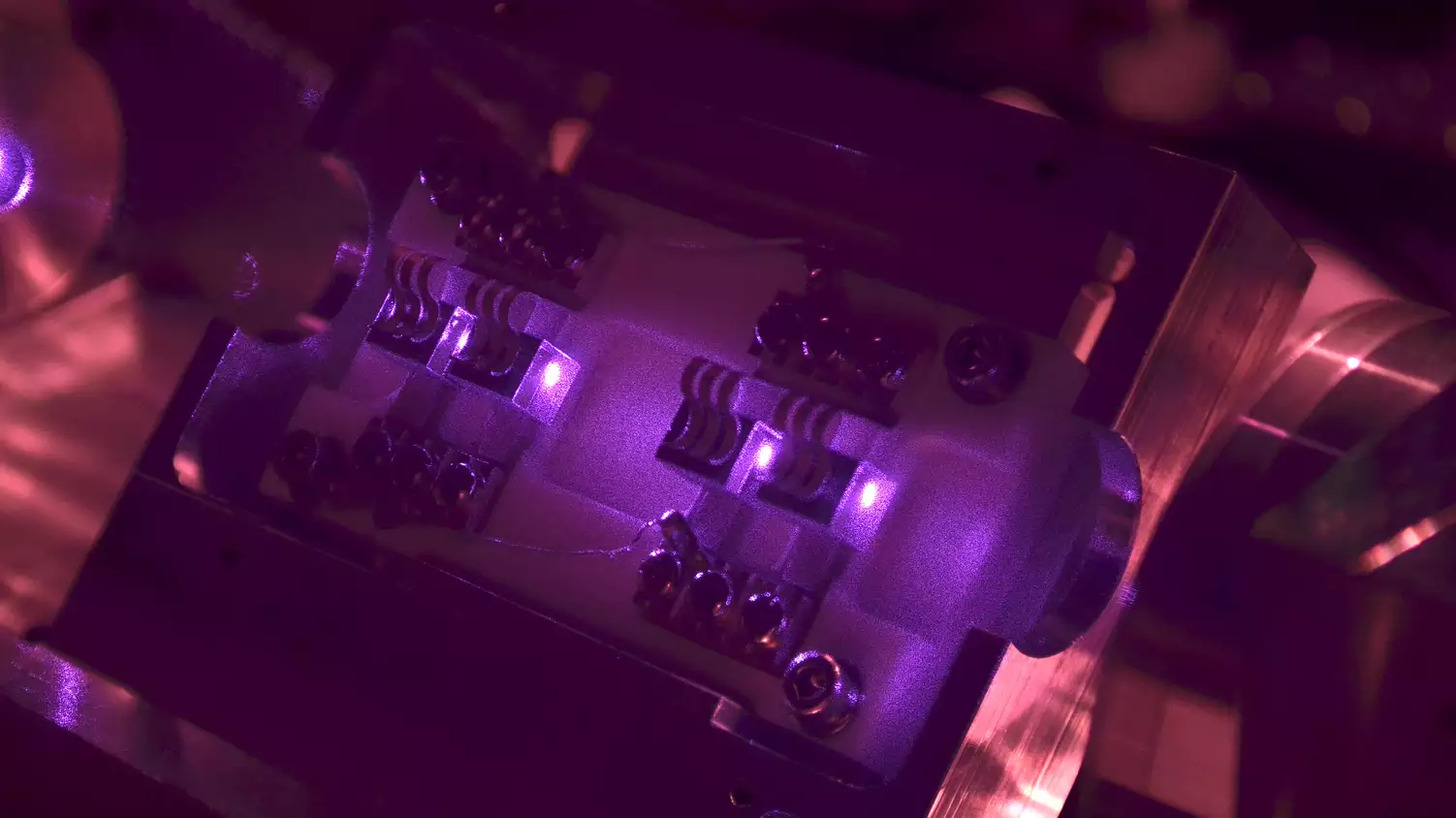
Astronomy has entered the age of gravitational waves. While there are plenty of differences between gravitational wave astronomy and typical waves of the electromagnetic spectrum, they share one similar feature: frequency. While we have detectors for a wide range of electromagnetic frequencies, gravitational wave detectors only focus on a narrow band of relatively low-frequency signals. That will change with the upgrade of the GEO600 gravitational wave detector located at the Max Planck Institute for Gravitational Physics.
Continue reading
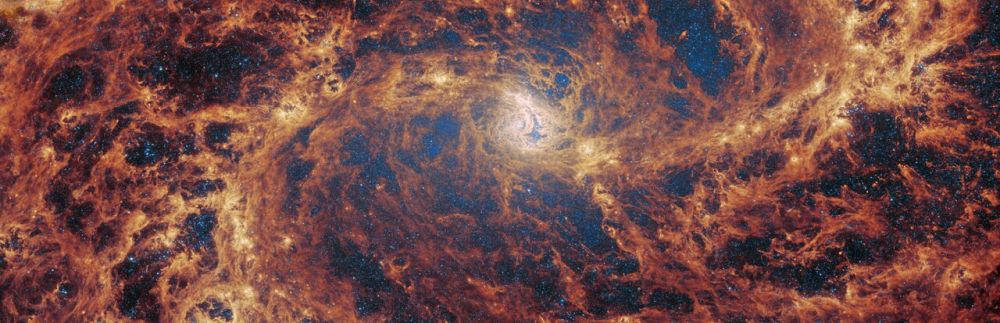
We know that our Milky Way galaxy hosts a supermassive black hole (SMBH) in its center. Astronomers think most spiral galaxies do, and that SMBHs coexist and co-evolve with their host galaxies. However, they haven't been able to find them in all spirals. M83, the Southern Pinwheel Galaxy, has always been puzzling because scientists haven't seen any evidence of an SMBH in its center. The JWST may have finally found some.
Continue reading
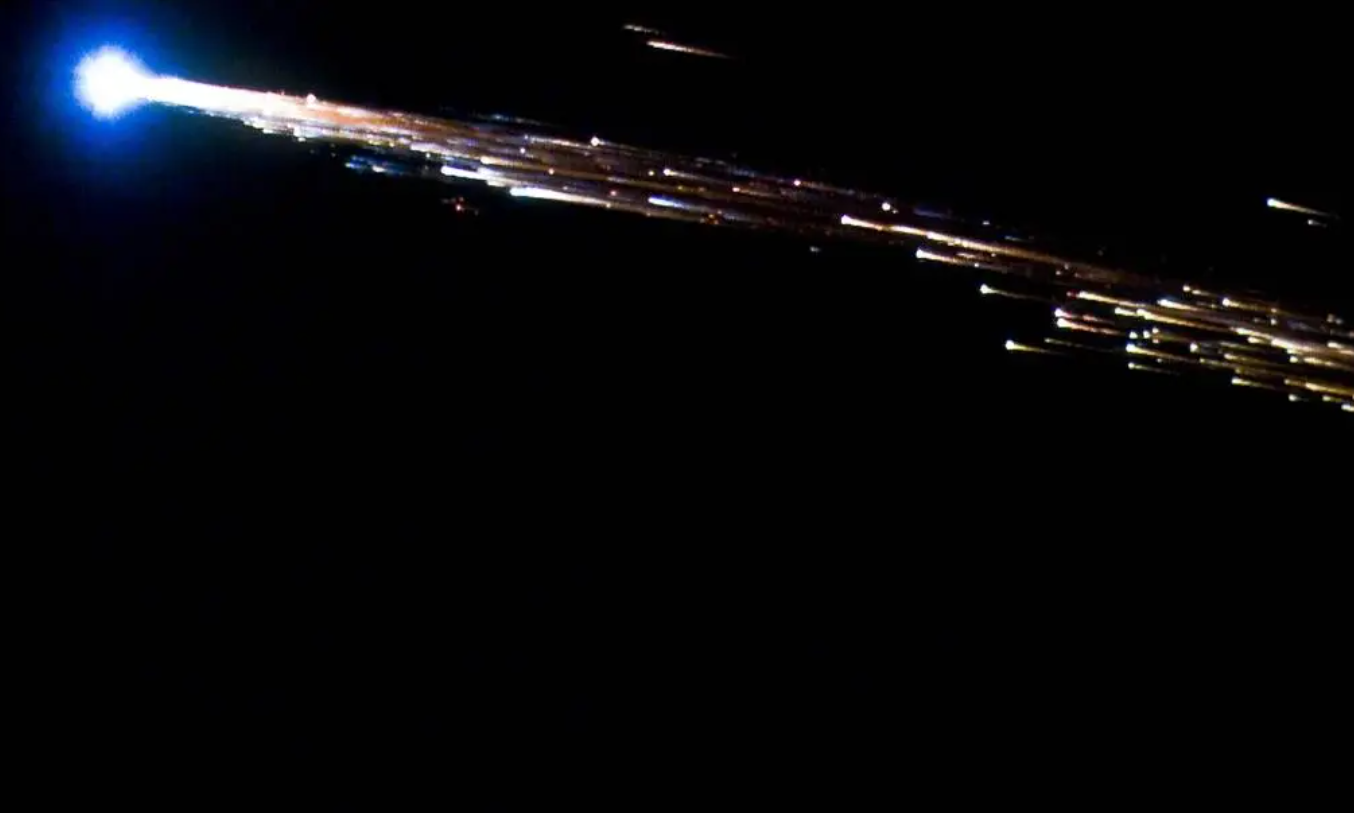
It's one straight out of the history books. After over 50 years in space, the late Soviet Union's Kosmos-482 mission is set to reenter the Earth's atmosphere, early next month. Stranded in Earth orbit, there are just a few weeks remaining to see this enigmatic relic of a bygone era.
Continue reading
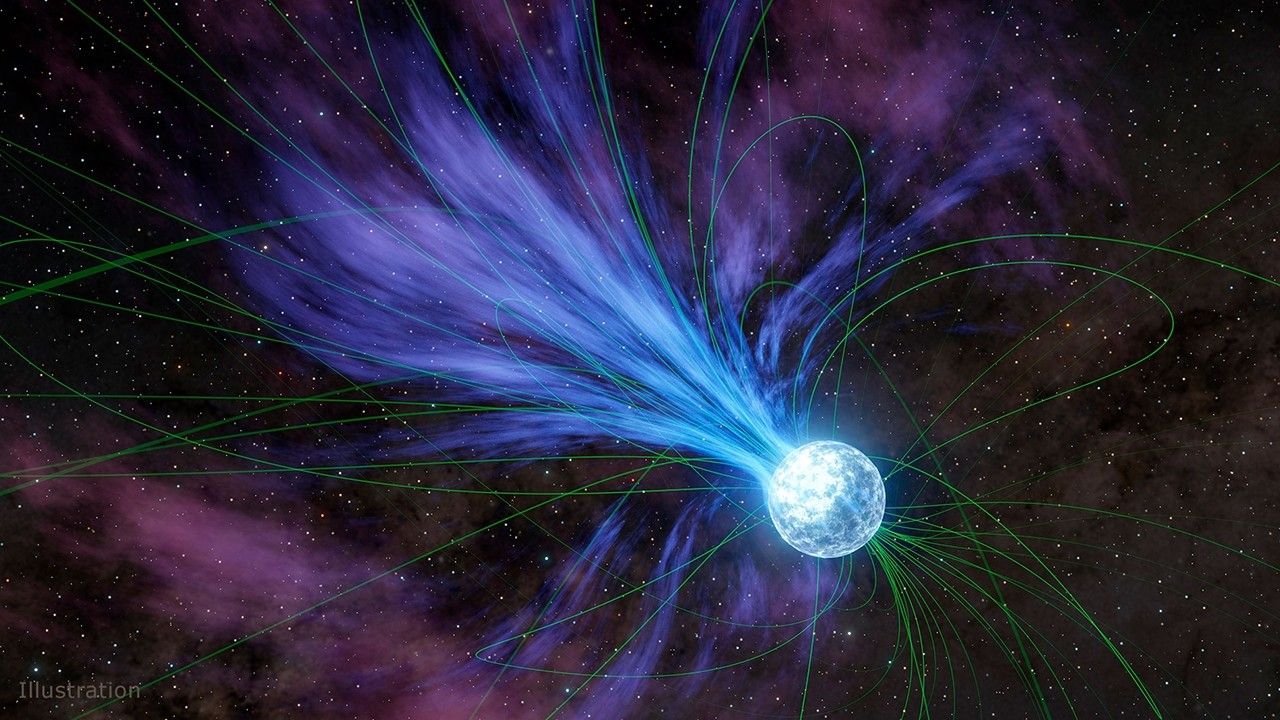
Where do the heavy elements in the Universe come from? While we know they are formed in colliding neutron stars and likely in supernova explosions, astronomers have now identified a surprising additional source: magnetars. These highly magnetised neutron stars emit powerful flares, which may result from neutrons fusing into heavier elements. This process could explain the presence of elements like gold early in the Universe's history.
Continue reading
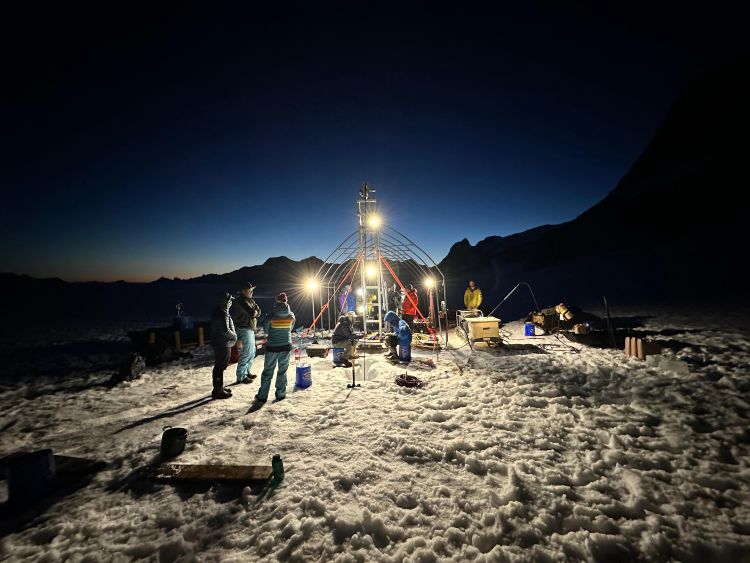
What probes can be used to explore the depths of Jupiter's icy moon, Europa, and other ocean worlds throughout the solar system? This is what a recent study presented at the 56th Lunar and Planetary Science Conference hopes to address as a team of researchers participated through the Ocean Worlds Reconnaissance and Characterization of Astrobiological Analogs (ORCAA) project to investigate how cryobots could be used to explore the oceans of other worlds in our solar system.
Continue reading
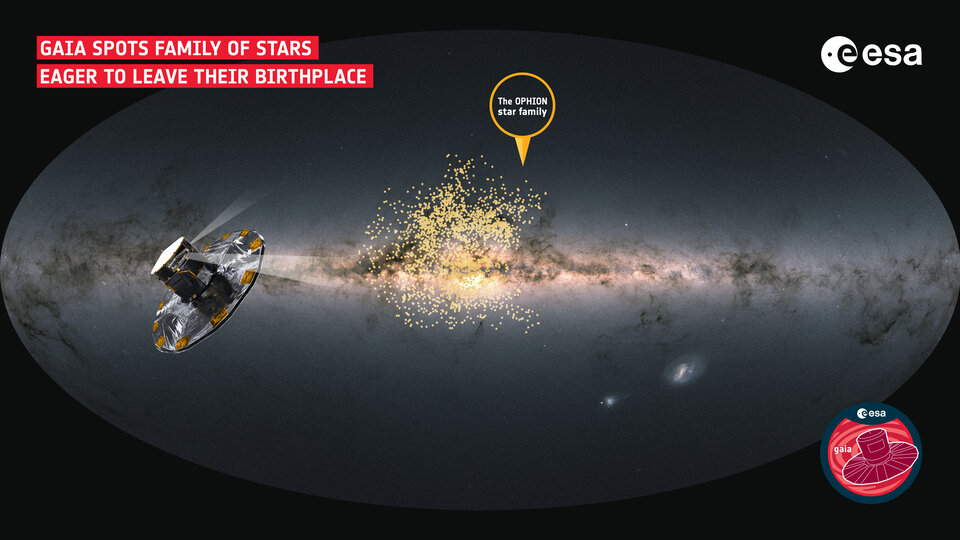
Stars don't exist in isolation. They have siblings and exist in clusters, associations, and groups. The ESA's Gaia mission found an unusual group of stars rapidly leaving its birthplace behind and dispersing into the wider galaxy. While that's not necessarily unusual behaviour, it is for such a large group. Could supernovae explosions be responsible?
Continue reading
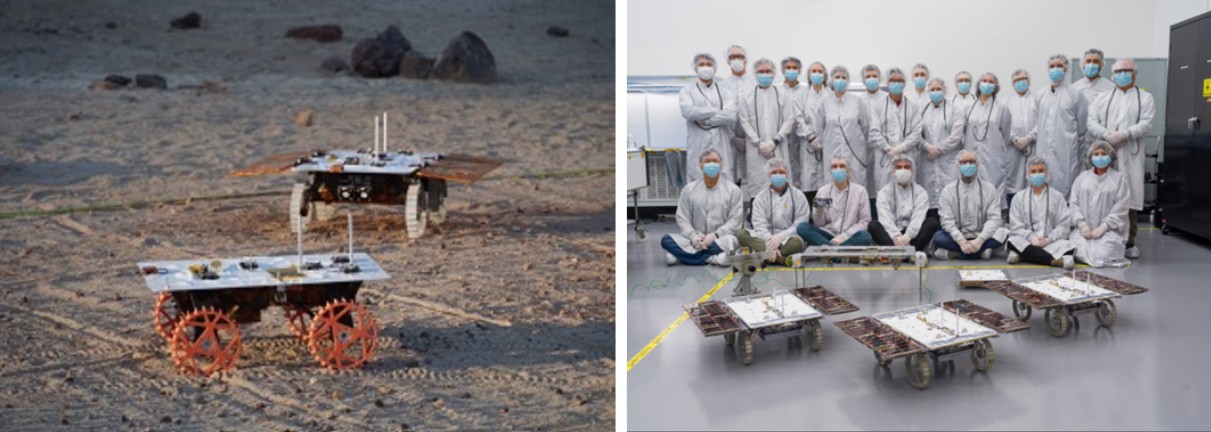
Getting missions to land successfully on the Moon has been difficult. Recent missions, such as IM-1 and IM-2, which the private company Intuitive Machines completed, have been qualified successes at best, with both landers settling at unintended angles and breaking parts of them off along the way. Such experiences offer excellent learning opportunities, though, and NASA is confident that a third time might be a charm for a flawless mission. There will be a lot riding on IM-3, the third Commercial Lunar Payload Services (CLPS) mission, including a set of rovers and ground station for a NASA experiment called the Cooperative Autonomous Distribution Robotic Exploration (CADRE), which recently passed its Verification and Validation (V&V) test for one of it's most essential parts. This software architecture handles tasks for each rover and binds them into a cohesive whole.
Continue reading
 Universe Today