Andy Tomaswick
Andy has been interested in space exploration ever since reading Pale Blue Dot in middle school. An engineer by training, he likes to focus on the practical challenges of space exploration, whether that's getting rid of perchlorates on Mars or making ultra-smooth mirrors to capture ever clearer data. When not writing or engineering things he can be found entertaining his four children, six cats, and two dogs, or running in circles to stay in shape.
Recent Articles
-
-
Astrochemical Model Digs Into the Universe's Missing Sulfur
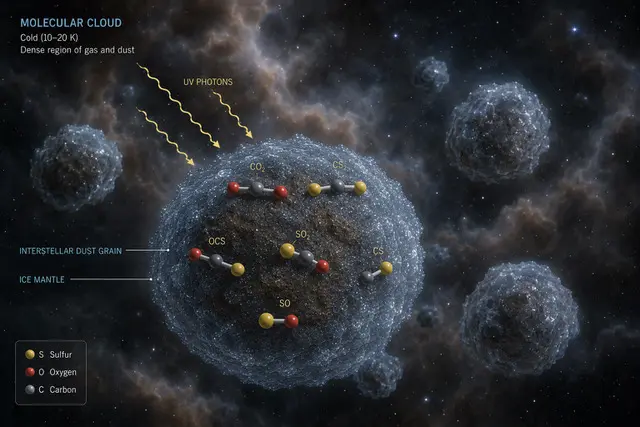
June 11, 2026Sulfur is one of the most abundant elements in the universe. If you peer into a diffuse interstellar cloud, you find loads of it - about the amount expected based on fusion patterns of the stars it was born in. However, if you look at a dense, cold, molecular cloud - the kind where those stars actually form - it seems like 99% of the sulfur that is expected to be there is missing. Scientists have puzzled over this “missing sulfur problem” for decades, though a leading theory is that the element hides on icy dust grains making it hard to detect. A new paper published in Astronomy & Astrophysics from the Max Planck Institute for Extraterrestrial Physics and the Centro de Astrobiologia describes a new computer simulation model that they aimed to support the interpretation of laboratory results and test our current understanding of sulfur evolution in interstellar ices.
-
NASA’s Proposed EVE Mission Aims to Solve the Radius Valley Mystery
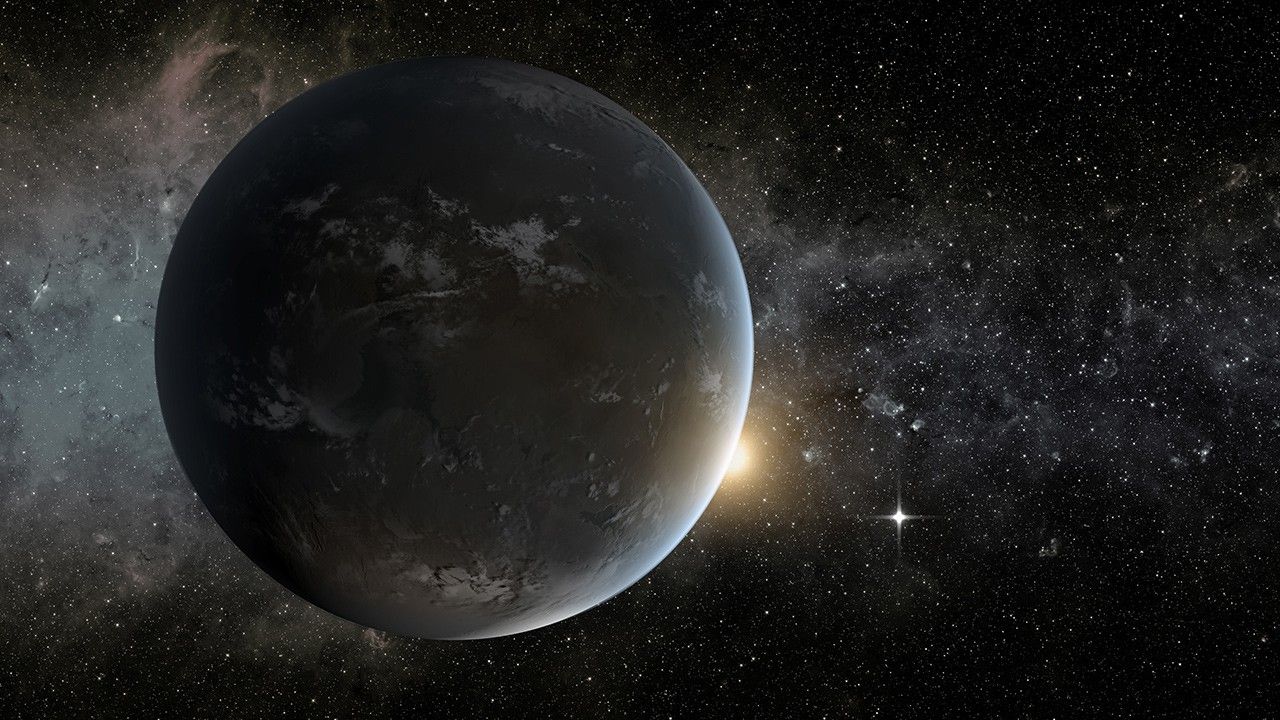
June 10, 2026A debate has been raging amongst planetary scientists for over a decade - why are there so few exoplanets with a radius of about 1.8 times that of the Earth? Exoplanets are currently largely grouped into two distinct groups - “super Earth” are below that size and have rocky interiors, whereas “Sub-Neptunes” are above that size limit and appear “puffier.” But we don’t really understand what about the path of planetary evolution forces this bifurcation. A new mission proposal, called the Early eVolution Explorer (EVE) wants to find out, and a draft of its concept can be found in pre-print form on arXiv.
-
Astronomers Find a Four-Carbon Sugar in Deep Space
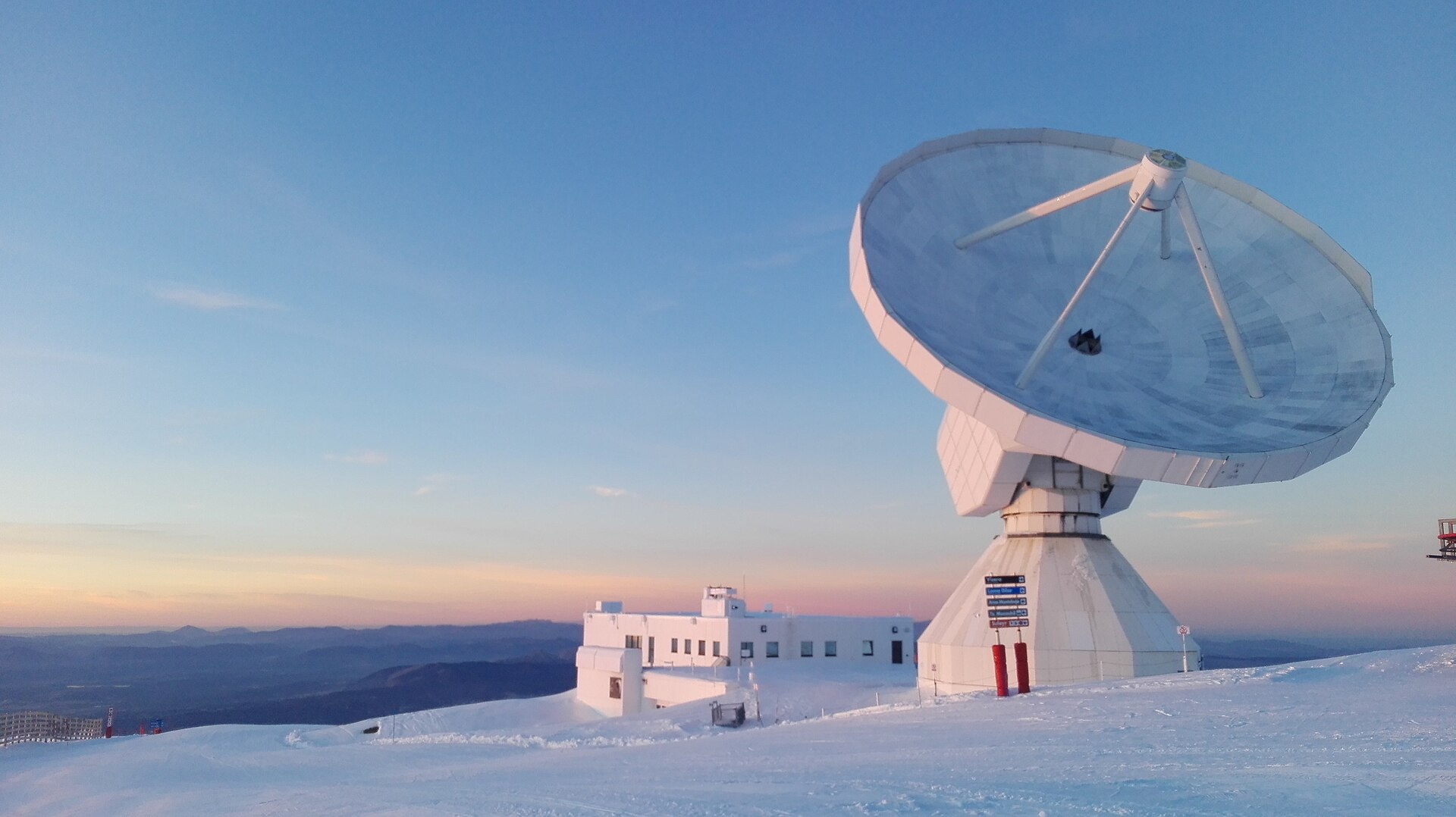
June 10, 2026The space between stars may seem like a barren desert, but over the past few decades scientists have been finding all sorts of interesting chemicals in it. From the precursors to proteins to the building blocks of cell membranes, there has been discovery after discovery of new molecules in the giant gas clouds between the stars. Now, a new paper available in pre-print on arXiv details the discovery of the first ever four-carbon sugar in the Interstellar Medium (ISM), and it is another brick on the path to understanding how life on Earth first developed.
-
A Rare Meteorite Just Revealed a Lost, Mars-Sized Planet from the Dawn of the Solar System
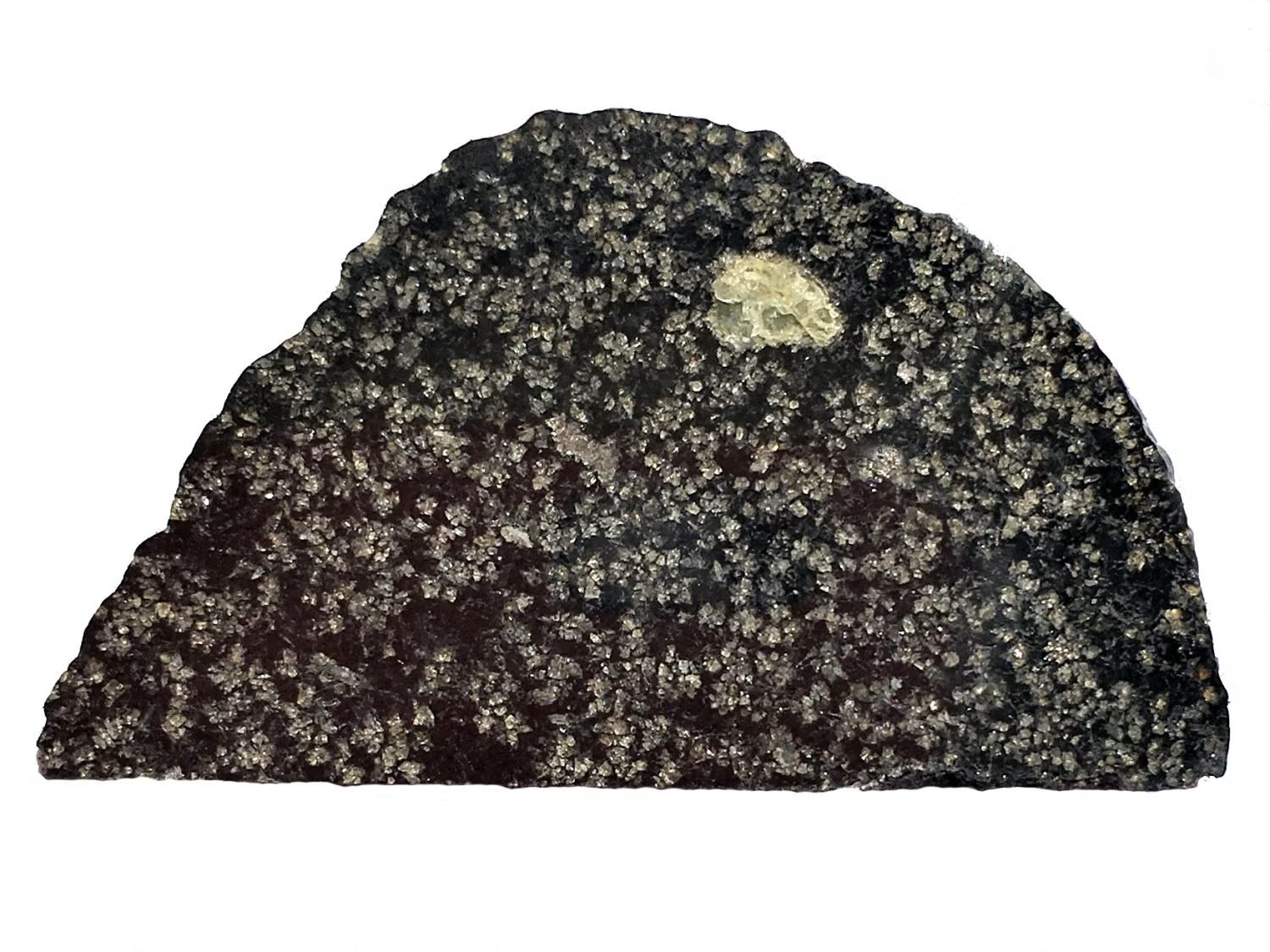
June 09, 2026Meteorites are (usually) gifts from the heavens. They provide unique insights to parts of the solar system that we couldn’t access otherwise - either because it's too expensive, or because the solar system itself has evolved since it was formed. A new paper from researchers at the University of Colorado Boulder details how one particularly famous meteorite offers a window into just such a bygone age of the solar system - and the failed planet that was a part of it.
-
Neptune’s Weirdest Moon Nereid Might Be the Lone Survivor of an Ancient "Moonpocalypse"
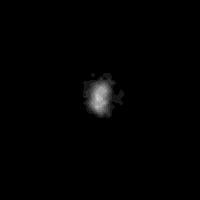
June 09, 2026Neptune is definitely the odd one out of the gas giants. It’s tilted at a strange angle, and its moons are completely different from any other gas giant we know of. A new paper, published in Science Advances from researchers at CalTech, posits that might be because Triton, by far Neptune’s largest moon, absolutely obliterated the regular moon system it previously had, except for one particular exception - Nereid.
-
Space Telescopes Are Now Overwhelmed by Satellite Trails
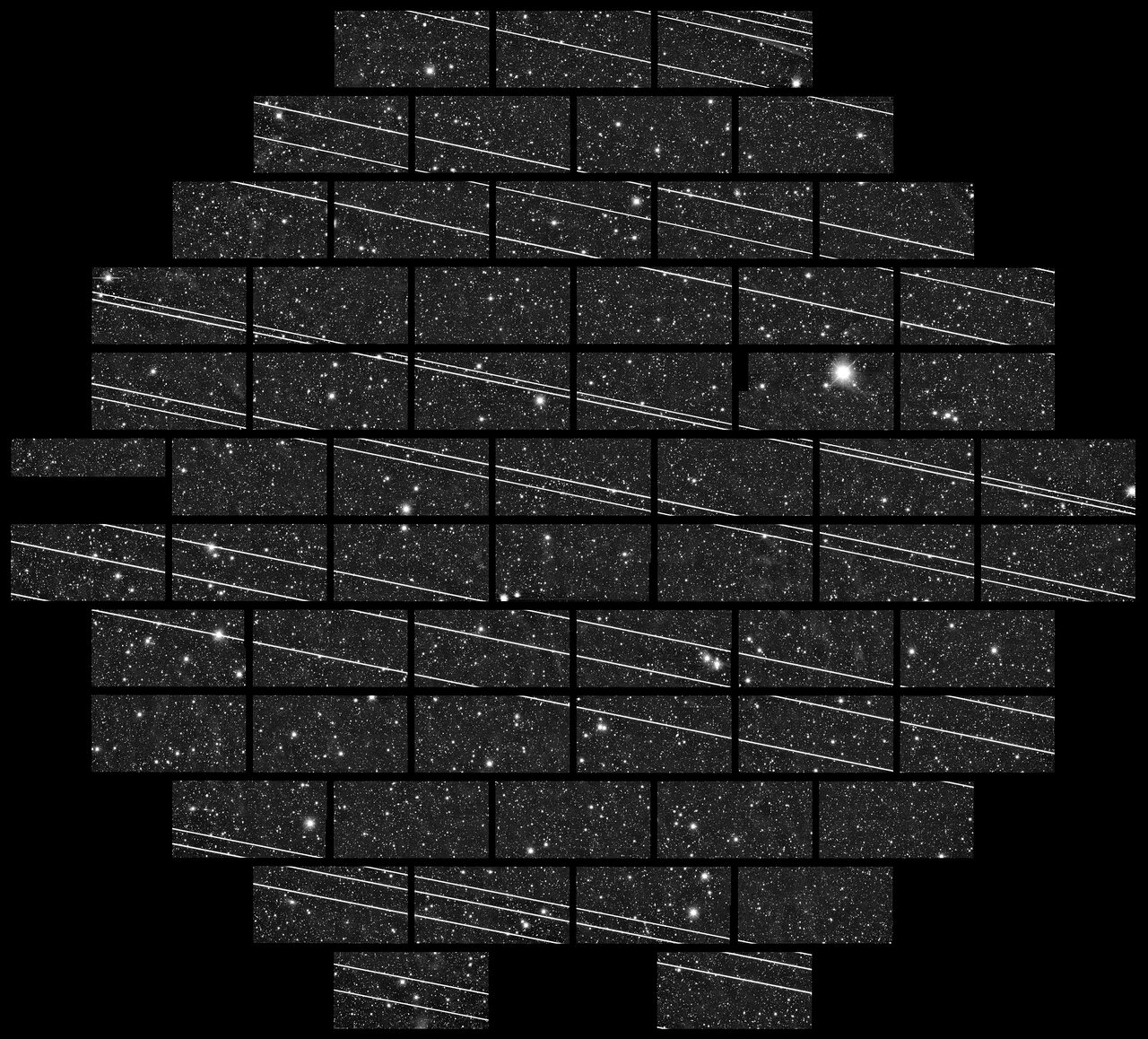
June 08, 2026Unfortunately there’s more bad news to report on the clear skies front. A new paper, available in pre-print on arXiv from researchers at NASA’s Ames Research Center, reports that 73.3% of images the agency’s new SPHEREx space telescope collected between May and September of last year were contaminated by at least one artificial satellite trail. And it’s only going to get worse from here.
-
The Hidden Physics Complicating Interstellar Lightsails
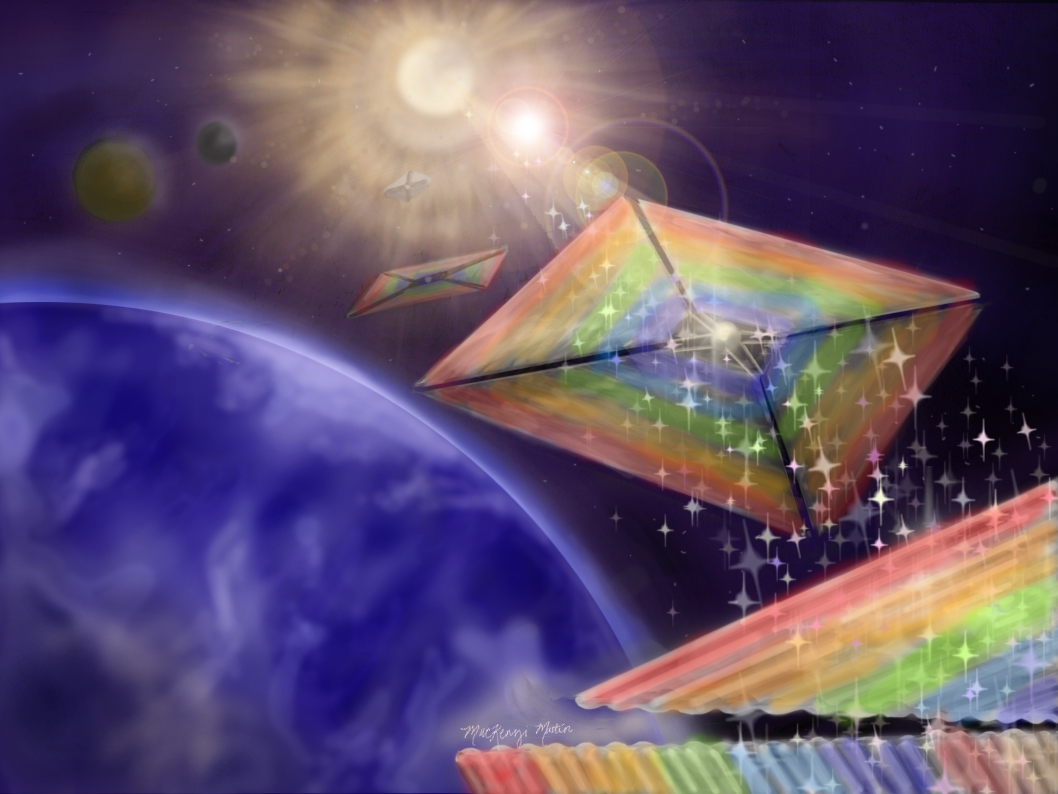
June 08, 2026If we’re to reach another star, chemical propulsion will not get us there in any reasonable time frame. We’re going to need a different propulsion technology, and one of the most promising seems to be a solar sail. These giant reflective surfaces form the basis of many interstellar missions. Combined with giant lasers pushing them, they can be accelerated to speeds unreachable by any other current technologies. However, according to a new paper available on arXiv from Chao Shen and Jiaze Li of the Harbin Institute of Technology, once those missions start reaching a significant percentage of the speed of light they’re going to run into a drag force from the light itself.
-
A “Green” Dual-Mode Engine is About to Give CubeSats the Best of Both Worlds
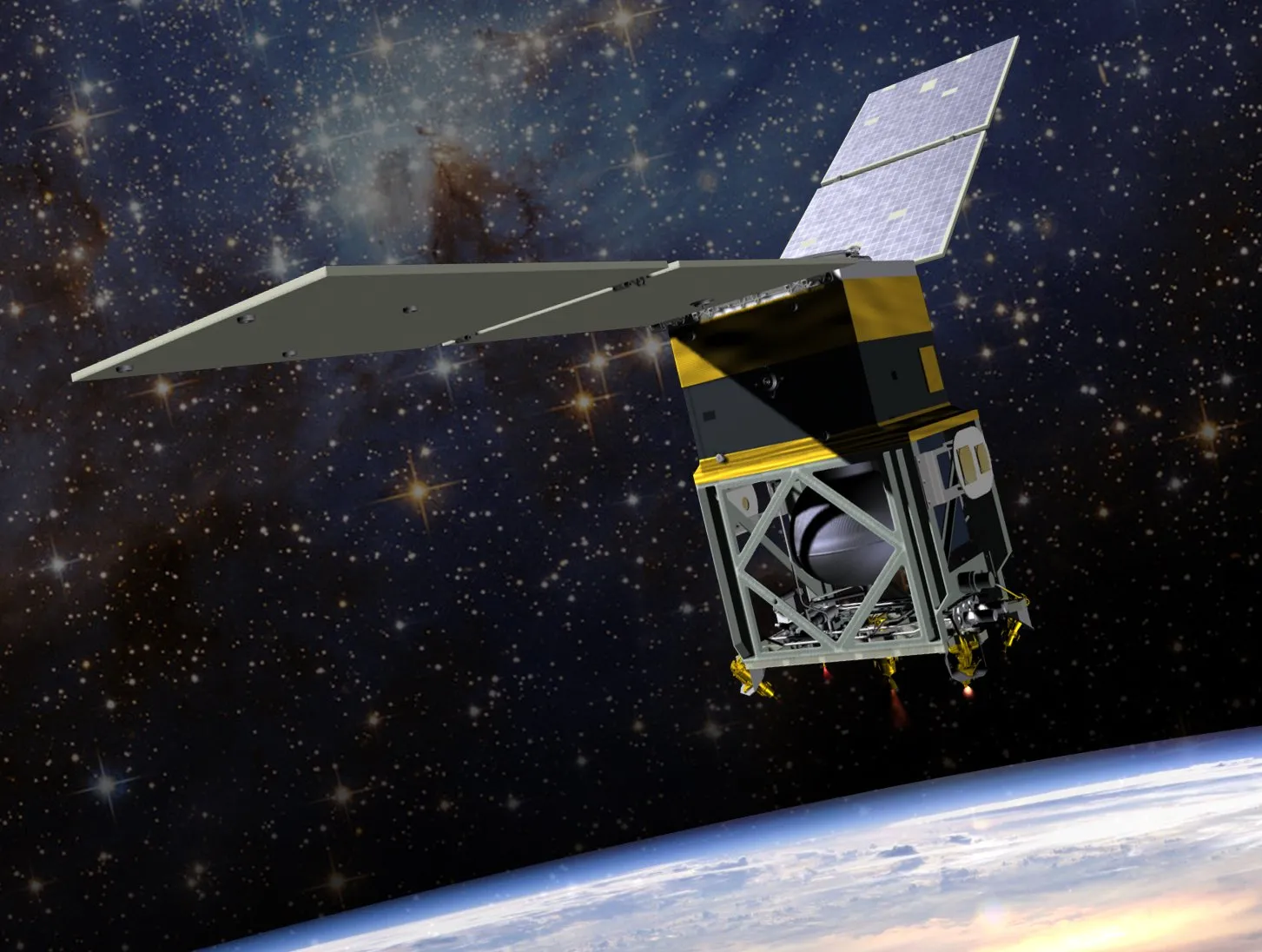
June 06, 2026Rocket scientists have always faced a trade-off in propulsion technologies. Chemical rockets can provide lots of oomph, but burn through fuel so quickly they can only do so for a few minutes. Electric propulsion, on the other hand, can run for days, but the pushing power they provide is miniscule compared to their chemical cousins. A new paper in the Journal of Propulsion and Power from researchers at MIT describes a system that might be the best of both worlds - a propulsion system that includes an electrospray thruster that uses a chemical rocket propellant, and can seamlessly switch to a chemical rocket when needed.
-
Asteroid Dirt is "Fluffier" Than We Thought
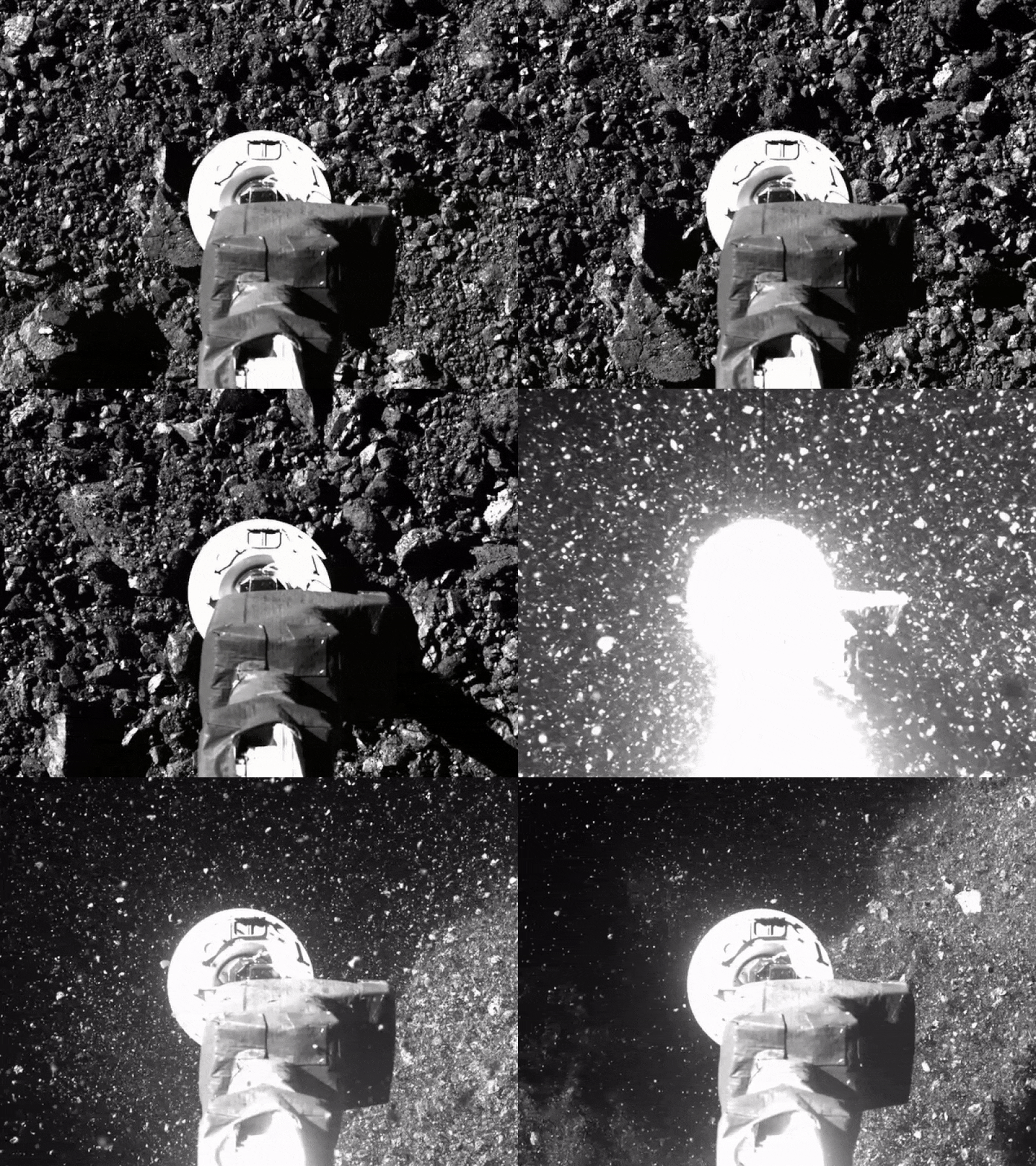
June 03, 2026The strength of gravity is different on every body in the solar system. Whether it's the crushing weight of Jupiter or the miniscule pull of a small asteroid, this fundamental force of physics still has a major impact on the material those bodies are made up of. A new paper from researchers at the University of Duisburg-Essen and the German Aerospace Center (DLR) showcases just how different it can be by letting planetary simulants freefall inside a giant drop tower and measuring how “fluffy” the space dirt got.
-
Astronomers Uncover Statistical Evidence for Recoiling Supermassive Black Holes
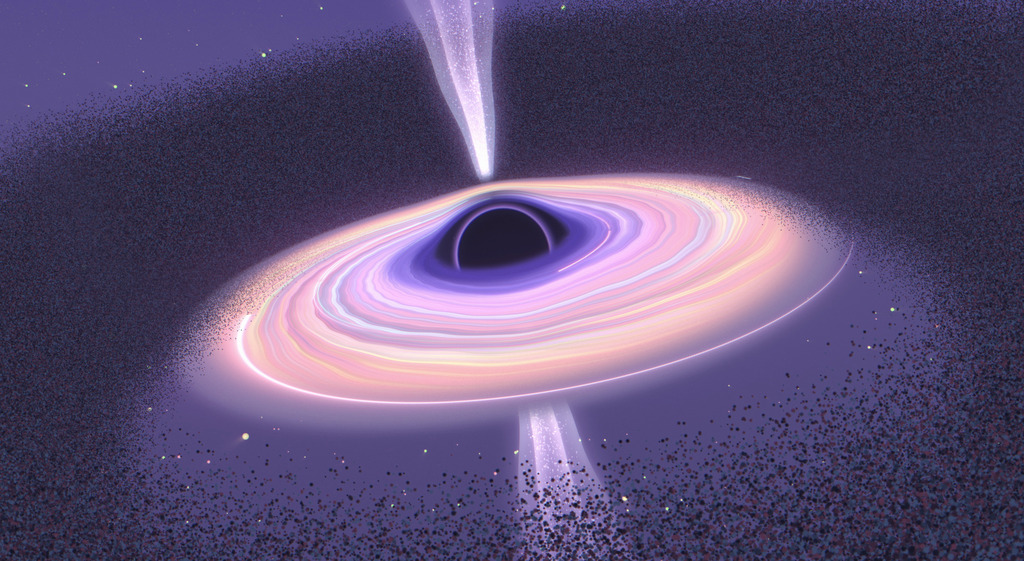
June 02, 2026Galactic collisions are events of breathtaking proportions. The Supermassive Black Holes (SMBHs) at their centers plunge into a chaotic orbital dance that eventually coalesce into a single remnant. On their way to that point, they could eventually get “kicked” out of the center of their galaxy - and finding these “recoiling” black holes has been a challenge of cosmology for decades. A new paper, available on arXiv by an international team, used a novel idea to track down these fast-moving behemoths.
-
Flash-Melted Glass from Chang'e-5 Reveals a High Levels of Iron on the Moon
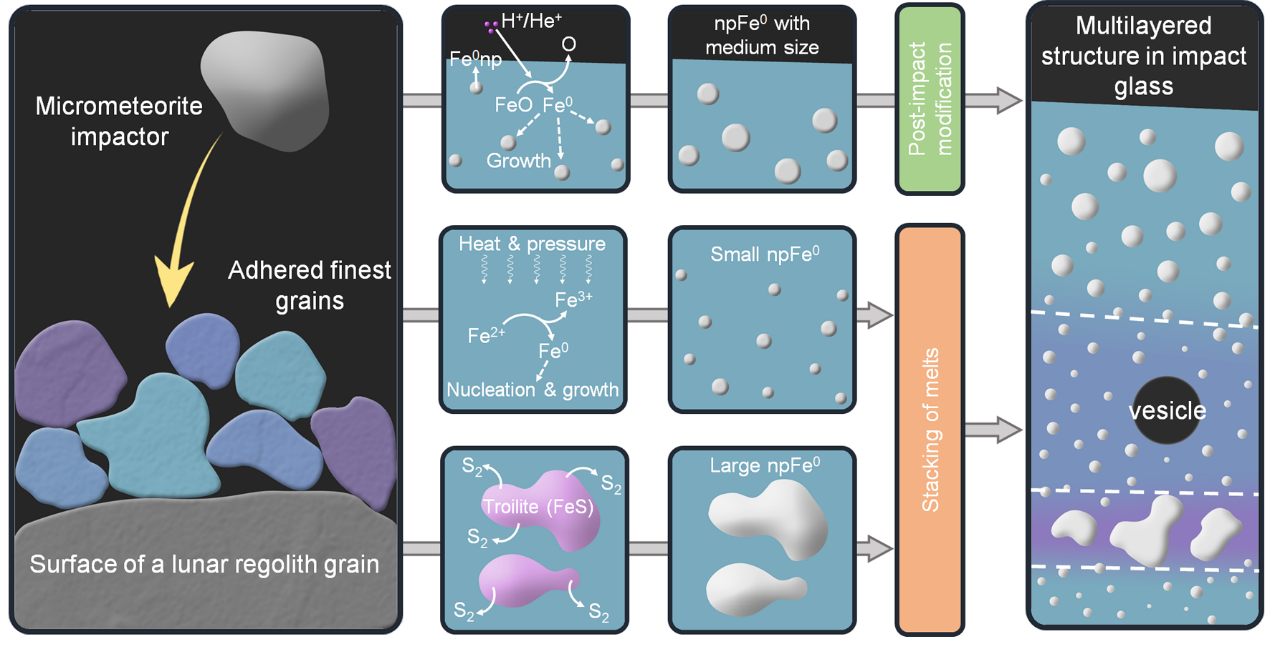
June 02, 2026It might not seem like it, but the Moon is constantly being both sandblasted and baked. Its lack of a thick atmosphere allows micrometeorites to impact the surface at speed, and the solar wind isn’t held back either, baking the regolith with a constant flow of high-energy particles. These processes drive what is called “space weathering”, and it can drastically alter the physical and chemical properties of the lunar dirt over the course of billions of years. And we’re finally getting a better sense of what that means in practice thanks to two new papers from researchers at the Chinese Academy of Sciences and Peking University, which used advanced electron tomography and spectroscopic techniques to analyze samples returned from the Chang’e-5 mission to the near side of the Moon.
-
Mars Hid its Warm, Wet Crystals Underground
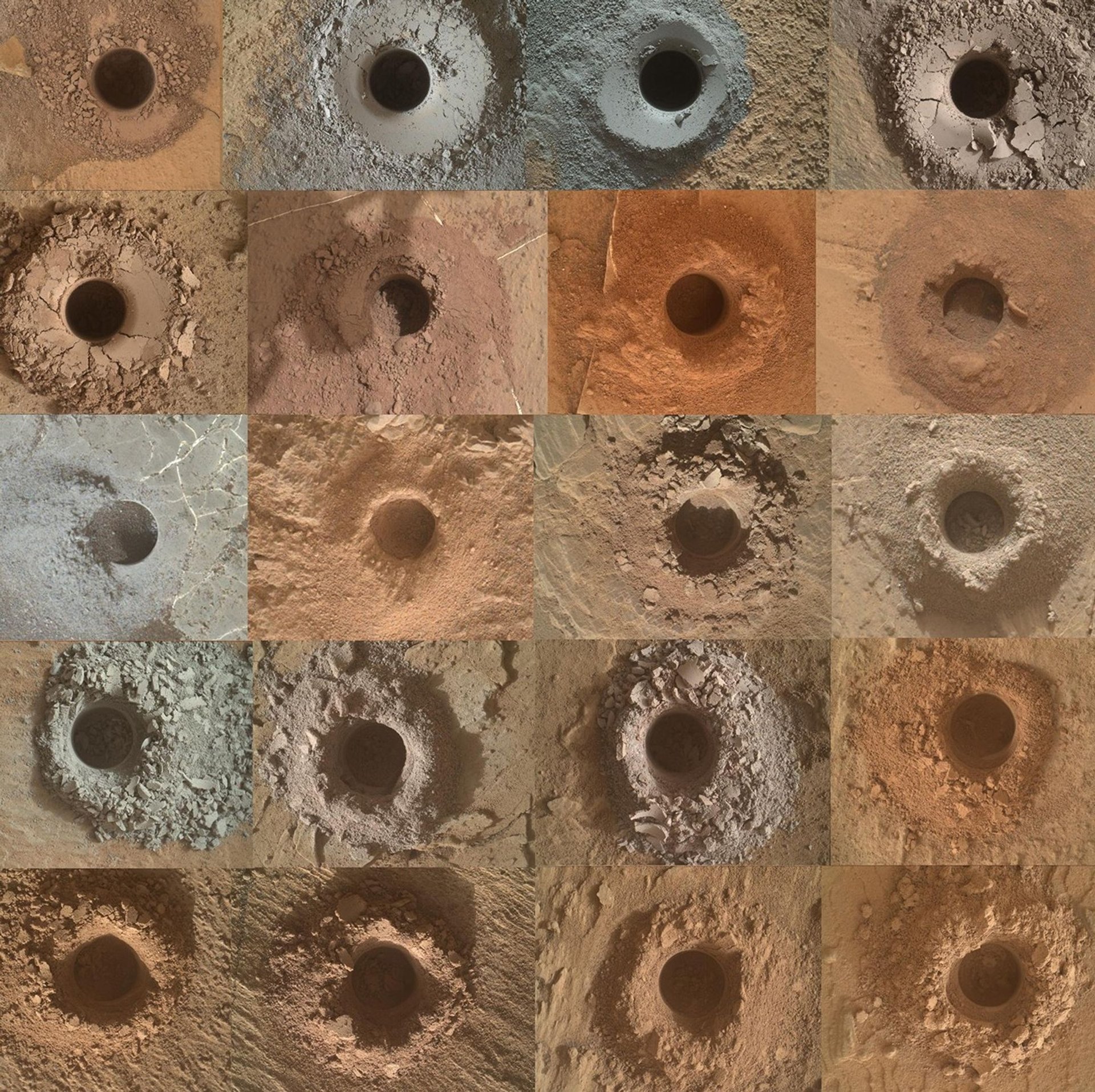
June 02, 2026The search for any sign of life on Mars continues. In the latest update, a new data release from Curiosity’s Chemistry and Mineralogy (CheMin) - essentially the rover’s portable X-ray diffraction lab - and published in a paper in Science, analyzes 20 different rock samples from various elevations of Mount Sharp, the mountain in the center of Gale Crater that Curiosity has been slowly climbing. In the paper, the researchers describe how the size of the crystals in those samples could help scientists determine where to look for evidence that life might have evolved on the Red Planet.
-
Could the Milky Way’s Missing Mass Be Hiding in a Swarm of Interstellar Comets?
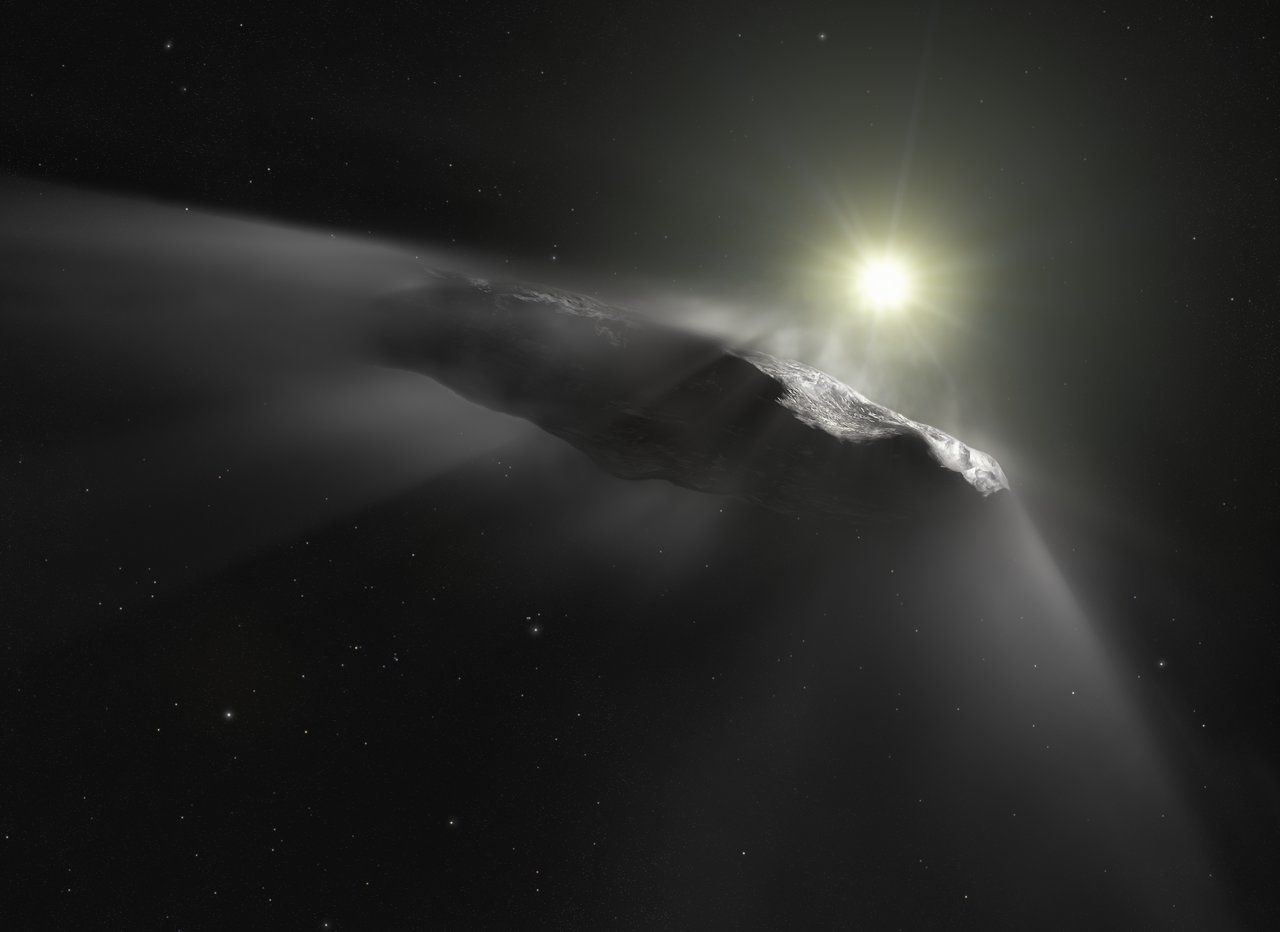
June 02, 20263I/ATLAS has caused quite a stir over the last year, inviting astronomers to update what they know about other solar systems as well as our own. However, this third interstellar visitor may have an unexpected impact on our understanding of dark matter. A new paper, available in pre-print on arXiv from researchers at the University of Hamburg, attempts to calculate the impact that the presence of large amounts of interstellar objects (ISOs) would have on our calculation of dark matter in our galaxy.
-
Astrobiology's Looming Statistical Crisis
June 01, 2026Multi-billion dollar space telescope programs aren’t only feats of aerospace engineering. They also feature “lies, damn lies, and statistics”. Or at least statistics. They definitely feature those, as does all good observational astronomy. The problem with statistics is, in order to get a clear definitive answer, you need lots of samples. And, to put it mildly, it’s hard to find lots of samples of planets with alien life on them. And even harder to prove that the signals we think are caused by alien life aren’t caused by some other non-biological process. Or at least that’s the theory underpinning a new paper available in pre-print on arXiv from David Kipping of Columbia University (and Cool Worlds YouTube fame).
-
How Heavy Can a Neutron Star Get?
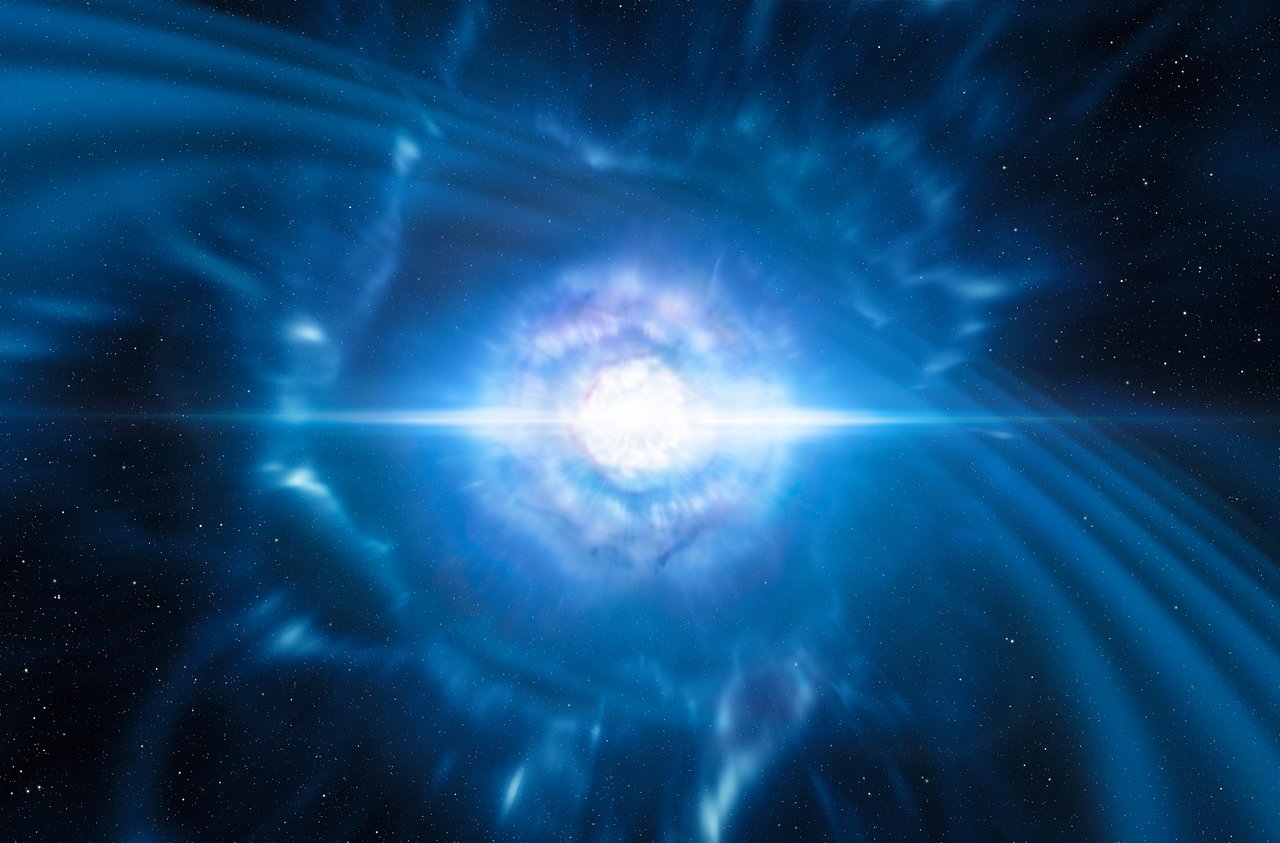
June 01, 2026The physics of neutron stars are almost too fantastic to believe. Something the weight of two Suns compacted to a sphere the size of a city. Each teaspoon of its material would weigh billions of tons. If you’ve done any reading on the topic, you’ve heard these facts before. But despite the intense interest these extreme objects hold, we are still actively learning lots about them. One of the most pertinent outstanding questions is where is the line between becoming a neutron star and becoming a black hole when a star dies. A new paper by researchers at the HUN-REN Wigner Research Centre for Physics in Hungary describes what they believe to be a definitive answer to that question - between 2.2 and 2.3 solar masses.
-
How a Giant Moon and a Steam Atmosphere Built the Recipe for Life
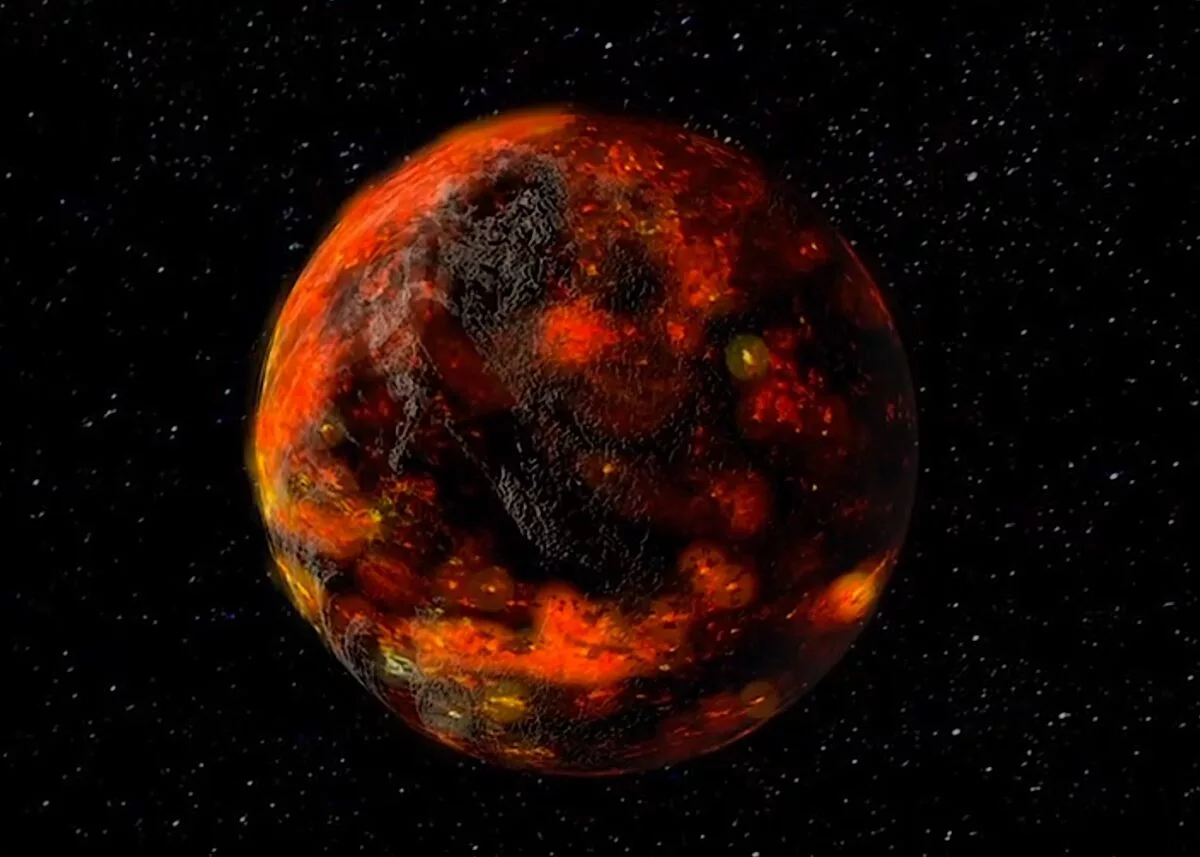
June 01, 20264.5 billion years ago was an interesting time for the Earth. The atmosphere was thick and what we would now think of as toxic. The Moon, which was freshly formed, looks much more massive than it does today and faintly glows with the residual heat from its own creation. And the floor was literally lava. Everywhere. If there were any children alive at the time, they would have no chance of winning that game. But for a long time, scientists had thought this molten phase of the Earth didn’t last long. But according to a new paper, available in preprint on arXiv by researchers at the Kapteyn Astronomical Institute, it might have lasted for upwards of half a billion years.
-
A Faster Way To Forecast Alien Weather
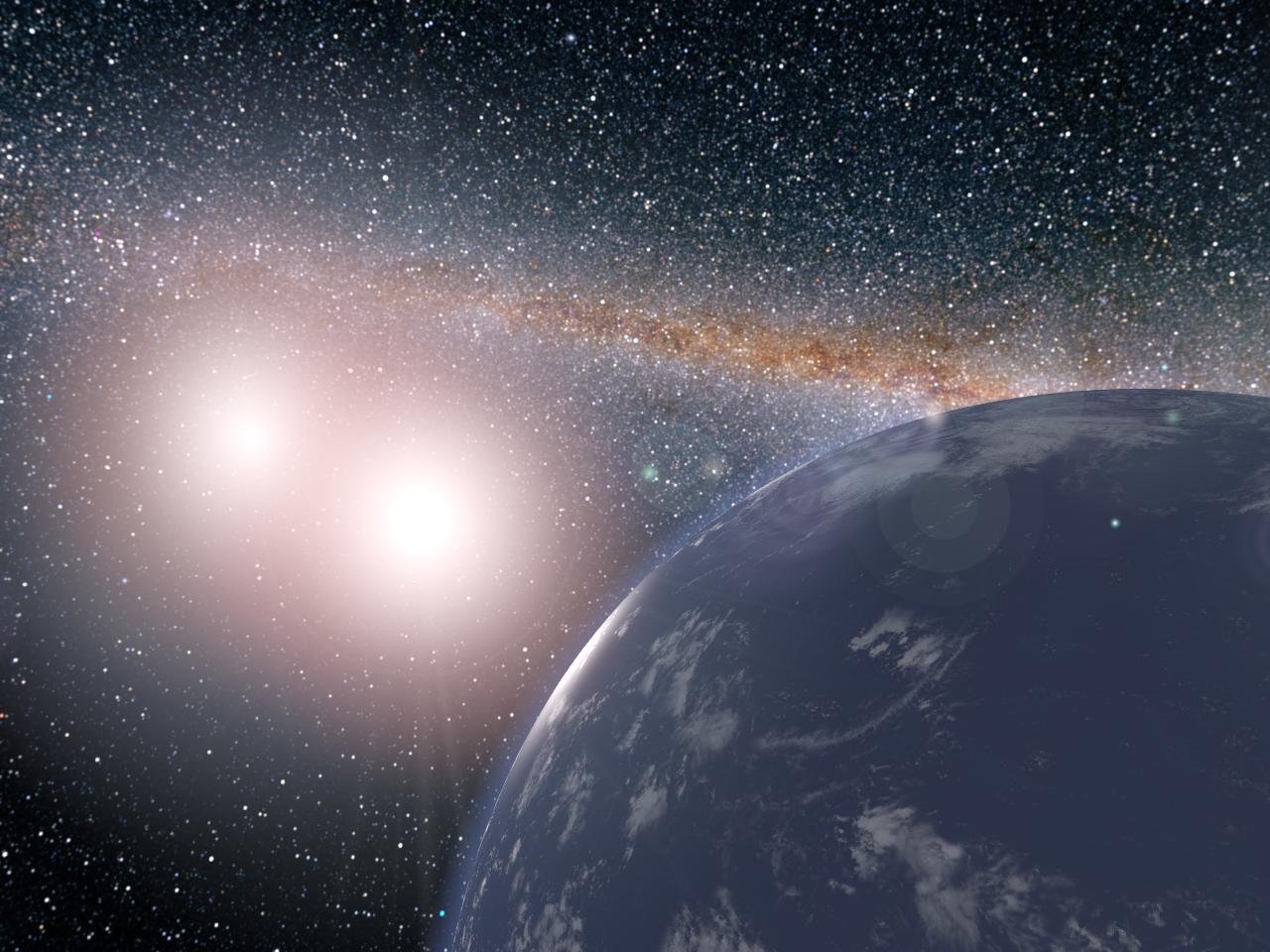
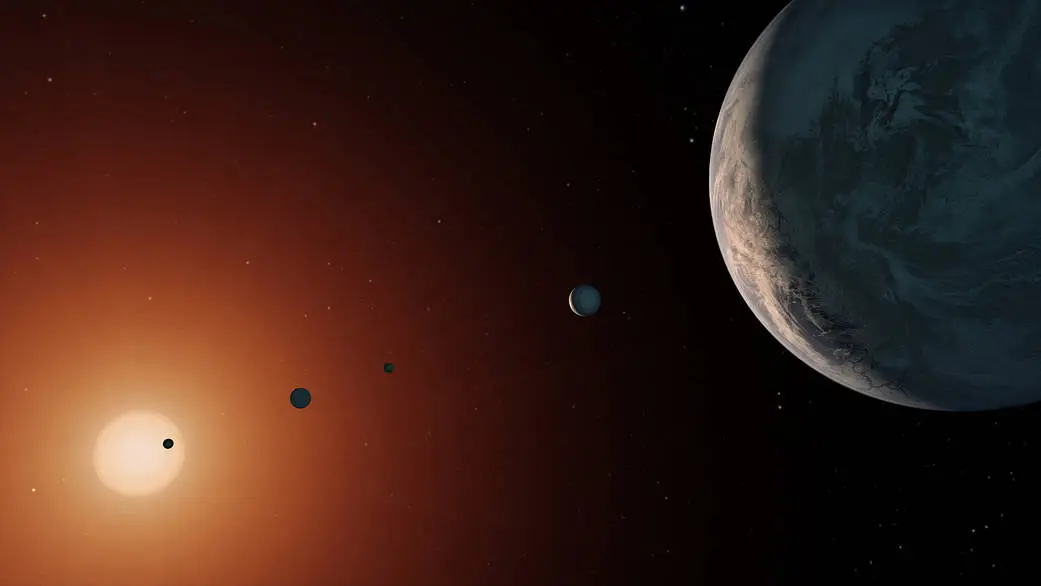
June 01, 2026The TRAPPIST-1 system, located about 41 light years from Earth, has been a focal point of much exoplanetary discussion - mainly because it has 7 confirmed planets orbiting a dim M-dwarf star. Two of those planets - TRAPPIST-1e and -1f - are thought to be in the star’s habitable zone. However, the habitable zone of M-dwarfs is so close to the star itself the planets are likely tidally locked to it, meaning they have a permanent day and night side, with a “twilight terminator” in between. Armed with that knowledge, scientists have been attempting to model the climate on these two exoplanets, and a new paper from Jacob Haqq-Misra of Blue Marble Space uses a new type of climate model to accurately do so with much less computational power.
-
The Definitive Census of Multiple Star Systems Within 10 Parsecs
May 26, 2026Our Sun is a loner. It lacks a stellar companion hurtling through interstellar space with it. But we’ve known for a long time that’s actually relatively rare - most stars have at least one gravitationally bound partner. Understanding how exactly those stars are related to each other is critical for observational campaigns - especially for those of exoplanets. So a new paper from researchers at the University of Madrid that categorizes almost every star within ten light years into companion categories is a welcome addition to the literature on the subject, and could be used to inform the next round of planet habitable planet hunting satellites.
-
Are Satellite Megaconstellations Accidentally Geoengineering the Earth?
May 26, 2026We’ve been reporting a lot lately on the negative impacts of satellite constellations. And unfortunately it’s time for another article about a paper pointing out the potential hazards of them. This one, by lead author Conner Barker of University College London, focuses on the pollution caused by rocket launches - and admittedly contains some good news, but also a cautionary tale that policy makers should be aware of.
Universe Today