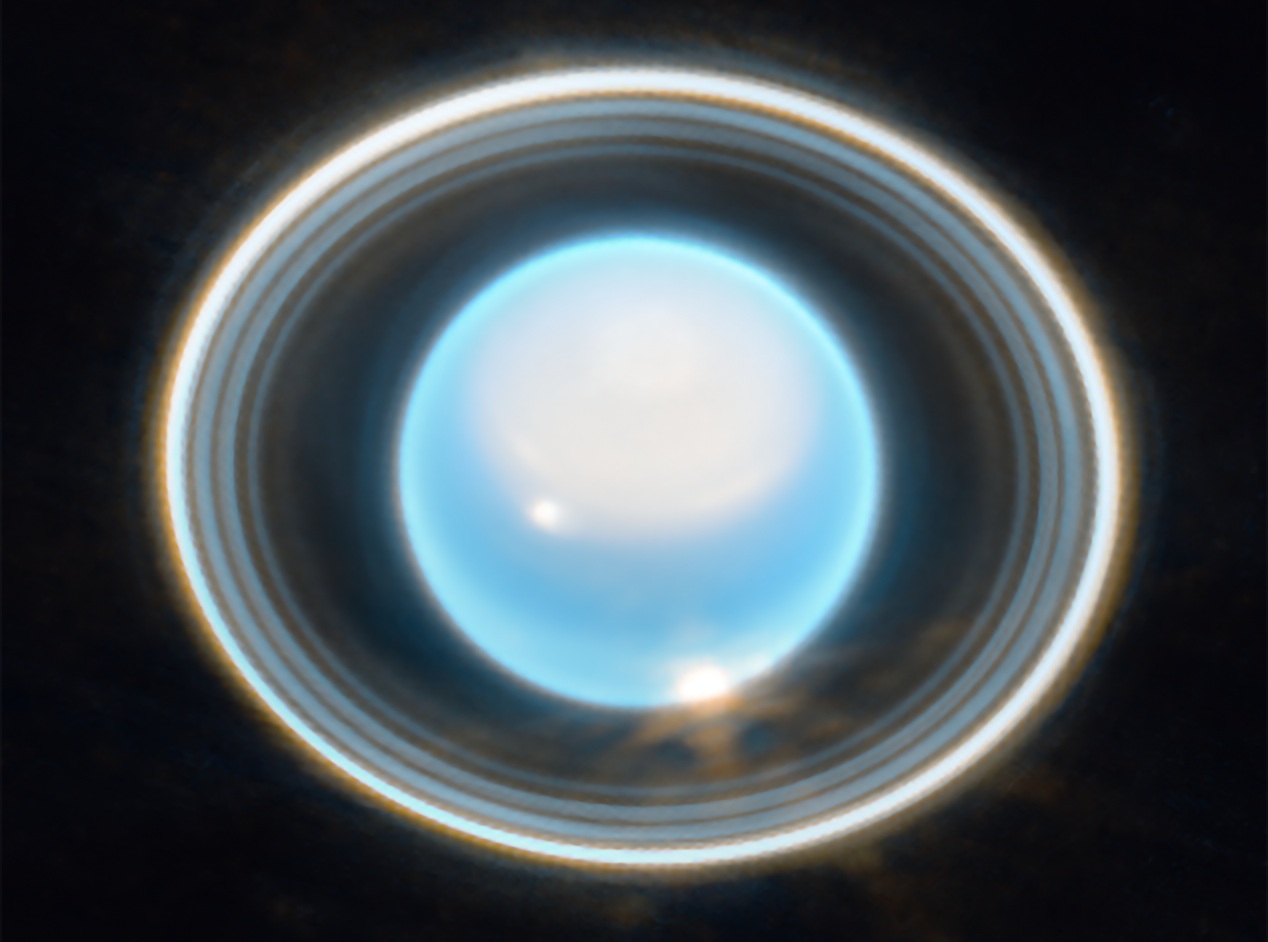
A rare stellar occultation, which happens only once every 30 years, allowed astronomers to observe Uranus and learn more about the composition of its atmosphere and rings.
Continue reading
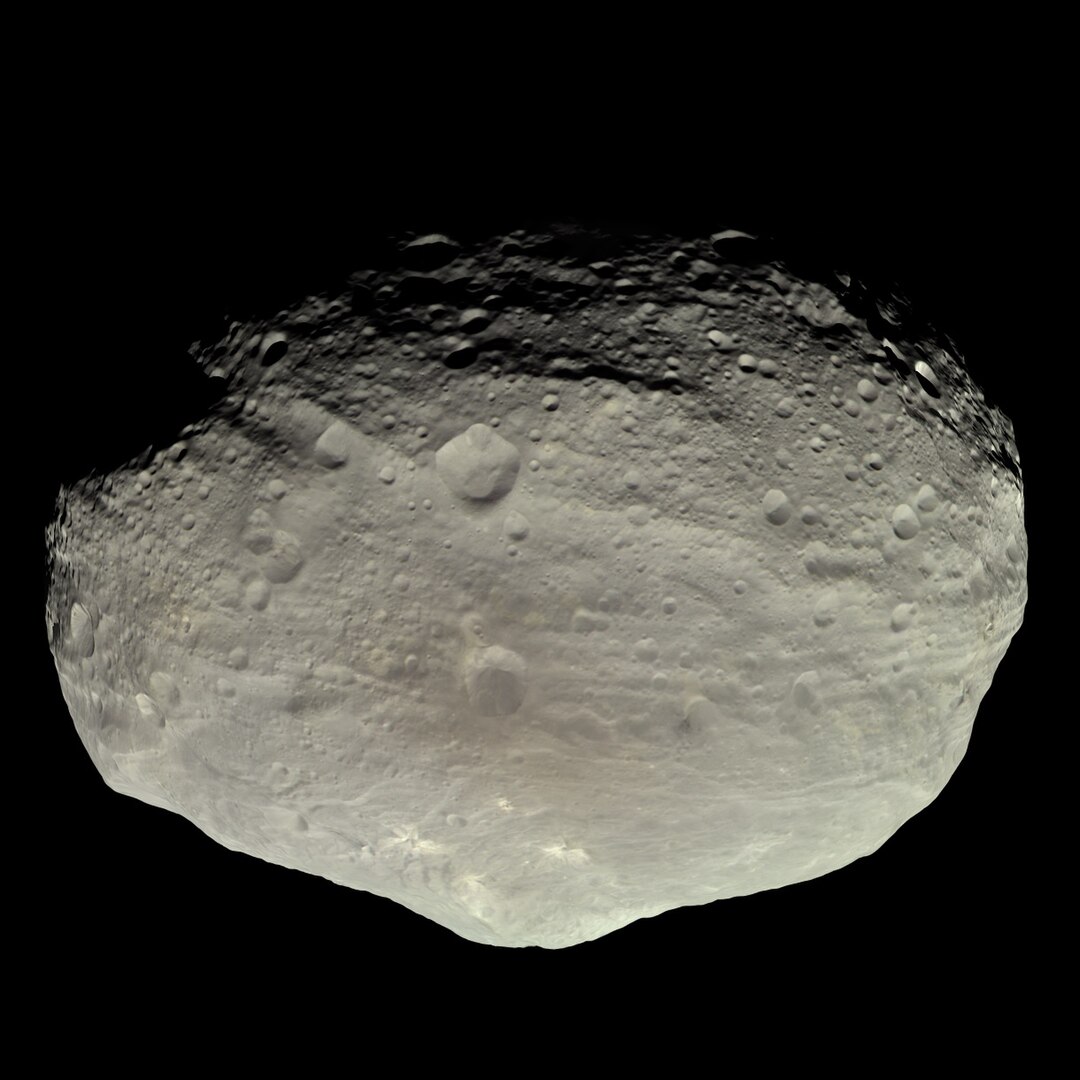
As the second-largest object in the main asteroid belt, Vesta attracts a healthy amount of scientific interest. While smaller asteroids in the belt are considered fragments of collisions, scientists think Vesta and the other three large objects in the belt are likely primordial and have survived for billions of years. They believe that Vesta was on its way to becoming a planet and that the Solar System's rocky planets likely began as protoplanets just like it. But new research is casting doubt on that conclusion.
Continue reading
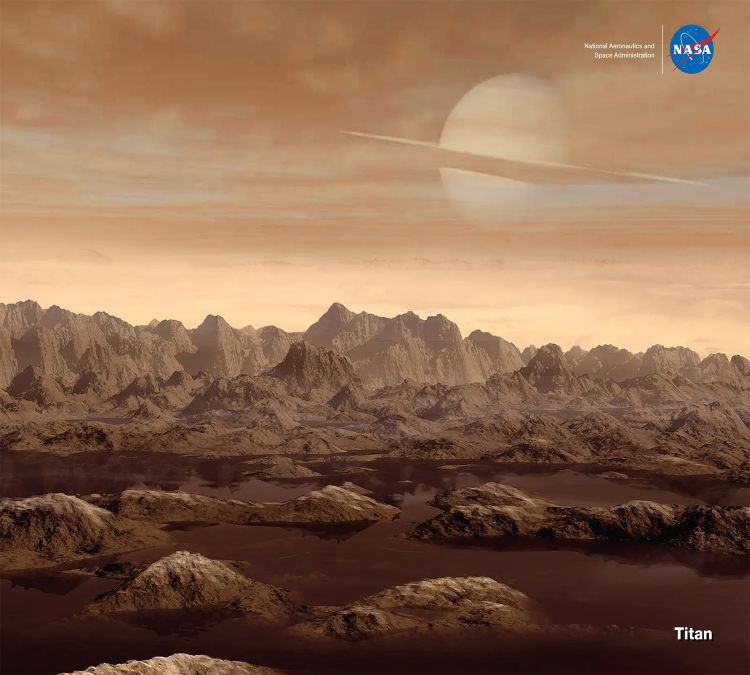
What will a human experience while standing on the surface of Saturn's largest moon, Titan, even with the protection of a pressurized spacesuit? This is what a recent study presented at the 56th Lunar and Planetary Science Conference hopes to address as William O'Hara, who is the Executive Director of Explore Titan investigated what physical attributes a human will experience when standing on Titan's surface. This study has the potential to help scientists, engineers, mission planners, and the public better understand the risks associated with sending humans to far-off worlds for long periods of time and how to develop technologies to mitigate these risks.
Continue reading
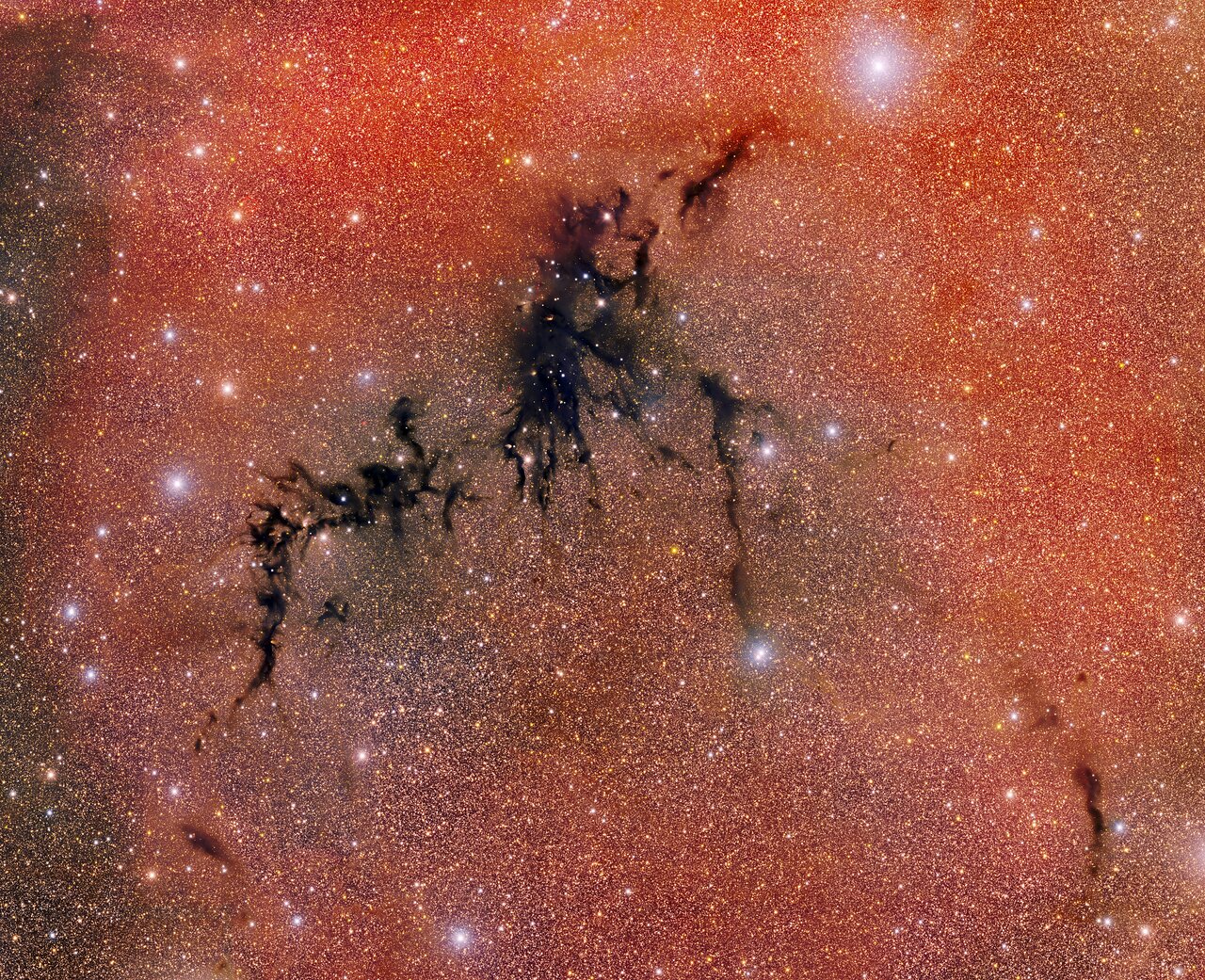
Star birth is a process hidden inside dense crèches of gas and dust. Yet, if you know what to look for, you can see the products of this essential cosmic process across the sky. The Circinus West molecular cloud is a starbirth crèche some 2,500 light-years away. It boasts everything from dark nebulae to protostellar objects and newborn stars to the faint ghosts of stars that have already died.
Continue reading
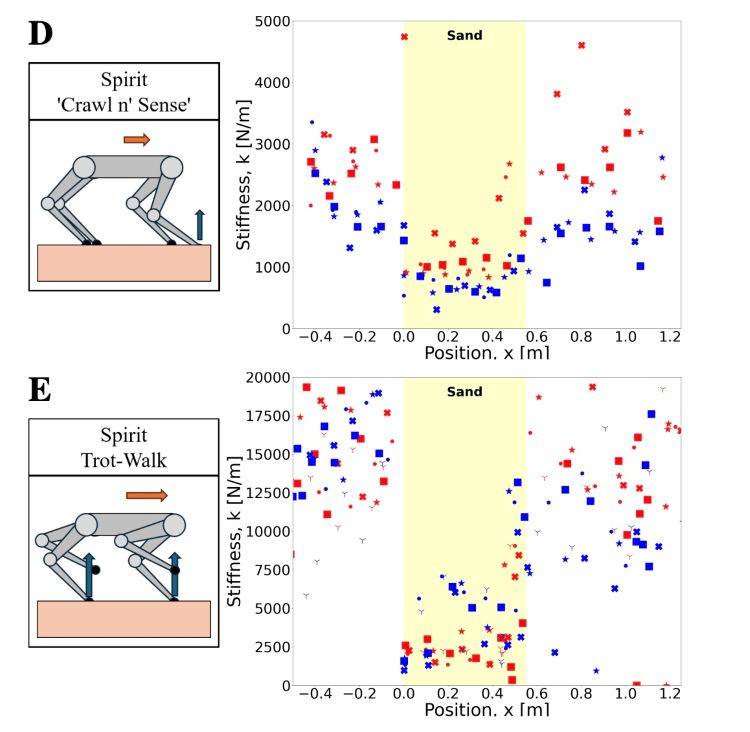
How can walking robots deliver more efficient in-situ robotic exploration on the Moon compared to other types of robots? This is what a recent study presented at the 56th Lunar and Planetary Science Conference hopes to address as a team of researchers from the University of Southern California (USC) discussed the benefits of using legged robots for lunar exploration regarding gait speed (walking speed). This study has the potential to help engineers, scientists, mission planners, and astronauts develop novel robotic designs to conduct more efficient science and mission objectives on future Moon surface missions.
Continue reading
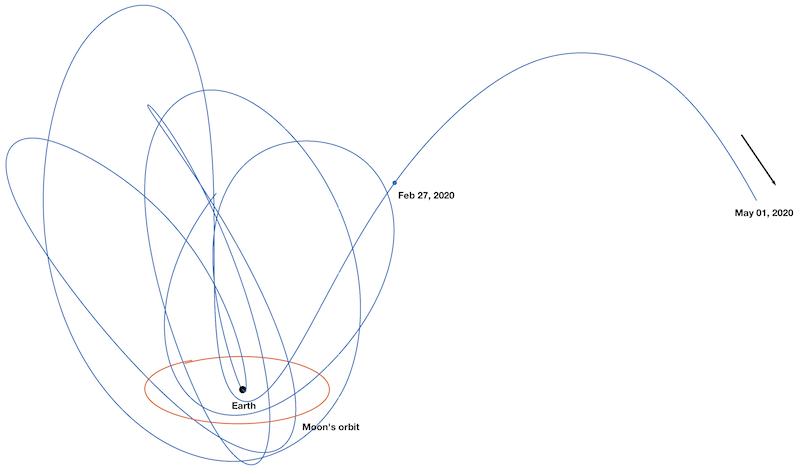
Earth has a number of companions in space; of course the Moon is the most well known but there are a host of smaller objects that visit us, complete a few orbits then head off again. A team of astronomers have detected four objects like this and have performed spectroscopic analyses on them. They found that their surface composition is similar to eh Moon suggesting that it's a major source of these temporary satellites instead of the asteroid belt.
Continue reading

The Orion Nebula is a fabulous example of a vast cloud of electrically charged gas which is emitting bright radiation. If the atoms in the gas are cool enough though, they can form giant molecular clouds that obscure light, these are known as dark nebula. A team of astronomers have now found an enormous cloud of molecular hydrogen in our own cosmic backyard just 300 light years away. The cloud contains 3,400 times the mass of the Sun and if we could see it, it would stretch nearly 40 times the width of the Moon across the sky.
Continue reading
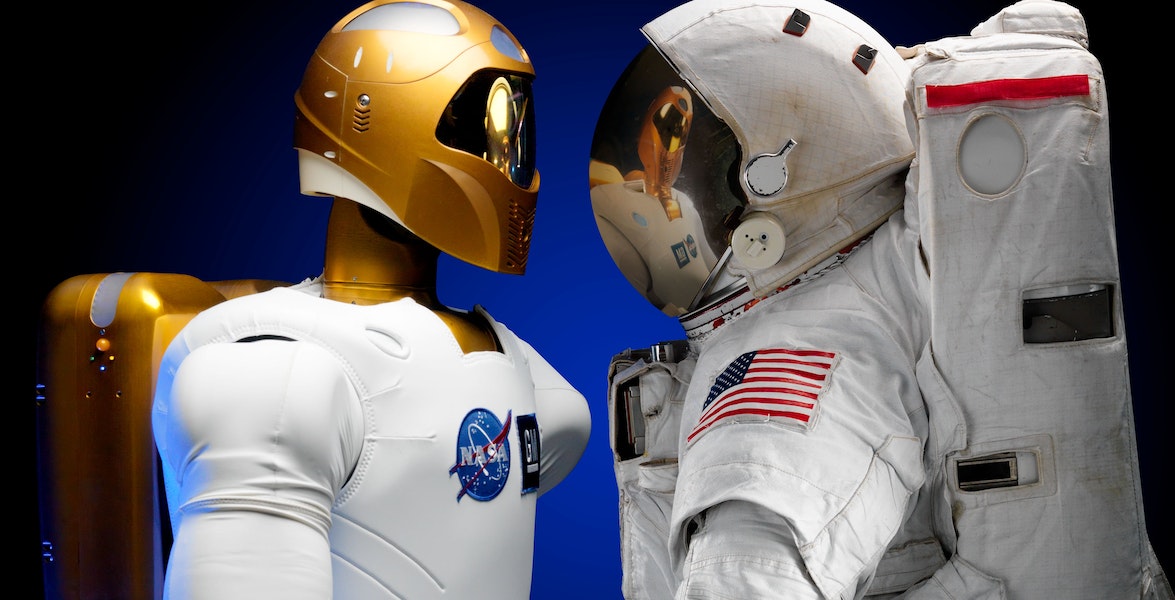
How do robots feel in space? This is both a practical and possibly an existential question. Still, today, we'll focus on the practical side by looking at a review paper from Hadi Jahanshahi and Zheng Zhu of York University in Canada that discusses different tactile sensor types and their advantages and disadvantages for use in space.
Continue reading
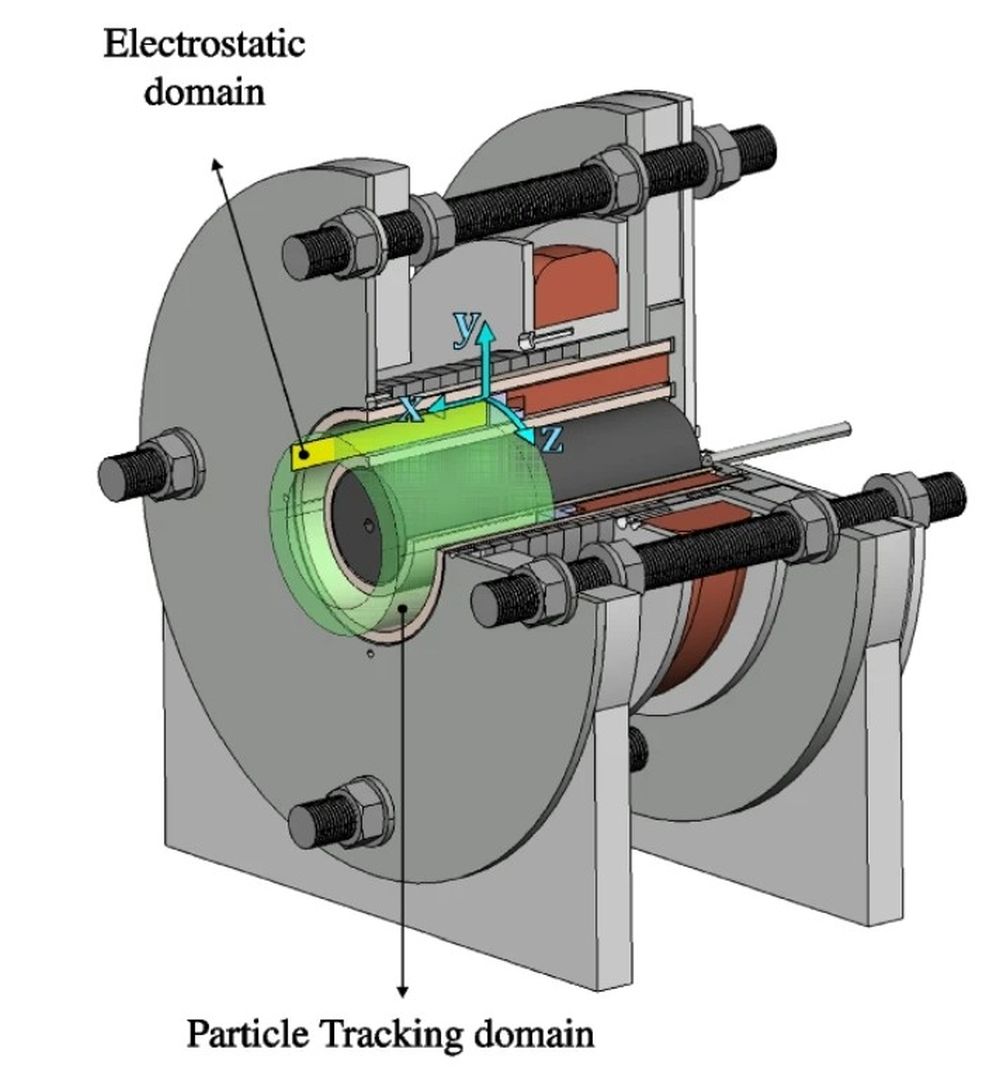
Ion drives are renowned for their efficiency. They're extremely efficient compared to chemical rockets, so they're preferred for deep space missions where propellant supplies are critical. New research shows how they could run on simple water, making them even more efficient.
Continue reading
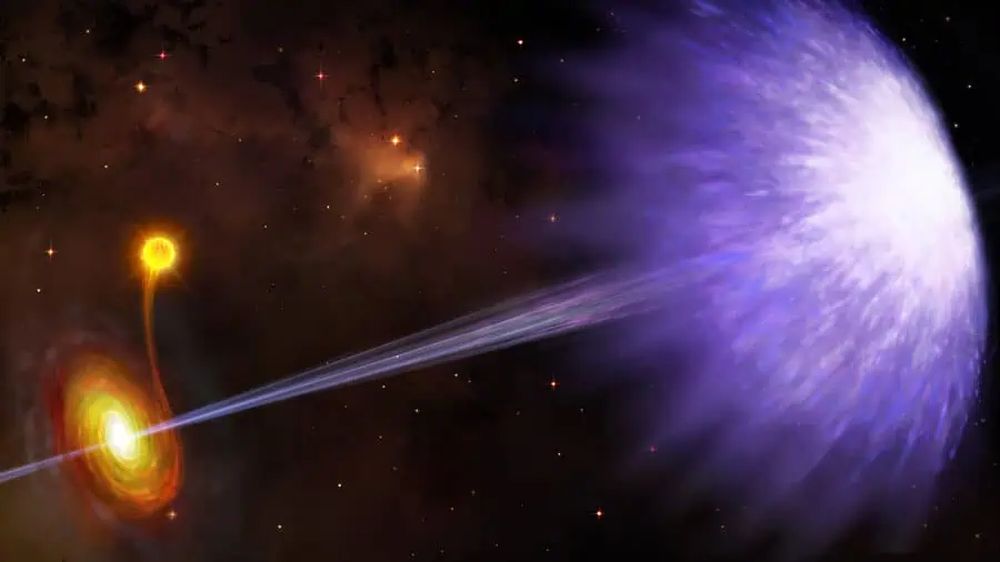
It's nearly impossible to overstate the effect supermassive black holes have on their host galaxies. When actively accreting matter, they release colossal amounts of energy as winds, jets, and radiation that shape their surroundings. But stellar mass black holes also shape their surroundings with energetic jets.
Continue reading
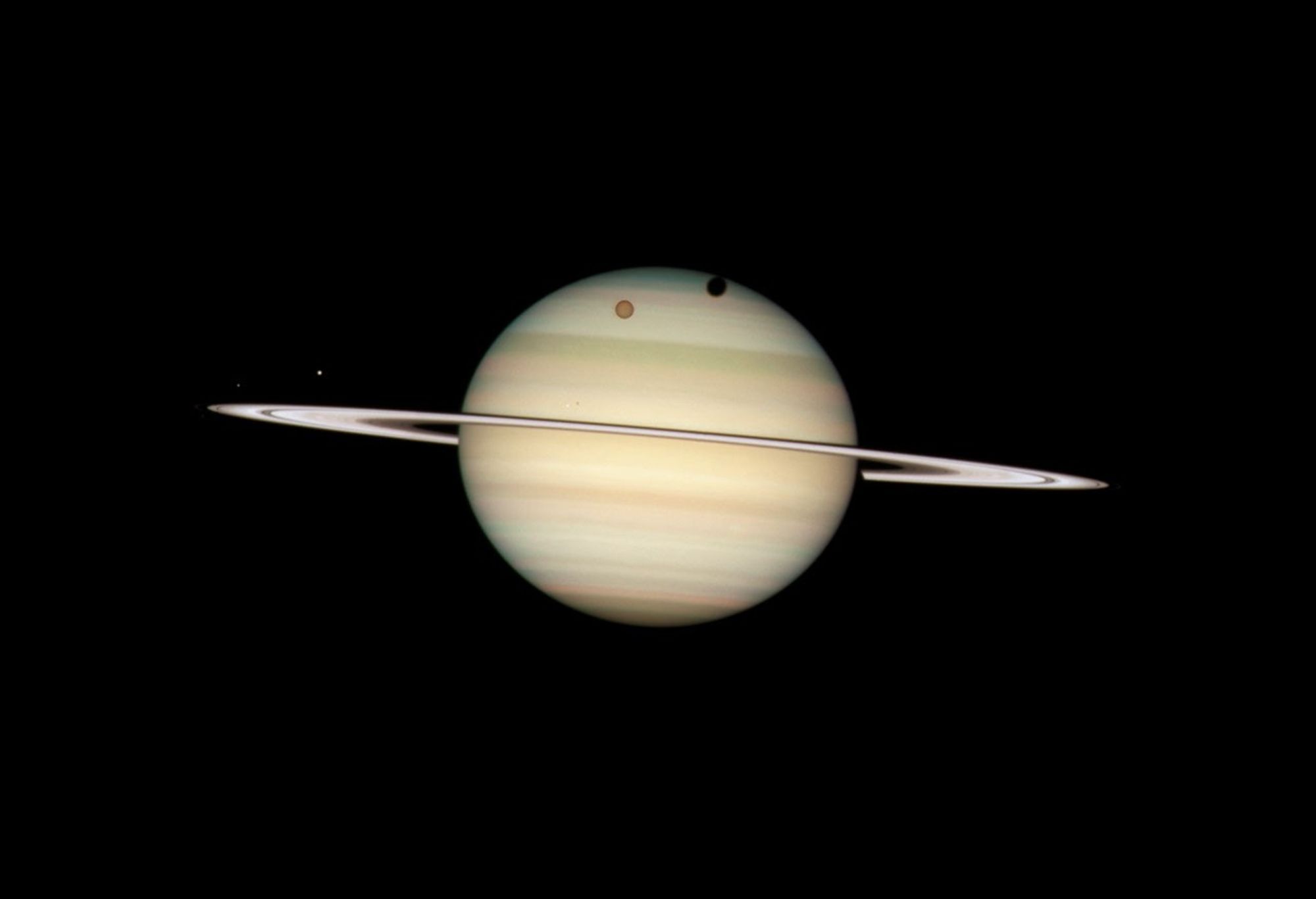
Nothing wows new observers like seeing Saturn for the first time. I always check out the ringed planet if it's visible, and telescopes down the line at any star party will invariably be pointed Saturn-ward to a chorus of 'oh's' and 'ah's'…. but 2025 gives you another reason to gaze at Saturn, as its largest moon Titan completes a series of rare shadow transits.
Continue reading
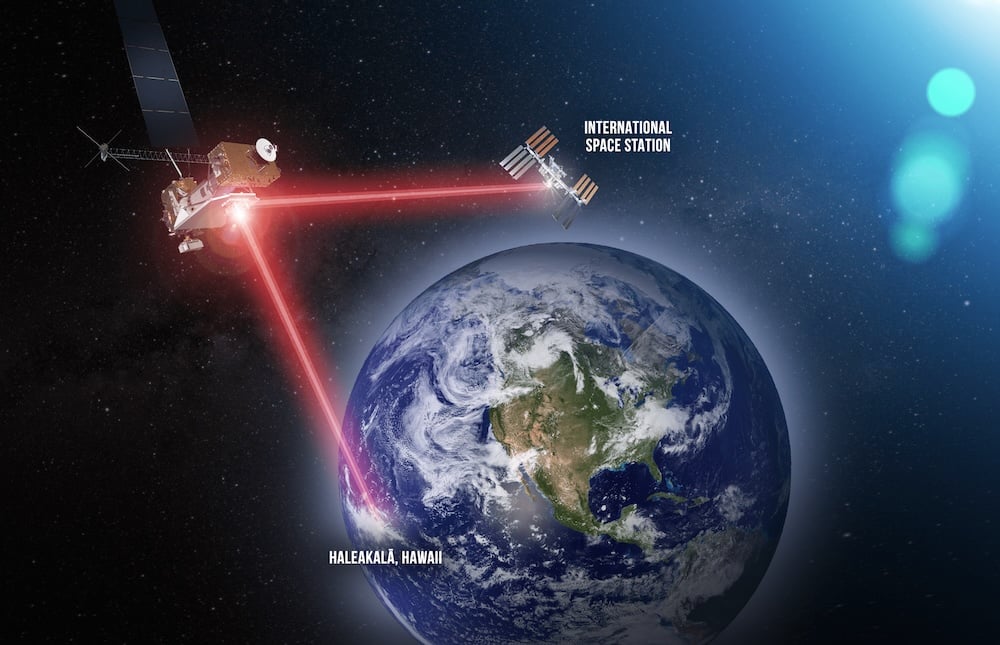
NASA's Psyche mission launched in 2023 and has now successfully demonstrated that laser technology can transmit high-bandwidth data across millions of kilometres in space, making it promising for communications from Mars. However, researchers simulating Martian conditions found that while this optical communication works well under normal circumstances, performance degrades during dustier periods and fails completely during global dust storms.
Continue reading
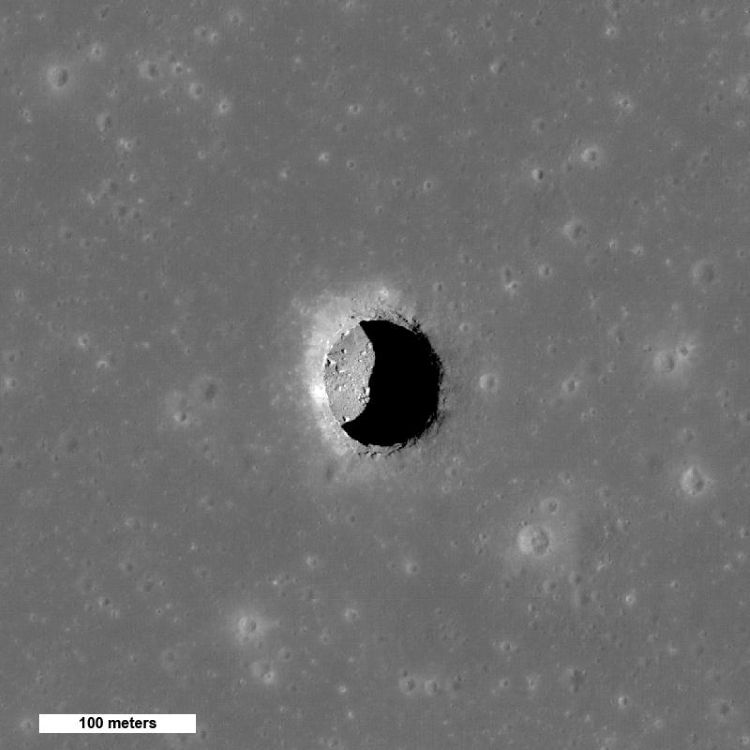
What kind of spacecraft can be used to explore and study the subsurface lunar environment? This is what a recent study presented at the 56th Lunar and Planetary Science Conference (LPSC) hopes to address as an international team of researchers discussed the benefits of a mission concept called LunarLeaper, which will be designed to traverse and analyze the various aspects of the lunar subsurface environment, including moon pits and lava tubes.
Continue reading
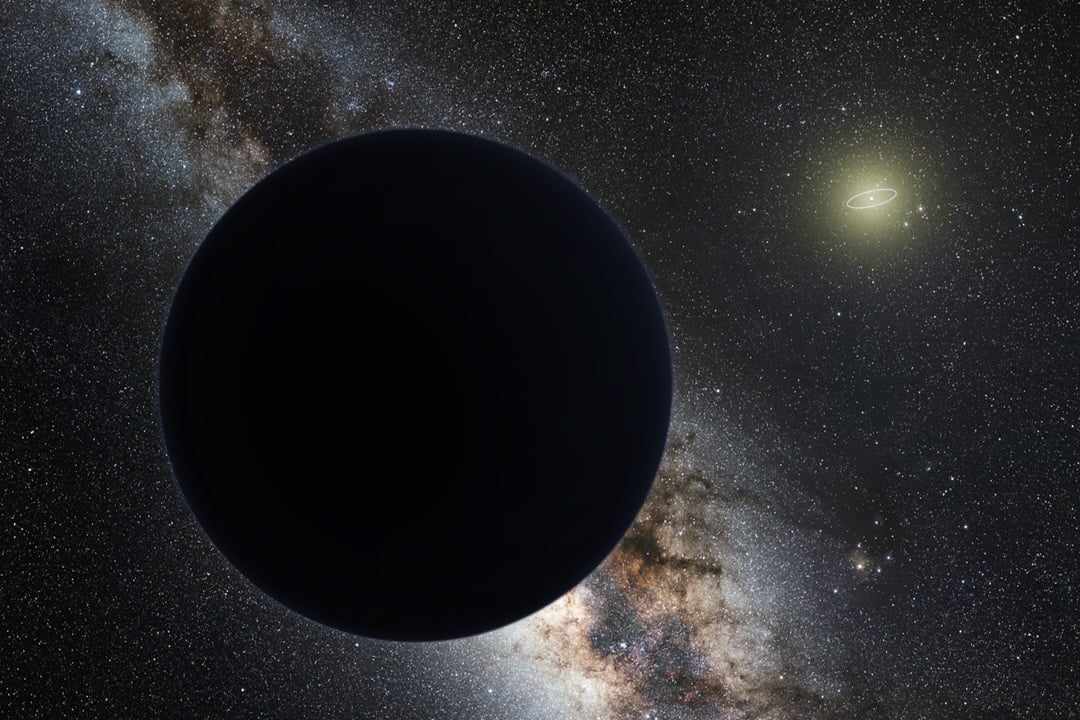
Since the invention of the telescope, astronomers have been hunting for objects in our Solar System in particular and more recently, for the theorised 9th planet. Observations of Kuiper Belt objects suggest a large object might be lurking in the depths of the Solar System but to date, it hasn't been directly observed. A team of researchers have analysed infrared sky surveys and found 13 objects that matched the estimated flux and motion of Planet Nine! Further analysis ruled out 12 leaving a single object. Is this Planet Nine?
Continue reading
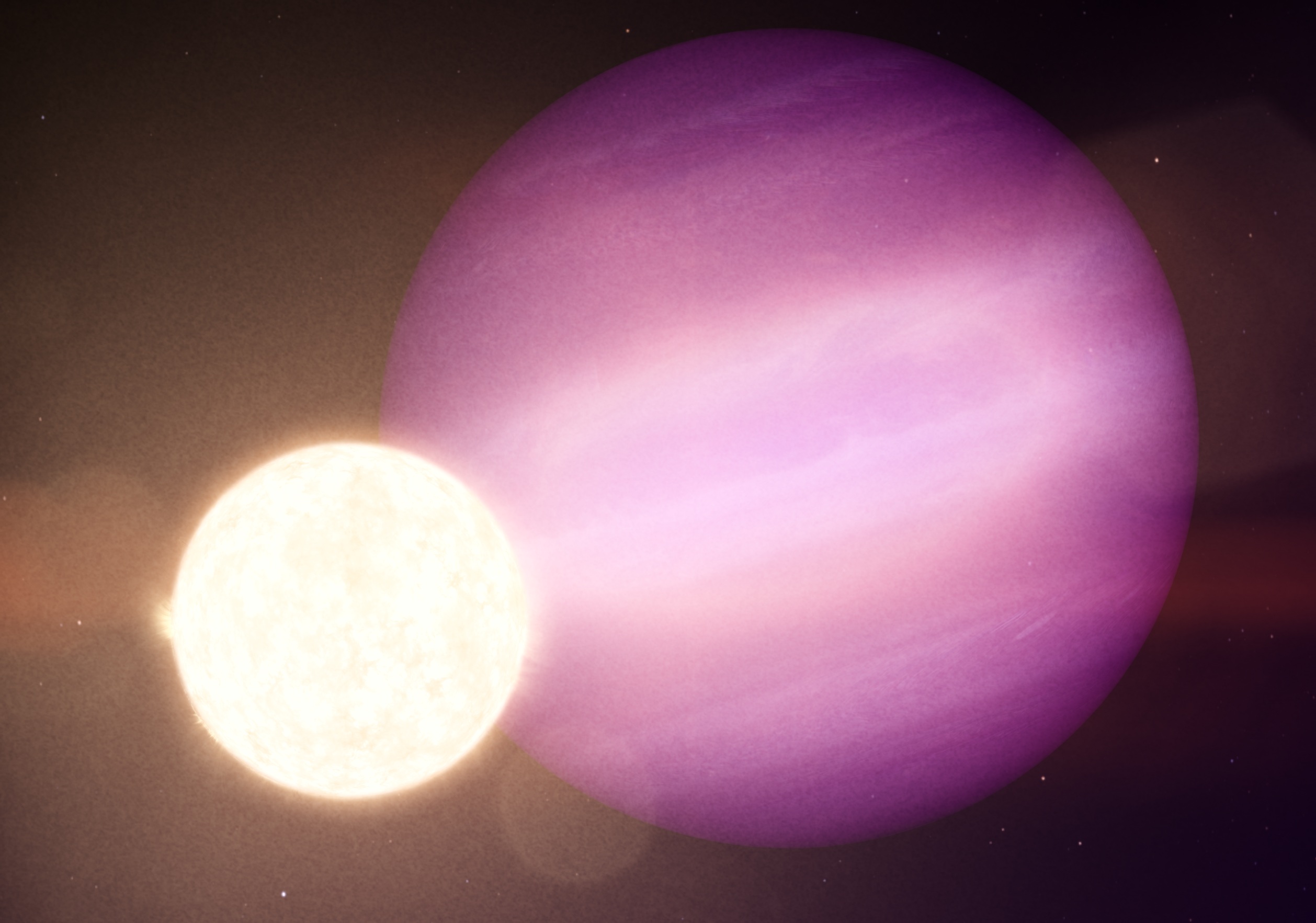
A few years ago, astronomers discovered an exoplanet orbiting the white dwarf 1856+534 b. Now they've used the mighty JWST to do follow-up observations and made some exciting discoveries. It's definitely a planet and not a brown dwarf, with a temperature of 186 K (-87°C/-125°F) and about 6 times the mass of Jupiter. This makes it the coldest exoplanet ever detected, and it's orbiting in the "forbidden zone," which should have been engulfed during the red giant phase.
Continue reading

Magnetars are among the rarest - and weirdest - denizens of the galactic zoo. They have powerful magnetic fields and may be the source of fast radio bursts (FRBs). A team of astronomers led by European Space Agency researcher Ashley Chrimes recently used the Hubble Space Telescope to track one of these monsters called SGR 0501+4516 (SGR0501, for short, and SGR stands for Soft Gamma Repeater). It's whipping through the Milky Way at a rate that could be as high as 65 kilometers per second. The big challenge was to find its birthplace and figure out its origin.
Continue reading
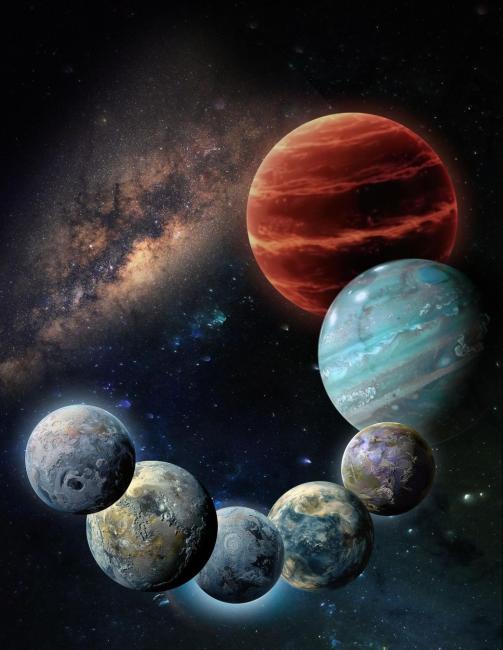
Since the discovery of the first exoplanet in 1992 astronomers have now found over 5,000 alien worlds around other stars. With the discoveries of exoplanets came an entirely new classification of worlds known as the super-Earth; terrestrial planets more massive than Earth but smaller than Neptune. Sadly we don't have any such planets in our Solar System but a new report suggests planets like this are surprisingly common with at least as many as there are Neptune sized planets.
Continue reading
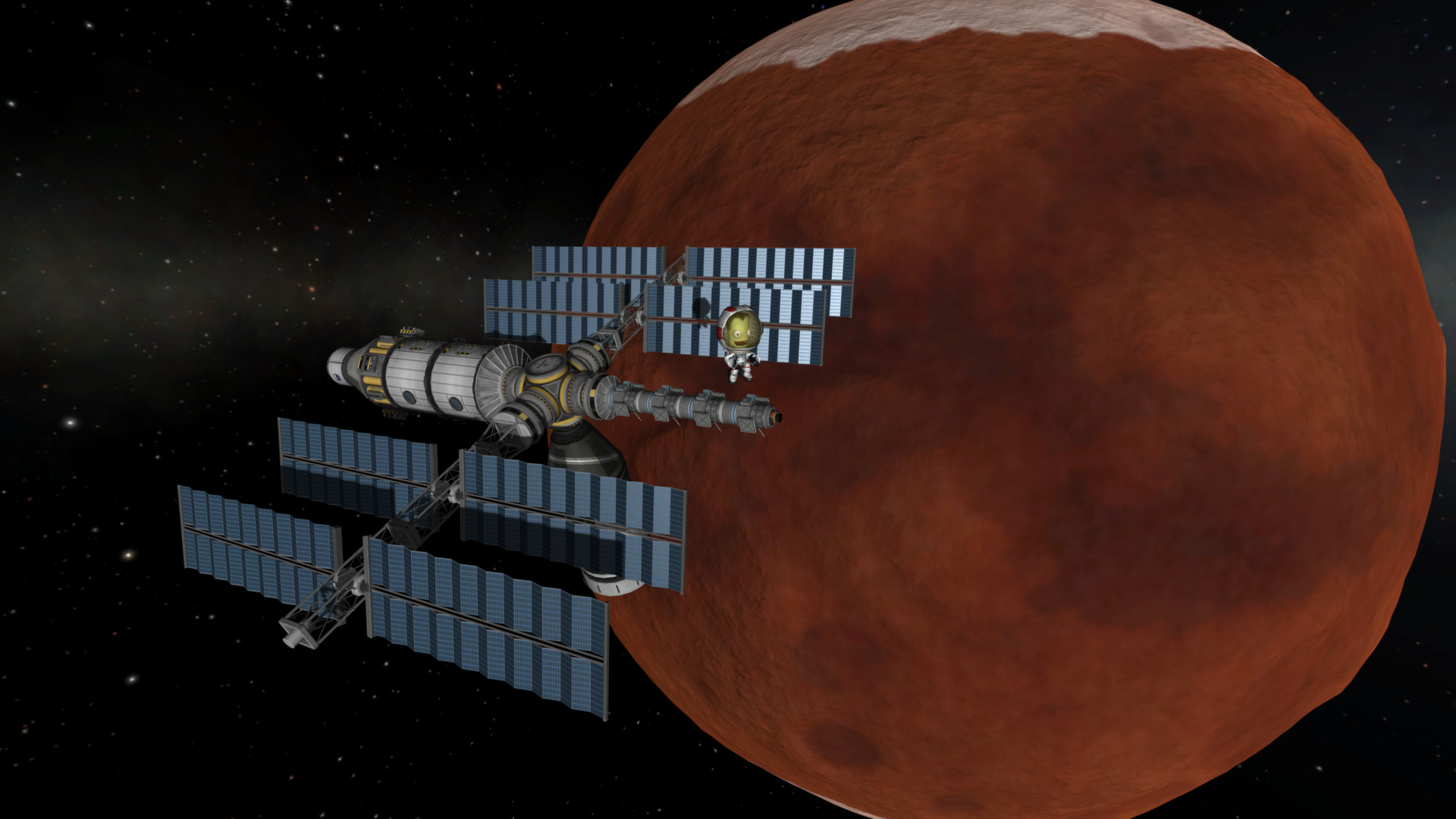
In a recent paper, a team of engineers from Purdue University describes how sandbox video games that offer players a high degree of freedom and creativity, like the popular Kerbal Space Program (KSP), could be used by space agencies to assist the early-mission development process.
Continue reading
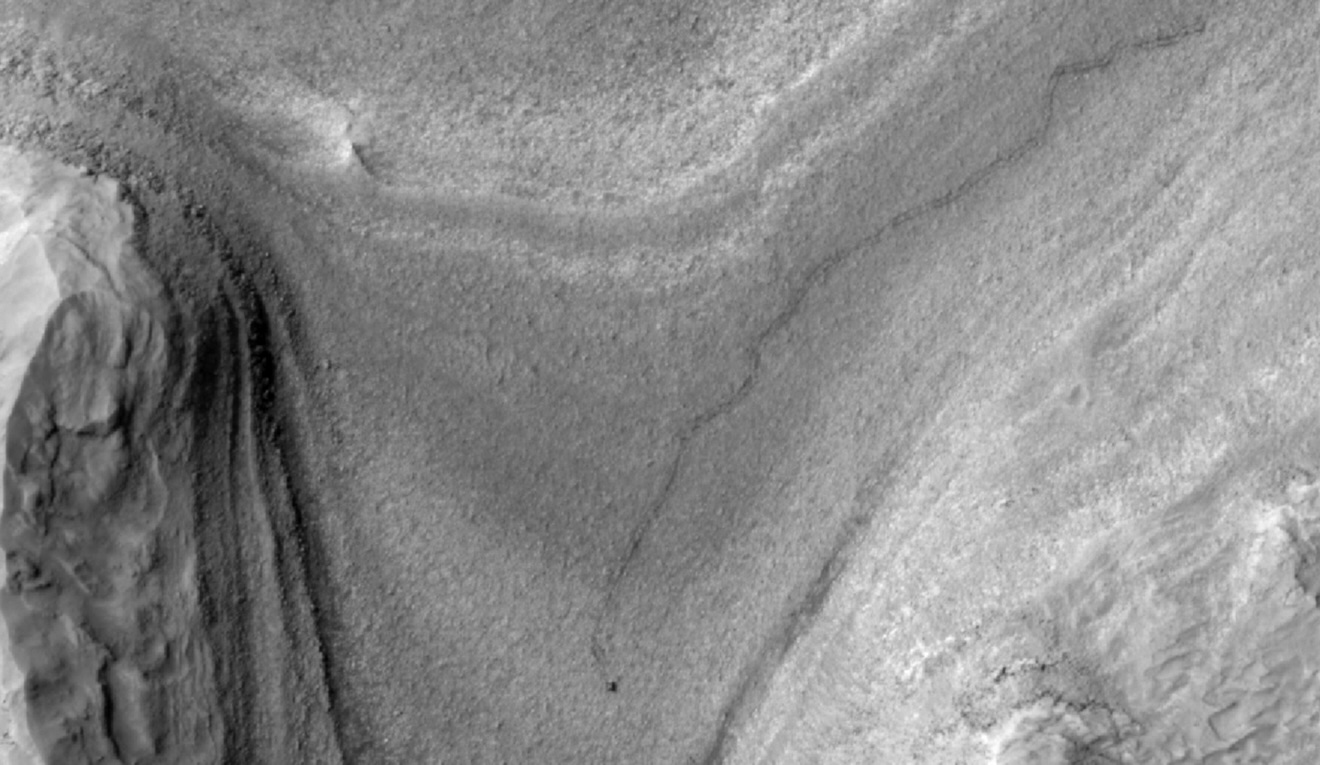
Images of Mars never cease to amaze. This latest image of NASA's Curiosity Rover captured by the Mars Reconnaissance Orbiter shows the rover as a dark speck and the end of a long trail of tracks. It was rattling along at a speed of 0.16 km/h across the Gediz Vallis Channel and was headed towards a region that could have been formed by water billions of years ago. The weather on Mars won't allow the tracks to persist though so they are likely to last for only a few months.
Continue reading
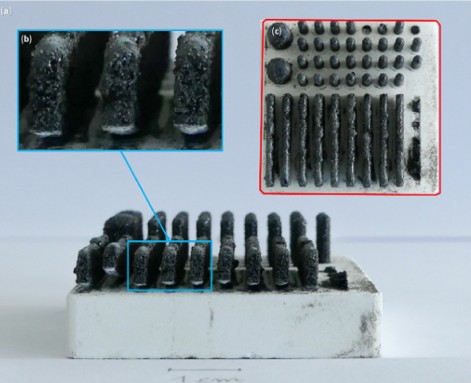
Lately, there's been plenty of progress in 3D printing objects from the lunar regolith. We've reported on several projects that have attempted to do so, with varying degrees of success. However, most of them require some additive, such as a polymer or salt water, as a binding agent. Recently, a paper from Julien Garnier and their co-authors at the University of Toulouse attempted to make compression-hardened 3D-printed objects using nothing but the regolith itself.
Continue reading
 Universe Today