Evan Gough
Evan Gough is a science-loving guy with no formal education who loves Earth, forests, hiking, and heavy music. He's guided by Carl Sagan's quote: "Understanding is a kind of ecstasy."
Recent Articles
-
-
This is How Supermassive Black Holes Feed Themselves
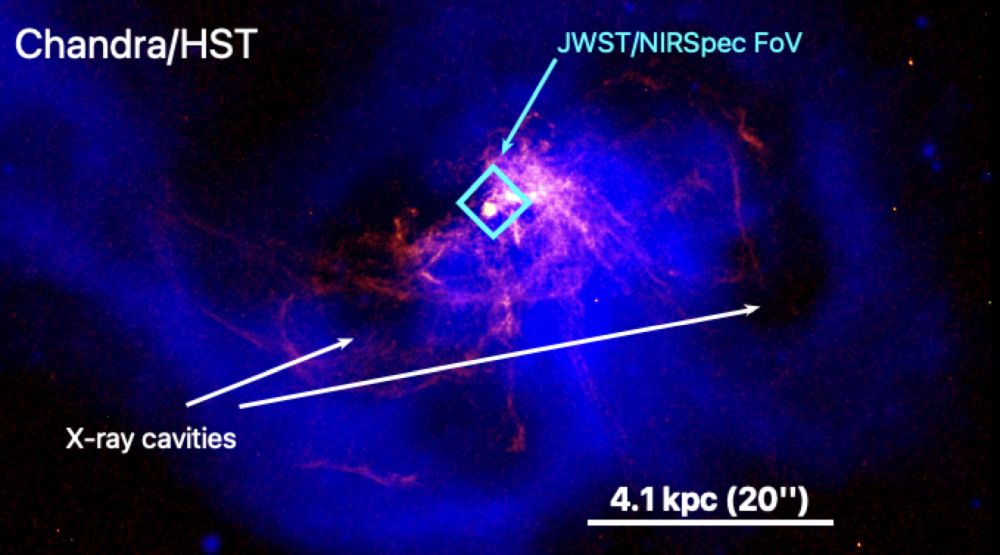
June 10, 2026Astronomers may have found the missing link in the SMBH feeding process. New observations with the JWST show that a galaxy's circumnuclear disk, which feeds gas into its black hole, is connected to a much larger network of filaments. Cool gas flows through these filaments into the SMBH's sphere of influence.
-
Magnetic Fields Help Binary Stars Form and Black Holes Merge
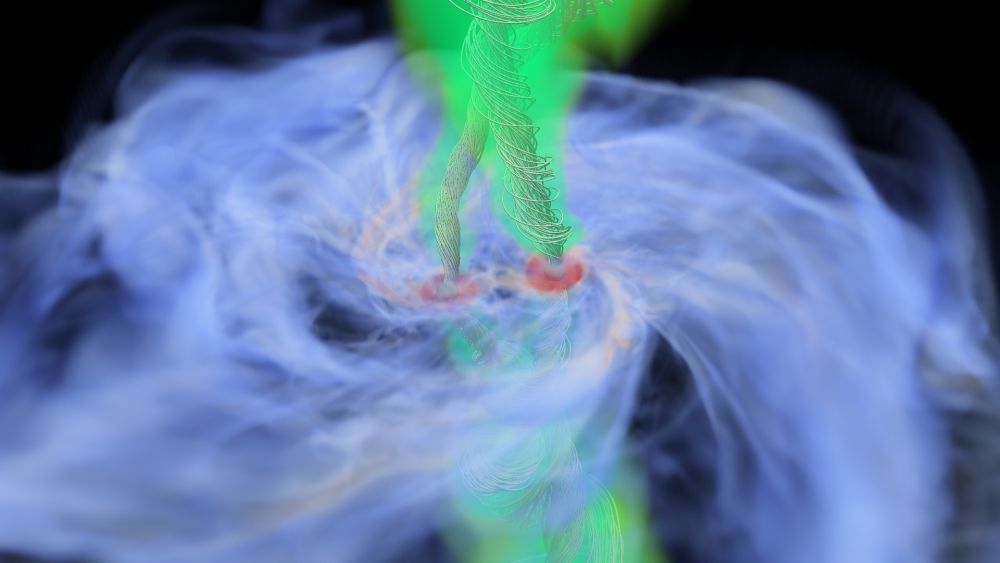
June 09, 2026New simulations show that interactions with a magnetic field can work to decrease the distance between still forming binary protostars. These results can help explain the characteristics of the binary star systems observed in the Milky Way. These results can also be extrapolated to binary black holes, giving insights into how super massive black holes evolve.
-
They've Been Searching for the Milky Way's Black Hole Wind for 50 Years and Finally Found It
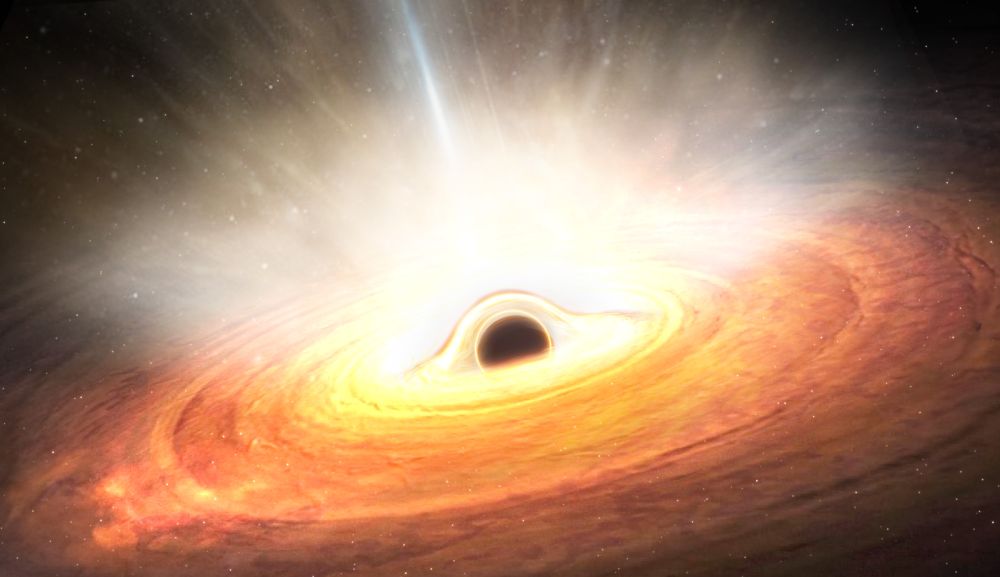
June 05, 2026According to theory, all active black holes should produce winds or jets. Astronomers have long searched for wind around the Milky Way’s central supermassive black hole. New images reveal a vacant, cone-shaped region pointing to the black hole. According to new research, only a supermassive black hole could've created this region.
-
What Happens to a Star That Captures A Primordial Black Hole?
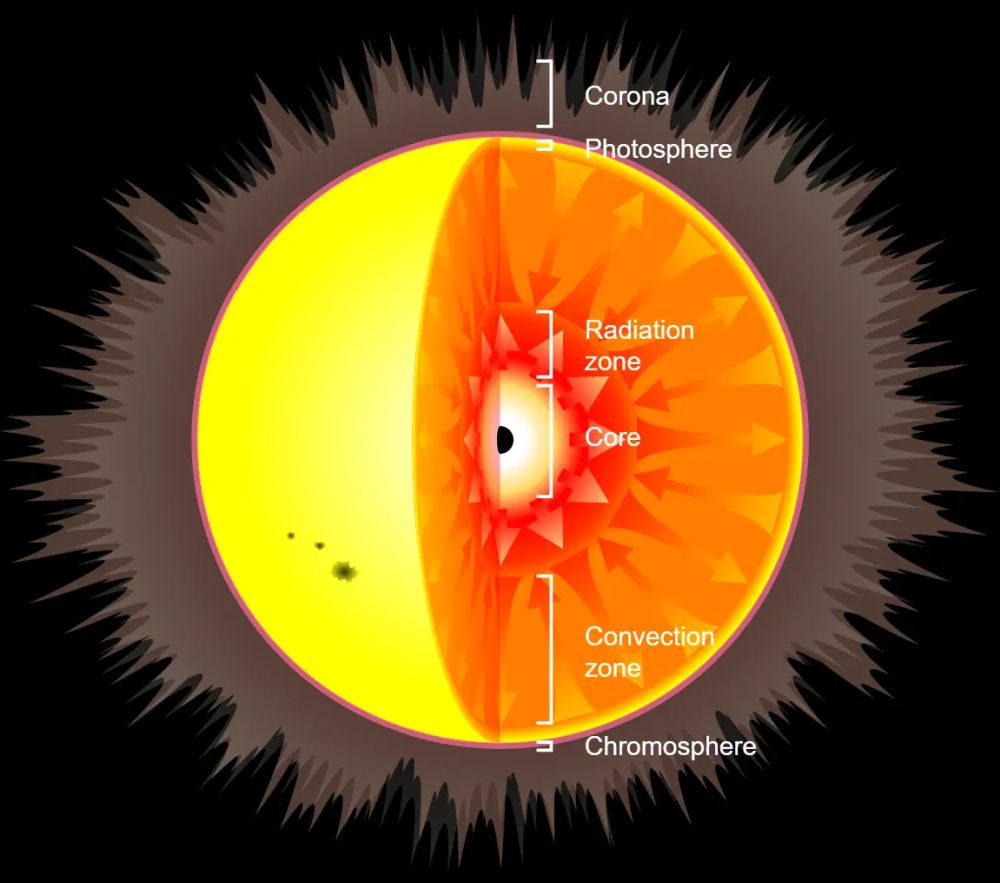
June 05, 2026Stephen Hawking predicted that stars can capture primordial black holes (PBH). The PBH find their way to the stellar core, creating a Hawking star. There are two possible outcomes, both deadly for the star. Either it explodes rapidly, or it's slowly consumed by the parasitic PBH.
-
Even Without A Magnetosphere, Mars Can Still Deflect Some Solar Wind
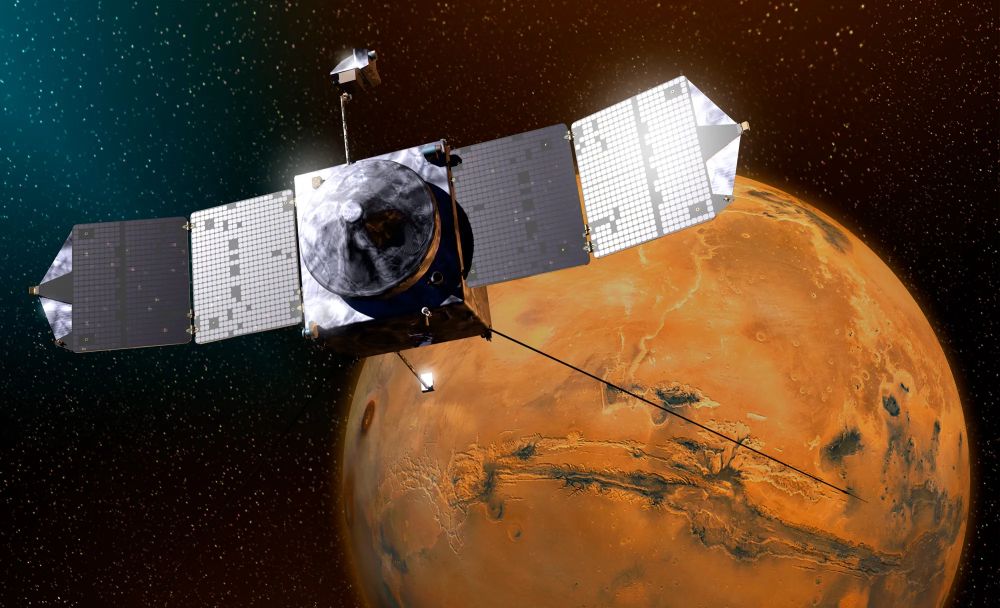
June 04, 2026New research shows how unmagnetized worlds like Mars can still deflect some of the Sun's solar wind. Unlike magnetospheres that form around planet's like Earth, this effect takes place in Mars' ionosphere. It's called the Zwan-Wolf effect, and it's not clear how deep into the atmosphere it operates.
-
The Unexpected Brightness 'Gap' in an Ancient Globular Cluster
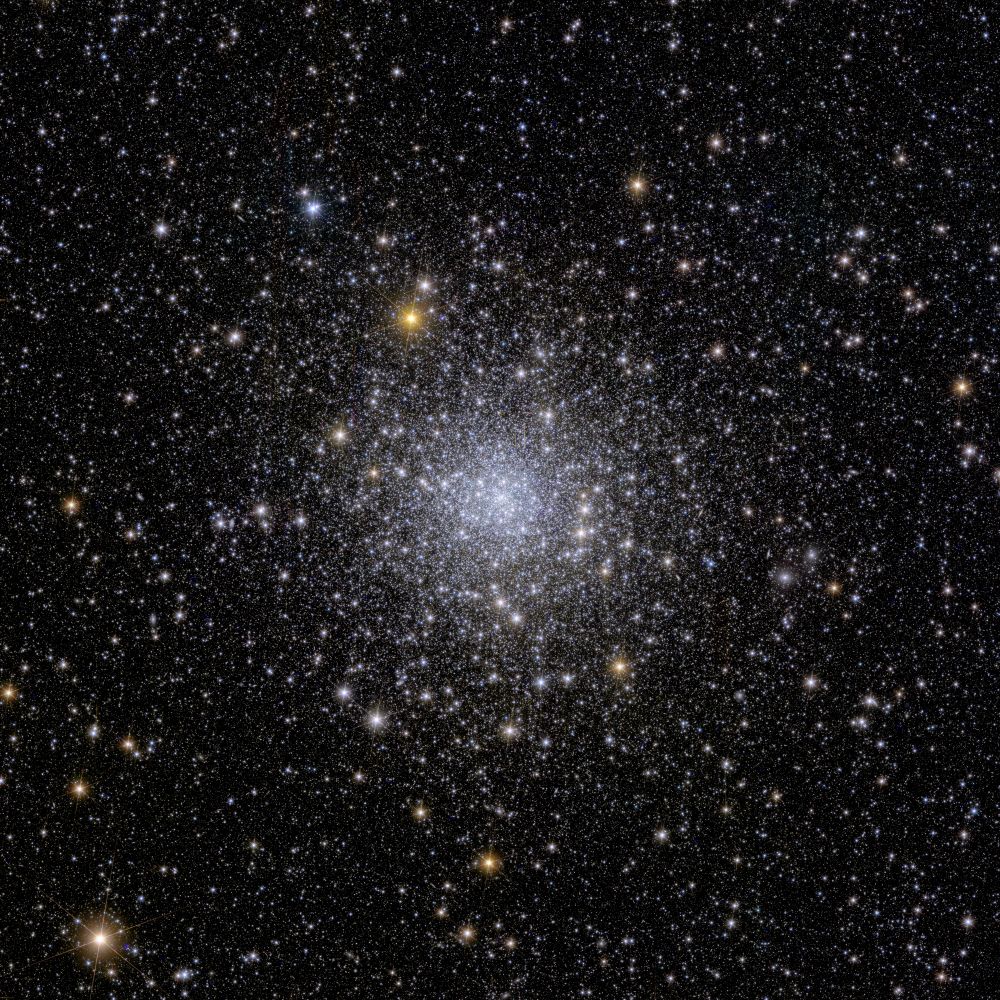
June 04, 2026Scientists using the Euclid space telescope found a red-dwarf brightness “gap” in the population of a globular cluster—an ancient, crowded collection of stars. A similar gap was detected by the Gaia observatory in nearby stellar populations, but it has never before been seen in a globular cluster.
-
A New Map of Stars Shows That the Small Magellanic Cloud is Expanding
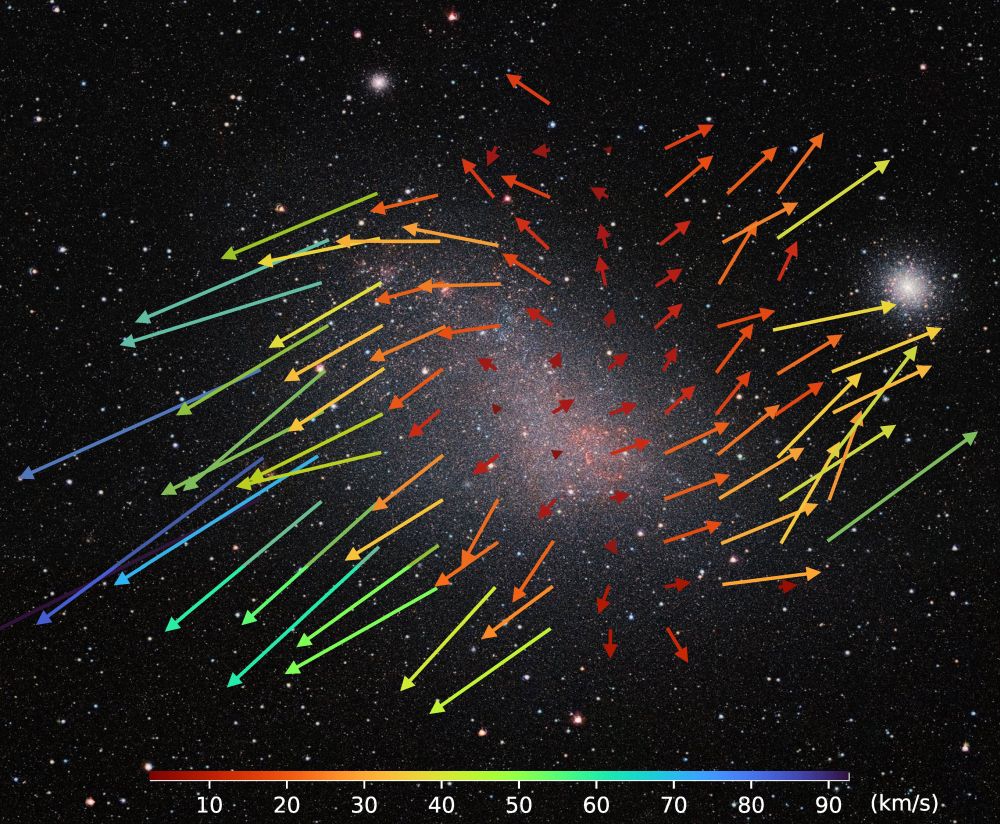
June 03, 2026A multi-year survey of millions of stars in the Small Magellanic Cloud shows that the dwarf galaxy is expanding rather than rotating. This is due to the influence of its larger neighbour, the Large Magellanic Cloud.
-
Here's Why So Many Massive Galaxies in the Early Universe Stop Forming Stars
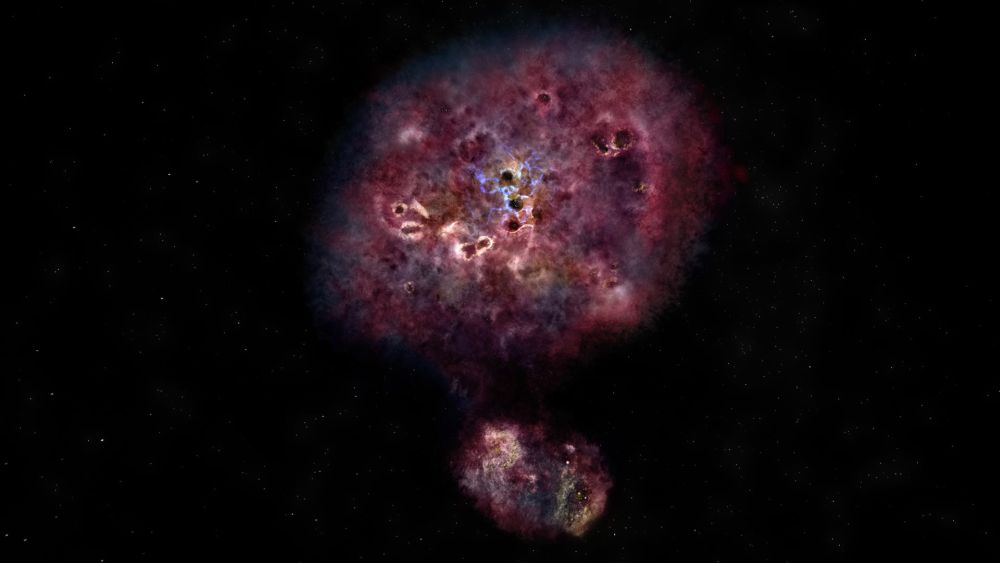
June 03, 2026The early Universe is full of massive galaxies that stopped forming stars very early. They're called massive quenchers (MQ) and they're challenging to explain. New research shows that another type of galaxy, dusty star-forming galaxies (DSFGs) can explain why. It's all about mergers, starbursts, and AGN feedback.
-
How Early Earth's Unlikely Chemical Hero Appeared
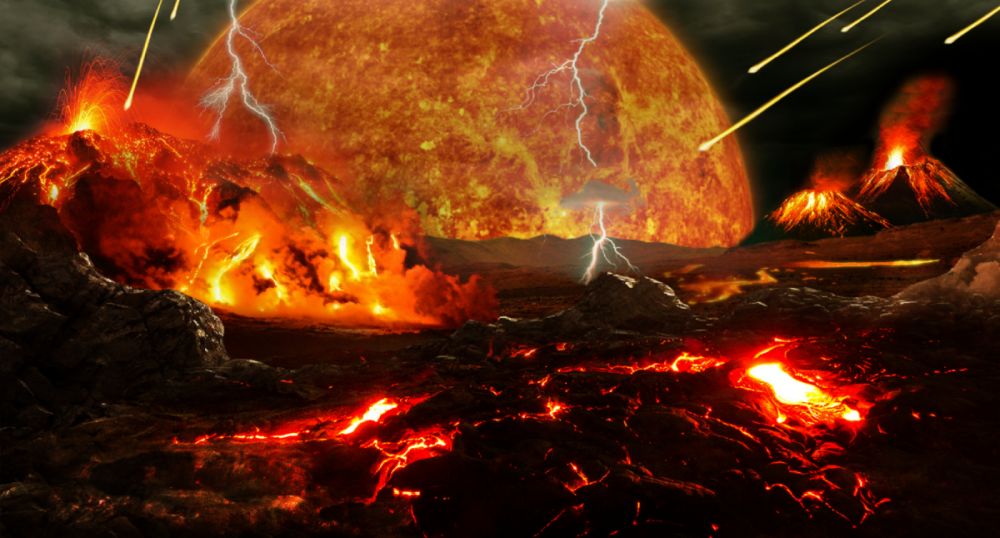
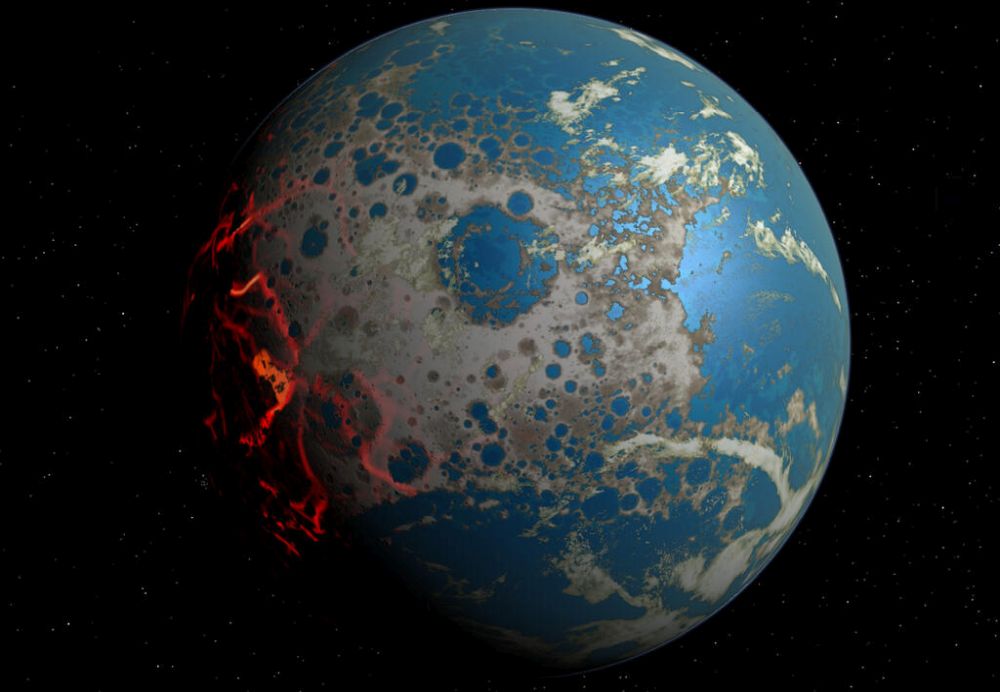
June 02, 2026Though it's a toxic chemical, hydrogen cyanide (HCN) is also important for the development of life. It's a precursor to things like amino acids and nucleic acids and plays a central role in theories of the origin of life on Earth. Recently, difficult questions have been asked about how it could have formed on the early Earth. But the authors of new research in PNAS seemed to have figured it out.
-
Are the JWST's Early Overrmassive Black Holes Just Normal-Range Outliers?
June 01, 2026The JWST found an abundance of overmassive black holes at high redshifts, pushing the limits of black hole (BH) science in the early Universe. Results have claimed that these BHs are significantly more massive than expected from the BH mass-host galaxy stellar mass relation derived from the local Universe. But new research shows they were just outliers in the normal range of masses that don't require any special causes.
-
The Filamentary Funnels That Form Stars
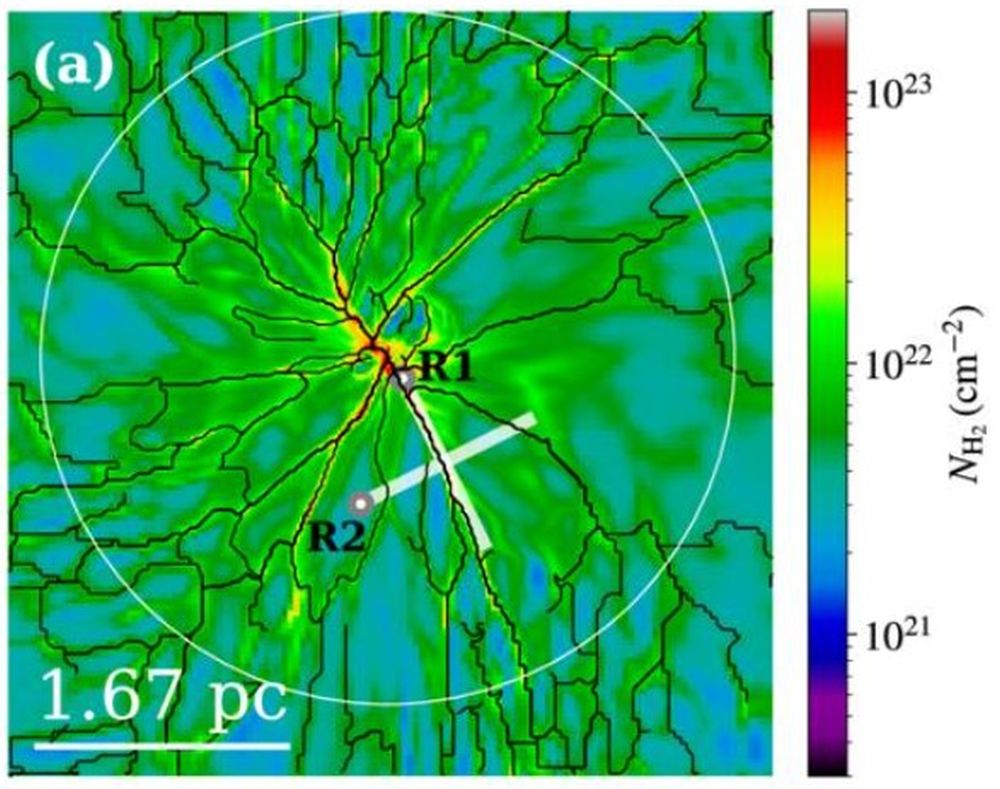
June 01, 2026The universe is full of fascinating structures, and some of the most striking take shape inside the giant clouds where stars are born. There, streams of gas appear to converge from all directions toward a dense central hub, like spokes meeting at the center of a wheel. New simulations show why this is, and why star formation overall is so inefficient.
-
Jupiter Created the Birthplace of Rocky Bodies in the Early Solar System
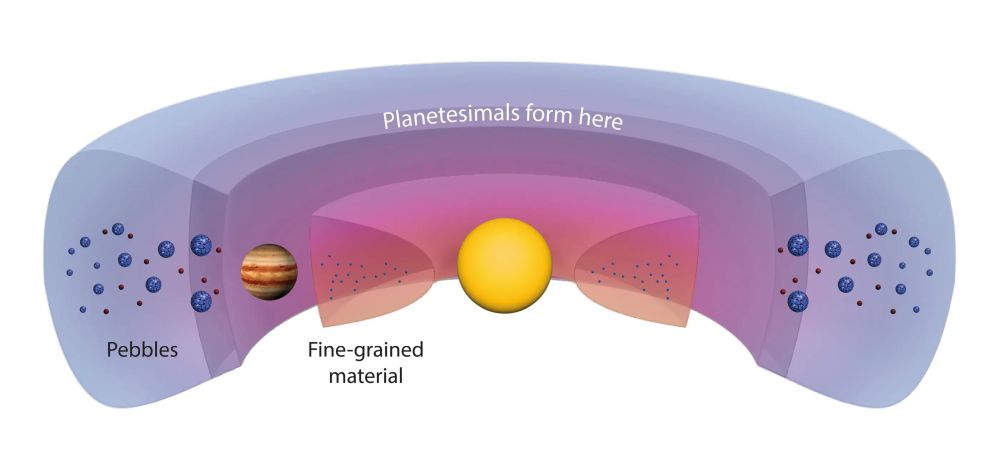
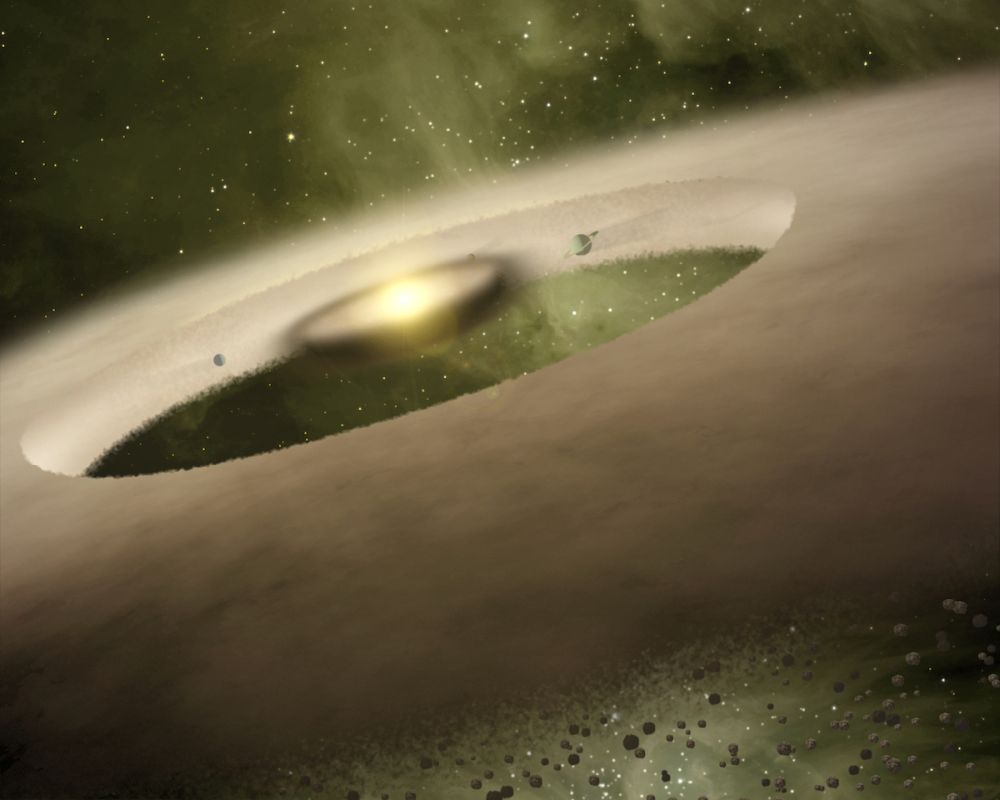
June 01, 2026Jupiter helped create the different rocky bodies in the Solar System. The massive gas giant created a planet-induced pressure bump in the gas in the disk surrounding the young Sun. This pressure bump filtered different types of dust at different times, leading to the formation of planetesimals with different compositions at different times.
-
Earthly Hors d'oeuvres For Hungry Red Dwarfs
May 28, 2026We know that stars can engulf planets because stars that swell up to become red giants overwhelm any close-in planets. The Sun will do this to Venus, Mercury, and possibly Earth in a few billion years. But research shows that it can happen when low-mass stars first enter the main sequence. Lithium gives it away.
-
The Name N159 Doesn't Do This Brilliant Star-Forming Region Justice
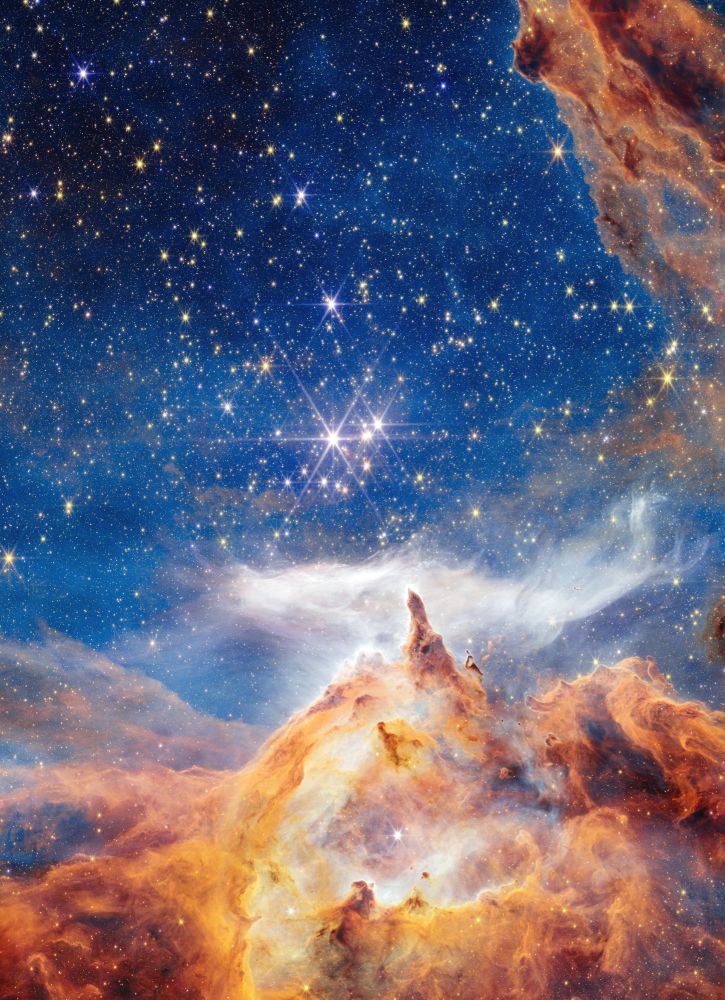
May 28, 2026This ESA/Hubble Picture of the Week captures all the glory of the star-forming region N159. It's in the Large Magellanic Cloud, and is dwarfed by its much larger neighbour, the Tarantula Nebula. But N159 is gorgeous, too, so captivating that it's been featured as a Picture of the Week several times.
-
Just Like Stars, Open Clusters Can Form Binary Pairs
May 28, 2026Open star clusters are prevalent stellar structures in the Milky Way. Astronomers think their could be 100,000 of them. But they're not all the same: some are binary clusters, and within those, there's a hierarchy based on how they form. Recent research explores the different types and how many of each type is in the Milky Way.
-
The Weirdness of Early Universe SMBHs Gets Even Weirder
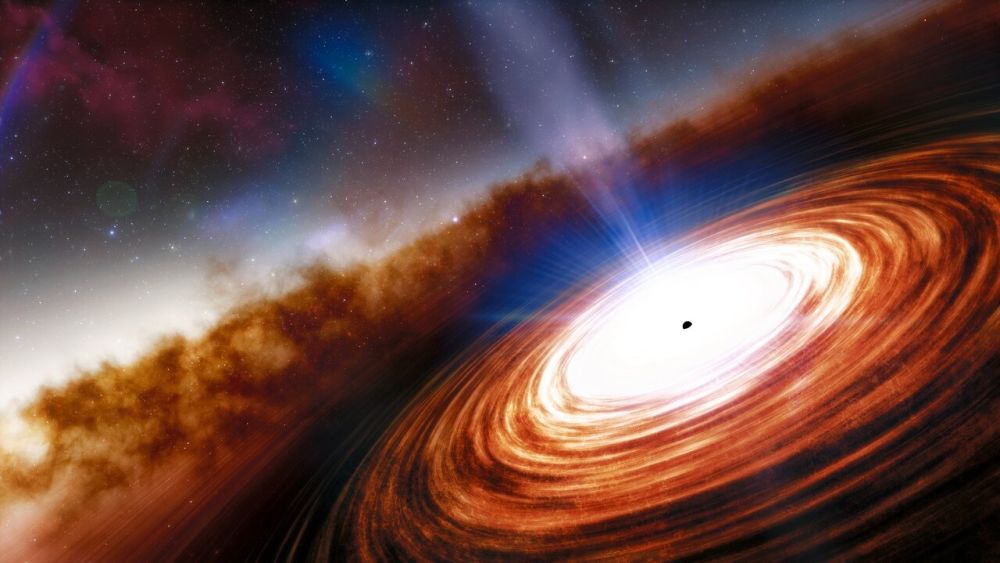
May 27, 2026The JWST has shown us some strange things about supermassive black holes (SMBH) in the early Universe. Many of them are far more massive than we think they should be. Now astronomers working with the JWST have found one that seems to have formed before its galaxy did.
-
A Natural Chemistry Laboratory in Protostar Shock Waves
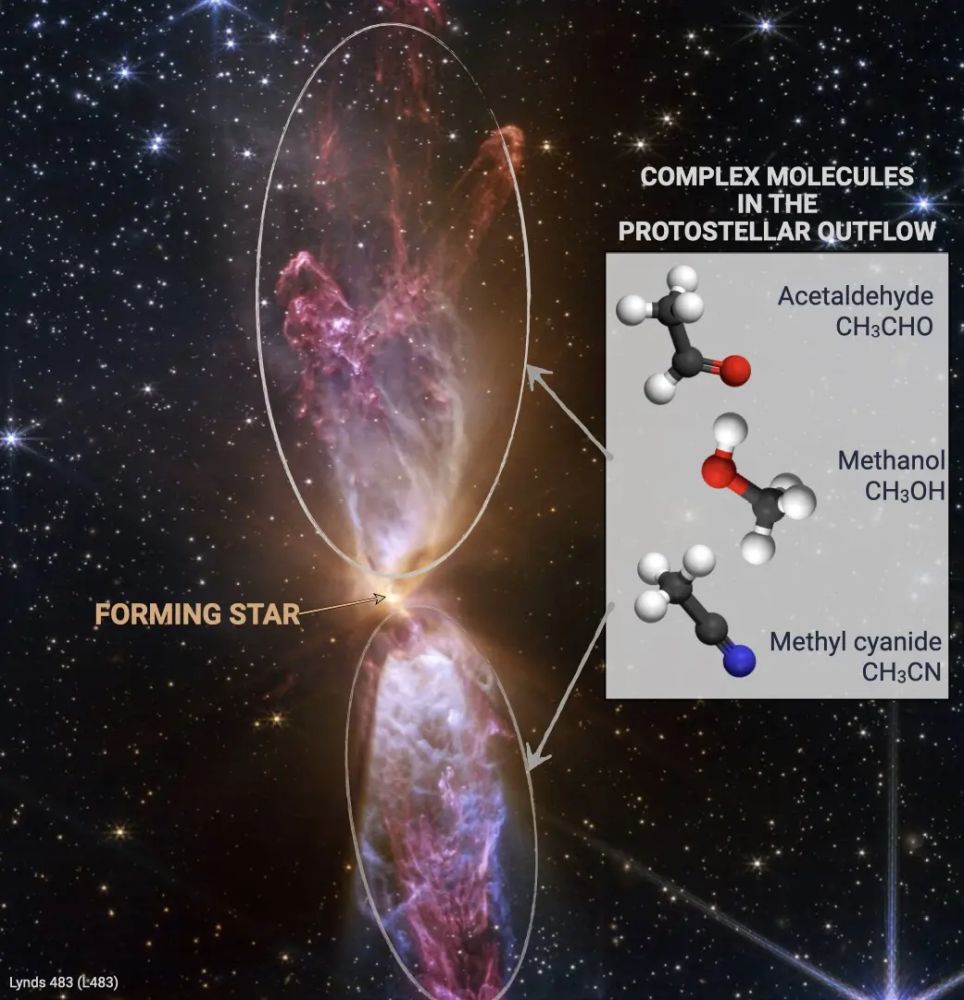
May 27, 2026Complex organic molecules (COMS) are at the heart of life. They're created where jets from protostars slam into the interstellar medium, environments that scientists call natural laboratories. In these intense environments, important carbon-bearing molecules are created. Recent research took a close look at one of these jets and found some COMS in them for the first time.
-
Where Are All the Intermediate Mass Black Holes? Microlensing Fast Radio Bursts Might Reveal Them
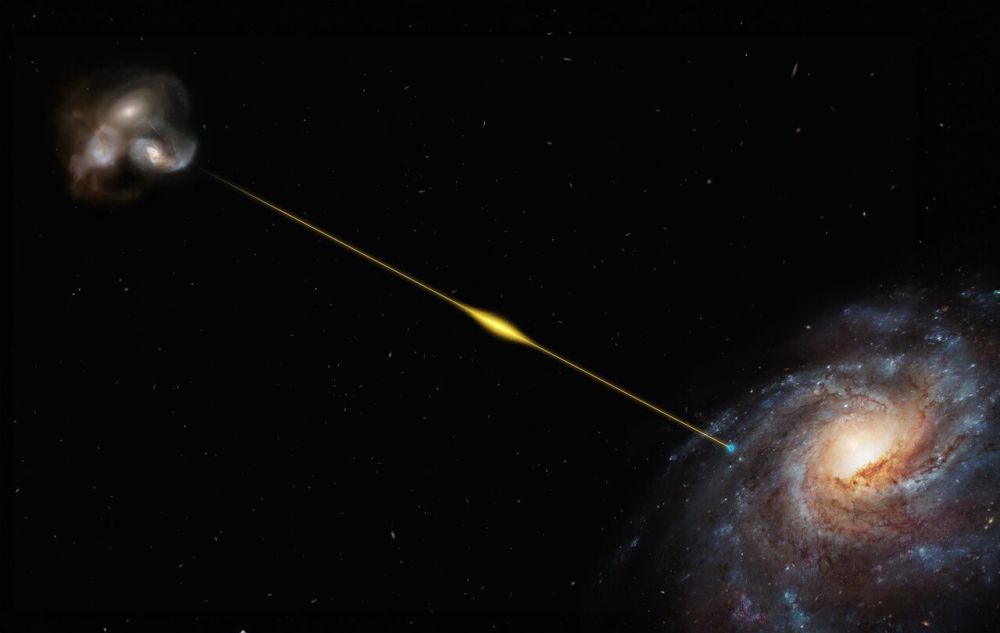
May 26, 2026In the heirarchy of black holes, intermediate mass black holes (IMBH) lie in between stellar mass black holes and supermassive black holes. But the problem is that we've never found one. There have been hints, but nothing conclusive. Could gravitational microlensing of Fast Radio Bursts help find them?
-
The Risk of Stellar Flybys and GJ 710
May 26, 2026In a stellar flyby, a star approaches our Solar System close enough to create gravitational mayhem. The last one was 70,000 years ago. There are more in the future, and it's possible that they could disrupt comets from the Oort Cloud and send them into the inner Solar System, with the risk of catastrophic impact.
Universe Today