 Universe Today
On The Hunt For Cosmic Dawn And The Universe’s Very First Stars
After decades of searches, cosmologists are within reach of finding cosmic dawn. A longtime observational cosmologist explains.
The study of the universe as a whole
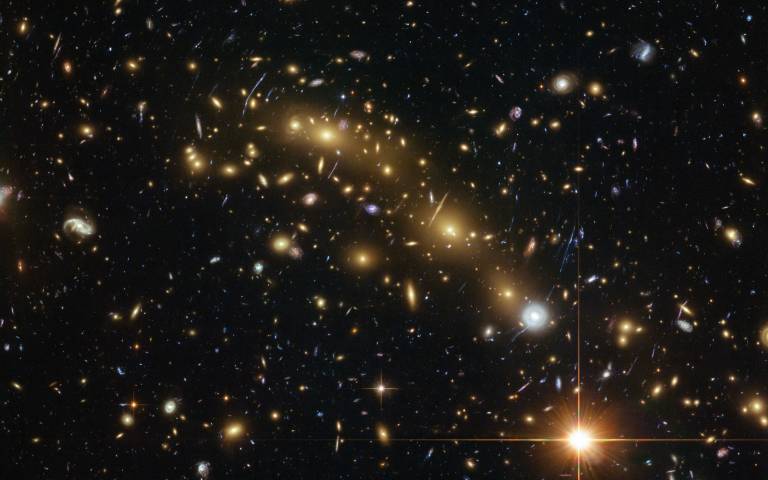
After decades of searches, cosmologists are within reach of finding cosmic dawn. A longtime observational cosmologist explains.
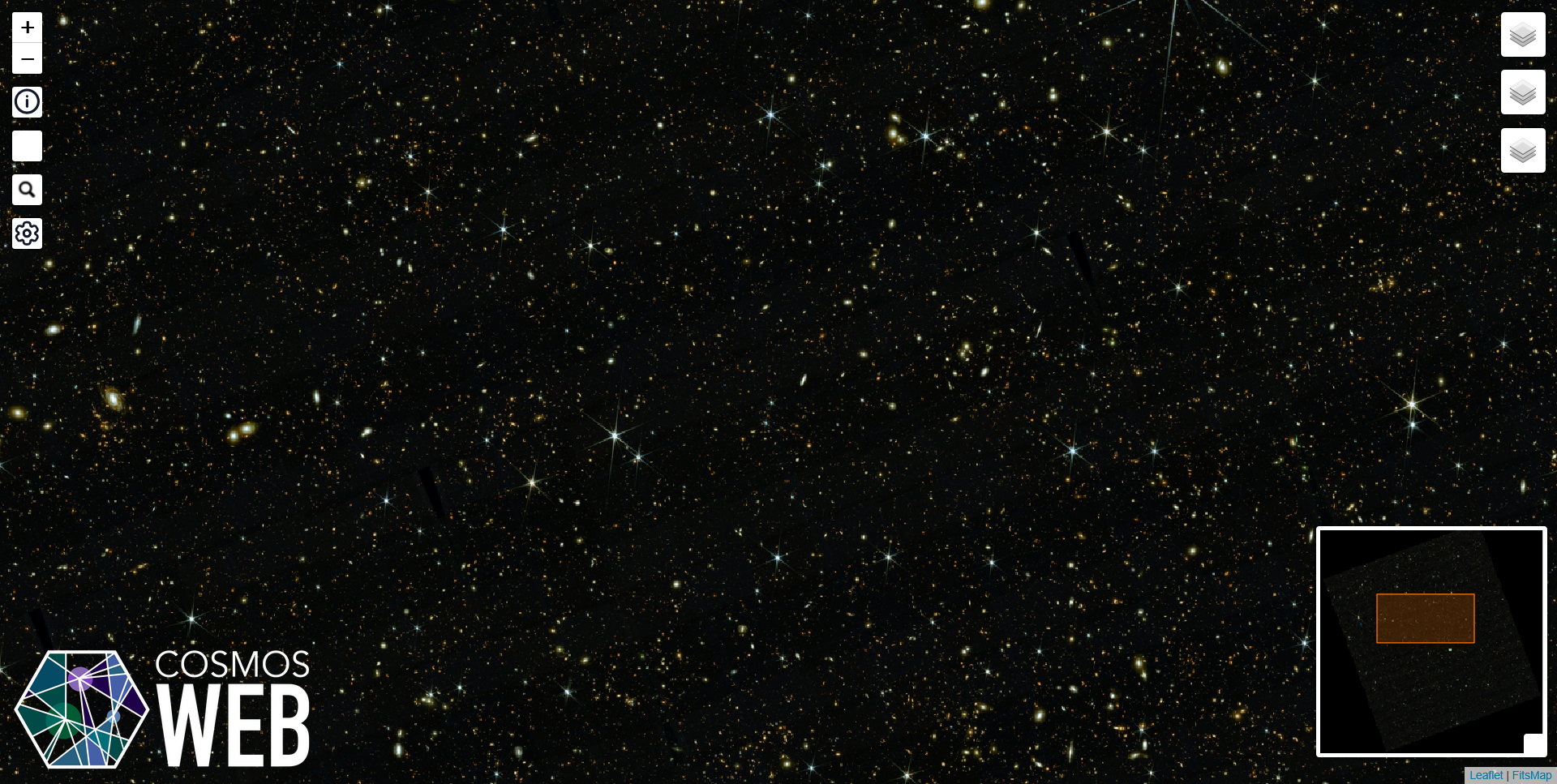
Using data from NASA’s James Webb Space Telescope, astronomers led by researchers at the University of California, Riverside have produced the most detailed map of the cosmic web ever made, tracing the network of galaxies all the way back to when the universe was one billion years old.
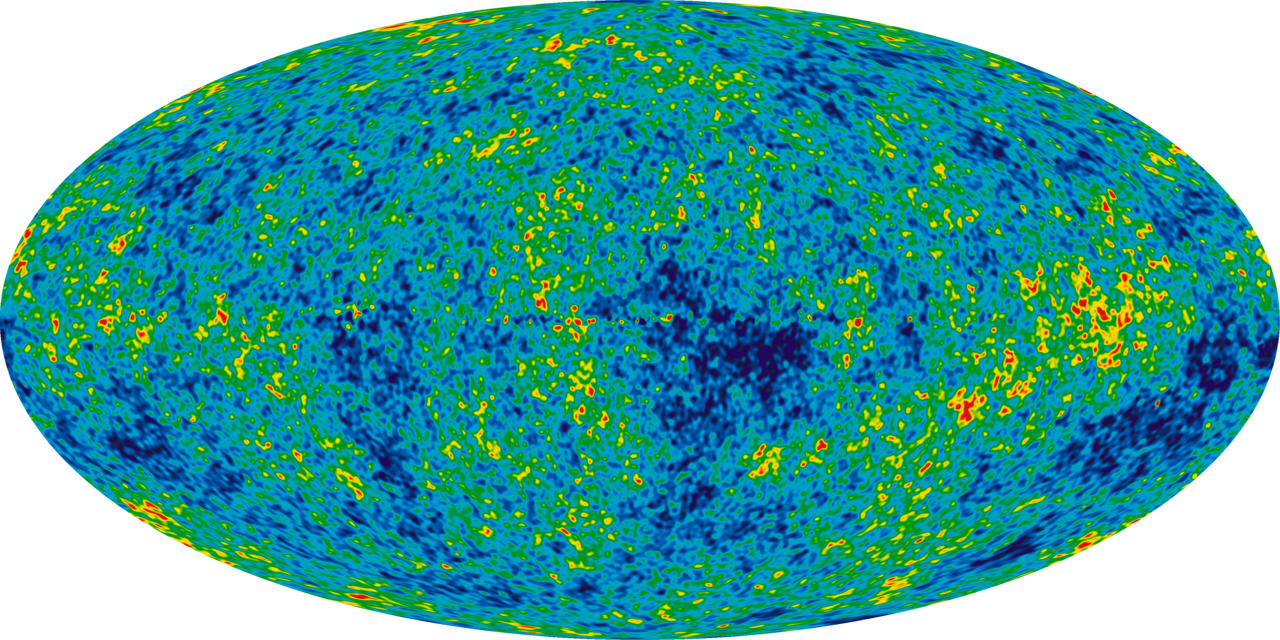
For nearly thirty years, dark energy has been cosmology's great get out of jail free card, the invisible, mysterious force we invented to explain why the universe is expanding faster than it should be. Now a team of mathematicians says we may never have needed it at all. And the implications are stranger than you might think.
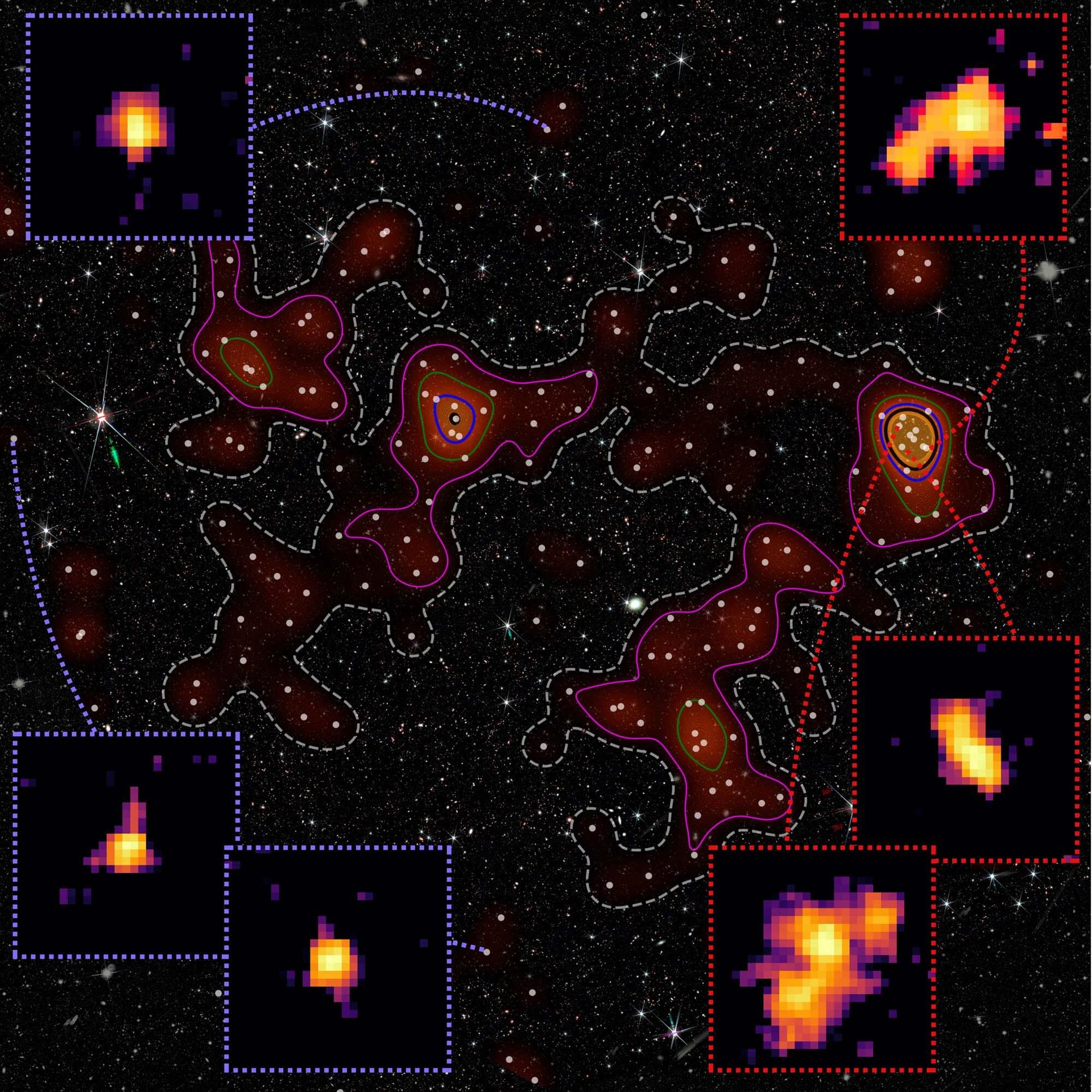
An early galaxy cluster named after an Indian lake is teaching astronomers about influences on galaxy evolution in the infant Universe. Astronomer Ronaldo Laishram of the National Astronomical Observatory of Japan (NAOJ) used the Subaru Telescope’s wide-field camera, Hyper Suprime-Cam (HSC), to conduct a large sky survey to look for early galaxies with active star formation. The result was the discovery of a massive protocluster of galaxies that existed some 12.6 billion years ago, very early in cosmic time. Detailed study of this region could give new insight into how galaxies and their clusters form and evolve.
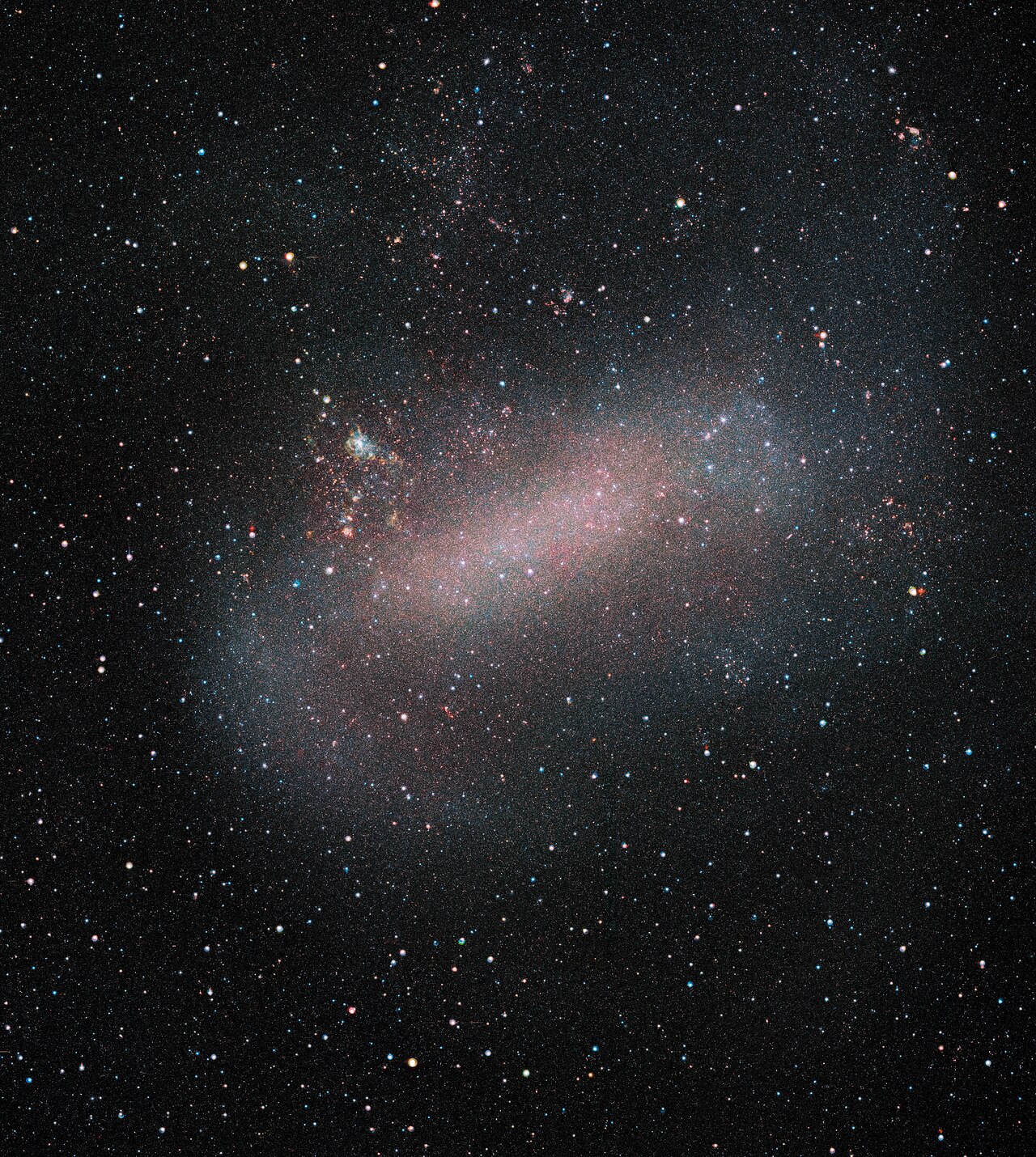
Researchers at the University of Alabama in Huntsville have found a new way to measure the mass of neighbouring galaxies using pulsars. Using the universe's most precise natural clocks it’s possible to detect tiny gravitational disturbances rippling through the Milky Way. By analysing 54 millisecond pulsars, the team directly measured the gravitational pull of both the Large Magellanic Cloud and the Sagittarius Dwarf Galaxy, including their dark matter. The same technique could eventually map dark matter across the entire Galaxy bringing us closer to understanding what it actually is.
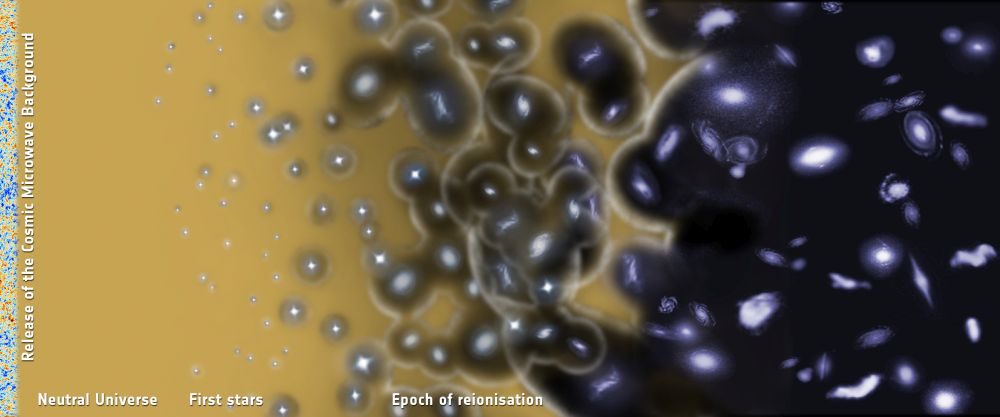
How can astronomers observe ancient galaxies when they're so challenging to resolve? By looking at a whole bunch of them at once in a single spectral line and seeing how it changes over time. That's what a new instrument called the Tomographic Ionized-carbon Mapping Experiment (TIME) does.
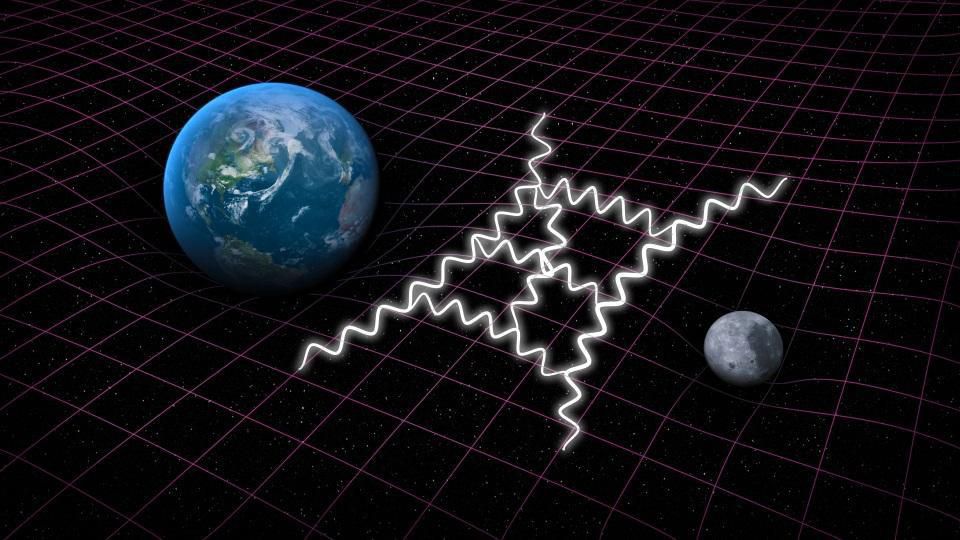
The cosmological constant has been a problem in physics since Einstein, but new research may show why it takes the value that it does despite quantum fluctuations that should make its value practically infinite.
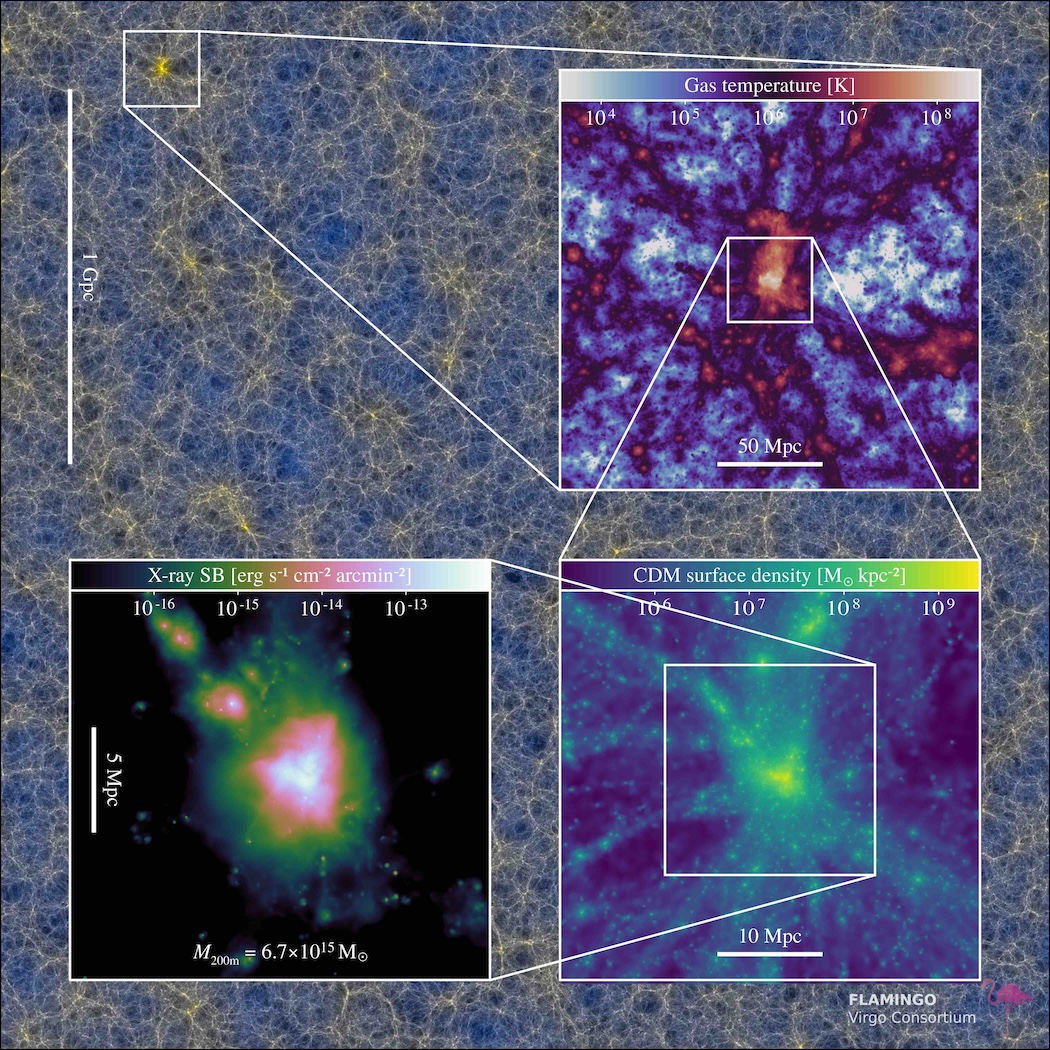
An international team of astrophysicists has just released one of the largest cosmological datasets ever assembled. A mouthwatering 2.5 petabytes of simulated universe, freely available to researchers anywhere in the world. Built using a supercomputer and a suite of simulations called FLAMINGO, the data models how matter has evolved since the Big Bang, tracing everything from individual galaxies to the vast cosmic web that stretches across billions of light years.
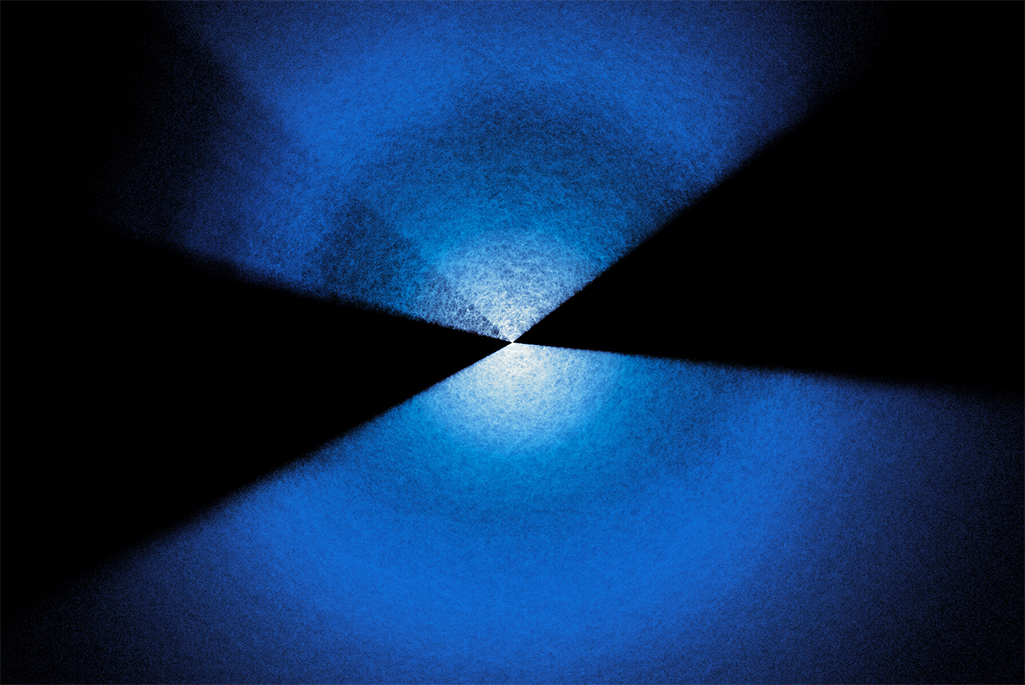
On top of Kitt Peak in the Arizona Desert, a robotic surveyor just completed a five year mission to catalogue the positions of tens of millions of galaxies. The Dark Energy Spectroscopic Instrument (DESI) has now created the largest, most detailed 3D map of our universe ever constructed. And it’s not done yet, its main mission has been extended through 2028.
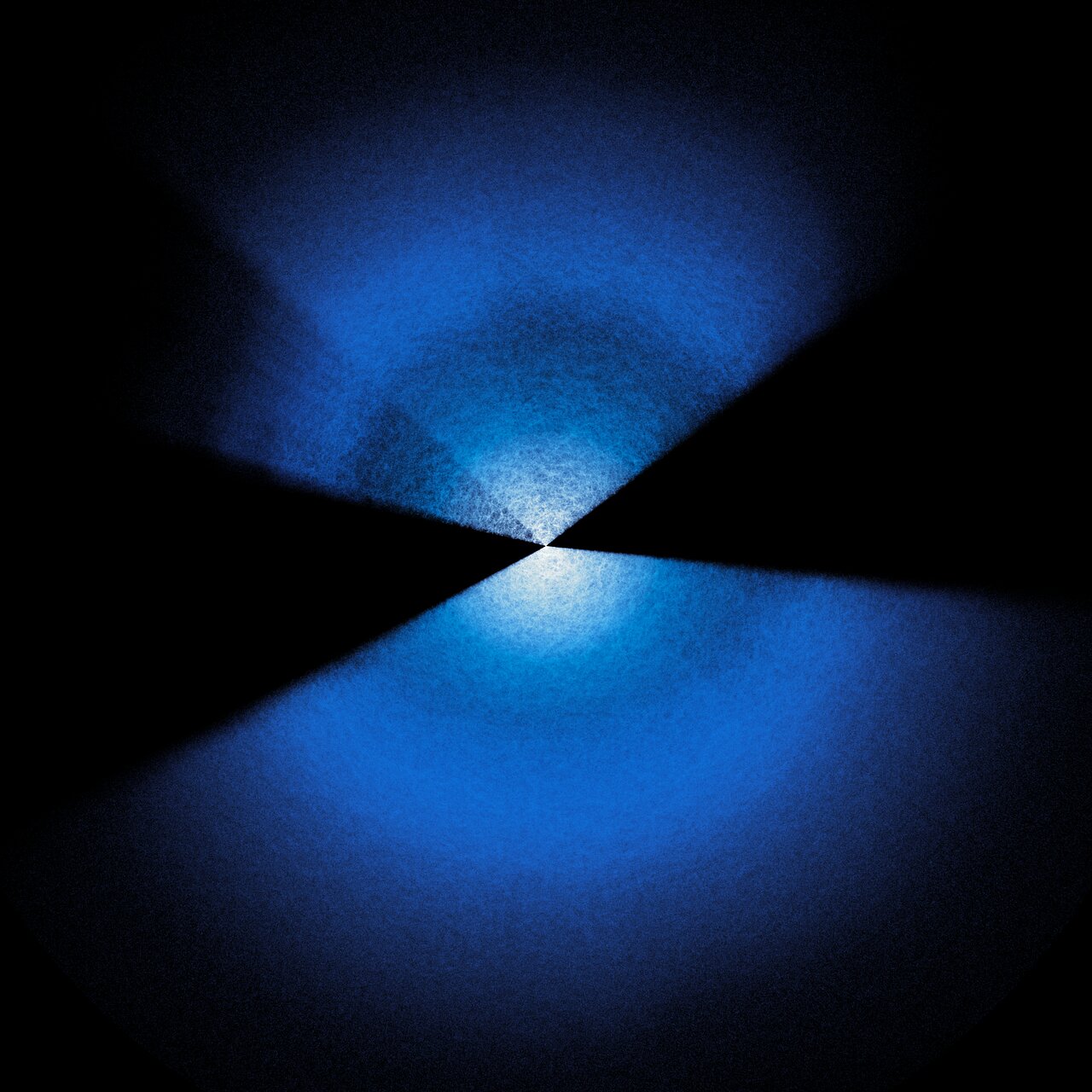
A team of scientists at the University of Virginia is using a telescope in Arizona to study cosmic structure and the result is the largest 3D map of the Universe ever created. The Dark Energy Spectroscopic Instrument (DESI) at Kitt Peak National Observatory is their tool, and the ultimate goal is to get a handle on the mystery of dark energy by charting the positions of galaxies.
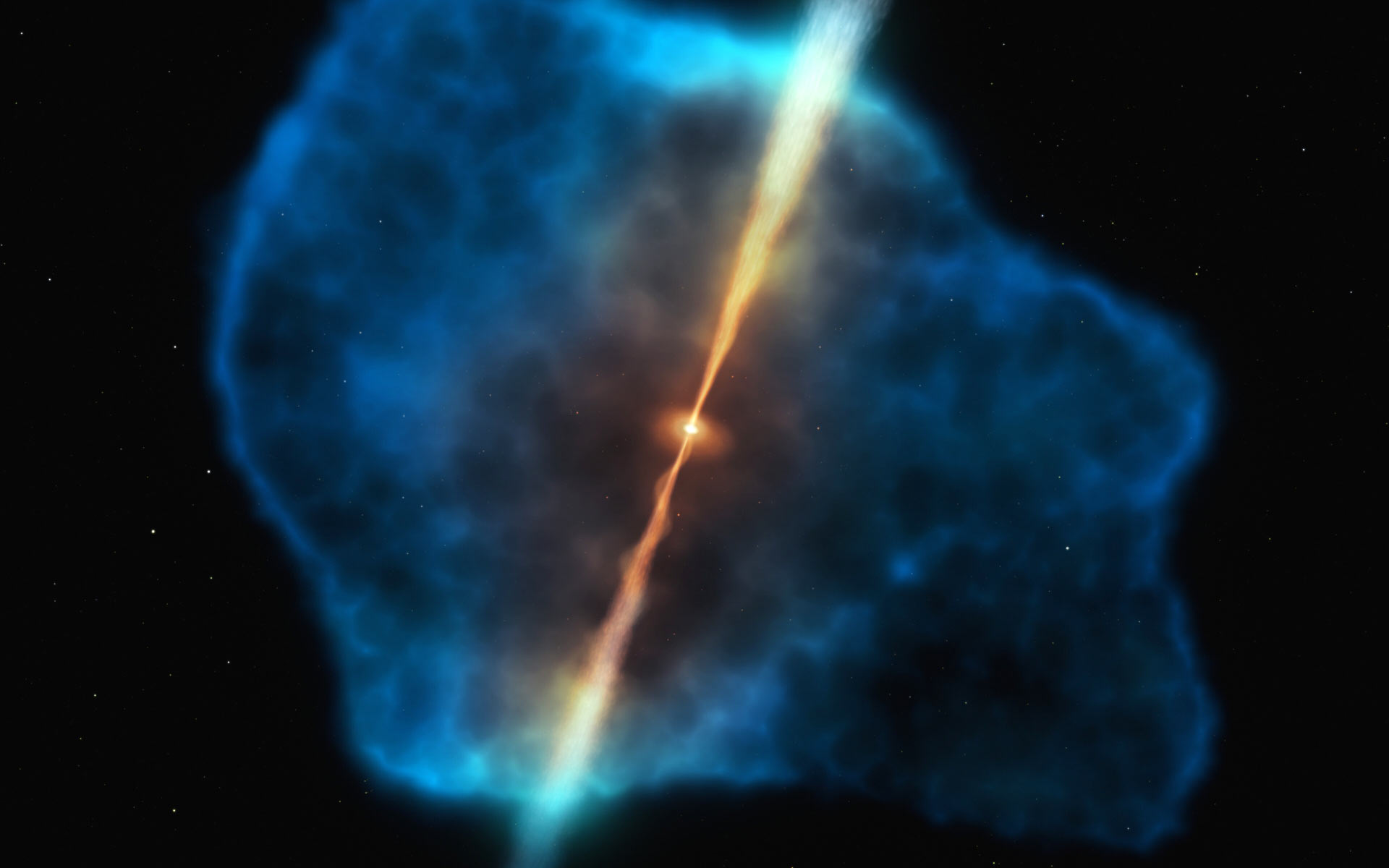
Astronomers using data from the Hobby–Eberly Telescope Dark Energy Experiment (HETDEX) have discovered tens of thousands of gigantic hydrogen gas halos, called “Lyman-alpha nebulae,” surrounding galaxies 10 billion to 12 billion years ago.
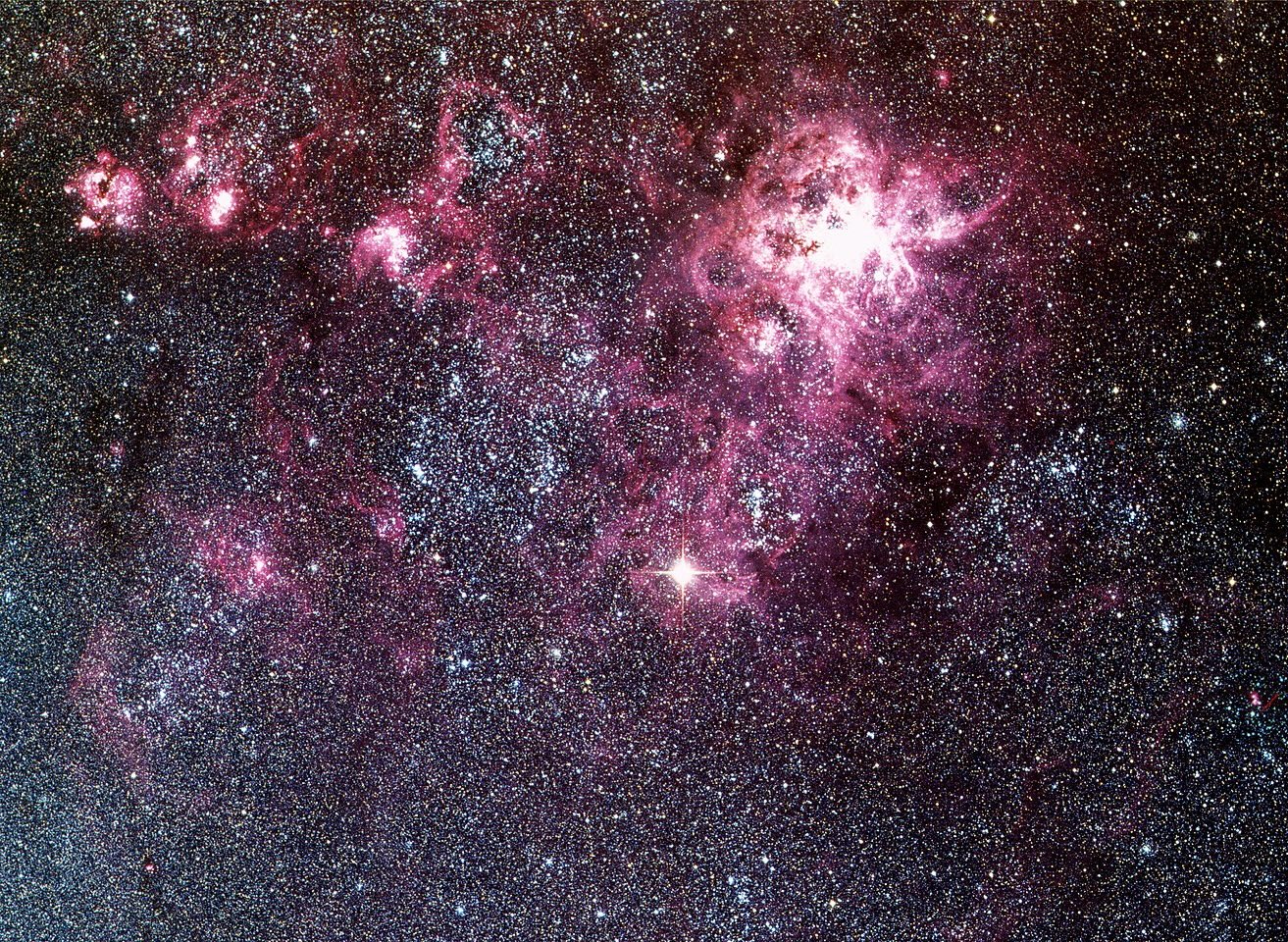
When a massive star explodes on the far side of the universe, the light from that explosion normally fades long before it reaches us. But occasionally, the universe conspires to help. A newly discovered supernova has been caught using the gravity of an entire galaxy as a natural magnifying glass, boosting its light by at least a hundred times and revealing a stellar death that would otherwise have been completely invisible. It is the most magnified supernova ever found, and it opens a remarkable new window onto the distant universe.
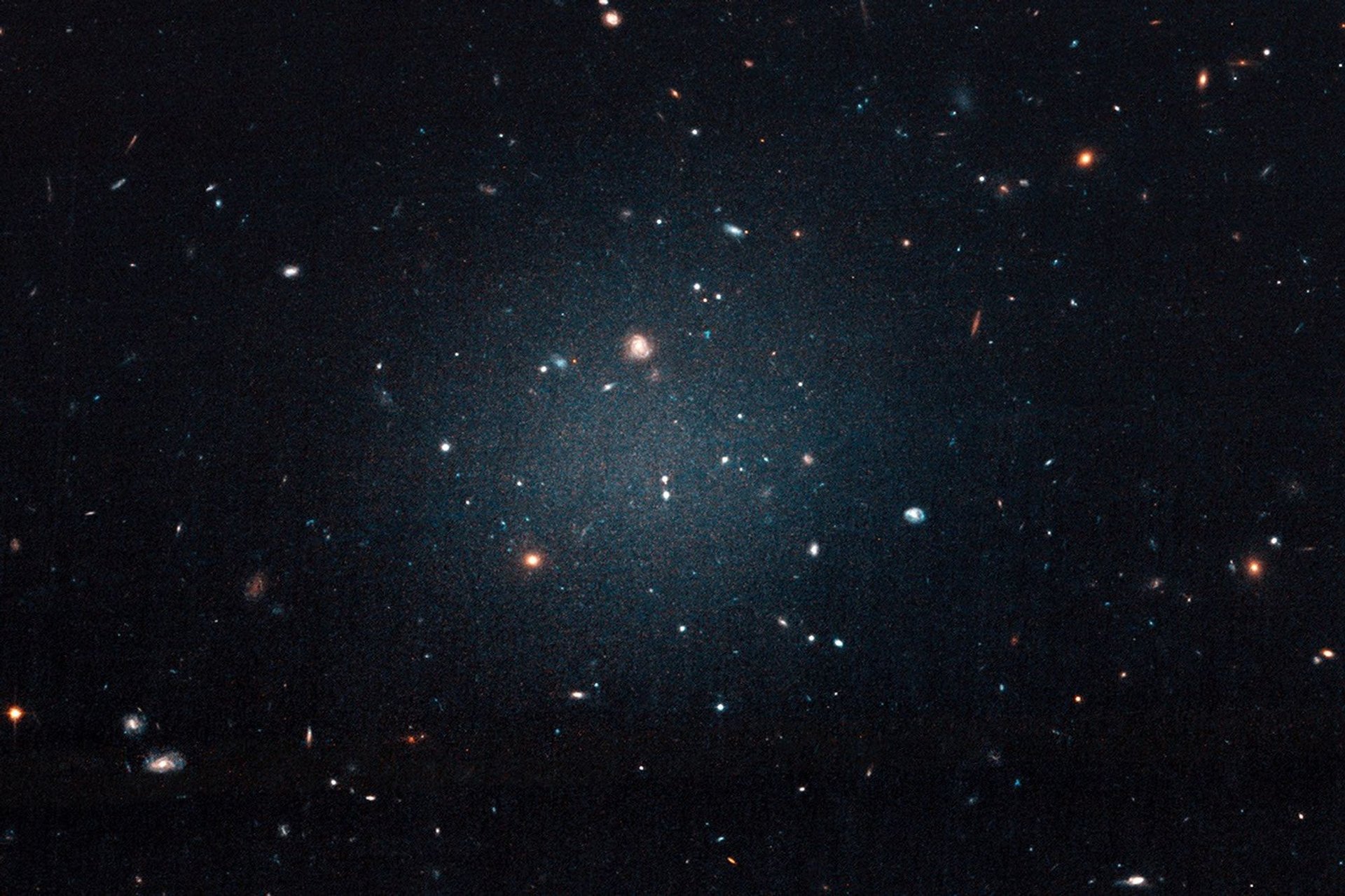
Astronomers have long argued that dark matter is the invisible scaffolding that holds galaxies together. Without its immense gravitational pull, the rotational spins of galaxies would force them to simply fly apart. But now, scientists have found a string of galaxies that seem to be missing their dark matter entirely. The latest in this string, known as NGC 1052-DF9, is described in a new paper, available in pre-print on arXiv, by Michael Keim, Pieter van Dokkum and their team from Yale. It lends credence to a radical theory of galaxy formation known as the “Bullet Dwarf” collision scenario, which has been a controversial idea for the last decade.
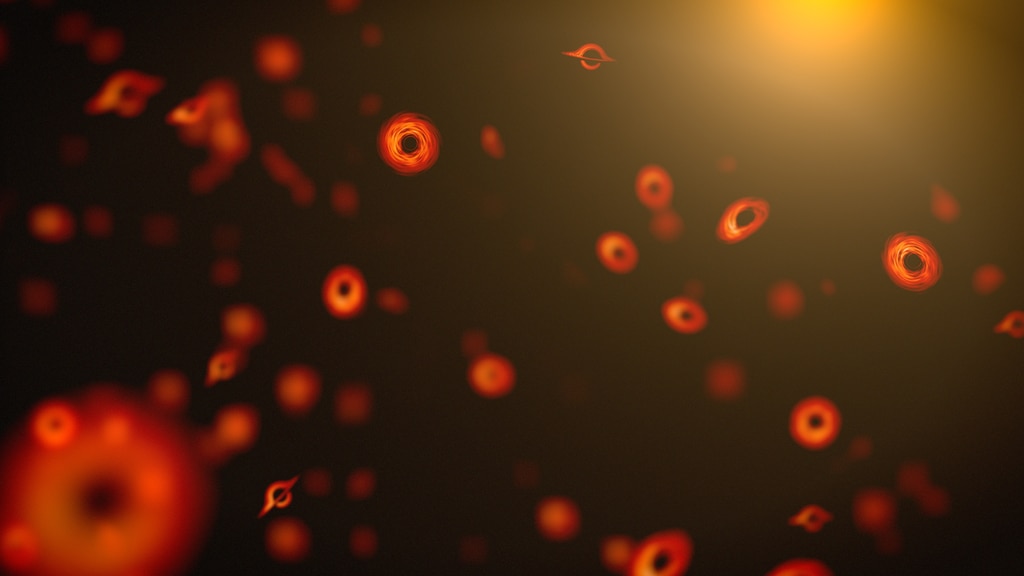
The early universe is absolutely so far outside our understanding of how the world works it's hard to describe in words. Back then, the cosmos wasn’t filled with stars and galaxies but with a boiling soup of quarks and gluons, with a few microscopic black holes thrown in, occasionally detonating like depth charges. That’s the early universe theorized by a new paper, available in pre-print from arXiv, from researchers at Vrije Universiteit Brussel and MIT anyway.
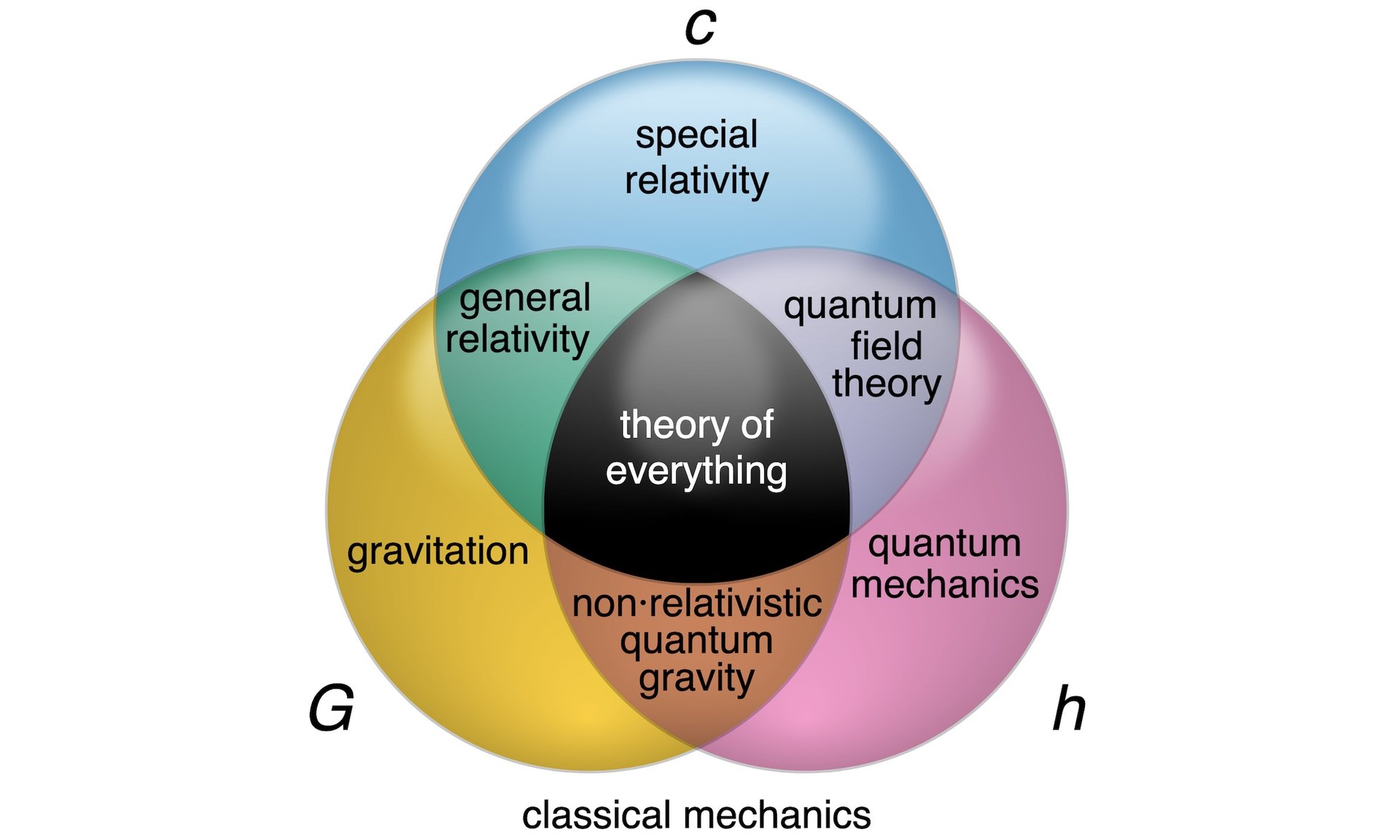
The Universe expanded rapidly soon after the Big Bang, and we aren't sure why. But a theory of quadratic quantum gravity might be the answer.
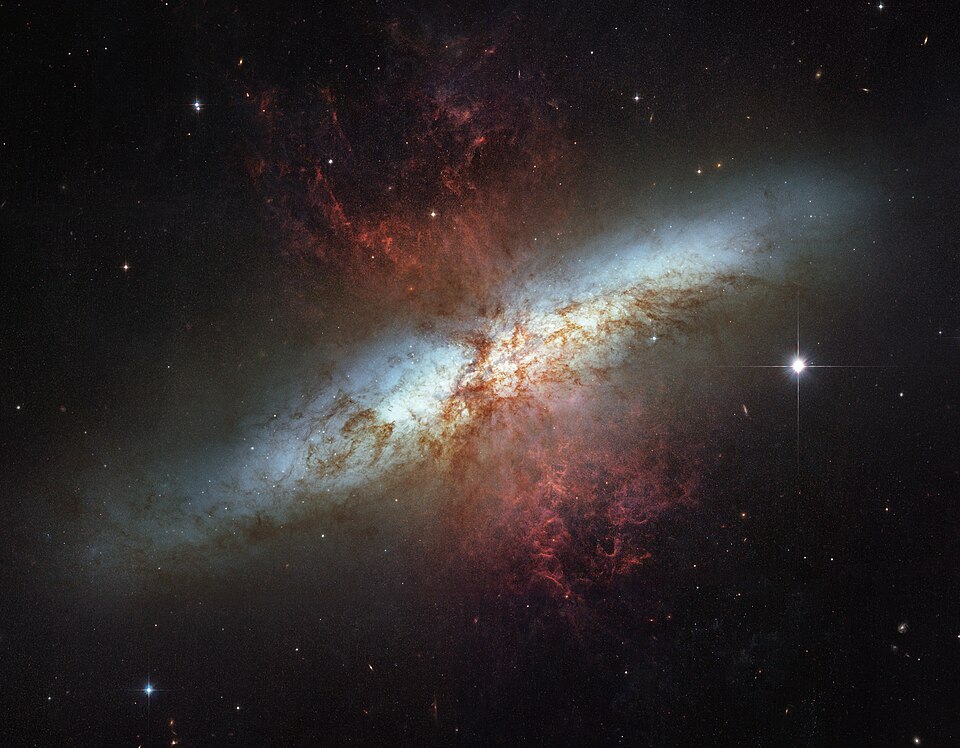
Twelve million light years away, a galaxy is throwing a tantrum on a cosmic scale. M82, the Cigar Galaxy is forming stars at ten times the rate of our own Milky Way, and all that frenzied activity has been blasting superheated gas outward in a colossal wind stretching 40,000 light years. Scientists have long known the wind exists, but now, for the first time, they've measured exactly how fast it's moving and the answer raises as many questions as it answers.
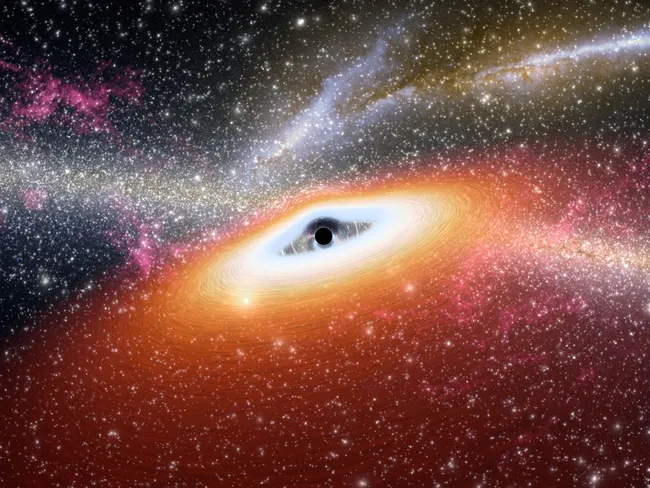
On 12 November 2025, LIGO picked up a gravitational wave signal that stopped astronomers in their tracks. The object that produced it was too small to be any known type of black hole, smaller in fact, than our own Sun. If confirmed, it would be something that has never been directly detected before, a primordial black hole forged in the violent chaos of the first fraction of a second after the Big Bang. Now two astrophysicists believe they can explain exactly what LIGO found and why it could crack open one of the deepest mysteries in cosmology.
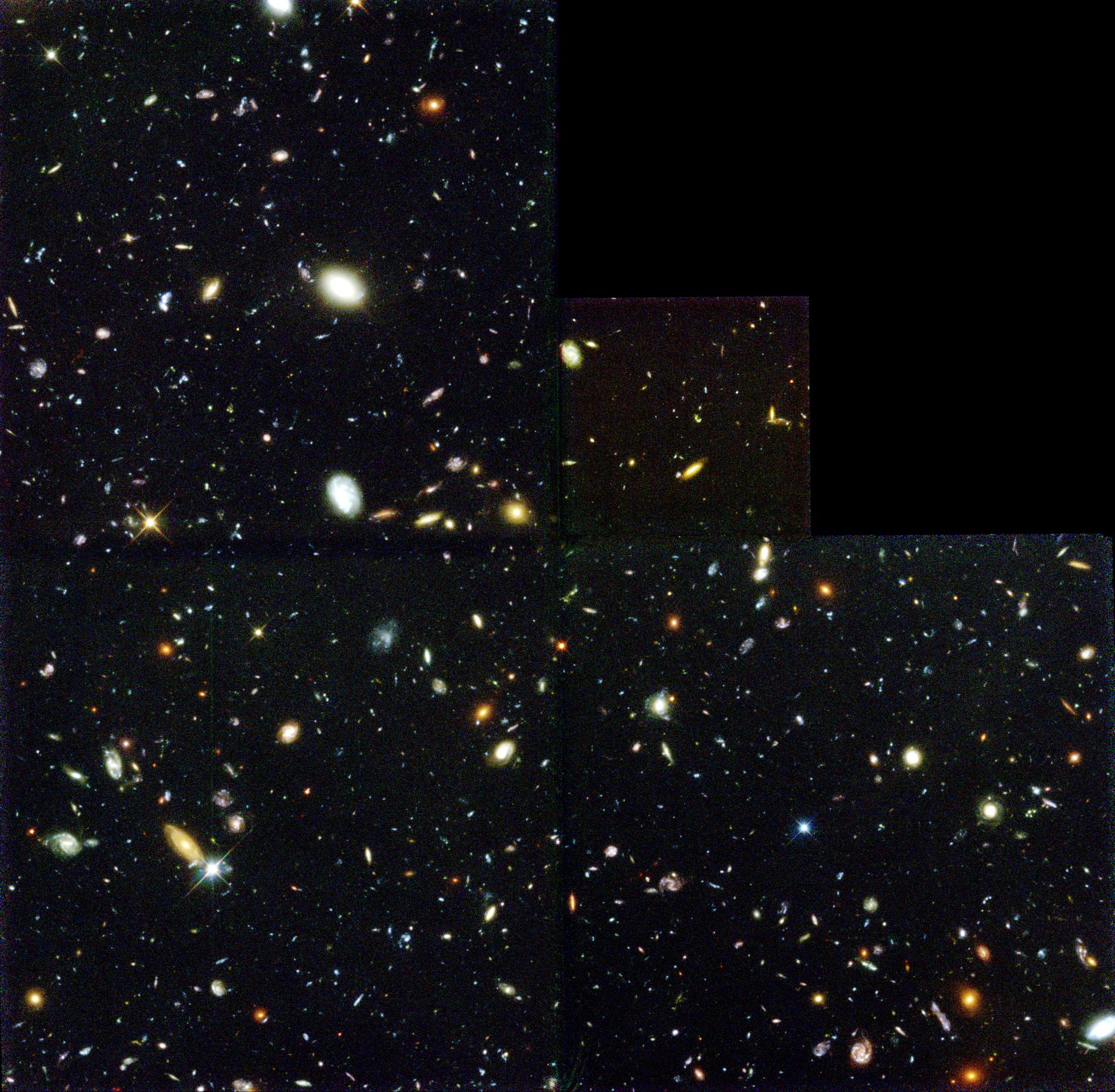
Douglas Adams famously told us the answer to life, the universe and everything is 42. Astronomers have been wrestling with their own version of that answer for years, except their number is the Hubble constant, a measure of how fast the universe is expanding, and nobody can agree what it is. Now a new study using ripples in spacetime as a measuring tools has produced a fresh value that might just help resolve one of the biggest arguments in modern cosmology.
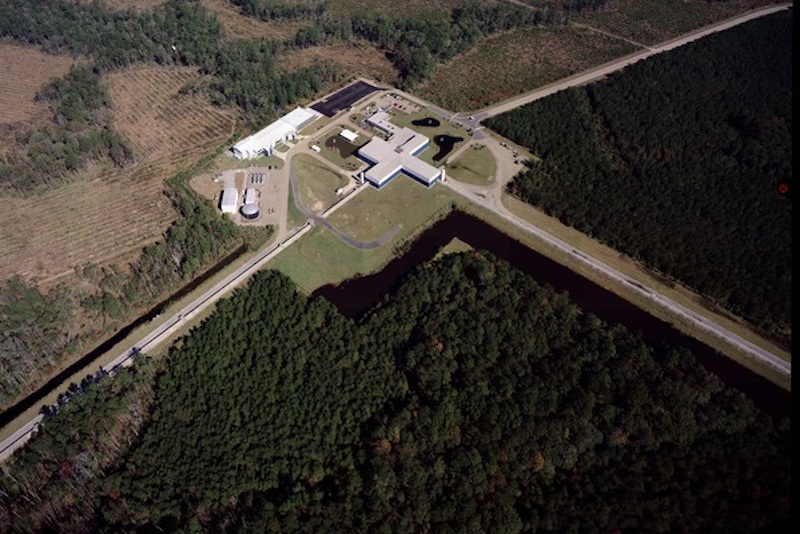
Detecting gravitational waves has always demanded enormous machines; kilometre scale instruments capable of sensing distortions smaller than a proton. But a new theoretical study suggests the universe may have been leaving its calling card in the light emitted by individual atoms. If the idea holds up, the future of gravitational wave detection might not be sprawling observatories carved into the landscape, but something you could hold in the palm of your hand.
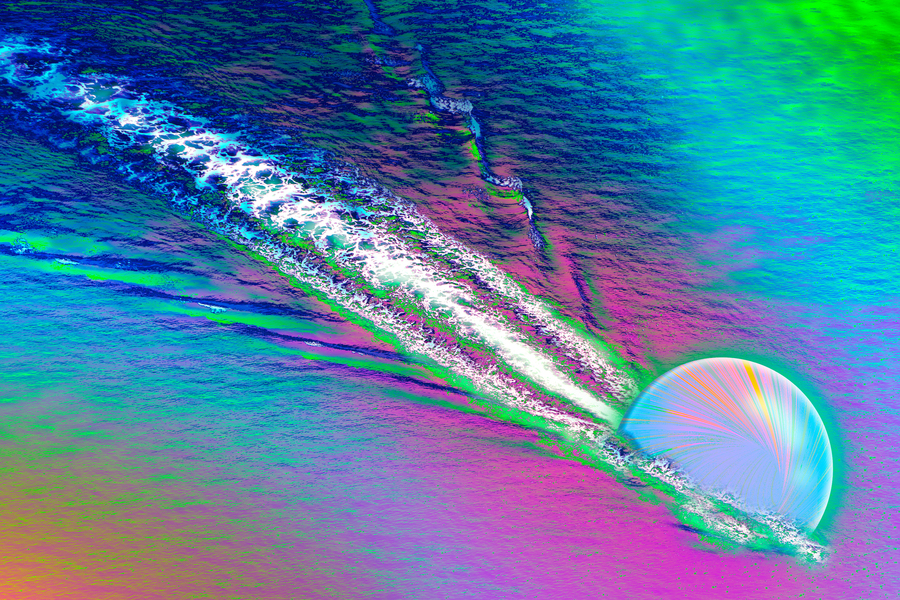
MIT physicists have observed the first clear evidence that quarks create a wake as they speed through quark-gluon plasma, confirming the plasma behaves like a liquid.