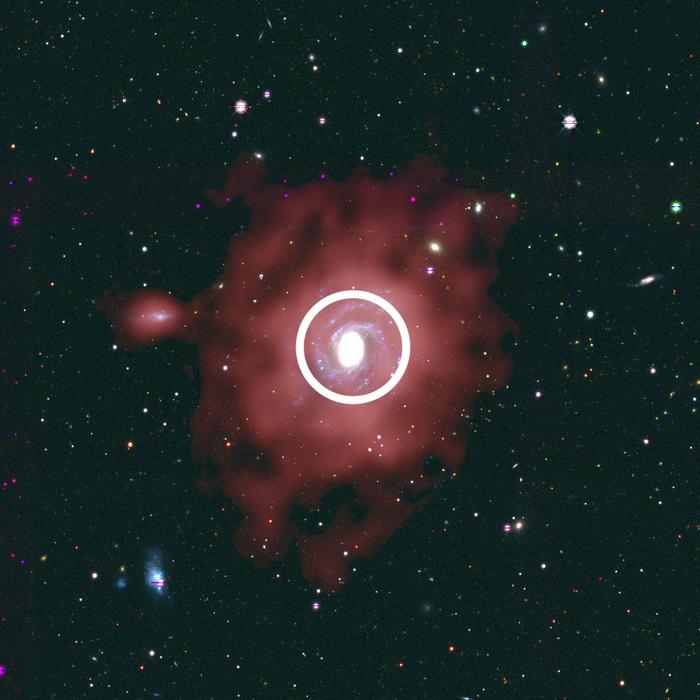
Galaxies are stellar factories generating stars at different speeds—some working at a breakneck pace while others trickling along! We have known for a long time that the availability of raw materials makes a difference to stellar formation, but according to a new paper which surveyed 1,000 galaxies the location of the matter plays a role too. Those with a high stellar formation rate seem to have a high volume of gas reserves in the heart of their densest star clusters with the highest concentration of stars.
Continue reading
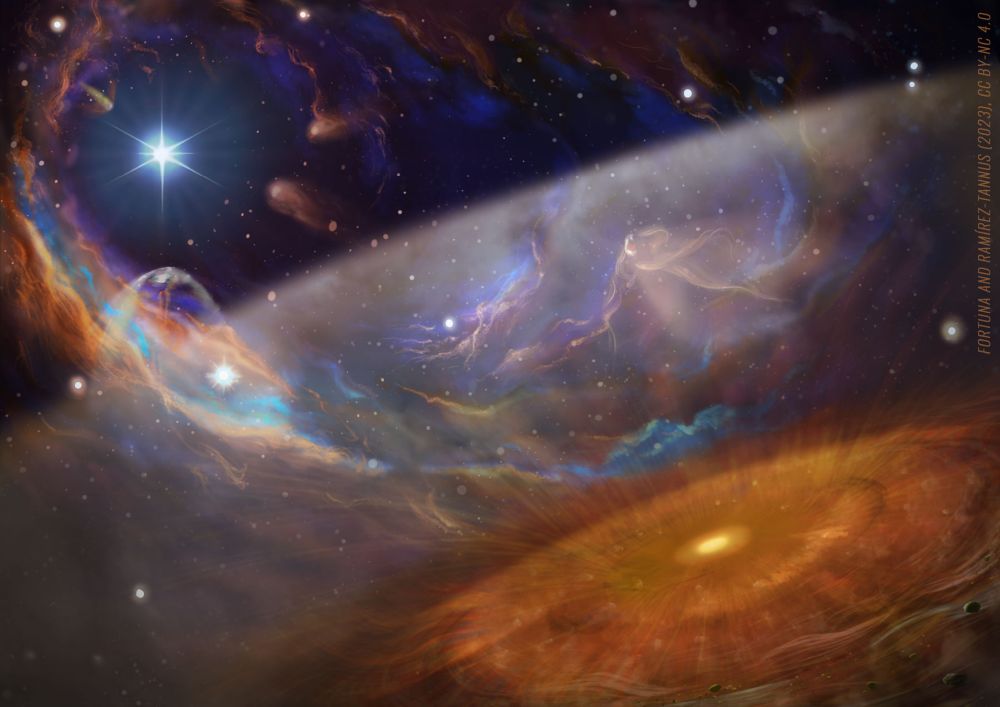
We know that planets form in protoplanetary disks, swirling collections of gas and dust that rotate around very young stars. But we don't know all the details, partly because it's difficult to see inside these disks and watch the process unfold. One question astronomers want an answer to concerns ultraviolet radiation. Does extreme ultraviolet radiation disrupt the planet-forming process?
Continue reading
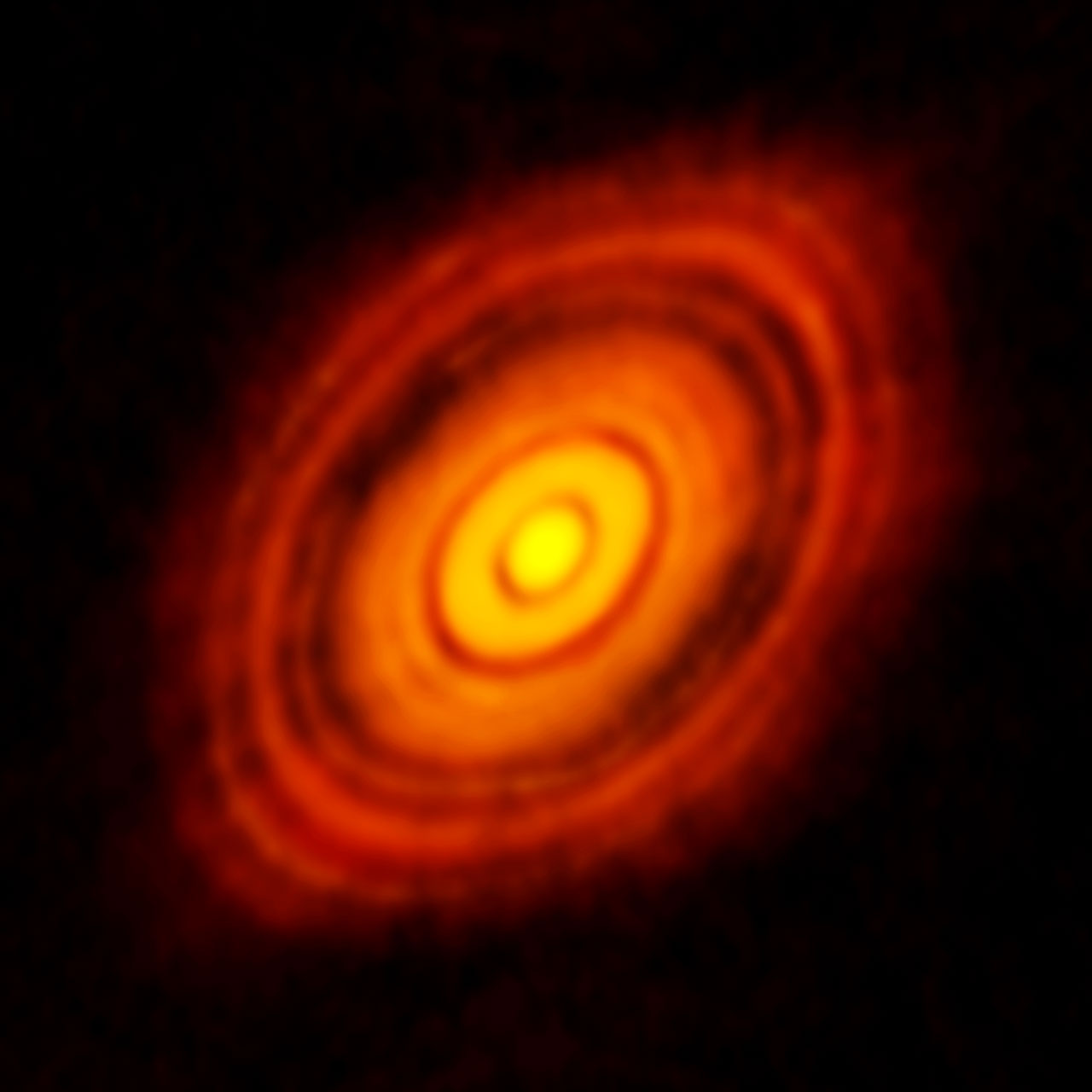
Co-paired stars, or stars that travel together, can provide insights into processes that other stars can't. Differences in their brightness, orbits, and chemical composition can hint at different features, and scientists are beginning to exploit them. A new paper from researchers in Australia, China, the US, and Europe analyzed data to determine if one of those features - specifically the depletion of particular elements in a star - could be a sign that it has formed a planet, or if it ate one.
Continue reading
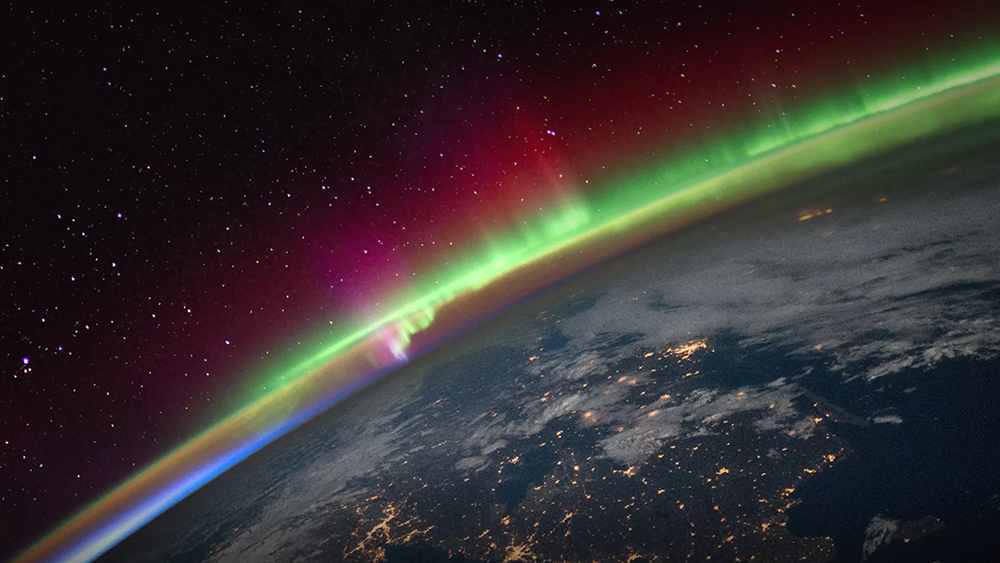
Some 13,000 years ago, the Sun emitted a huge belch of radiation that bombarded Earth and left its imprint in ancient tree rings. That solar storm was the most powerful one ever recorded. The next strongest was the 1839 Carrington Event. It was spurred by a huge solar flare that triggered a powerful geomagnetic storm at Earth. The resulting "space weather" disrupted telegraph communications around the world. Today, as we move through this year's "solar maximum", a period of solar activity that occurs every 11 years, scientists want to prepare governments for the effects of severe solar storms.
Continue reading
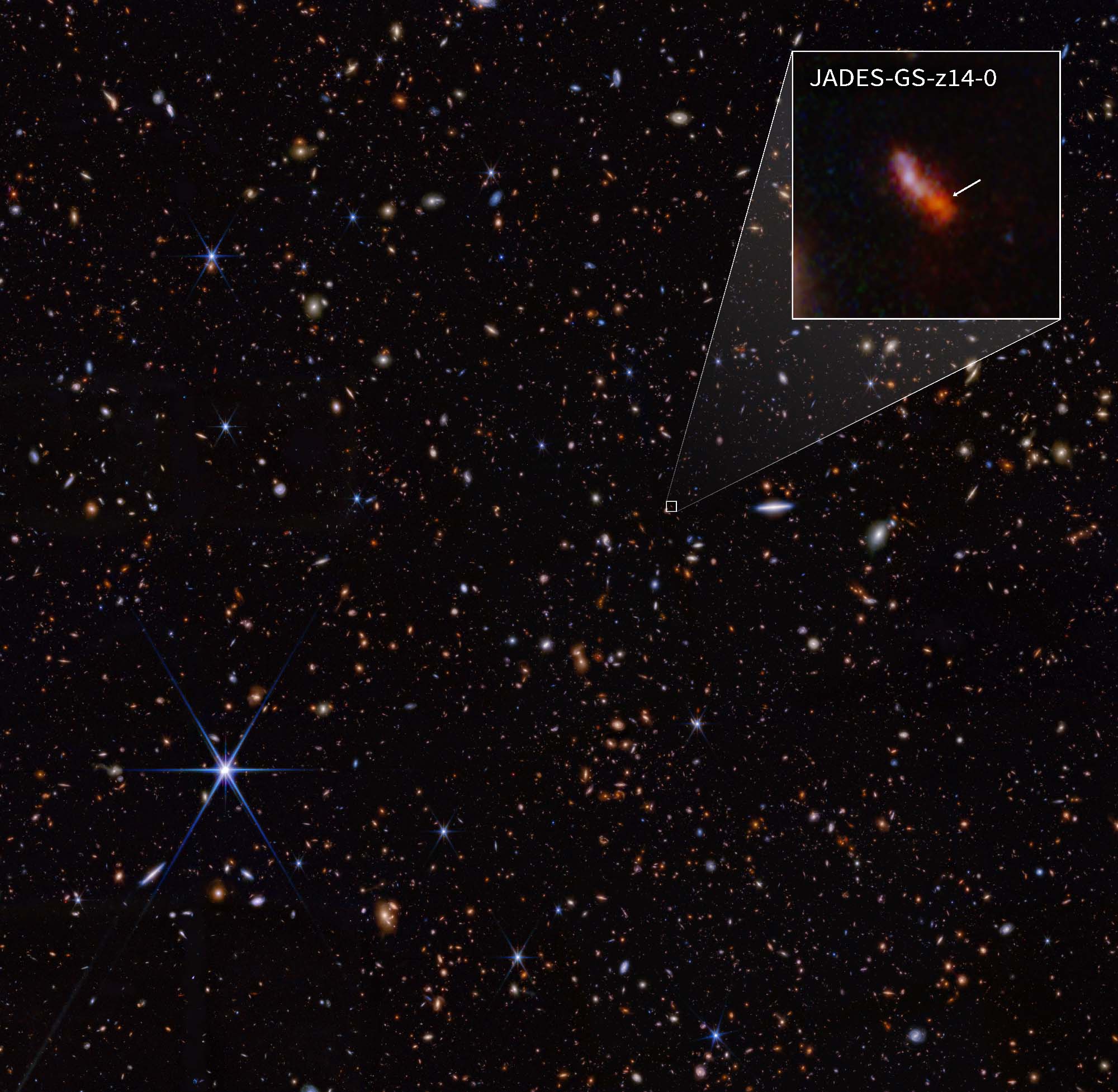
The JWST has done it again. The powerful space telescope has already revealed the presence of bright galaxies only several hundred million years after the Big Bang. Now, it's sensed light from a galaxy only 280 million years after the Big Bang, the most distant galaxy ever detected.
Continue reading
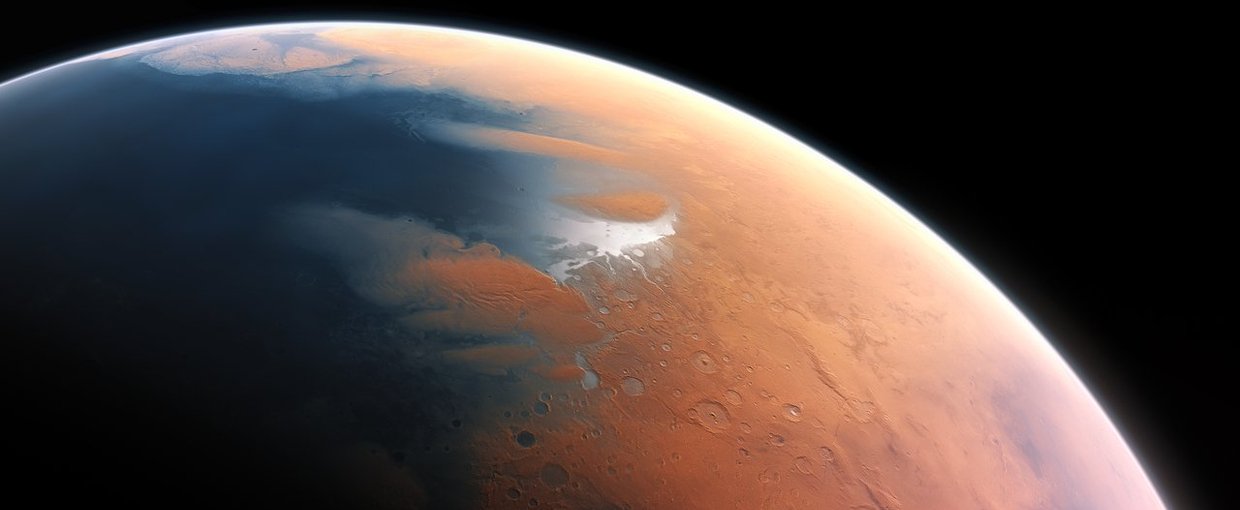
Mars' oceans, lakes, and rivers are long gone. They've left behind evidence of their time here in river channels, deltas, paleolakes, and other features. The water's existence isn't a mystery, but its whereabouts is. Did it disappear into space, or did it retreat into underground aquifers?
Continue reading
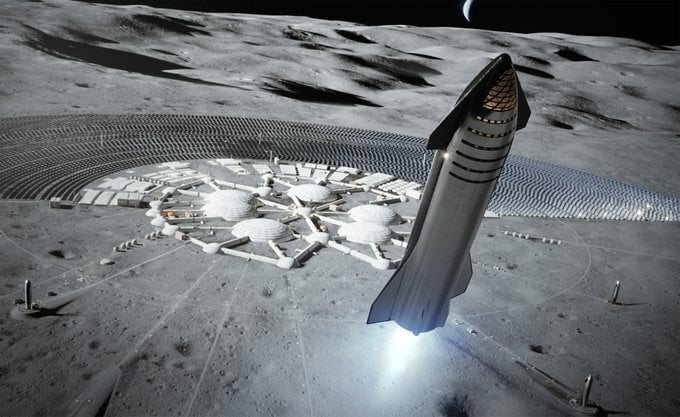
As humanity heads back to the Moon, a silent danger lurks: exhaust plumes from multiple spacecraft will blast lunar dust into orbit, creating a potentially deadly obstacle course for future missions. The solution will be to build landing pads on the lunar surface out of the lunar regolith. Researchers simulated landing pads just like these and their tests showed they could handle the heat and force of the propellant exhaust from a landing spacecraft. The techniques they found will minimise erosion over multiple landings.
Continue reading
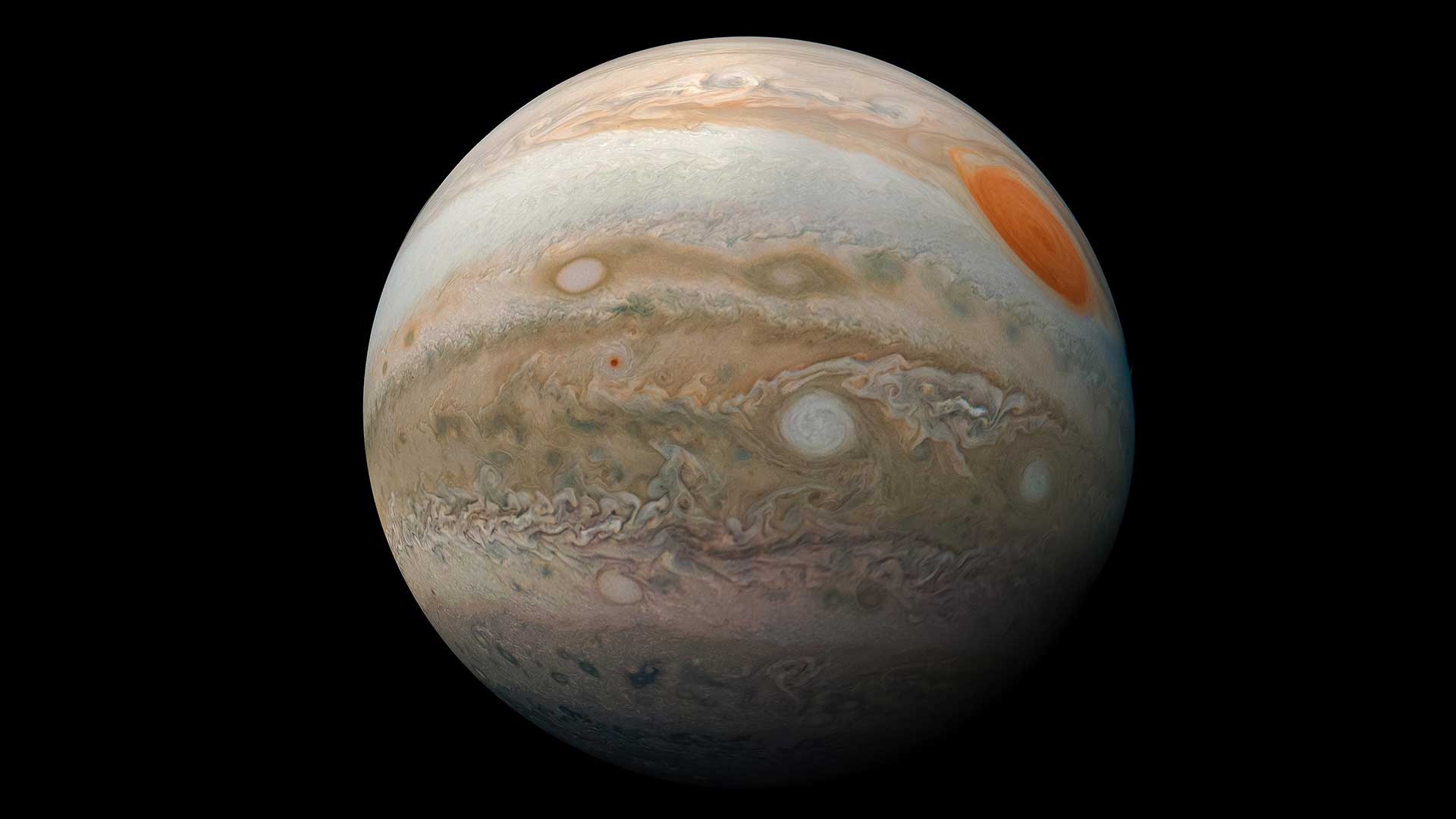
Jupiter and its powerful gravity have played a major role in sculpting the Solar System. A new study provides a glimpse into Jupiter's primordial state, which could have implications for our understanding of how the Solar System evolved.
Continue reading
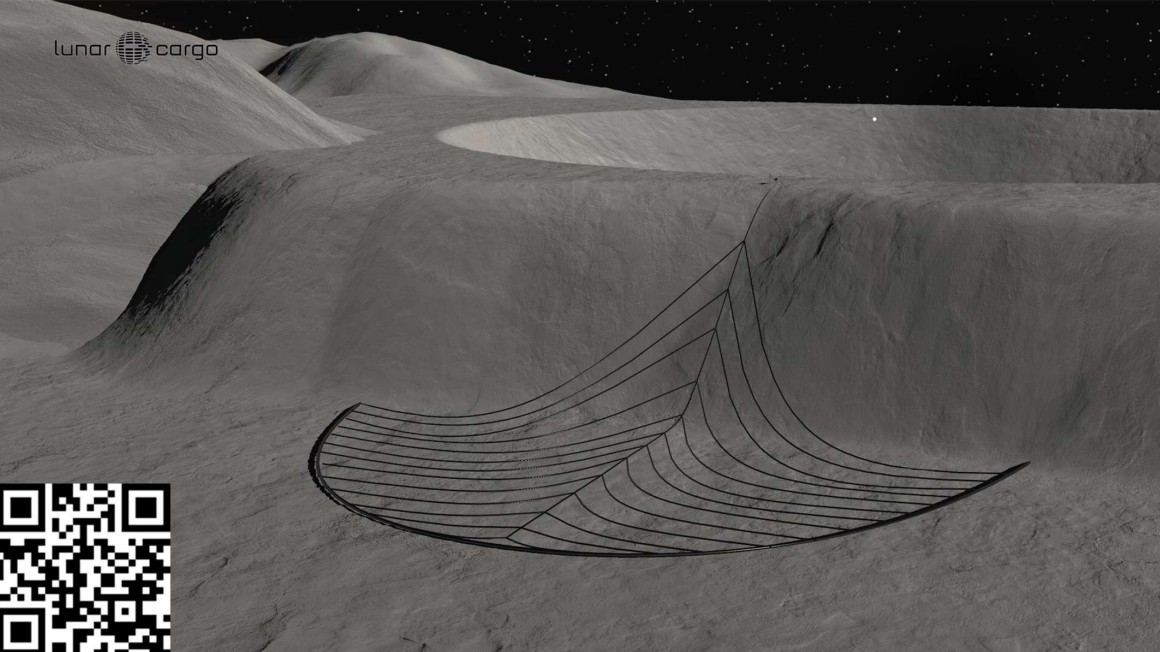
Members of the space exploration community are always coming up with novel ideas to solve problems that they view as holding back humanity's expansion into the cosmos. One such problem that has become more noticeable of late, due to the failure of several powered lunar landers, is the difficulty of landing on the Moon. To open up the wealth of resources on our nearest neighbor, we will have to regularly deliver cargo to it as well as ship cargo off of it. A new idea from Lunar Cargo, a company based in Europe, has come up with a novel, patented way to deliver cargo to the Moon - the Momentum Absorption Catcher for Express Deliveries on Non-Atmospheric Somata, or M.A.C.E.D.O.N.A.S.
Continue reading
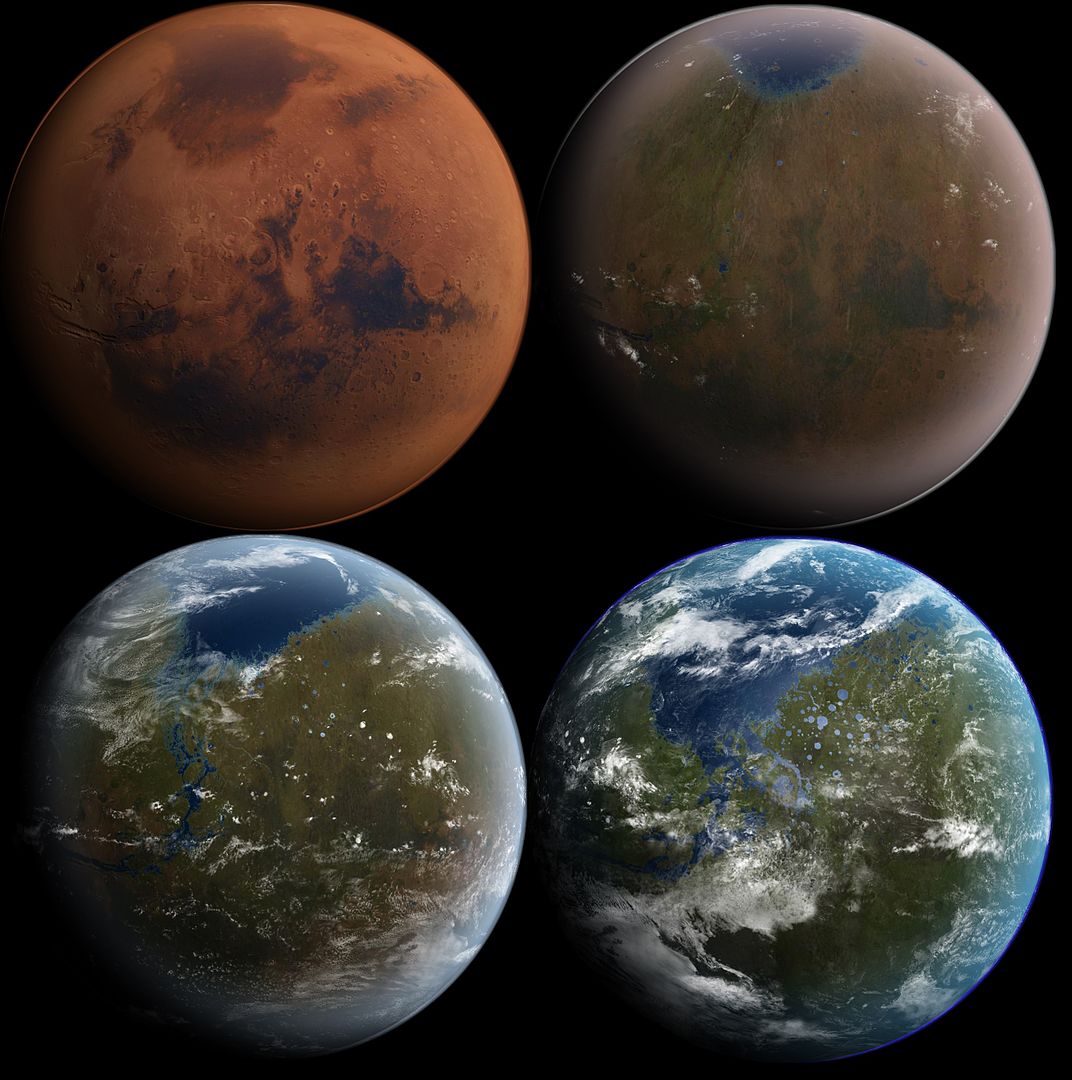
Mars has fascinated us for centuries. Since the invention of the telescope, science fiction writers have mused over its habitability. Its location in the Solar System's habitable zone suggests it could, in theory, support life—despite lacking a global magnetic field and surface water. In a new paper, researchers propose that terraforming Mars is now an achievable goal. They outline methods for warming the planet, releasing pioneer species to build an ecosystem, and improving its atmosphere.
Continue reading
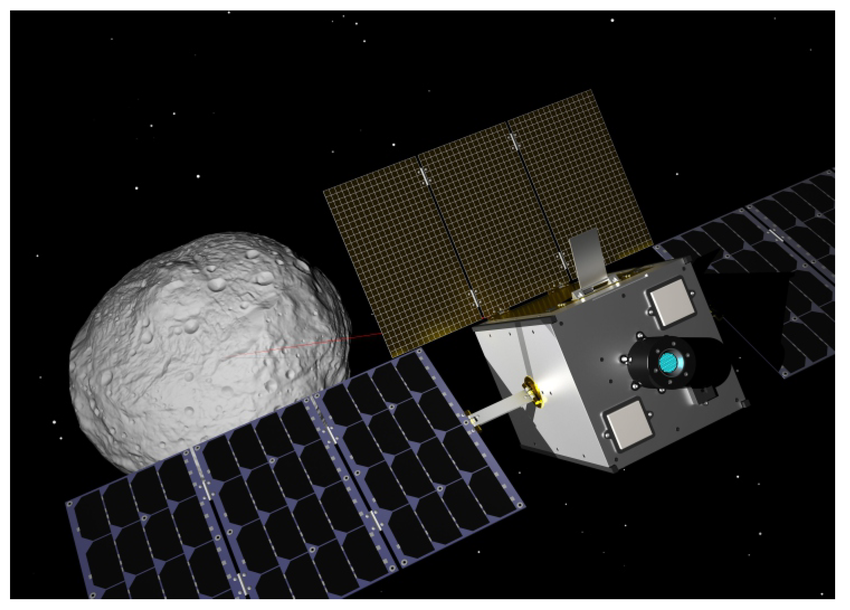
In recent years, humanity has visited several near-Earth asteroids (NEAs), including Ryugu (Hayabusa2) and Didymos (DART). However, we will need more frequent missions to start gathering more helpful information about this class of over 37,000 space rocks. CubeSats have off-the-shelf components and a relatively small size, making them a potentially good candidate for such an exploration program. But how would they reach these asteroid locations given their relatively limited payload and propulsion capacity? That is the focus of a new paper from Alessandro Quarta of the University of Pisa. He looks at potential trajectory planning for CubeSats given one of several configurations of ion drives. He shows how many NEAs can be accessed by simply entering a heliocentric orbit and awaiting the asteroid's arrival as part of its orbit.
Continue reading
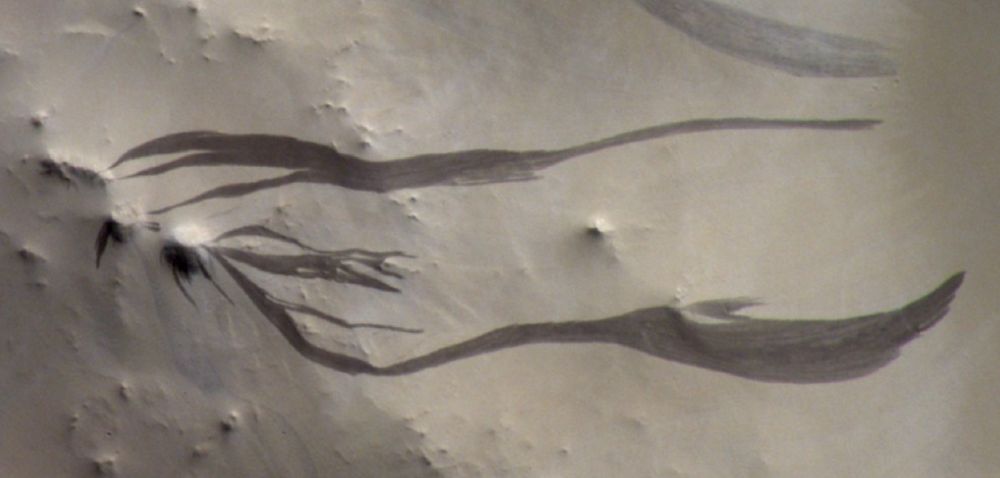
It was big news years ago when Mars orbiters found streaks of what appeared to be water running down Martian cliffs and crater walls. Scientists worked hard to figure out what they were. Some proposed that they were seasonal streaks of briny ice, melting as the weak Mars summer arrived. New research says no to that.
Continue reading
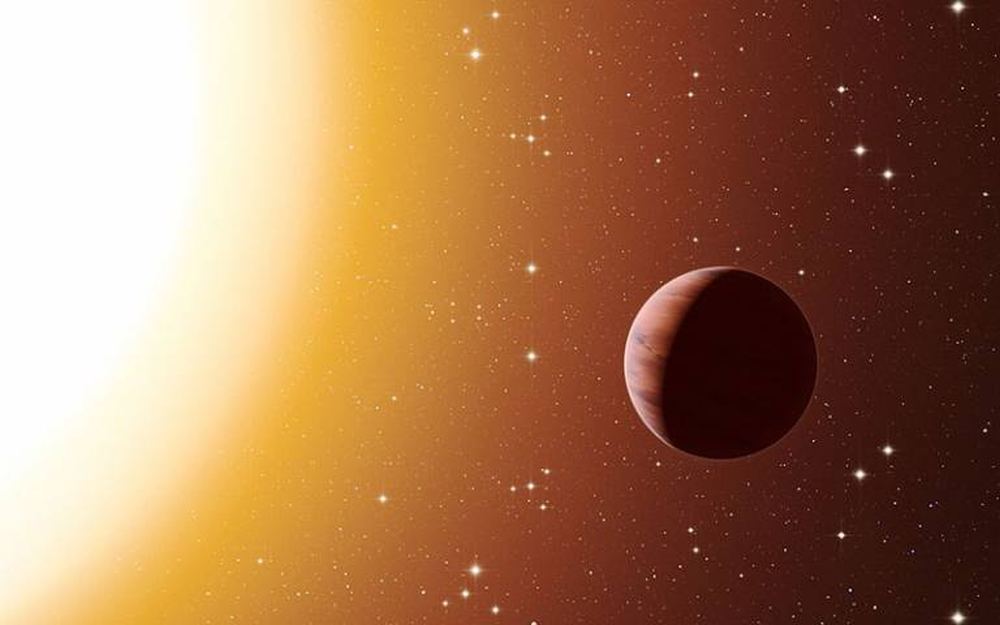
Tracking exoplanets via orbital mechanics isn't easy. Plenty of variables could affect how a planet moves around its star, and determining which ones affect any given exoplanet requires a lot of data and a lot of modeling. A recent paper from researchers led by Kaviya Parthasarathy from National Tsing Hua University in Taiwan tries to break through the noise and determine what is causing the Transit Timing Variations (TTVs) of HAT-P-12b, more commonly known as Puli.
Continue reading
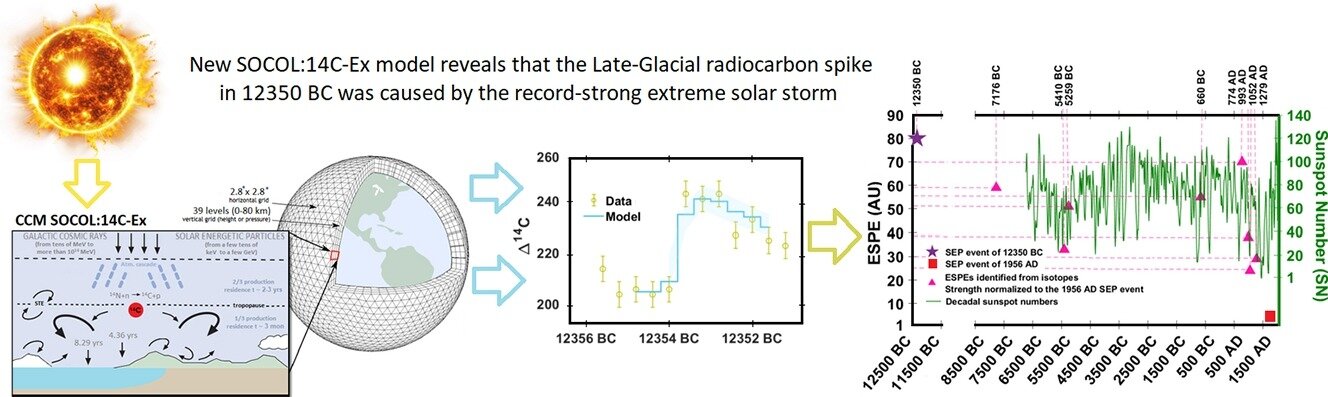
Extreme solar storms are a relatively rare event. However, as more and more of our critical infrastructure moves into space, they will begin to have more and more of an impact on our daily lives, rather than just providing an impressive light show at night. So it's best to know what's coming, and a new paper from an international team of researchers led by Kseniia Golubenko and Ilya Usoskin of the University of Oulu in Finalnd found a massive Extreme Solar Particle Event (ESPE) that happened 12350 years ago, which is now considered to be the most energetic on record.
Continue reading
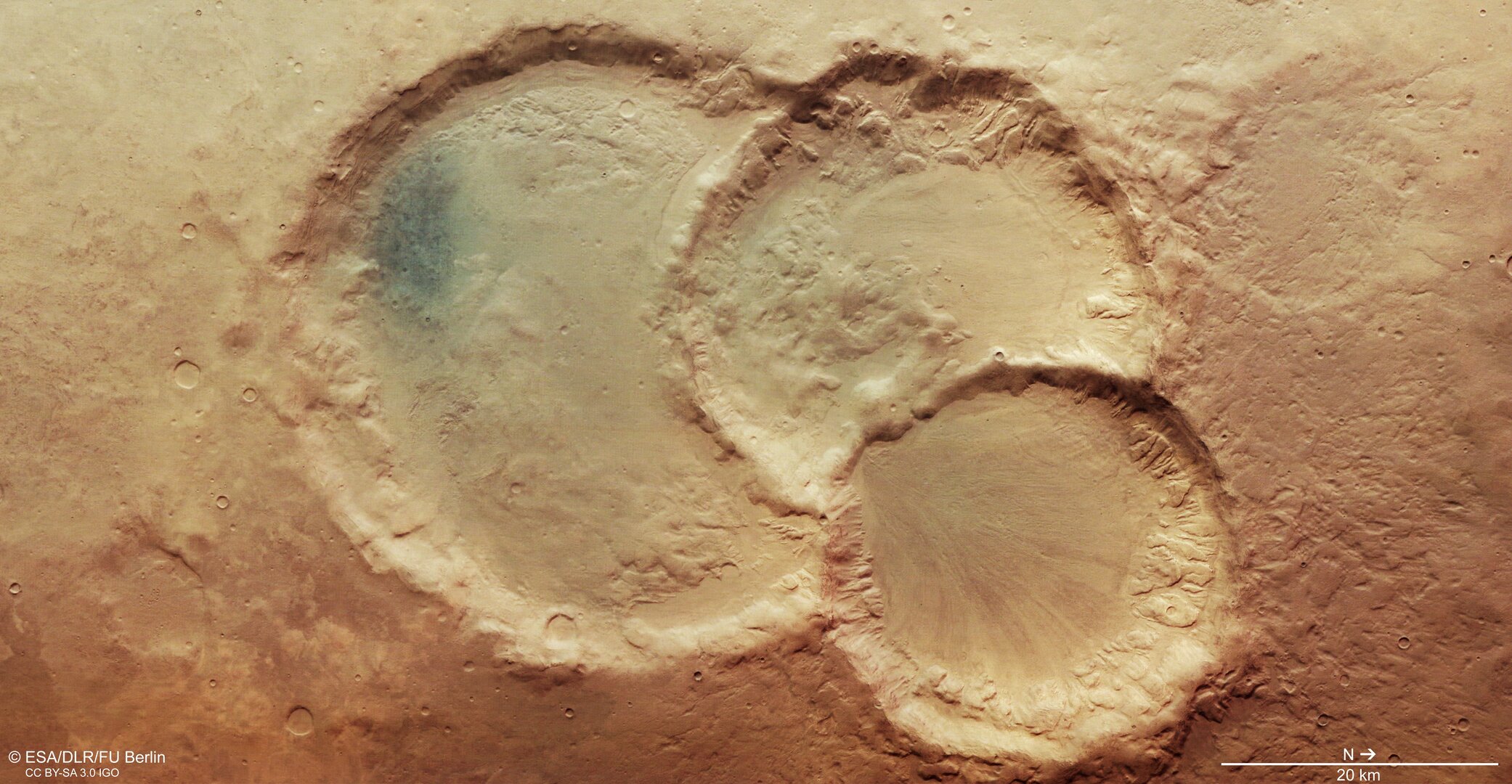
Spacecraft orbiting Mars can reveal small features on the planet's surface, but there are only so many things you can see from above. When a meteor strikes the surface of Mars, it can excavate sub-surface material, allowing scientists to study what lies beneath. Researchers have simulated various impacts on Mars, changing the sub-surface material from bedrock to water-ice glaciers, and then calculated what should be visible after an impact, enabling new science.
Continue reading
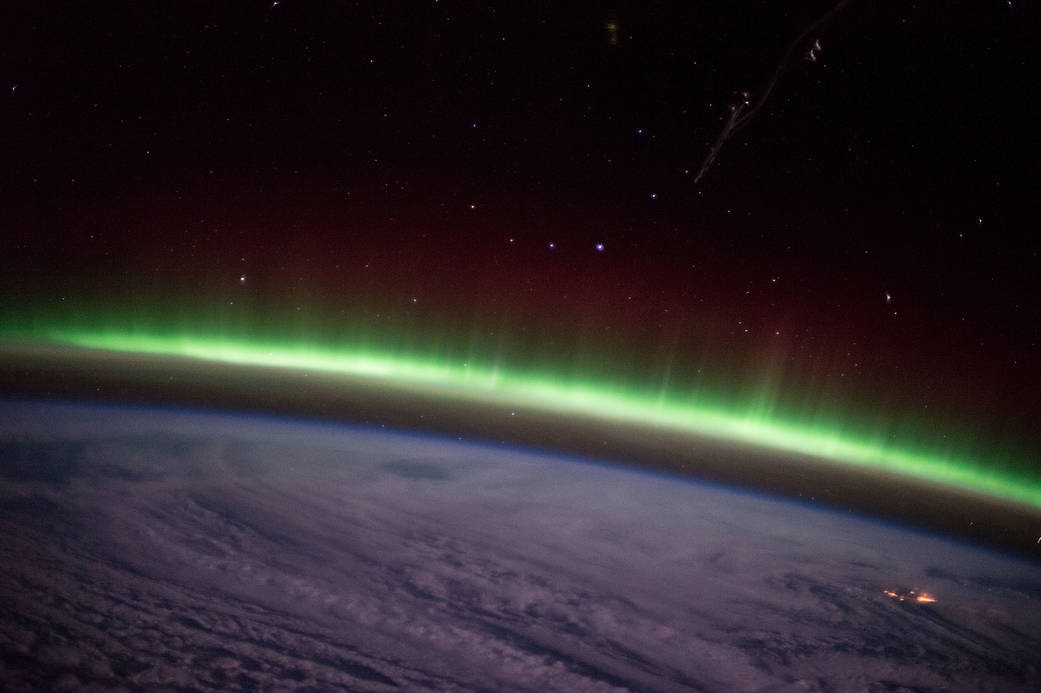
Earth's magnetosphere channels particles from solar storms into stunning auroras. Mars lacks a planet-wide magnetic field and has patchy auroras barely detectable with instruments. Or so we thought. New images captured by NASA's Perseverance Rover with its Mastcam-Z instrument show green auroras in visible light. When humans finally walk on Mars and look to the skies, they could possibly see faint auroras there, too.
Continue reading
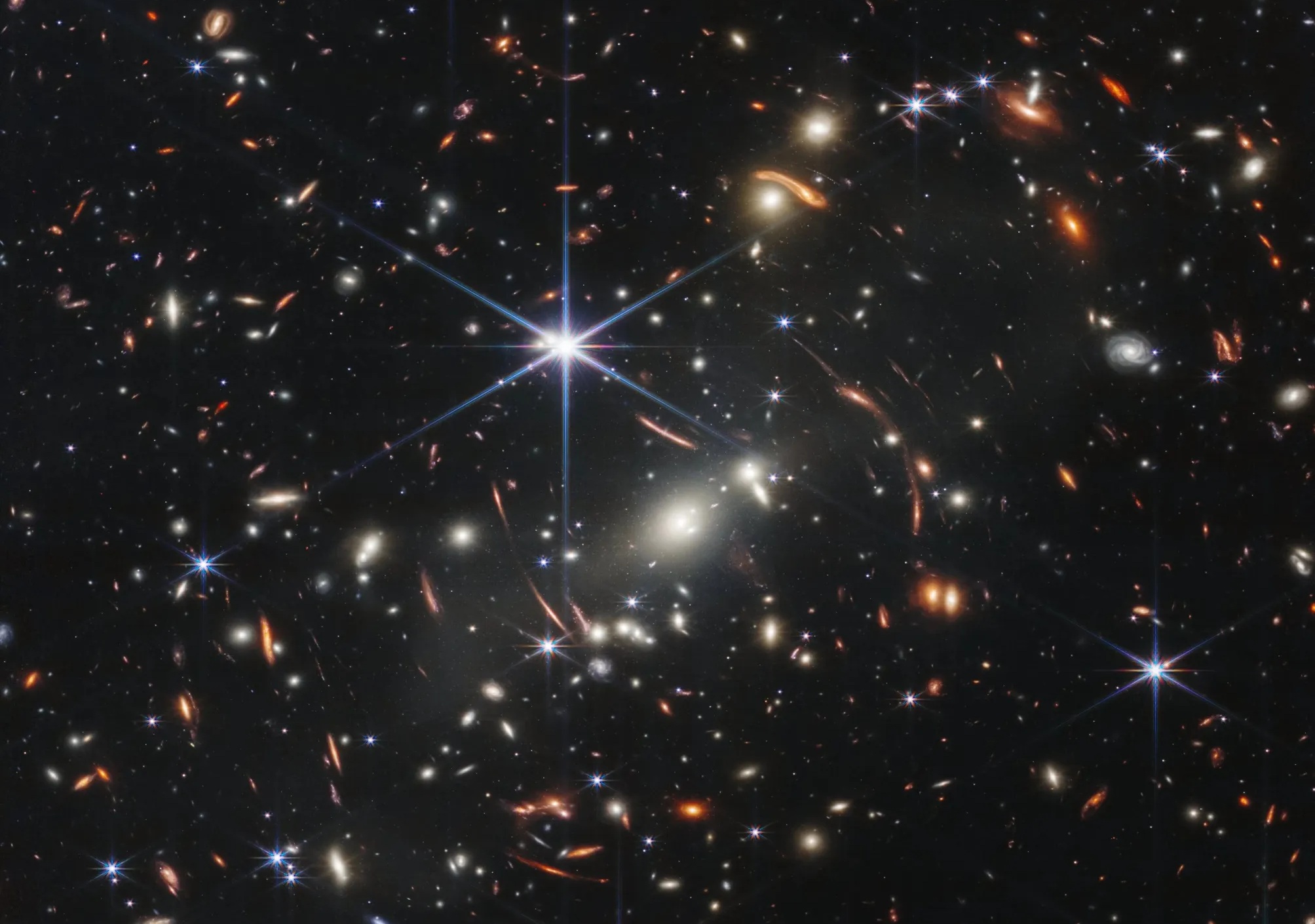
In a recent paper, an international team proposed an ultra-long wavelength radio interferometer that could examine the Cosmic Dark Ages and Cosmic Dawn. Known as the Dark Ages Explorer (DEX), this telescope could provide fresh insights into how and when the first stars and galaxies formed.
Continue reading
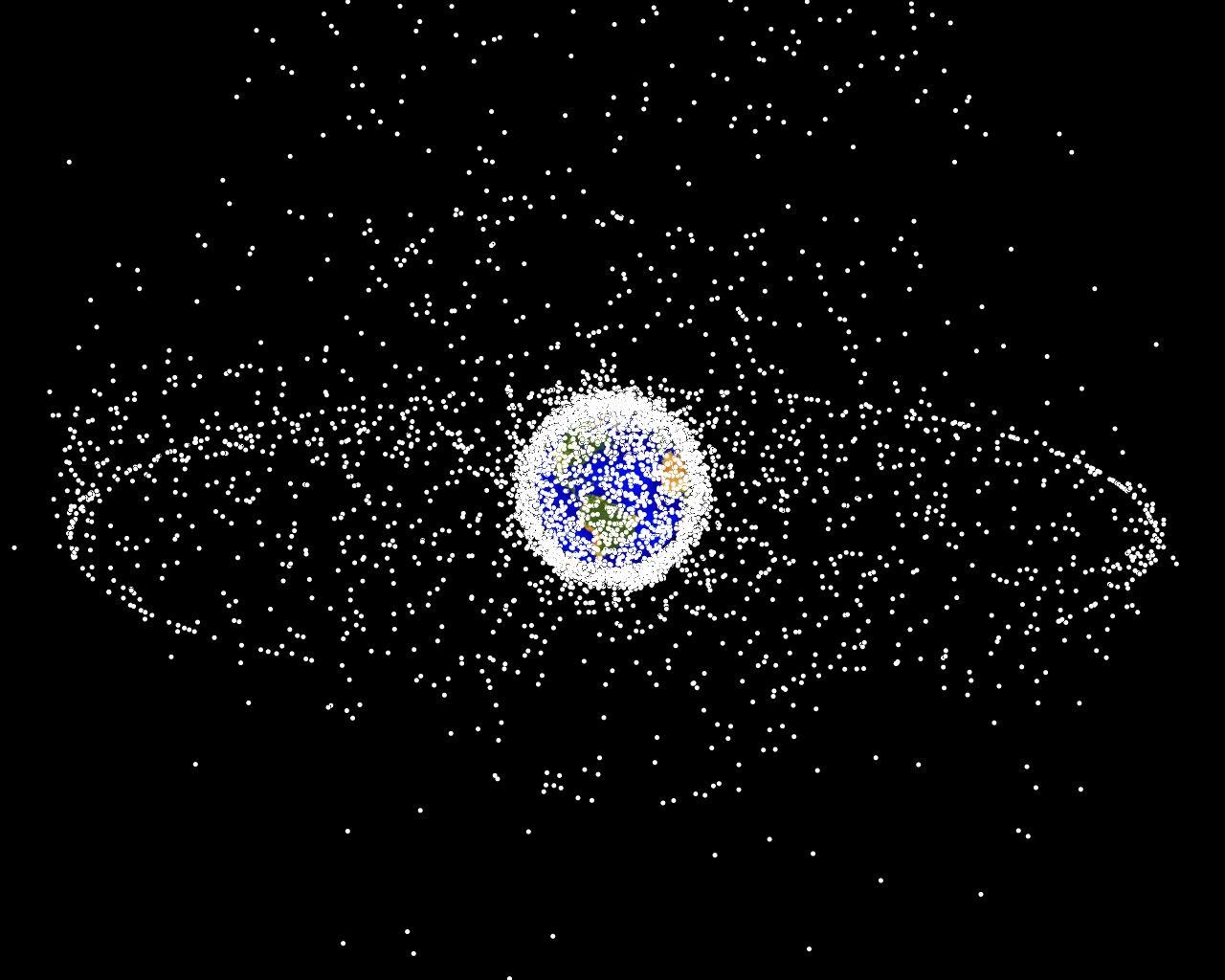
The satellite population in Low-Earth Orbit (LEO) is not an open book. While data on many satellites is public, others are shrouded in secrecy, and information is incomplete for others. New research shows how observers can determine satellite shapes by watching them occult background stars.
Continue reading
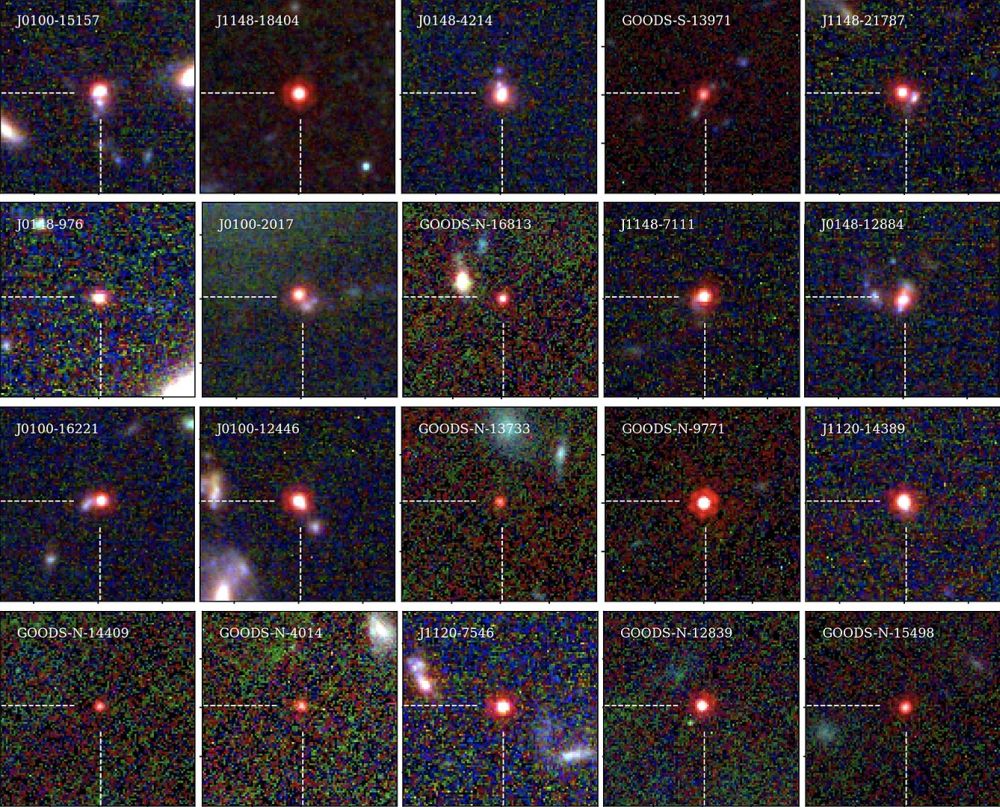
When the JWST came to life and began observations, one of its first jobs was to gaze back in time at the early Universe. The Assembly of Galaxies is one of the space telescope's four main science themes, and when it observed the Universe's first galaxies, it uncovered a mystery. According to our understanding of how galaxies evolve, some were far more massive than they should be.
Continue reading
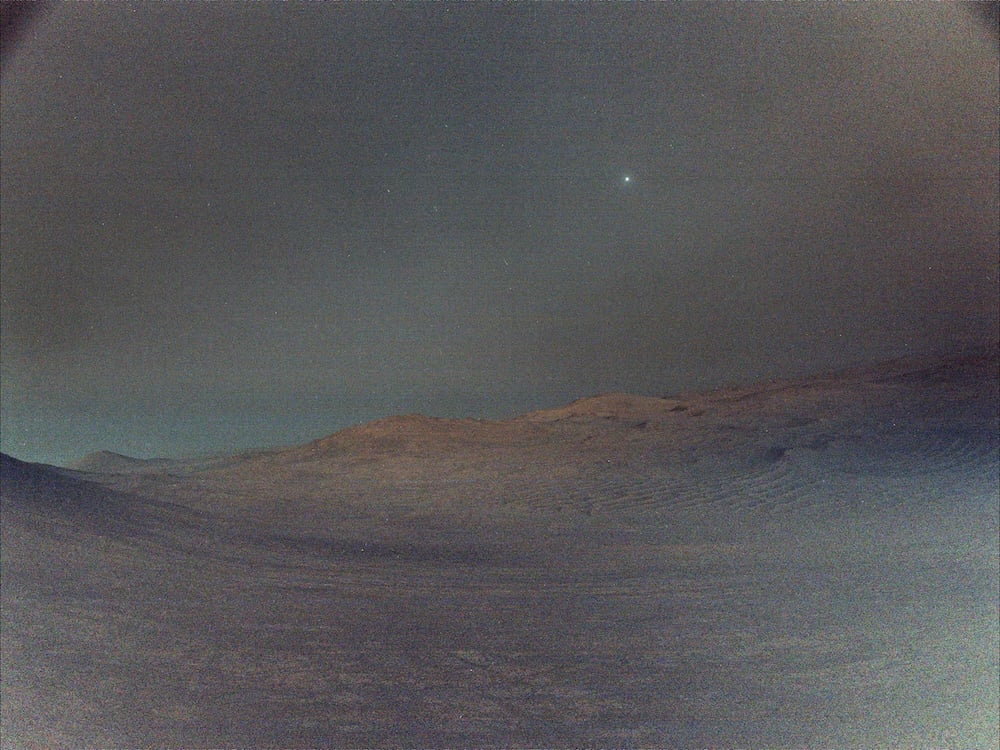
NASA's Perseverance Rover didn't just look up—it captured a sprint across the Martian sky! On March 1st, its navigation camera locked onto Deimos as the moon raced overhead in the pre-dawn darkness. Sixteen rapid-fire, 3-second exposures stacked together reveal the moon's movement across the Martian sky. The pictures were taken in very low light, so it's pretty grainy and noisy, but there are two additional stars in the sky, Regulus and Algieba, in the constellation Leo.
Continue reading
 Universe Today