.jpg)
Generation starships may be the only way humans travel to other stars. These hypothetical spacecraft would travel at sub-light speed and take generations to reach their destination. Over the hundreds or even thousands of years, generations of human beings would be born, live, and then die on these ships. Even if that awkward arrangement could be made to work, how would everything else function for so long? What about the spacecraft? What about the AI?
Continue reading
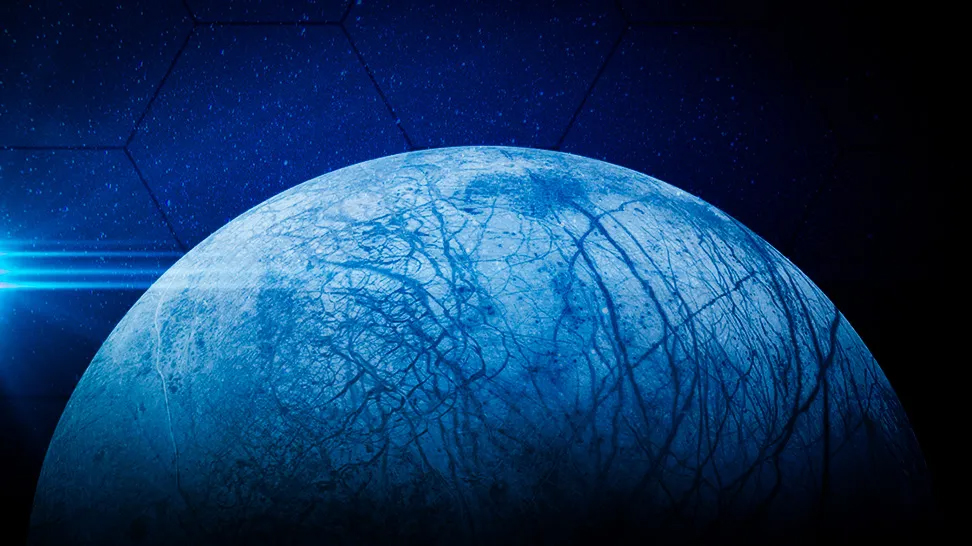
People always want to know what will happen to Earth when the Sun eventually swells up as a red giant. For one thing, the expanding Sun will turn the inner planets into cinders. It will almost certainly spell the end of life on our planet. Mars might become more temperate and hospitable to life. In addition, it could well be a boon for the gas giant Jupiter and its moons. That's because the habitable zone of the Solar System will move outward from where it is now, to a spot encompassing the Jovian system and forcing changes on all of those worlds.
Continue reading
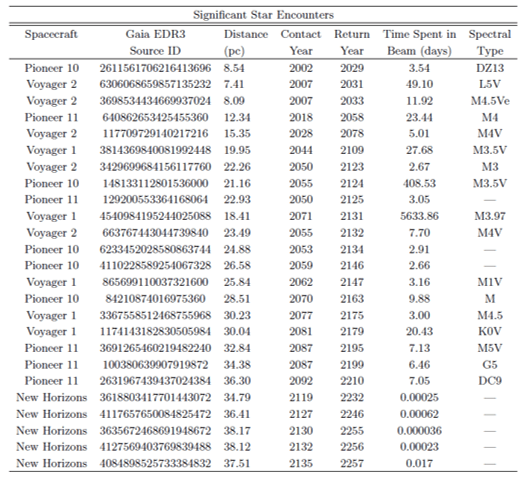
Raman spectroscopy uses scattered to identify a substance's chemical ingredients and is one of the most widely used scientific methods in space exploration. It is used for lunar exploration to identify volcanic minerals, water ice, and space weathering, and has been limited to obtaining data from lunar orbiters. But how can Raman spectroscopy be conducted on the lunar surface to help us better understand our nearest celestial neighbor? This is what a recent study presented at the 56th Lunar and Planetary Science Conference hopes to address as a team of NASA and academic researchers discussed the Raman Cube Rover (R3R), which would be delivered to the lunar surface via the private space company, Astrobotic.
Continue reading
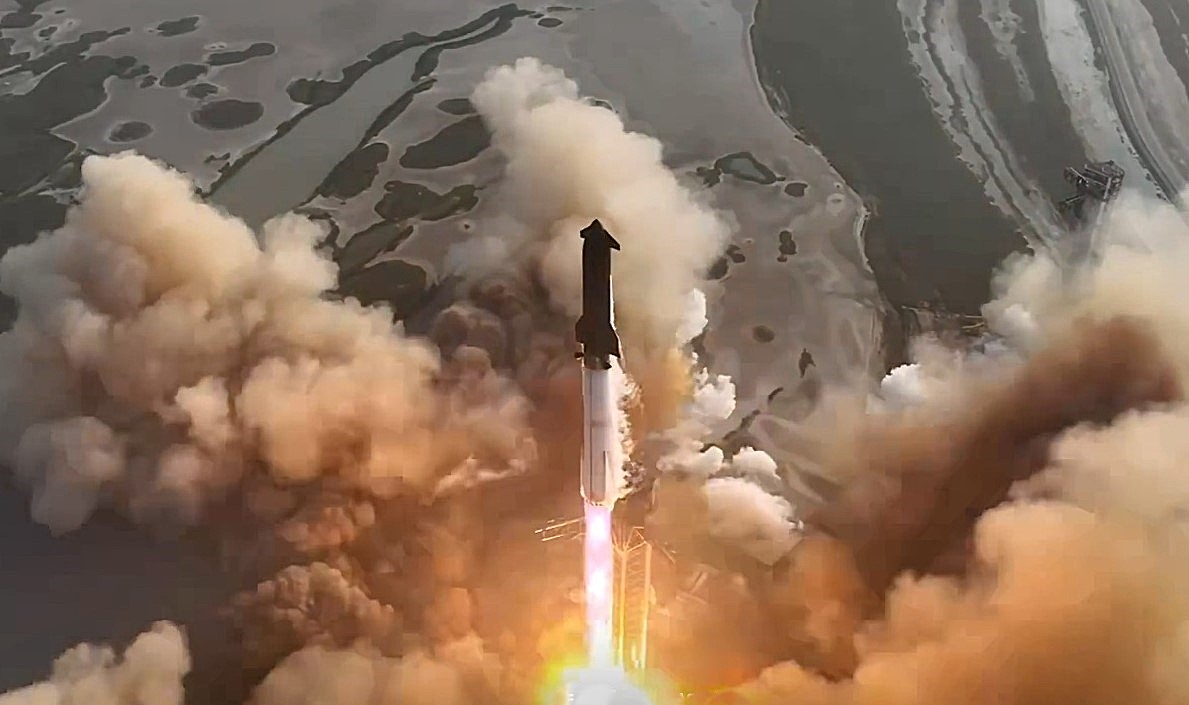
SpaceX's Starship super-rocket got off to a great start for its ninth flight test, but the second stage ran into a host of issues and made an uncontrolled re-entry.
Continue reading
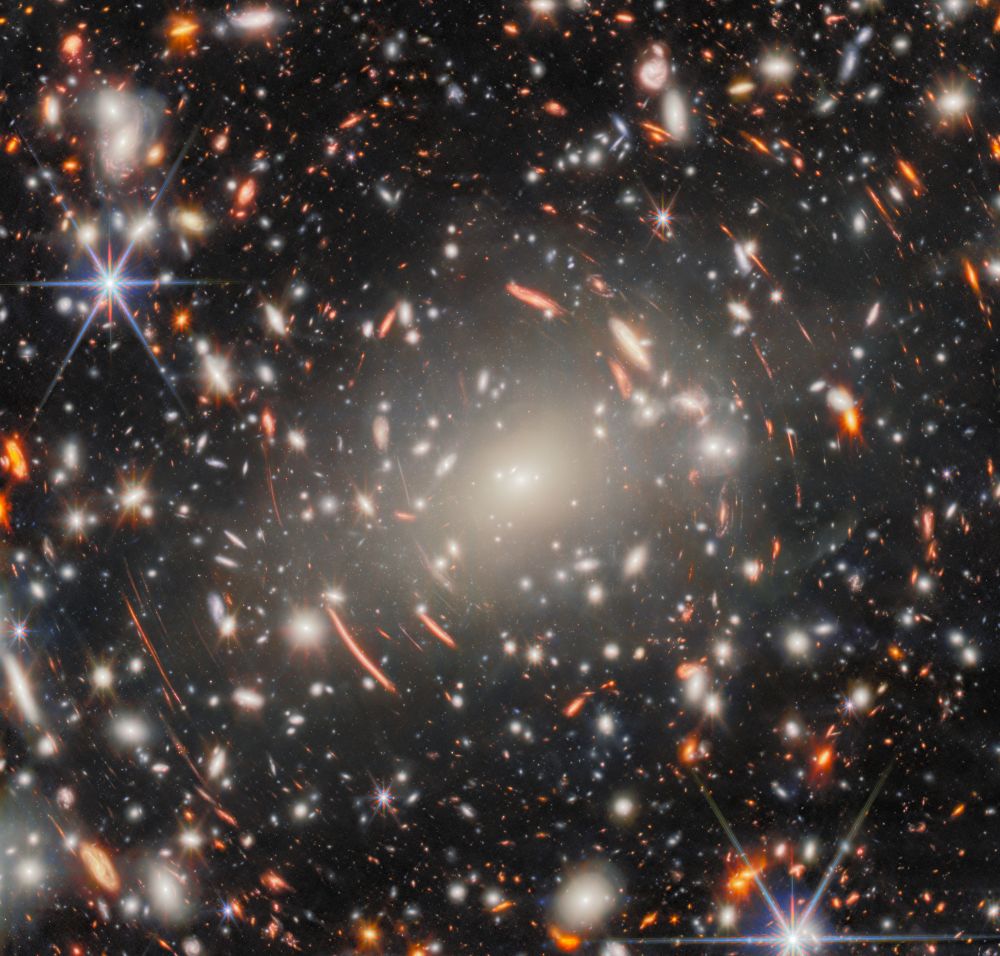
The galaxy cluster Abell S1063 dominates the center of this JWST image. It's a massive cluster of galaxies about 4.5 billion light-years away. While it dominates the picture, it's not the primary target. It serves as a gravitational lens that magnifies even more distant galaxies that appear as glowing streaks of light around its circular edges.
Continue reading
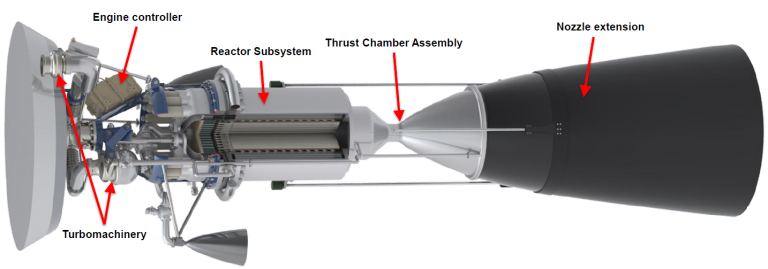
Nuclear Thermal Propulsion (NTP) has stood as a promising potential alternative propulsion technology for decades. Chemical rockets have begun to reach their theoretical maximum efficiency, and their developers have switched their focus to making them cheaper rather than more efficient. NTP should answer that by offering high thrust and specific impulse. NASA's DRACO Program, the standard-bearer for NTP systems, provides a specific impulse of around 900 seconds, about double a traditional chemical rocket, but half that of most ion thrusters. To increase that number even further, researchers at the University of Alabama at Huntsville and The Ohio State University have been working on a novel configuration of NTP called the Centrifugal Nuclear Thermal Rocket (CNTR) that promises almost to double the specific impulse of traditional NTP systems while maintaining similar thrust levels. However, the system has some engineering challenges to overcome, and a new paper coming out in Acta Astronautica describes some incremental progress on making this improved engine a reality.
Continue reading

Modern ground-based telescopes rely on adaptive optics (AO) to deliver clear images. By correcting for atmospheric distortion, they give us exceptional pictures of planets, stars, and other celestial objects. Now, a team at the National Solar Observatory is using AO to examine the Sun's corona in unprecedented detail.
Continue reading
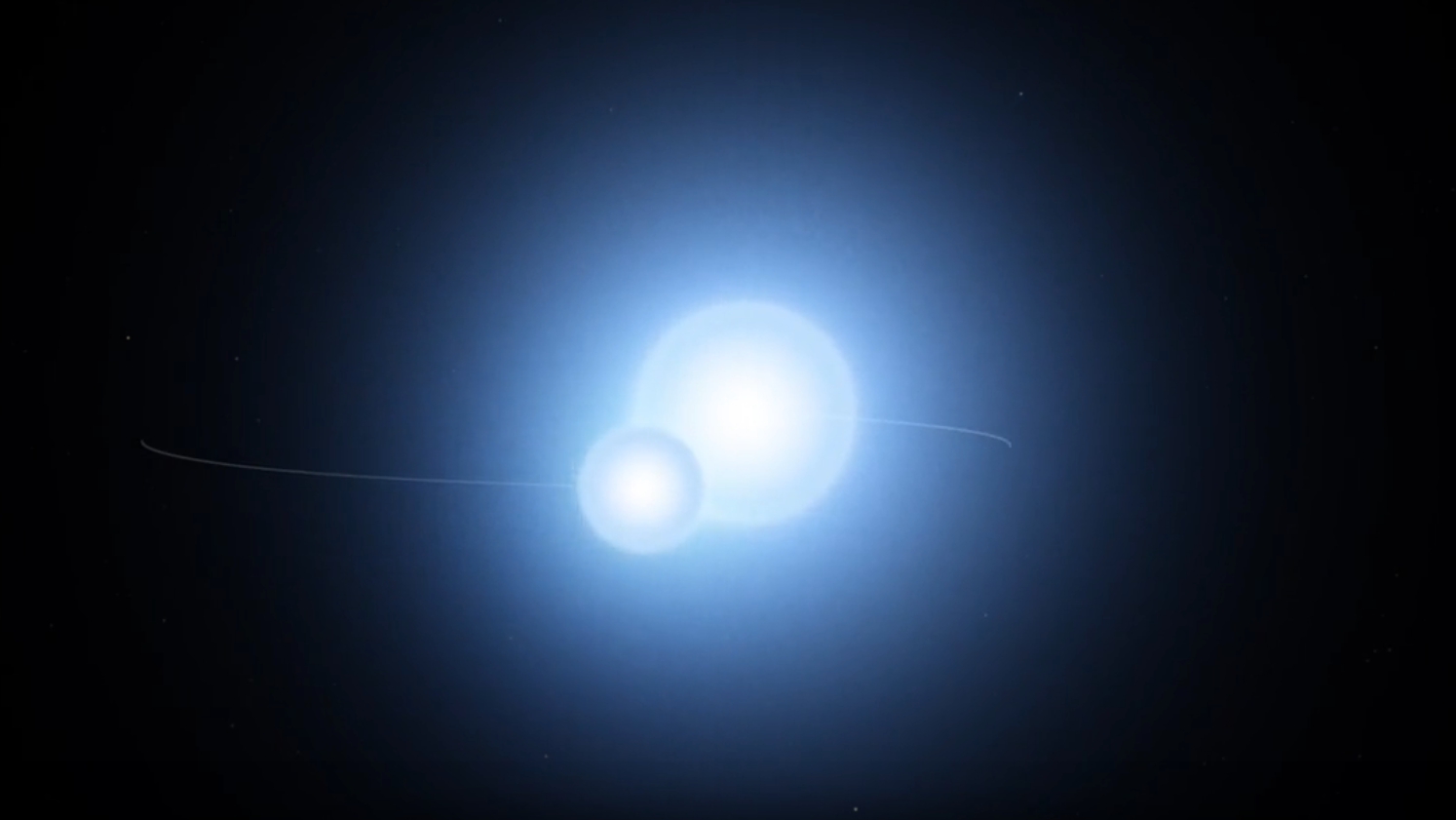
Astronomers have spotted a pulsar in a binary system, taking about 3.6 hours for the stars to orbit one another. Their orbit is so close that, from our vantage point, the pulsar's radio signals vanish for roughly one-sixth of each cycle—blocked by the companion's interference. Researchers think that the more massive star died first, exploding as a supernova and collapsing into a neutron star, passing within the atmosphere of the other. It took about 1,000 years to blow away the envelope of material.
Continue reading
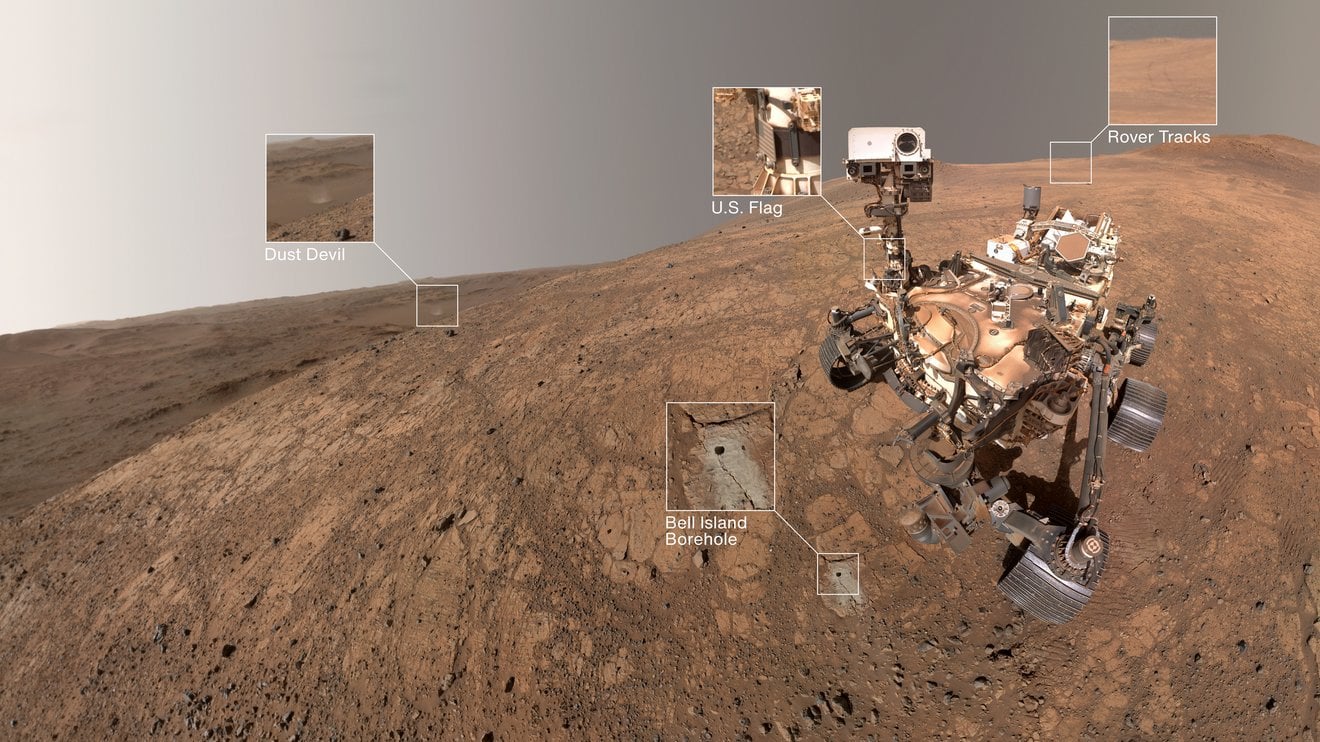
On May 10th, while striking a selfie to mark its 1,500th day on Mars, NASA's Perseverance Rover got an unexpected guest star—a towering dust devil swirling in the distance photobombed the shot. The rover was on Witch Hazel Hill, an area on the rim of Jezero Crater that it has been exploring for the last 5 months. The dust devil on the other hand was sneaking into the background from a distance of 5 km away. The selfie image was made up of 59 separate photos taken by the rover using its WATSON camera.
Continue reading
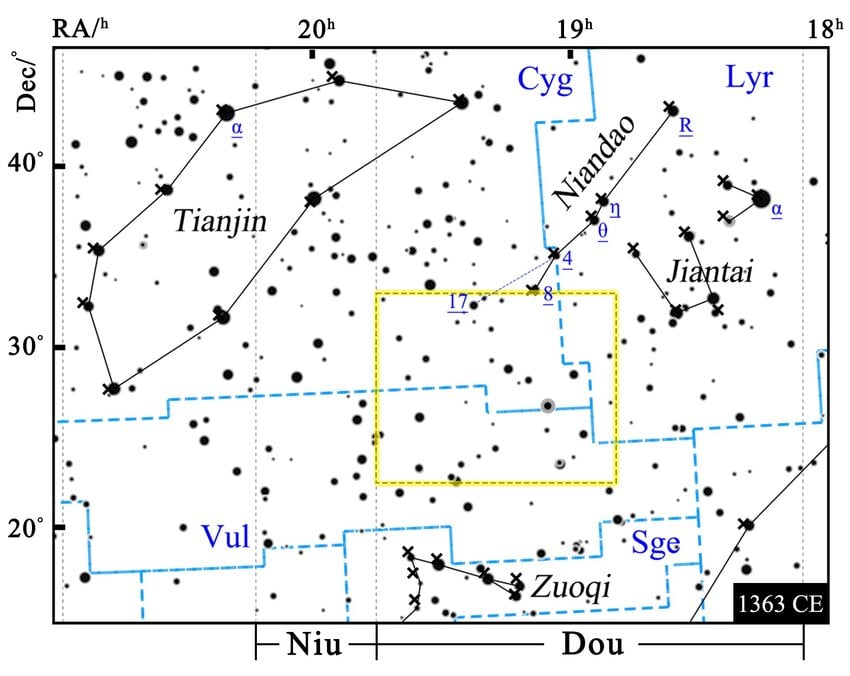
Over the past 90 years, astronomers have successfully matched several Chinese historical records of "guest stars" with known supernovae. However, identifying historical novae (smaller stellar explosions) has proven to be far more challenging, with many proposed candidates later turning out to be comets or meteors instead. One particularly debated case involves a guest star recorded in 1408 CE by Chinese astronomers. A team of astronomers now think they may have finally been able to identify the event, a rare nova that could potentially solve this centuries old astronomical mystery.
Continue reading
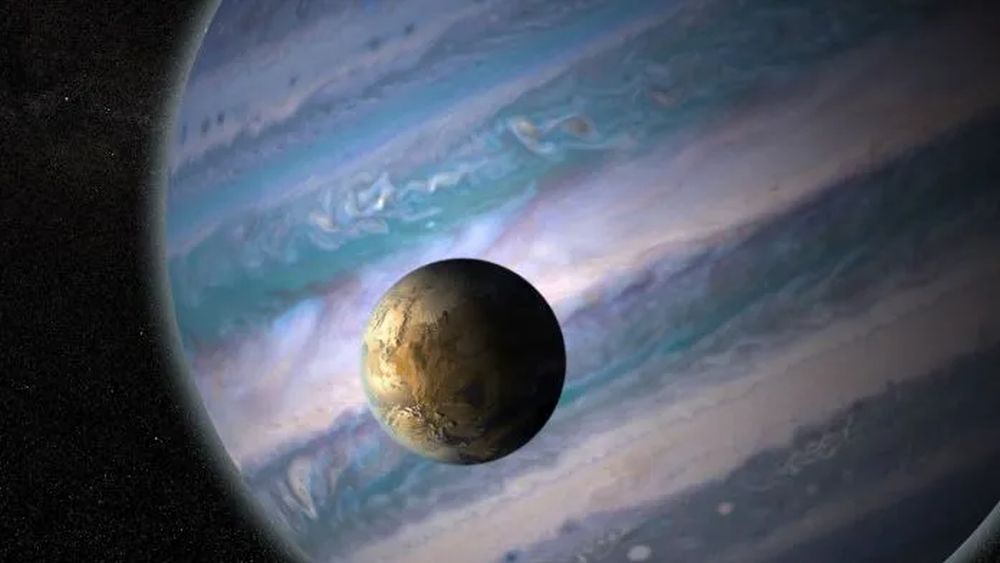
Of the roughly 6,000 exoplanets we've discovered, a significant number are in the apparent habitable zones of their stars. Most are giant planets; either gas giants like Jupiter and Saturn, or ice giants like Uranus and Neptune. Could some of those have habitable exomoons?
Continue reading
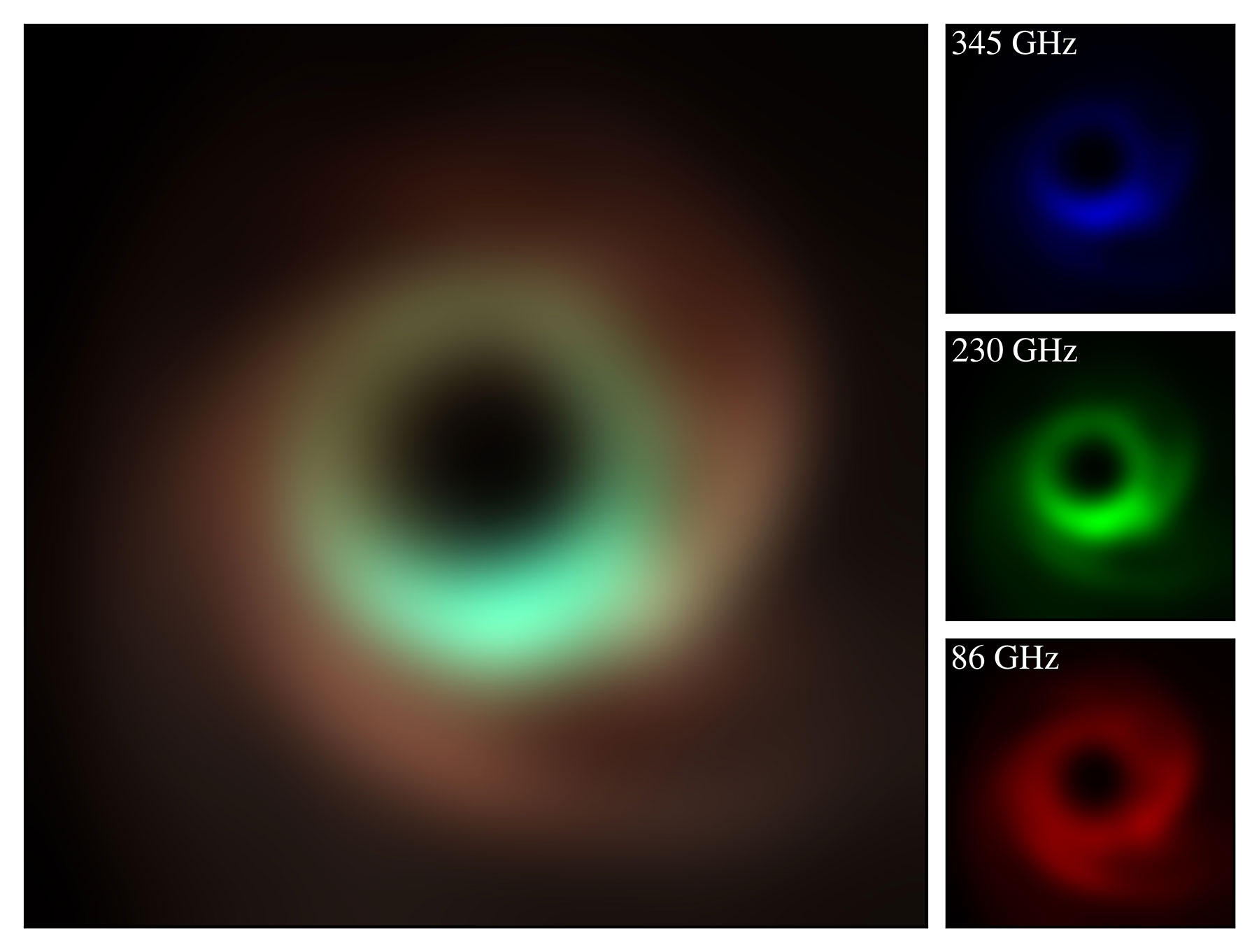
Astronomers with the Event Horizon Telescope have developed a new way to observe the radio sky at multiple frequencies, and it means we will soon be able to capture color images of supermassive black holes.
Continue reading
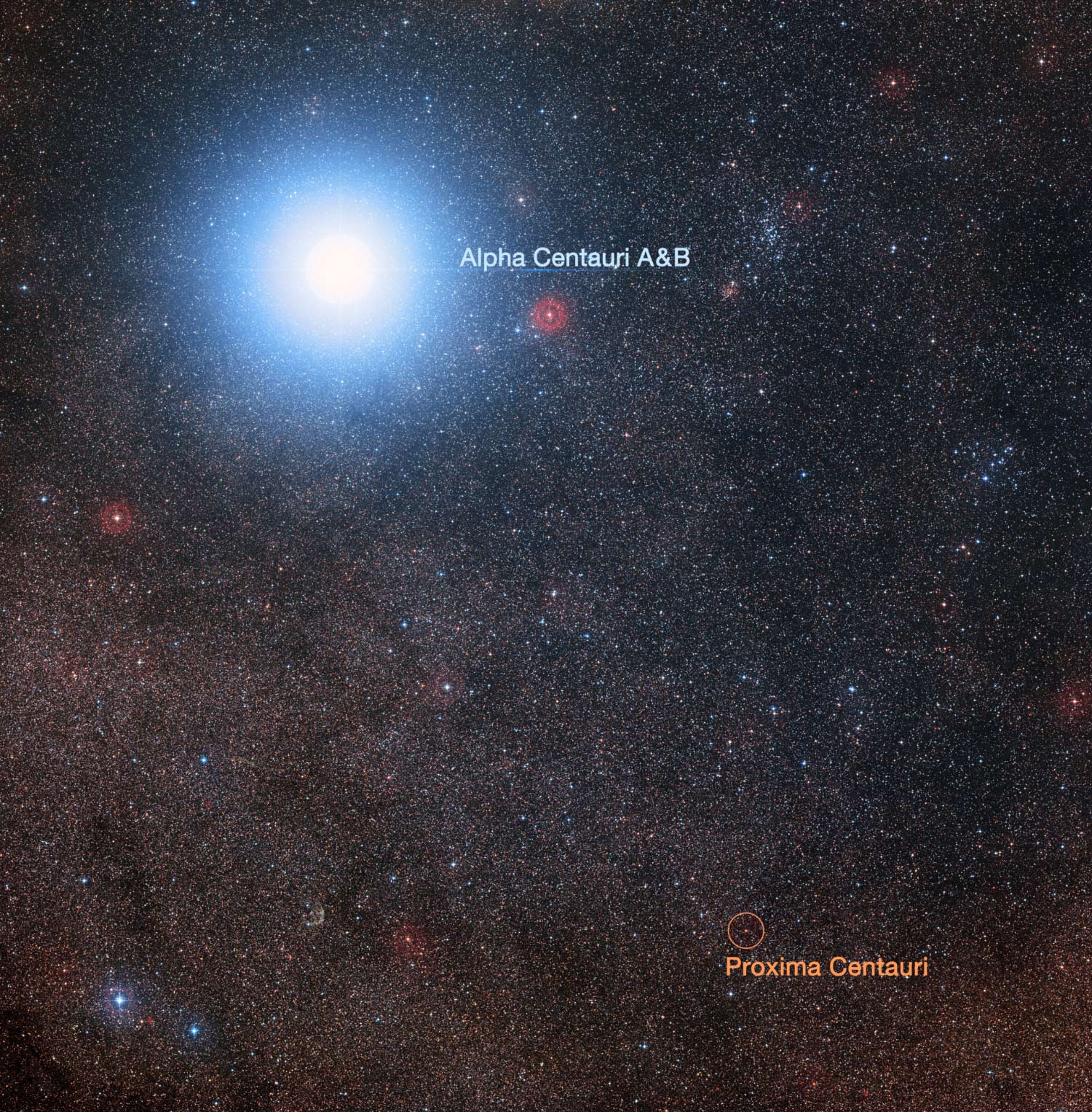
An international team of researchers has announced the preliminary findings of Webb's observations of the Alpha Centauri system. According to their analysis, Webb could detect a Jupiter-sized planet and a very bright zodiacal dust disk around Alpha Cen A. More information will be released soon!
Continue reading
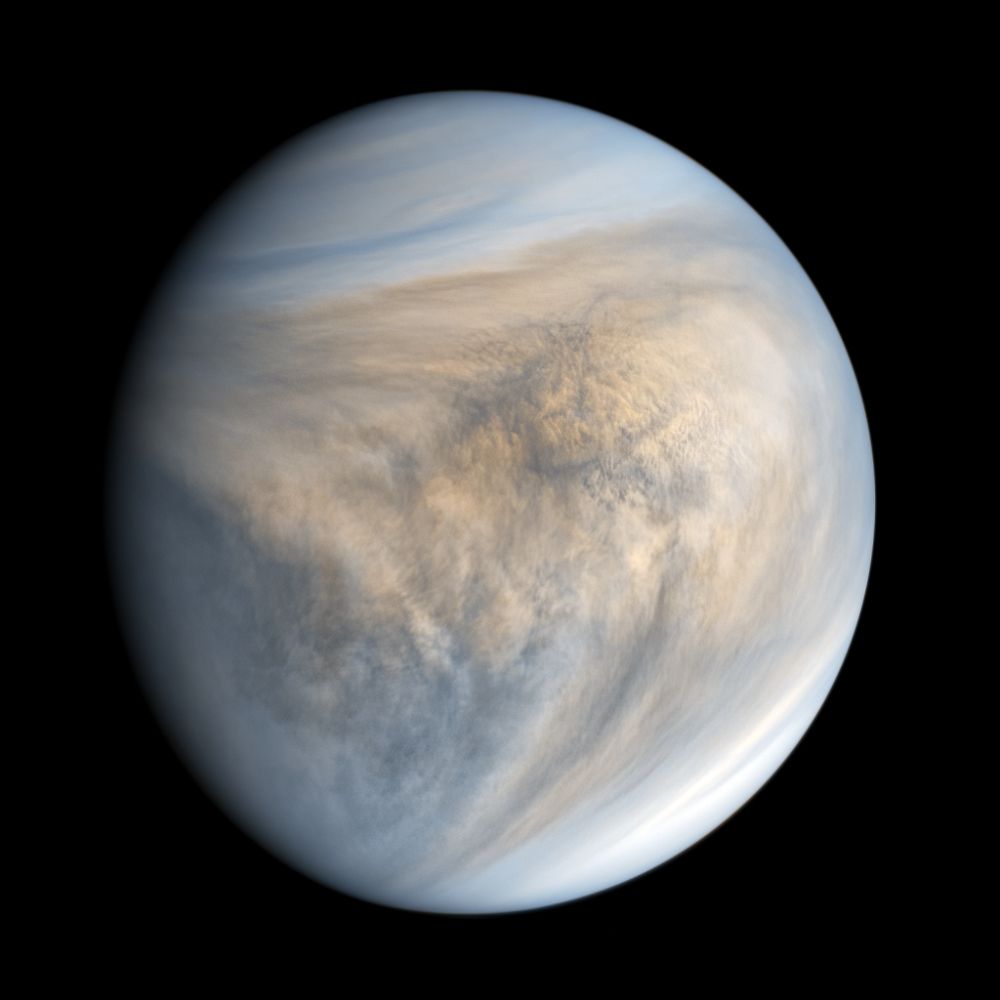
Twenty years ago, the US Congress instructed NASA to find 90% of near-Earth asteroids threatening Earth. They've made progress finding these asteroids that orbit the Sun and come to within 1.3 astronomical units of Earth. However, they may have to expand their search since astronomers are now finding asteroids co-orbiting Venus that could pose a threat.
Continue reading
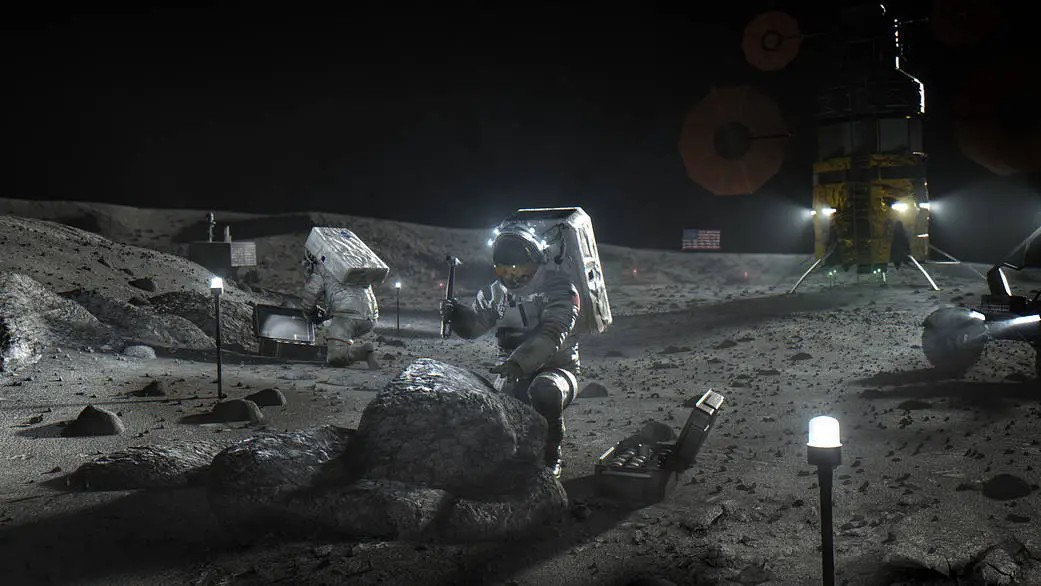
Sometimes, space enthusiasts blind themselves with techno-optimism about all the potential cool technological things we can do and the benefits they can offer humanity. We conveniently ignore that there are trade-offs: if one group gets to utilize the water available on the lunar surface, that means another group doesn't get to. Recognizing and attempting to come up with a plan to deal with those sorts of trade-offs is the intent of a new paper by Marissa Herron and Therese Jones of NASA's Office of Technology, Policy, and Strategy, as well as Amanda Hernandez of BryceTech, a contractor based out of Virginia.
Continue reading
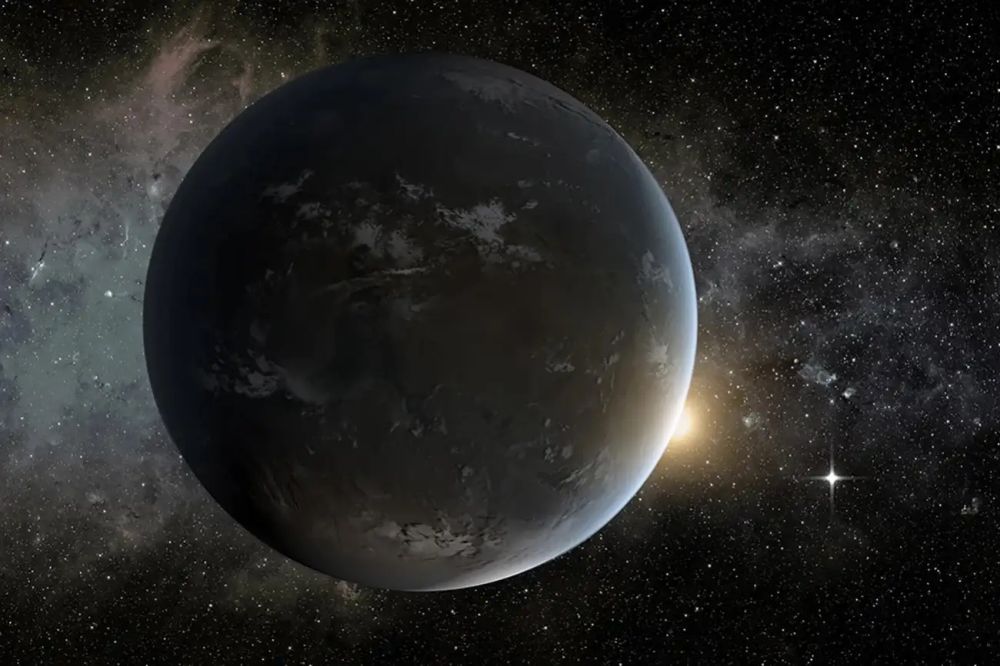
Whenever scientists present new research showing potential biosignatures on an exoplanet, follow-up articles spread like ripples on a pond. Mainstream media usually runs with it, which shows how the issue captures people's attention. The issue of life on other worlds is a compelling one. This is what happened recently with the exoplanet K2-18b.
Continue reading
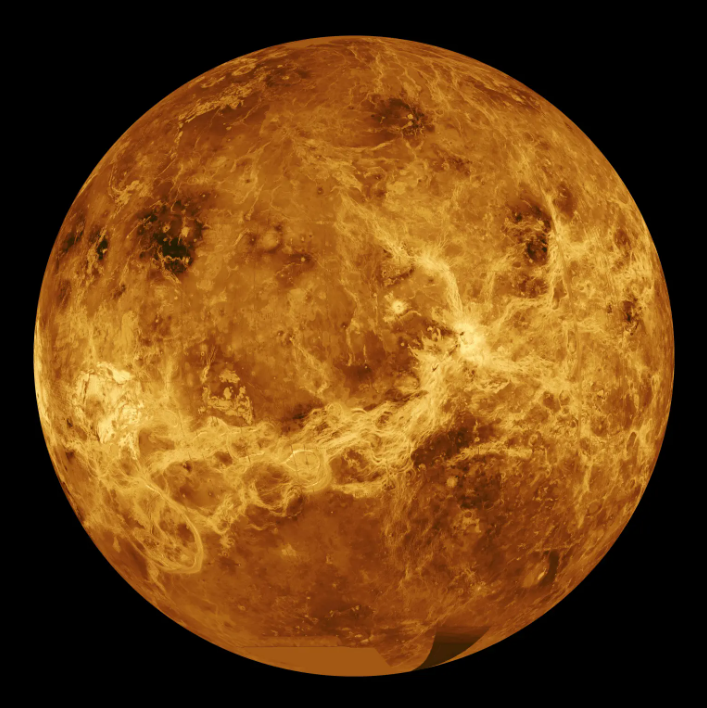
Our nearest neighbor is only slightly smaller than the Earth… but that's just about the only thing the two planets have in common. Now, a recent NASA-funded study suggests that the interior of Venus may be equally strange as well.
Continue reading
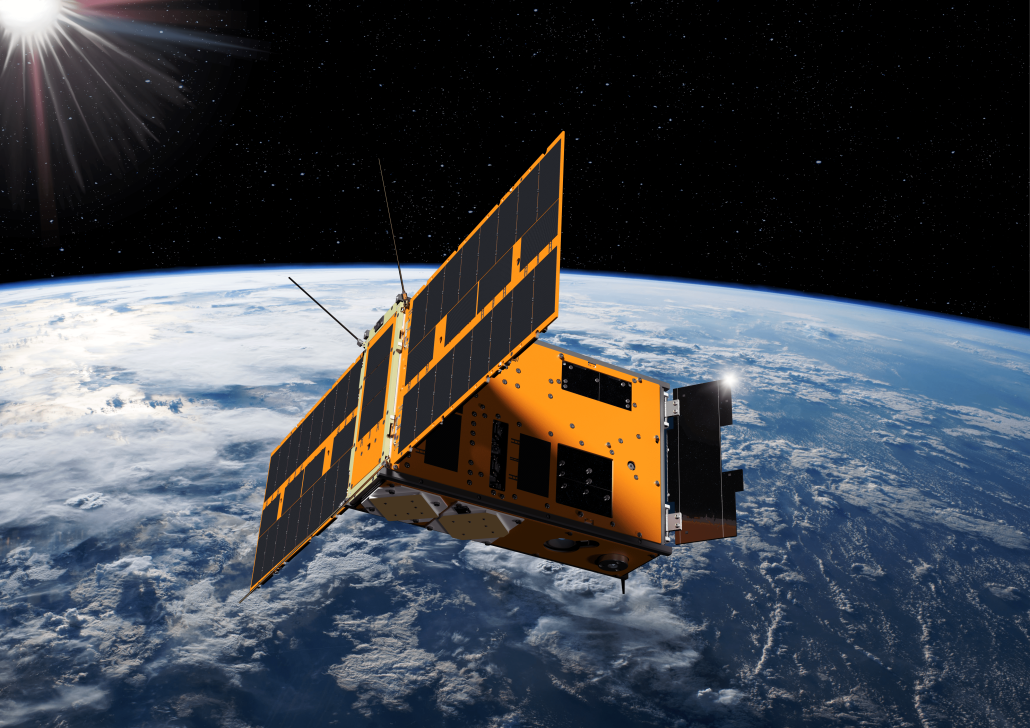
Multi-messenger astronomy has been all the rage lately. It involves capturing data on the gravitational and electromagnetic signals from catastrophic cosmic events. However, with that newfound interest comes required updates to infrastructure. Gravitational wave detectors have been upgraded and will be even more sensitive soon. But to realize the promise of multi-messenger astronomy, scientists must have a fleet of spacecraft watching the entire sky for high-energy signals indicative of the events that cause gravitational waves. At least, that is the team's long-term plan behind the High Energy Rapid Modular Ensemble of Satellites Pathfinder (HERMES-PF) mission, which successfully launched in March and is currently undergoing commissioning.
Continue reading
.jpg)
Our understanding of our Solar System is still evolving. As our telescopes have improved, they've brought the Solar System's deeper reaches into view. Pluto was disqualified as a planet because of it. Now, new research says another dwarf planet may reside at the edge of the Solar System. Its presence supports the Planet X hypothesis.
Continue reading
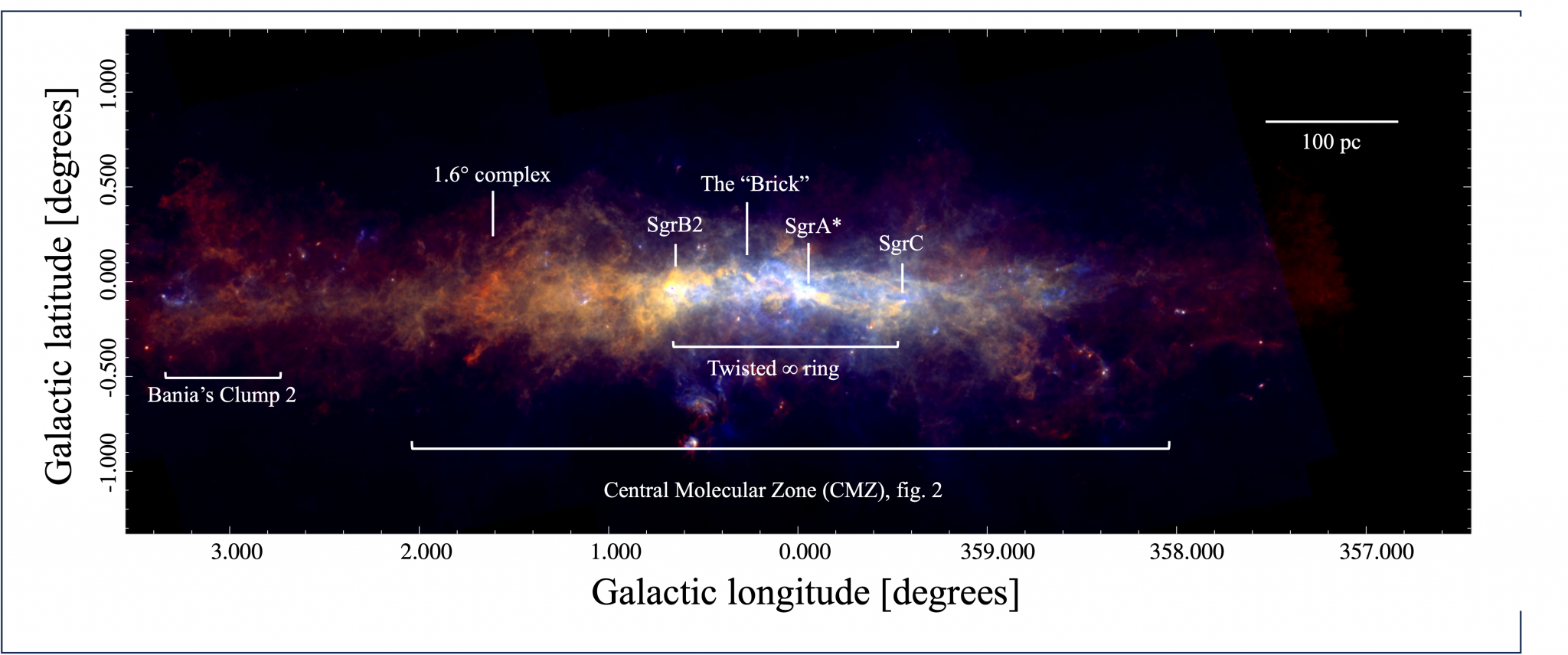
The Solar System is a whopping 26,000 light-years from the heart of the Milky Way, where a mysterious and dense region—shrouded in thick gas and dust—holds one of the Galaxy's most active zones: the Central Molecular Zone (CMZ). A team of scientists have unleashed a cutting-edge 3D model of this region, mapping out everything from massive molecular clouds to young stars in the making. Armed with powerful radio telescopes and infrared observatories, they've pieced together a detailed map, offering a rare glimpse into the heart of our Galaxy's chaotic core.
Continue reading
 Universe Today