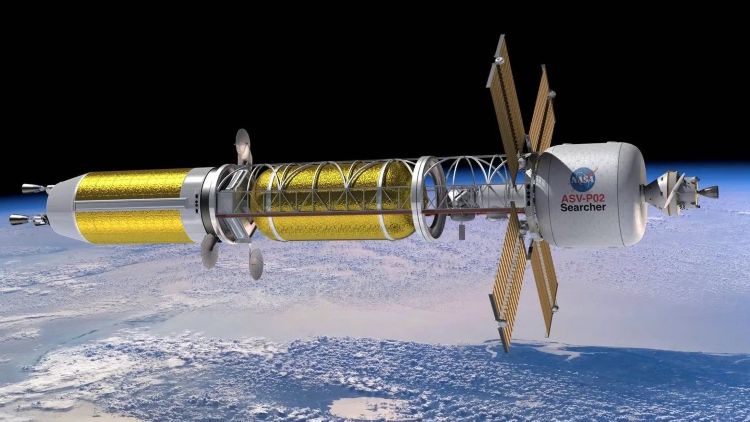
How can fission-powered propulsion help advance deep space exploration, specifically to the outer planets like Jupiter, Saturn, Uranus, and Neptune? This is what a recent study presented at the 56th Lunar and Planetary Science Conference (LPSC) hopes to address as a pair of researchers from India investigated the financial, logistical, and reliability of using fission power for future deep space missions. This study has the potential to help scientists, engineers, and future astronauts develop next-generation technologies as humanity continues to expand its presence in space.
Continue reading
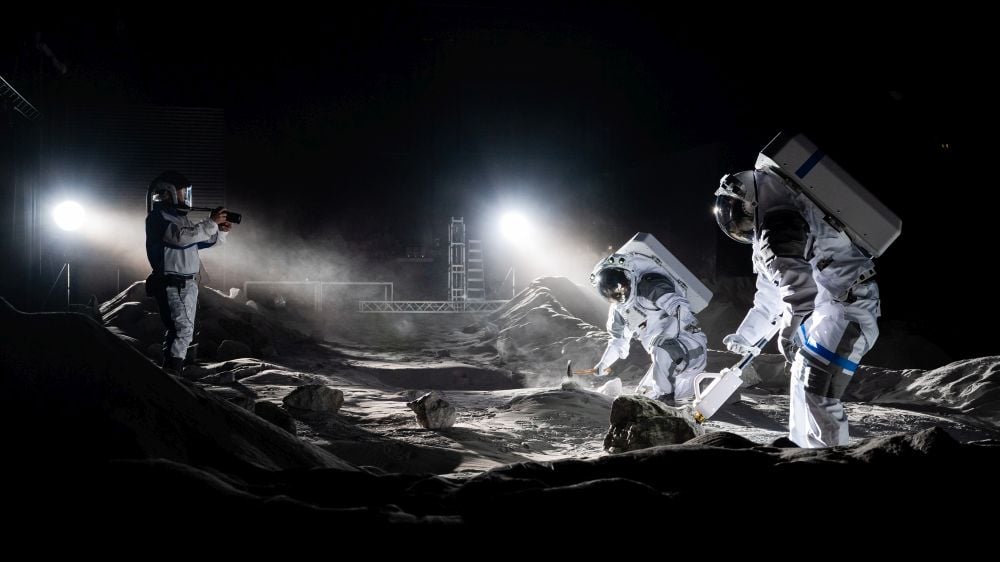
The grainy videos from the Apollo Moon landings are treasured historical artifacts. For many of us, that footage will be lodged in our minds until our final synaptic spark sputters out. But like all technology since the space race days, video technology has advanced enormously, and the next Moon landings will be captured in high-definition video. The ESA is so focused on getting it right that they're practicing filming lunar landings in a special studio that mimics the conditions on the lunar surface.
Continue reading
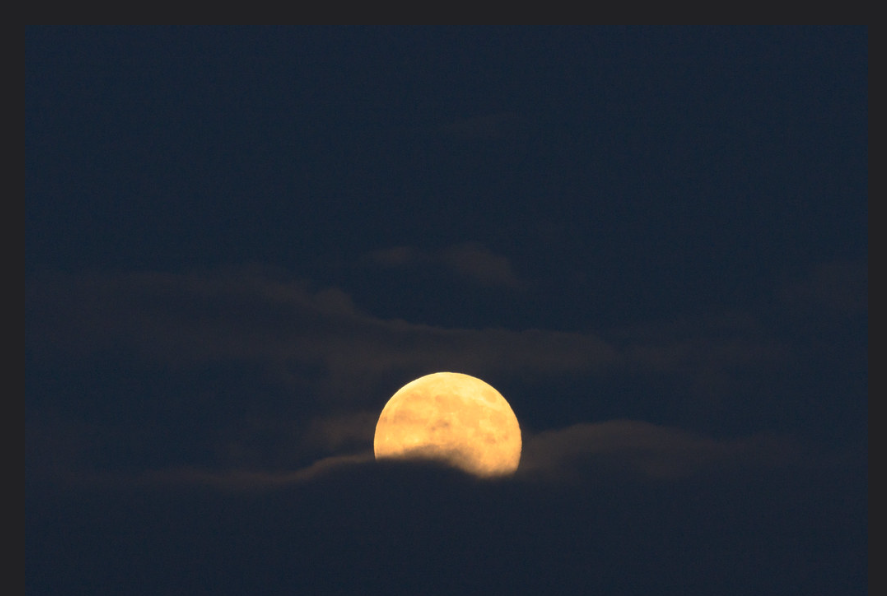
Not all Full Moons are created the same. Follow the familiar Moon long enough, and you'll notice something strange, as it seems to wander across the sky from north to south, from one cycle to the next. Welcome to the fantastic precession of our natural satellite the Moon. Last December, we saw the 'Long Night's Full Moon,' as the Full Moon nearest to the solstice rode the highest in the sky for the last two decades. Now, its time for the southern hemisphere to get a turn, as the Moon heads steeply southward, on its way to Full on June 11th.
Continue reading
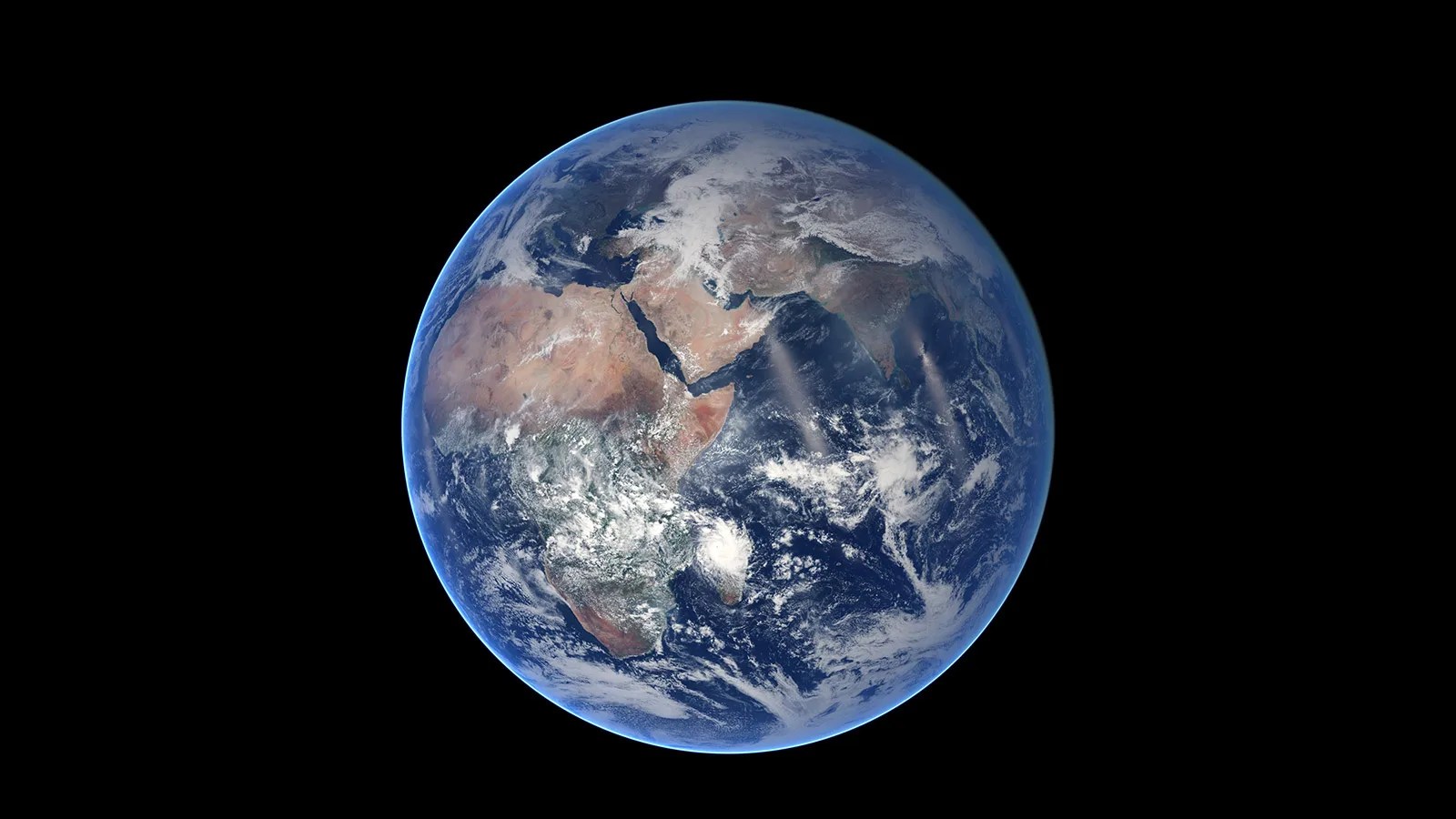
In a universe of a billion galaxies, Earth is the world known to have life. If we're a common example of what happens in the Universe, then our location can tell us something about habitability. A new study is about to flip everything we thought we knew about habitability on its head, examining the potential for life in exotic environments, such as rogue planets, water worlds, and tidally locked planets, and calculate how habitable they would be compared to Earth. As we learn more about these other worlds, if they are more habitable, it can give new predictions.
Continue reading
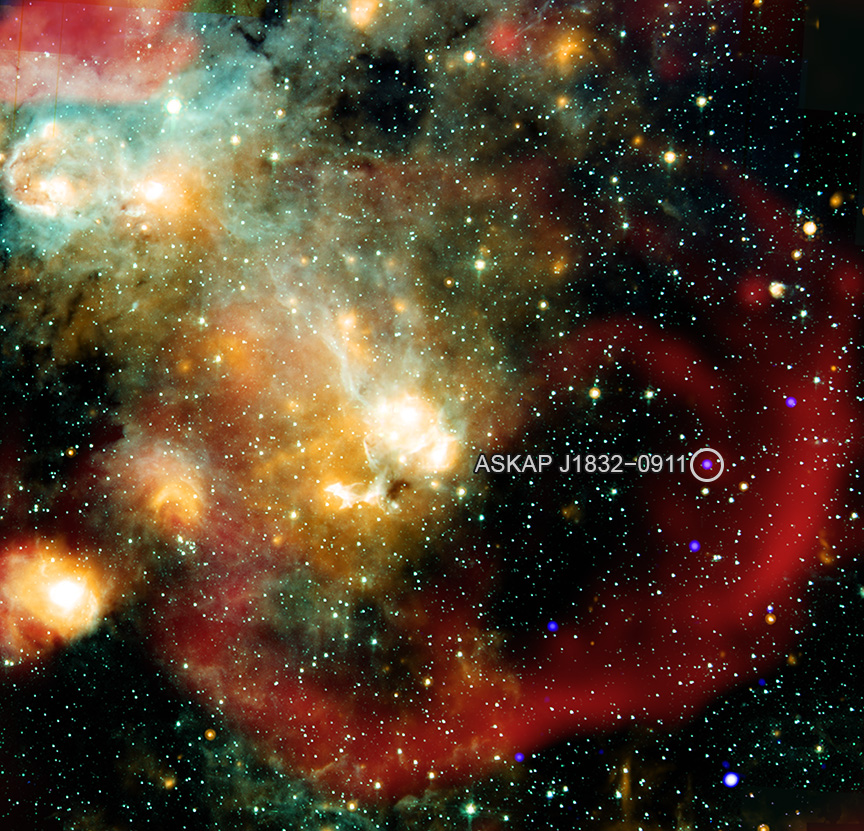
Just when astronomers think they're starting to understand stellar activity, something strange grabs their attention. That's the case with a newly discovered stellar object called ASKAP J1832-0911. It lies about 15,000 light-years from Earth and belongs to a class of stellar objects called "long-period radio transients." That means it emits radio waves that vary in their intensity on a schedule of only 44 minutes per cycle. It does the same thing in X-ray intensities, which is the first time anybody's seen such a thing coupled with long-period radio transits.
Continue reading
.jpg)
You'd think that icy worlds are frozen in time and space because they're - well - icy. However, planetary scientists know that all worlds can and do change, no matter how long it takes. That's true for Europa, one of Jupiter's four largest moons. Recent observations made by the James Webb Space Telescope (JWST) zero in on the Europan surface ices and show they're constantly changing.
Continue reading
Continue reading
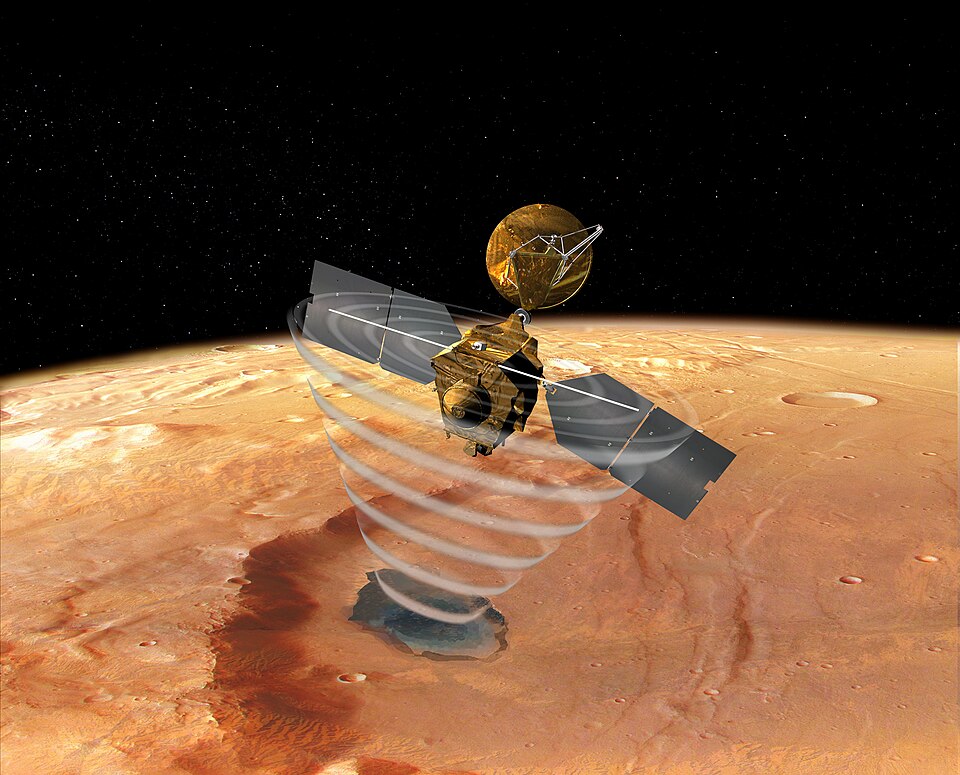
NASA's Mars Reconnaissance Orbiter is equipped with a powerful tool called SHARAD (Shallow Radar), designed to peer beneath the Martian surface and uncover hidden layers of ice, rock, and geological secrets. To accommodate it, engineers mounted SHARAD on the side of the spacecraft, requiring the orbiter to roll 28° during operation to boost signal quality. But computer models hinted at something else: if the orbiter rolled more than 120°, the radar performance could dramatically improve. Scientists put this daring idea to the test—and it paid off. The extreme roll manoeuvre worked, unlocking an even clearer view of Mars's buried past.
Continue reading
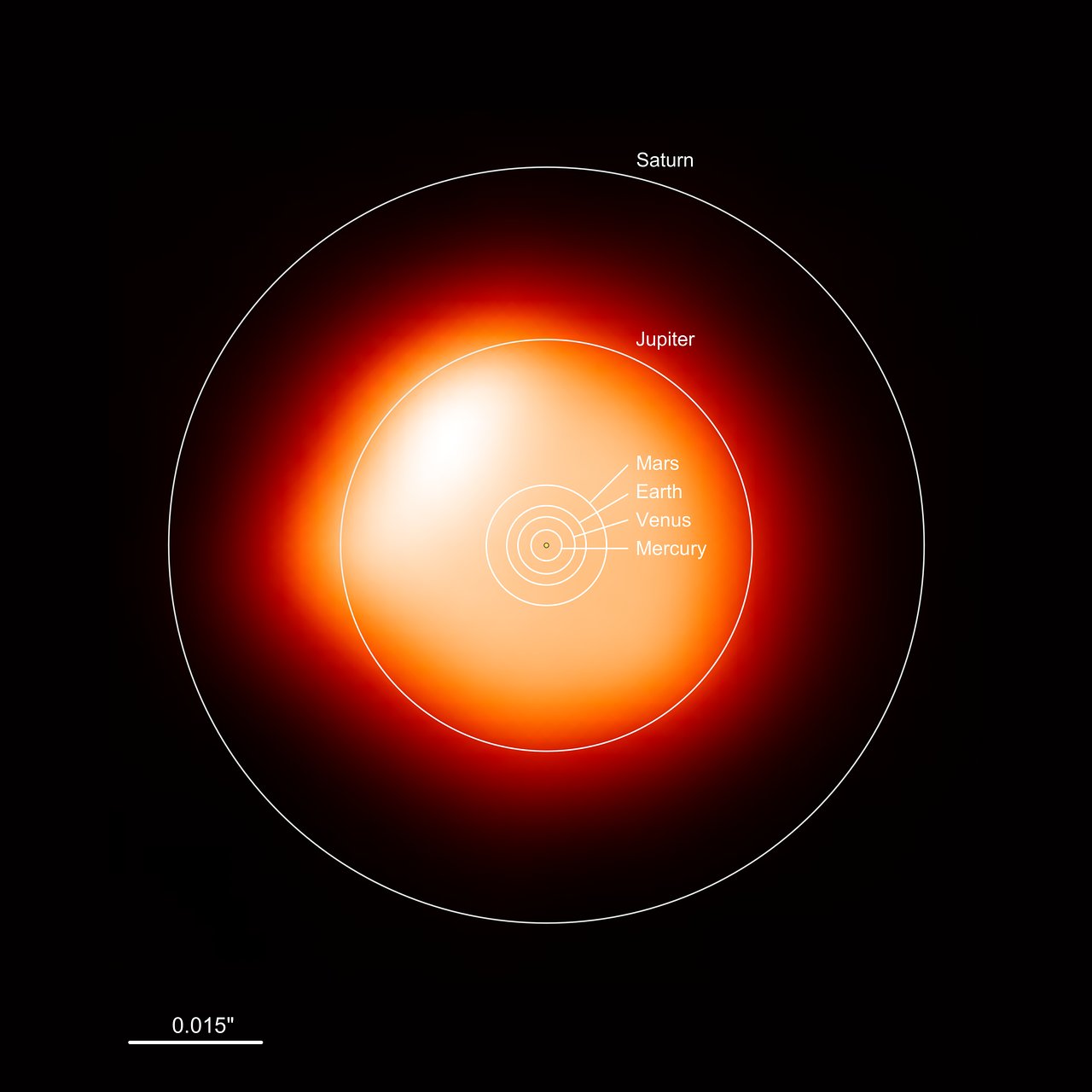
Betelgeuse is dying—but not quietly. This colossal red supergiant, already famous for its brightness fluctuations, has now revealed a strange long-term rhythm: a secondary pulse every 2,100 days. One tantalising theory suggests a hidden companion—possibly a second star orbiting Betelgeuse at roughly the distance between Saturn and the Sun, circling every six years. Astronomers recently pointed the Hubble Space Telescope at the giant in search of this elusive "Betel-Buddy" but failed to find it constraining its size and orbit.
Continue reading
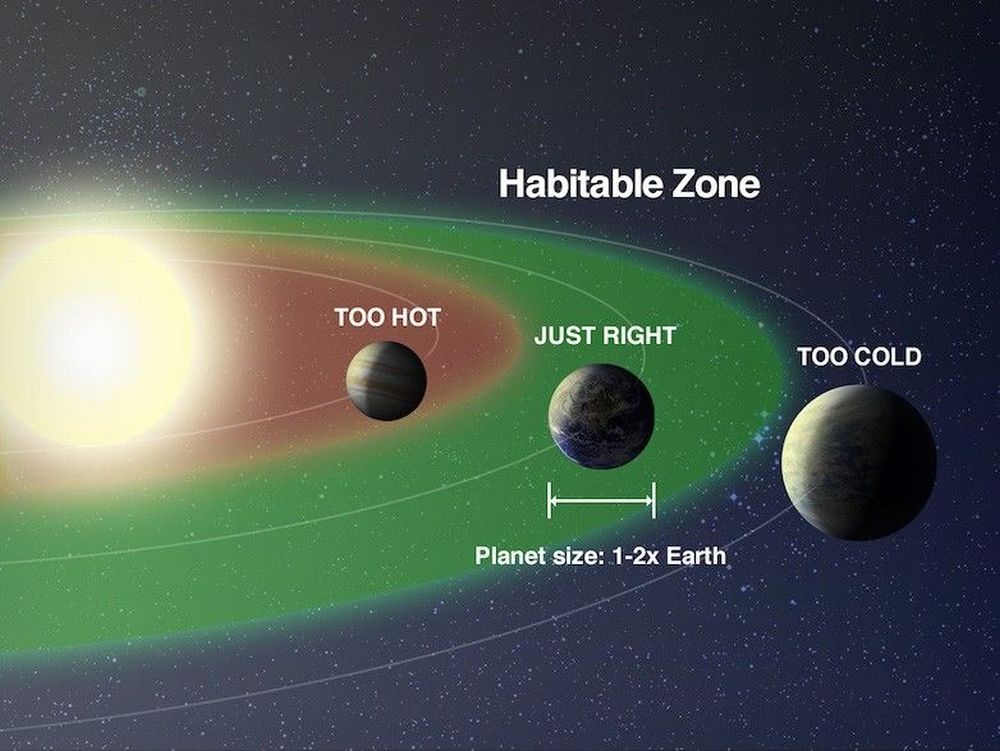
Exoplanet science is shifting from finding any detectable exoplanets we can to searching for those in their stars' habitable zones. NASA's proposed Habitable World Observatory and other similar efforts are focused on these worlds. The problem is, habitable zones aren't static.
Continue reading
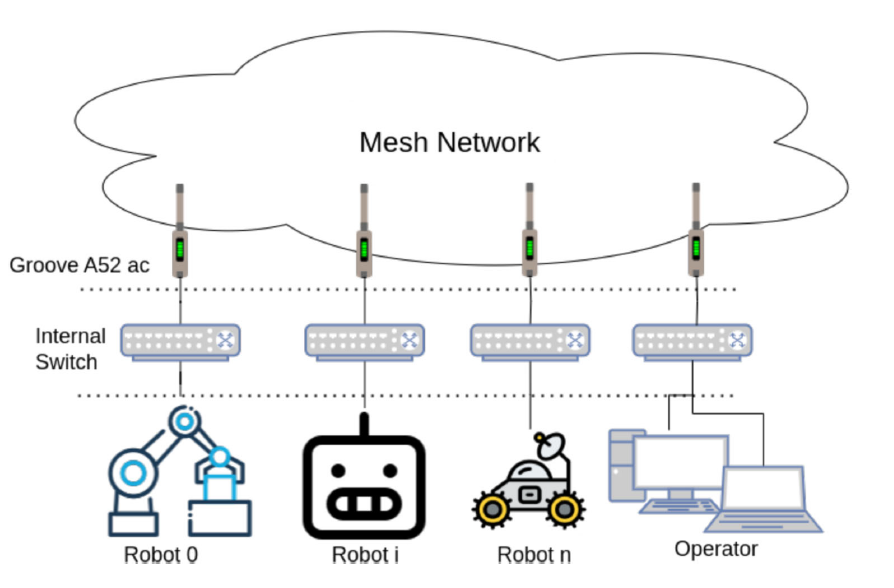
Frameworks are a critical, if underappreciated, component of any space exploration mission. They can range from the overall mission architecture, capturing scientific and technical goals, to the structure of messages sent between two internal components of the system. One of the most interesting frameworks that is getting much attention in the space exploration community is the interaction of multiple robots for a single purpose, known as a multiple-robot system, or MRS. On top of that, one of the most common frameworks for robots on Earth or in space is the open-source Robot Operating System (ROS), which is commonly used to run everything from vacuum cleaners to giant mining trucks. Its most recent iteration, ROS2, even uses yet another framework, known as a middleware, to handle aspects of robot communication such as networking and packetizing data. However, there are plenty of different middlewares to choose from for ROS2, so a team of researchers from the University of Luxembourg decided to try to pick one that would be best for planetary exploration applications.
Continue reading
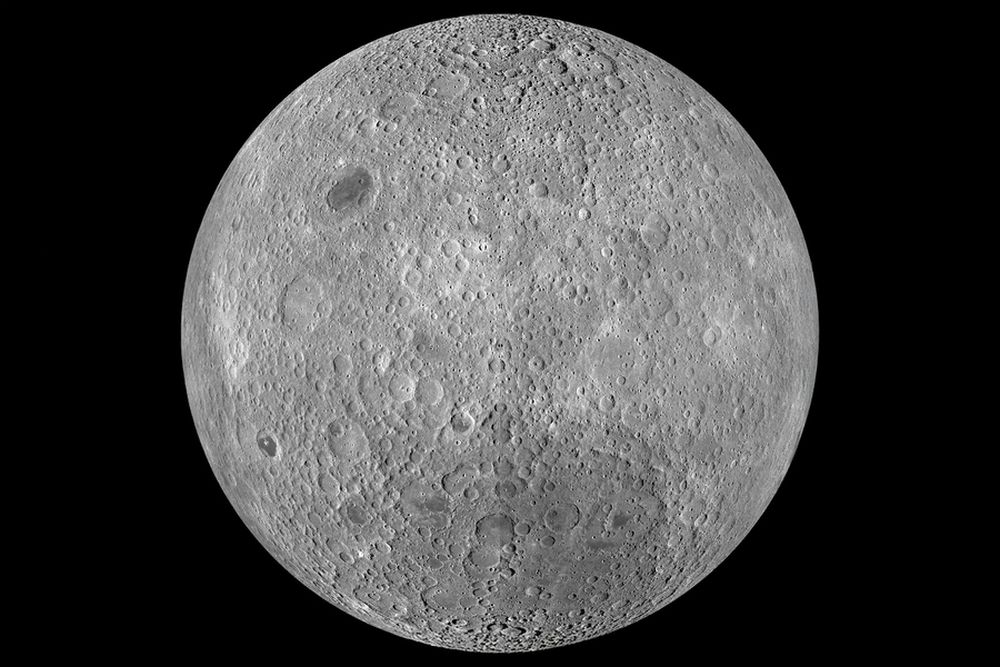
We've been gazing at the Moon for a long time, yet it's still mysterious. We've sent numerous orbiters and landers to our satellite, and even brought some of it back to our labs. Those rocks only presented more mysteries, in some ways. Lunar rocks are magnetic, yet the Moon doesn't have a magnetosphere. How did this happen?
Continue reading
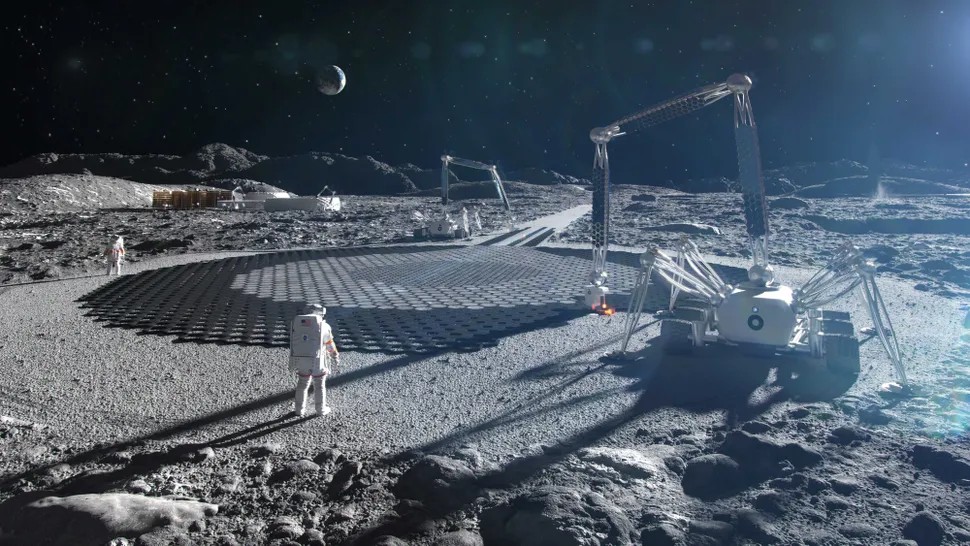
In-situ resource utilization (ISRU) is commonly cited as being a critical step towards a sustainable human presence in space, especially on the Moon. Just how crucial it is, and how much its by-products will affect other uses of the Moon, is still up for debate. A new paper from Evangelia Gkaravela and Hao Chen of the Stevens Institute of Technology dives into those questions and comes up with a promising answer - ISRU is absolutely worth it, if we can control the waste products.
Continue reading
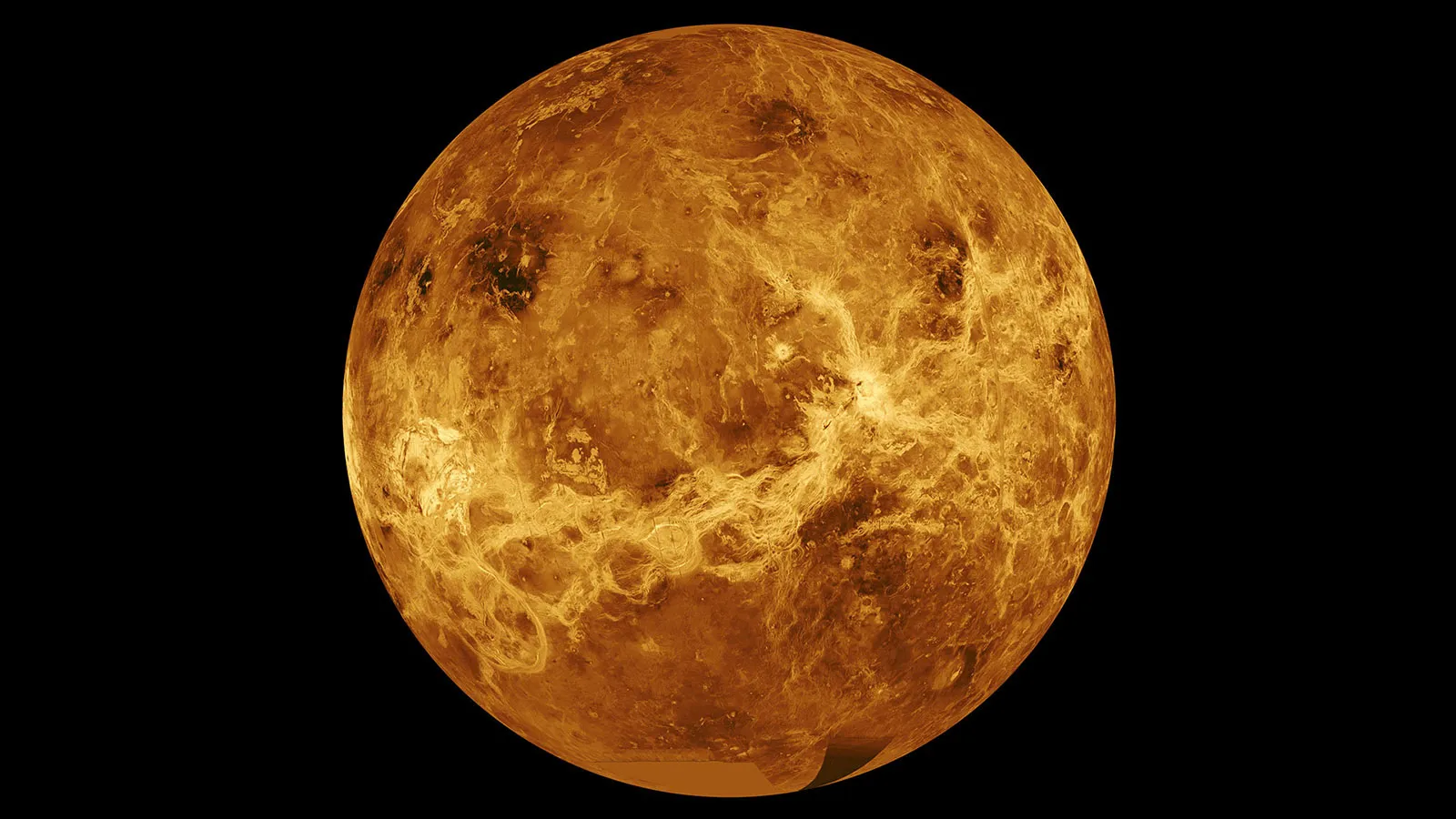
Just because we can find ozone in the atmosphere of other planets doesn't mean there's life. Ozone is a sign of life on Earth, but its detection on Venus shows that it can also be produced abiotically. This indicates that there are different pathways for its creation, not only on Venus but also on other Venus-like exoplanets.
Continue reading
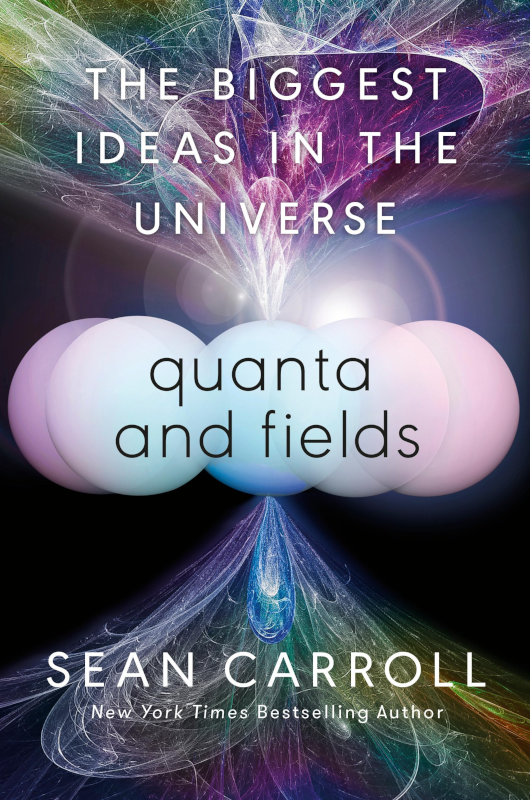
What happens when you see something that just doesn't make sense? Perhaps you rub your eyes and consider it an anomaly. But what if you see it in an experiment? Say, travelling electrons that make different patterns depending upon whether they were detected? Then, you might want to change your sense of reality. Now, if you can develop a theory for the observations, then maybe you can start a new field of science. It has happened. Quantum mechanics is the name given to this relatively new field and it's the topic that Sean Carroll writes in his book, "The Biggest Ideas in the Universe – Quanta and Fields". In his book, there's much ado about particles, fields, groups and diagrams; all with the aim of enabling any reader to make sense of it.
Continue reading
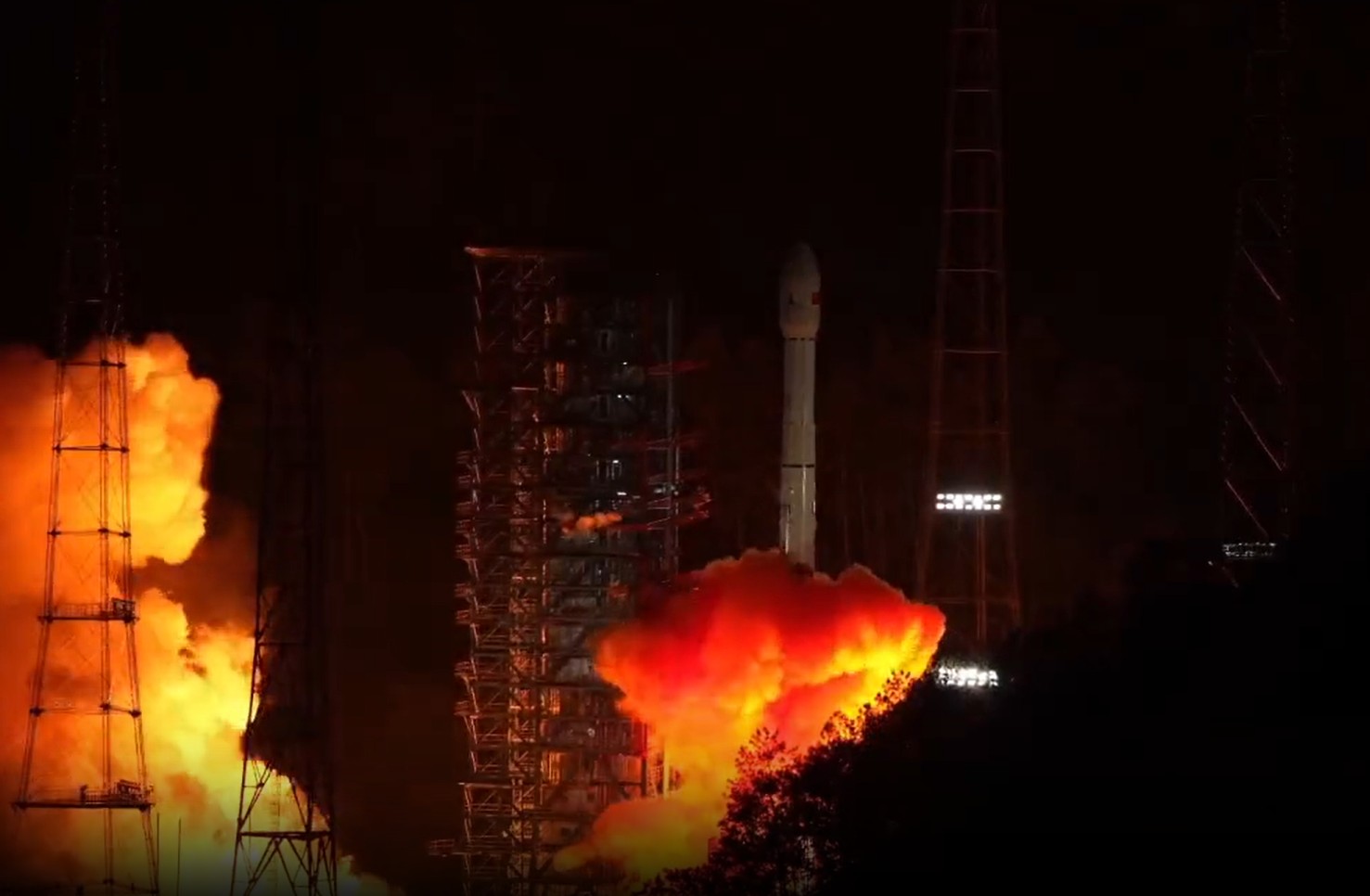
China's Tianwen-2 mission blasted off on Wednesday, embarking on an epic 8-year journey that will help to unlock the secrets of an asteroid and a comet before delivering the precious cargo back to Earth. The spacecraft will first hunt down Kamoʻoalewa (asteroid 2016 HO3) which it will study for a year, extracting samples from its surface. After returning the sample to Earth, Tianwen-2 will head back out into the Solar System taking another 7 years to intercept the main belt comet 311P/Pan-STARRS. It will undertake a flyby study of this object that has never been studied before.
Continue reading
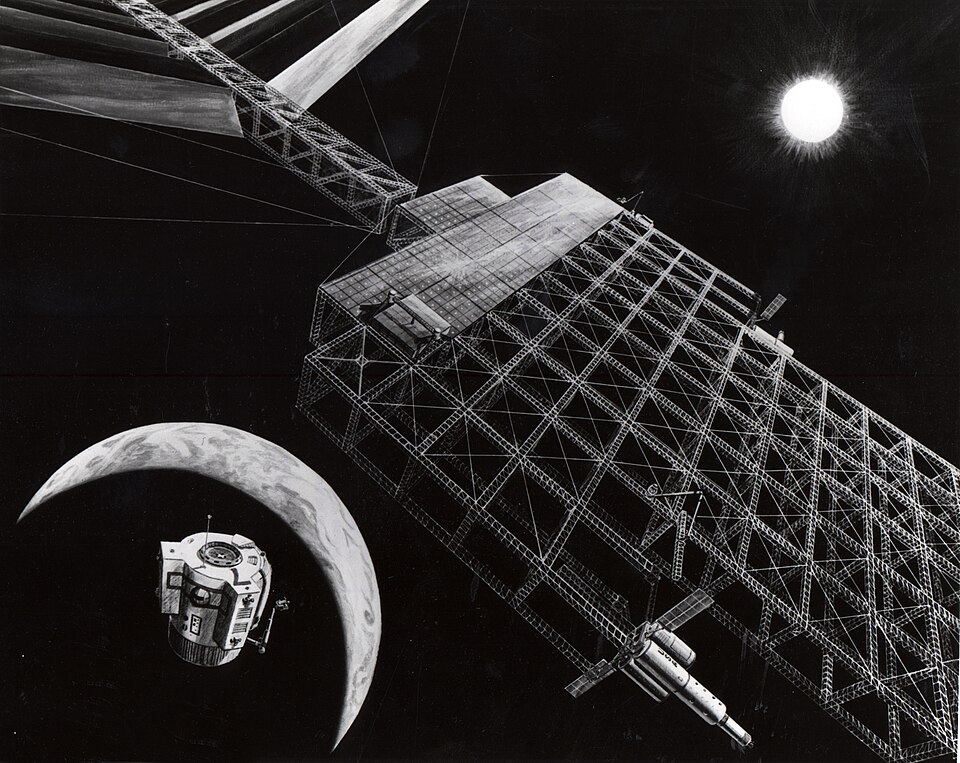
Lunar exploration is gaining momentum, but one of the biggest challenges remains the Moon's long, cold night, which lasts about two weeks. To address this, a team of researchers has proposed deploying a constellation of solar power satellites in lunar orbit. These satellites would beam energy wirelessly to a base on the Moon, providing a continuous supply of 1,600 kW of power, day or night. Their proposal includes launching 300 satellites by 2035, supporting long term plans for establishing permanent lunar bases.
Continue reading
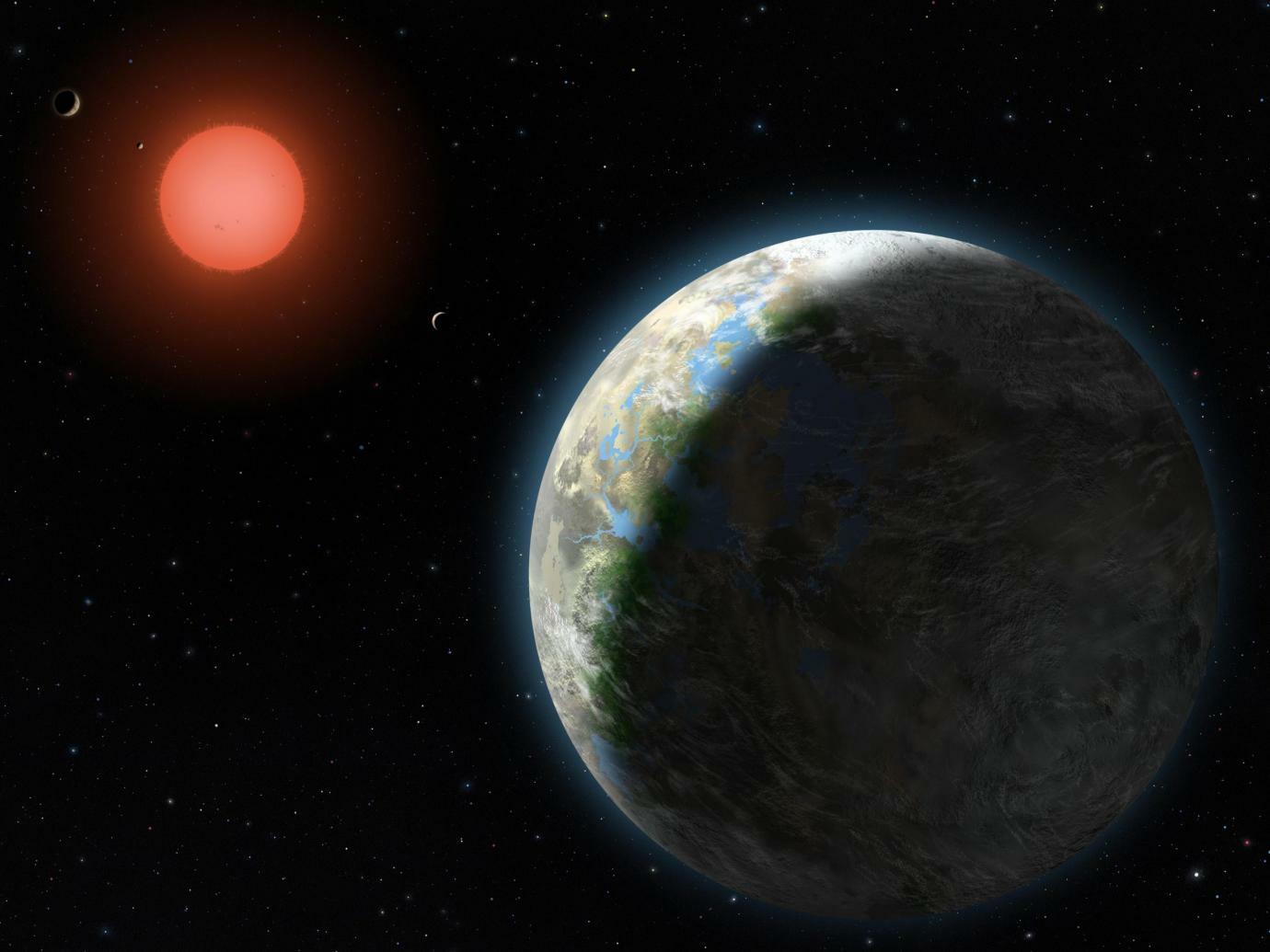
A team of geophysicists from the University of Chicago showed how clouds on exoplanets could enhance the search for biosignatures. Their findings could have significant implications for the Habitable Worlds Observatory (HWO) and other next-generation telescopes that will study exoplanets via direct imaging.
Continue reading
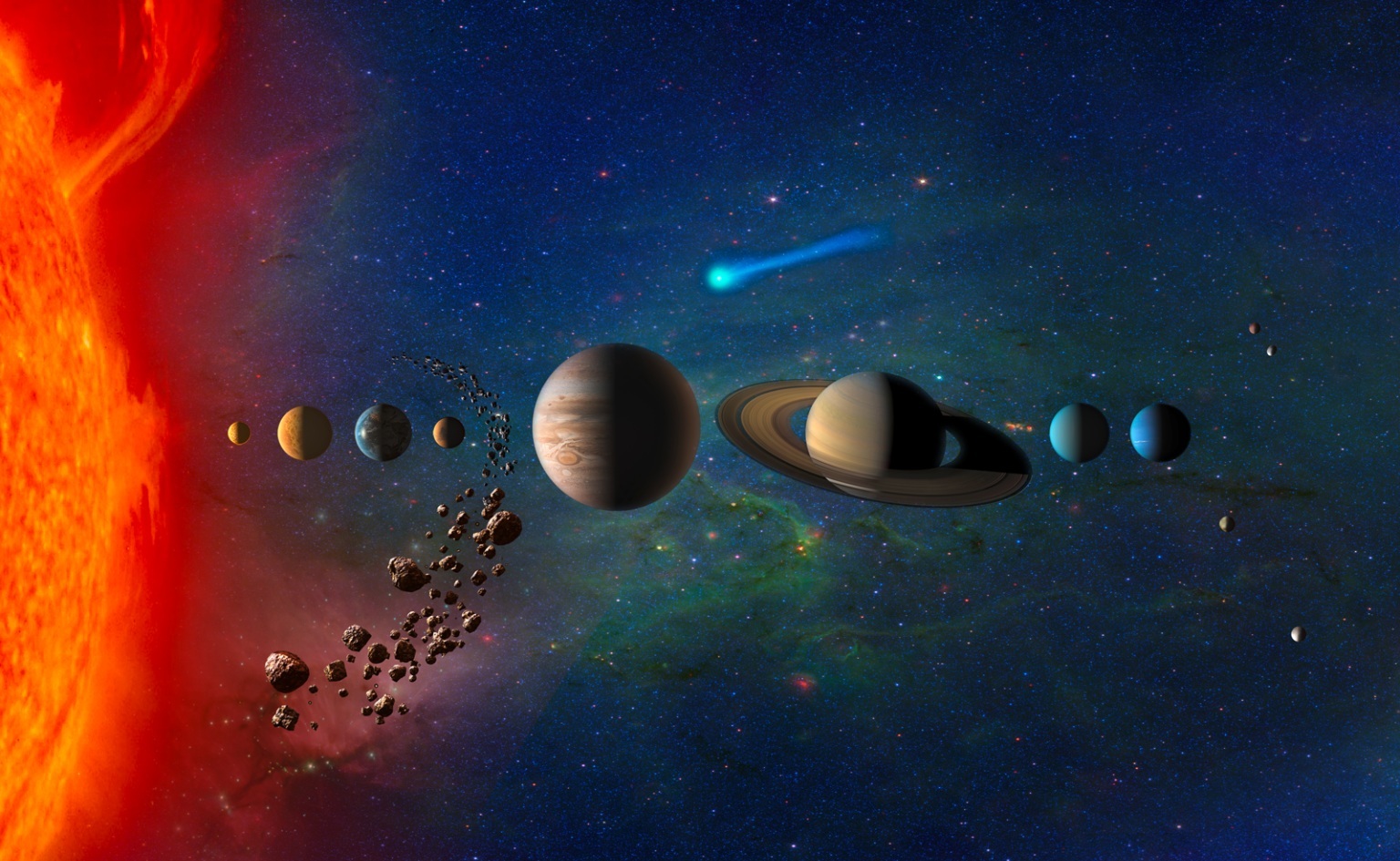
Studies of the Solar System's dynamics generally treat it in isolation and do not consider the influence a passing star could have on the orbits of the planets over time. According to a recent study by a team of astronomers, stars passing close to the Solar System could result in the loss of planets over the next 5 billion years.
Continue reading
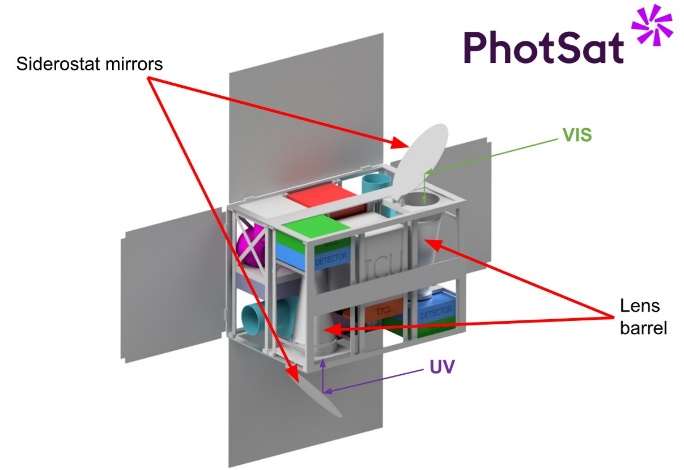
Ultraviolet astronomical observations have always been hindered by one simple fact - the Earth's atmosphere blocks most UV photons, especially in the UV-C and UV-B range of 100-315nm wavelengths. So, astronomers must have a collector above the atmosphere if they want to know what is happening in those wavelengths. A consortium from Institut d'Estudis Espacials de Catalunya (IEEC) hopes to provide additional insight into that realm with their PhotSat mission, a CubeSat that will observe the whole sky in UV and visible light once every few days.
Continue reading
 Universe Today