
Are we alone in the universe? It’s a question that has plagued us since the ancient Greeks posed it for the first time in the 5th century and since then we have tried all manner of ways to reach out to our alien cousins….if they exist. We have fixed golden plaques to space probes, beamed messages out from radio telescopes and in 2012 even sent 10,000 ‘X’ (formerly twitter) messages out to three star systems with the hashtag #ChasingUFOs! A new tool has been developed, rather mundane compared to these other examples, which is no bigger than a soft drink can and could detect signs of life on alien worlds with unprecedented precision.
Continue reading
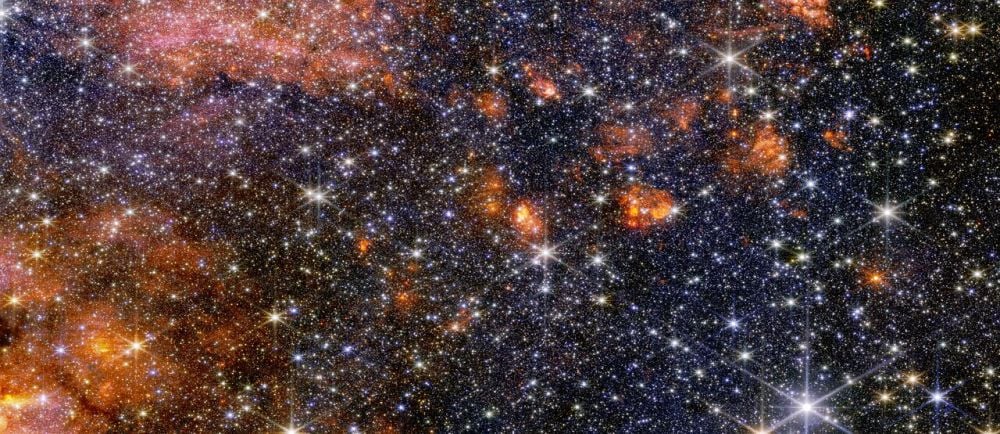
The JWST examined the most vigorous star-forming region in the entire galaxy. It's called Sagittarius B2, and while astronomers have studied it in detail, no other telescope reveals its details the way the JWST can.
Continue reading
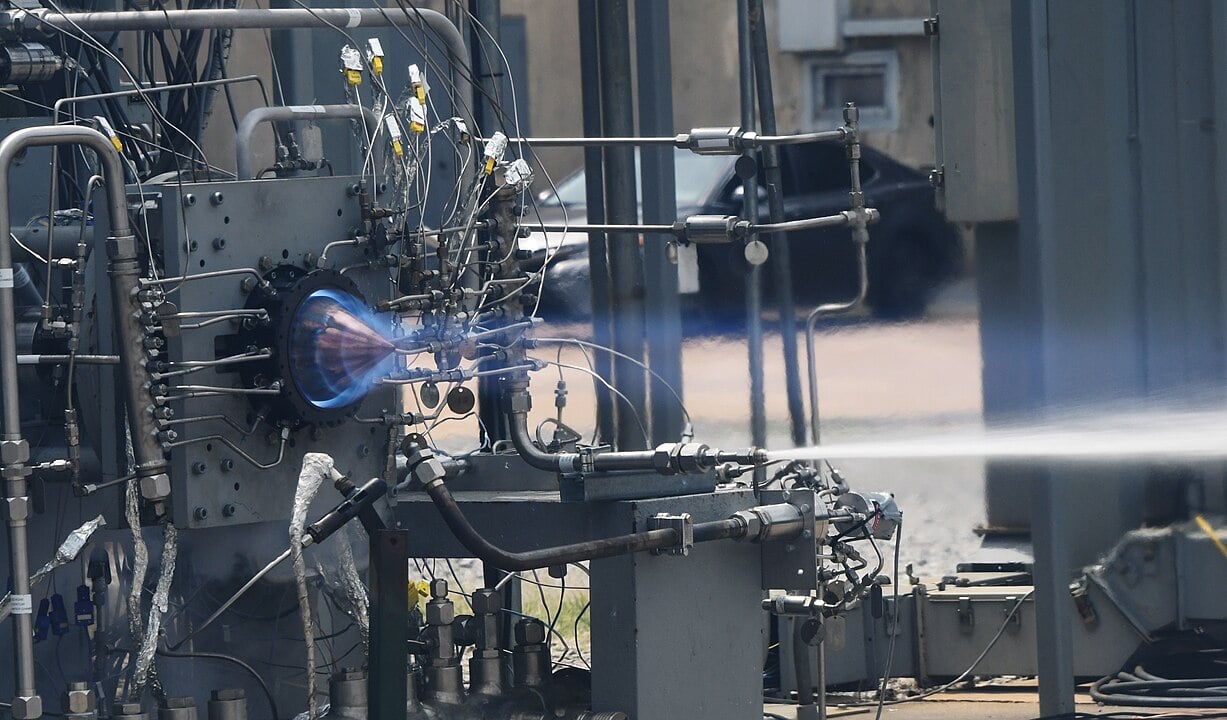
Imagine an engine with no moving parts that runs on continuous explosions. I’m actually sure I one saw a hilarious video of such a device some years ago but alas, am unable to find it and share. Still, the image of the poor occupants being constantly pressed into their seats and accelerated in a series of explosions is likely to be quite a long way from the reality of the new Rotation Detonation Engine. The team of researchers Lehigh University are behind the idea and have just received $2 million to solve the biggest challenge standing in its way, finding materials to build the thing out of that are tough enough to survive the punishment.
Continue reading
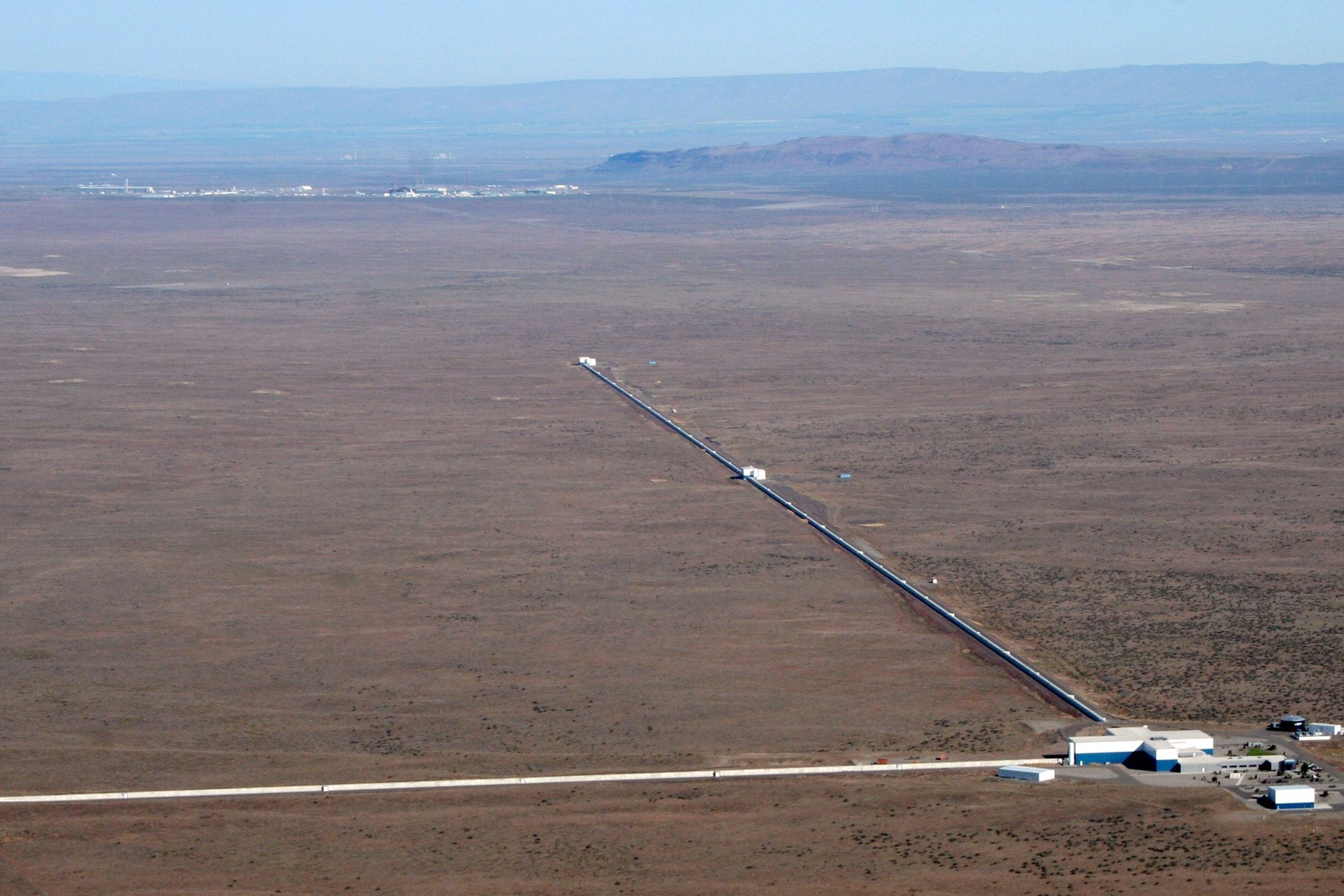
Interference from human activity has always been a sticking point in astronomical observations. Radio astronomy is notoriously sensitive to unintentional interference - hence why there are “radio silent” zones near telescopes where cell phones are banned. But gravitational wave astronomy is affected to an even worse degree than radio astronomy, according to a new paper by Reed Essick of the University of Toronto, and it’s not clear there’s much we can do about it.
Continue reading
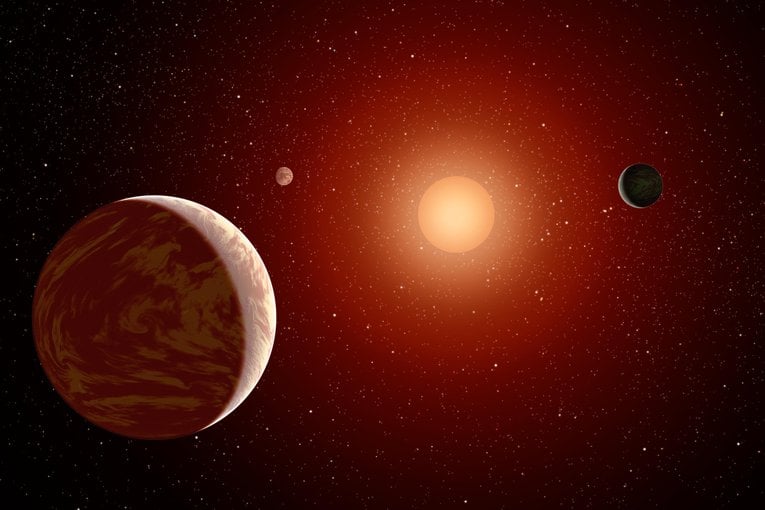
What can exoplanets orbiting M-dwarf stars teach scientists about planetary formation and evolution? This is what a recent study submitted to the American Astronomical Society journals hopes to address as a team of researchers investigated the possibility of exo-Titans, exoplanets with atmospheres comprised of nitrogen and methane like Saturn’s moon Titan, orbiting M-dwarf stars, which are smaller and cooler than our Sun. this study has the potential to help scientists better understand the formation and evolution of exoplanets orbiting M-dwarf stars and whether they could possess life as we know it.
Continue reading
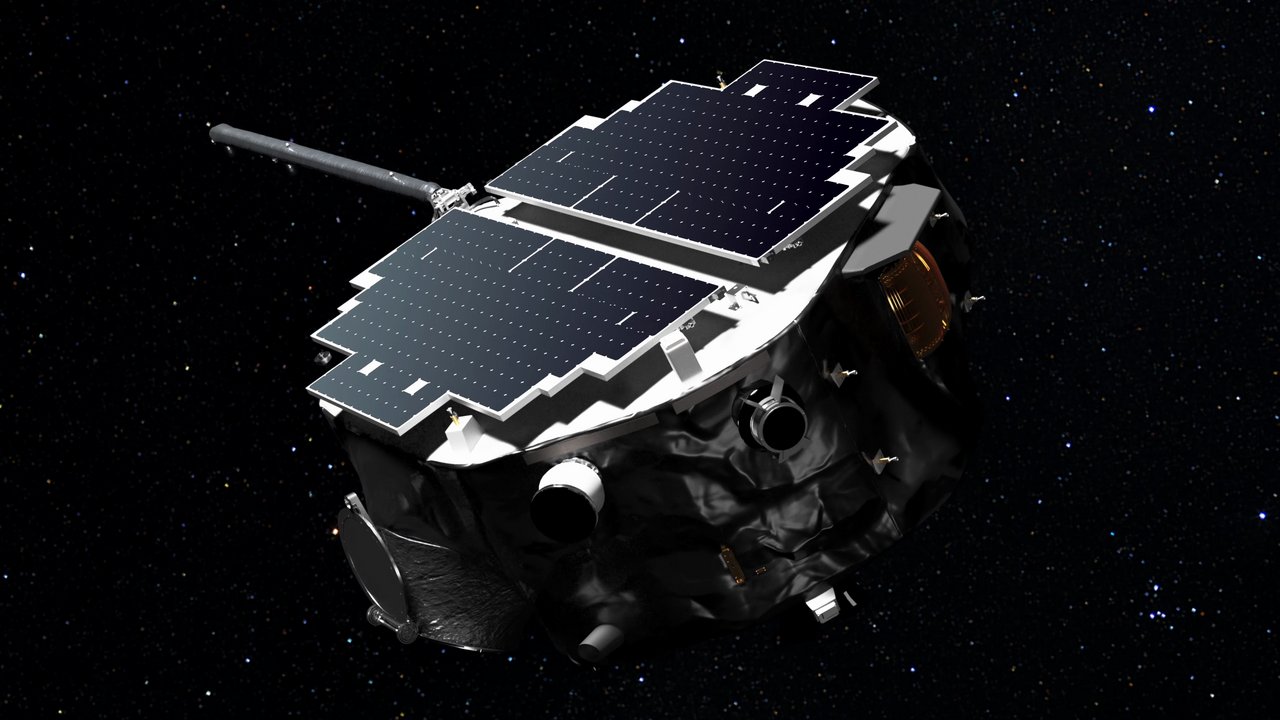
When astronauts head out into space they are protected from deadly radiation by their spacecraft and on space walks, their space suit. Back on Earth, we too are protected but by an invisible bubble that’s known as the heliosphere. The heliosphere has been subjected to numerous studies over the years but NASA’s newest mission is set to give us the most detailed of it map ever created.
Continue reading
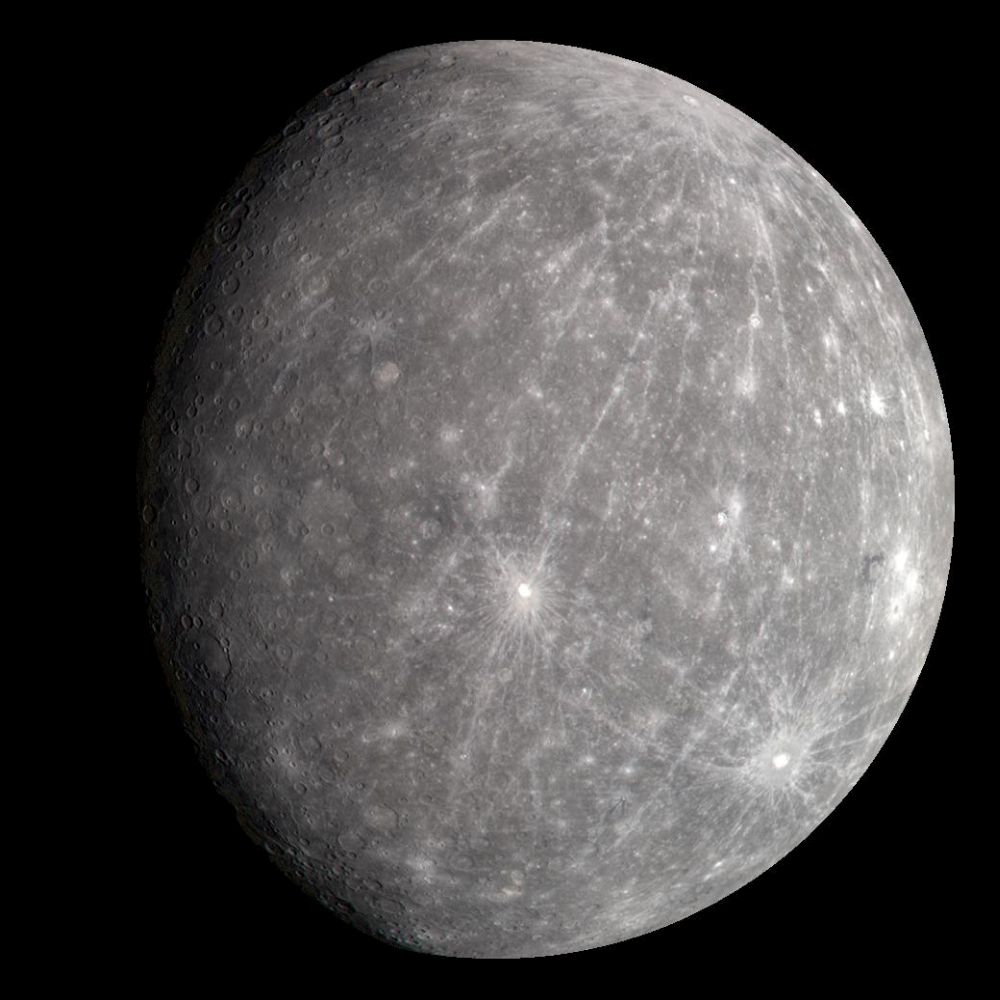
Mercury's large metallic core is 70% of its mass, which is way more than the other rocky planets. Scientists have wondered if a collision with a much larger body stripped away much of its mantle and crust, and Mercury is only the remnant core of a once much larger planet. New simulations show that's not quite what happened.
Continue reading
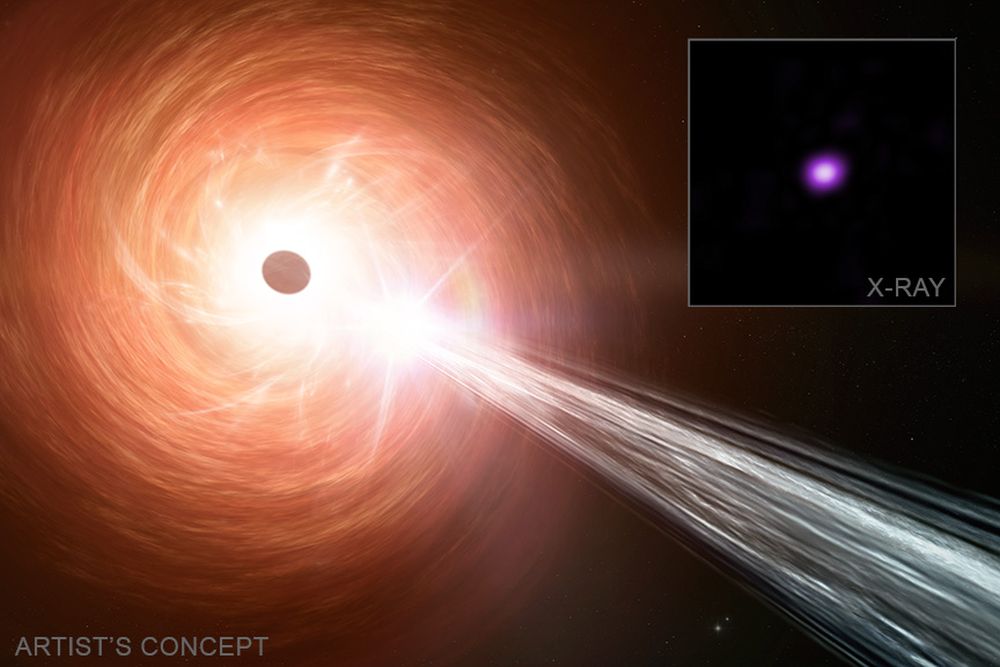
NASA's Chandra X-ray space telescope has found a black hole that's growing at an extremely rapid pace. The telescope is seeing the black hole, which has about one billion solar masses, when the Universe was less than one billion years old. Studying its rapid accretion could explain how some black holes become so massive so soon after the Big Bang.
Continue reading
Continue reading
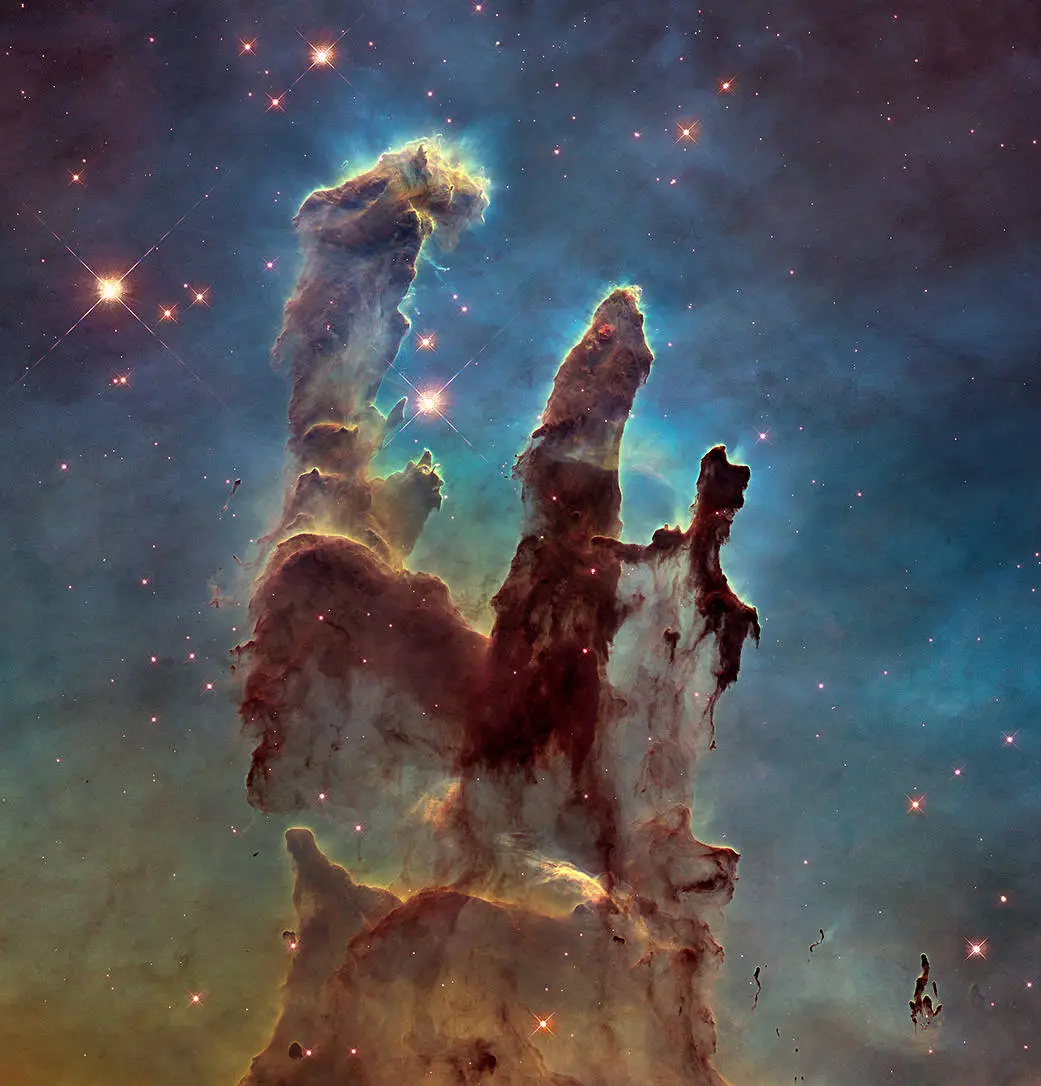
What is the meaning of life? Even the best of us couldn’t hope to answer that question in a universe today article. But there are those who would try to “constrain” it, at least in terms of physics. A new paper from Pankaj Mehta of Boston University of Jané Kondev of Brandeis that was recently pre-published on arXiv looks at how the fundamental constants of physics might be applied to life as we know it - and even life as we don’t know it yet. Their idea doesn't necessarily give the answer to the ultimate question, but it does tie two seemingly disparate fields nicely together.
Continue reading
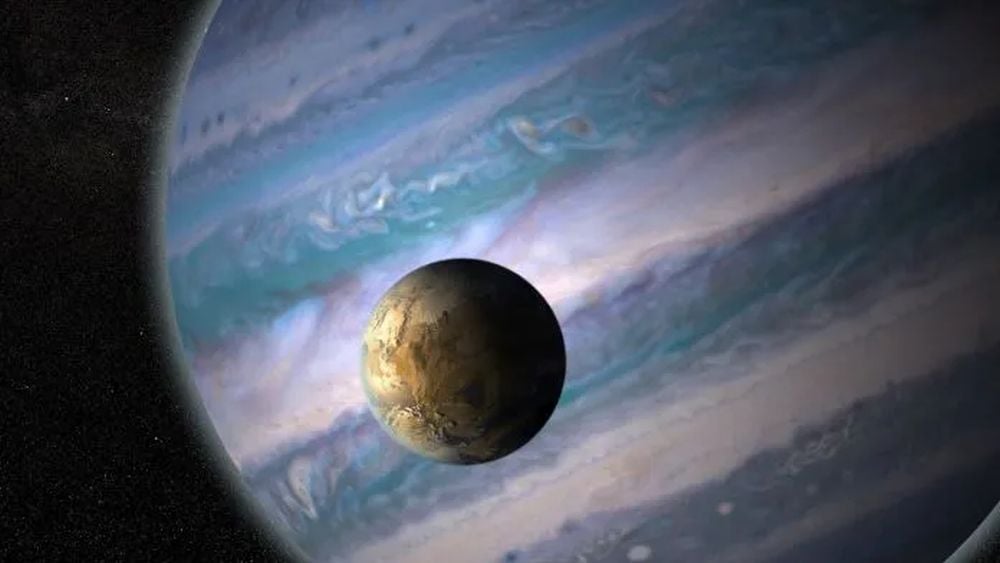
Exoplanets aren’t the only objects floating around other stars - they likely have comets and asteroids as well. Even some of the exoplanets themselves will have “exomoons”, at least according to our current understanding of the physics of planetary formation. However, we have yet to find any of these other objects conclusively, though there has been some hint at the presence of exomoons in the last ten years. A new paper from astronomers at the European Southern Observatory (ESO), recently pre-published on arXiv, suggests a way in which we might be able to finally detect the presence of an exomoon - using a technique that is also commonly used to find exoplanets themselves.
Continue reading
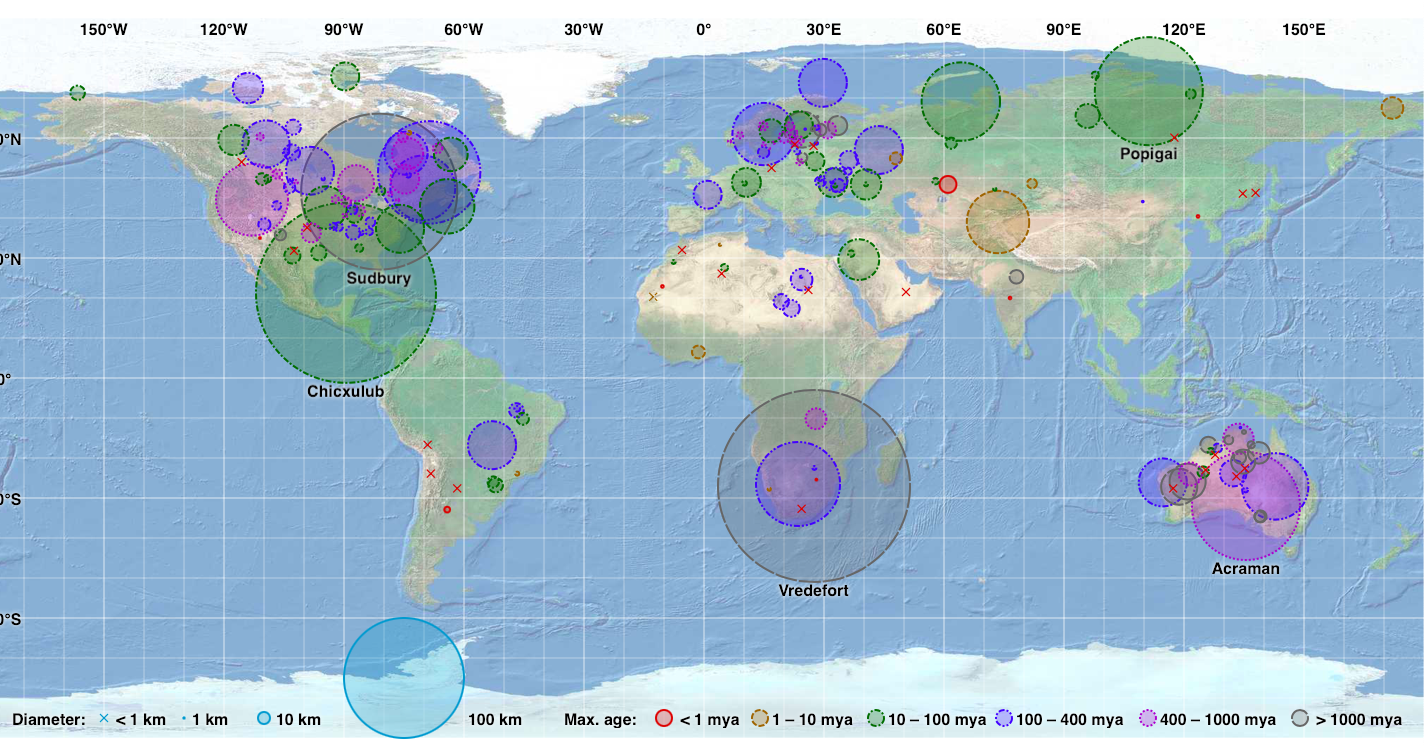
A team of scientists in south Australia have discovered tiny pieces of glass that tell the story of a catastrophic event that happened 11 million years ago, an asteroid impact so massive it should have left a crater the size of a major city, yet mysteriously, no one has found it. This discovery represents only the sixth known tektite field ever identified on Earth. The glassy fragments, scattered across the landscape are forcing scientists to reconsider what they know about ancient asteroid impacts and the geological features they leave behind.
Continue reading
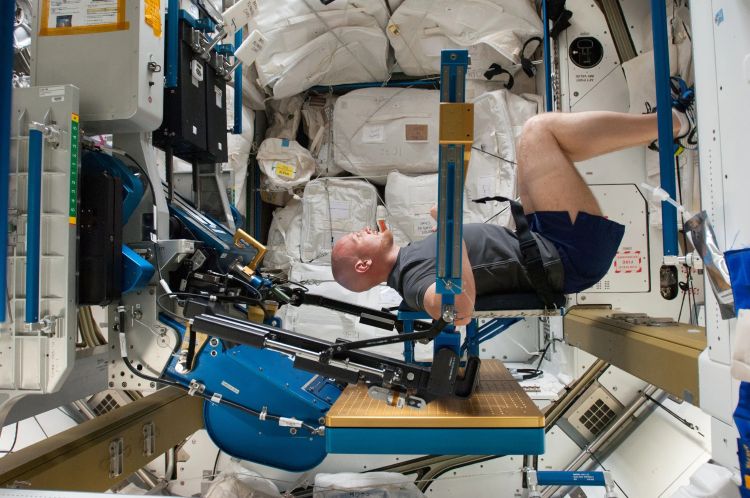
How does spaceflight influence sarcopenia, which is a common age-related muscle decline, specifically for elder adults? This is what a recent study published in Stem Cell Reports hopes to address as a team of researchers investigated how microgravity influences muscle cell function. This study has the potential to help scientists, mission planners, astronauts, and the public better understand the long-term health impacts of microgravity on muscle decline and the steps that can be taken to mitigate it.
Continue reading
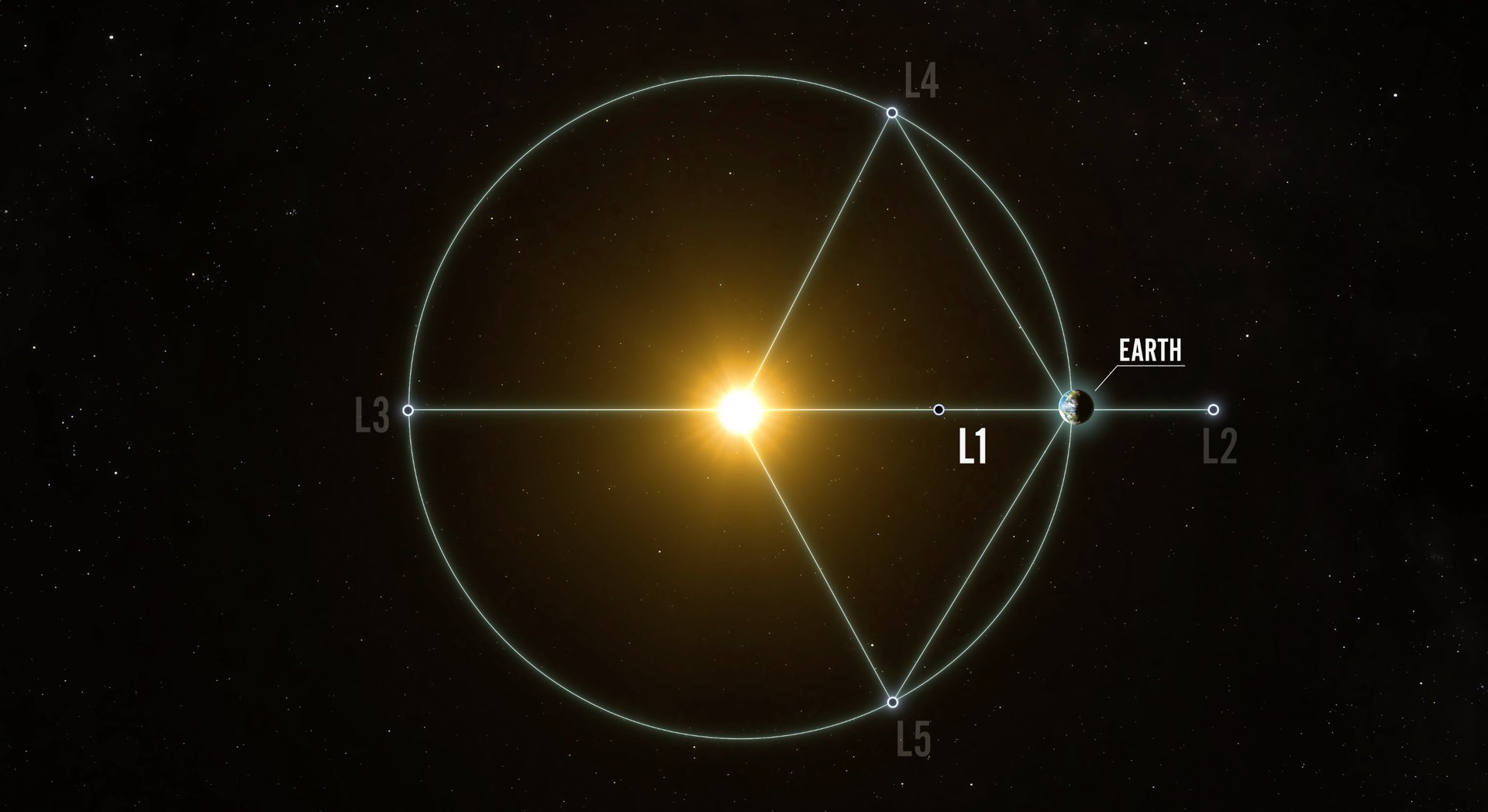
Some NASA missions are designed for very specific tasks, but all of them help feed into our understanding of our universe, and in some cases our pale blue dot, work. A new mission to study one of the more esoteric parts of the atmosphere is scheduled to launch today, and over the next 2-3 years will monitor the outer reaches of our planet’s atmosphere.
Continue reading
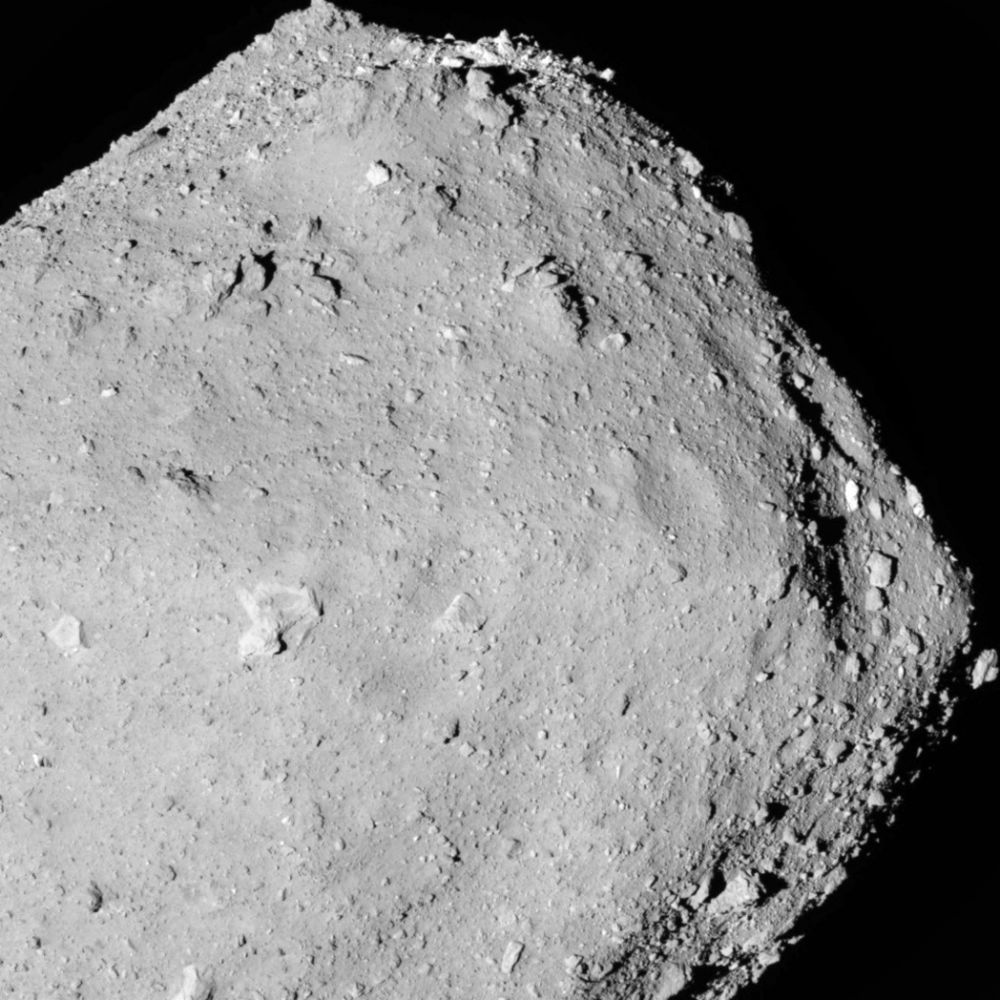
Researchers working with a sample from asteroid Ryugu discovered that water flowed on the asteroid almost one billion years after it formed. The finding suggests that carbon-rich asteroids could've delivered far more water to Earth than thought.
Continue reading
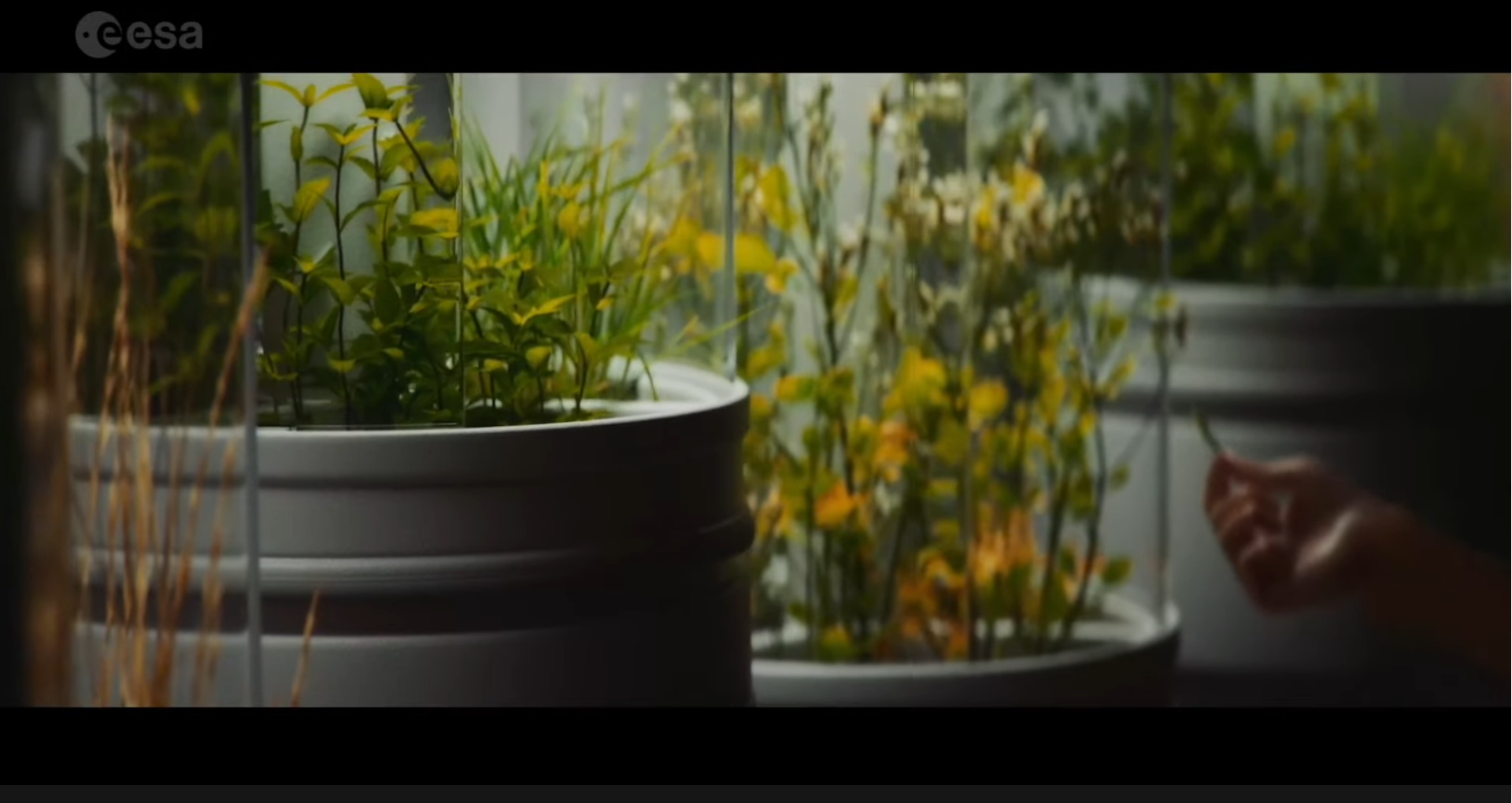
A team of researchers from Kent have demonstrated that it is possible to grow tea in lunar soil as part of a wider field of work to explore how future astronauts living and working on the moon can grow their own food.
Continue reading
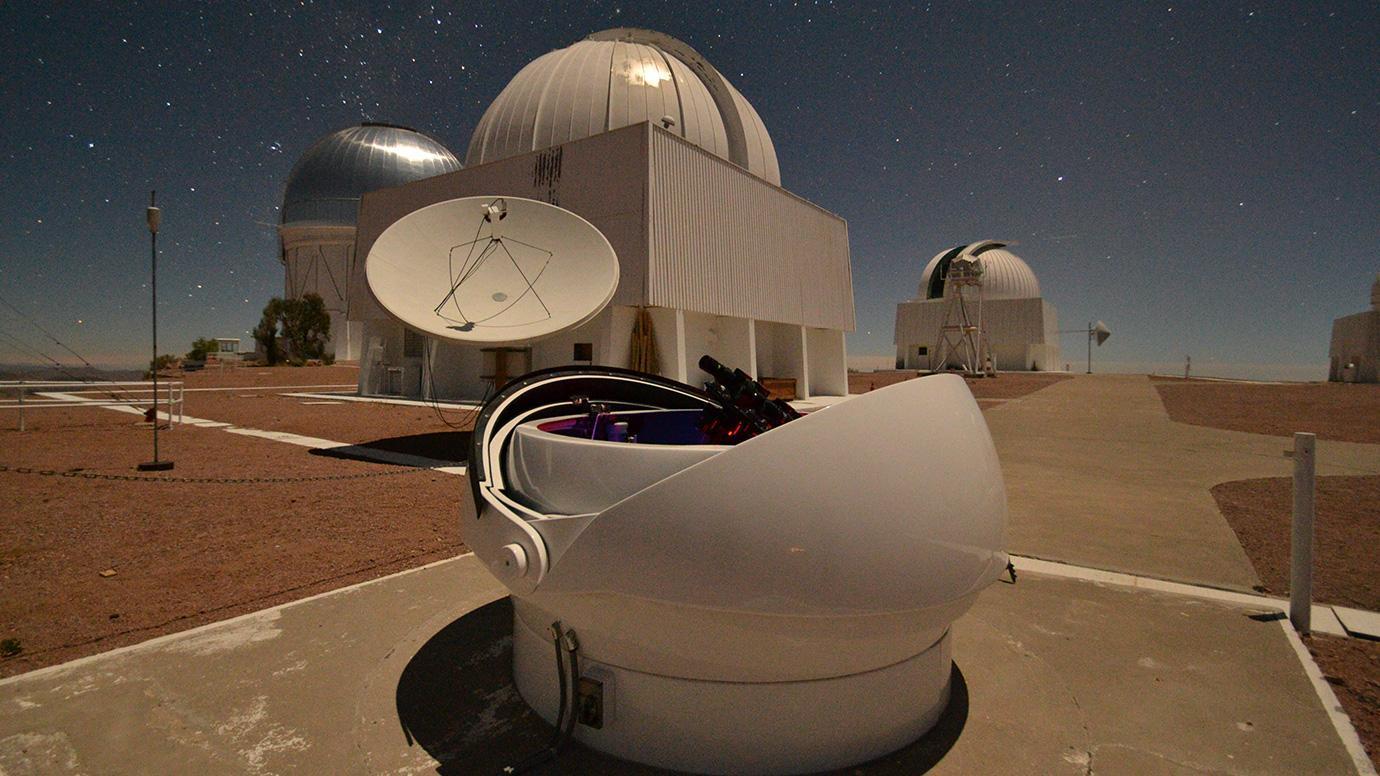
A new study, based on years of precise data from telescopes such as the Dark Energy Survey in Chile, above, suggests that the mysterious force known as dark energy may be evolving over time rather than constant.
Continue reading
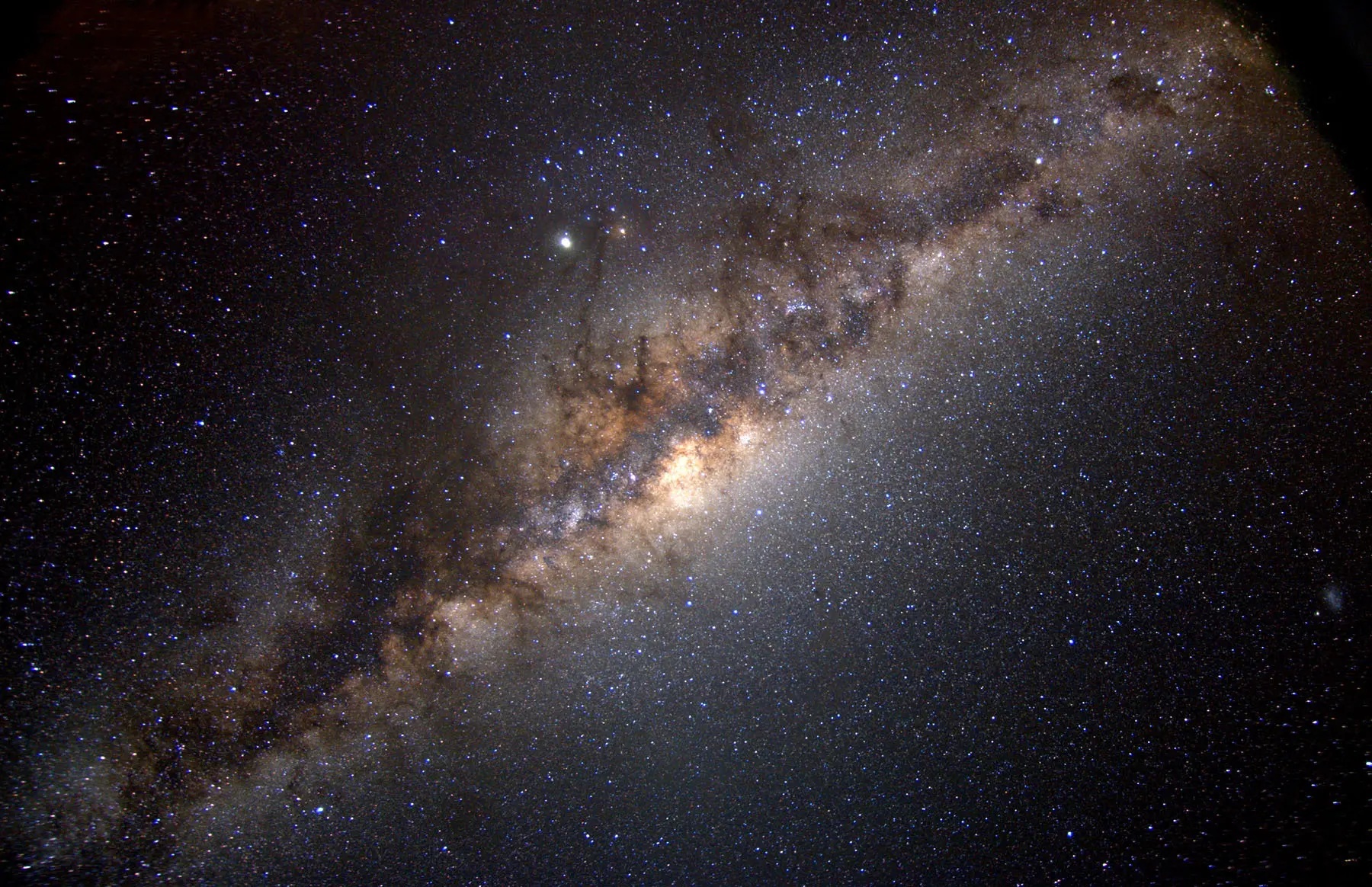
Earth’s History Written in the Stars: Zircon Crystals Reveal Galactic Influence
kerryhensley45577
Tue, 09/16/2025 - 10:27
Earth’s History Written in the Stars: Zircon Crystals Reveal Galactic Influence
https://www.curtin.edu.au/news/media-release/earths-history-written-in-the-stars-zircon-crystals-reveal-galactic-influence/
Continue reading
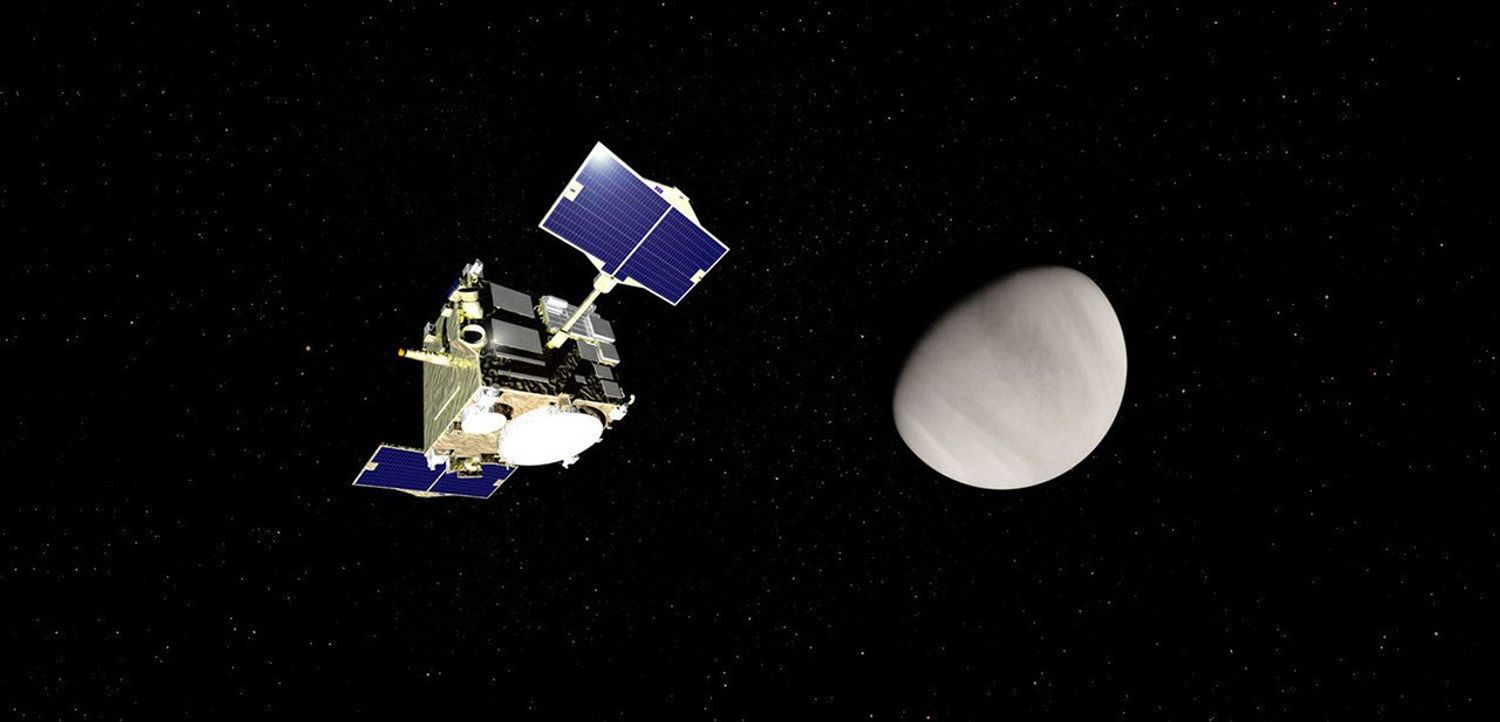
The Japan Aerospace Exploration Agency (JAXA) conducted the termination procedure for the Venus Climate Orbiter “Akatsuki” (PLANET-C) starting at 9:00 AM on September 18, 2025 (JST), thereby ending the probe's operations.
Continue reading
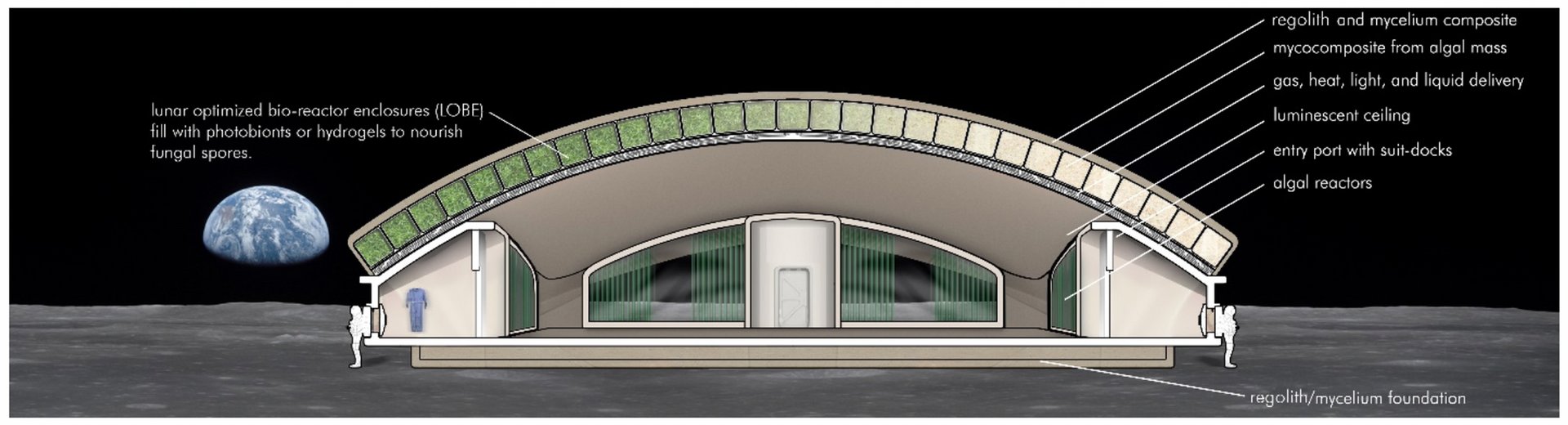
Let’s say you’ve picked the perfect spot for building a settlement on Mars. But this opens up some pretty nasty questions. Building…what? And building….with what?
Continue reading
 Universe Today