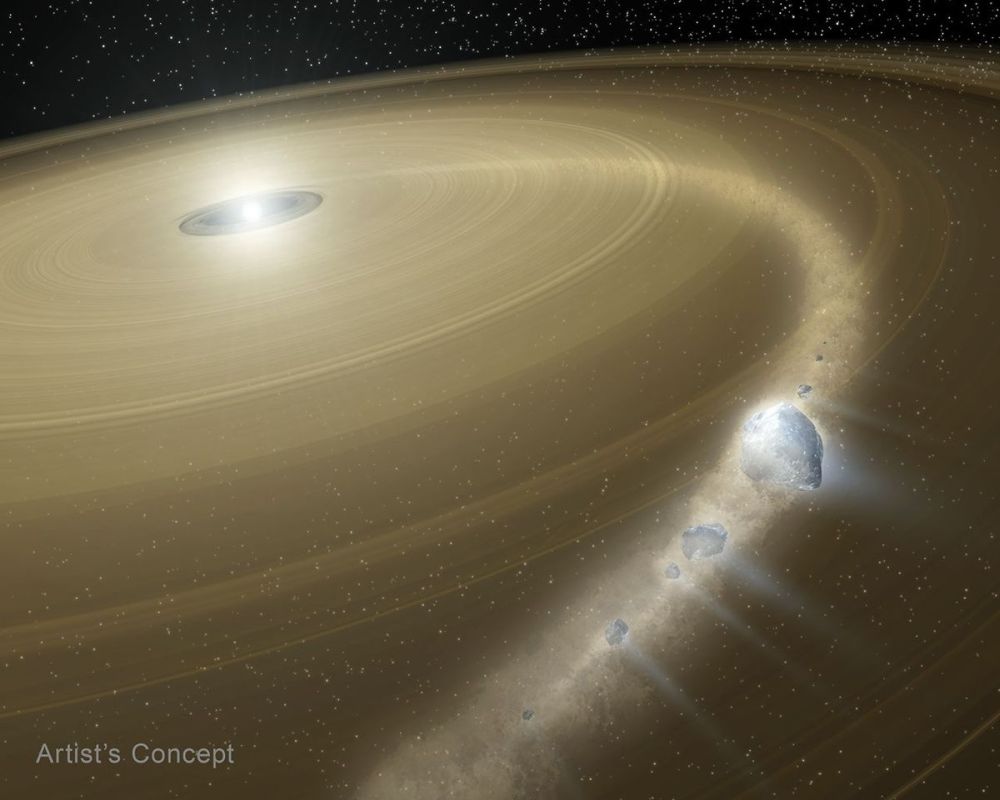
The Hubble Space Telescope has spotted a white dwarf that's devouring a chunk of an icy body. It suggests that even in distant solar systems, icy bodies from the distant reaches can deliver water to planets in the inner solar system.
Continue reading
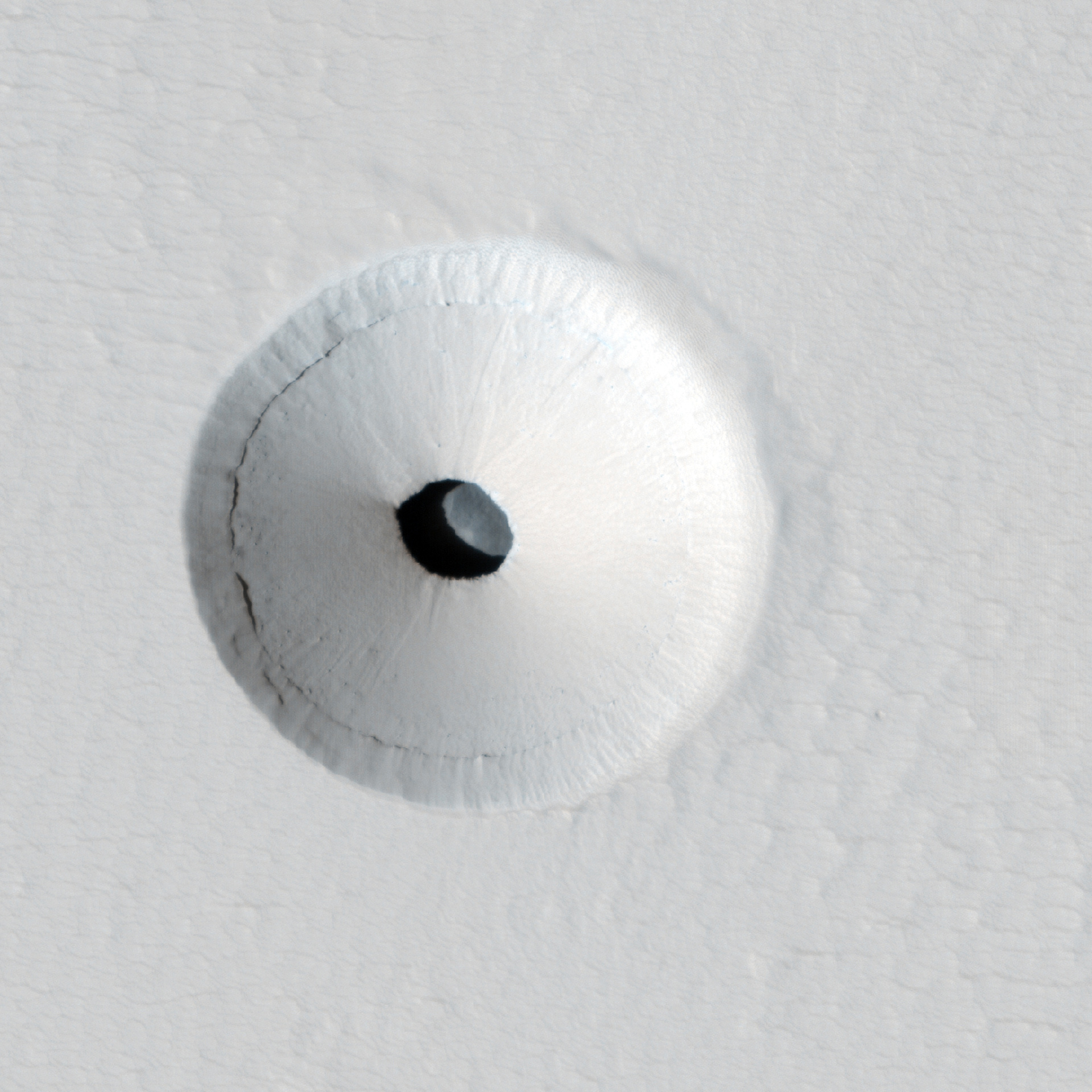
Let’s say you’re in charge of a Mars mission. Okay boss, where do we land?
Continue reading
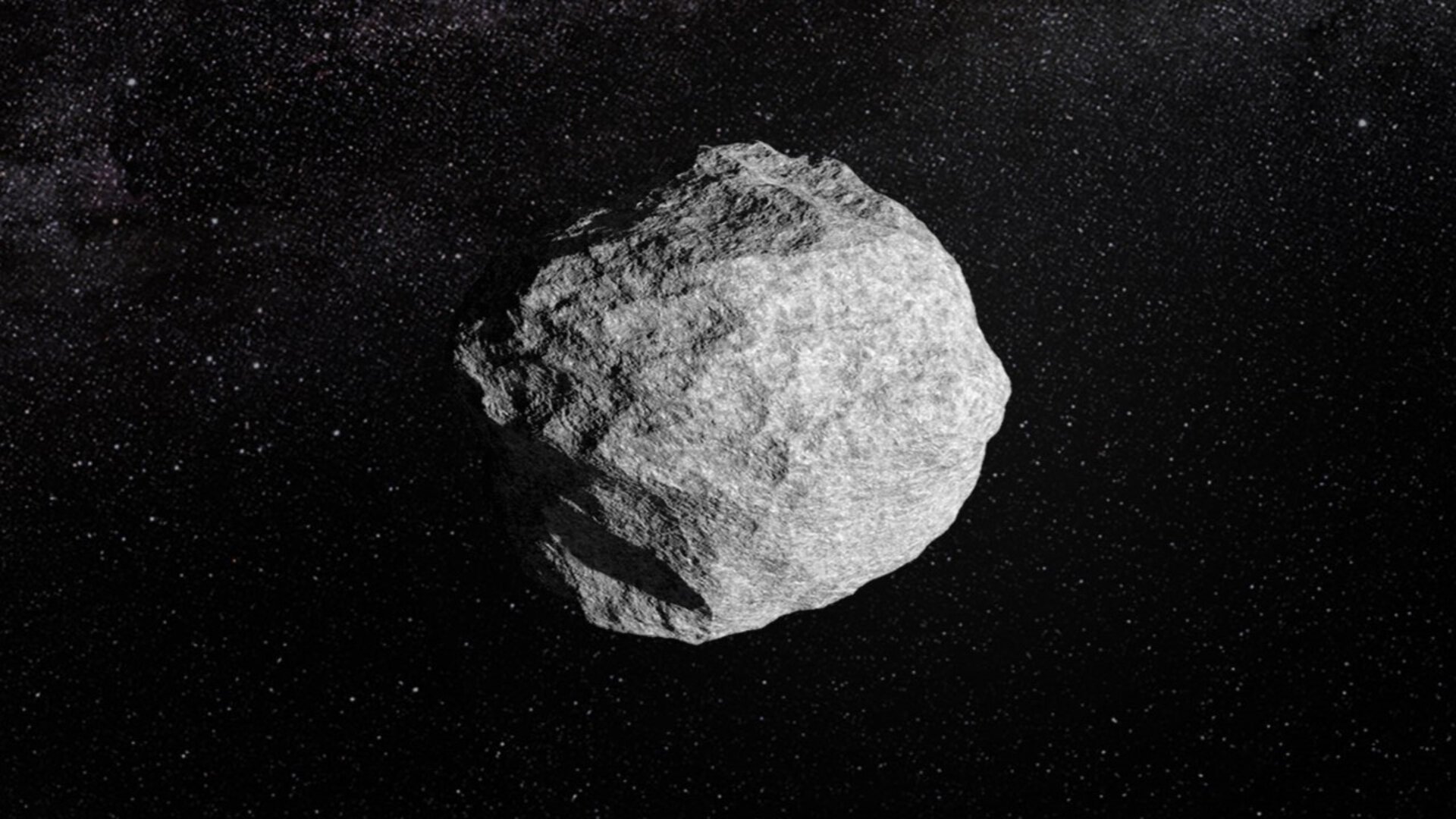
arXiv:2509.12351v1 Announce Type: new Abstract: Near-Earth asteroid 2024 YR4 was discovered on 2024-12-27 and its probability of Earth impact in December 2032 peaked at about 3% on 2025-02-18. Additional observations ruled out Earth impact by 2025-02-23. However, the probability of lunar impact in December 2032 then rose, reaching about 4% by the end of the apparition in May 2025. James Webb Space Telescope (JWST) observations on 2025-03-26 estimated the asteroid's diameter at 60 +/- 7 m. Stu...
Continue reading
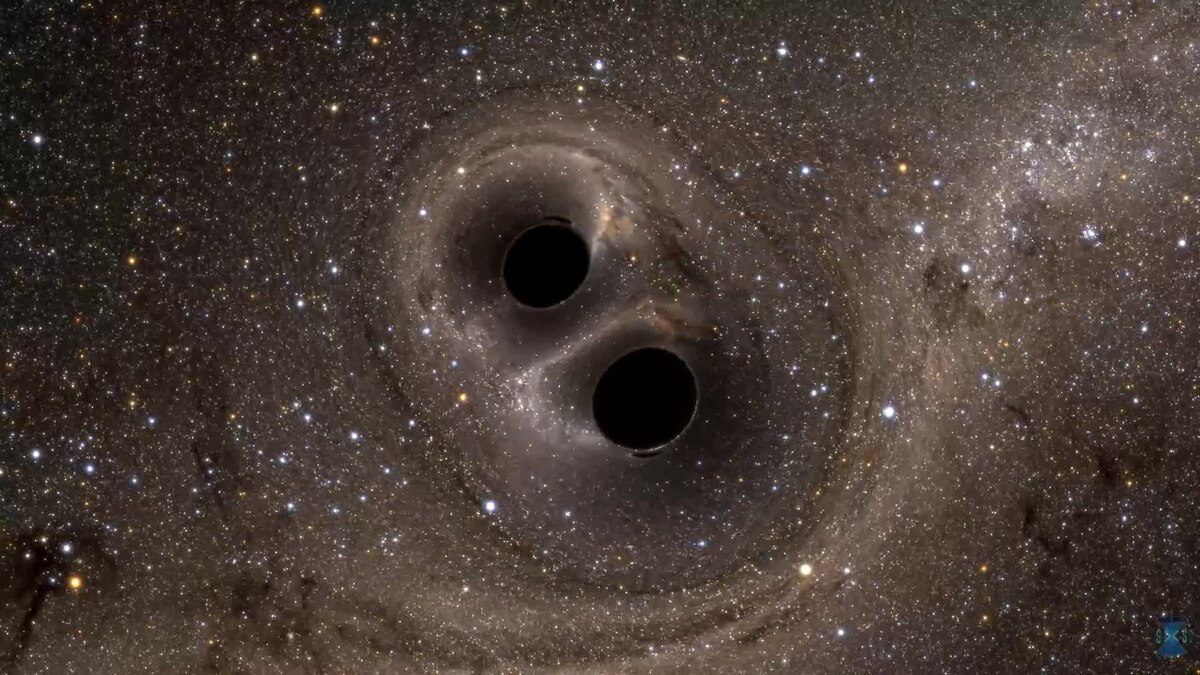
When two black holes collide and merge, they release gravitational waves. These waves can be detected by sensitive instruments on Earth, allowing scientists to determine the mass and spin of the black holes. The clearest black hole merger signal yet, named GW250114 and recorded by LIGO in January 2025, offers new insights into these mysterious objects.
Continue reading
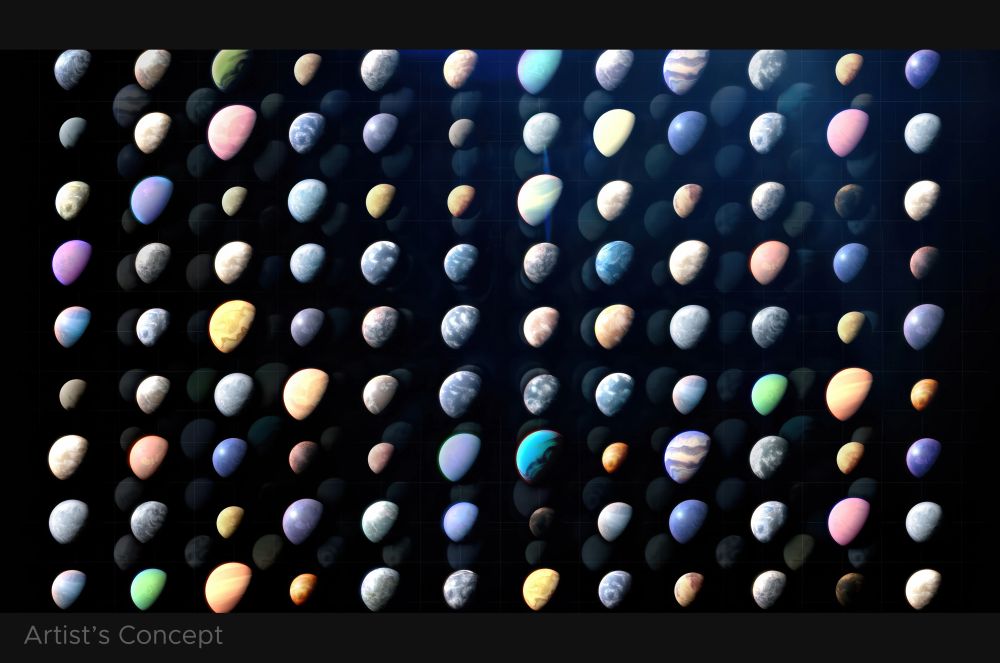
NASA says we now know of 6,000 confirmed exoplanets. At first there was just a trickle of discoveries. But the pace has quickened and shows no signs of slowing down.
Continue reading
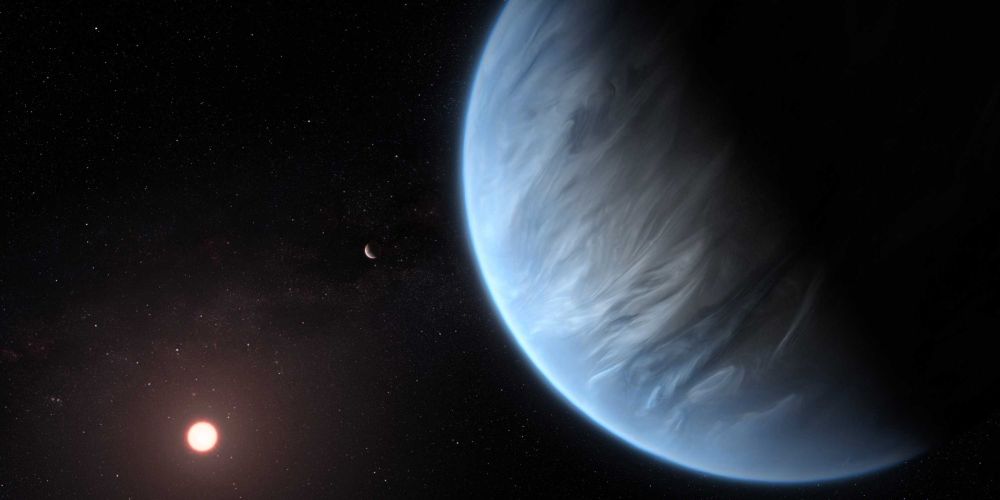
New research shows that the purported water world K2-18b isn't a marine world with a deep ocean. In fact, so-named Hycean worlds may not exist at all. But on the bright side, Earth's water content may not be unusual.
Continue reading
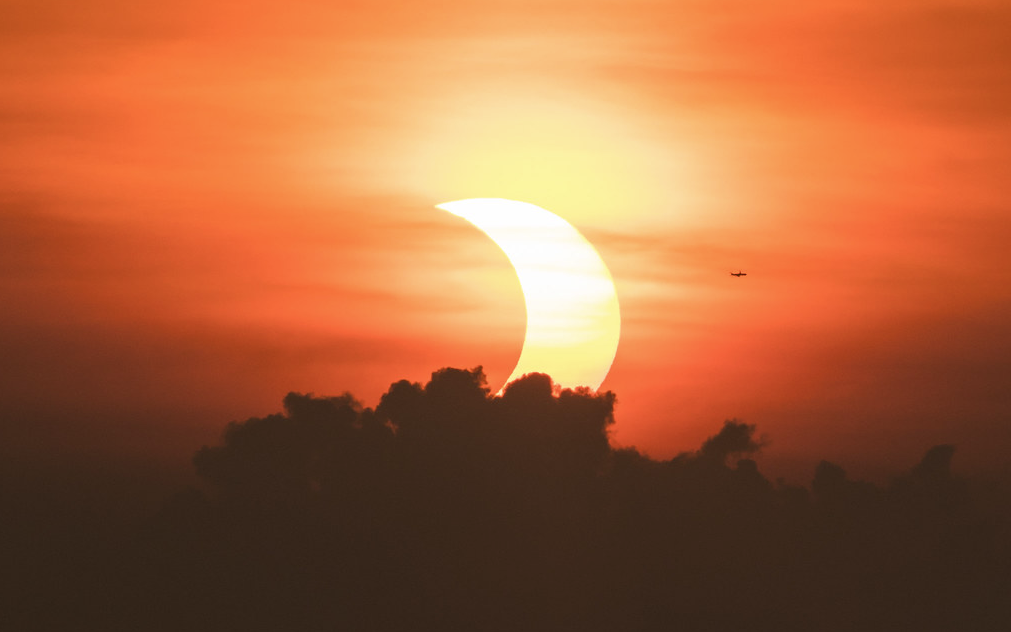
Subtle astronomical events can still produce memorable scenes, hidden away in distant locales. Such a spectacle goes down on Sunday/Monday, September 21st/22nd, with a partial solar eclipse. Although the eclipse only skims the southernmost portion of the South Pacific, viewers along the eastern coast of Australia, Antarctica and all of New Zealand will see an unforgettable sight, as a partially-eclipsed Sun rises out of the sea.
Continue reading
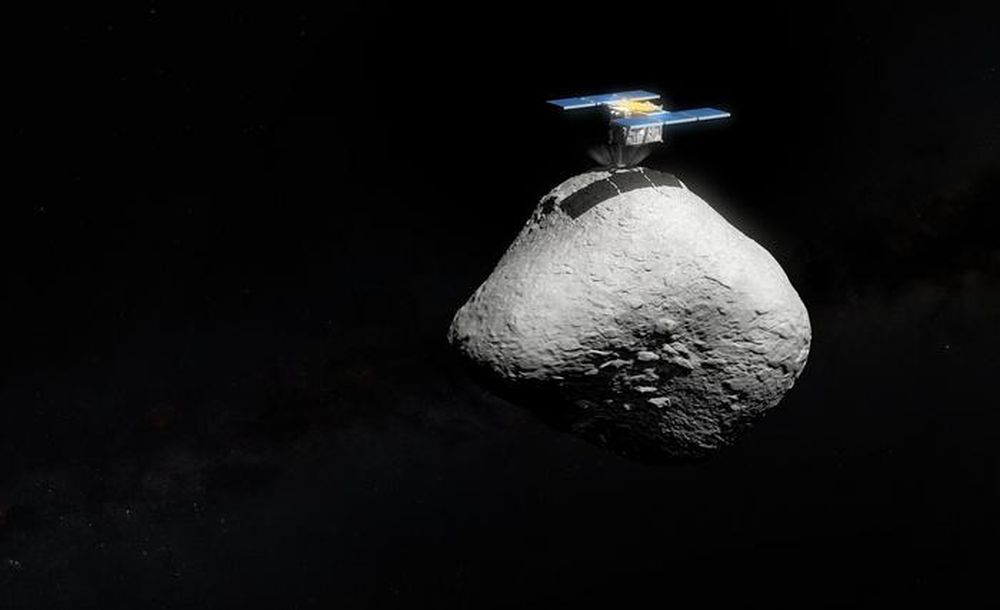
Hayabusa 2 may need to alter its visit to its next target. VLT observations show that the asteroid 1998 KY26 is three times smaller than thought and spinning much more rapidly.
Continue reading
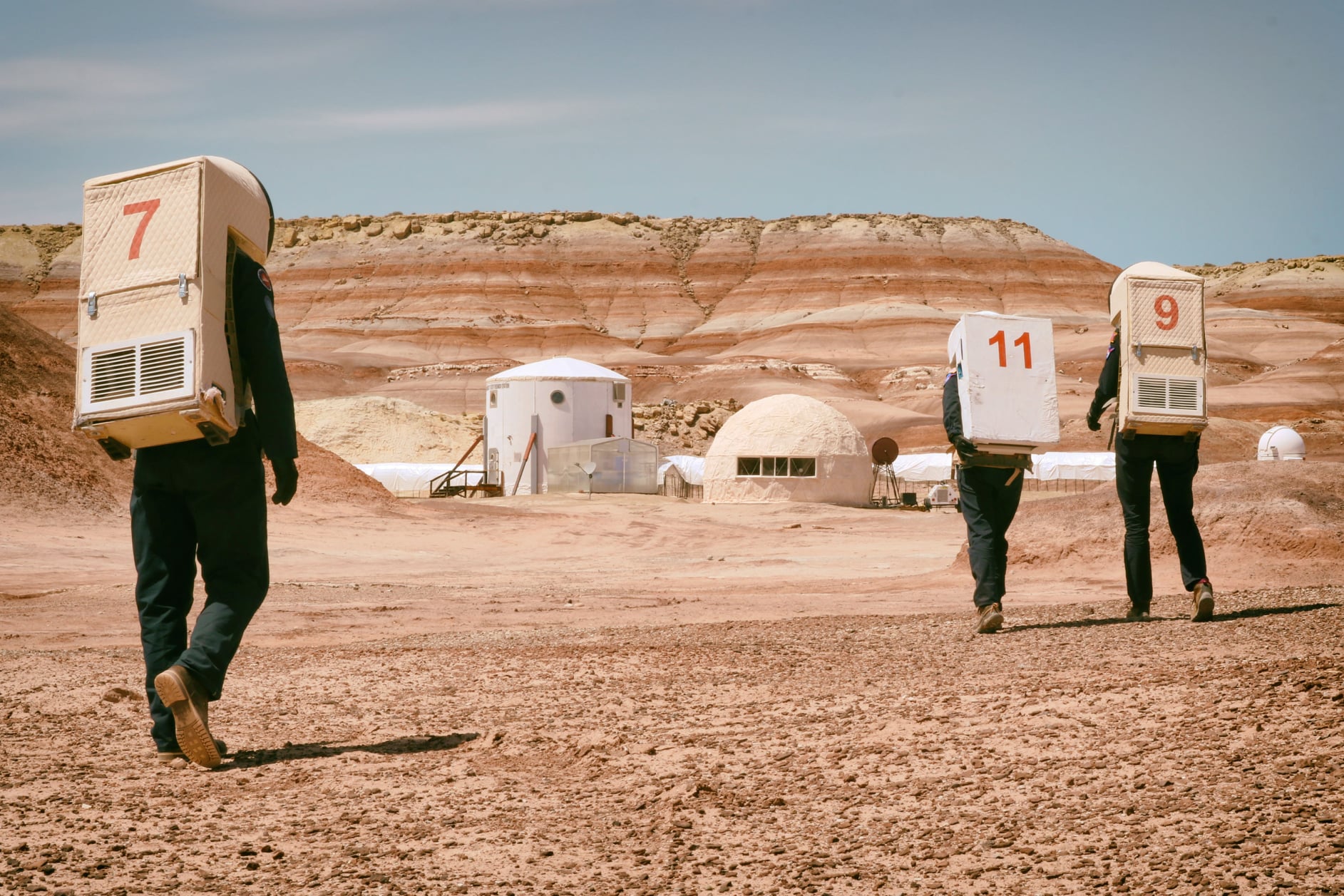
Before we get to Mars, we’re going to have to practice. And develop radical leaps in technology, but also practice.
Continue reading
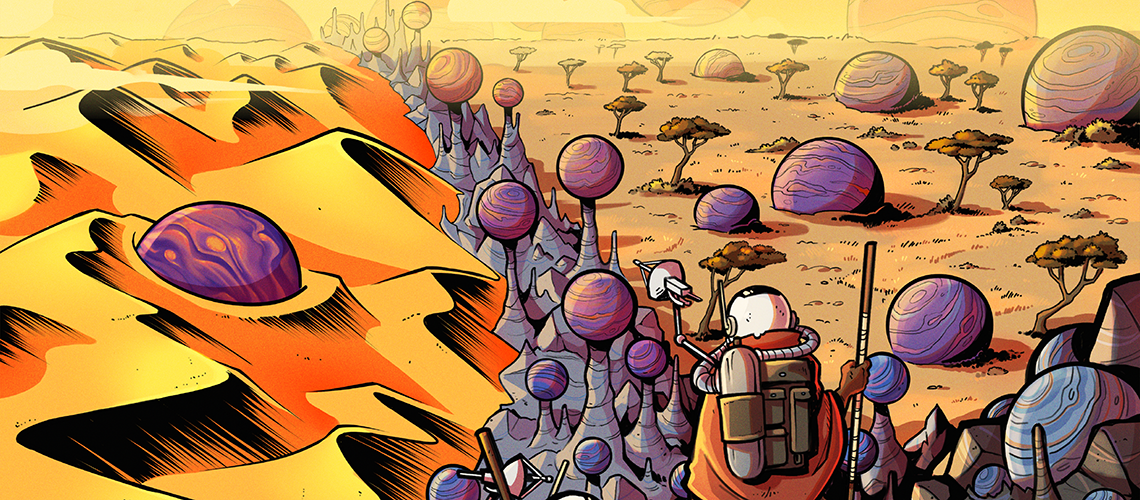
Exoplanet surveys are useful for more than just astrobiology or increasing the tally of known planets in other solar systems. They can also help us understand the evolution of planetary systems themselves. That’s what a new paper from researchers led by astronomers at the University of Geneva and published in Astronomy & Astrophysics attempts to do - by looking at a large population of “exo-Neptunes” they are attempting to understand the intricacies of how planetary systems are formed.
Continue reading
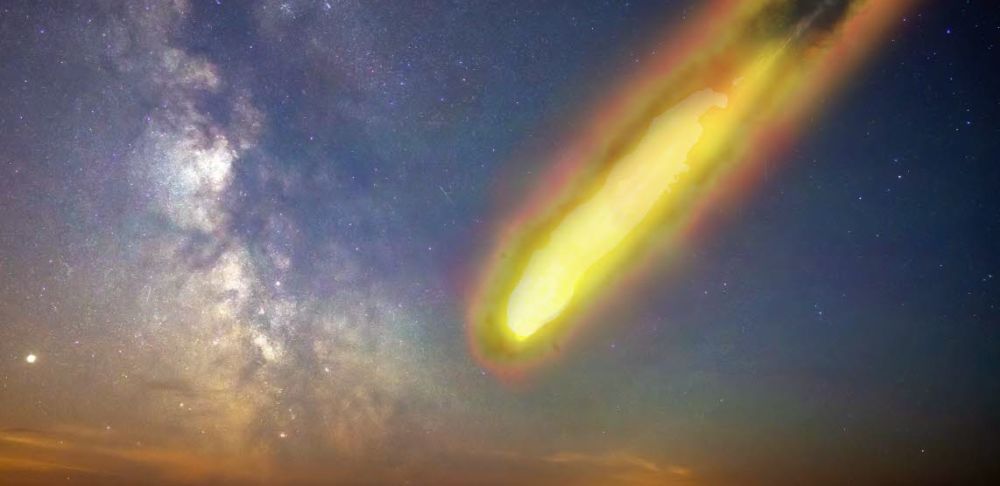
Researchers have dated the appearance of microbial life in a 78 million year old impact crater. Life colonized the fractured hydrothermal system the impact created, and thrived for millions of years. It could do the same on other worlds.
Continue reading
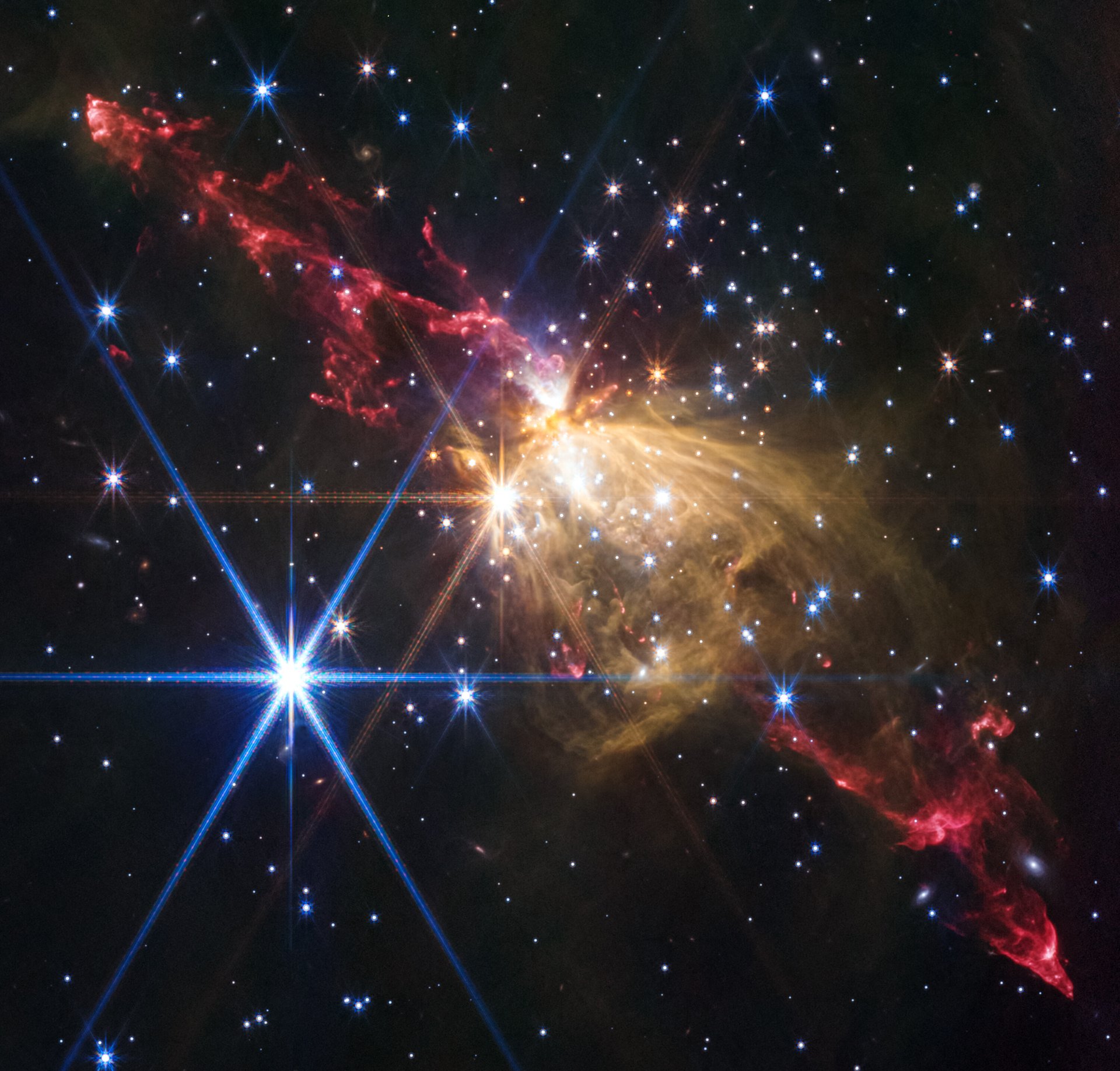
NASA's James Webb Space Telescope recently imaged an extremely large and symmetric protostellar jet at the outskirts of our Milky Way galaxy. From tip to tip, this protostellar jet is 8 light-years across, about double the distance from our Sun to its closest neighboring star system, Alpha Centauri.
Continue reading
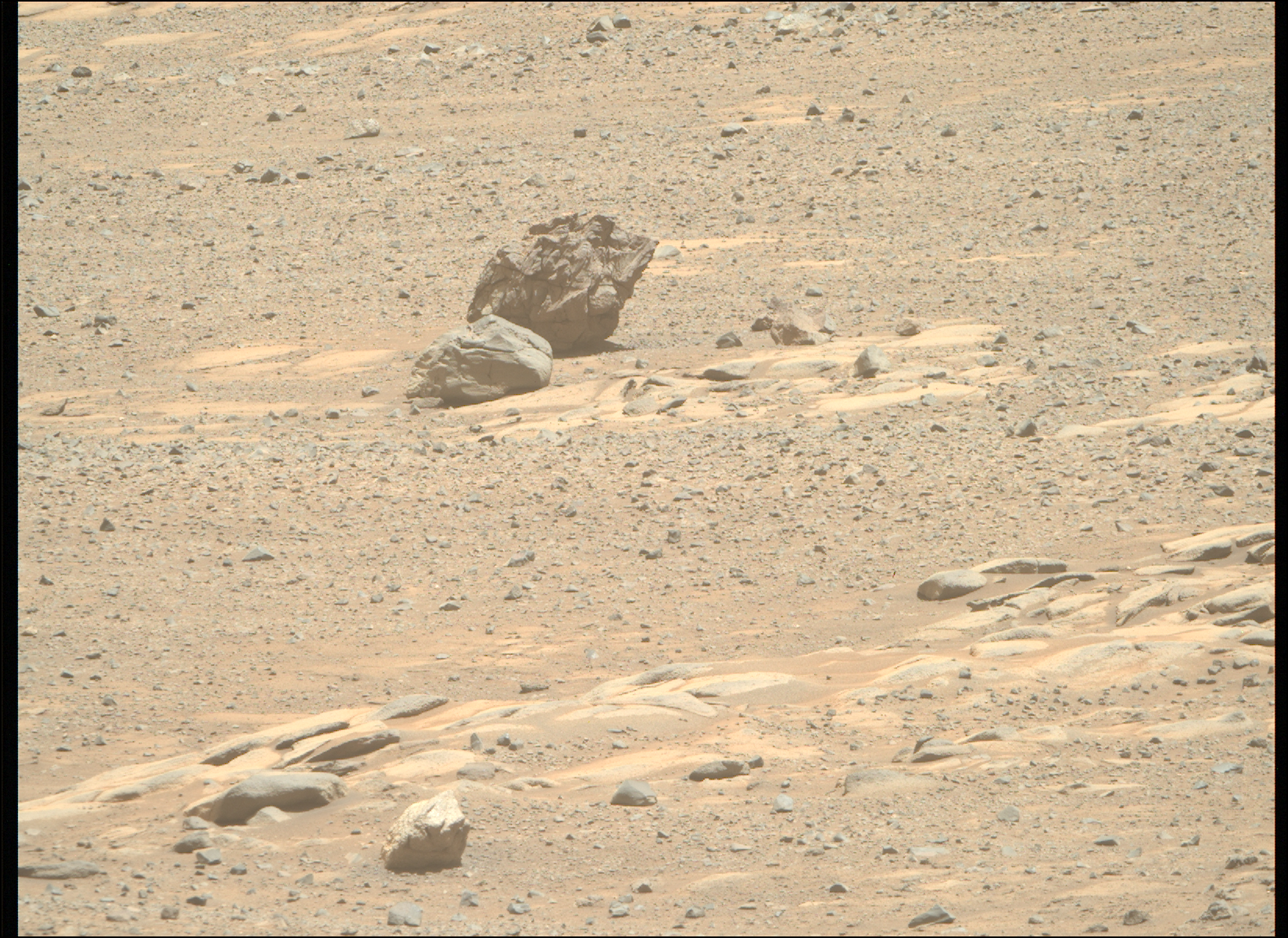
You know, if you take away the lack of air and water, the weaker Sun, the lower gravity, and the toxic soil, Mars isn’t all that bad of a place to live.
Continue reading
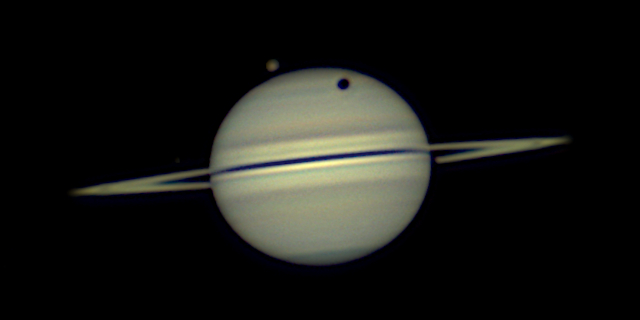
It seems like most of the planets have fled the evening scene. But that’s about to change this week. Saturn reaches opposition on Sunday, September 21st, passing closest to the Earth at just over 8.5 Astronomical Units (AU) or 1.3 billion kilometers distant, and rising opposite to the setting Sun. This marks the best time to view the ringed world, as it dominates the night sky from sunset until sunrise.
Continue reading
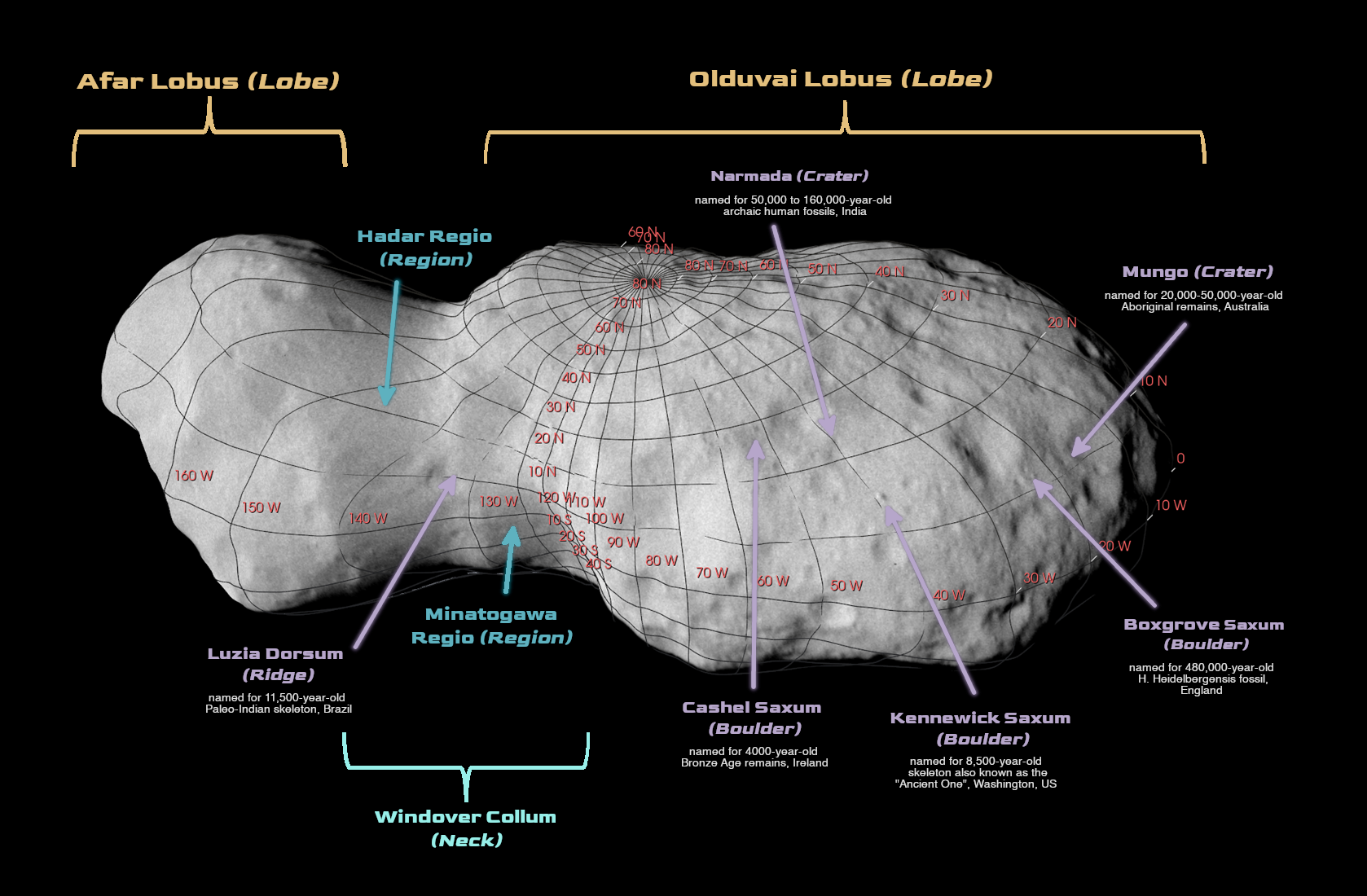
When considering the unnamed major features of all the moons, asteroids, and comets in our solar system there are still a lot of places out there that need proper names. That means the International Astronomical Union (IAU), the non-governmental body responsible for naming astronomical objects, has its work cut out for them. Recently they tackled a relatively easy challenge by approving a series of names on the asteroid Donaldjohnson, the first and only target of NASA’s Lucy mission in the main asteroid belt. With those names come a whole new way to talk about one of the asteroids that humanity has studied most closely thus far.
Continue reading
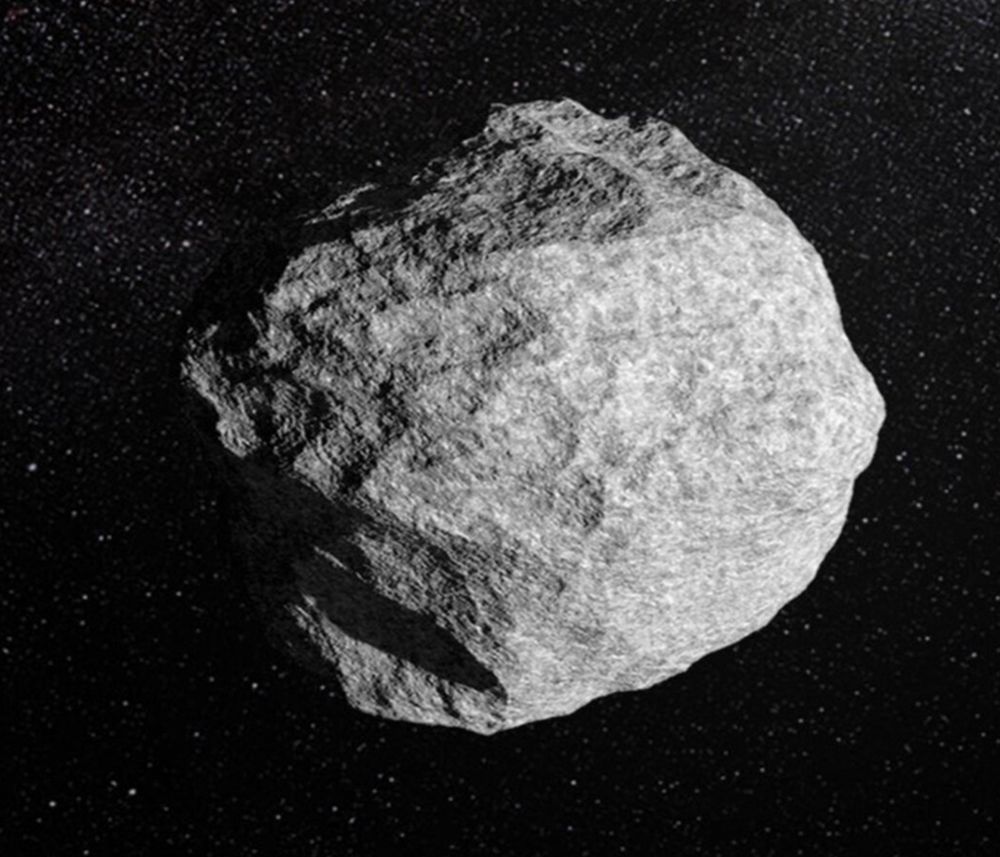
Earth has a new co-moving neighbour. It's a new member of the group of asteroids that follow Earth-like orbits and are called quasi-satellites. Together, they constitute an asteroid belt.
Continue reading
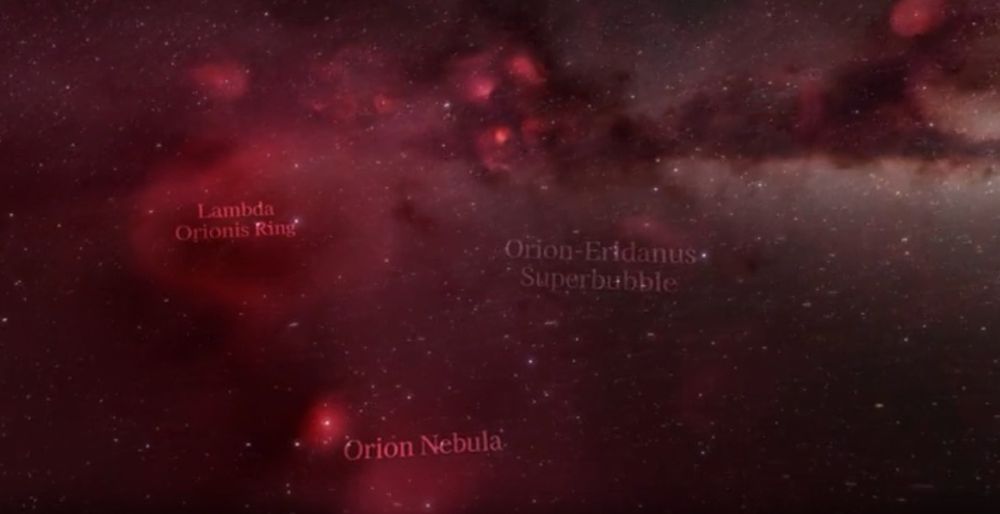
Here we fly through Gaia’s new 3D map of stellar nurseries. This new map includes 3D-views of the Gum Nebula, the North American Nebula, the California Nebula, and the Orion-Eridanus superbubble. It allows us to fly around, through, and above these areas containing stellar nurseries. At the end of the animation, we arrive at our Sun.
Continue reading
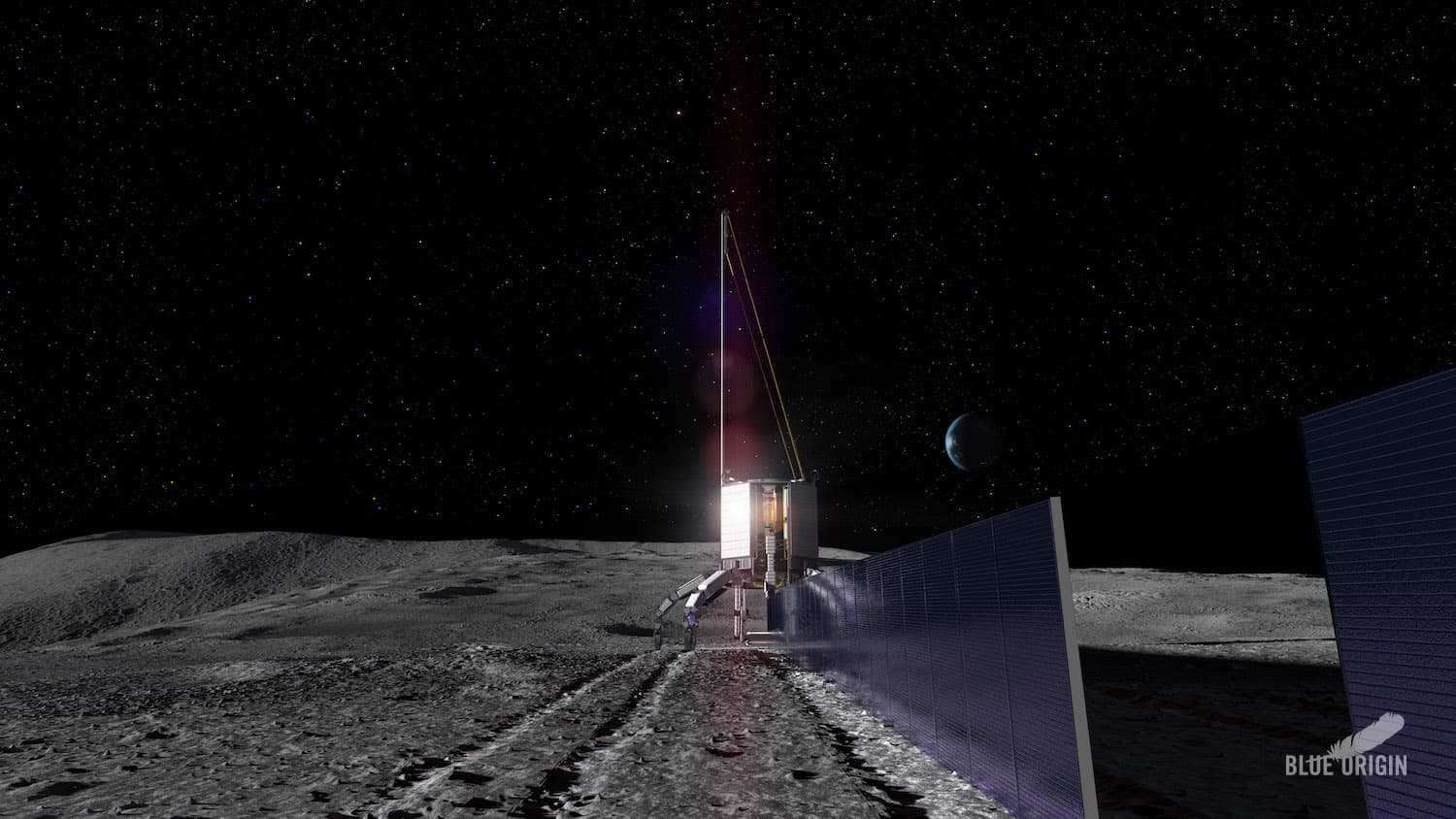
Blue Origin's breakthrough in-space resource utilization system aims to turn lunar regolith into solar arrays, metals, and breathable and propellant-grade oxygen, enabling sustainable robotic and human Moon missions and future Mars exploration.
Continue reading
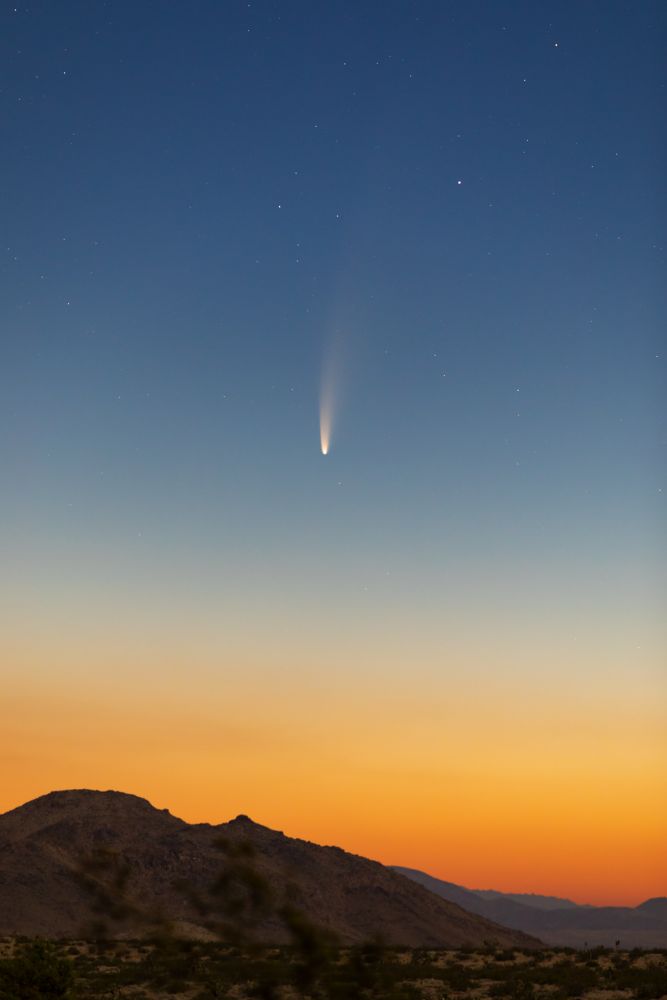
A swarm of fragments from an air burst comet could've triggered the Younger Dryas cooling period. A wave of megafauna extinctions followed, as did the disappearance of the Clovis culture.
Continue reading
One possibility to explain the constants of nature is that there’s more than one universe.
Continue reading
 Universe Today