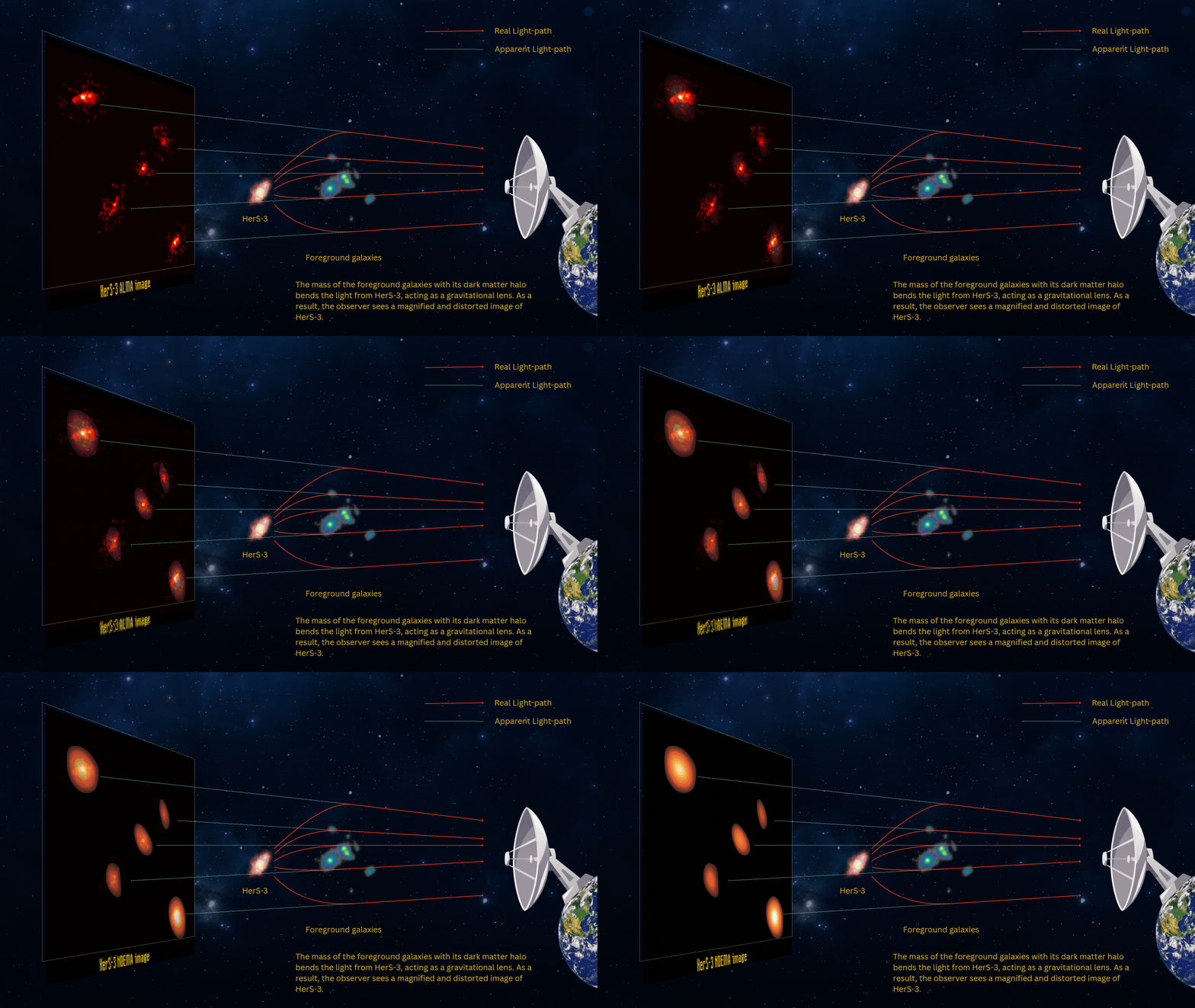
When astronomers pointed their telescopes at a distant galaxy called HerS-3, they discovered something really quite remarkable. The galaxy, located 11.6 billion light years away, appeared not once but five times in their observations, arranged in a nearly perfect cross pattern. This rare phenomenon, known as an Einstein Cross, has revealed exciting evidence for a massive halo of dark matter lurking in the space between us and that distant galaxy.
Continue reading
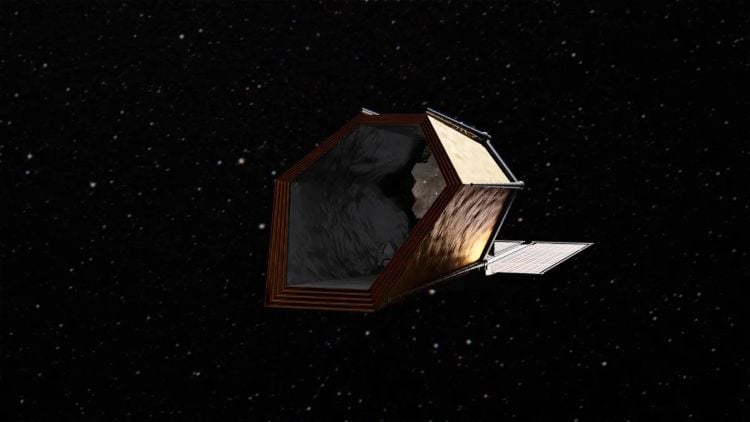
How will NASA’s upcoming Habitable Worlds Observatory (HWO) mission differentiate Earth-sized exoplanets from other exoplanets, specifically Earth-sized exoplanets within the habitable zone, also called exoEarths? This is what a recent study accepted for publication in The Astronomical Journal hopes to address as an international team of researchers investigated the potential future capabilities of HWO and what shortcomings need to be addressed for it to conduct groundbreaking science, specifically with discovering exoEarths.
Continue reading
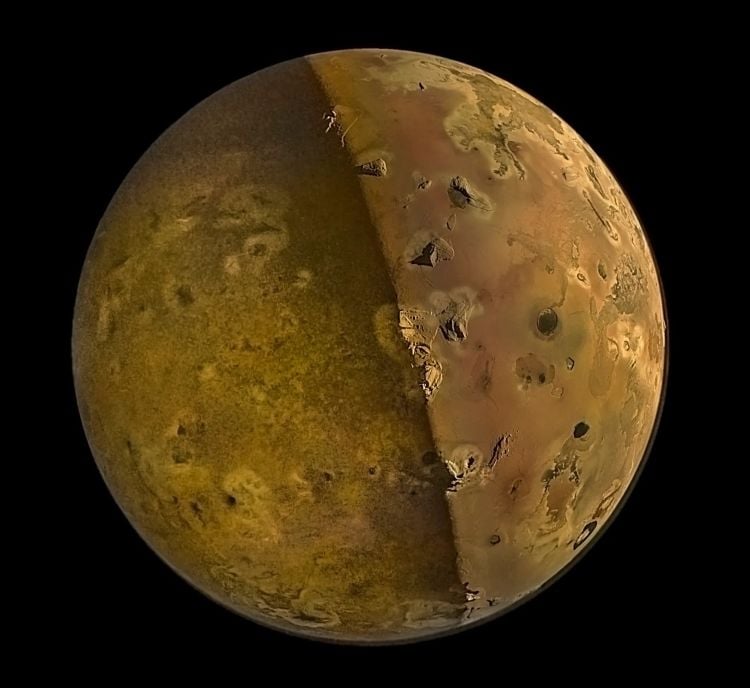
What type of lander could touch down on Jupiter’s volcanic moon, Io? This is what a recent paper presented at the AIAA 2025 Regional Student Conference hopes to address as a team of student engineers from Spartan Space Systems at San Jose State University investigated a novel concept for landing a spacecraft in Io, which is the most volcanically active planetary body in the solar system. This study has the potential to help scientists and engineers develop new mission concepts from all levels of academia and industry.
Continue reading
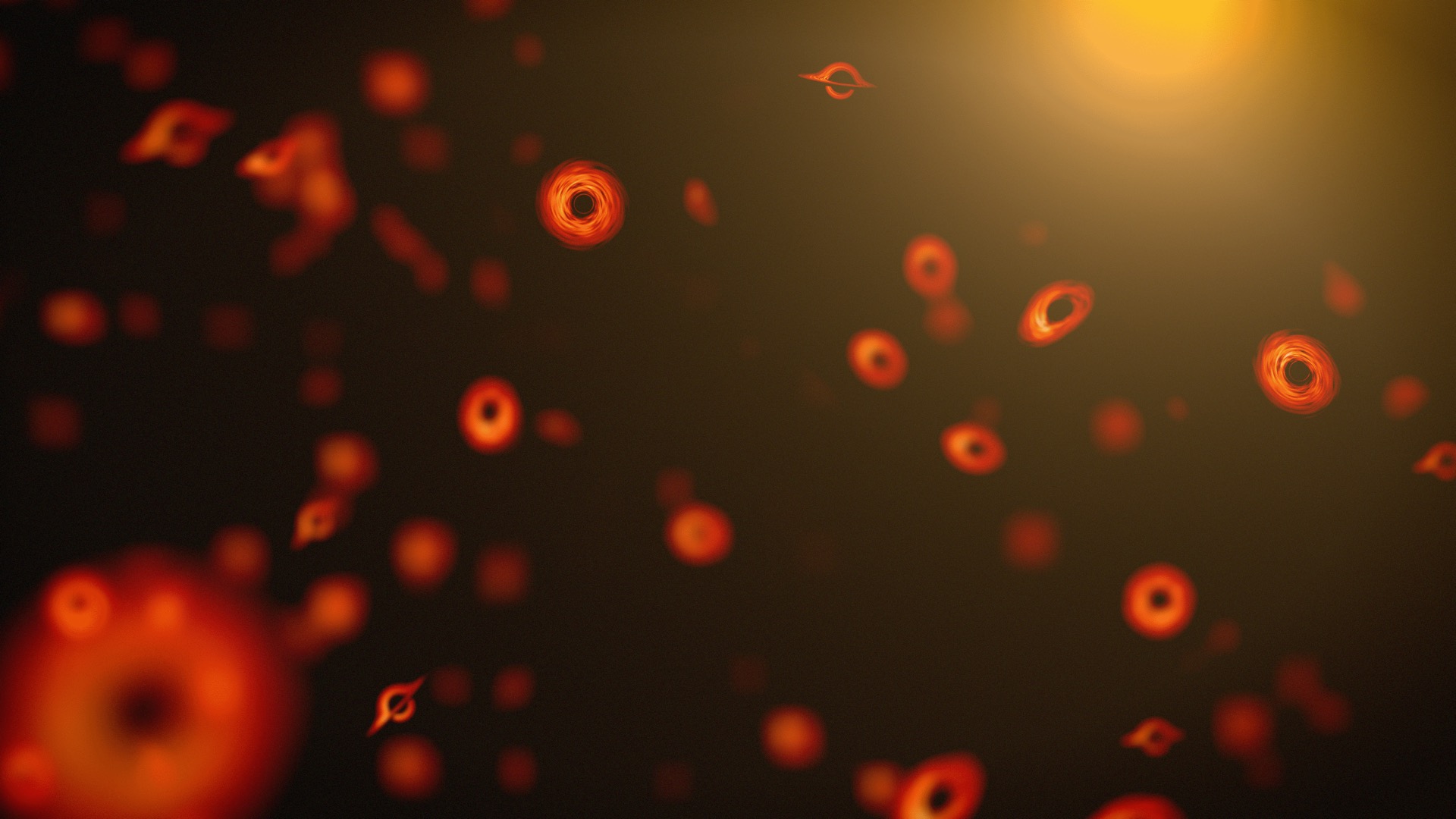
If a new proposal by MIT physicists bears out, the recent detection of a record-setting neutrino could be the first evidence of elusive Hawking radiation.
Continue reading
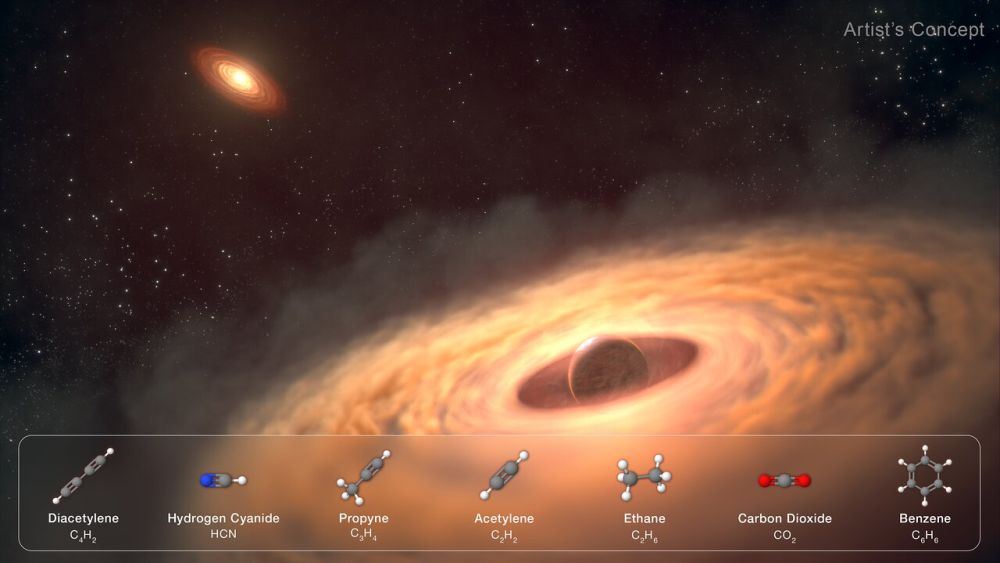
The JWST observed the moon-forming disk around a Jupiter-mass planet about 625 light years away. The telescope gave astronomers a detailed view of the circumplanetary disk and found that it's rich in carbon. Its researchers first opportunity to characterize these disks in detail.
Continue reading
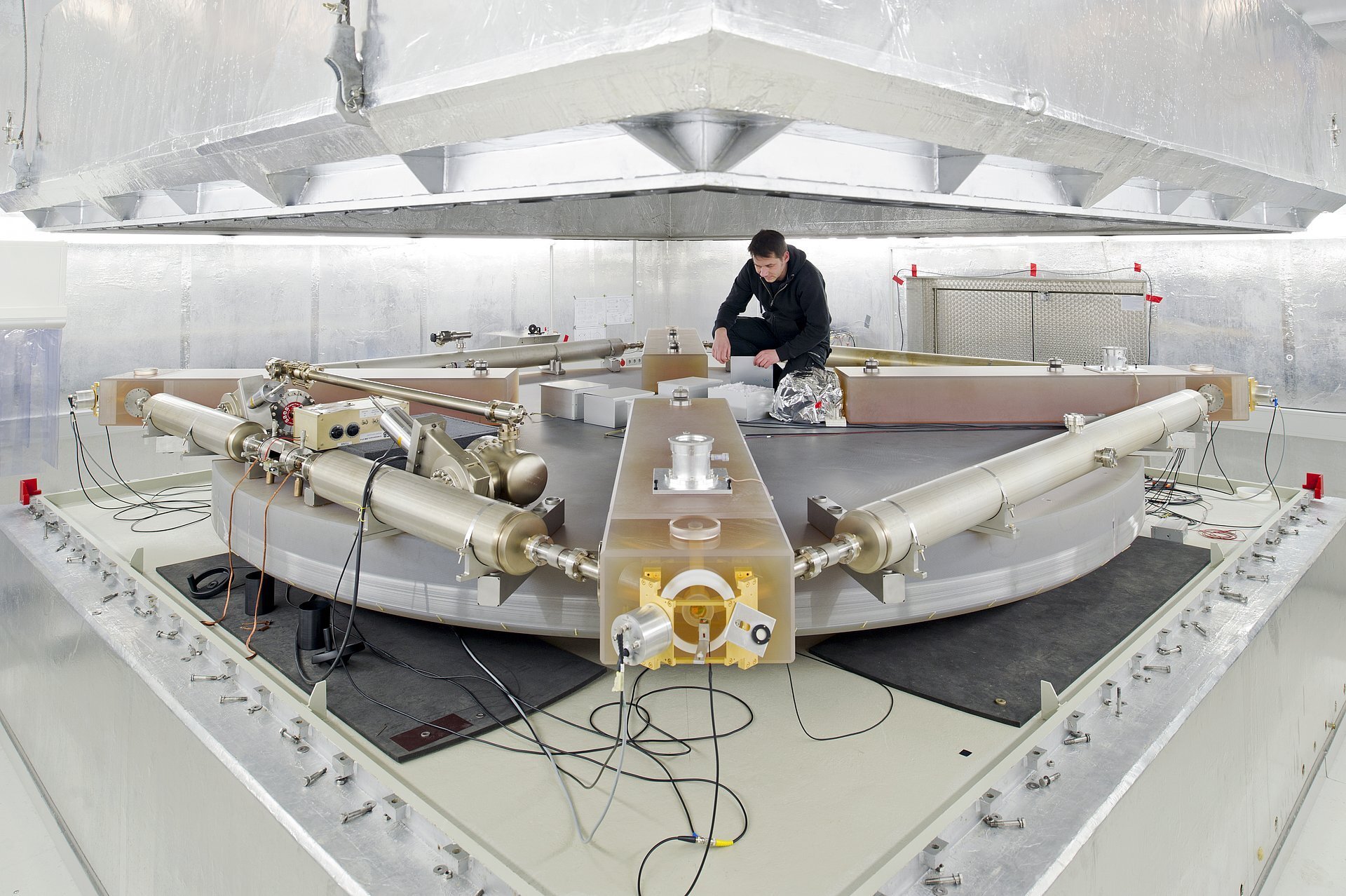
Most people are familiar with the fact that the Earth spins on its axis once every day. The spin however, isn’t as steady as you might think. Like a spinning top slowing down, Earth’s axis wobbles, scribing out a circle on the night sky that currently points very close to the Pole Star in the northern hemisphere. This wobble is driven by the shape of the Earth and for decades, this wobble has been tracked by a network of radio telescopes. A team of astronomers have measured this wobble to a level of accuracy that has never been achieved before.
Continue reading
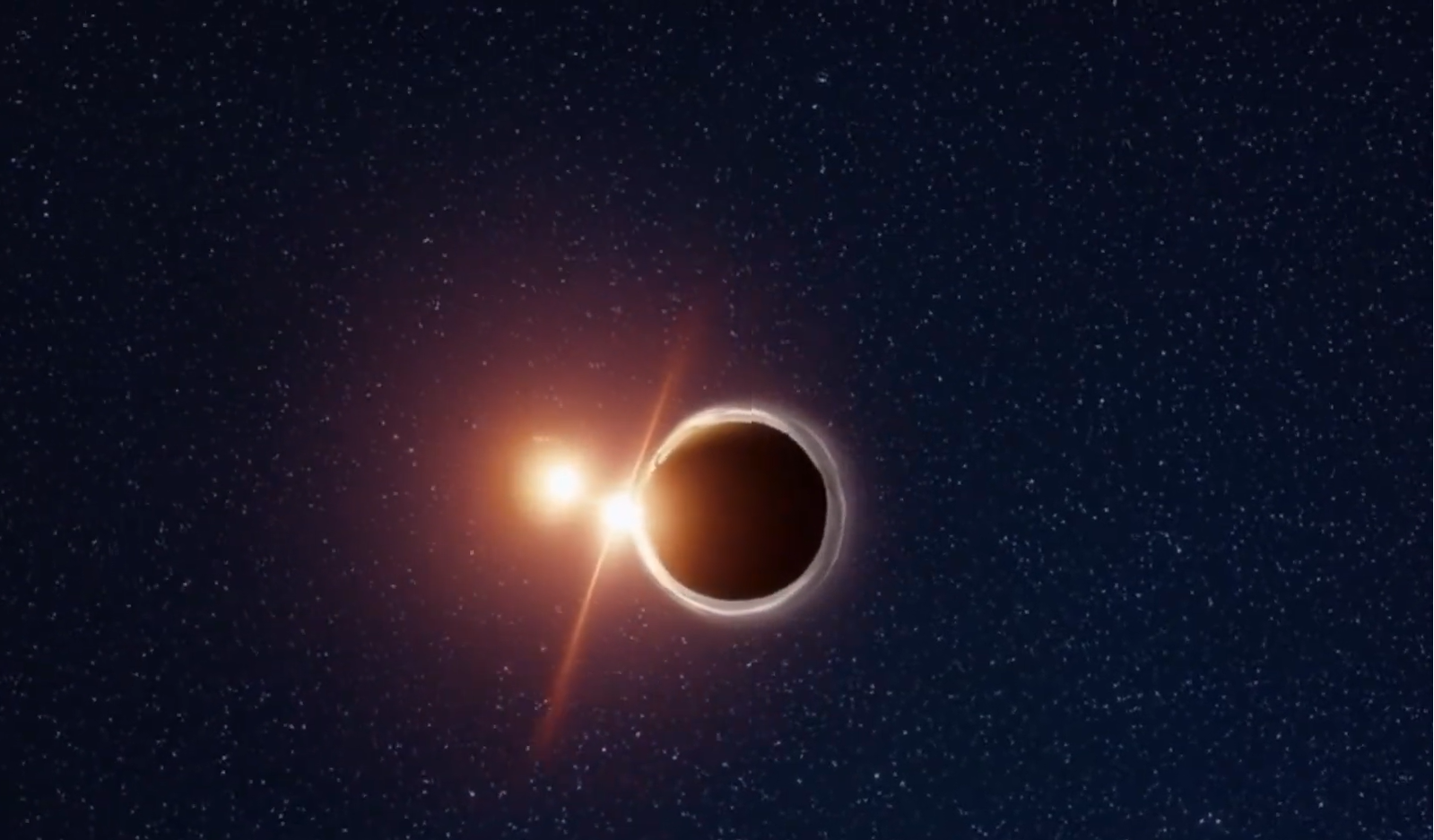
Researchers Uncover True Source of KOI-1755 Transit Signal Using Kepler Space Telescope
kerryhensley45577
Mon, 09/08/2025 - 10:36
Researchers Uncover True Source of KOI-1755 Transit Signal Using Kepler Space Telescope
https://english.cas.cn/newsroom/research_news/phys/202509/t20250904_1053933.shtml
Continue reading
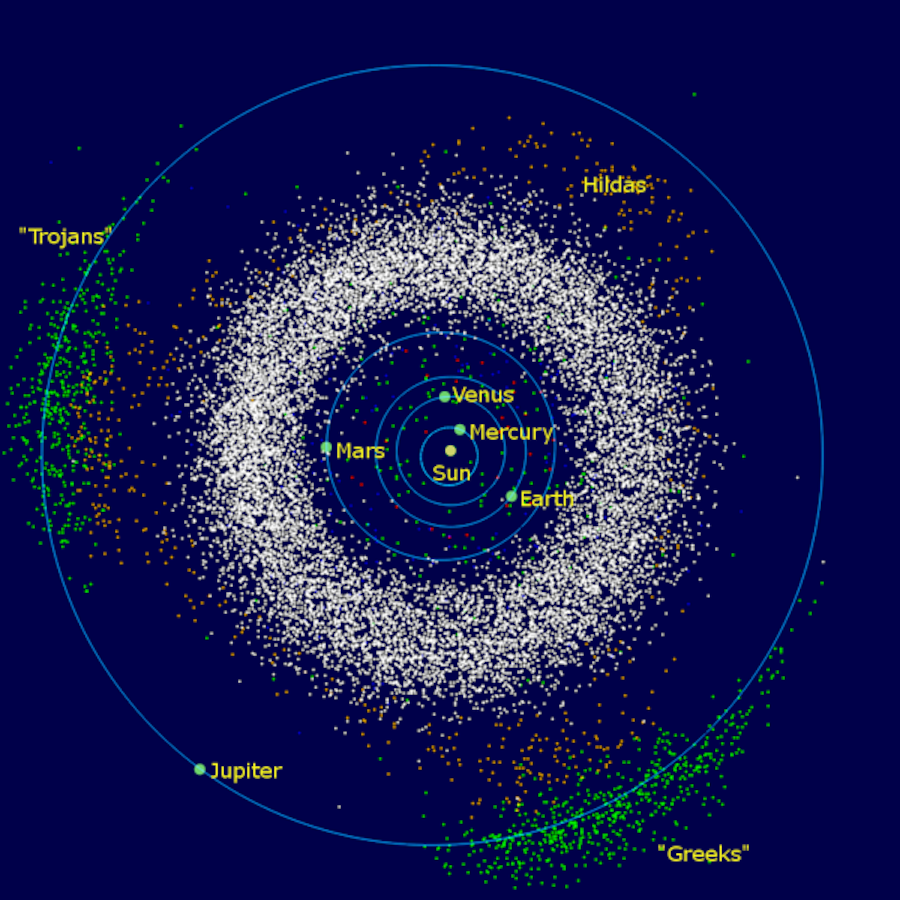
Asteroids have held a special place in my heart ever since I saw one silently drift between Earth and the Moon a good few years ago. Never studied them properly so more of a passing interest but any time a story relating to asteroids pops up it peaks my interest. For the most part, the origin of an asteroid is the asteroid belt, a ring of rocky debris orbiting between Mars and Jupiter. A new study has calculated precisely how fast this reservoir of space rocks is being depleted from collisions and gravitational interactions that evict asteroids and just where that material ends up.
Continue reading
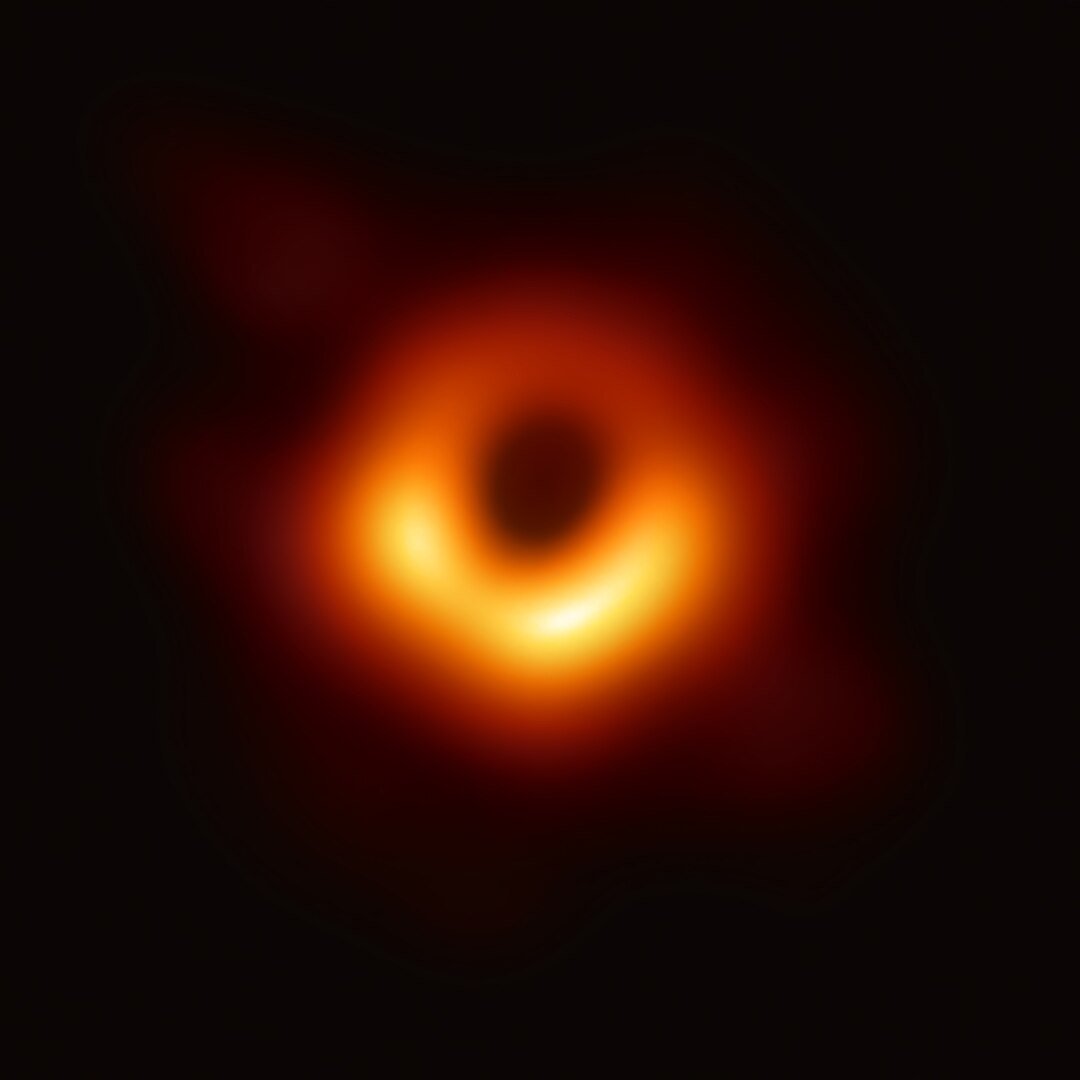
Black holes, regions of space where gravity is so intense that even light cannot escape, have captivated astronomers for decades. Some are the result of stellar death while others sit at the hearts of quasars, galaxies that shine so brightly they can be spotted from billions of light years away. Understanding how these supermassive black holes grow so massive, so quickly, has been one of the great puzzles of modern astrophysics, however, a new observation using cutting edge technology has just thrown a spanner in the works.
Continue reading
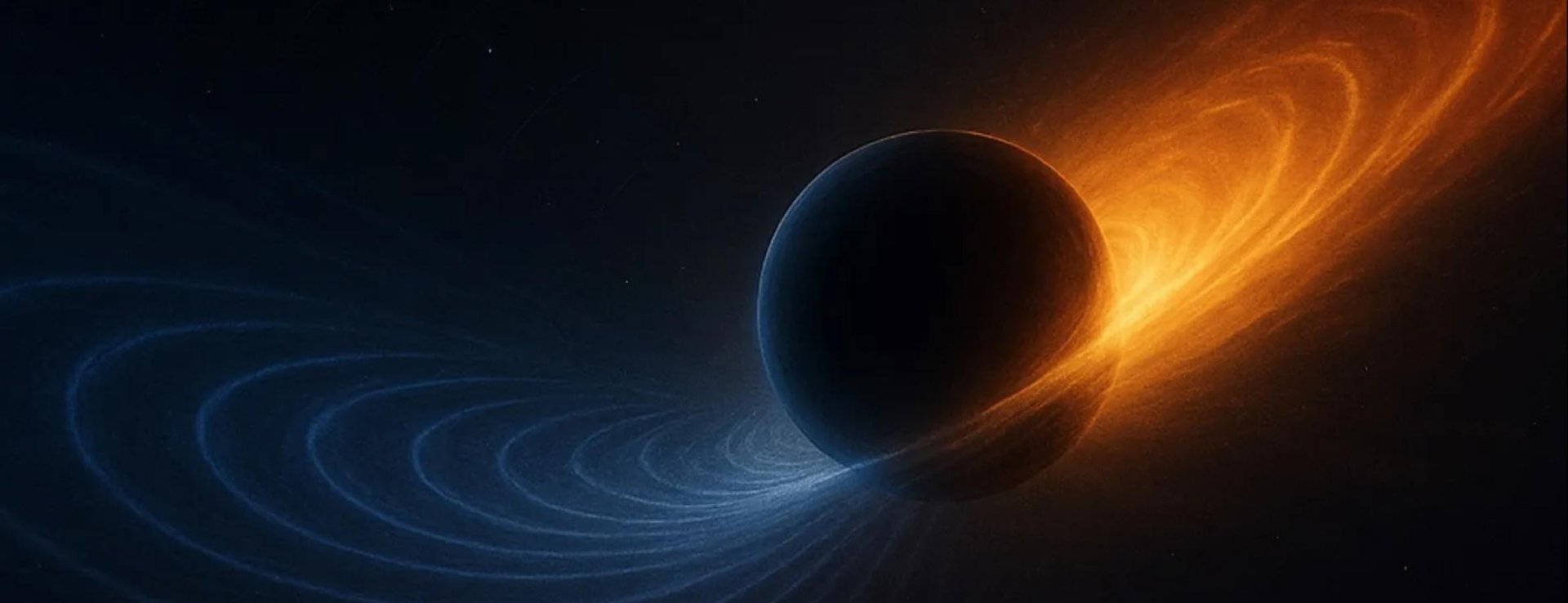
Black hole mergers are some of the most violent events in the universe. Just how violent is becoming more clear in part due to a new paper published in Nature Astronomy. For the first time, it tracks the “recoil” that the newly formed black hole gets from asymmetric gravitational waves that are released during the merger. Turns out they are strong enough to “kick” the new, supermassive combined black hole into motion at a speed of thousands of kilometers a second.
Continue reading
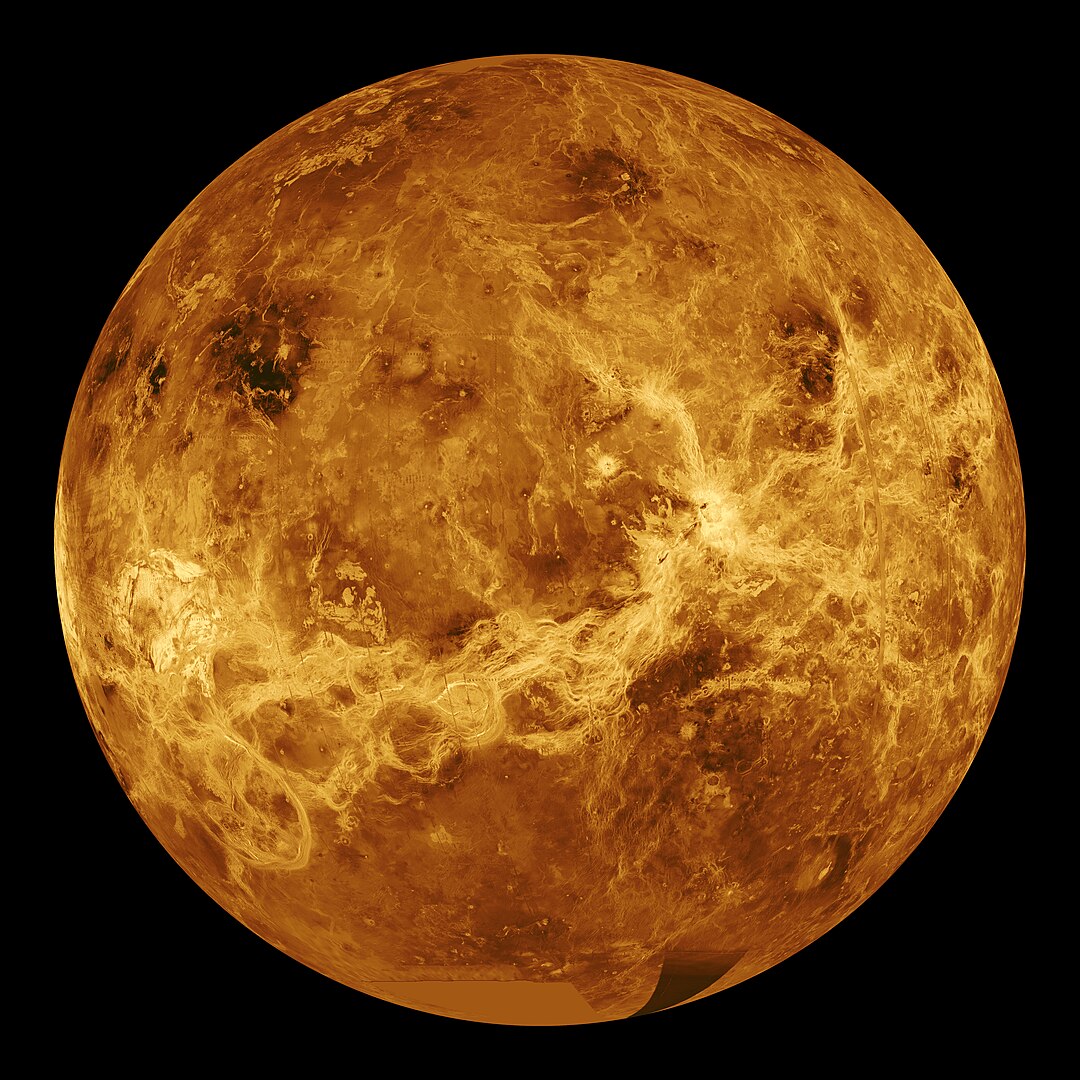
Venus has often been called Earth’s sister planet however there are stark differences between them. Among the similarities are a number of geological features and lava tubes are just one example. These natural tunnels form when the surface of a lava flow cools and solidifies while hot lava continues to flow beneath. They are common in Iceland and Hawaii and now, for the first time they have been found on Venus too.
Continue reading
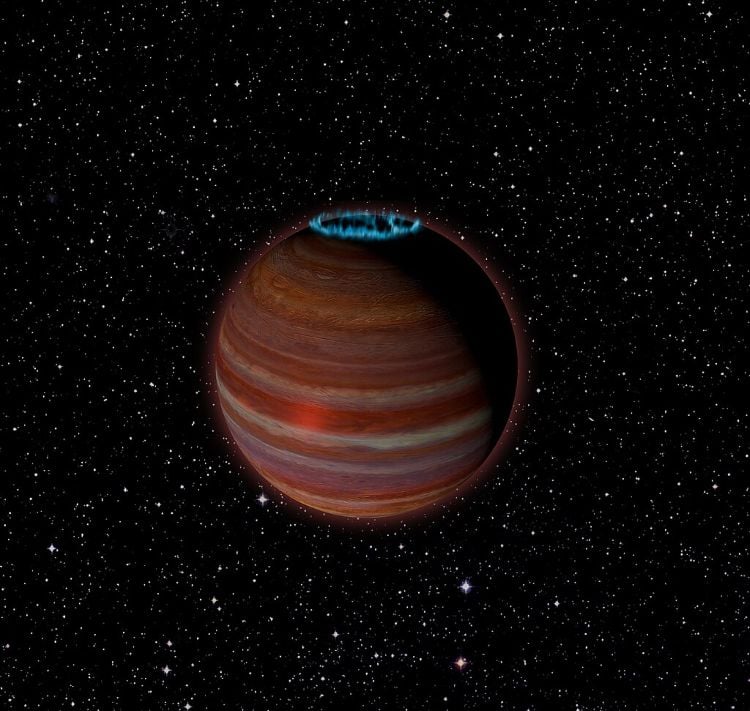
What can auroras on a rogue planet teach astronomers about planetary formation and evolution? This is what a recent study published in Astronomy & Astrophysics hopes to address as an international team of researchers investigated the atmospheric composition of a nearby rogue planet, including its atmospheric temperature and auroras. This study has the potential to help astronomers better understand rogue planets, along with additional planetary atmospheric formation and evolutionary traits.
Continue reading
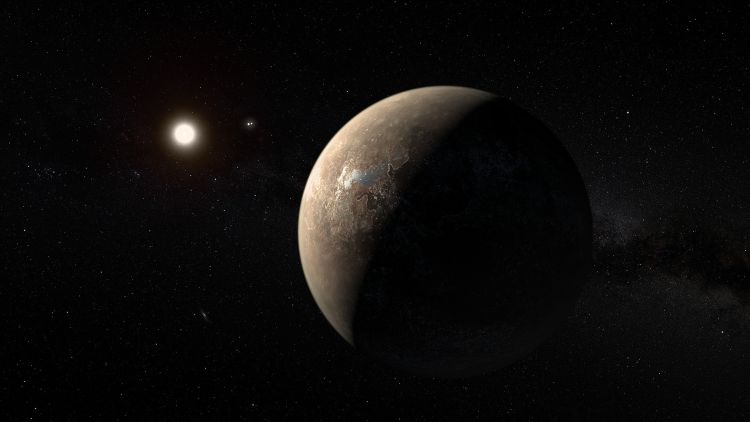
What new methods can be employed to help astronomers distinguish the light from an exoplanet and its host star so the former’s atmosphere can be better explored? This is what a recent study accepted to Astronomy & Astrophysics hopes to address as an international team of researchers investigated how a novel and proposed telescopic instrument that could be capable of characterizing exoplanet atmospheres in new and exciting ways. This study has the potential to help scientists develop novel tools for examining exoplanets and whether they could possess life as we know it, or even as we don’t know it.
Continue reading
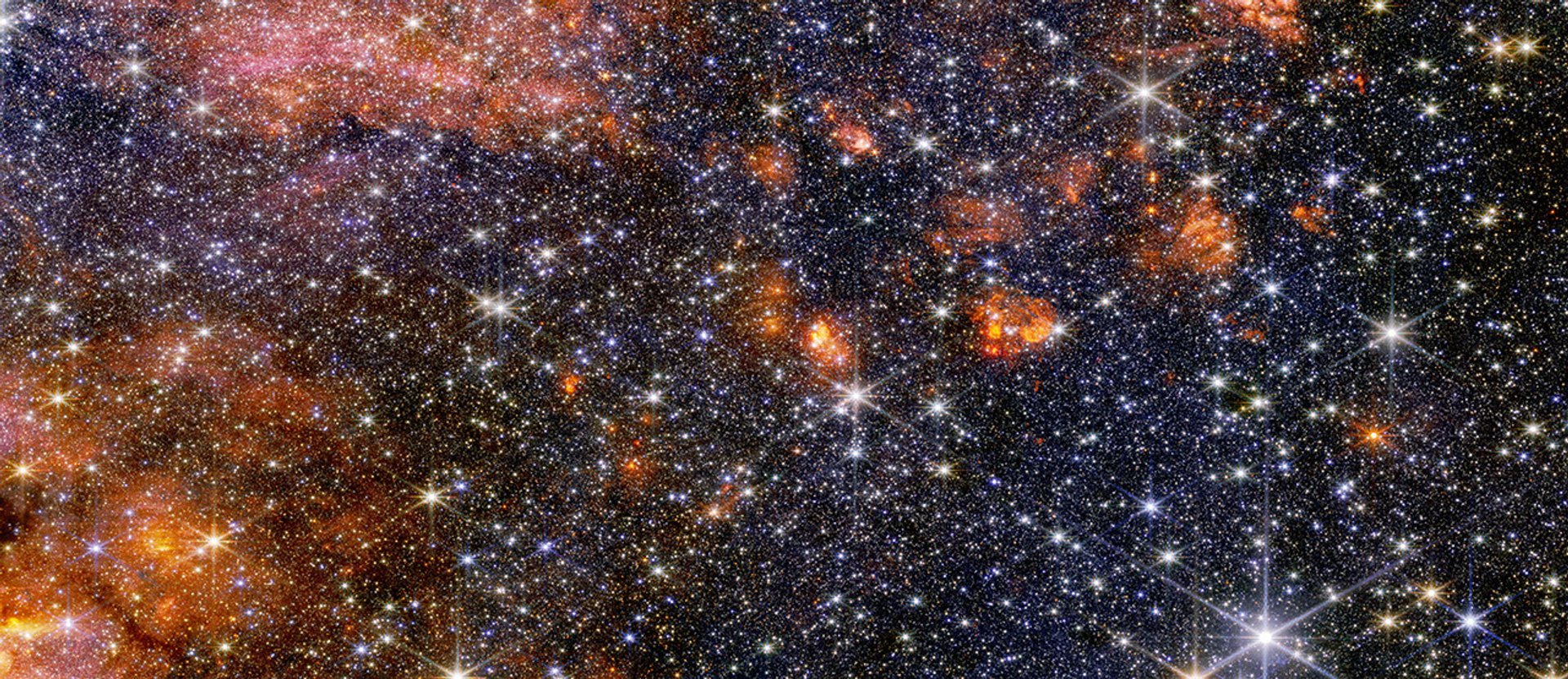
NASA’s James Webb Space Telescope has revealed a colorful array of massive stars and glowing cosmic dust in the Sagittarius B2 molecular cloud, the most massive and active star-forming region in our Milky Way galaxy.
Continue reading
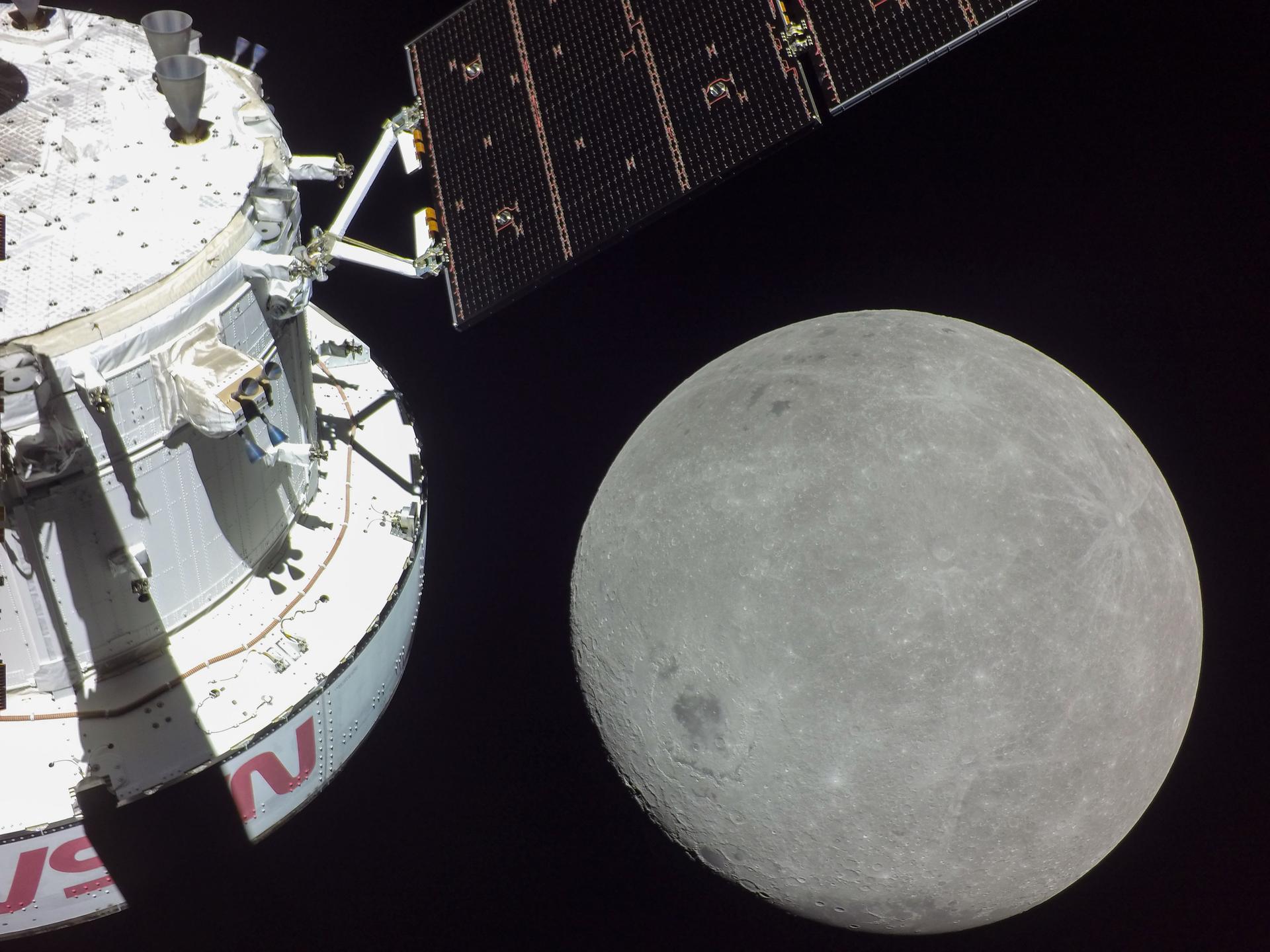
NASA announced that Artemis II, the first crewed mission to the Moon since the Apollo Era, will launch by February 2026. The crew has named their spacecraft "Integrity" to honor the efforts those working tirelessly to realize NASA's long-awaited return to the Moon.
Continue reading
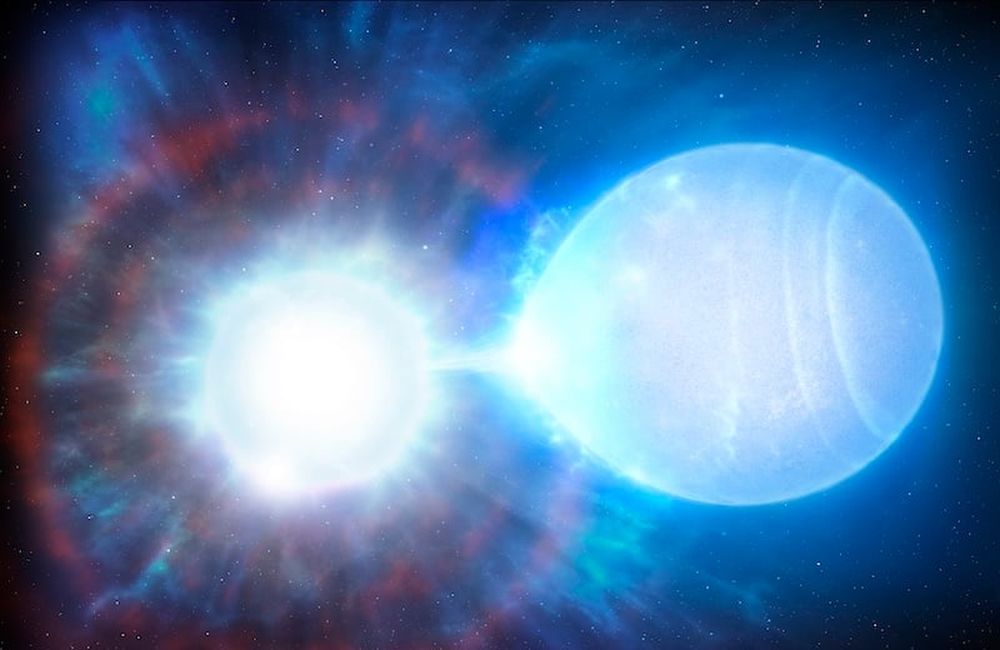
A new article published in The Astrophysical Journal explores a new theory of how Type Ia supernovae, the powerful stellar explosions that astronomers use to measure distances across the universe, might be triggered. Traditionally, these supernovae occur when a white dwarf star explodes after interacting with a companion star. But this explanation has limitations, leaving open questions about how these events line up with the consistent patterns astronomers actually observe.
Continue reading
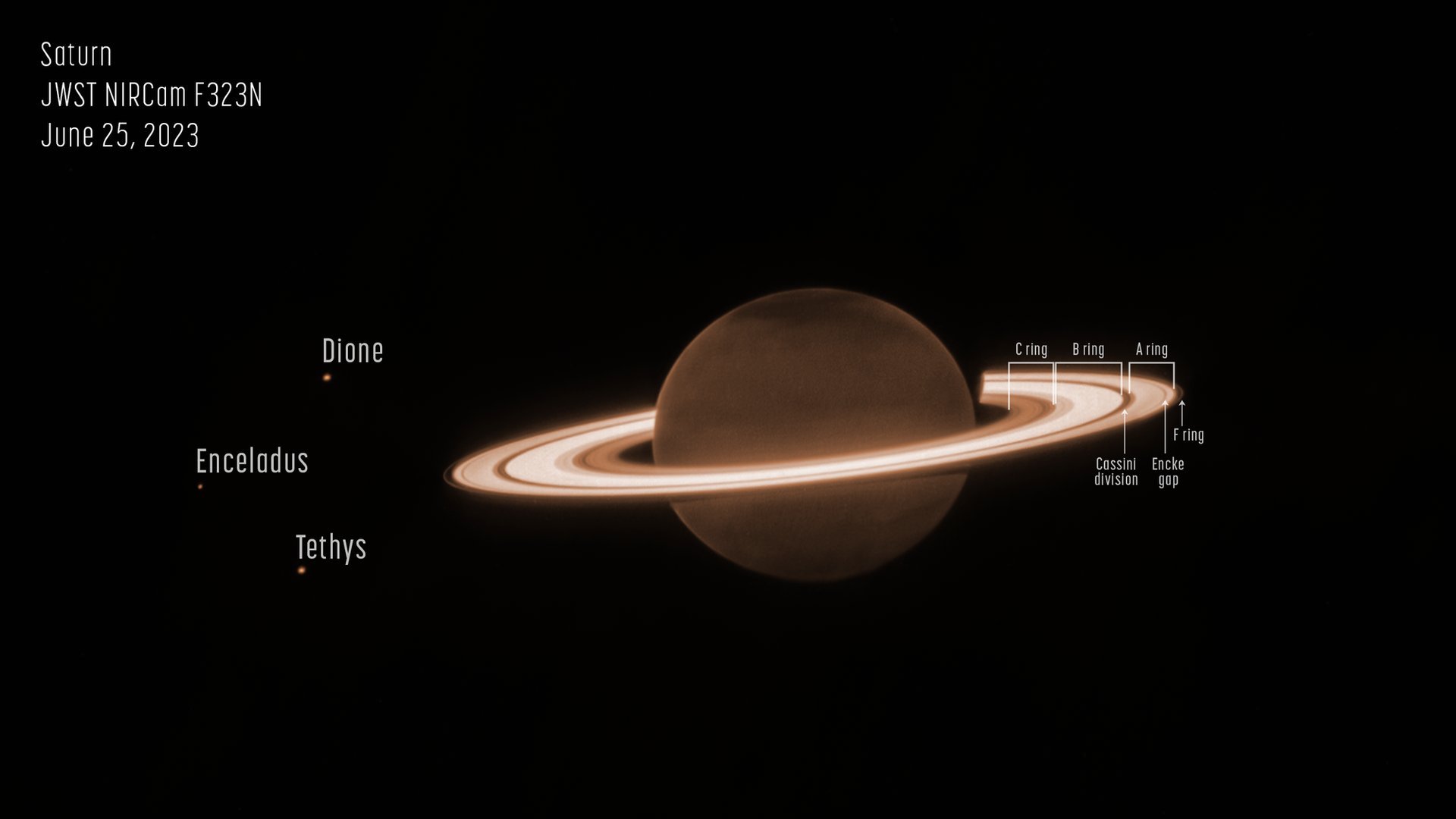
A study of Saturn's atmospheric structure using data from the James Webb Space Telescope (JWST) has revealed complex and mysterious features unseen before on any planet in our Solar System. The results were presented last week by Professor Tom Stallard of Northumbria University, at the EPSC-DPS2025 Joint Meeting in Helsinki.
Continue reading
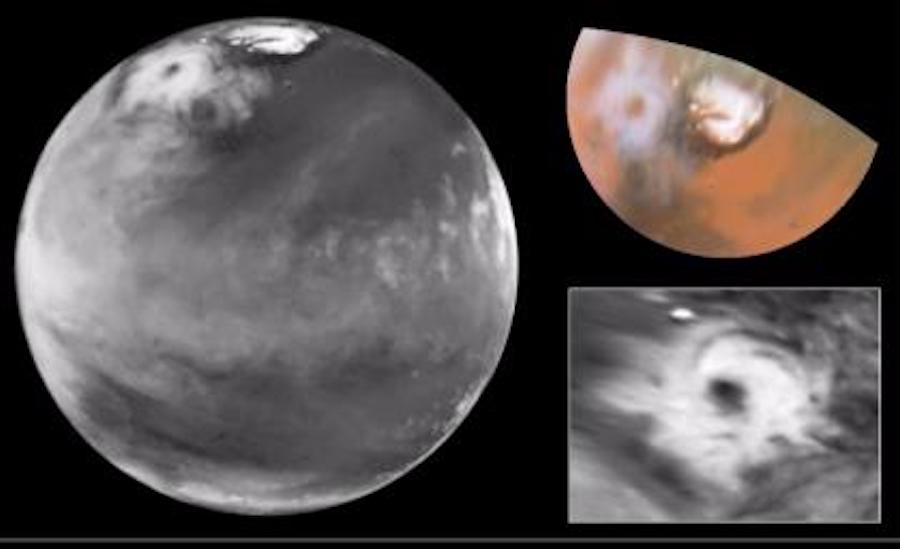
Mars holds a special place in my heart being the second planet I saw through a telescope. It’s probably fair to say that it’s held a special place for many as we continue to explore the fascinating world that is the red planet. Scientists studying Mars have recently uncovered a seasonal phenomenon that could change our understanding of the potential for it to support life. Their discovery, a swirling polar vortex that forms of the Martian north pole every winter.
Continue reading
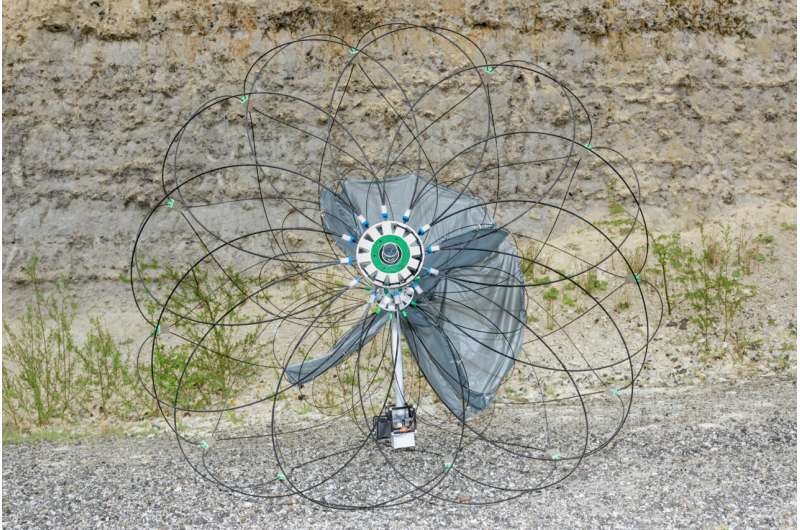
Tumbleweeds offer iconic visual depictions of desolate landscapes. Though typically associated with the American West, the most common type of tumbleweed actually originated in Europe, and is known scientifically as salsola targus, or more commonly as Russian thistle. So its only fitting that a team led by European scientists has some up with an idea based on the tumbleweed’s unique properties that could one day have groups of them exploring Mars.
Continue reading
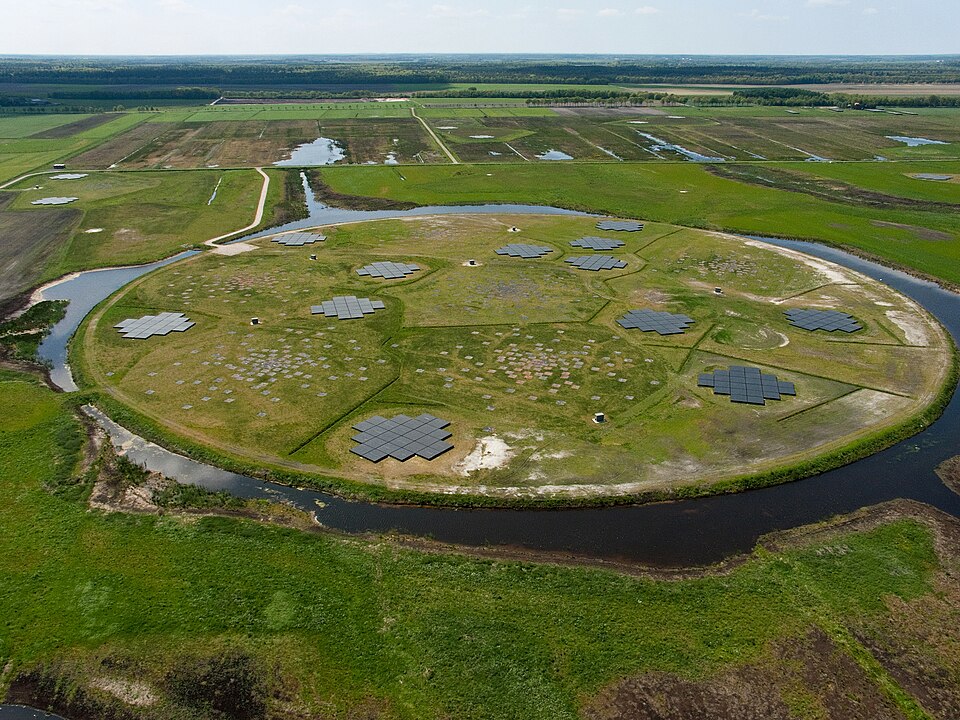
Visual observations have, over the years had to battle light pollution, weather, aircraft and even satellite constellations. Radio observations have until recently, been reasonably well protected however in their attempt to preserve the “quiet skies” a team of radio astronomers have secured a significant victory. For the first time, they've joined forces with the International Special Committee on Radio Interference, a committee that sets global standards for preventing electronic interference.
Continue reading
 Universe Today