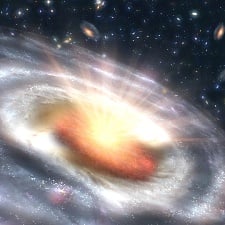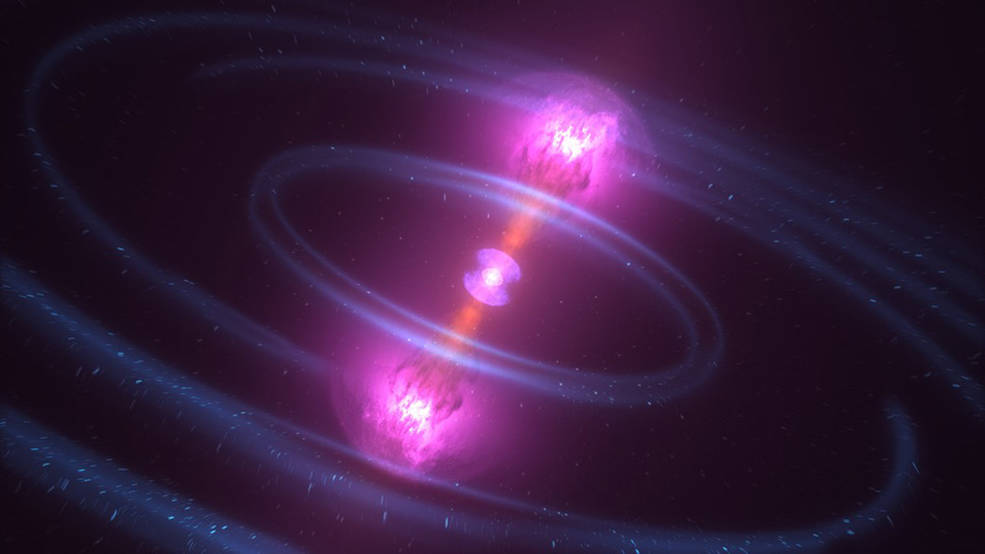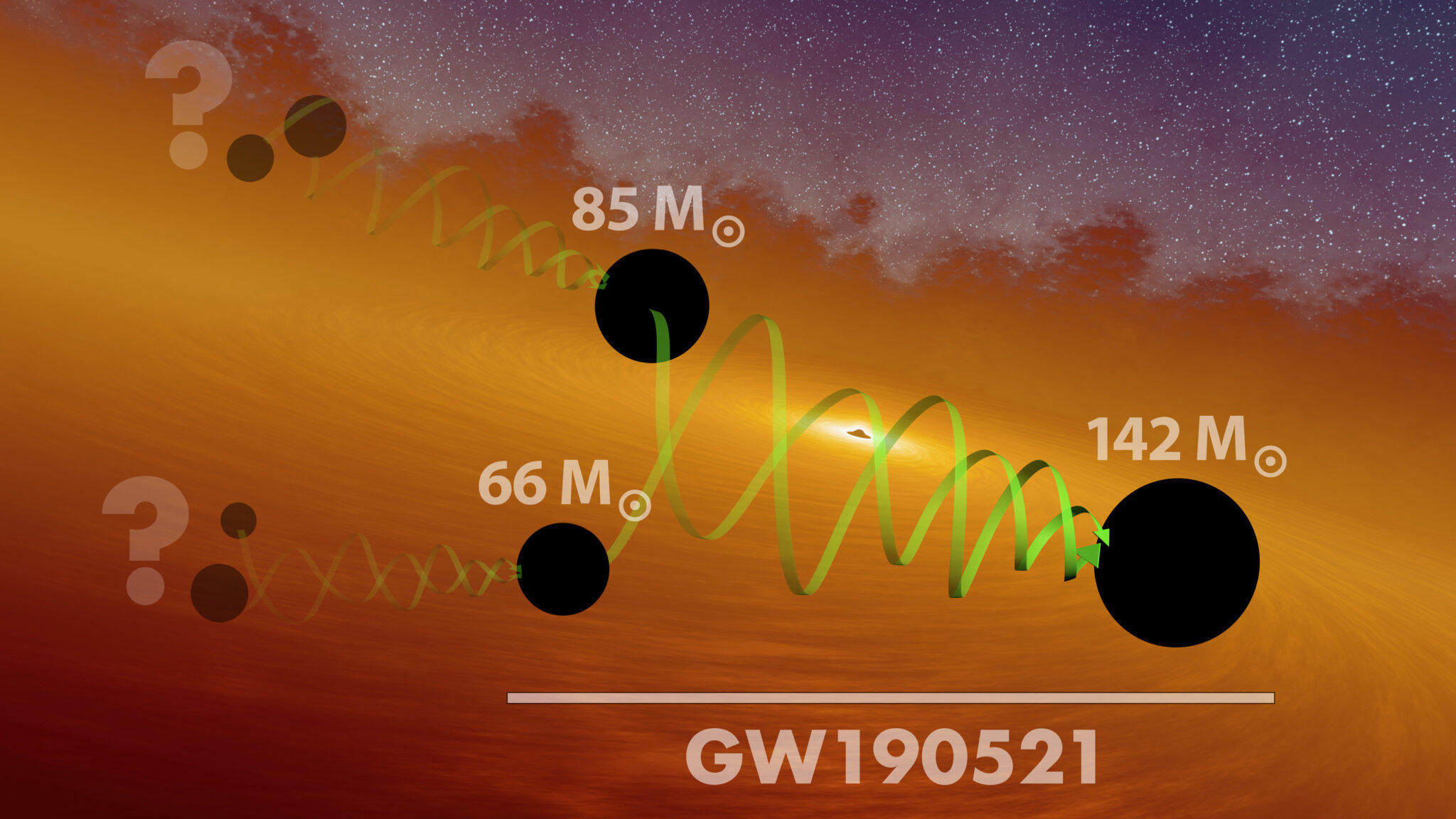
Many of the black holes astronomers observe are the result of mergers from less massive black holes. Using gravitational waves, we can observe two black holes coming together and their combined remnant. But can astronomers observe a black hole and work out the masses of the objects that came together? Can we build a black hole's family tree? In a new paper, researchers propose that the nearby environment puts limits on the kinds of black holes that can merge.
Continue reading
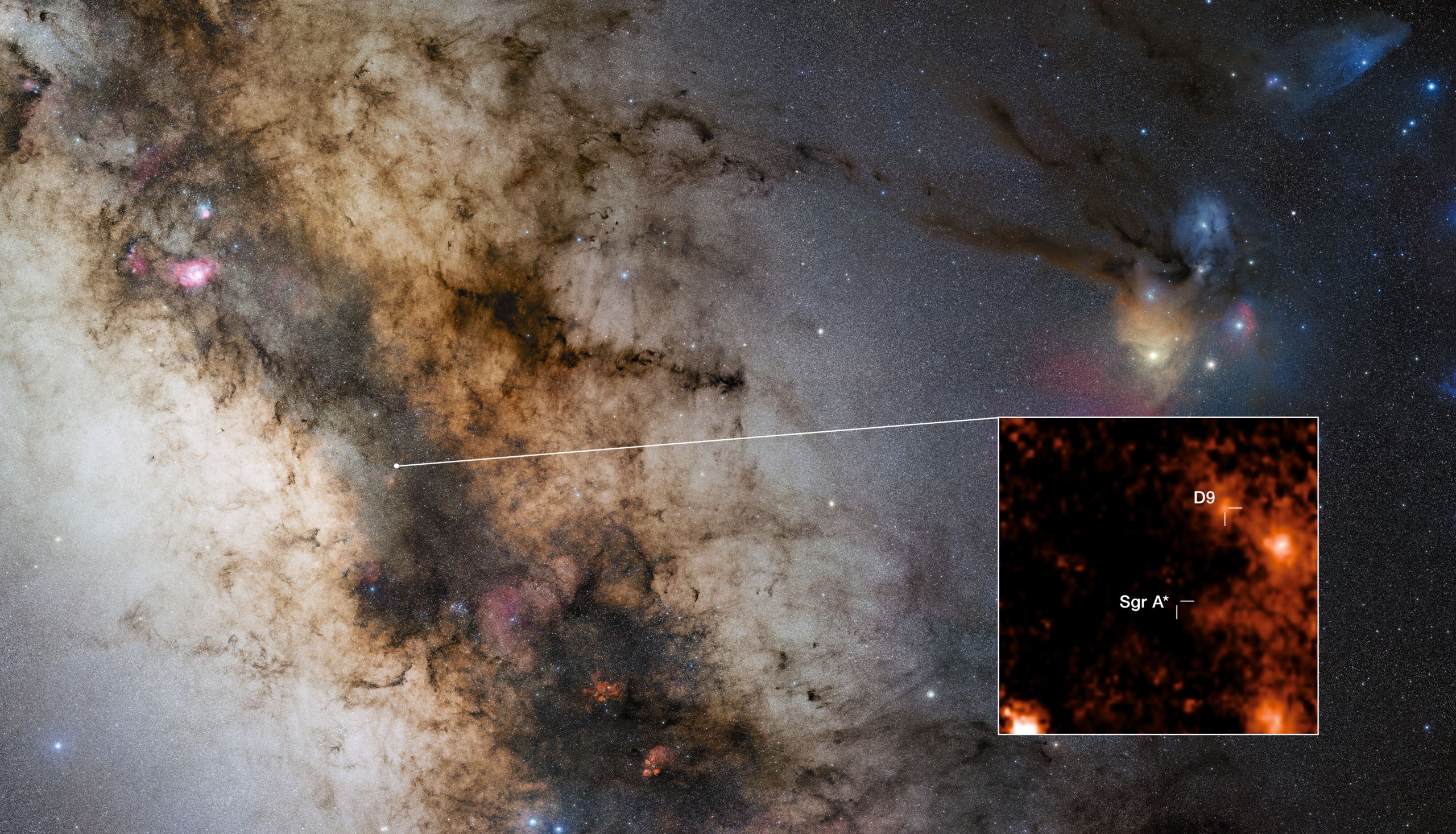
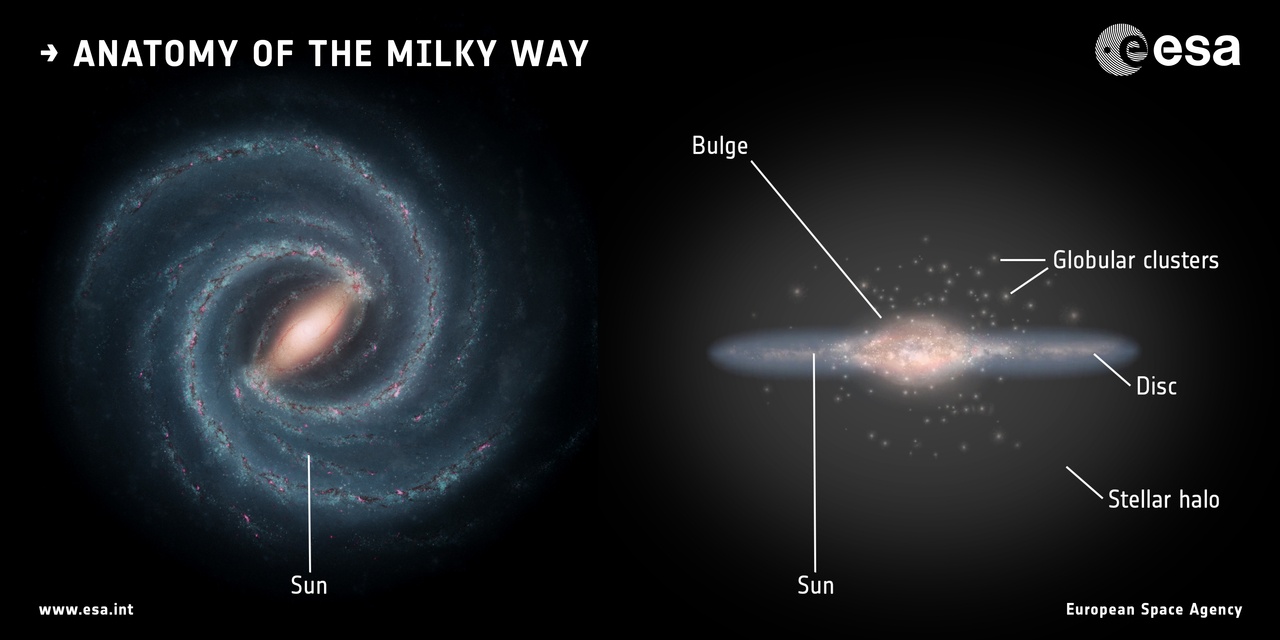
Astronomers have already discovered many stars orbiting the supermassive black hole at the heart of the Milky Way, Sgr A*. Now, researchers have announced they've found a binary star system in the vicinity too. This is surprising since Sgr A* tears at nearby stars with its ferocious tidal forces, and you'd expect binary stars to be separated from one another after too many close flybys. Well, there they are, still a pair after millions of years.
Continue reading
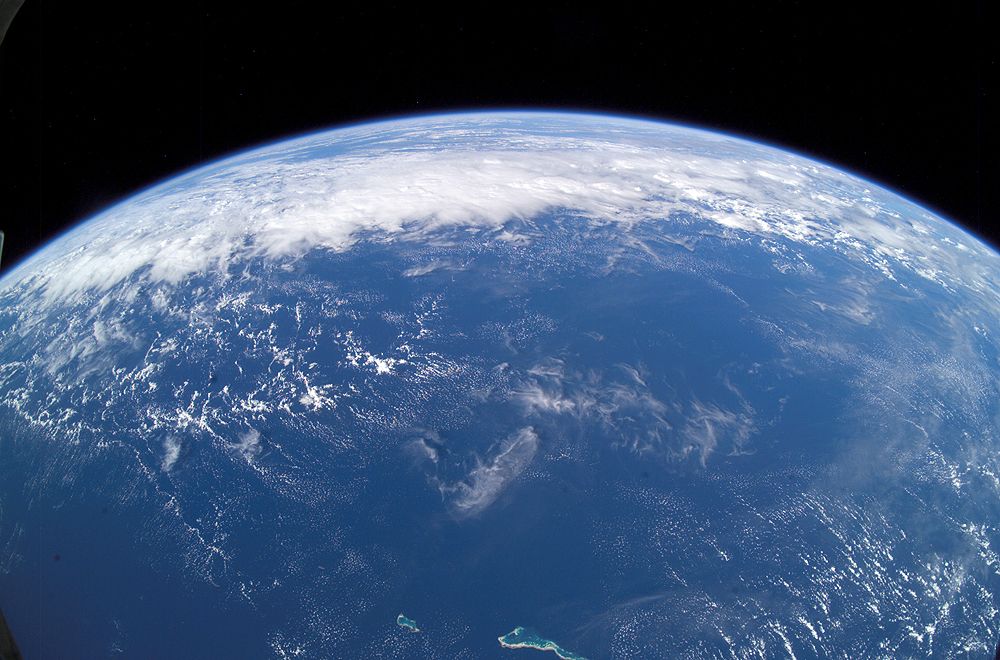
Don Pettit is one of the astronauts currently on board the International Space Station. He's also a serious shutterbug and amateur astronomer. To take advantage of his current lofty perspective, he rigged up a special star tracking mount that he could use to take long-exposure astrophotos from the ISS. The homemade orbital sidereal tracker rotates at a 90-minute period to match the pitch rate of the ISS, allowing him to take 30-second exposures.
Continue reading
 Universe Today