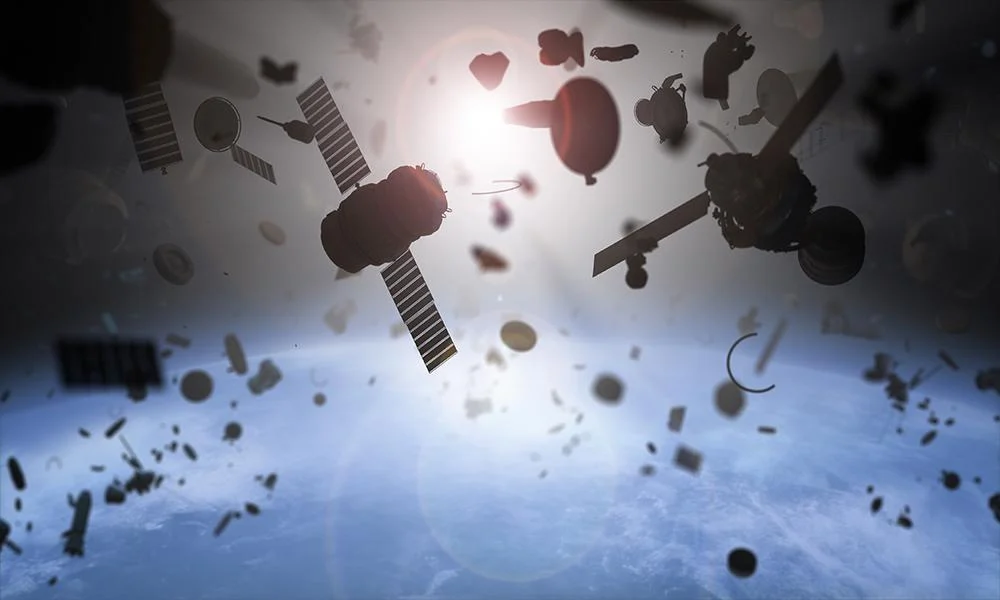
More and more satellites are being added to Low Earth Orbit (LEO) every month. As that number continues to increase, so do the risks of that critical area surrounding the Earth becoming impassable, trapping us on the planet for the foreseeable future. Ideas from different labs have presented potential solutions to this problem, but one of the most promising, electrodynamic tethers (EDTs), have only now begun to be tested in space. A new CubeSat called the Spacecraft for Advanced Research and Cooperative Studies (SPARCS) mission from researchers at the Sharif University of Technology in Tehran hopes to contribute to that effort by testing an EDT and intersatellite communication system as well as collecting real-time data on the radiation environment of its orbital path.
Continue reading
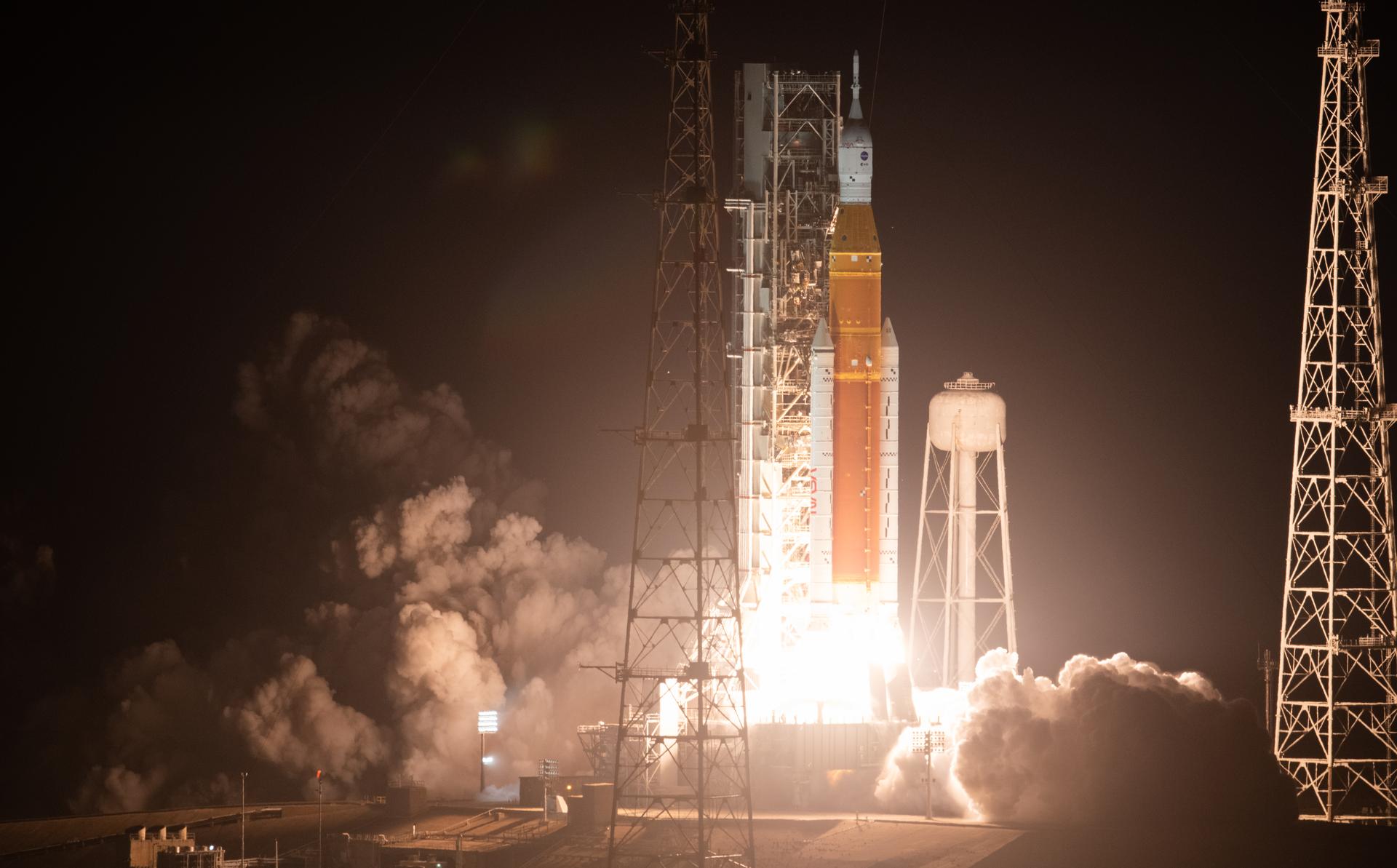
A recent study looked at the challenges New Space may face, in terms of impact on the ozone layer. The study was published recently in the journal of Nature (link) by researchers out of University of Canterbury in Christchurch, New Zealand, Harvard University, and the Institute for Atmospheric Climate Science and the Physics-Meteorology Observatory in Switzerland.
Continue reading
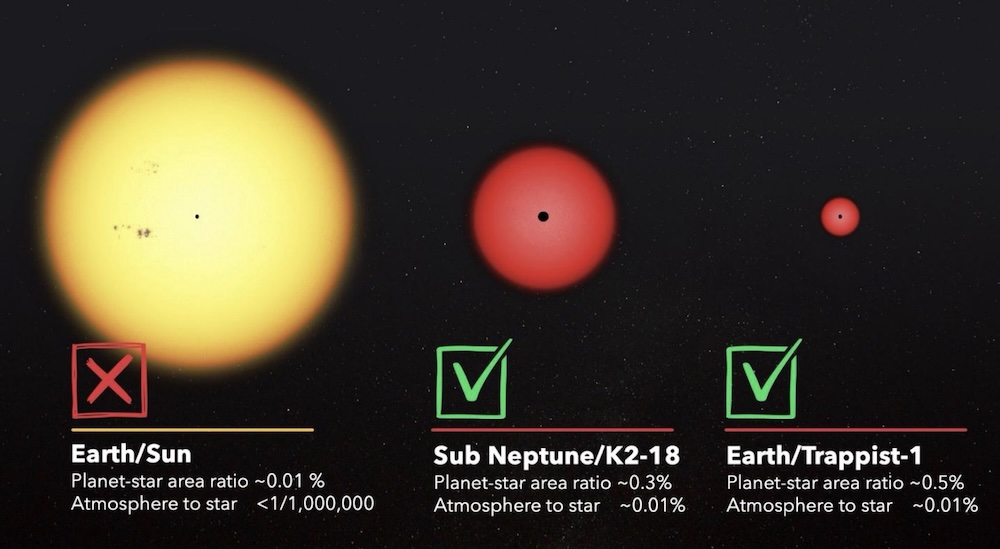
With over 5,000 exoplanets now identified, astronomers have found that our Solar System isn't the only model of planetary formation. There are super-Earths, sub-Neptunes, hot-Jupiters, and Earth-sized worlds orbiting around red dwarf stars. In a new paper, researchers propose how the search for life could adapt to these bizarre environments, expanding the definition of a habitable world. Life could exist without a surface, or using different kinds of solvents than water.
Continue reading
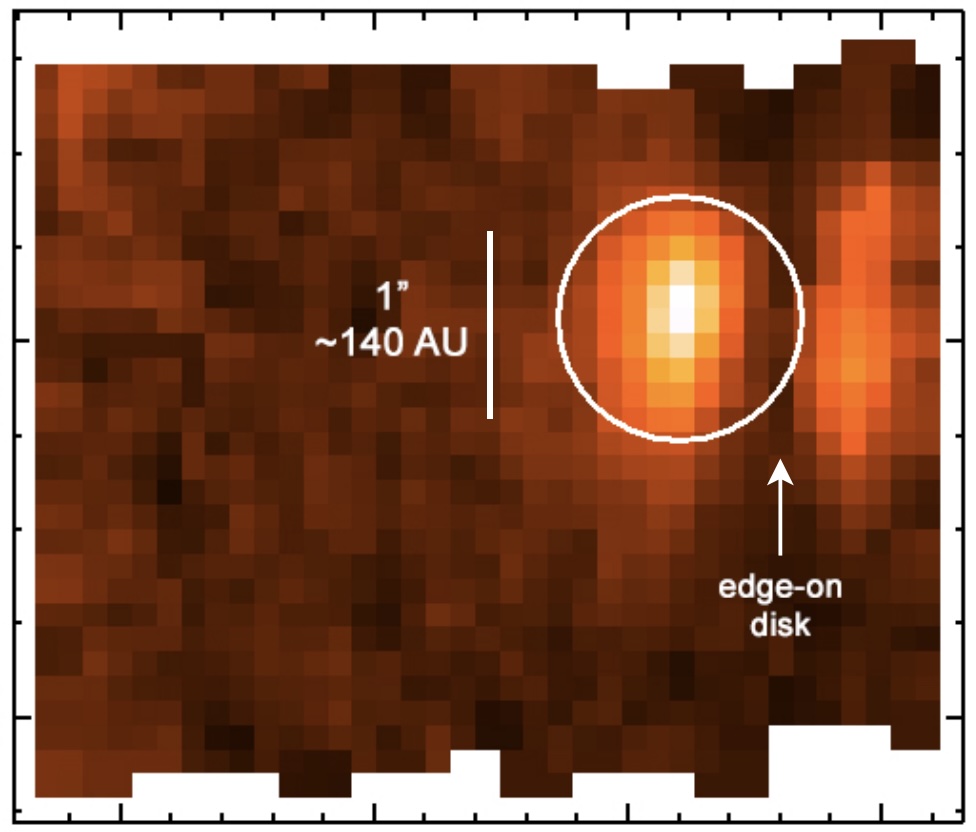
The early Solar System was filled with both hydrogen and oxygen that can chemically bond into water. But did we create all the water, or was some of it inherited from the earlier times, already present in the protostellar nebula? Astronomers have used the James Webb Space Telescope to study a newly-forming protoplanetary system called L1527 IRS, which will eventually become a star like our Sun. They found evidence that water from interstellar space is preserved when it becomes part of a new star system.
Continue reading
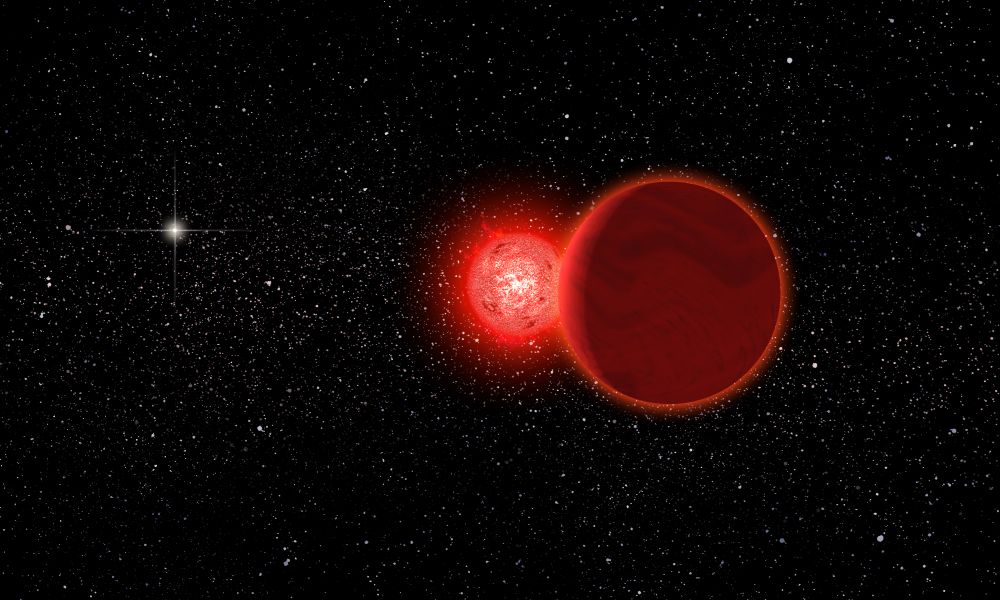
If our Solar System seems stable, it's because our short lifespans make it seem that way. Earth revolves, night follows day, the Moon moves through light and shadow, and the Sun hangs in the sky. But in reality, everything is moving and influencing everything else, and the fine balance we observe can easily be disrupted. Could passing stars have disrupted Earth's orbit and ushered in dramatic climatic changes in our planet's past?
Continue reading
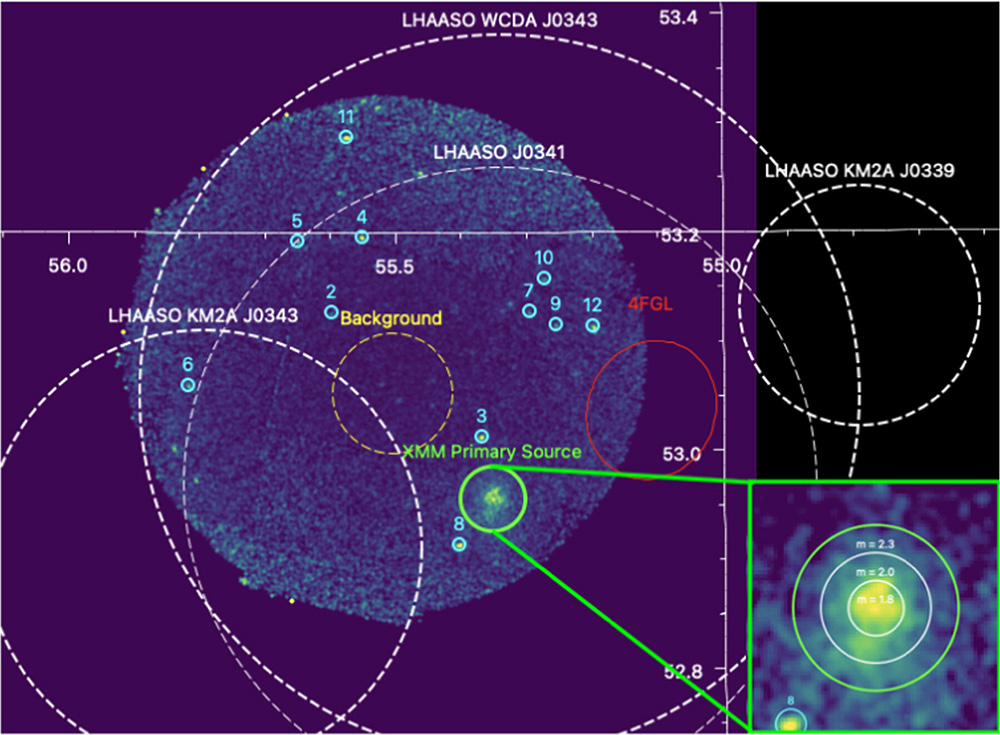
In 1912, astronomer Victor Hess discovered strange, high-energy particles called "cosmic rays." Since then, researchers have hunted for their birthplaces. Today, we know about some of the cosmic ray "launch pads", ranging from the Sun and supernova explosions to black holes and distant active galactic nuclei. What astronomers are now searching are sources of cosmic rays within the Milky Way Galaxy. One such source is a pulsar wind nebula sending high-energy particles out to space.
Continue reading
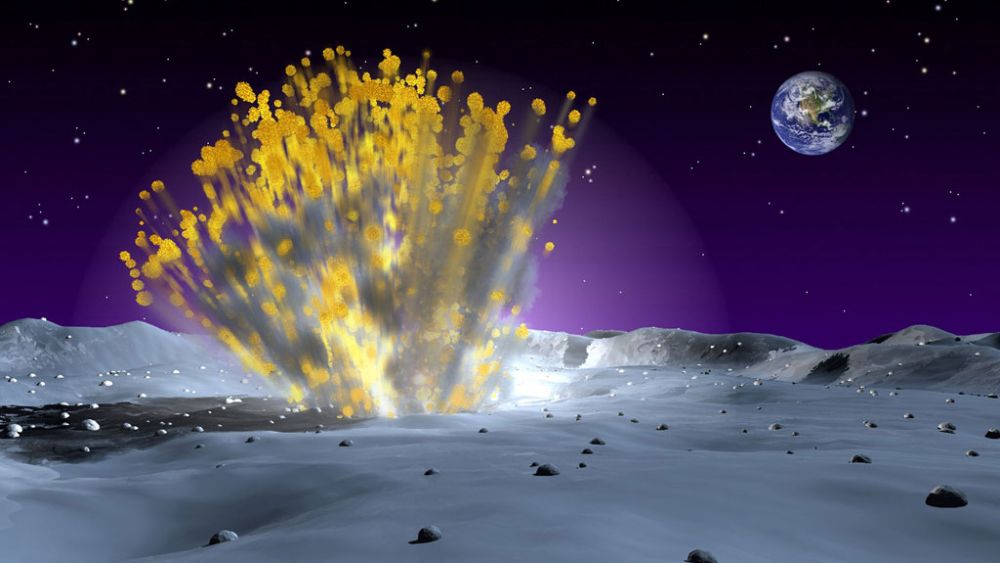
Shortly after astronomers detected asteroid 2024 YR4 on December 27th, 2024, they realized it posed no threat to Earth. But it still might impact the Moon in 2032. The impact debris could threaten satellites and trigger an extraordinarily stunning meteor shower.
Continue reading
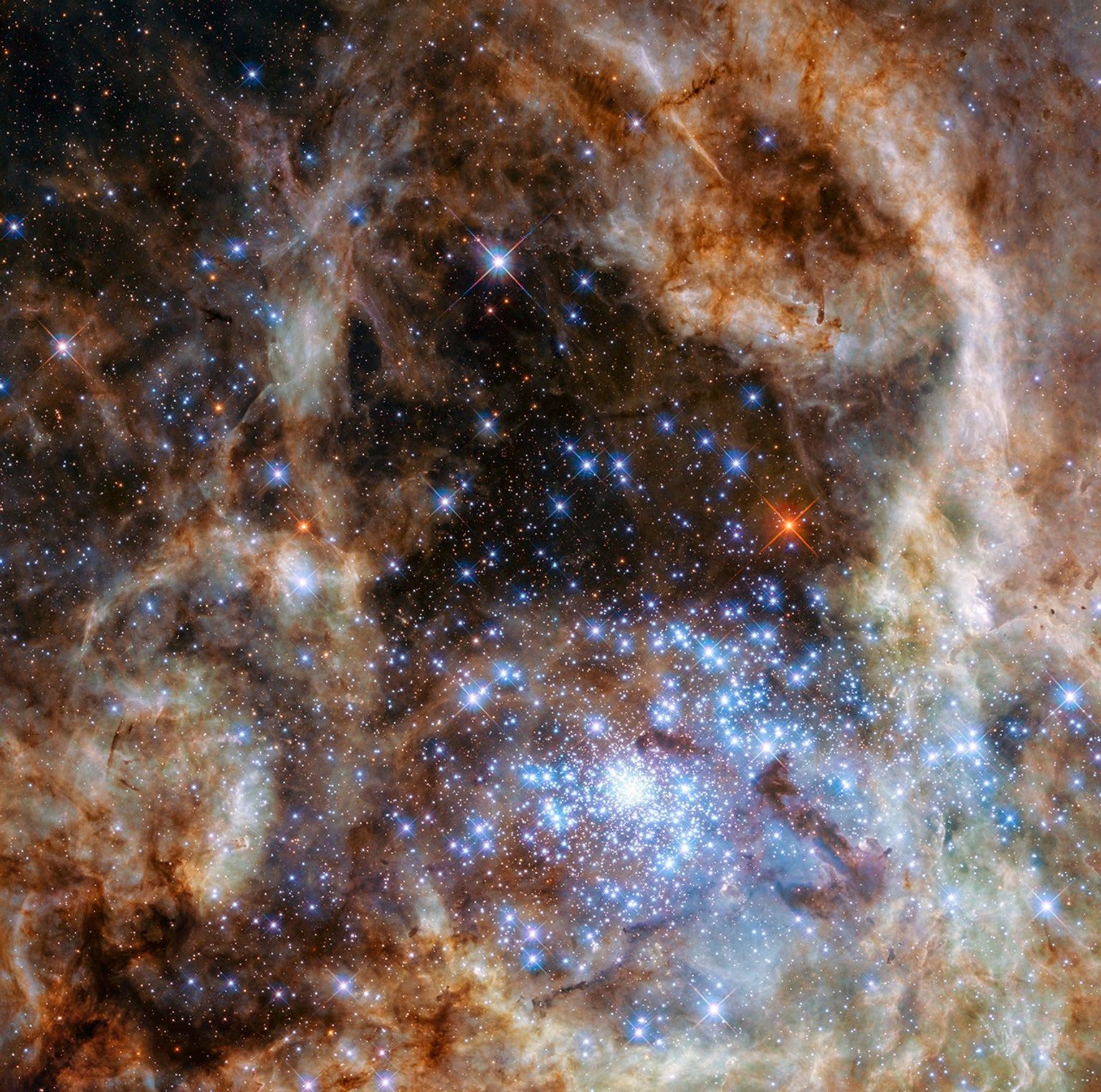
Very massive stars (VMSs), which typically has masses about 100 times that of our own Sun, are critical components in our understanding of the formation of important astronomical structures like black holes and supernovae. However, there are some observed characteristics of VMSs that don’t fit the expected behavior based on the best models we have of them. In particular, they hover around a relatively limited band of temperatures, which are hard to replicate with typical stellar evolution models. A new paper from Kendall Shepherd and their co-authors at the Institute for Advanced Study (SISSA) in Italy describes a series of new models based on updated solar winds that better fit the observations of VMSs in their natural environment, and might aid in our understanding of the development of some of the most fascinating objects in the Universe.
Continue reading

LUNAA Journeys (St. LUcia National Astronomy Association) is looking to address an all too common problem in the global astronomical community. Too often, participation in astronomy is seen as cost prohibitive, the sole pursuit of large universities or organizations that can afford to build a large modern observatory, or launch the Hubble Space Telescope. This is unfortunate, as there’s never been an era of more readily accessible information, out there in terms of astronomy and skywatching.
Continue reading
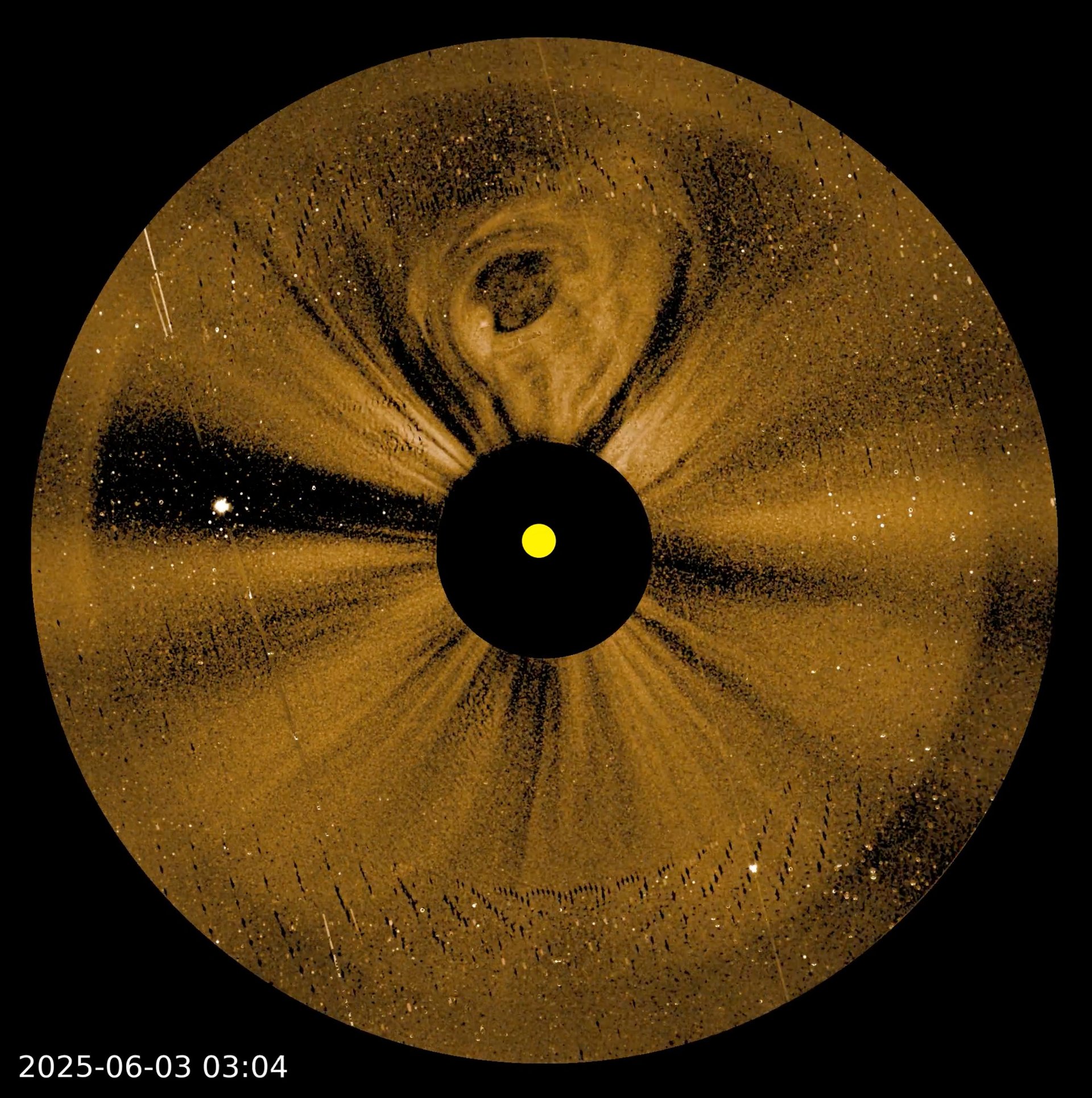
During its commissioning phase, NASA's [*Polarimeter to Unify the Corona and Heliosphere*](https://science.nasa.gov/blogs/punch/) (PUNCH) mission captured high-resolution images of a [Coronal Mass Ejection](https://www.swpc.noaa.gov/phenomena/coronal-mass-ejections) (CME) in greater detail than was previously possible.
Continue reading
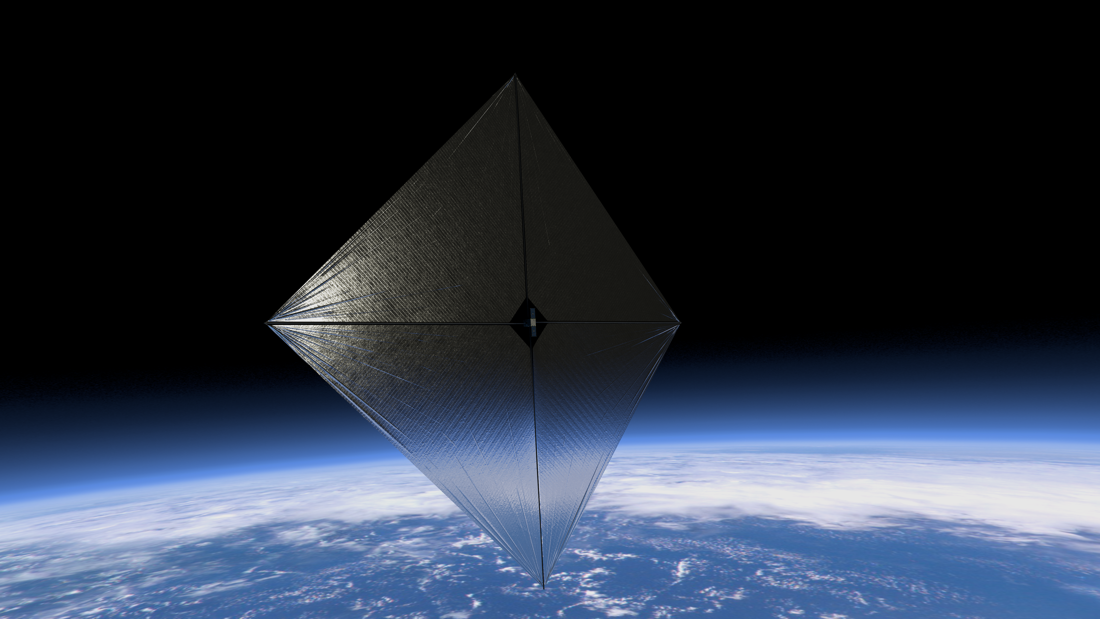
Solar sails are space's ultimate free ride, they get their propulsion from the Sun, so they don't need to carry propellant, but they come with their own challenges. A sail has a large surface area but a low mass, which creates a huge moment of inertia and makes it difficult to control, especially with reaction wheels. A team of engineers have cracked it though with "smart mirrors" that can instantly switch their reflectivity on command, transforming sunlight from an unruly force into a precision steering tool.
Continue reading
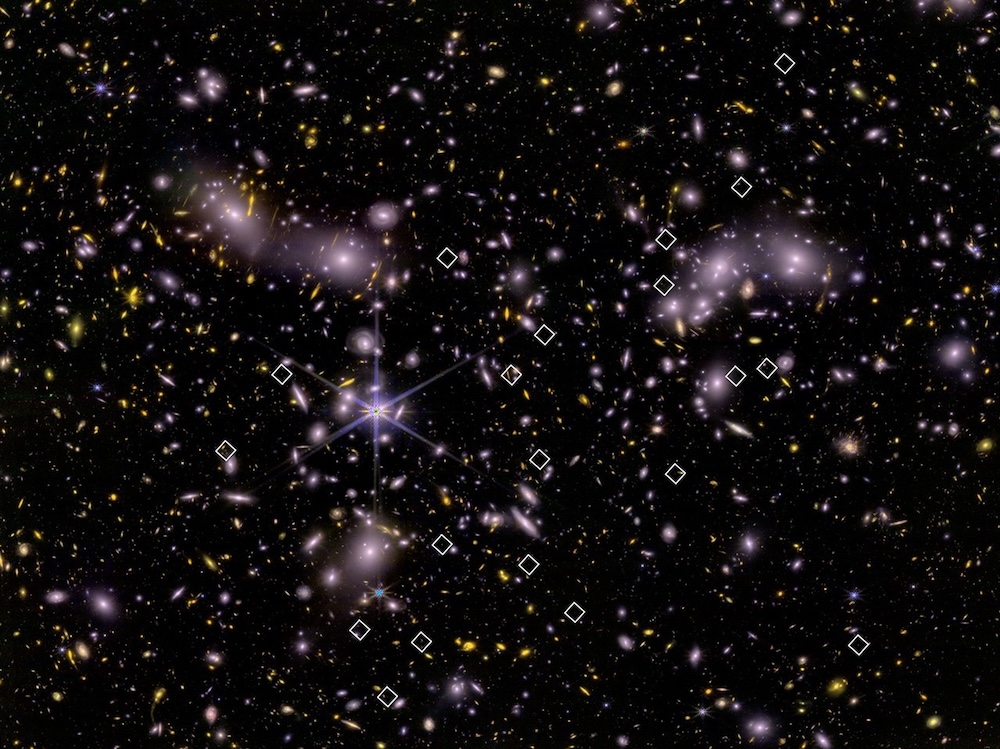
The early universe was shrouded in darkness. Just hundreds of millions of years after the Big Bang, a thick fog of hydrogen gas choked the cosmos, blocking light from traveling far. At some point, this gas became ionized, stripped of its electrons. Thanks to the James Webb Space Telescope, astronomers have identified the culprit: low-mass starburst galaxies emitting huge amounts of ultraviolet light. In just one patch of sky. They discovered 83 of these galactic powerhouses in one part of the sky at a time when the Universe was only 800 million years old.
Continue reading
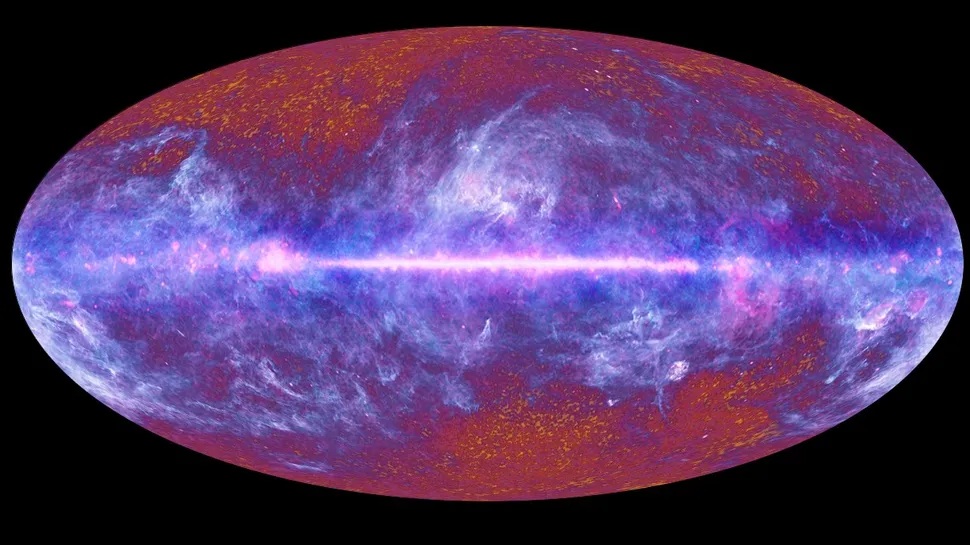
An international team of astronomers using the [*Cosmology Large Angular Scale Surveyor*](https://sites.krieger.jhu.edu/class/) (CLASS) [reported the first-ever measurement](https://hub.jhu.edu/2025/06/11/telescopes-look-at-cosmic-dawn/) announced the first-ever detection of radiation from the cosmic microwave background (CMB) interacting with the first stars in the Universe.
Continue reading
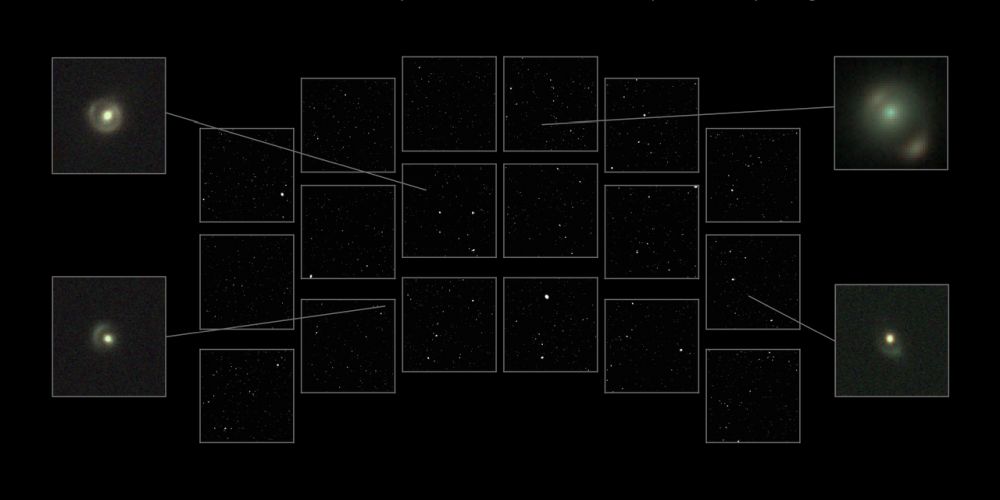
We don't know what dark matter is, but that doesn't stop astronomers from using it to their advantage. Dark matter is part of what makes gravitational lensing so effective. Astronomers expect the Roman Space Telescope to find 160,000 gravitational lenses, and dark matter makes a crucial contribution to these lenses.
Continue reading
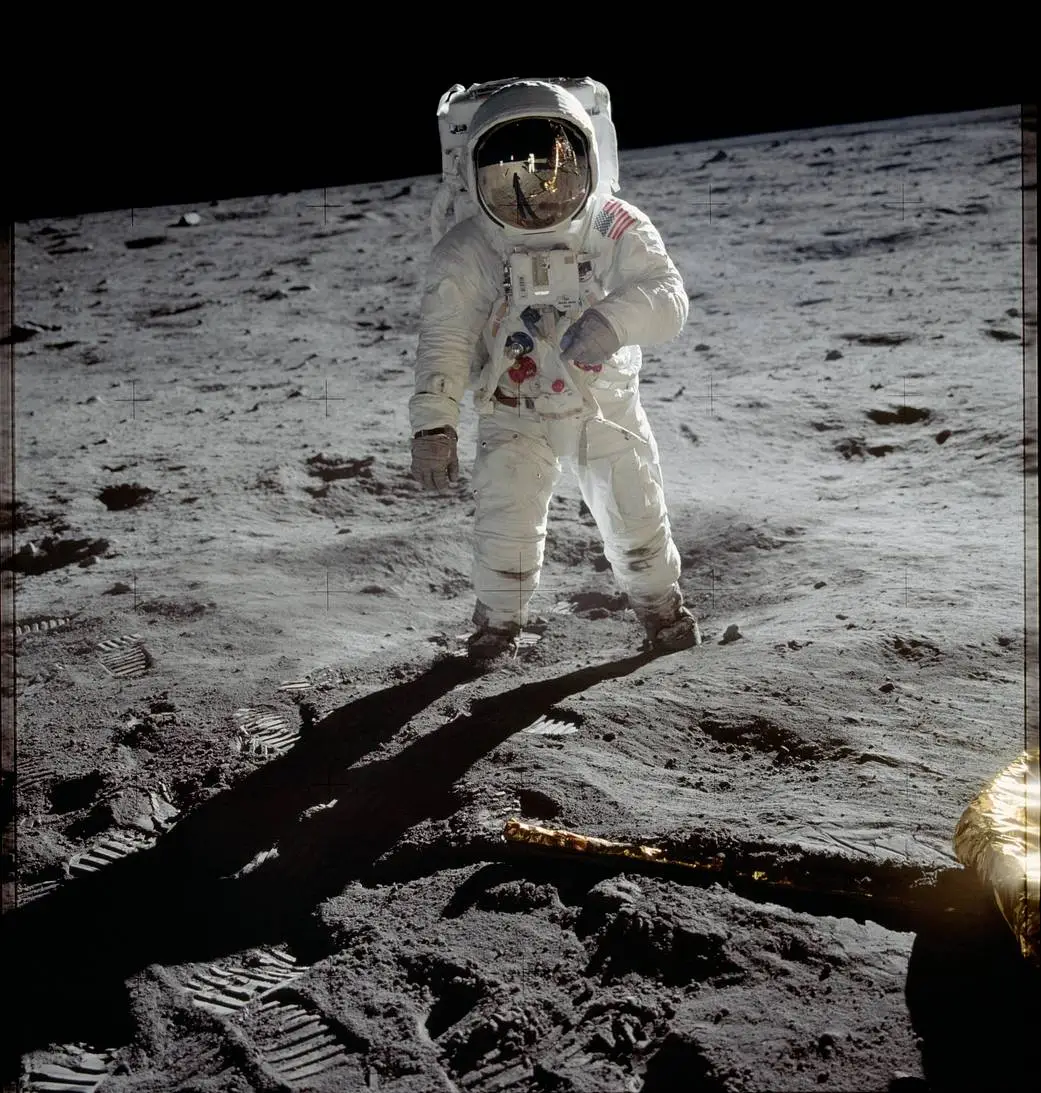
When astronauts finally reach Mars, they'll face a unique challenge: walking and working in gravity that's only 37% as strong as Earth's. After spending months in the weightlessness of space, their weakened muscles and bones will struggle to cope with even this reduced gravity. Now, researchers at the University of Bristol have developed a promising solution; a soft, wearable exosuit powered by inflatable "bubble muscles."
Continue reading
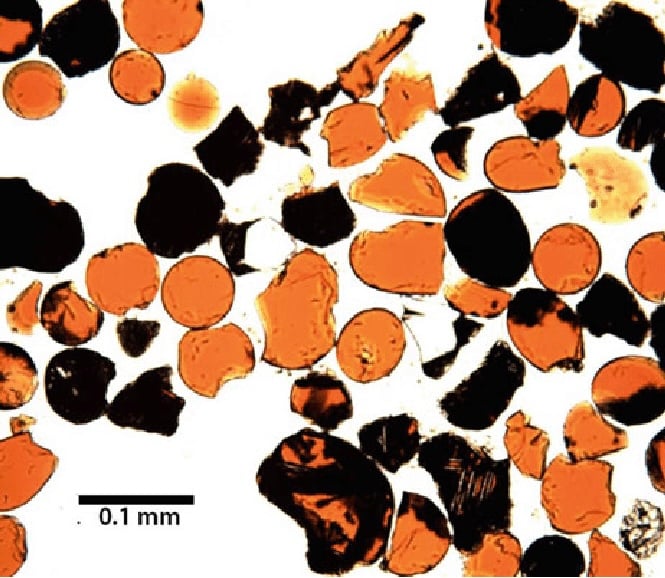
When the Apollo astronauts landed on the Moon, they discovered drifts of tiny brilliant orange glass beads glittering across the surface. Each one less than 1 mm across and formed about 3.6 billion years ago. These microscopic treasures, each smaller than a pinhead, had been hiding their secrets for billions of years. Now, cutting edge technology has finally cracked the mystery: they're perfect time capsules from the Moon's explosive volcanic past, frozen droplets of ancient lava that solidified instantly in the airless void recording the history of the Moon.
Continue reading
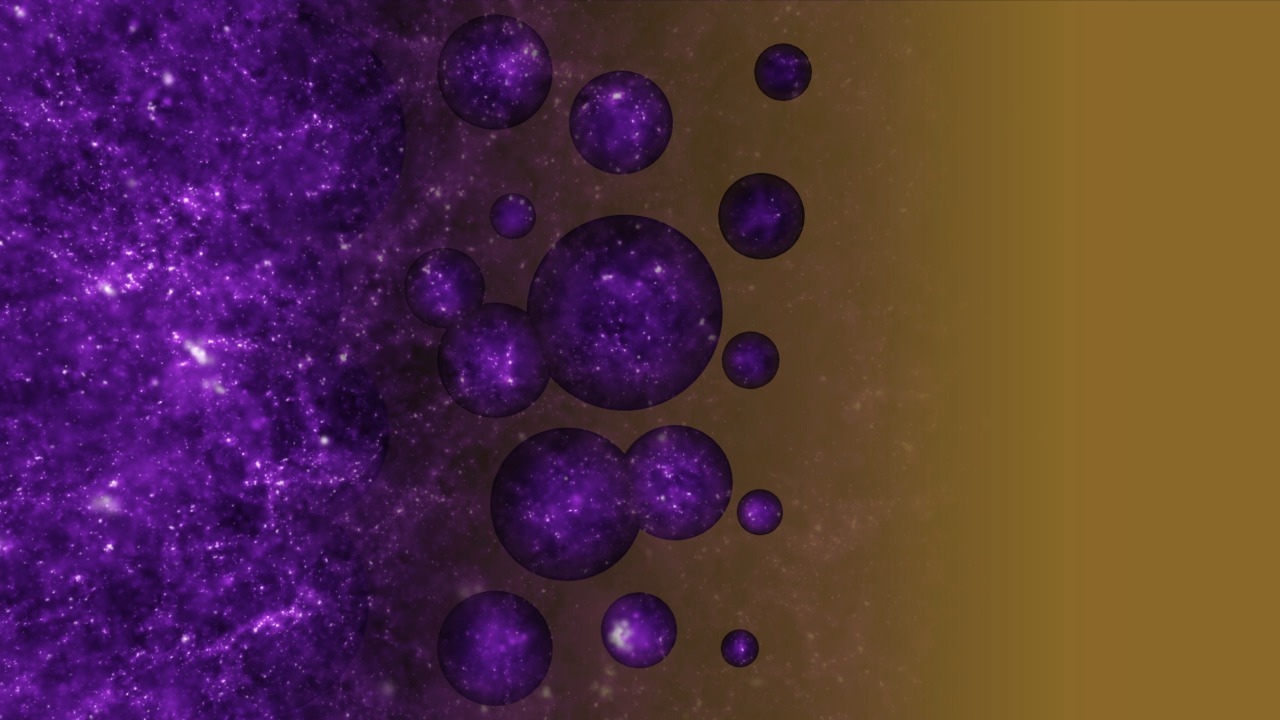
The Hubble Deep Field revolutionised astronomy by staring at a seemingly empty patch of sky for thousands of hours, unveiling a cosmos teeming with distant galaxies. But even Hubble can't peer back far enough to witness the universe's first moment of illumination; the Cosmic Dawn, when primordial darkness gave way to starlight. Now, the Square Kilometre Array promises to shatter that barrier. In a groundbreaking simulation, researchers have modelled 1000 hours of SKA observations, creating astronomy's next great deep field, one designed to capture the universe's very first sunrise.
Continue reading
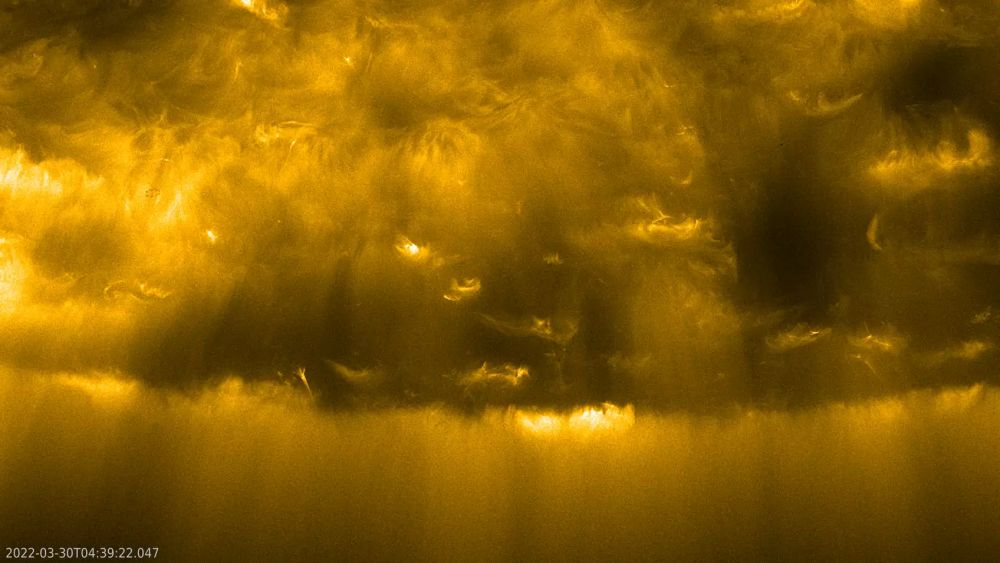
The ecliptic is the apparent path that the Sun follows during a year. It's an imaginary line that the planets follow, with some small deviations, around the Sun. Spacecraft find it easier to follow the ecliptic because it's generally more energy efficient. However, the Solar Orbiter isn't on the ecliptic and it's giving us our first up-close looks at the Sun's poles.
Continue reading
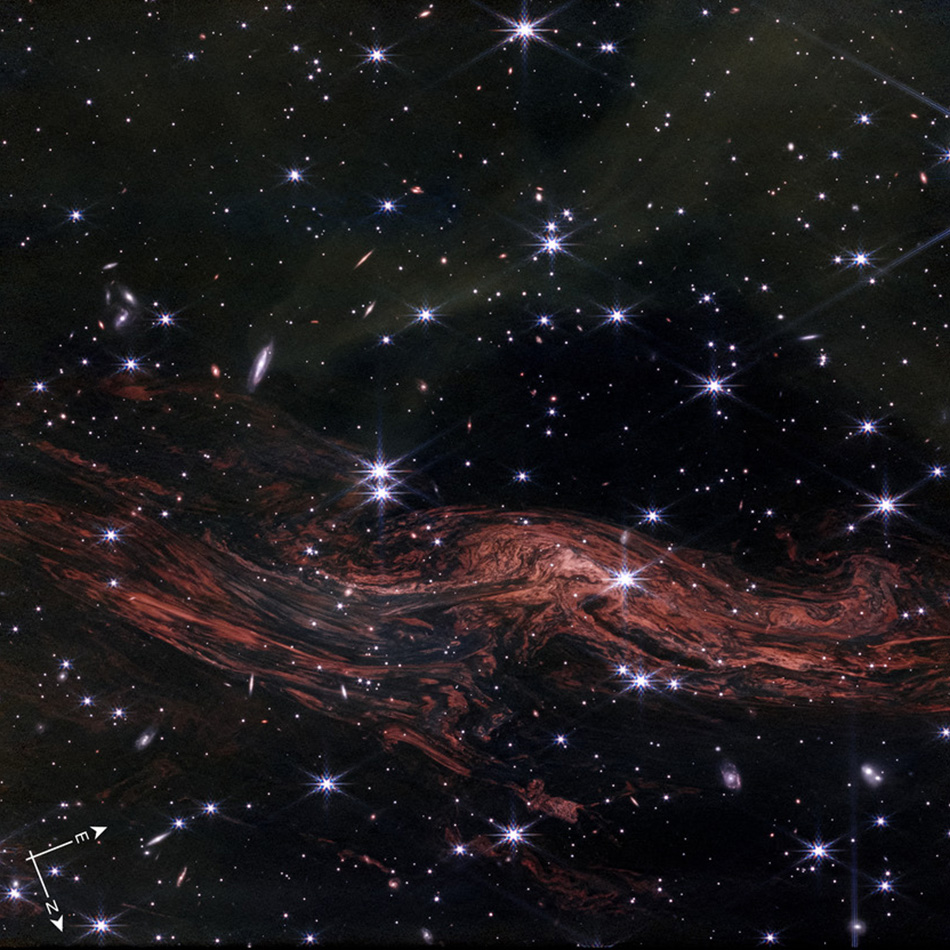
For most of us, dust is just something we have to clean up. For astronomers, interstellar dust is a hindrance when they want to study distant objects. However, recent James Webb Space Telescope (JWST) observations of a distant galaxy are changing that. This infrared-sensitive observatory is letting them find a way to use dust to understand the evolution of early galaxies. In addition, it uncovered a special property of that galaxy's ice-covered dust, indicating it could be similar to the materials that formed our Solar System.
Continue reading
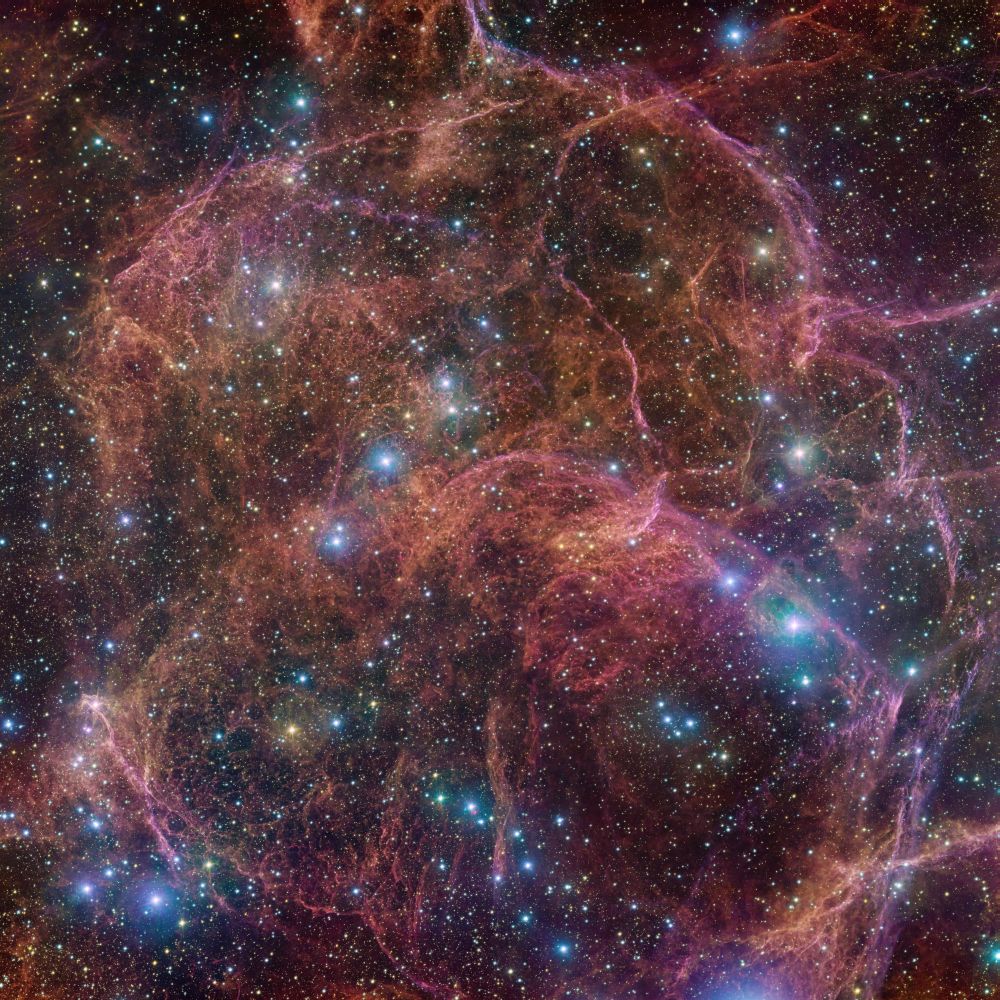
Most scientists agree that supernova explosions have affected Earth's climate, though the details are not all clear. They likely cooled the climate several times in the last several thousand years, just as humanity was becoming established around the world. The evidence is in telescopes and tree rings.
Continue reading
 Universe Today