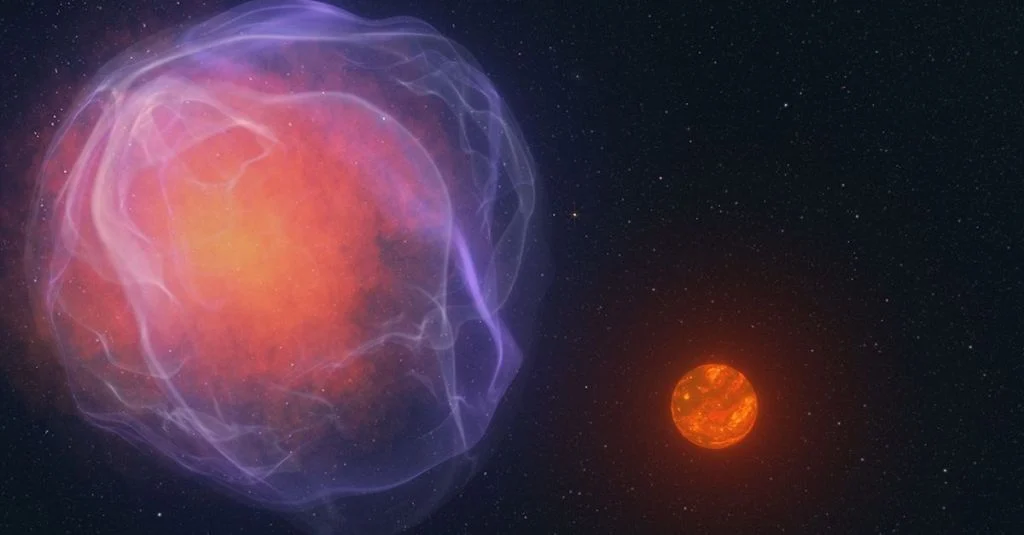
Scientists are constantly finding new ways to look at things, and that’s especially true for objects that represent an outlier of their specific type. Adjectives like “biggest”, “brightest”, or “fastest spinning” all seem to attract scientific studies - perhaps because they’re an easier sell to funding agencies. No matter the reason, that means we typically get a lot of good science on specific objects that represent their particular class of objects well, and a new paper from Ozcan Caliskan from Istanbul University in Turkey hits that nail on the head when it comes to the most massive known white dwarf star.
Continue reading
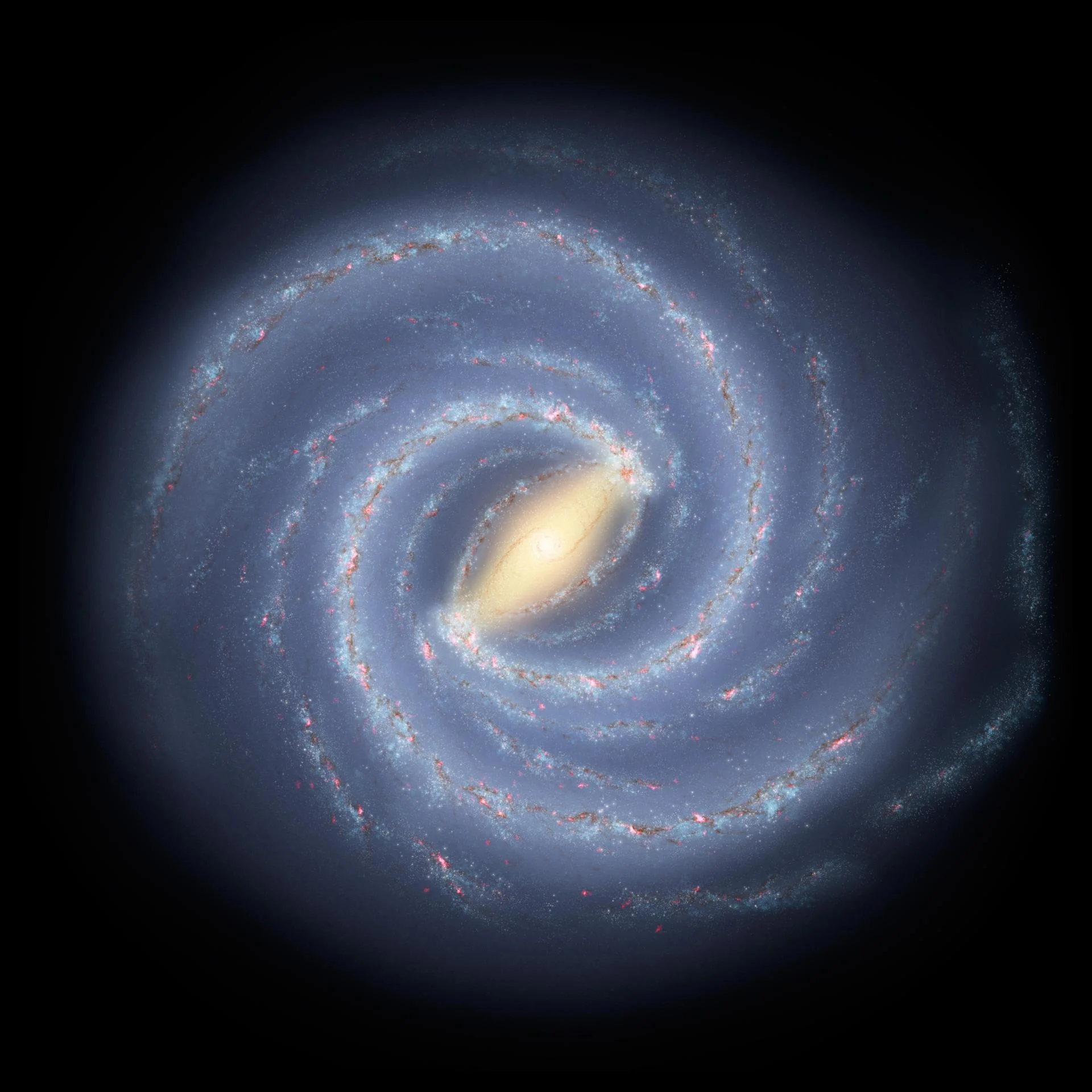
How do you search for a substance that doesn't give off any kind of light, but its gravitational influence shapes galaxies? That's the challenge researchers face as they try to find and explain the mysterious substance called dark matter. They're wrestling with an invisible "something" that appears to make up much of all matter in the Universe.
Continue reading
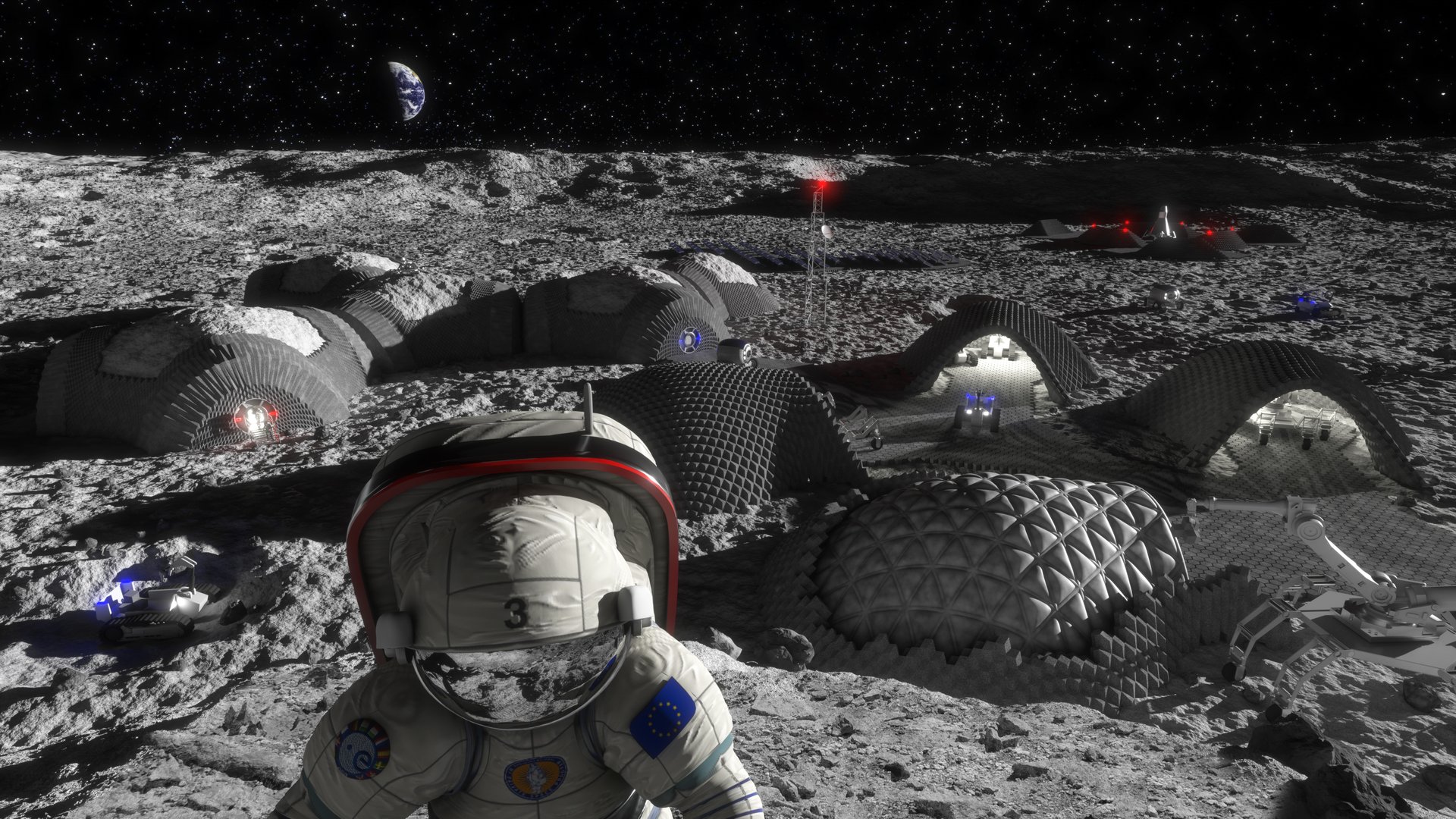
The challenge of building habitats on the Moon is considerable, mainly because most additive manufacturing (aka. 3-D printing) techniques are not feasible. By utilizing a 3-D printing method known as light-based sintering, future missions to the Moon could manufacture bricks out of lunar regolith, rather than trying to build whole structures. This would facilitate a long-term human presence on the lunar surface, consistent with the Artemis Program and other plans for lunar exploration and development.
Continue reading
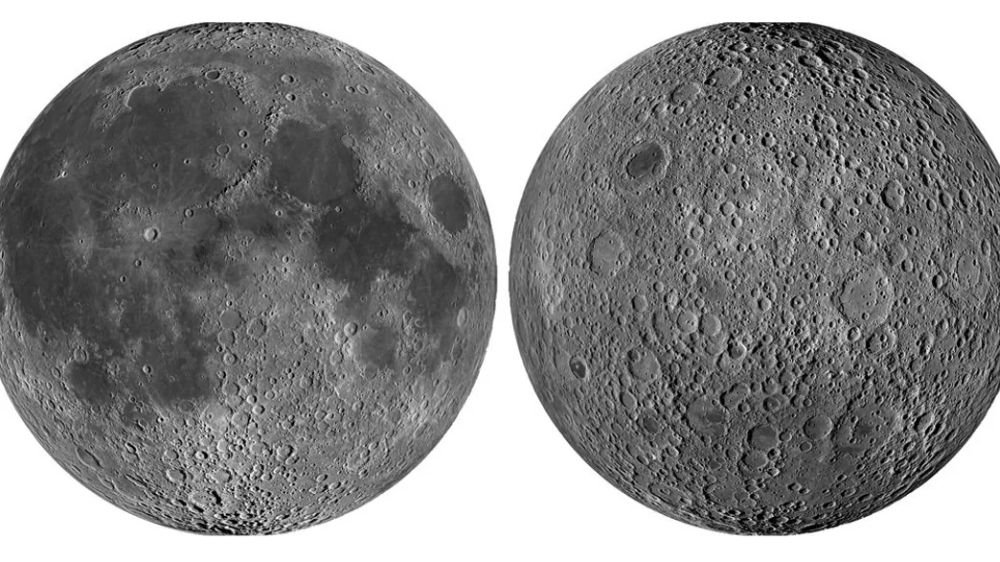
Why does the Moon have two different faces?. That question frames the lunar dichotomy: The nearside that faces us is different than the lunar farside. Scientists have worked hard to understand why that is, and new research says that the presence of certain minerals could explain why.
Continue reading
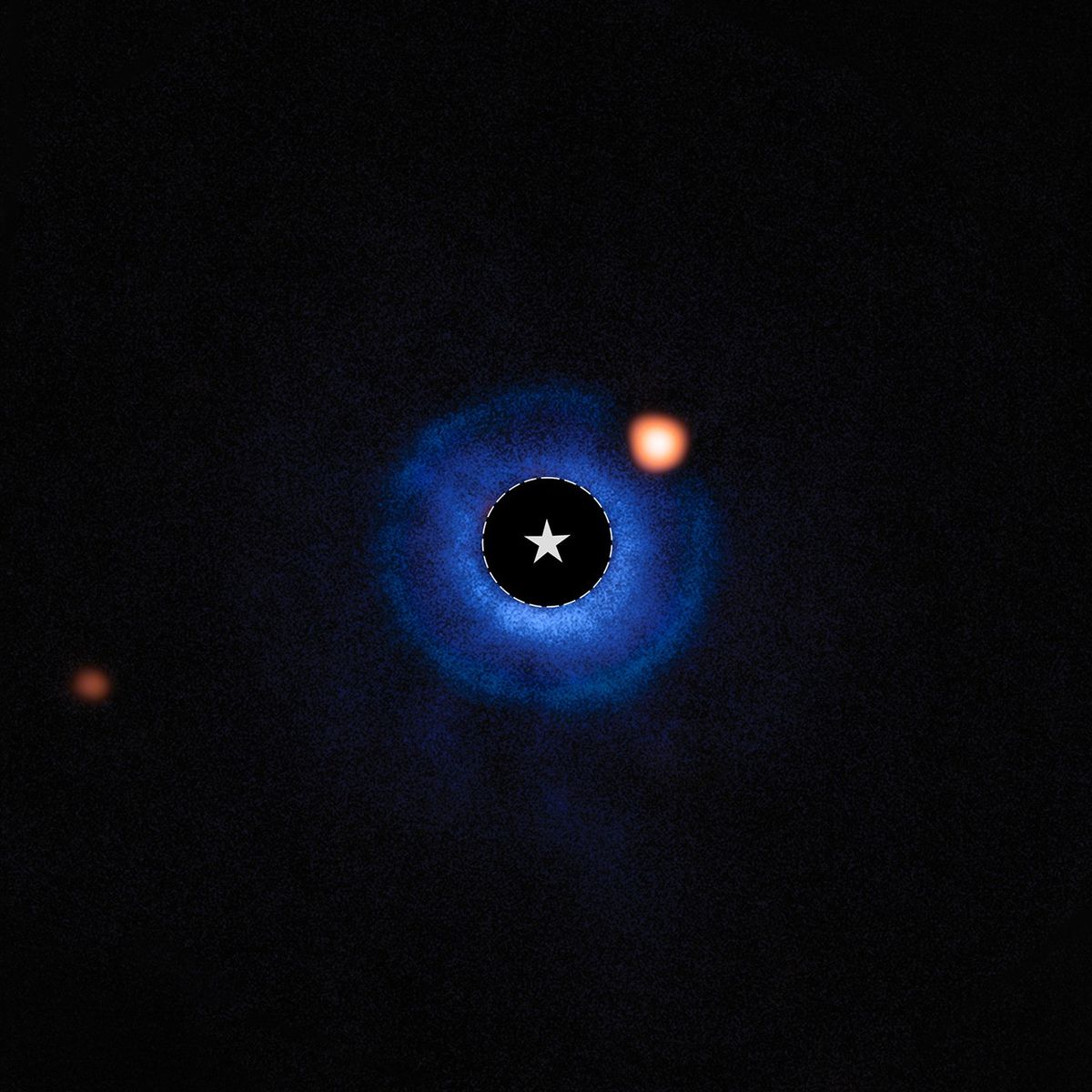
One of Webb’s strong points is its ability to directly image planets around another solar system. The telescope has been in operation for long enough now that a flood of those images are starting, as more and more systems come under the telescope’s gaze. One of those is described in a recent paper and press release from NASA. According to the paper, the planet in a nearby system is about the size of Saturn, which would make it the smallest planet ever found by direct observation.
Continue reading
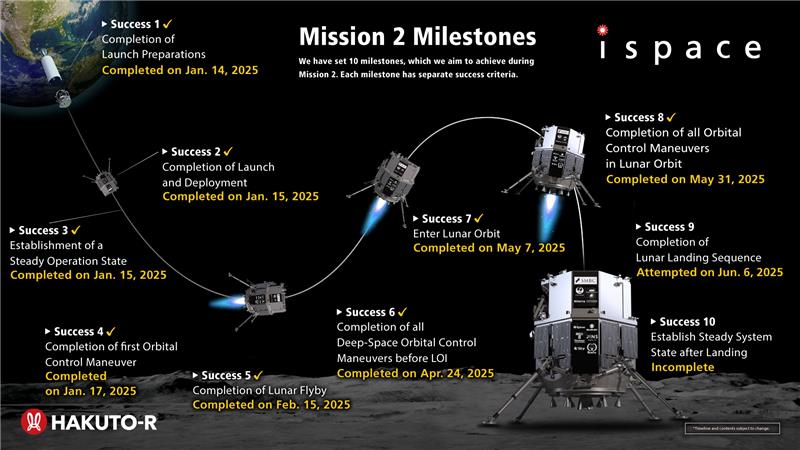
The Japanese company ispace released the technical details that likely doomed the landing of their Hakuto-R Mission 2 lunar lander earlier this month. According to a press release, their engineers narrowed down the issue to a failure of the spacecraft's Laser Range Finder (LRF). Engineers suspect that the LRF's performance deteriorated during flight, causing it to be slow to make its measurements and update its descent speed correctly. It hit the Moon at 42 meters a second, crashing hard.
Continue reading

There’s nothing to get a scientist’s heart pumping like a good, old-fashioned statistical debate. When it comes to topics like finding Earth analogues or hints of a biosignature in an atmosphere, those statistical debates could have real world consequences, both for the assignment of additional observational resources, but also for humanity’s general understanding of itself in the Universe. A new paper from two prominent exoplanet hunters, David Kipping from Columbia and Björn Benneke from UCLA, argues that their colleagues in the field of exoplanet detection have been doing statistics all wrong for decades, and make a argument for how better to present their results to the public.
Continue reading
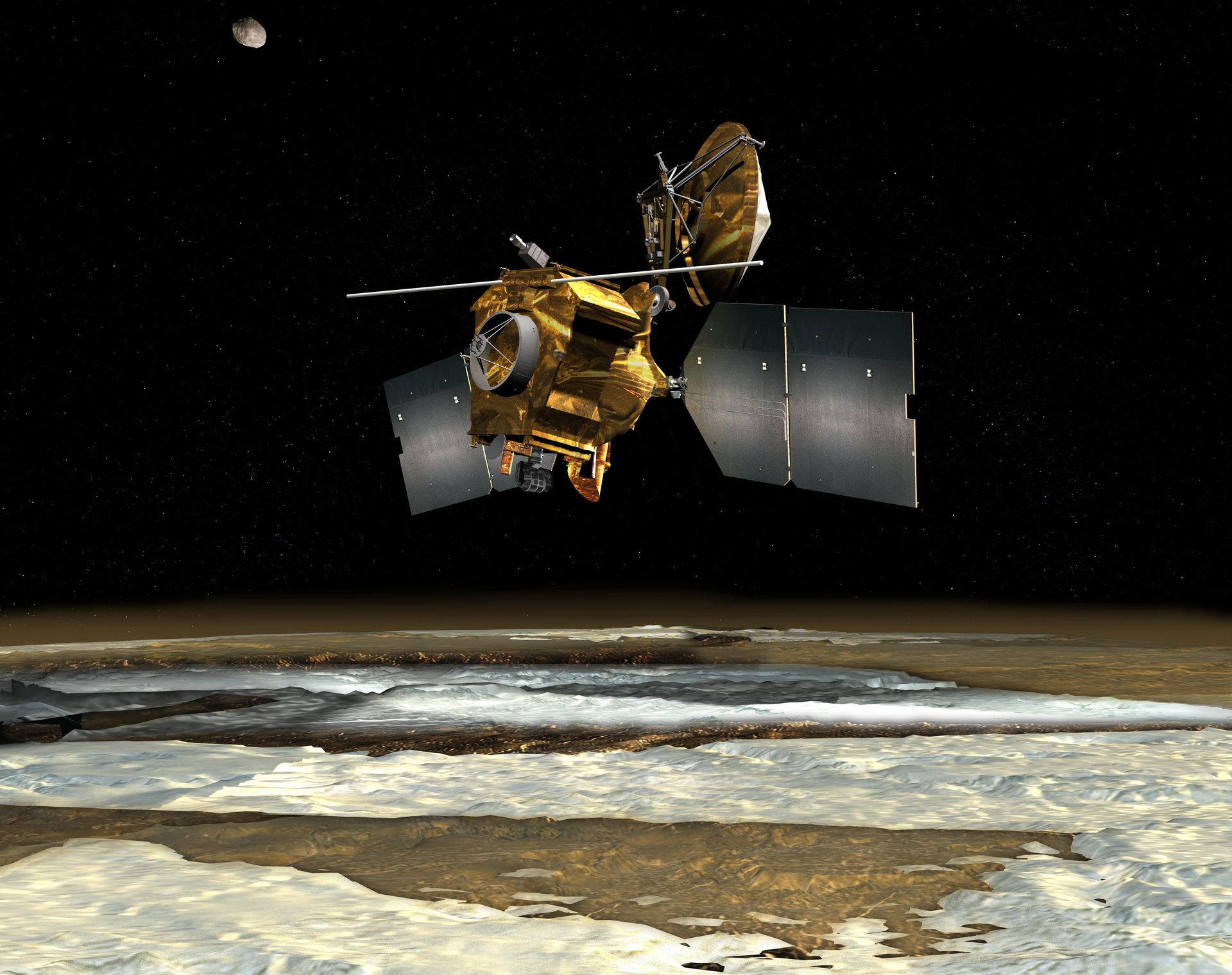
Orientation is more important than most people thing when it comes to sensing. A common example would be when the lasers of a garage door are mis-aligned, forcing the door to remain open until they are brought back in line. But when it comes to scientific sensors, orientation is even more important. So it was with great fanfare that NASA announced a new way to orient sensors on one of the most venerable of its spacecraft - the Mars Reconnaissance Orbiter (MRO) - and the resultant scientific discoveries it enabled.
Continue reading
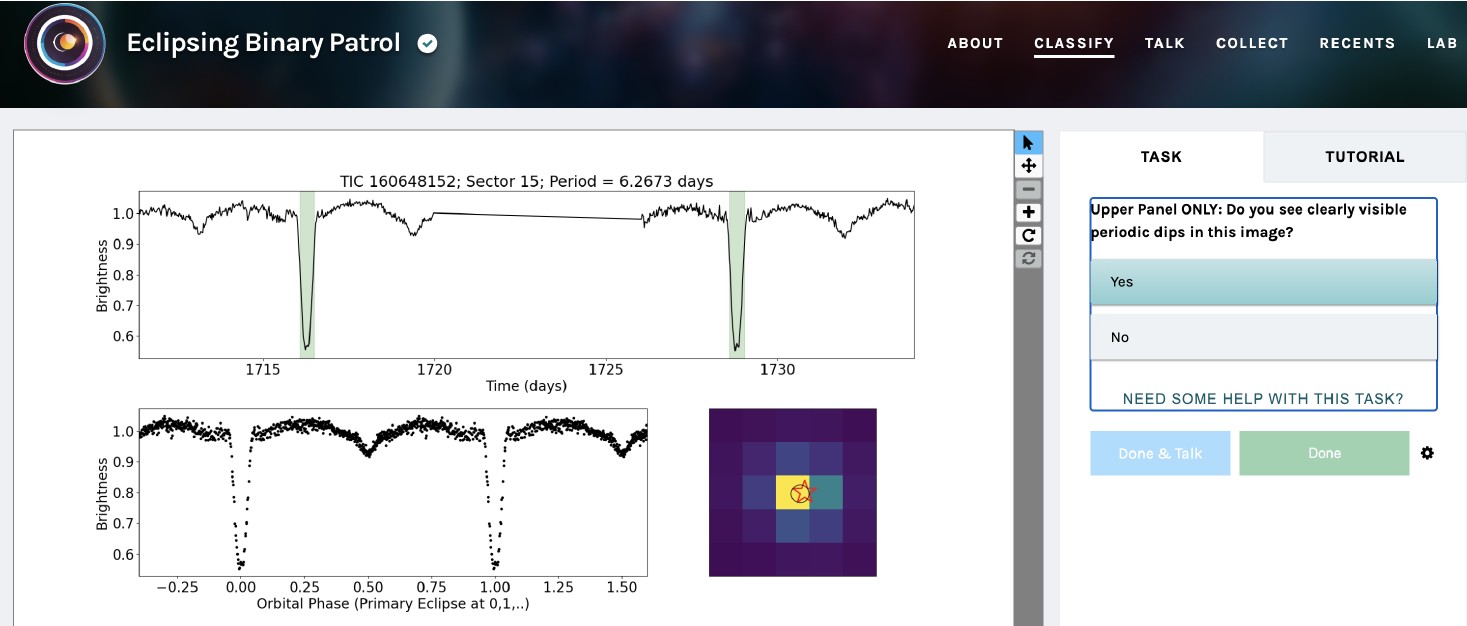
Despite the proliferation of AI based research lately, sometimes researchers need a human eye to make true discoveries. That collaboration was in evidence in a recent paper by Dr. Veselin Kostov, a research scientist at the SETI Institute and NASA’s Goddard Space Flight Center, who led a team of almost 1,800 to review a dataset from the Transiting Exoplanet Survey Satellite (TESS) that led to the discovery of almost 8,000 new eclipsing binary systems.
Continue reading

As Charles Darwin explored the Galapagos Islands, he discovered how the different islands allowed for different species to thrive. This is very similar to our current exploration of the Solar System; individual worlds, separated by the vacuum of space. The similarities provide a new insight into predictin planetary contamination risks and improve protection methods. A new paper by Daniel J. Brener and Charlesg S. Cockell uses the spread of life to new islands as a powerful model for rethinking how we prevent Earth's microbes from contaminating other worlds, shifting focus from probability calculations to whether microbes can actually survive in alien environments.
Continue reading
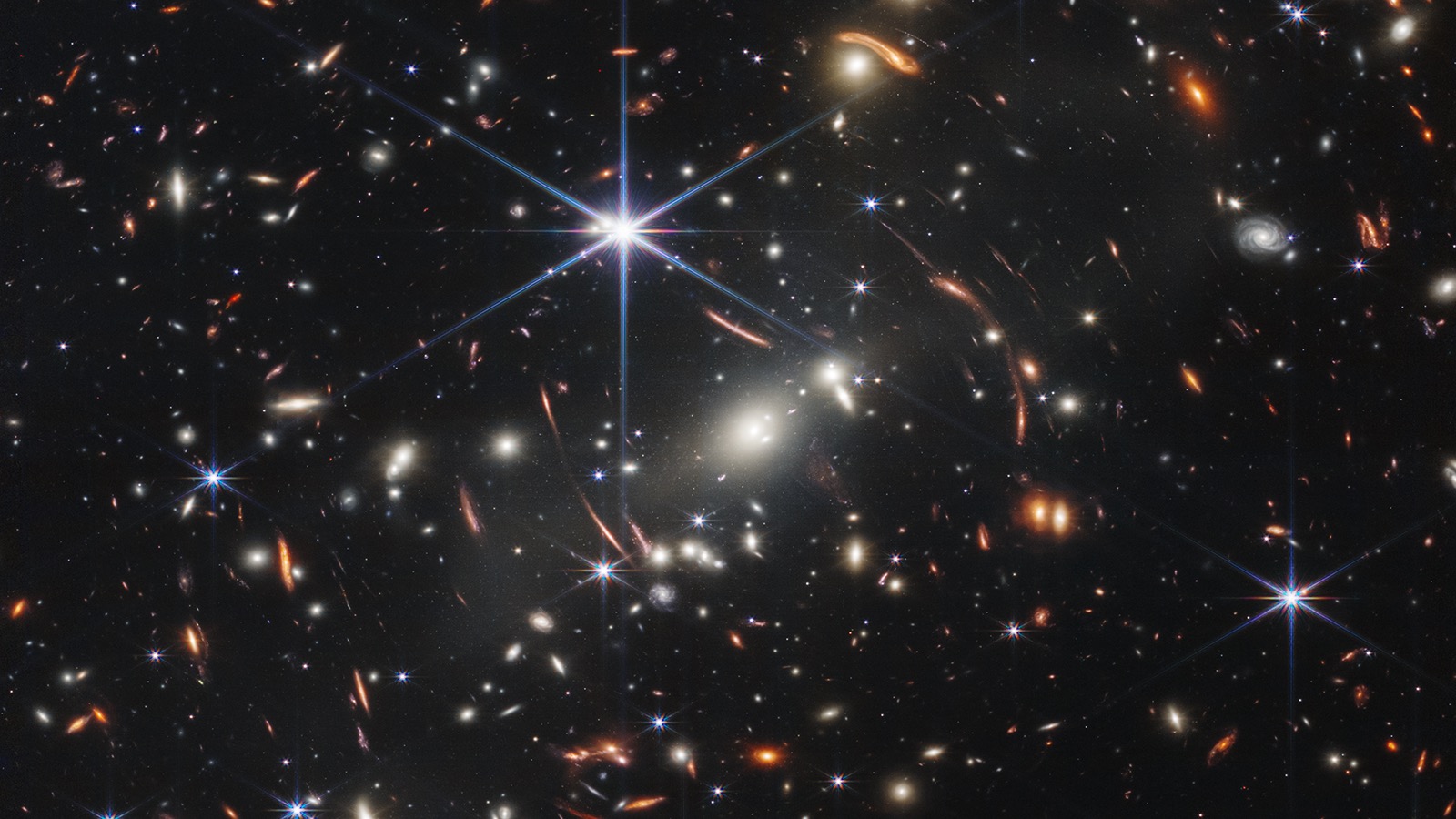
Population III stars are the first generation that formed in the Universe, made from pristine hydrogen and helium, without any heavier "metals." They're difficult to find, surrounded by the early cosmic fog and lasting for only a few million years, but a new paper proposes that Webb could detect the pollution from these first stars as they're enriching the gas around them. There would be a hybrid phase when the first galaxies could contain second-generation stars and the polluted gas from the first stars.
Continue reading
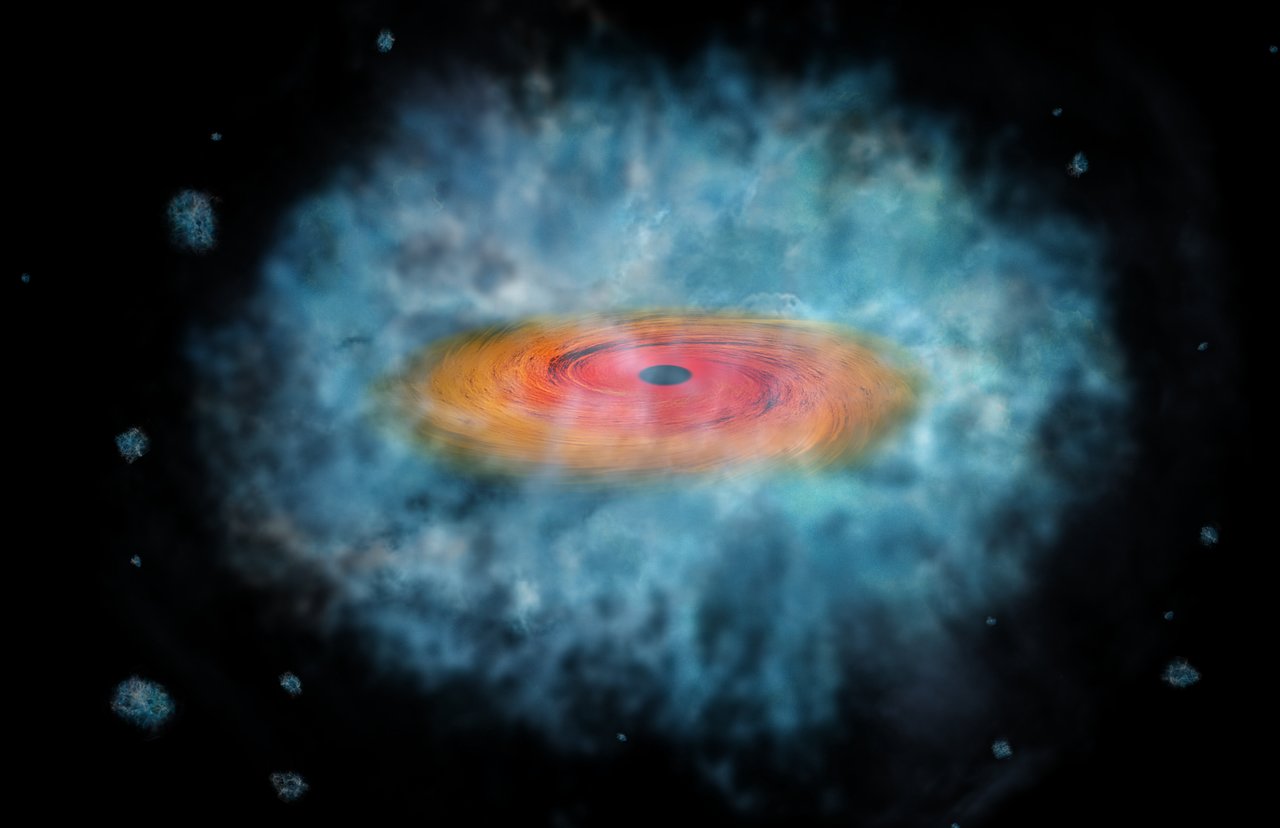
An unfolding mystery is how early supermassive black holes got so big, so early. Their high mass is tough to explain through a ladder of mergers; instead, astronomers suggest they could have formed directly from huge clouds of gas. In a new paper, researchers propose the signals these directly-forming supermassive black holes might emit, and how they could even be detectable by James Webb before they collapse.
Continue reading
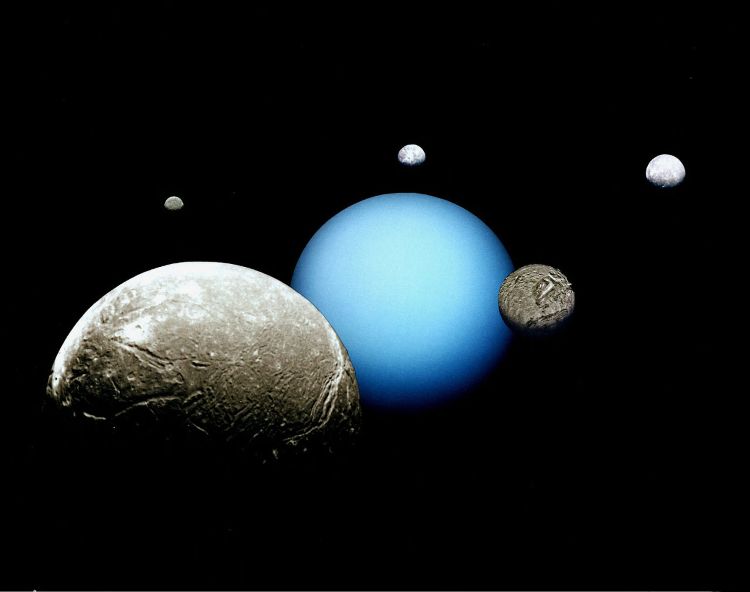
What methods can be used to identify subsurface oceans on the five largest moons of Uranus: Ariel, Umbriel, Titania and Oberon, and Miranda? This is what a recent study presented at the 56th Lunar and Planetary Science Conference hopes to address as a team of scientists from NASA’s Jet Propulsion Laboratory (JPL) investigated potentially using radio science on the Uranus Orbiter and Probe (UOP) concept mission, which was designated as a high priority Flagship-class mission by the 2023–2032 Planetary Science Decadal Survey.
Continue reading
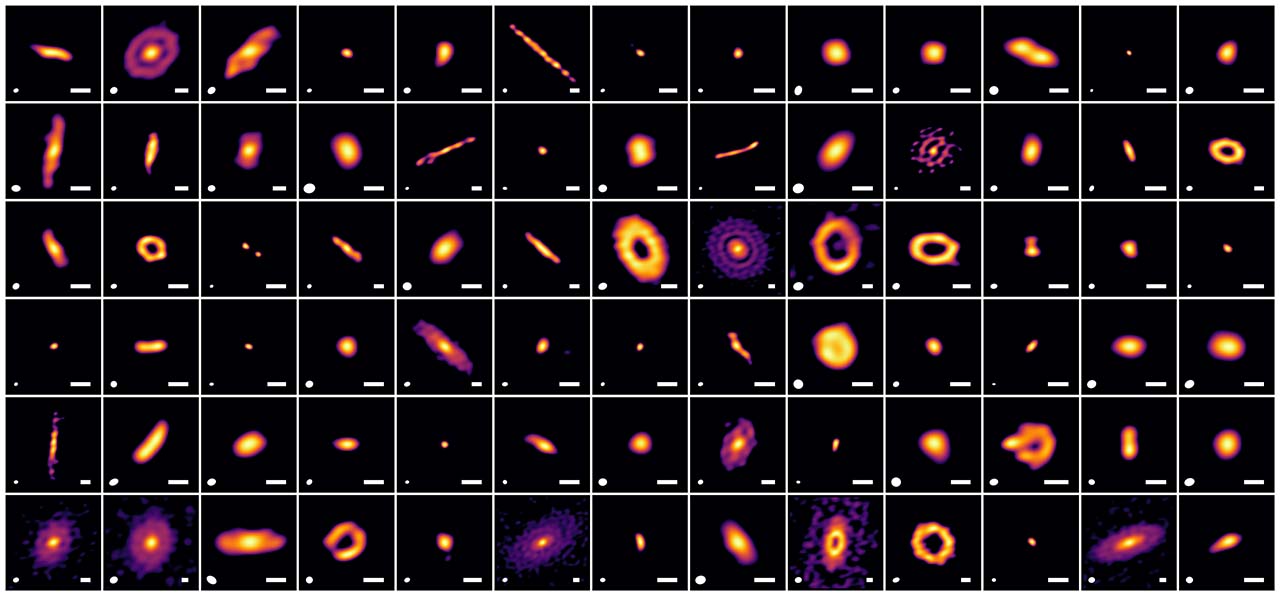
The Sun and its planets formed out of the solar nebula, around 4.6 billion years ago. But what was the delay between the Sun's formation and the planets? Astronomers have surveyed 78 protoplanetary disks in the Ophiuchus star-forming region and seen examples of every step in the planetary formation process. They found that the planets start forming much earlier than previously believed, when the disk is still filled with gas and dust, growing together with their host stars.
Continue reading
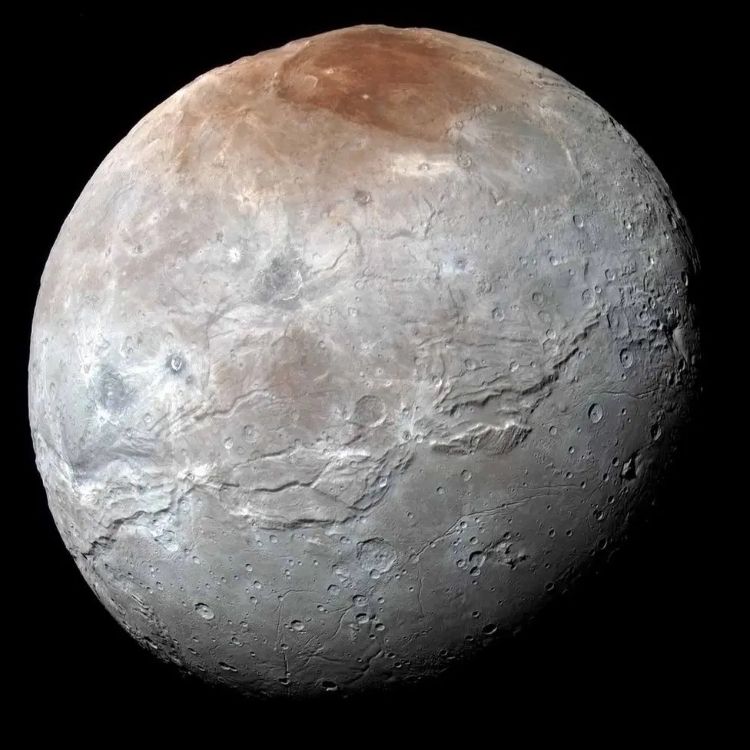
What processes during the formation of Pluto’s largest moon, Charon, potentially led to it having cryovolcanism, and even an internal ocean? This is what a recent study presented at the 56th Lunar and Planetary Science Conference hopes to address as a team of researchers investigated the formation and evolution of Charon to ascertain whether it once possessed an internal ocean during its history and if this could have led to cryovolcanism based on images obtained by NASA’s New Horizons probe.
Continue reading
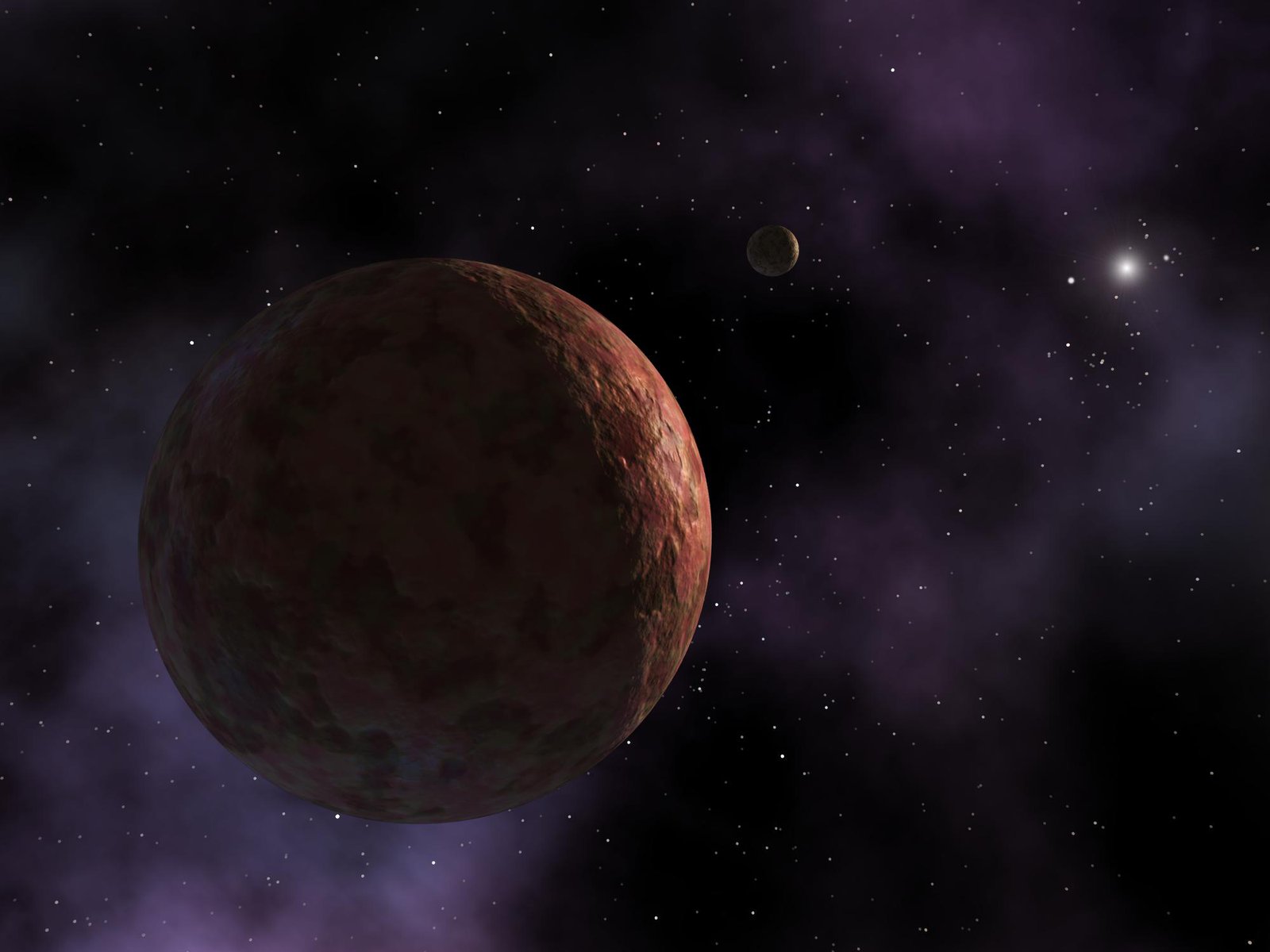
The dwarf planet Sedna will reach its closest point to the Sun in 2075, the ideal time to send a mission to study this world that takes 11,000 years to orbit the Sun. In a new paper, researchers consider two exotic propulsion systems for a mission like this: a direct fusion drive, and an enhanced solar sail. Both methods could allow a spacecraft to reach Sedna in under a decade of flight time.
Continue reading
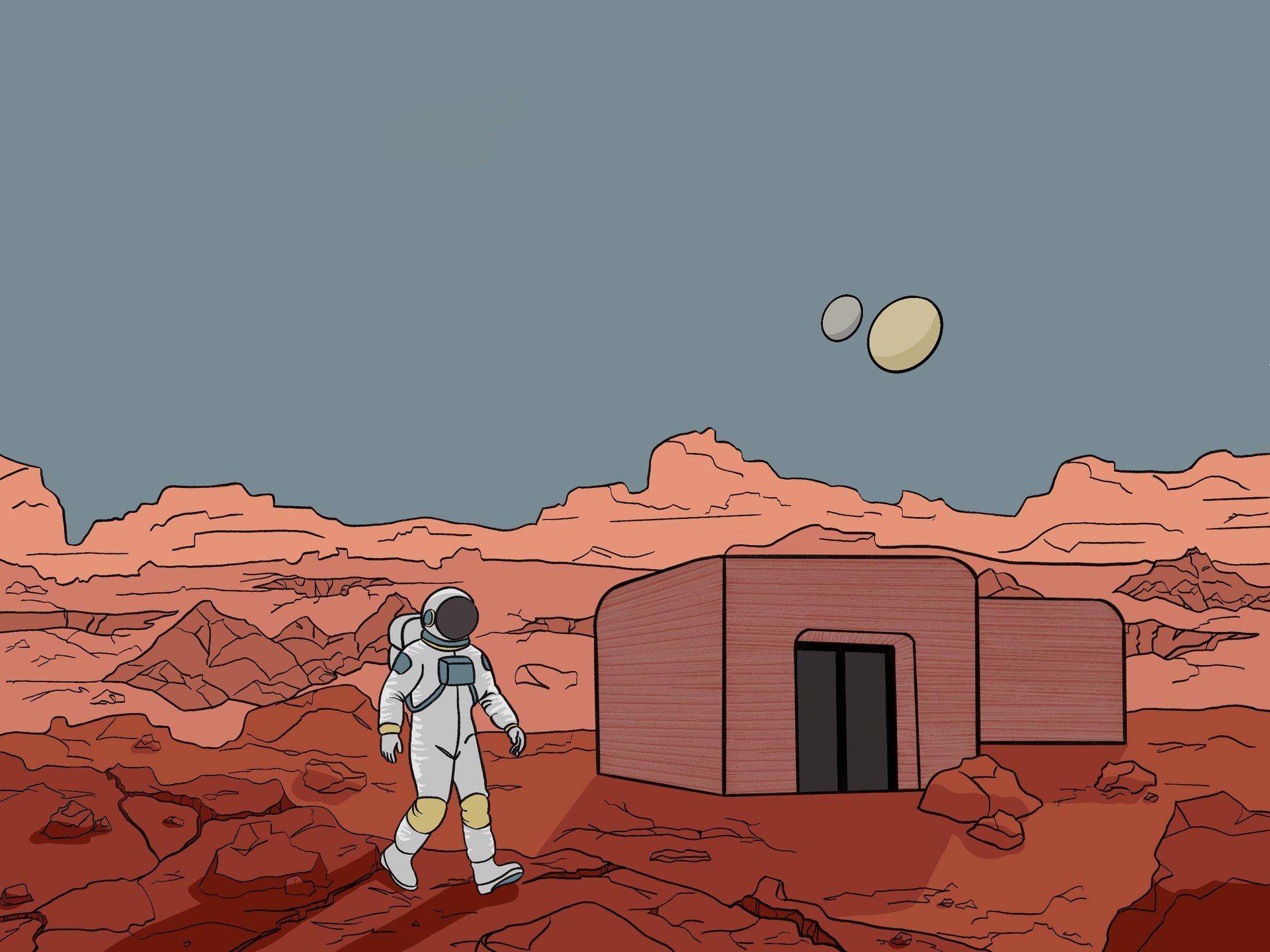
When humans finally reach Mars, they're going to rely on local resources for habitat construction. Researchers are considering how Martian explorers could use lichen and bacteria together with Martian regolith to form building materials. These biomaterials can glue together particles of crushed rock into a building material which can then be 3D-printed into houses, furniture and other buildings. This system might only require regolith, air, light and an inorganic medium to create the building material.
Continue reading
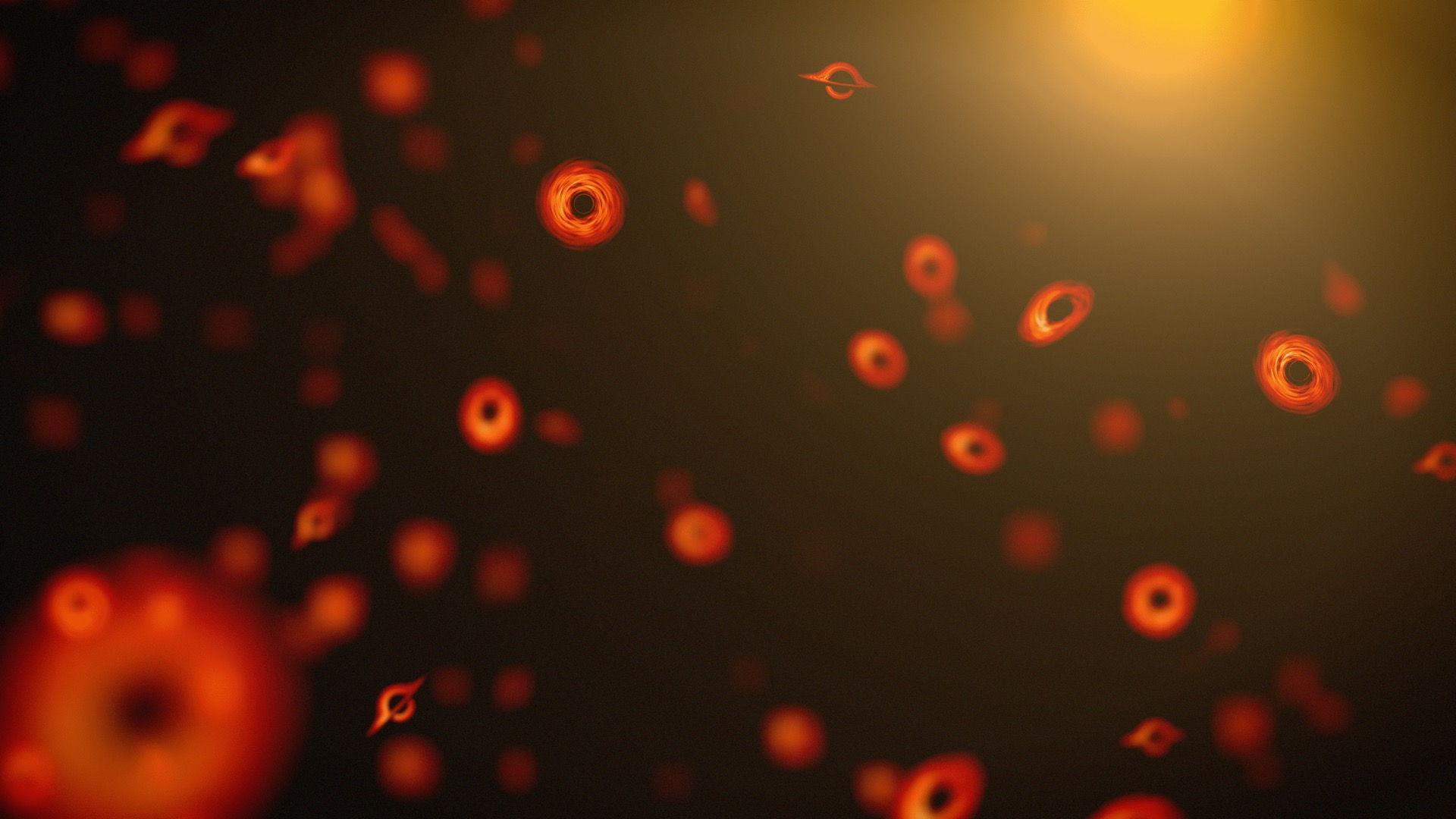
Scientists propose a revolutionary new method to detect primordial black holes by hunting for their Hawking radiation. Instead of searching for faint background signals, researchers suggest using the Alpha Magnetic Spectrometer on the International Space Station to watch for distinctive spikes in positron particles as these ancient black holes pass through our solar system, emitting Hawking radiation.
Continue reading
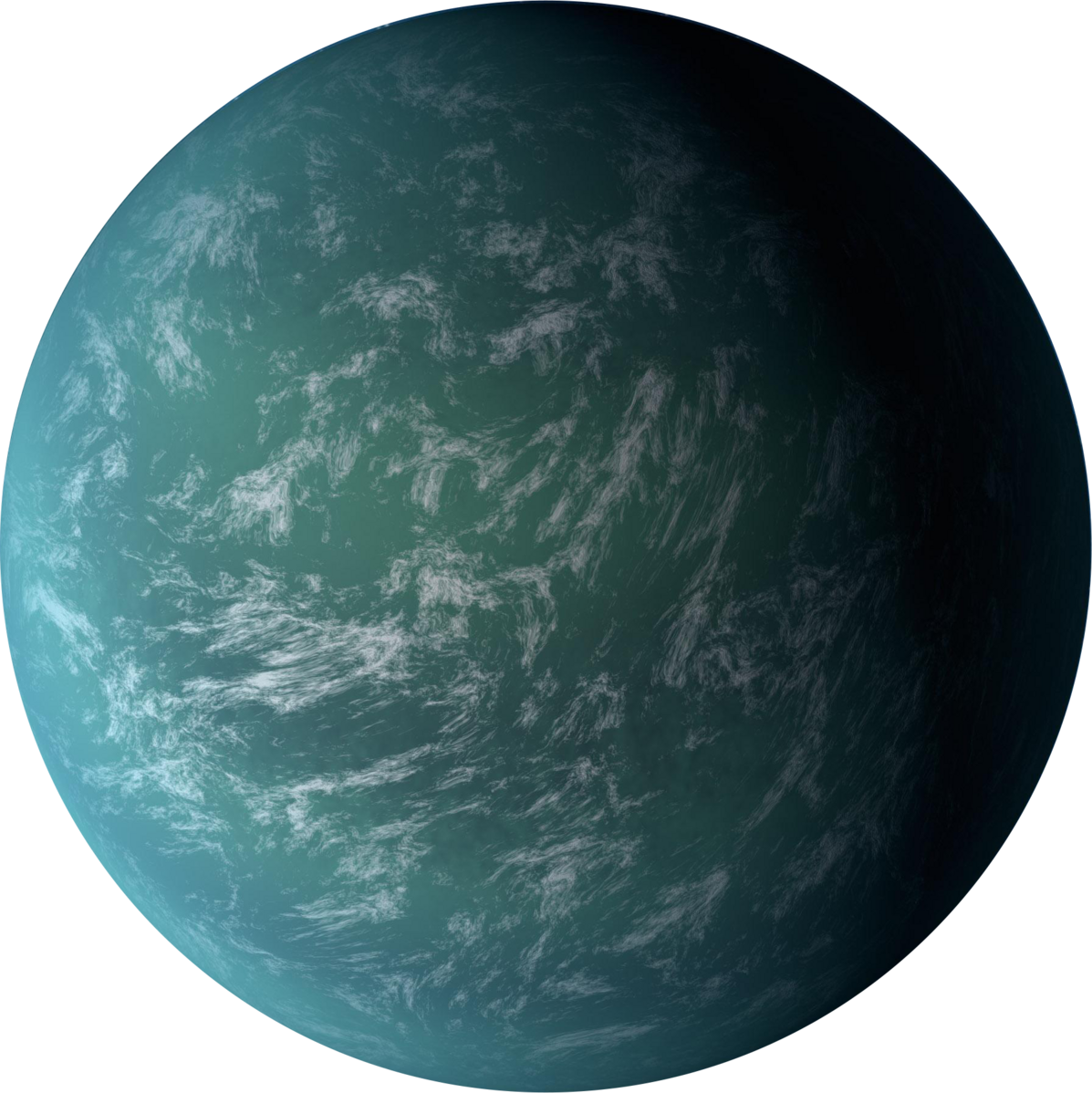
The search for life beyond our planet continues, and one of the most underappreciated tools in an astrobiologists' toolkit is statistics. While it might not be as glamorous as directly imaging a planet’s atmosphere or finding a system with seven planets in it, statistics is absolutely critical if we want to be sure that what we’re seeing is real and not just an artifact of the data, or of our observational techniques themselves. A new paper by Caleb Traxler and their co-authors at the Department of Information and Computer Science at UC Irvine takes on that challenge head-on by statistically analyzing a set of about 10% of the total number of exoplanets found and judging their habitability.
Continue reading
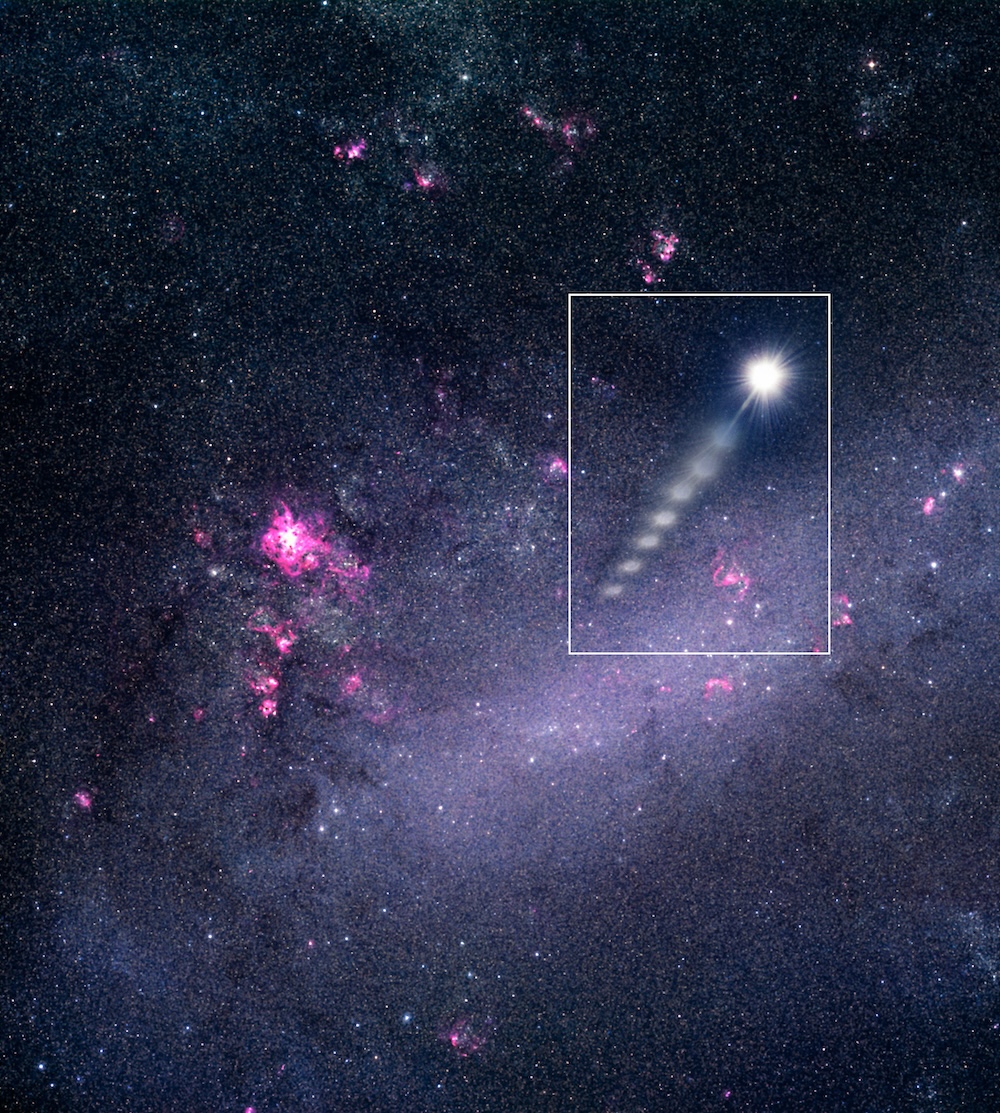
Sometimes a non-detection can tell you a lot. For example, astronomers recently searched through data containing around 5 million stars captured by the Dark Energy Spectroscopic Instrument. They were looking for stars that had been ejected from the center of the Milky Way galaxy, through the gravitational interaction of the supermassive black hole Sgr A*. They failed to find any obvious candidates, which suggests that Sgr A* hasn't merged with another black hole recently.
Continue reading
 Universe Today