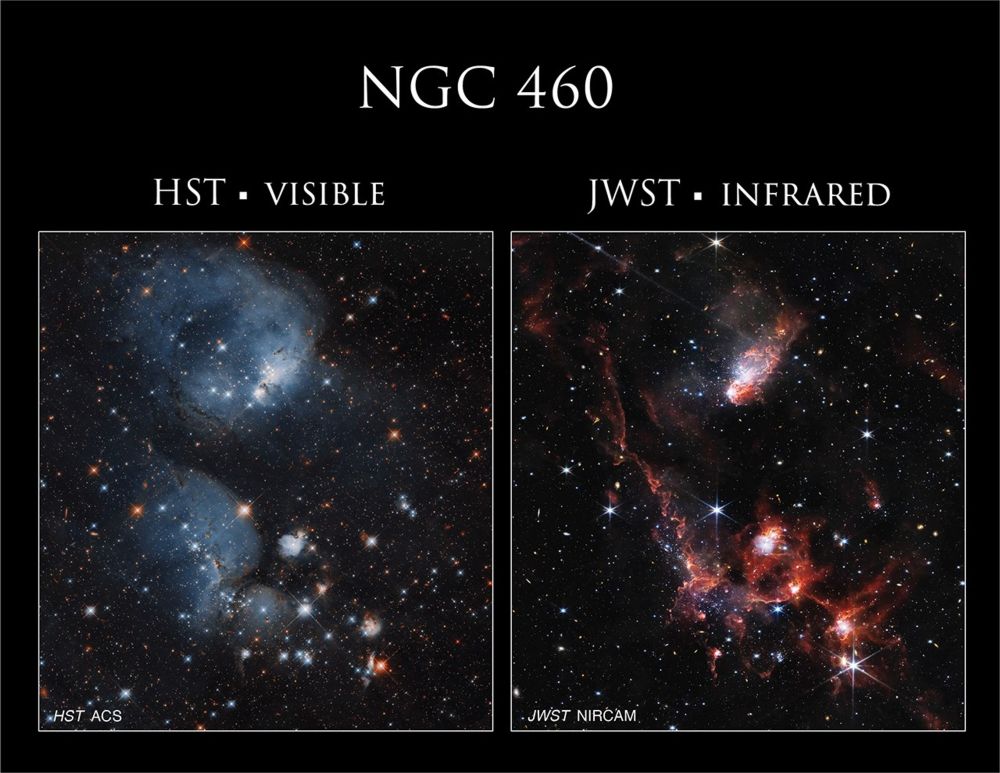
When the JWST was being built, some labelled it as the Hubble's successor. In some ways it is, even though the Hubble is still performing important science observations. When the two telescopes team up, we get the best of both.
Continue reading
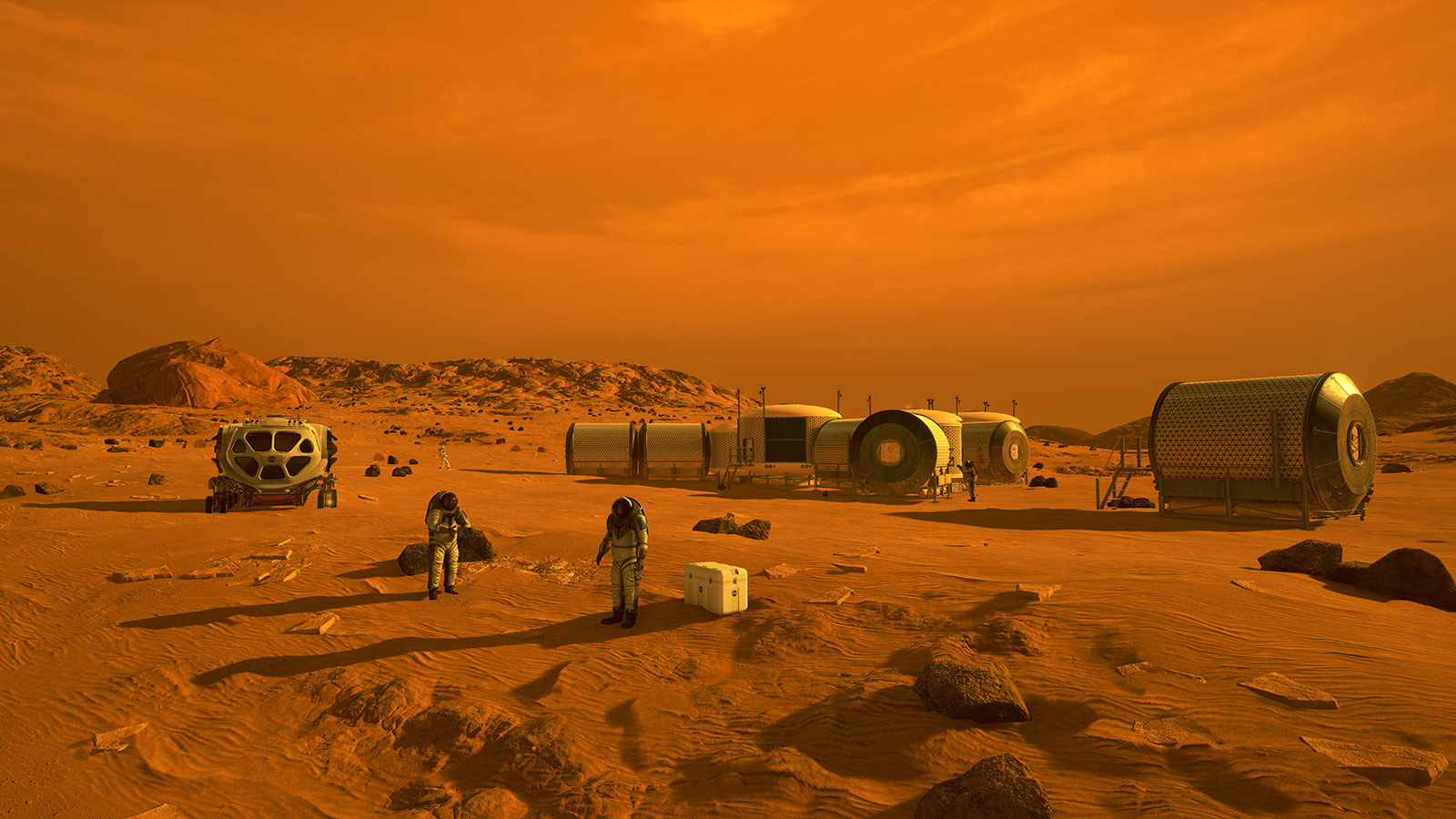
An international team of scientists led by the Harvard School of Engineering and Applied Sciences (SEAS) proposed a new method for living beyond Earth. Their experiment demonstrated how bioplastic structures can be grown using algae, which would be rugged enough to survive the hostile Martian environment.
Continue reading
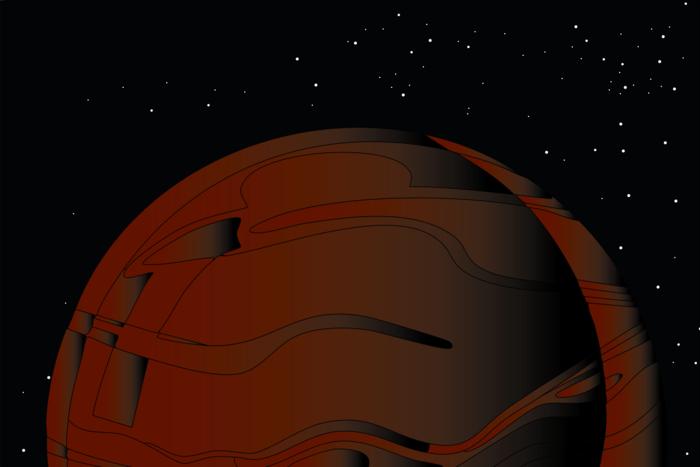
Although dark matter doesn't seem to interact with regular matter or itself, if it has particle-like properties, it could self-annihilate if packed into a tight space. In a new paper, researchers have proposed that dark matter could make its way into brown dwarfs near the Galactic Center, where everything is packed more closely together. The dark matter could annihilate inside the brown dwarfs, creating Dark Dwarfs that could be detected.
Continue reading

Gravitational waves come in all shapes and sizes - and frequencies. But, so far, we haven’t been able to capture any of the higher frequency ones. That’s unfortunate, as they might hold the key to unlocking our understanding of some really interesting physical phenomena, such as Boson clouds and tiny block hole mergers. A new paper from researchers at Notre Dame and Caltech, led by PhD student Christopher Jungkind, explores how we might use one of the world’s most prolific gravitational wave observatories, GEO600, to capture signals from those phenomena for the first time.
Continue reading
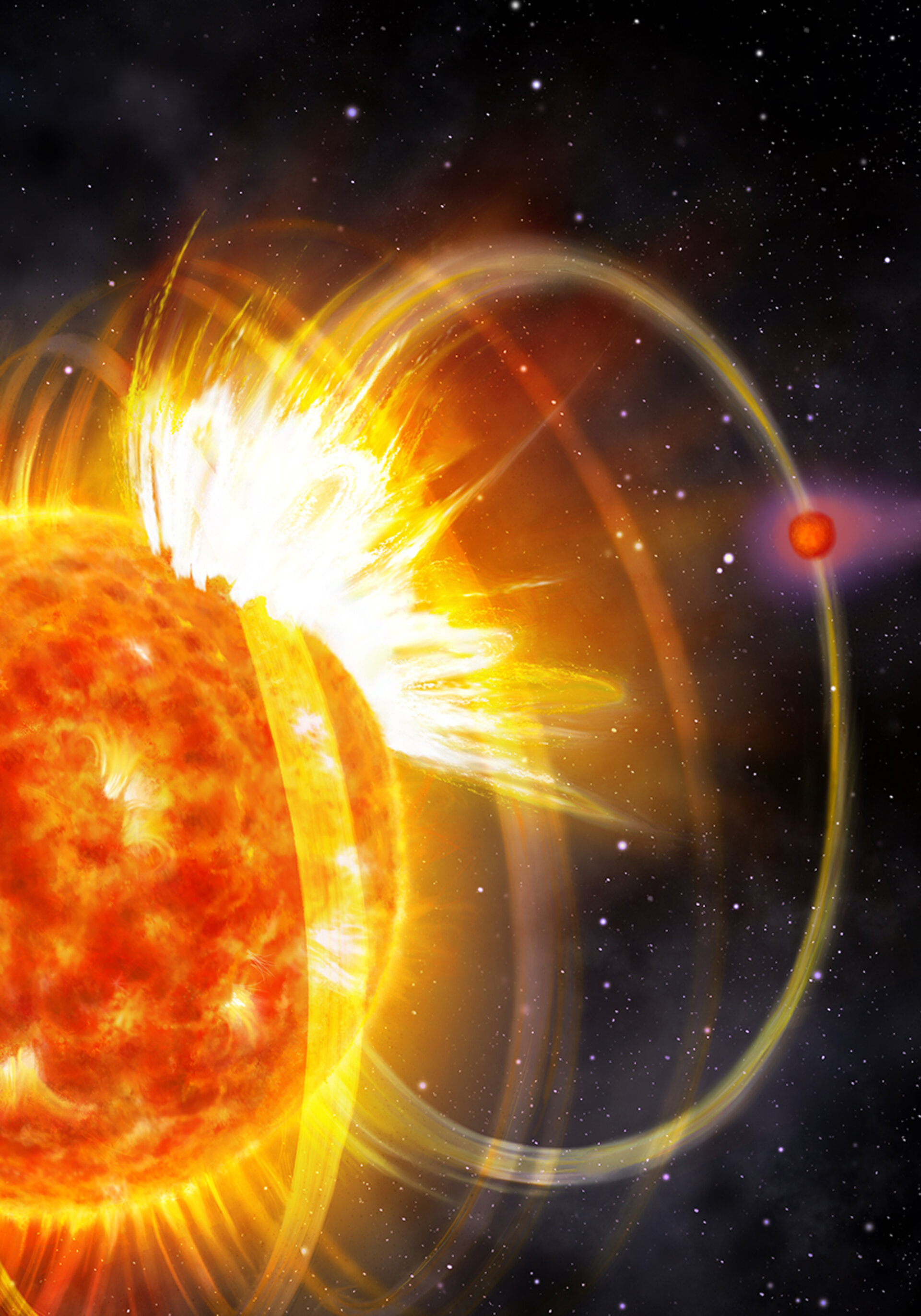
We all know what it's like when Earth is on the receiving end of a solar flare. Things get spicy in the upper atmosphere, and the outbursts have the potential to disrupt technology here at home. Catastrophic flares of radiation devastate planets around other stars, too. Now it looks like scientists have found that planets orbiting close to their stars can trigger the flares that threaten to harm them.
Continue reading
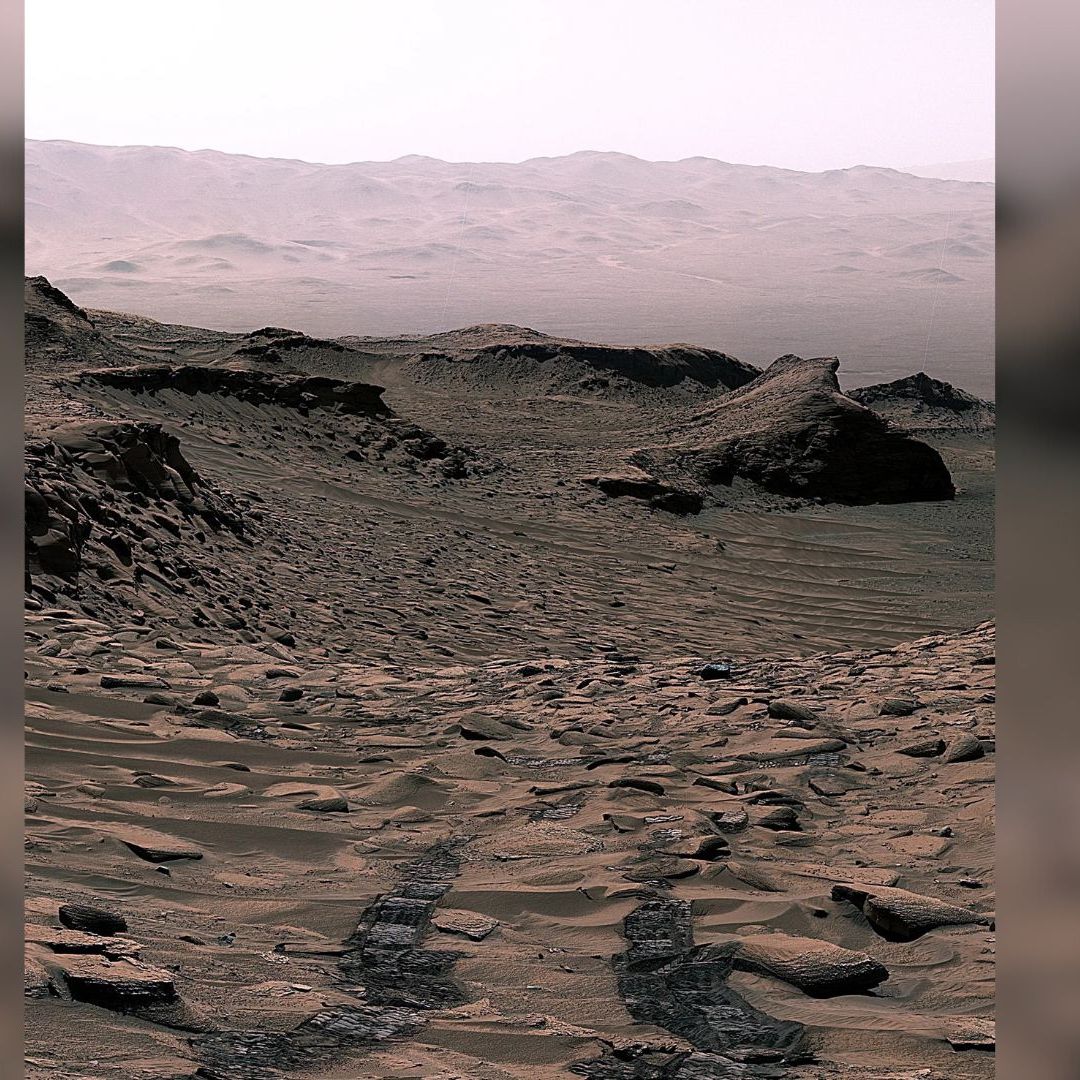
NASA's Curiosity Rover has been exploring Gale Crater and found that carbonate materials make up to 11% of rocks in the region. These are important because carbonates formed by pulling CO2 out of Mars's atmosphere. A new paper suggests that Mars once had a self-regulating climate system that created oases of liquid water on its surface over billions of years, keeping the planet barely habitable with alternating wet and dry periods. The atmosphere is thin because its CO2 was locked away in rocks.
Continue reading
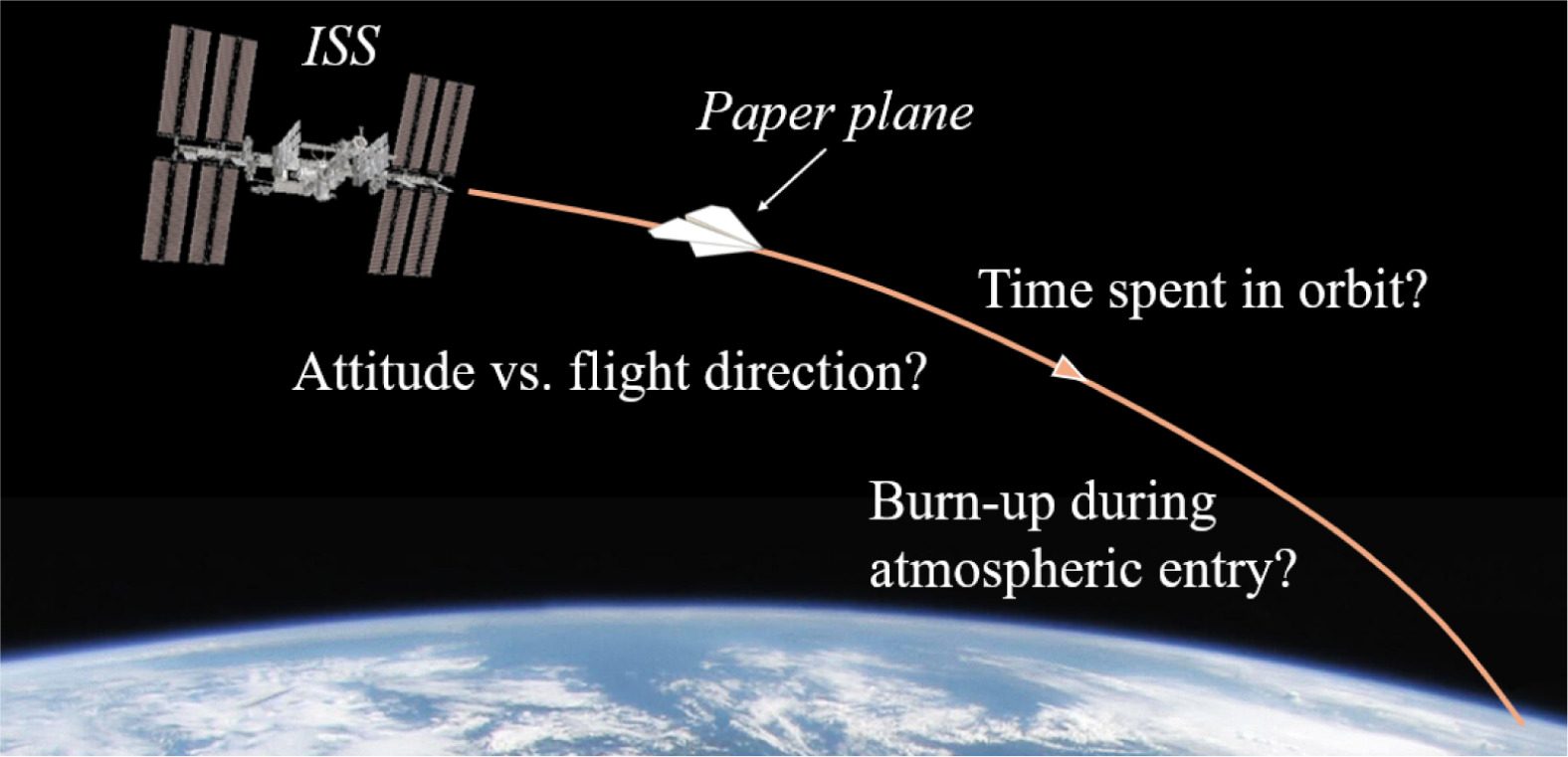
Here's a thought experiment. What would happen if you were on the International Space Station, folded up a paper airplane, and threw it from the station? According to a new paper, it would fall from orbit in just 3.5 days, but still keep aerodynamic stability until about 120 km. Then it would heat up and combust at about 90-110 km altitude. It's a fun idea, but there are actual practical uses to probe the density of the atmosphere or test thin-film space technologies.
Continue reading
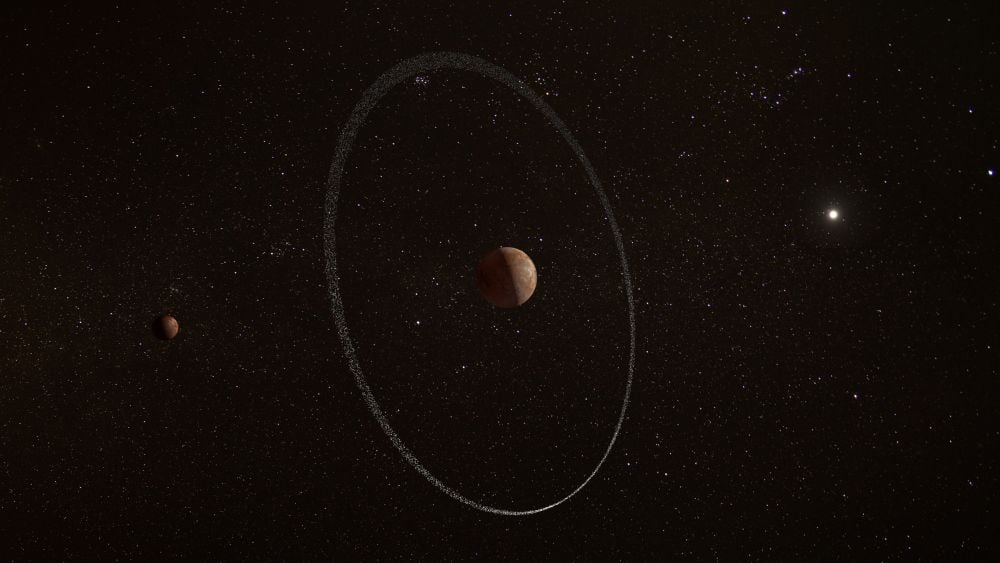
The James Webb Space Telescope (JWST) can tell us a lot about the subjects of its observations if it spends enough time with them. That includes lonely rocks on the edges of our solar system, such as the Trans-Neptunian Object (TNO) Quaoar. Recent observations using the NIRCam on JWST and pre-published on arXiv by researchers at the University of Central Florida, the Space Telescope Science Institute, and Kyoto University add a plethora of new data to our understanding of this enigmatic object, including insights into what might be causing its ring system and its hydrocarbon atmosphere.
Continue reading
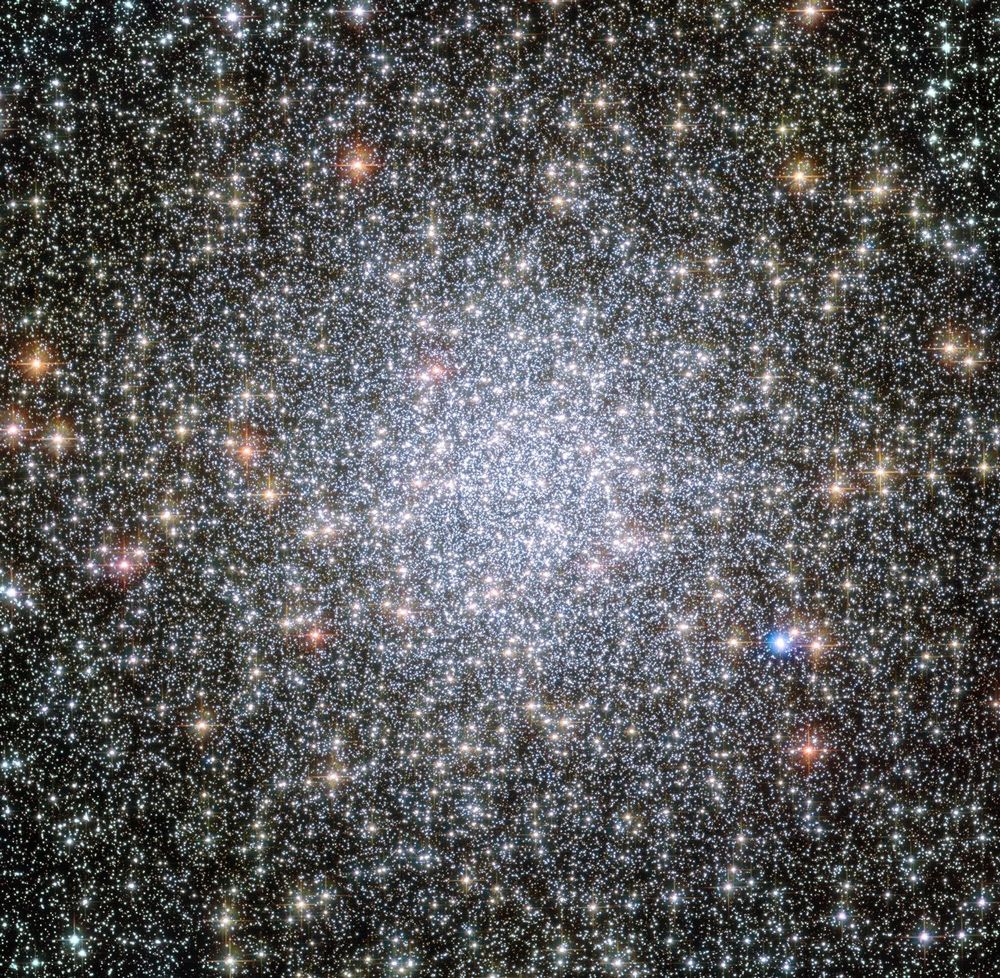
The long-awaited Vera Rubin Observatory has delivered some preliminary observations of the globular cluster 47 Tucanae field. 47 Tuc is the Milky Way's second-brightest globular cluster, second to Omega Centauri. The Rubin Observatory's data demonstrates the telescope's promising scientific potential.
Continue reading
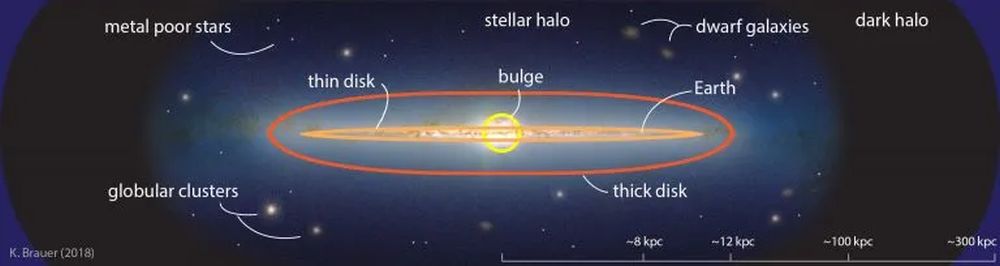
The Milky Way and other similar galaxies have two distinct disk sections. One is the thin disk section, and it contains mostly younger stars with higher metallicity. The second is the thick disk, and it contains older stars with lower metallicity. The effort to study these disks in more galaxies and in greater detail has been stymied. But now we have the JWST, and researchers used it to examine more than 100 distant, edge-on galaxies.
Continue reading
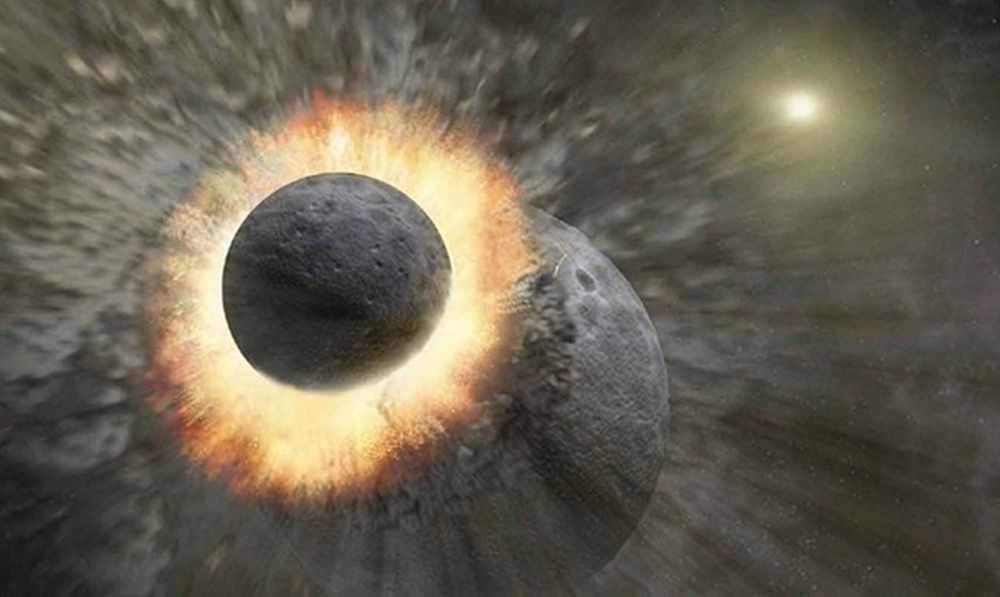
Earth life is carbon-based, and without carbon, there would be no life. New research shows how Earth got its carbon from impactors, including a boost from Theia, the impactor that created the Moon. Jupiter also pitched in to help.
Continue reading
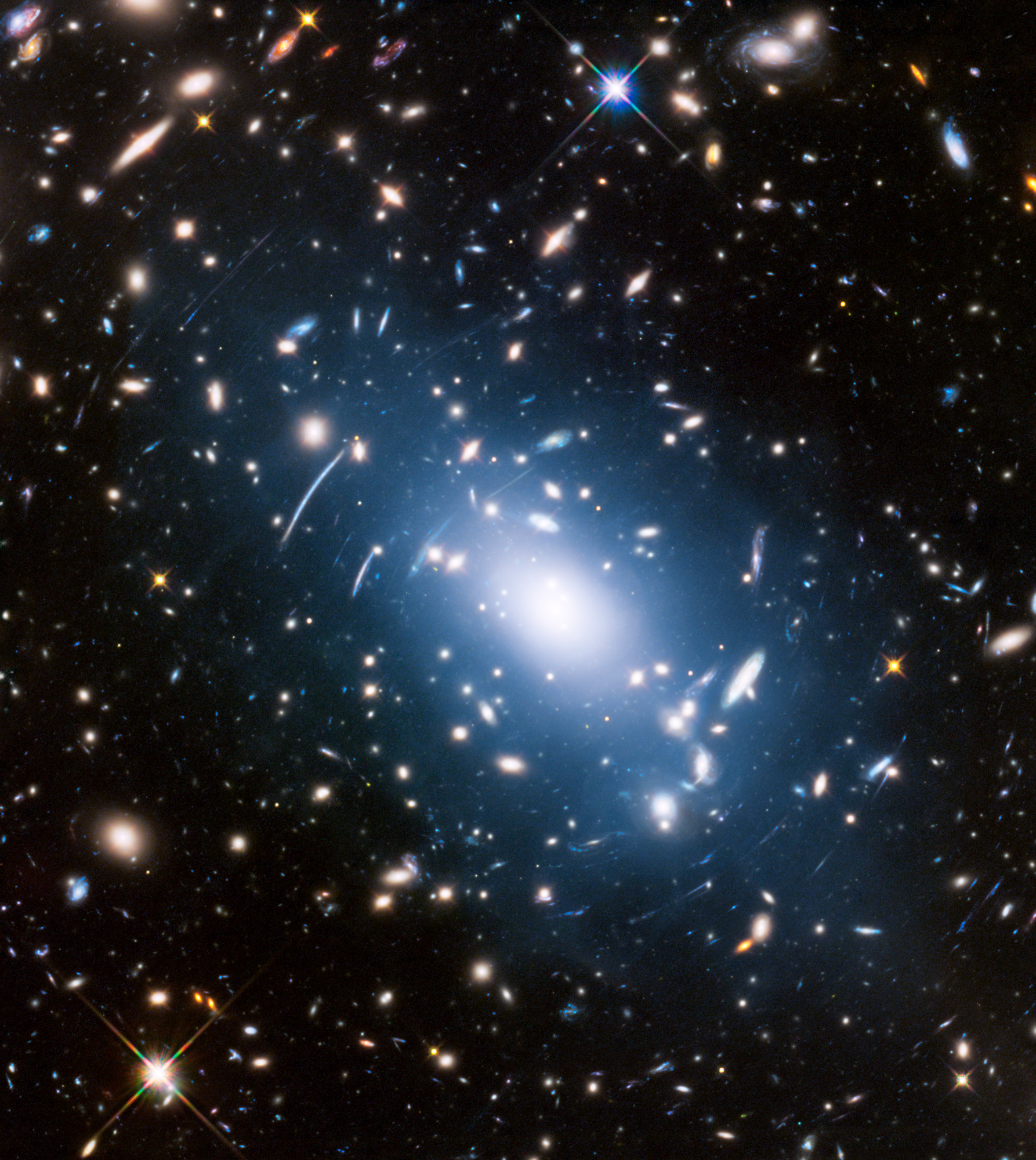
The search for dark matter requires all of the best models, theories, and ideas we can throw at it. A new paper from Julia Monika Koulen, Stefano Profumo, and Nolan Smyth from the University of California at Santa Cruz (UCSC) tackles the implications of the sizes and abundance of one of the more interesting dark matter candidates - primordial black holes (PBHs).
Continue reading
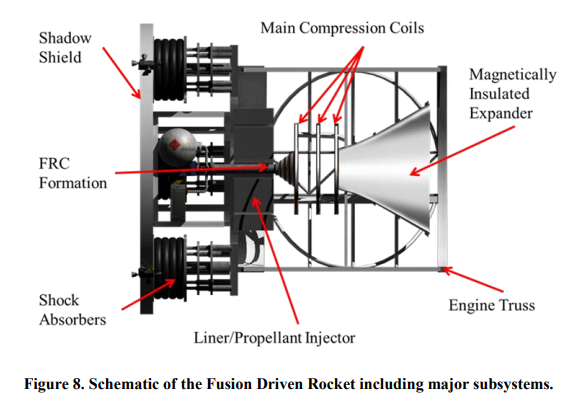
Proxima Centauri b is the closest known exoplanet that could be in the habitable zone of its star. Therefore, it has garnered a lot of attention, including several missions designed to visit it and send back information. Unfortunately, due to technological constraints and the gigantic distances involved, most of those missions only weigh a few grams and require massive solar scales or pushing lasers to get anywhere near their target. But why let modern technological levels limit your imagination when there are so many other options, if still theoretical, options to send a larger mission to our nearest potentially habitable neighbor? That was the thought behind the Master’s Thesis of Amelie Lutz at Virginia Tech - she looked at the possibility of using fusion propulsion systems to send a few hundred kilogram probe to the system, and potentially even orbit it.
Continue reading
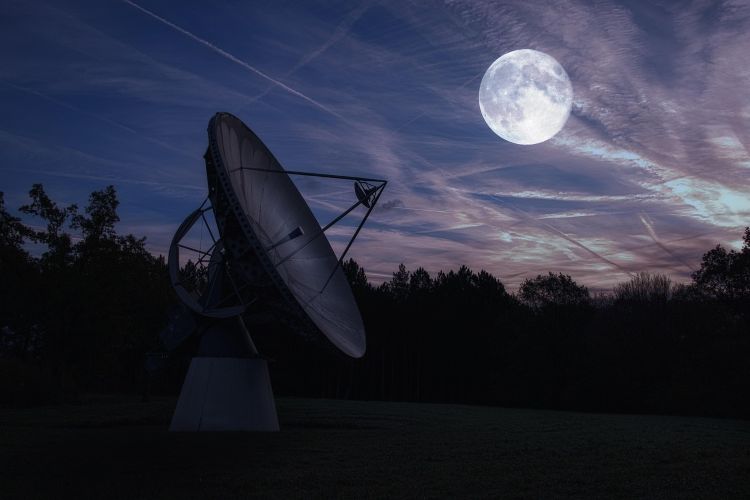
What new methods can be developed in the search for extraterrestrial intelligence (SETI)? This is what a recent white paper submitted to the 2025 NASA Decadal Astrobiology Research and Exploration Strategy (DARES) Request for Information (RFI) hopes to address as a pair of researchers from the Breakthrough Listen project and Michigan State University discussed how high-energy astronomy could be used for identifying radio signals from an extraterrestrial technological civilization, also called technosignatures. This study has the potential to help SETI and other organizations develop novel techniques for finding intelligent life beyond Earth.
Continue reading
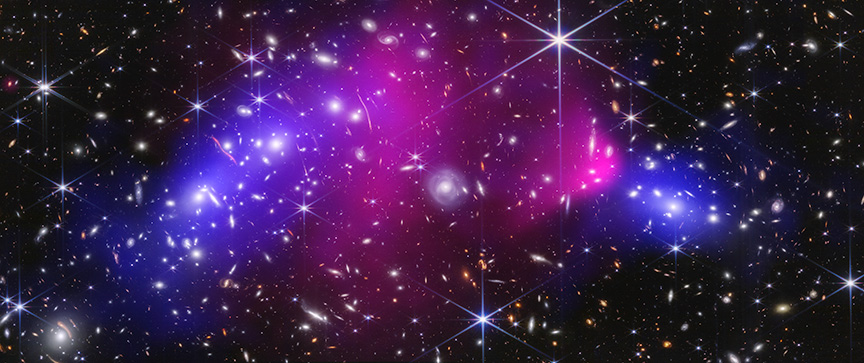
One of the most iconic cosmic scenes in the Universe lies nearly 3.8 billion light-years away from us in the direction of the constellation Carina. This is where two massive clusters of galaxies have collided. The resulting combined galaxies and other material is now called the Bullet Cluster, after one of the two members that interacted over several billion years. It's one of the hottest-known galaxy clusters, thanks to clouds of gas that were heated by shockwaves during the event. Astronomers have observed this scene with several different telescopes in multiple wavelengths of light, including X-ray and infrared. Those observations and others show that the dark matter makes up the majority of the cluster's mass. Its gravitational effect distorts light from more distant objects and makes it an ideal gravitational lens.
Continue reading
Continue reading
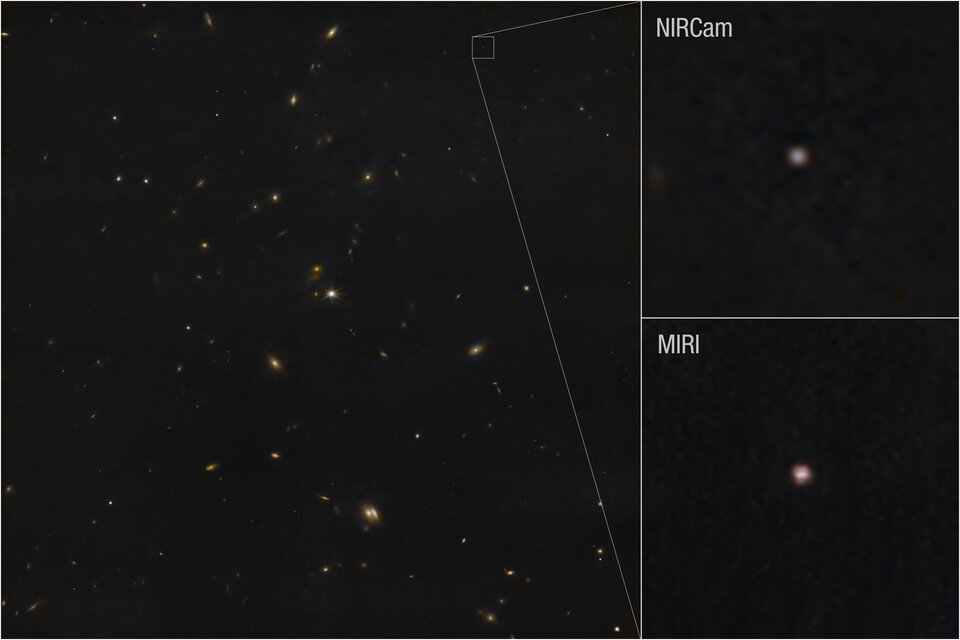
Earlier this year, asteroid 2024 YR4 was discovered and found to have a trajectory through the Earth/Moon system in 2032. The world's telescopes focused on the potential threat and downgraded the chance to negligible for the Earth...but it still has a non-zero chance of hitting the Moon. As the asteroid became too dim to continue observing, its Moon impact chance stood at 4%. When will we update this number? Not until it does another close flyby in 2028.
Continue reading
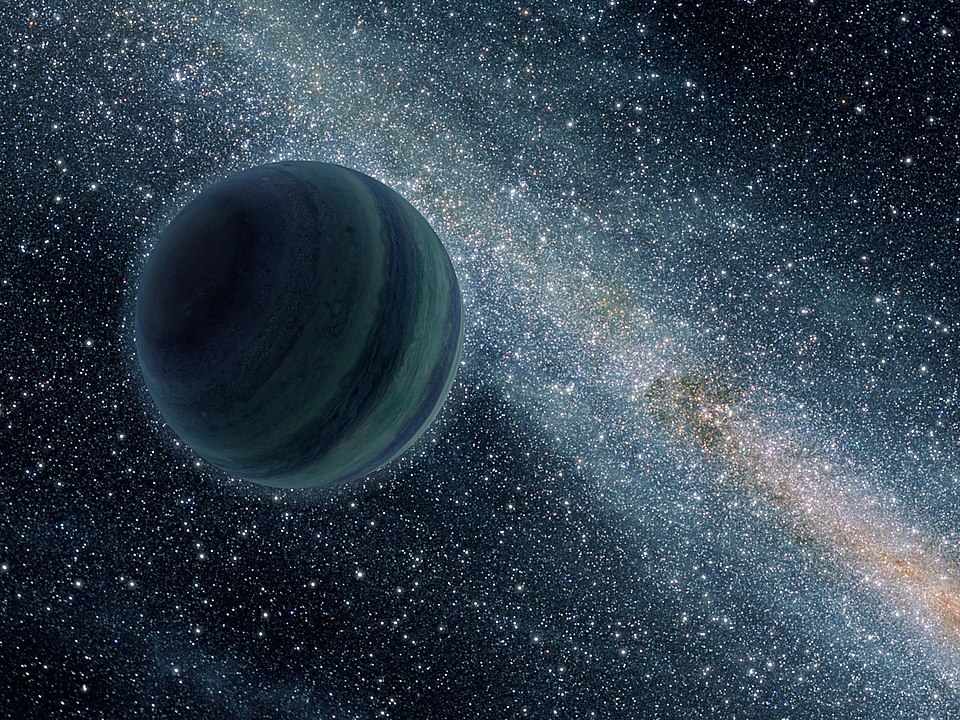
Astronomers have made a breakthrough by using 25 year old Hubble images to investigate a potential "rogue planet" drifting through space without a host star. When a brief gravitational microlensing event occurred in 2023, researchers discovered Hubble had photographed the same location in 1997, creating an unprecedented quarter century baseline. Finding no stellar companion in the archival data strengthened evidence for a rogue planet with mass between Earth and Saturn, demonstrating the scientific value of space telescope archives for studying these elusive worlds wandering the Galaxy alone.
Continue reading
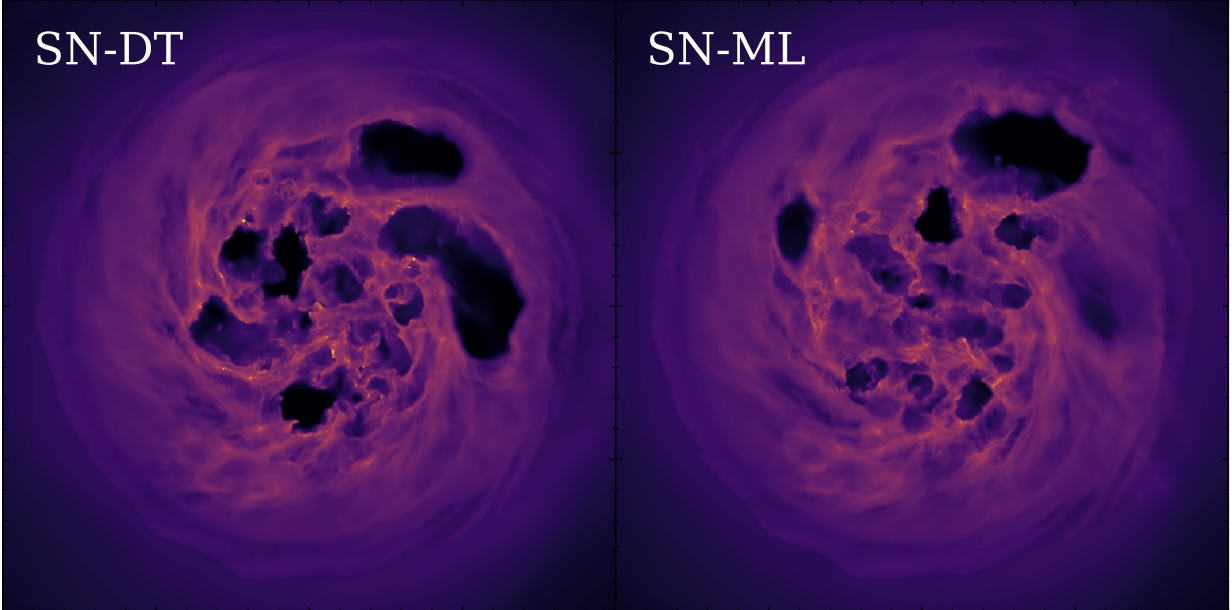
Some of the most powerful supercomputers in the world are designed to simulate complex astrophysical processes, like what's happening inside a giant star as it's going supernova. But researchers have developed a new machine learning algorithm that was able to accurately simulate galaxy evolution with fewer computer resources and dramatically more quickly than a supercomputer, which could take years to fully process.
Continue reading
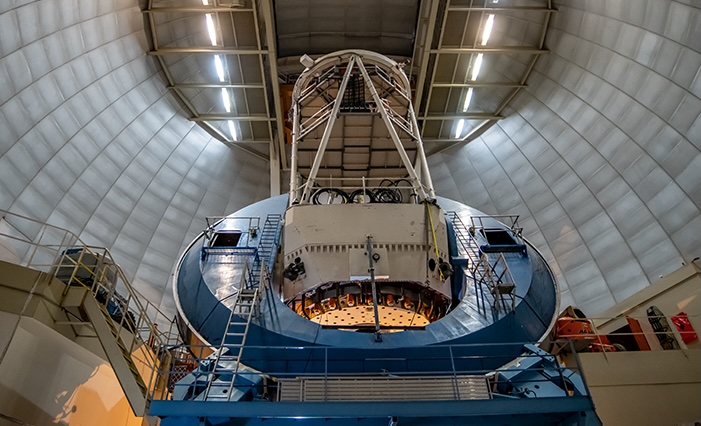
Astronomers once wondered if the Universe might one day collapse in on itself in a Big Crunch, but the discovery of dark energy suggested that the expansion of the Universe would accelerate, removing that possibility. New data from the Dark Energy Spectroscopic Instrument suggests that dark energy might be changing in strength over time, maybe even going negative. If that result holds, are we due for a Big Crunch? And how long would it take?
Continue reading
 Universe Today