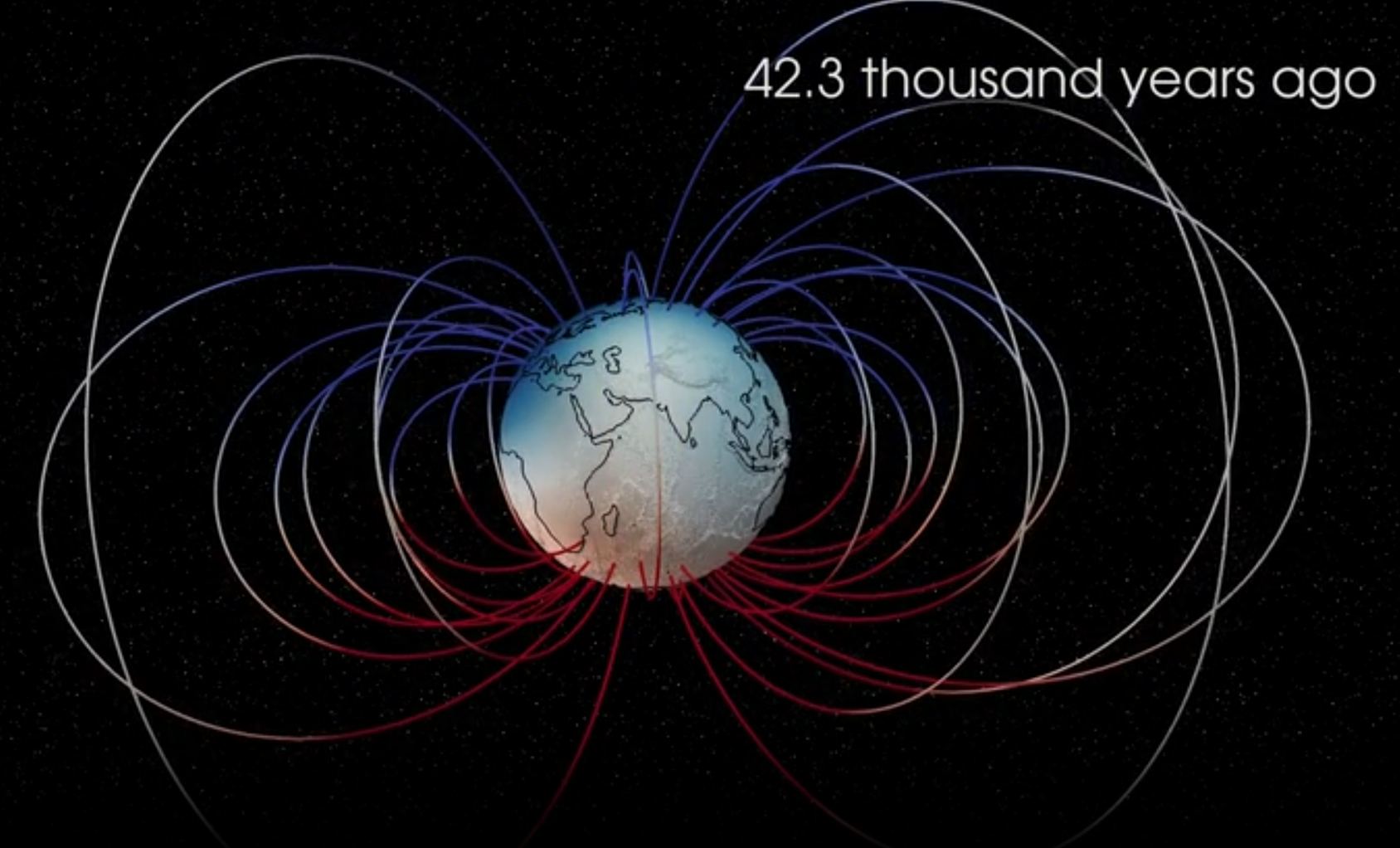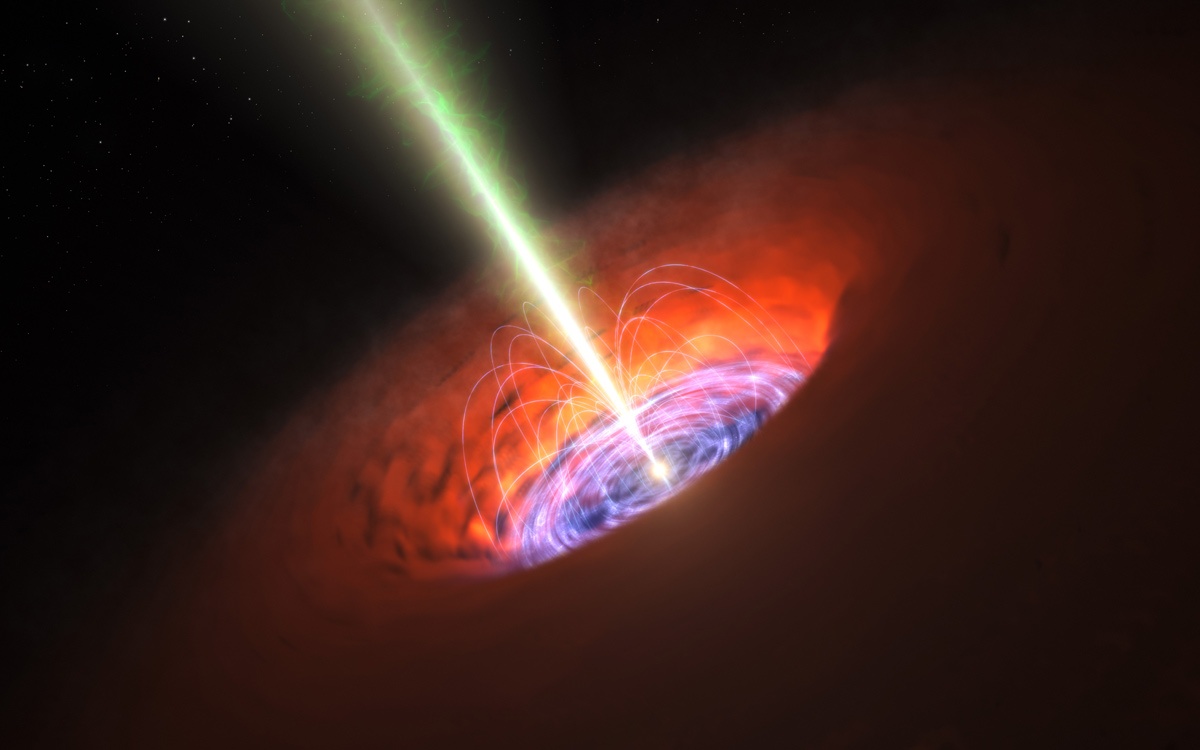
Black holes are incredible powerhouses, but they might generate even more energy thanks to an unusual effect known as frame dragging.
Continue reading
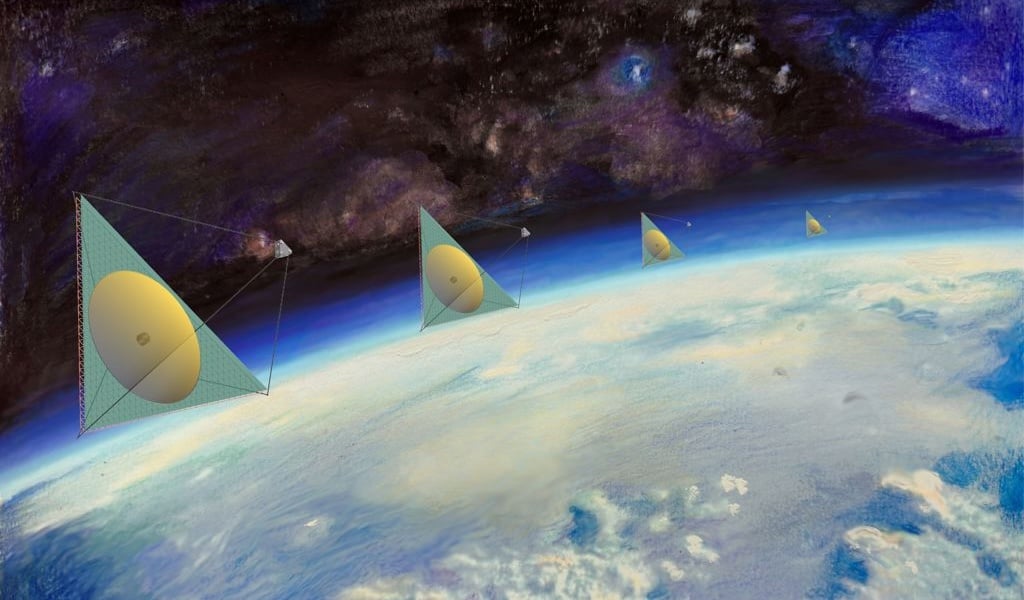
As we saw with JWST, it's difficult and expensive to launch large telescope apertures, relying on origami techniques to unfold the full mirror. A new paper proposes that telescope mirrors could be made out of a thin polymer that's only 200 micrometers thick. It could be rolled up inside a rocket fairing and then unrolled once it gets to space. This could allow apertures vastly larger than anything currently in space, with several working together as an interferometer.
Continue reading
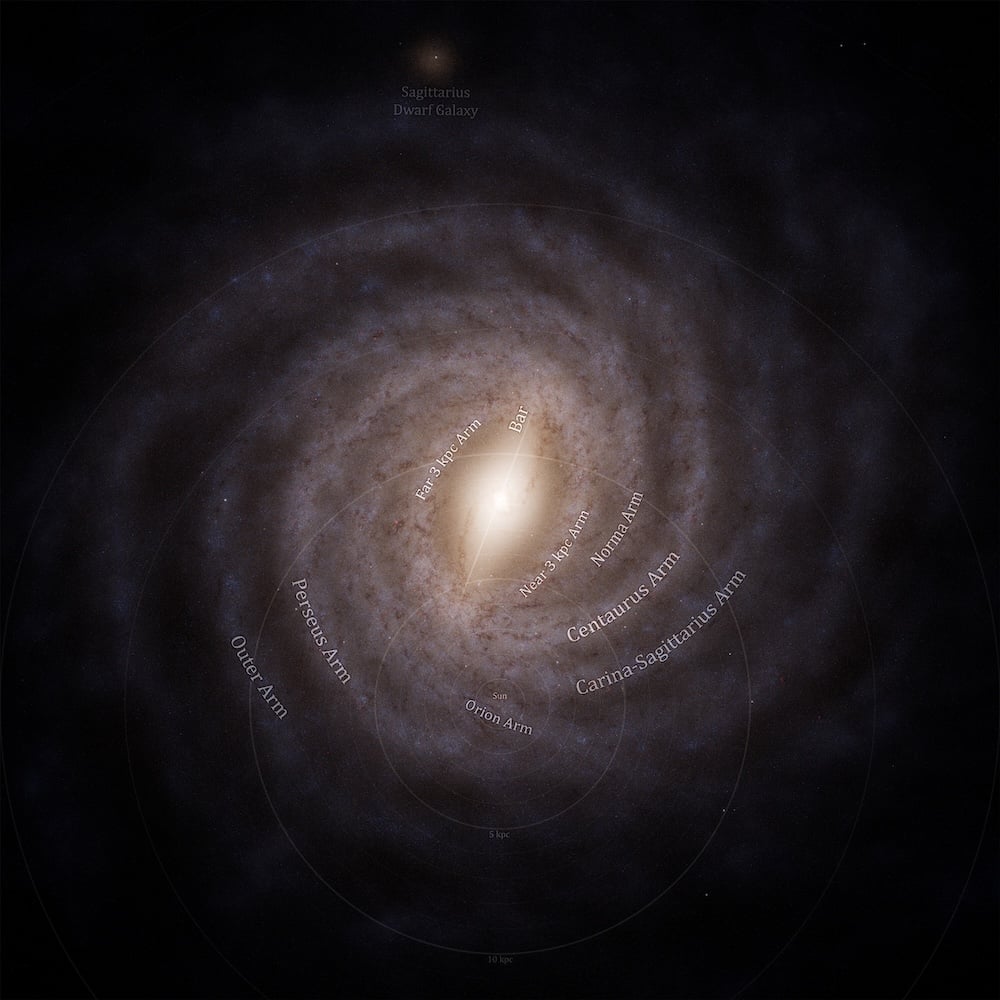
The spectra of distant galaxies shows that dying sun-like stars, not supernovae, enrich galaxies the most.
Continue reading
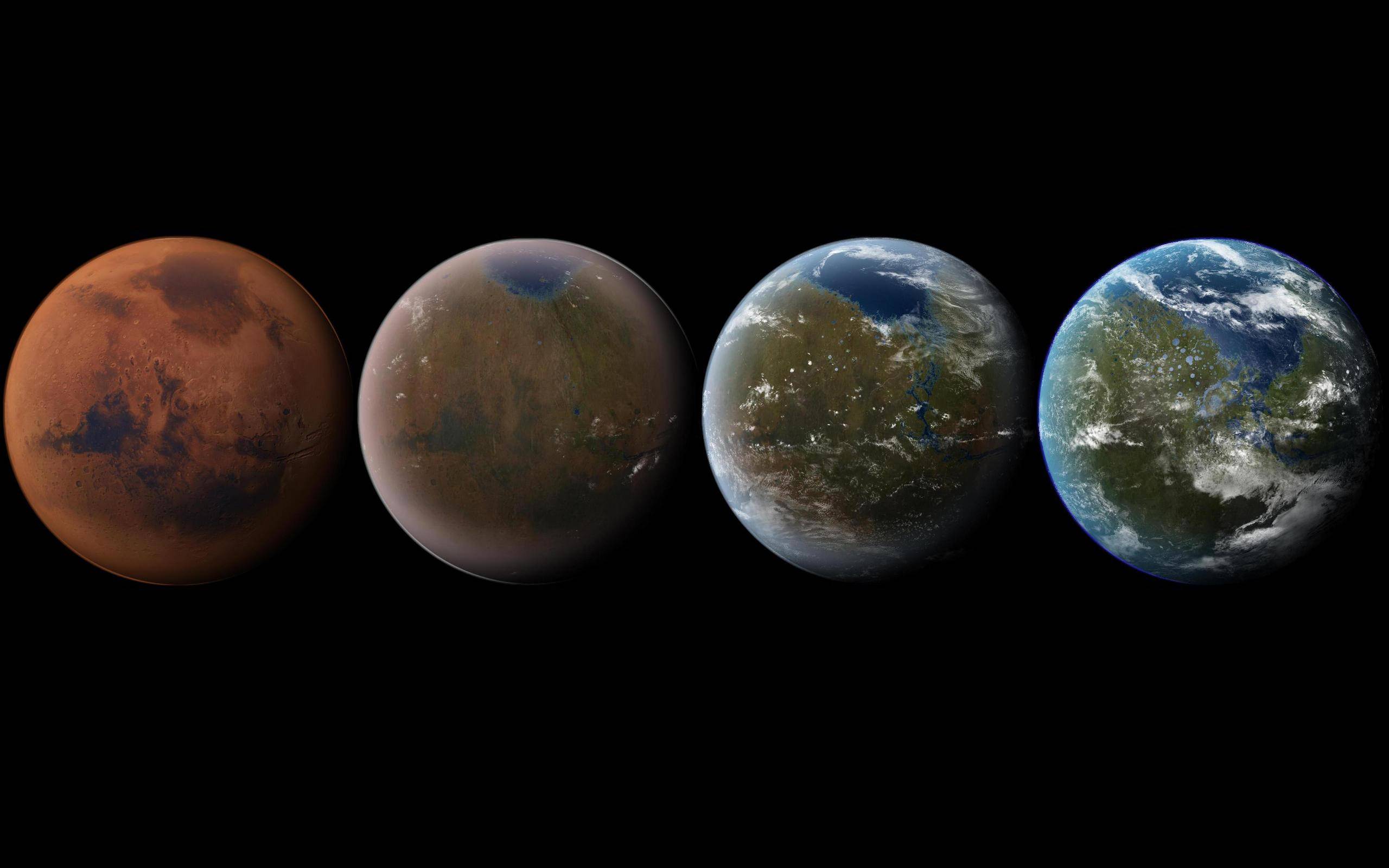
Freeman Dyson proposed that advanced civilizations might eventually harvest all the energy coming from their stars by surrounding them with a swarm of solar-collecting satellites. But other astronomers have proposed that we might see all that rock go into the construction of artificial planets instead, surrounding a star with dozens of habitable worlds and captured rogue planets. If we detect a star system with a surprising number of planets, they could be artificial.
Continue reading
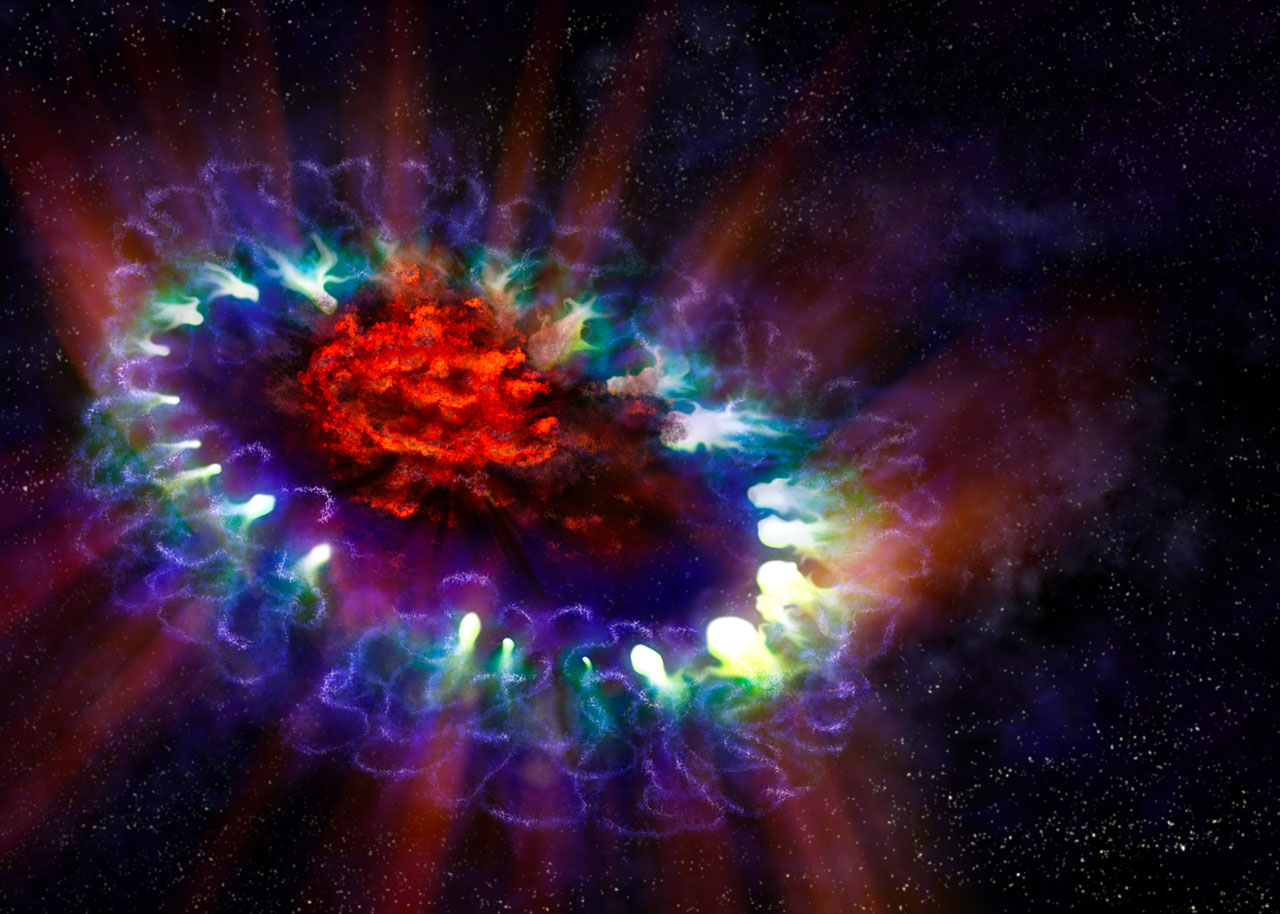
Dust grains older than the Sun can tell us about how supernovae enriched the cosmos with heavy elements, but the details are subtle and require more study.
Continue reading
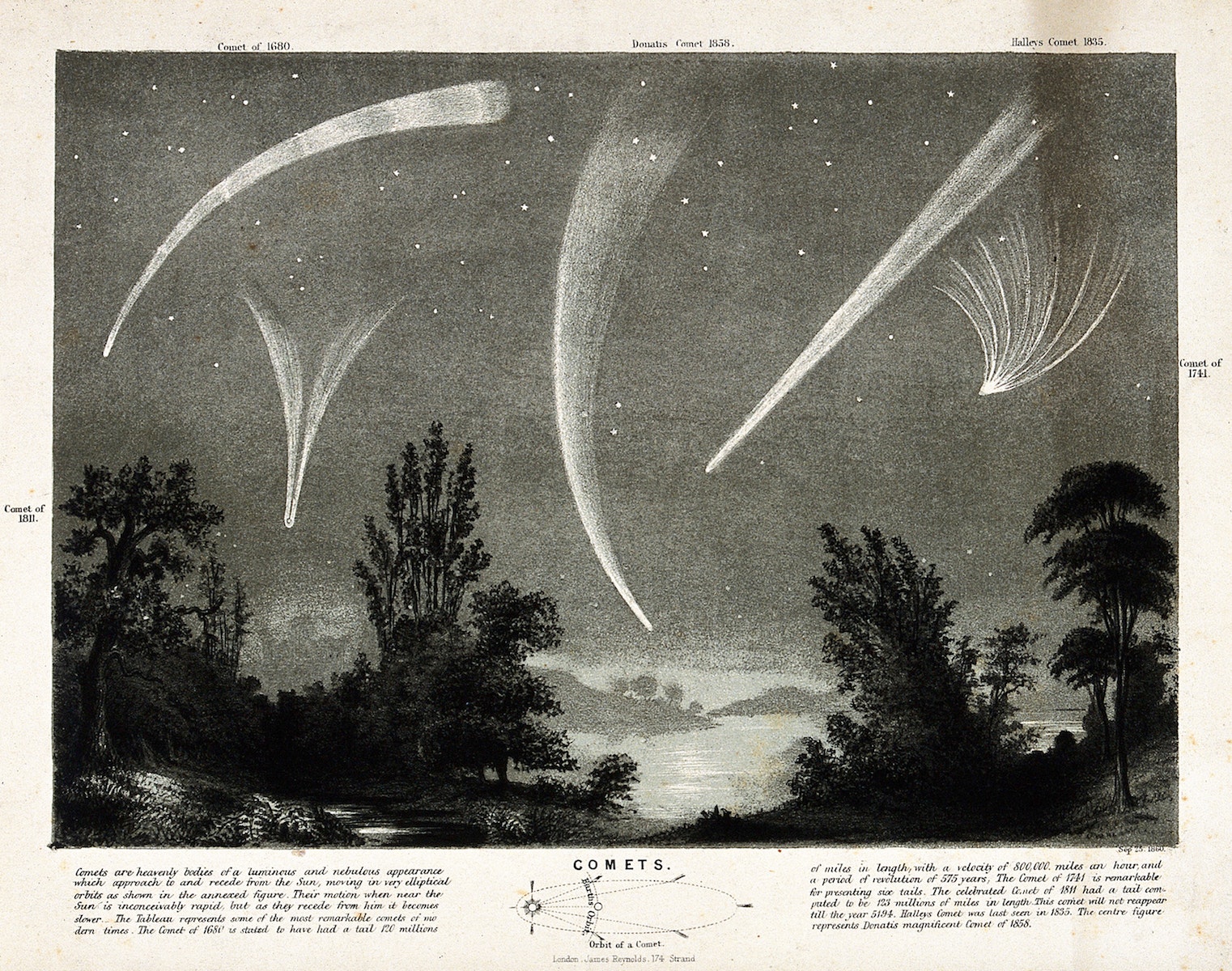
Long-period comets can have orbits that can take hundreds of years before they return to the inner Solar System and sometimes come dangerously close to Earth. To search for potentially hazardous comets, astronomers have used meteor showers as a historical record. When the Earth passes through a meteoroid stream left by a comet, we see a meteor shower. From these showers, they can calculate the orbit of the comet and predict when it will come back to our neighborhood.
Continue reading
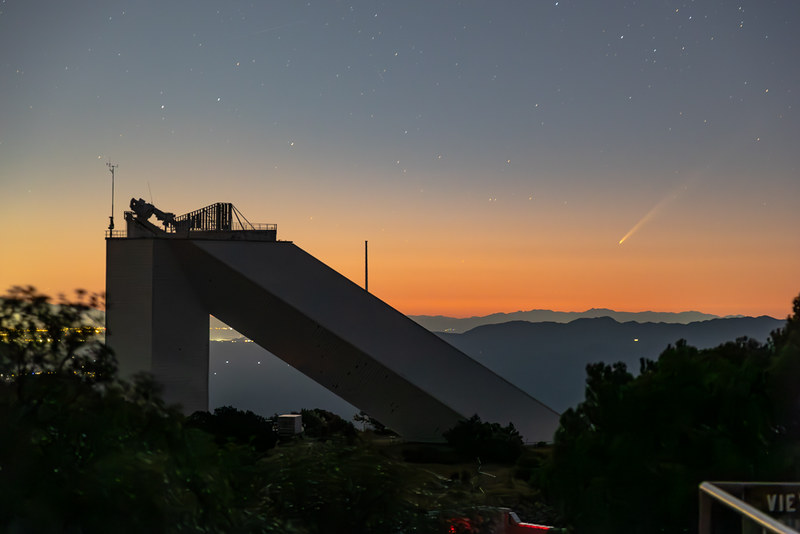
Comet C/2023 A3 Tsuchinshan-ATLAS survived perihelion to become a fine dusk object for northern hemisphere observers.
Continue reading
 Universe Today