In 2005 astronomers found a pulsar rotating at 716 times a second. Now a team studying an X-ray binary has found another neutron star spinning at that rate.
Continue reading
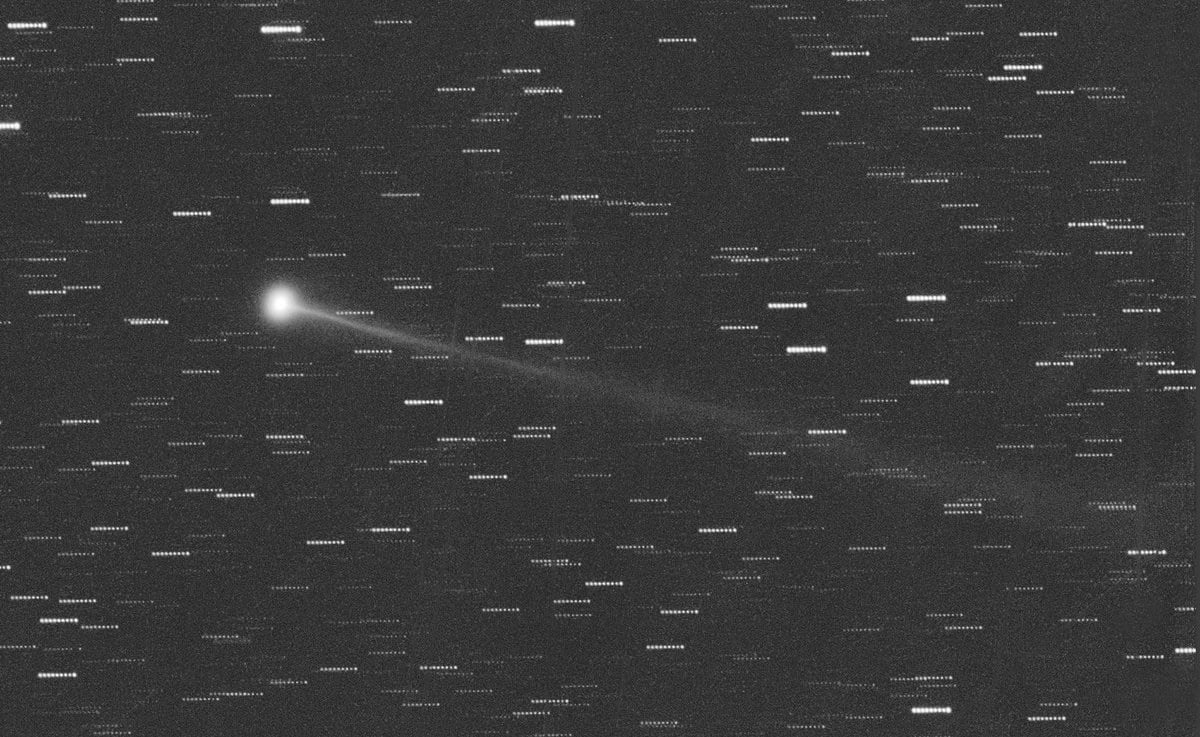
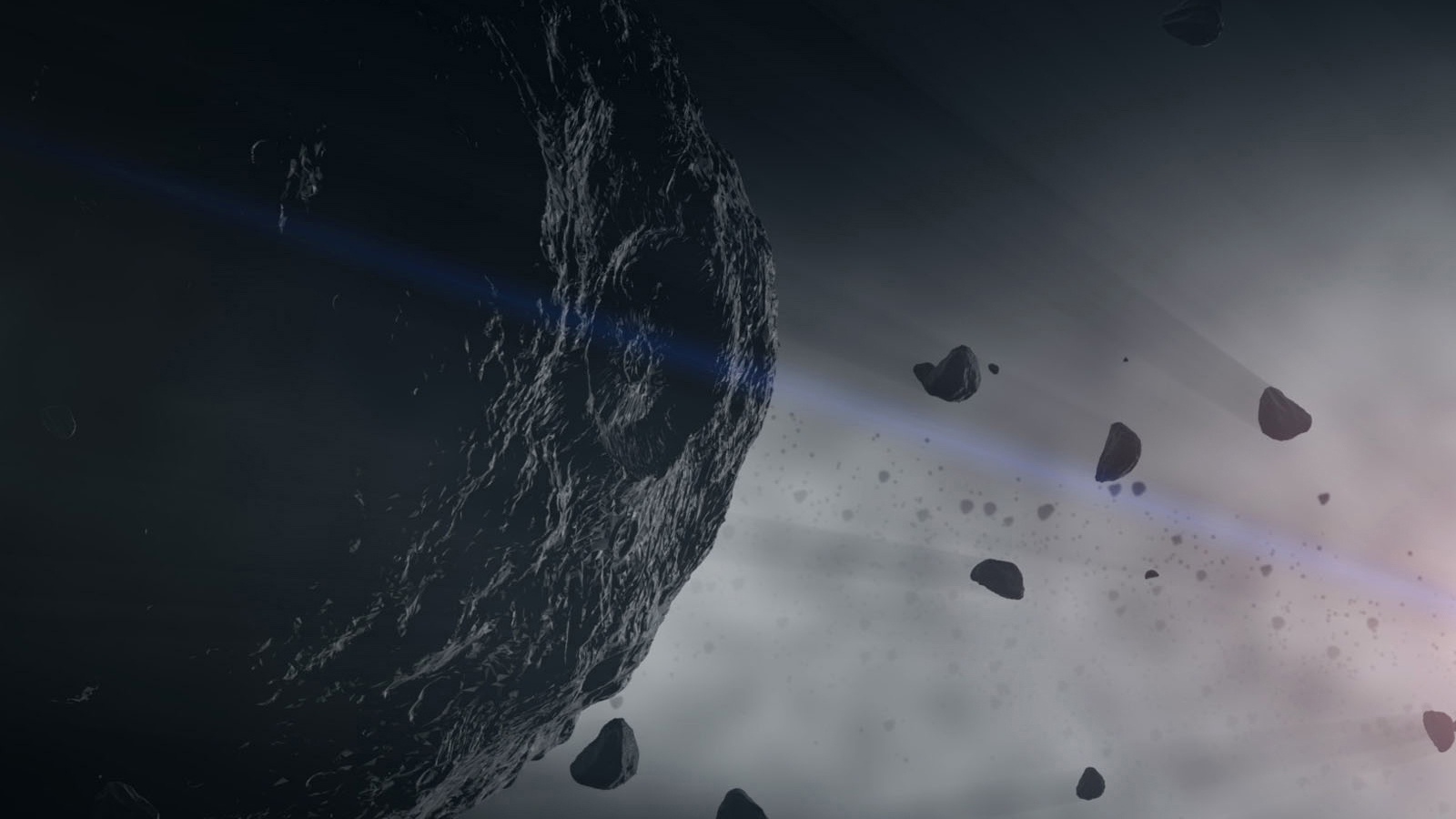
Sungrazer C/2024 S1 ATLAS breaks apart at perihelion.
Continue reading
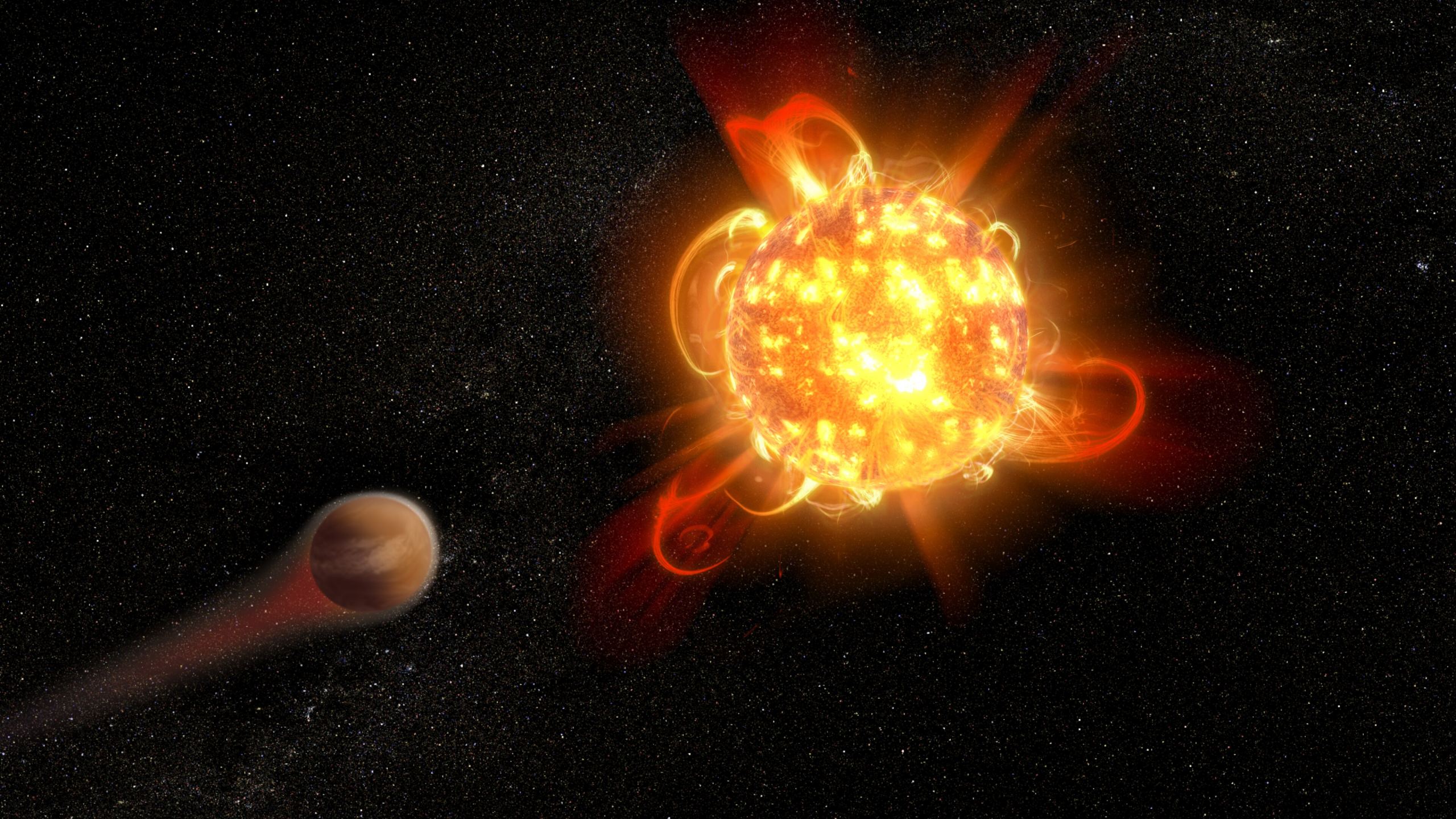
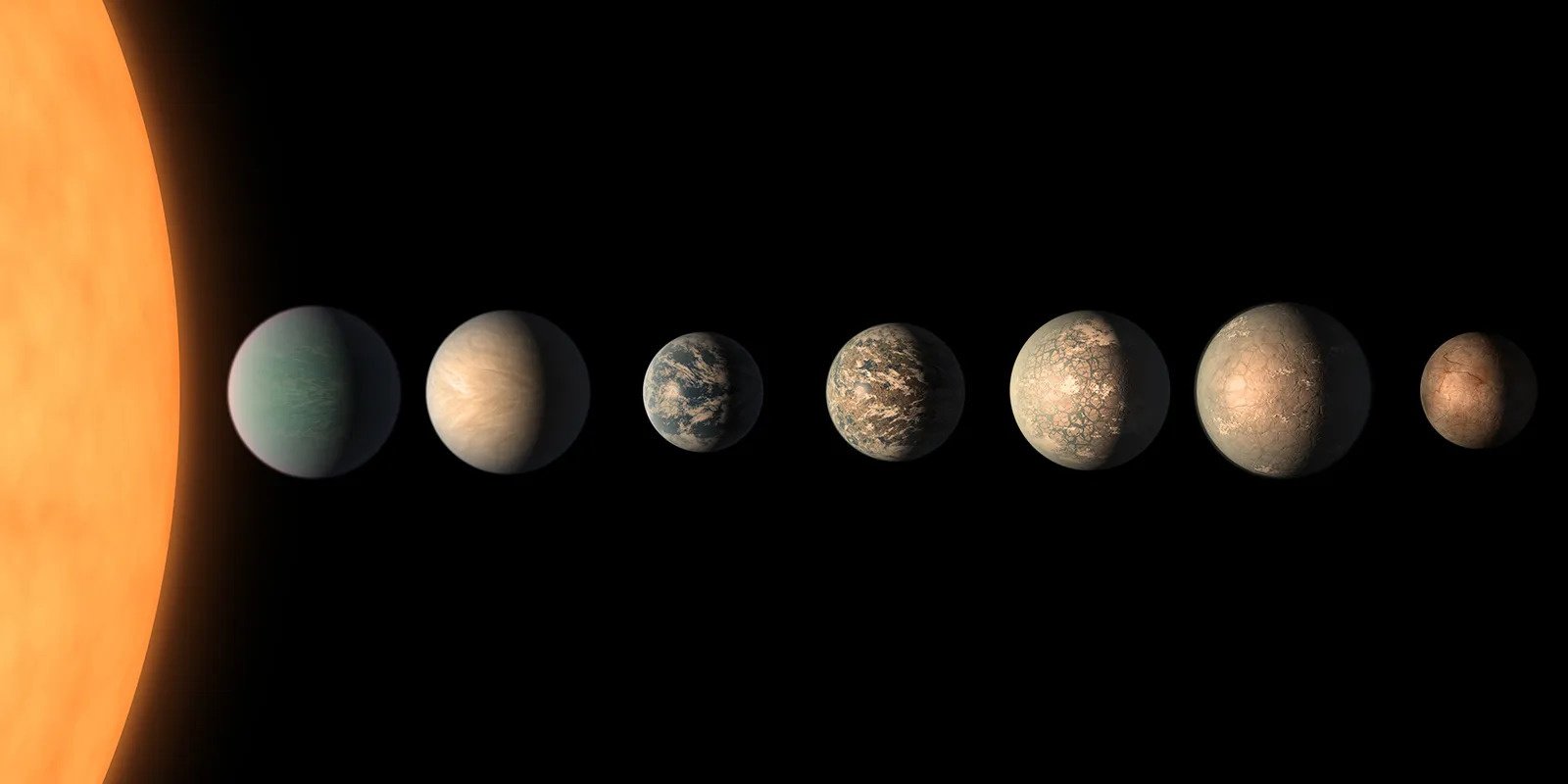
The TRAPPIST-1 system is exciting because of several Earth-sized worlds within the habitable zone of a red dwarf star, but it's also a dangerous environment, with powerful superflares sweeping past the planets. How would the hardiest Earth life handle that kind of environment? Researchers exposed two types of hardy Earth bacteria to TRAPPIST-1 level flares and found that both could handle it, even without any protective shielding. Life is surprisingly durable.
Continue reading
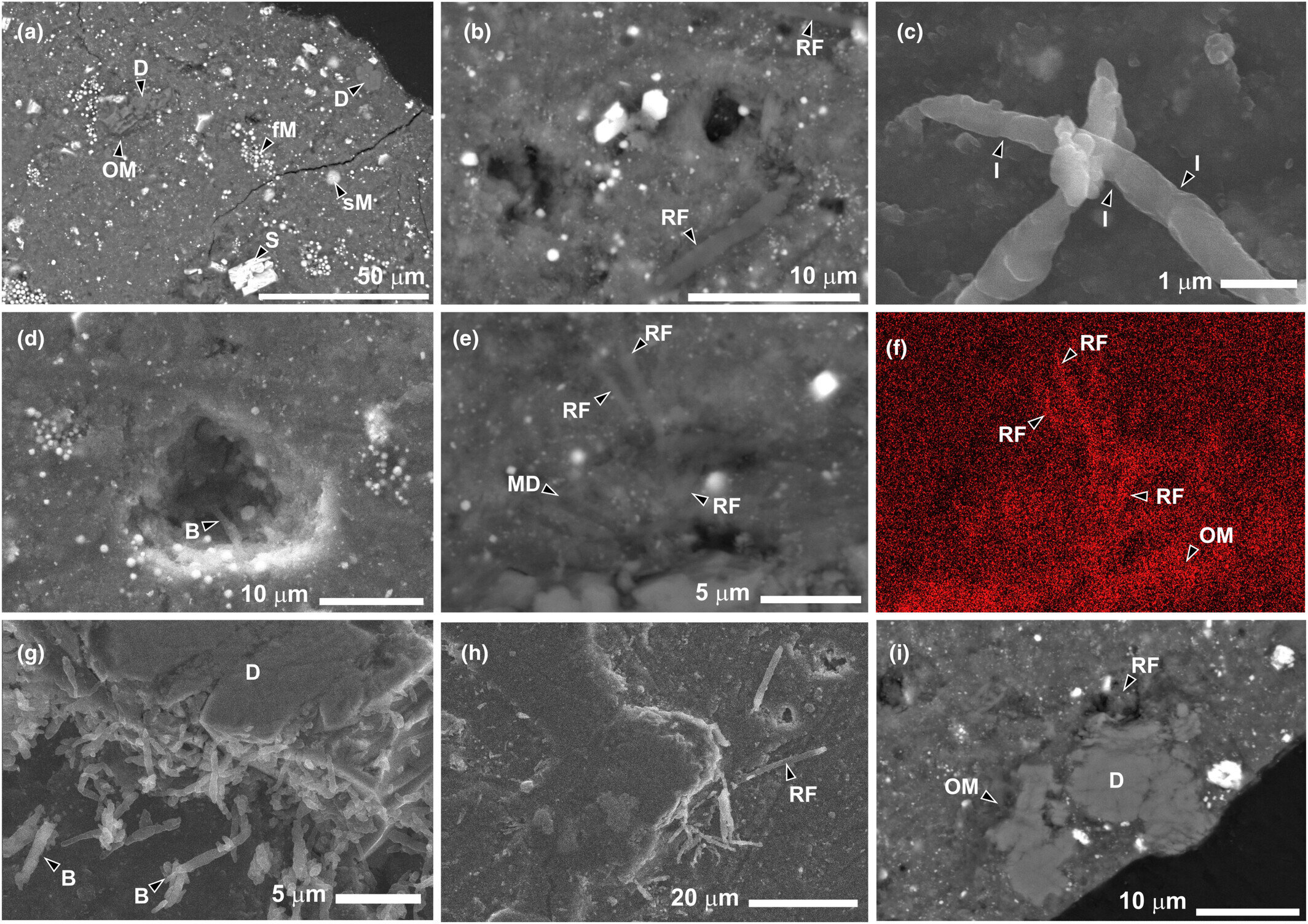
There are a few telescopes under development that could reveal evidence of life on exoplanets. One is the Large Interferometer for Exoplanets, under consideration by the European Space Agency. This constellation of telescopes should be able to detect atmospheric biosignatures on nearby terrestrial planets. Recently, mission planners developed a preliminary database of targets that LIFE could point to, with the best chances of finding inhabited worlds.
Continue reading
 Universe Today