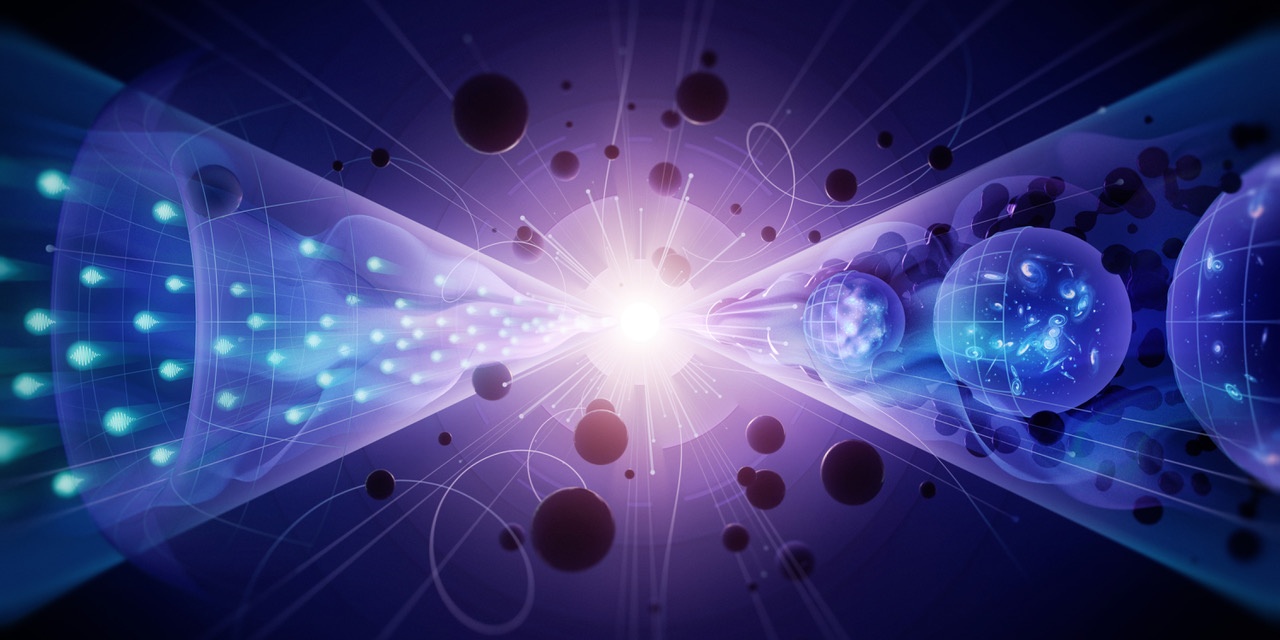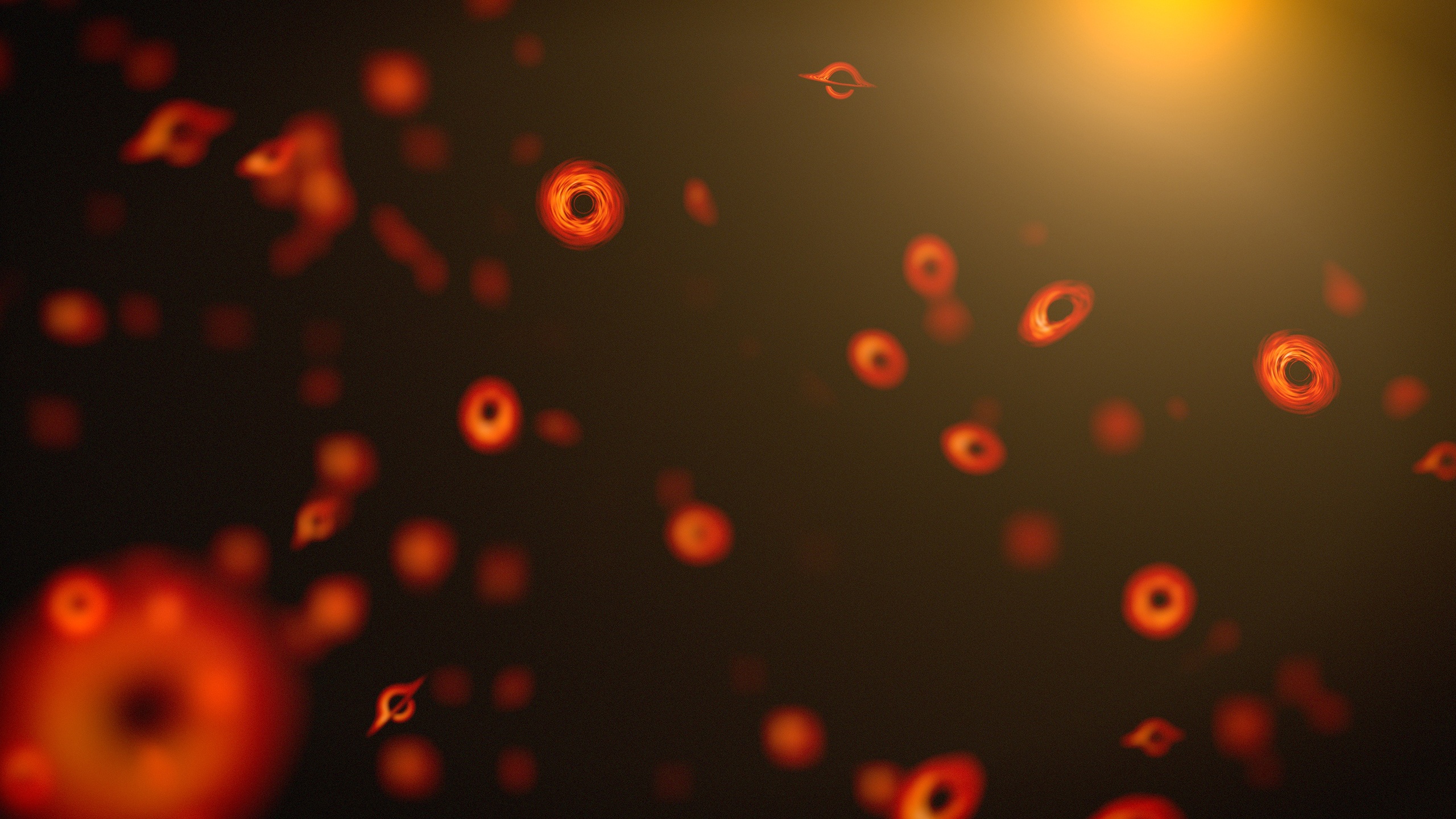
One explanation for dark matter is that it's made out of primordial black holes, formed in the earliest moments of the universe. Although they've never been seen directly, asteroid-mass black holes could account for all the dark matter influence. It's believed that these low-mass black holes would be undetectable as they merged, releasing gravitational waves. But according to a new paper, if the conditions are ideal, there are instruments that might detect these mergers.
Continue reading
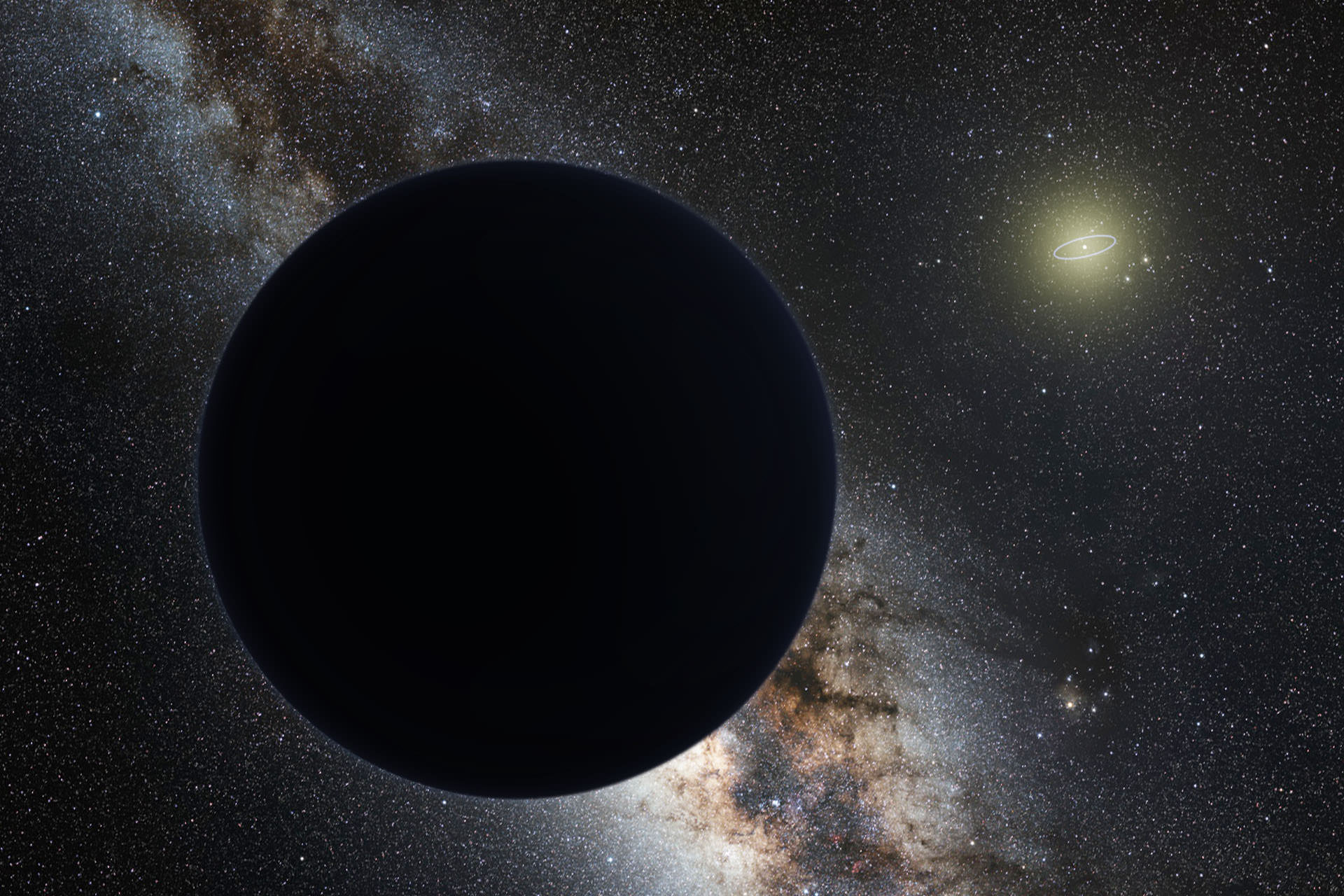
Although the outer Solar System is mostly empty, there are icy objects drifting within the very limits of detection by our largest telescopes. But maybe small telescopes can be more successful. A new paper suggests that an array of 200 automated 40-cm telescopes spread across 1,000 km could be the best way to find them. They would watch for changes in brightness as objects pass in front of stars and could even find the hypothetical Planet Nine.
Continue reading
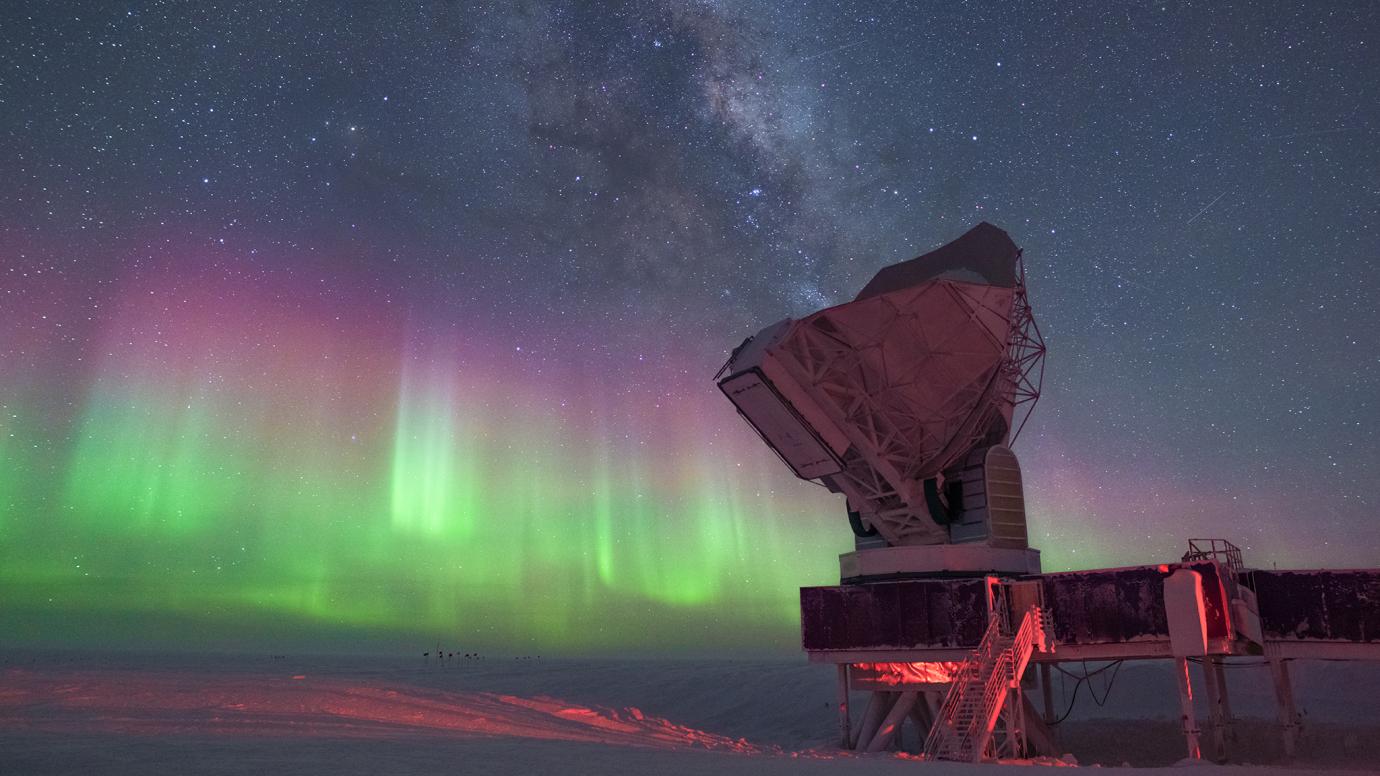
About 370,000 years after the Big Bang, the Universe had cooled down so light could escape, traveling for billions of years to reach our telescopes. This is the Cosmic Microwave Background Radiation, and the very last light released is known as "last scattering," when reflected, polarized light was released. New observations from the South Pole Telescope have completed a comprehensive survey of this polarized light, revealing more about the Universe's earliest history.
Continue reading
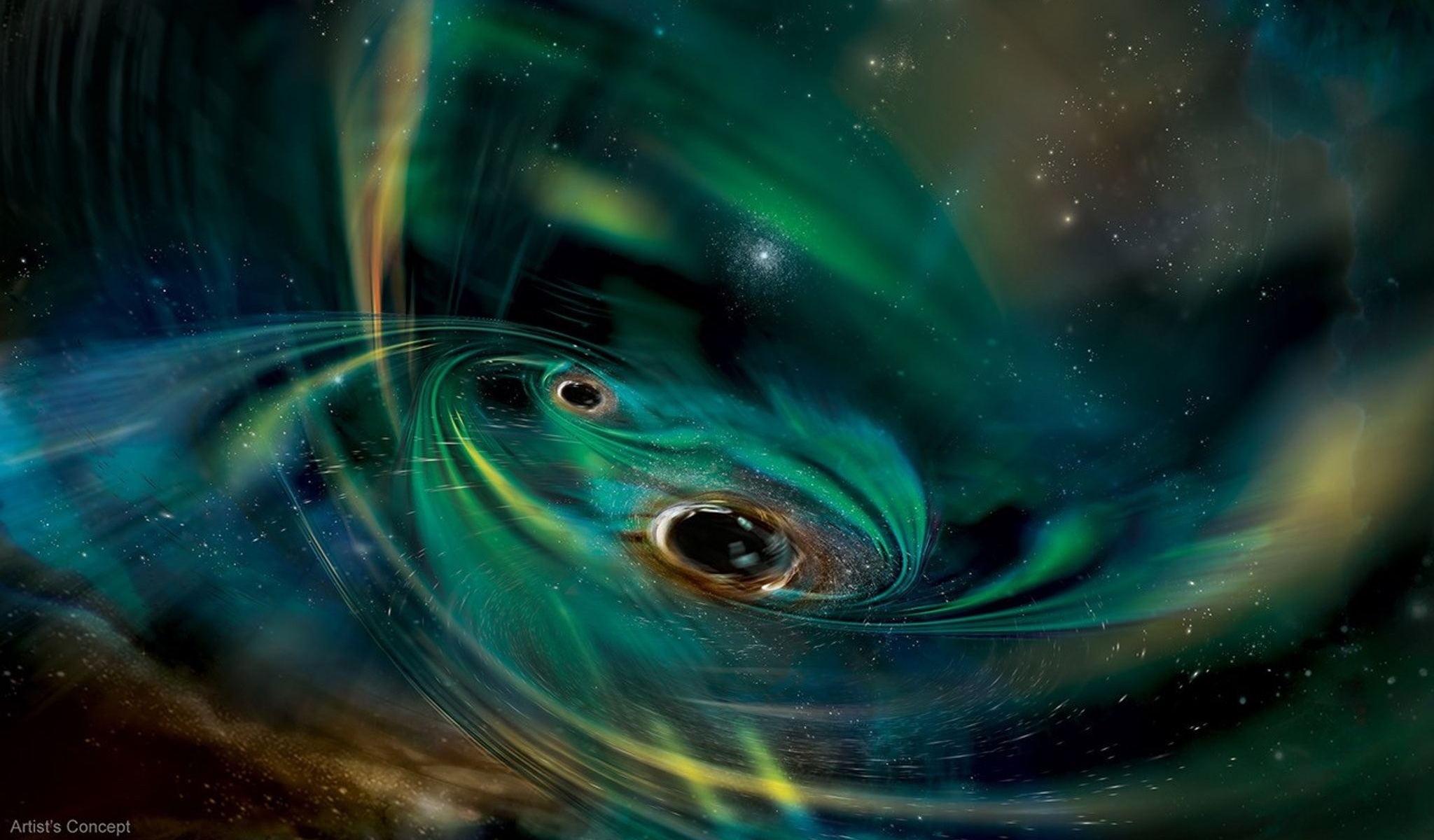
Researchers have been keeping an eye on the center of a galaxy located about a billion light-years away. Every few months, the galaxy center releases a flash of X-rays, which appears to be coming from a pair of supermassive black holes orbiting one another. They're only about a light-day apart and contain a combined 40 million solar masses. They take 130 days to orbit and are expected to collide in about 70,000 years.
Continue reading
 Universe Today