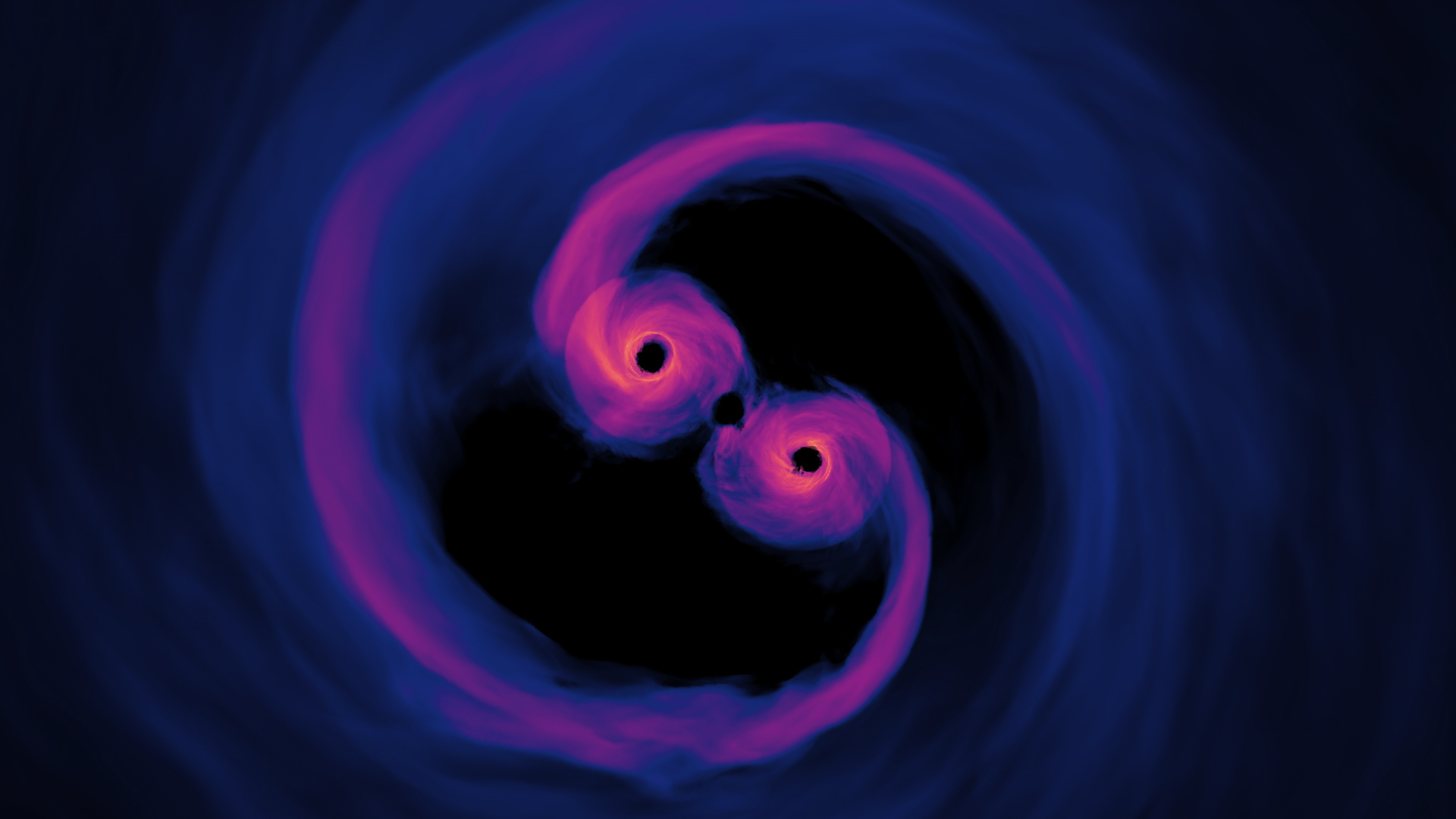
At the largest scales, the Universe is expected to be isotropic and homogeneous. No matter where you go, things will look roughly the same, with no preference for rotation direction. Researchers have proposed a way to test this "mirror symmetry" hypothesis using the mergers of black holes. When black holes collide, they release gravitational waves that can be polarized, either right- or left-handed. After studying 47 mergers, they found that symmetry is preserved.
Continue reading
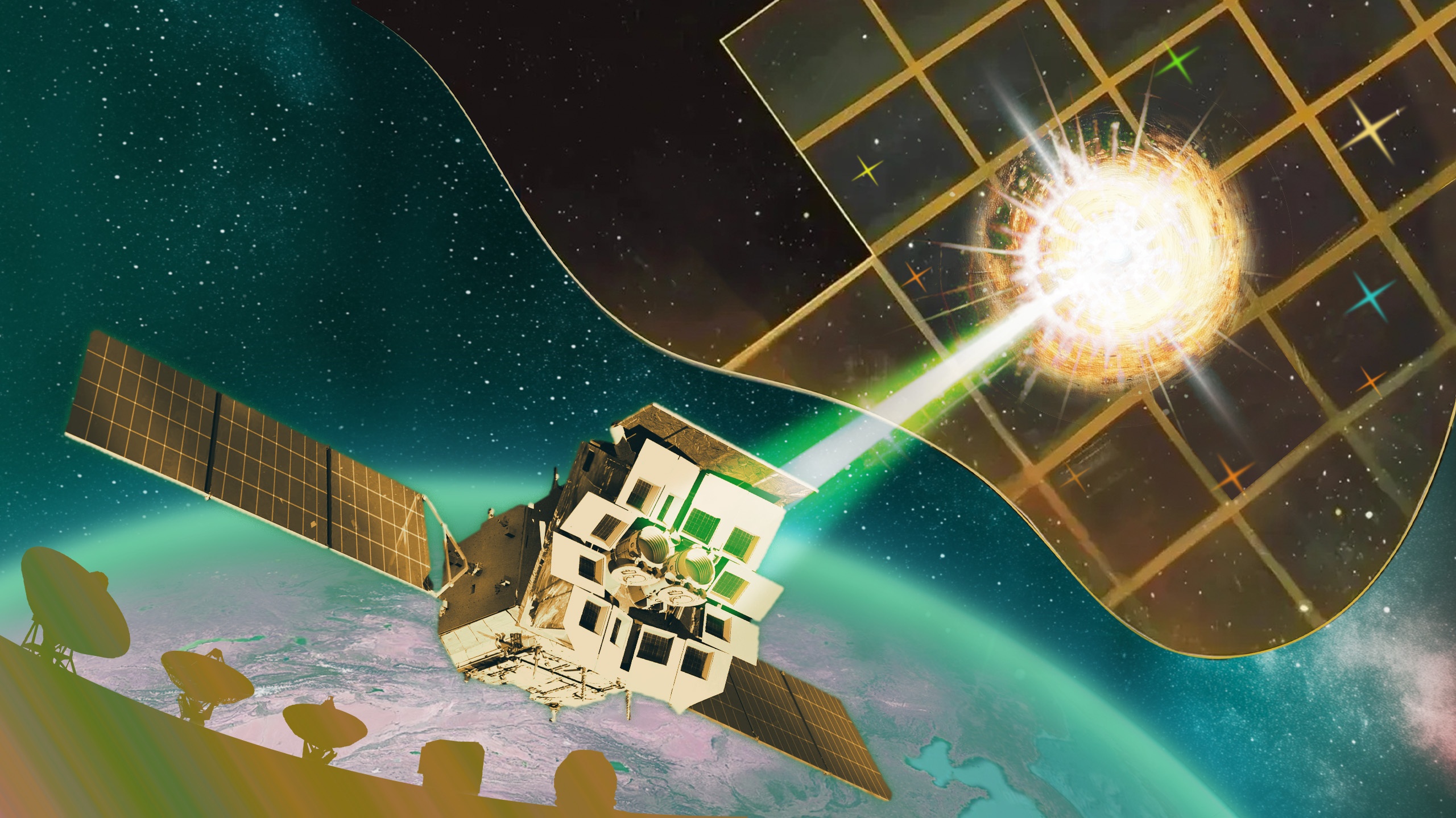
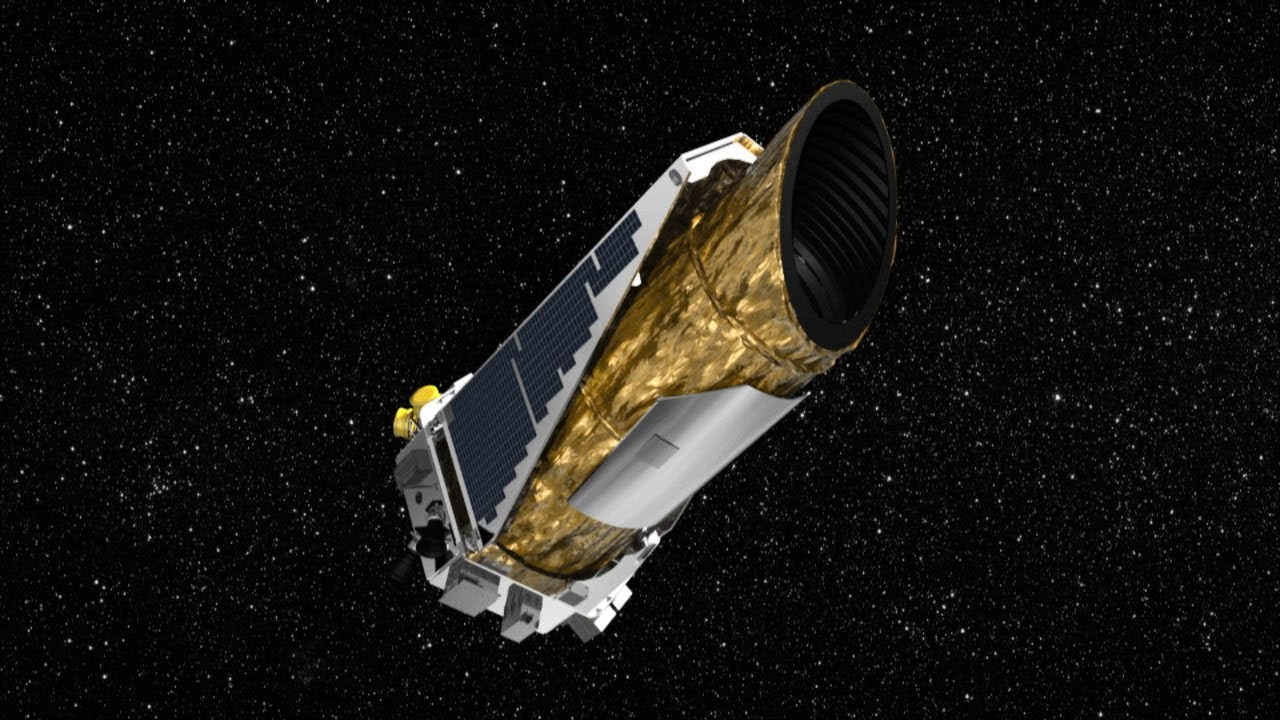
The Einstein Probe is a collaboration between Europa and China and was designed to detect flashes of low-energy X-rays, so-called "soft X-rays." Recently, the Probe automatically detected a 17-minute-long flash in brightness, known as a fast X-ray transient. Other astronomers made follow-on observations and confirmed that it was a blast of radiation that happened when the Universe was just over a billion years old: a gamma-ray burst near the dawn of time.
Continue reading

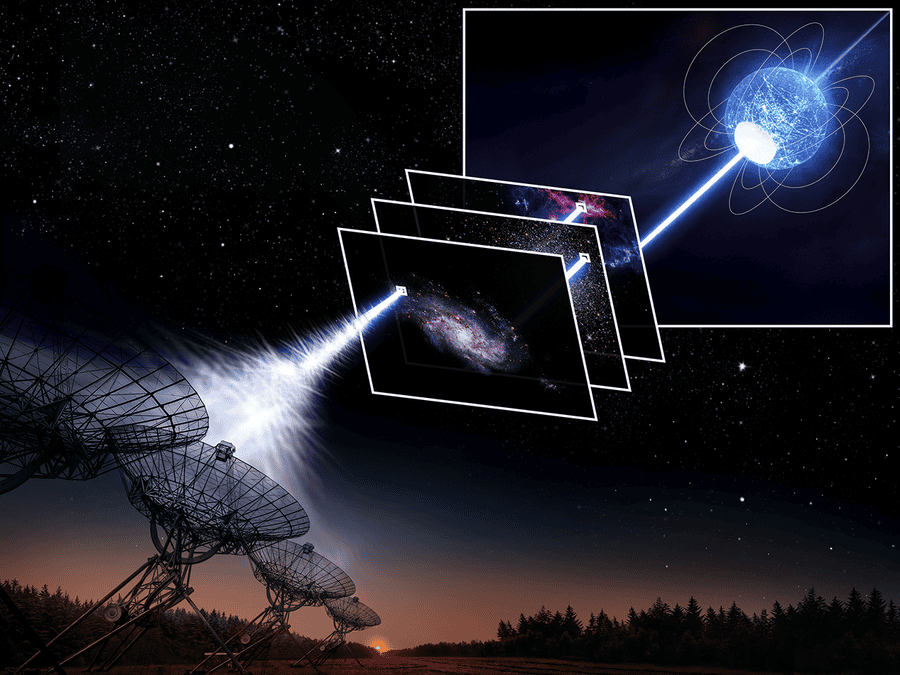
Astronomers still aren't sure about the source of fast radio bursts, but they appear to come from newly formed neutron stars, with powerful magnetic fields that interact with their surroundings. Researchers were surprised to find a burst that came from the last place you'd expect to see a young neutron star: an ancient elliptical galaxy, which ran out of most of its star-forming gas and dust long ago. So, maybe fast radio bursts have something to do with older stars?
Continue reading
 Universe Today