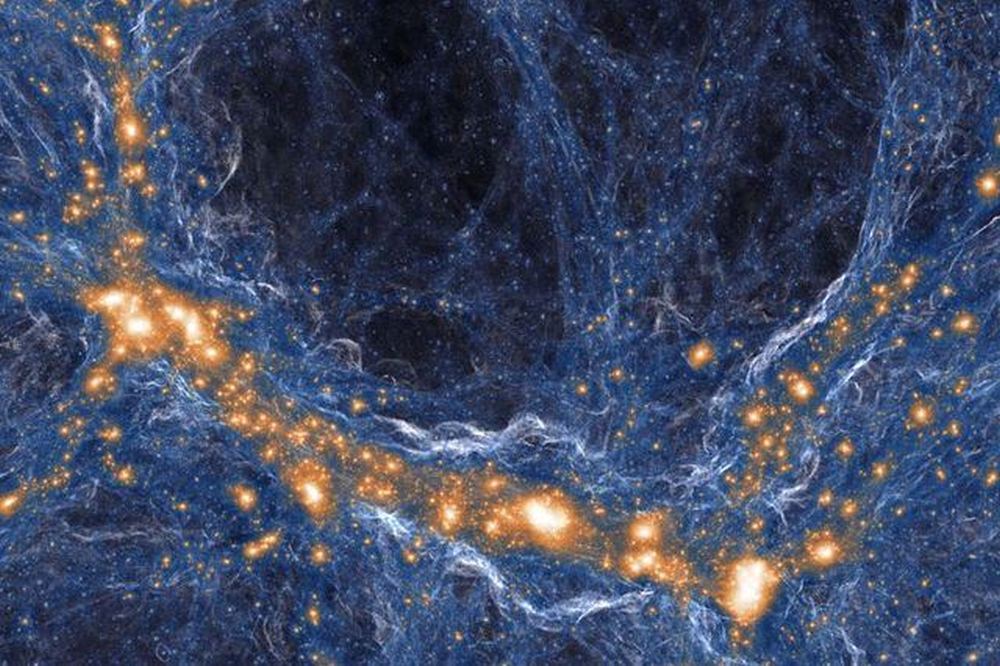
Using the Subaru Telescope, a team of astronomers recently probed a 500 light-year region of the early Universe and found that it contained less galaxies than they were expecting.
Continue reading
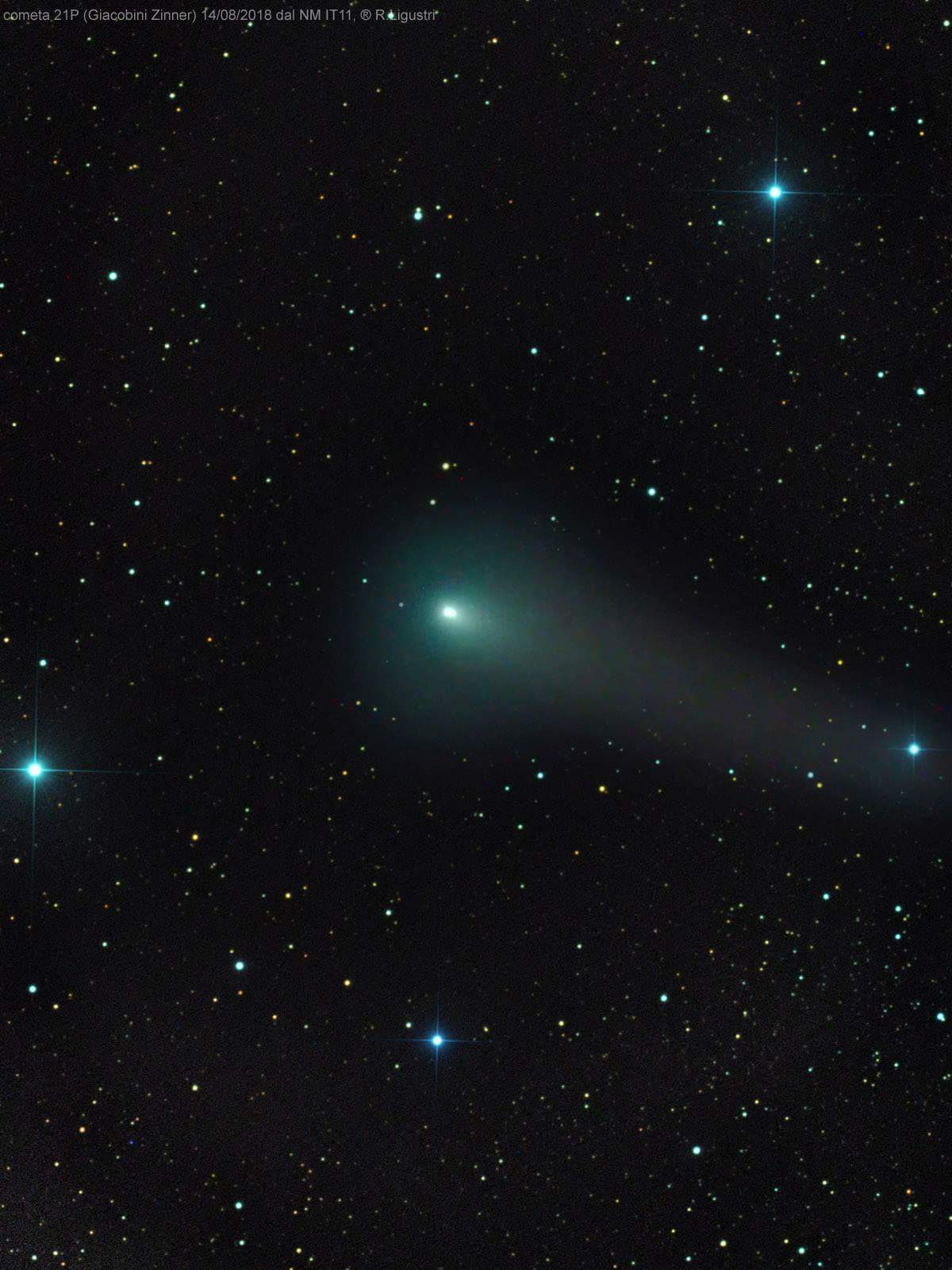
A periodic comet may put on a fine show for northern hemisphere viewers over the next few months.
Comet 21/P Giacobini-Zinner is currently a fine binocular comet shining at +8th magnitude and cruising across the constellation Cassiopeia. This places it above the horizon for the entire night for observers north of the equator in August, transiting the local meridian at local dawn.
Continue reading
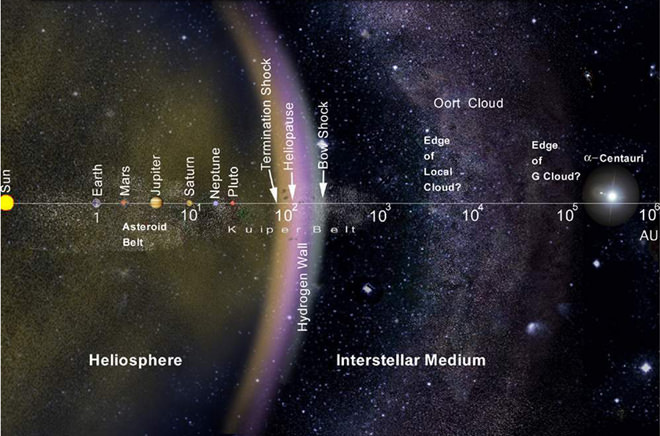
A new study by a team from the University of Pennsylvania suggests using maps of the Cosmic Microwave Background (CMB) to find evidence of extra-solar Oort Clouds (EXOCs).
Continue reading
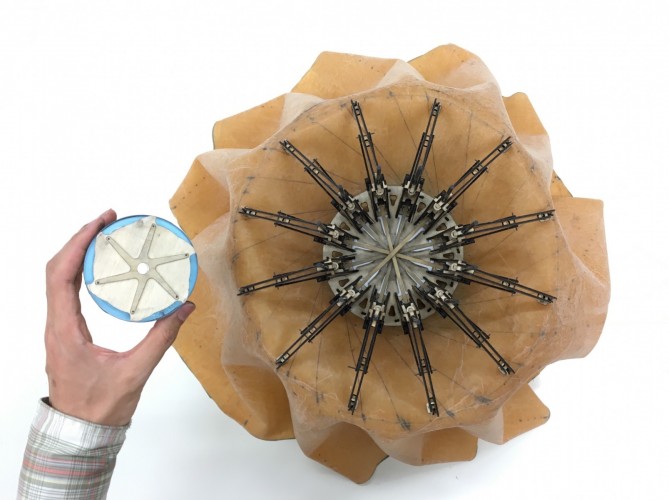
A team from the University of Manchester recently tested their prototype for a spinning heat shield, a lightweight, compact design that could provide cost-effective protection for future space missions.
Continue reading
Continue reading
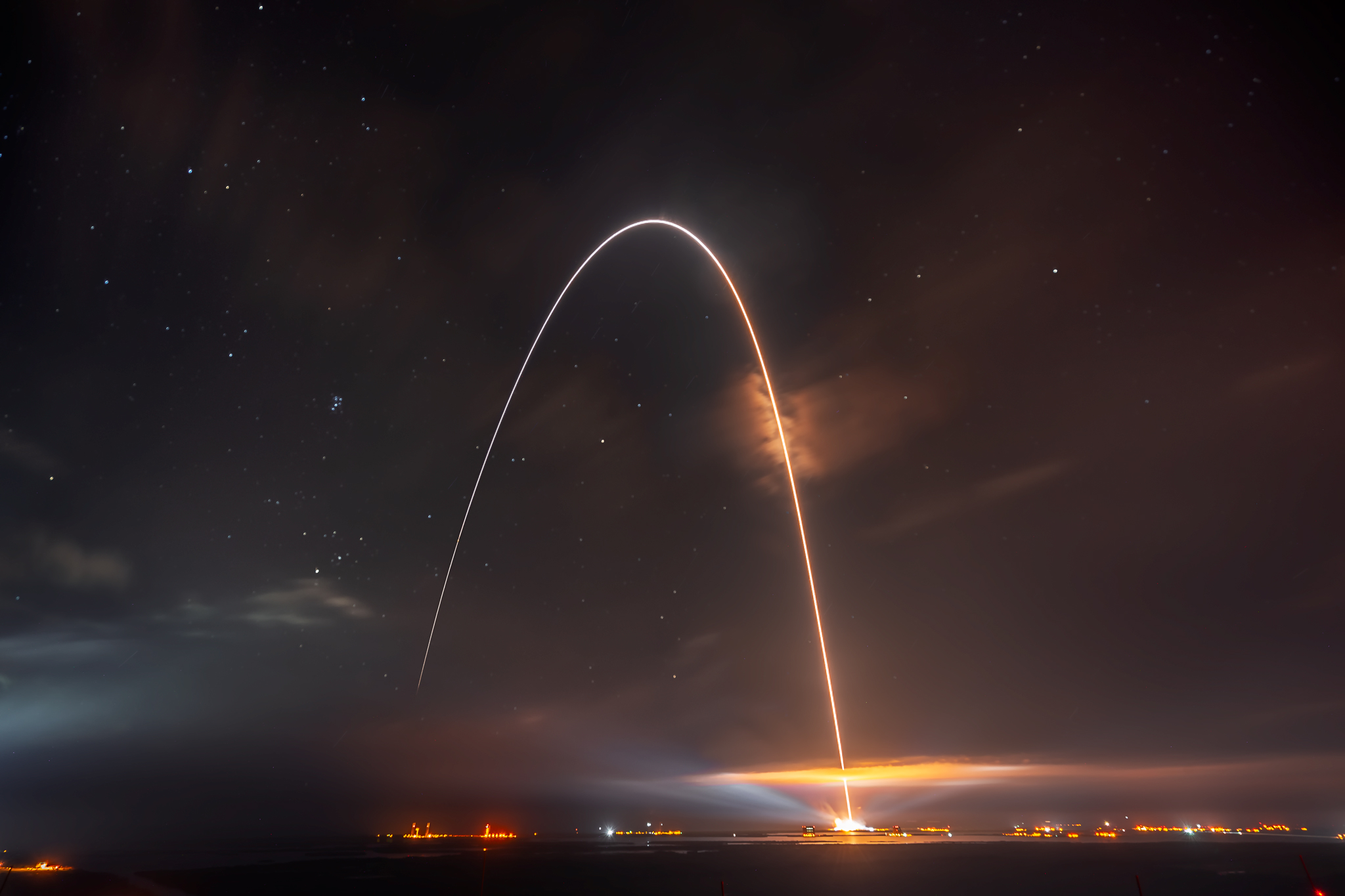
The Parker Solar Probe, which will spend the next seven years getting closer to the Sun than any previous mission, recently launched from Cape Canaveral.
Continue reading
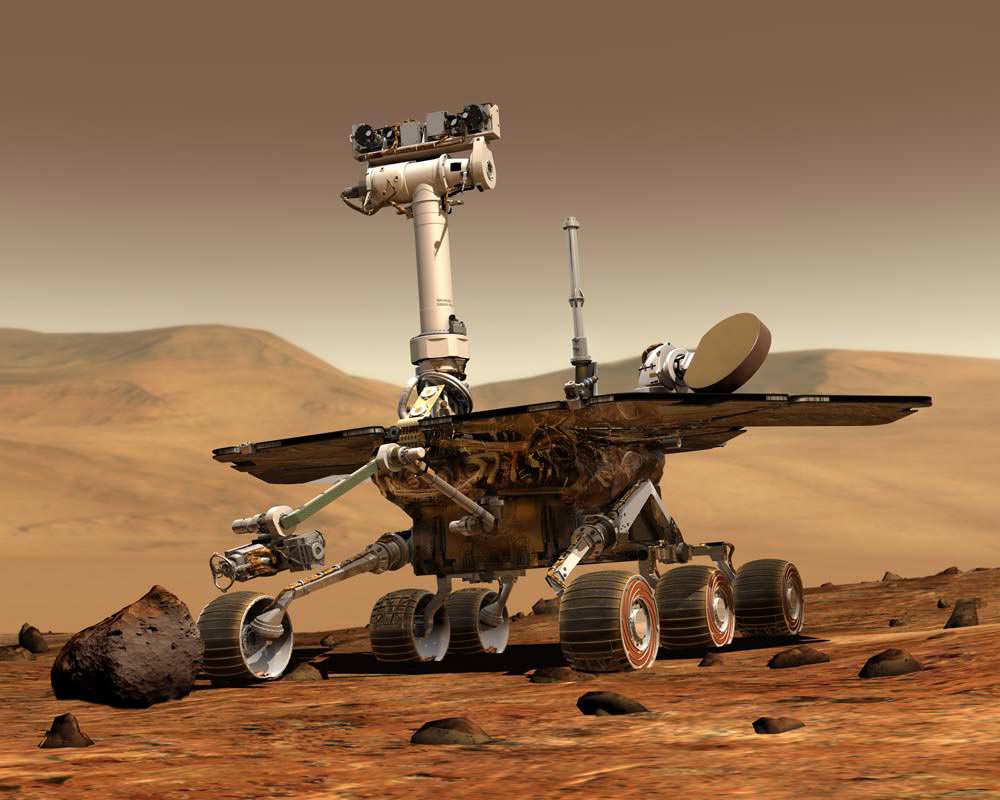
The Martian dust storm that has been raging for months finally appears to be subsiding, though it will still be some time before contact can be reestablished with Opportunity.
Continue reading
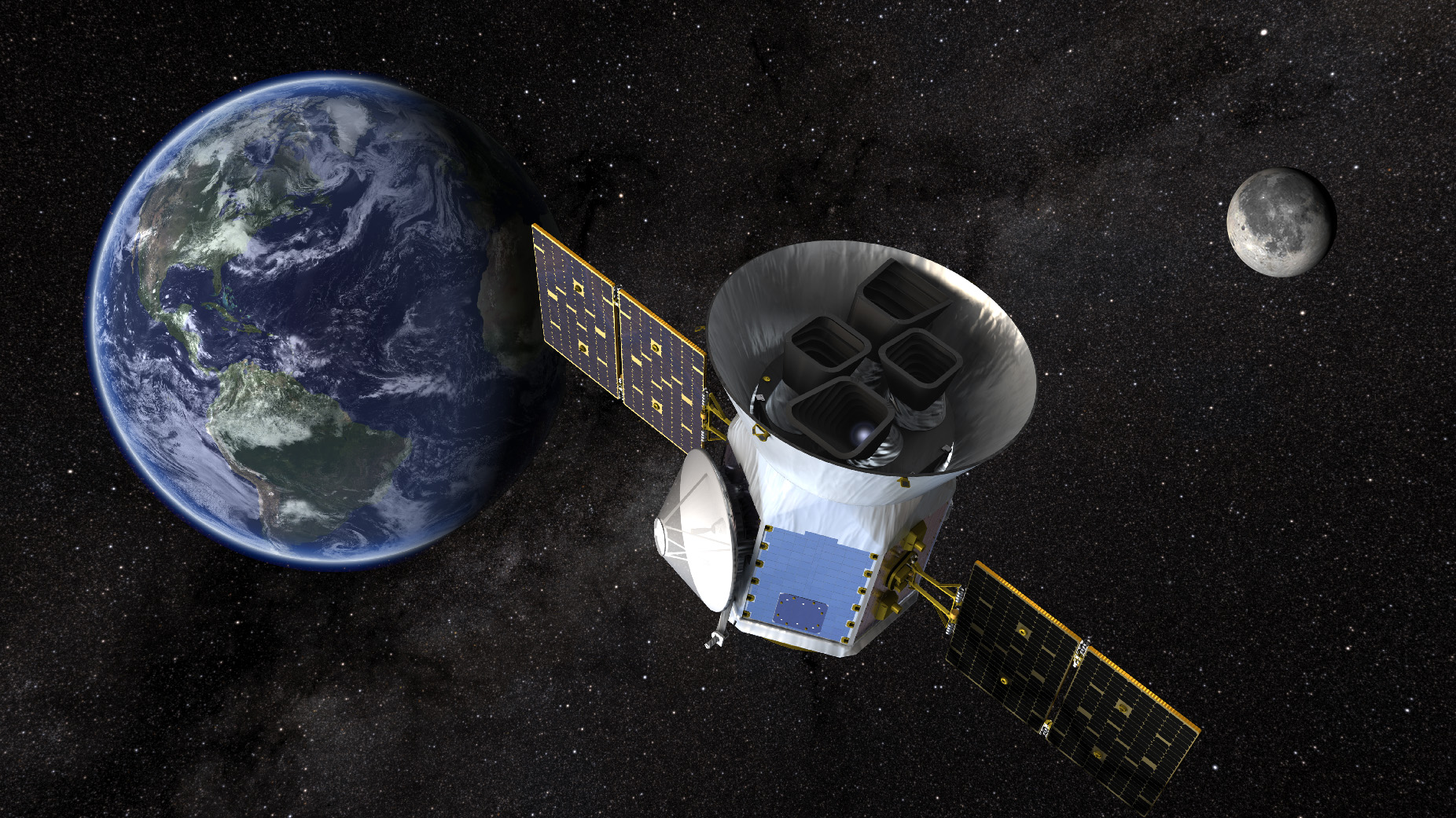
Before commencing its mission to find exoplanets, the Transiting Exoplanet Survey Satellite took some impressive images of a comet in our Solar System.
Continue reading
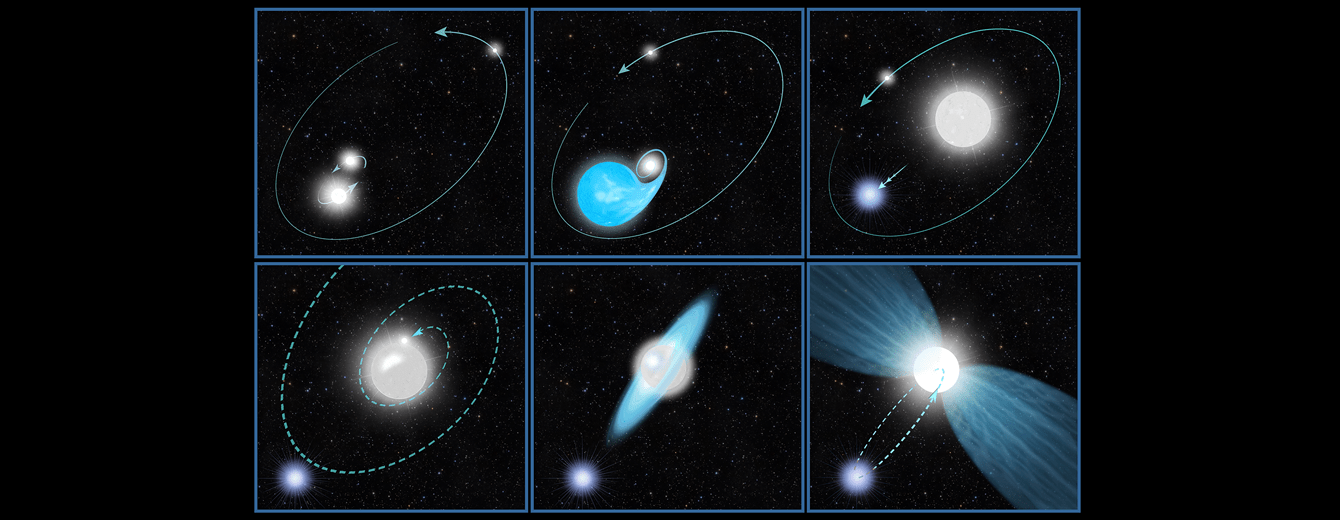
170 years after the star Eta Carinae erupted and became the second brightest star in the galaxy, astronomers now have a theory for what caused this.
Continue reading
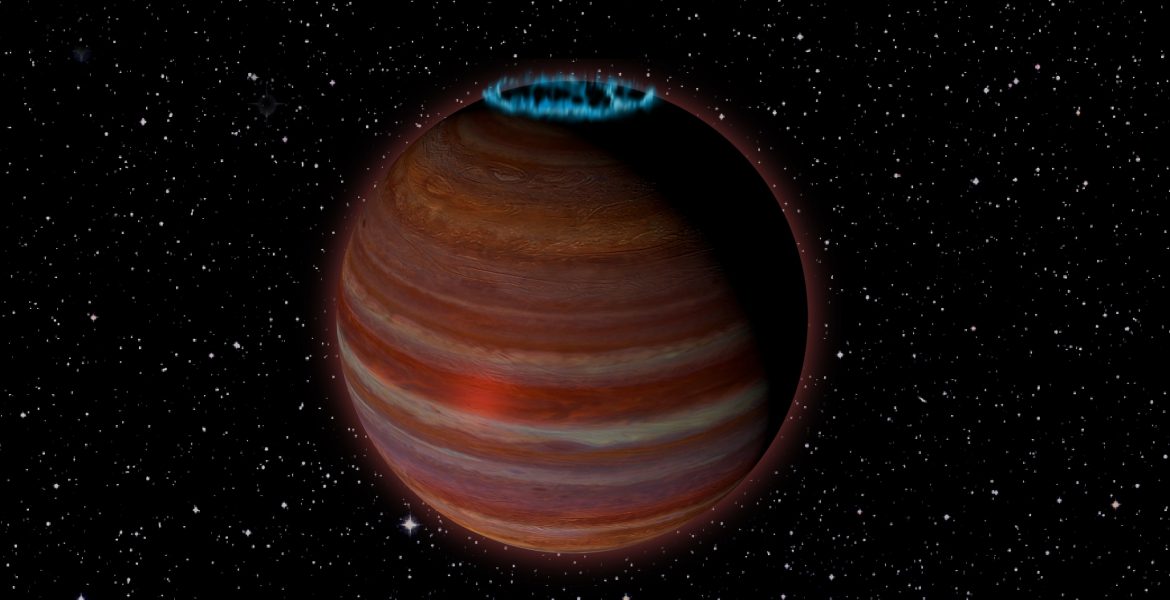
In a new study, a team from Caltech recently used the Very Large Array to confirm that a rogue planet just 20 light years away is on the cusp between being a planet and a brown dwarf
Continue reading
Continue reading
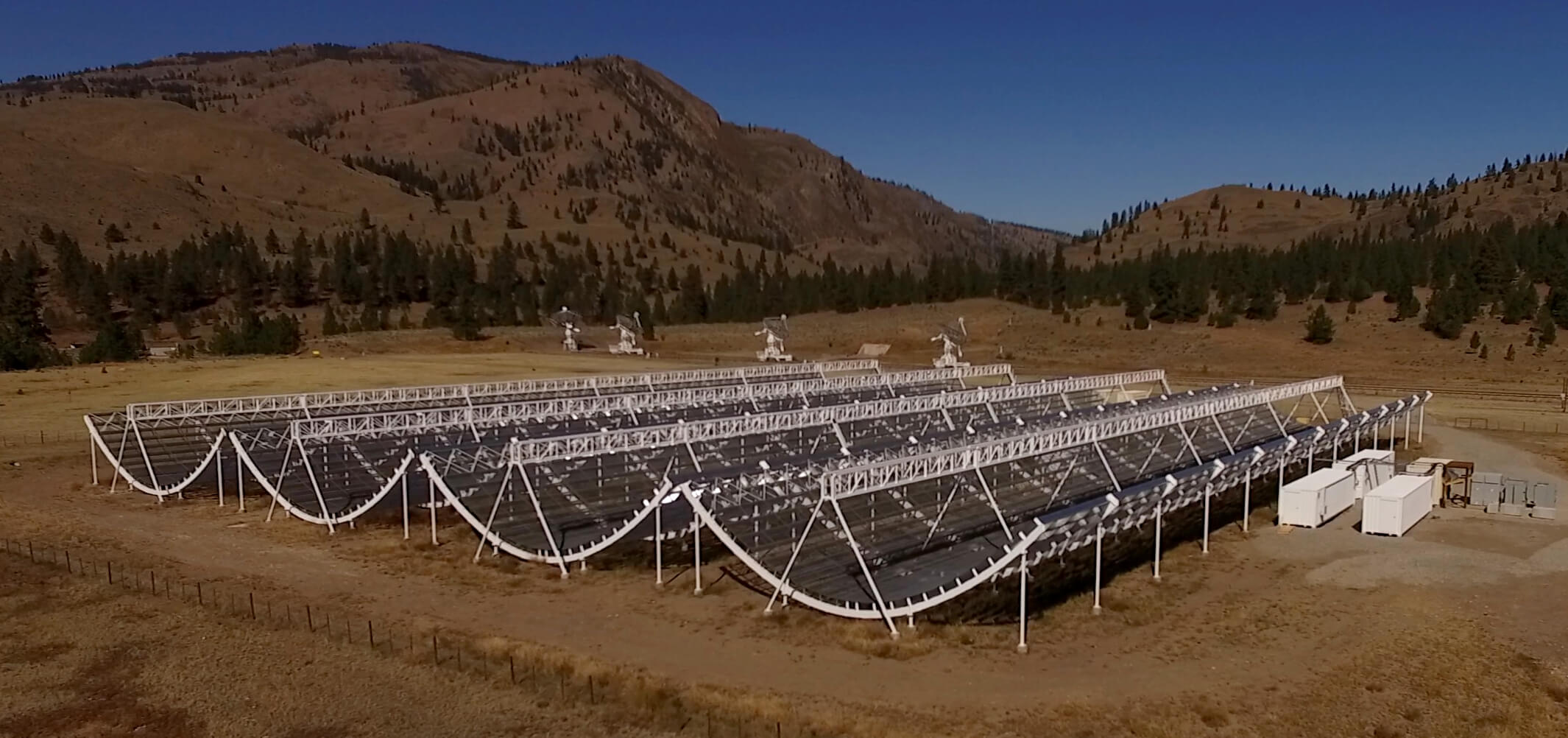
The Canadian Hydrogen Intensity Mapping Experiment (CHIME), a revolutionary new radio telescope, recently made its first-ever detection of a possible Fast Radio Burst (FRB)
Continue reading
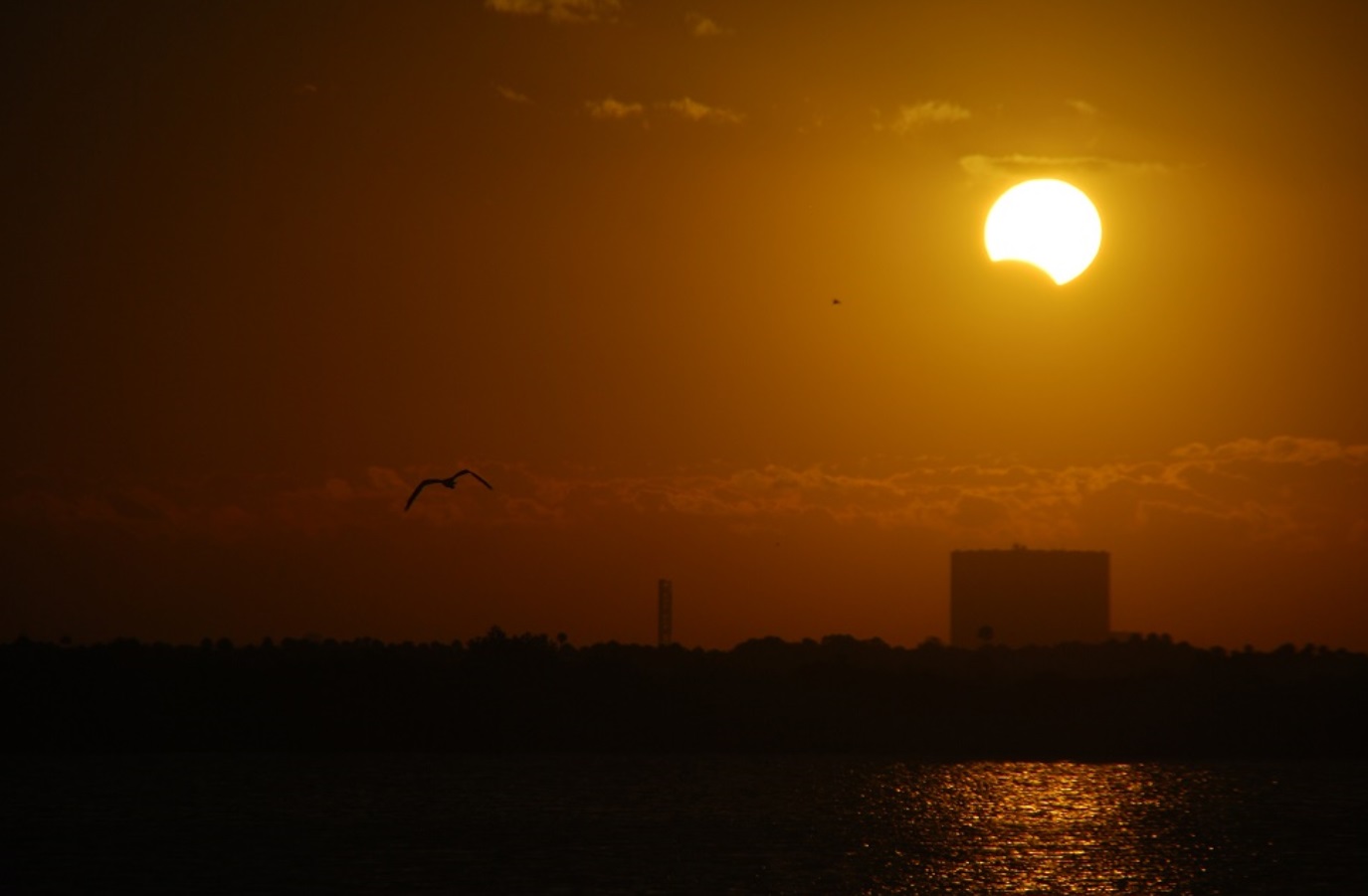
How about that Total Lunar Eclipse this past July 13th? It has been a busy year for astronomy for sure, with two total lunar eclipses, a comet fading out from an unexpected burst of glory and Saturn, Jupiter and Mars reaching opposition in quick succession.
Now, watch for a rare event, with the final eclipse for 2018 coming up on Saturday, August 11th, with a partial solar eclipse spanning northern Europe and the Arctic.
Continue reading
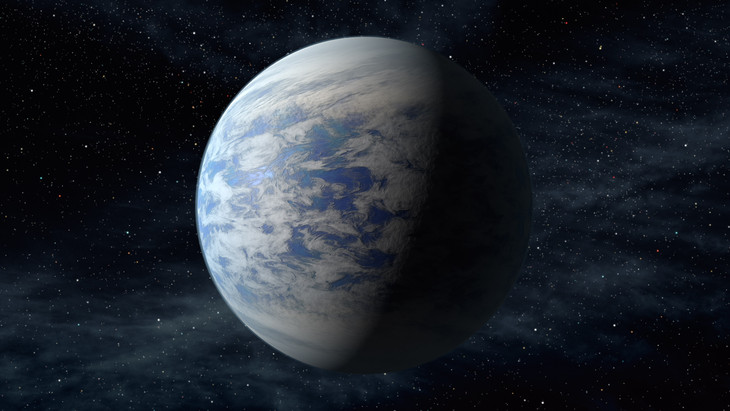
According to a new study, it is possible that extra-solar planets with no plate tectonics might be capable of supporting life, contrary to previous assumptions.
Continue reading
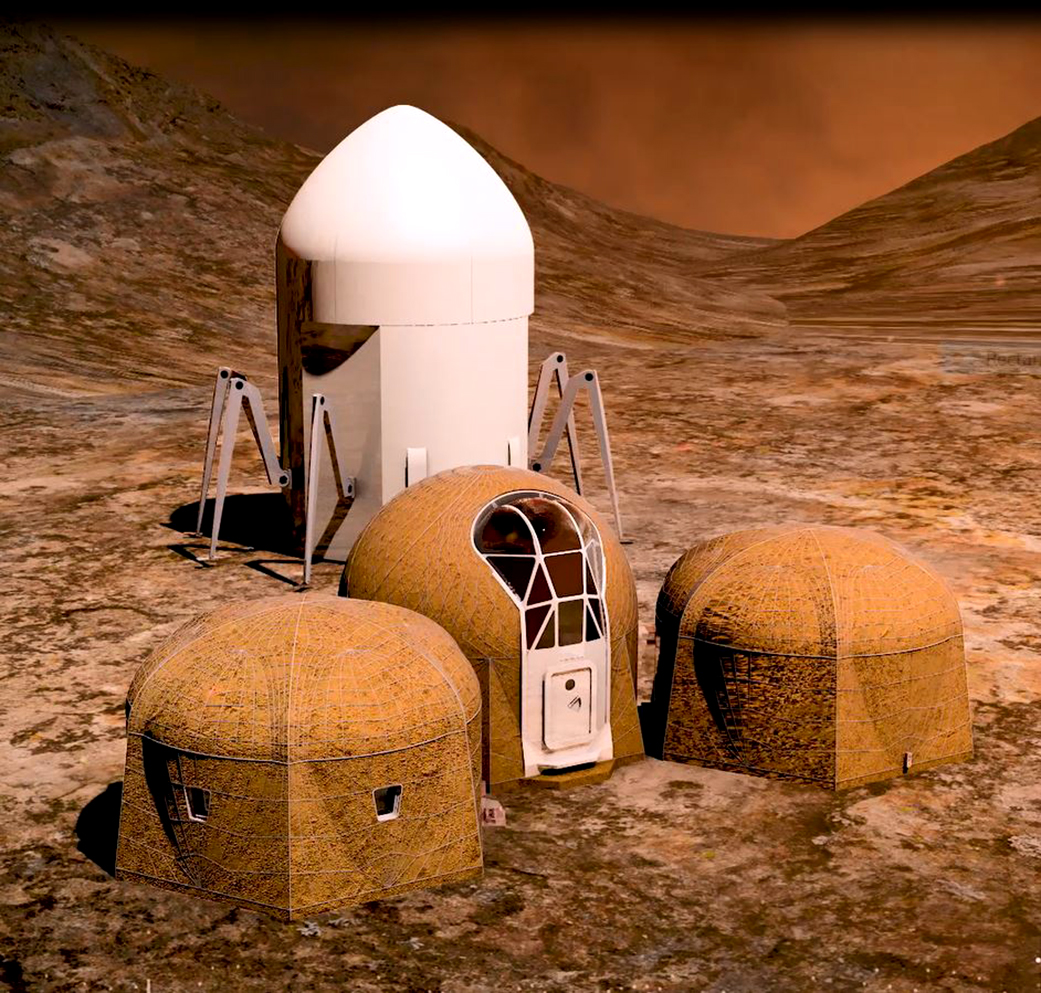
As part of their 3D-Printed Habitat Centennial Challenge, NASA recently awarded five teams with a total of $100,000 for their designs for Martian habitats.
Continue reading
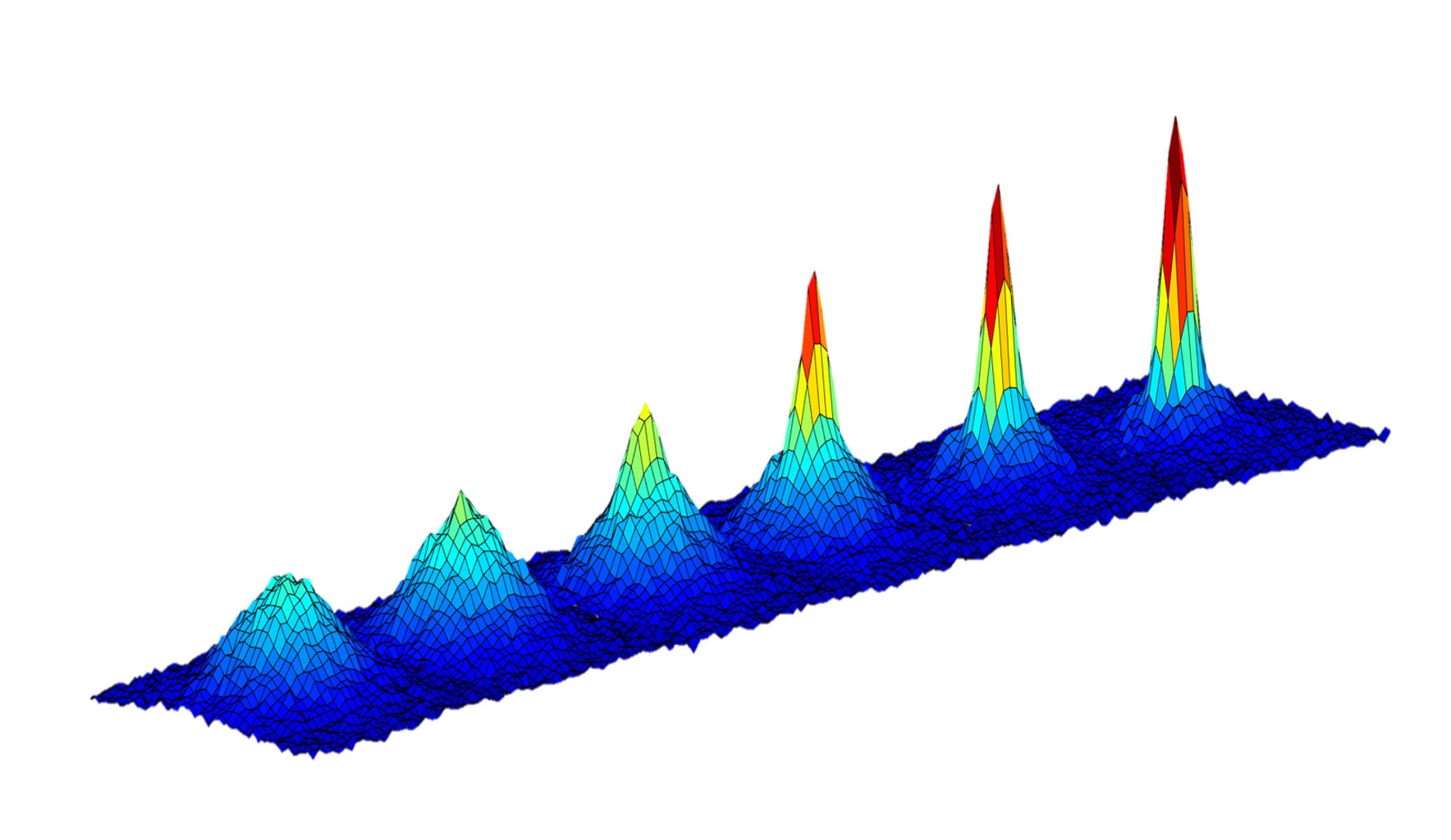
The Cold Atom Laboratory (CAL), which was installed aboard the ISS this past May, just reached a milestone by creating ultracold particles for the first time in space.
Continue reading

The Fenix propulsion system, a pen-sized thruster designed by Italian tech company D-Orbit, could revolutionize the way CubeSats operate in orbit.
Continue reading
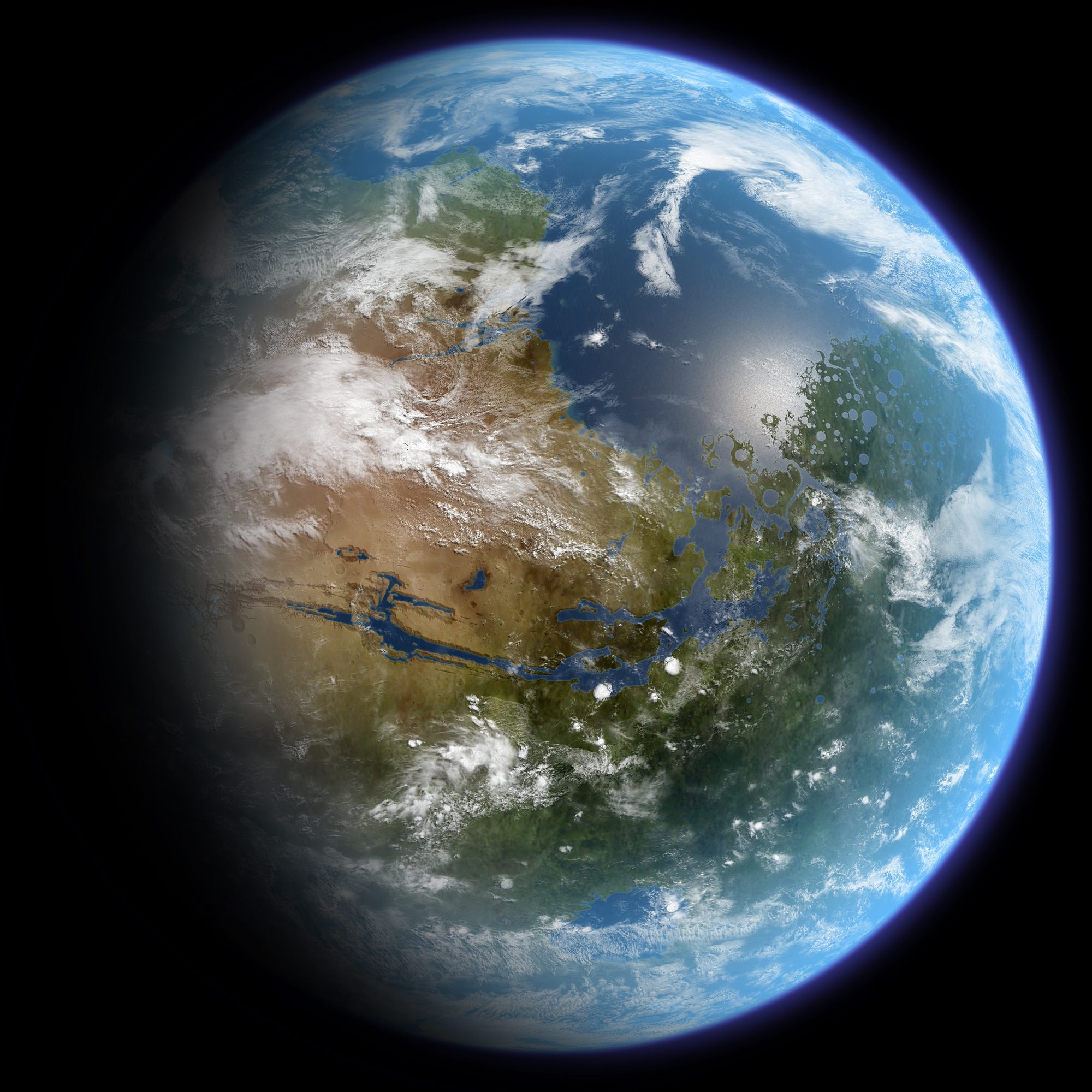
According to a new NASA-supported study, Mars does not have enough carbon dioxide to undergo the terraforming process
Continue reading
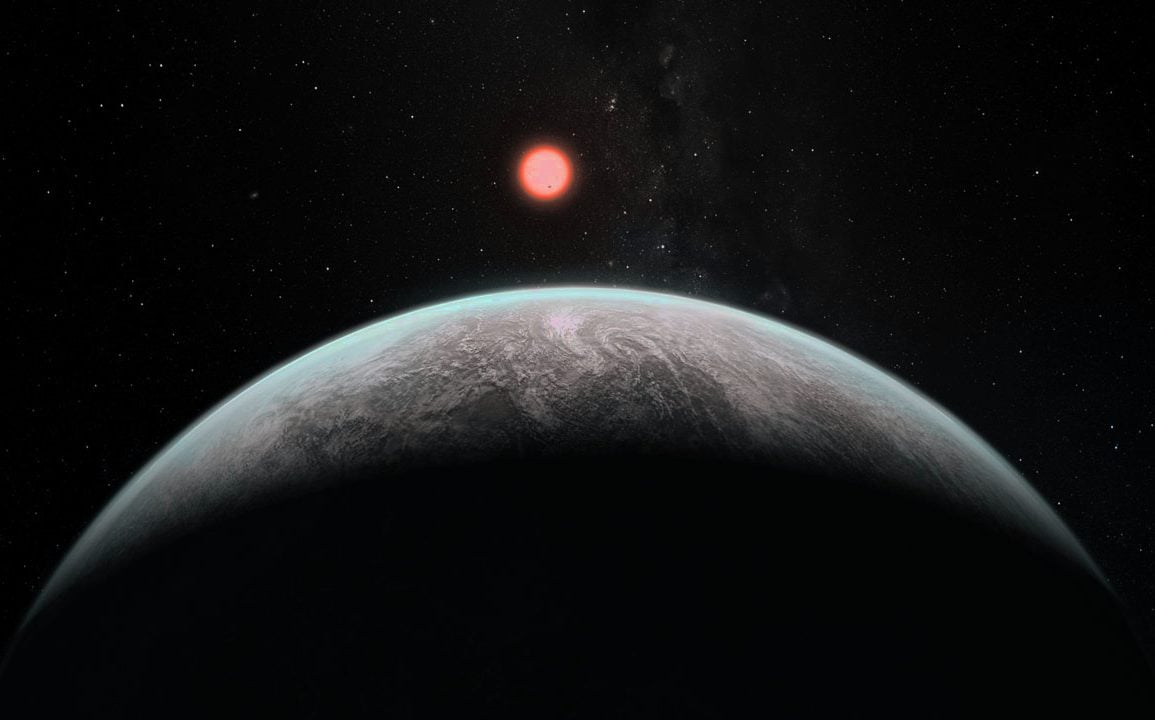
According to a new study from the Earth-Life Science Institute, it may be time to fine-tune what astronomers mean by "habitable zone"
Continue reading
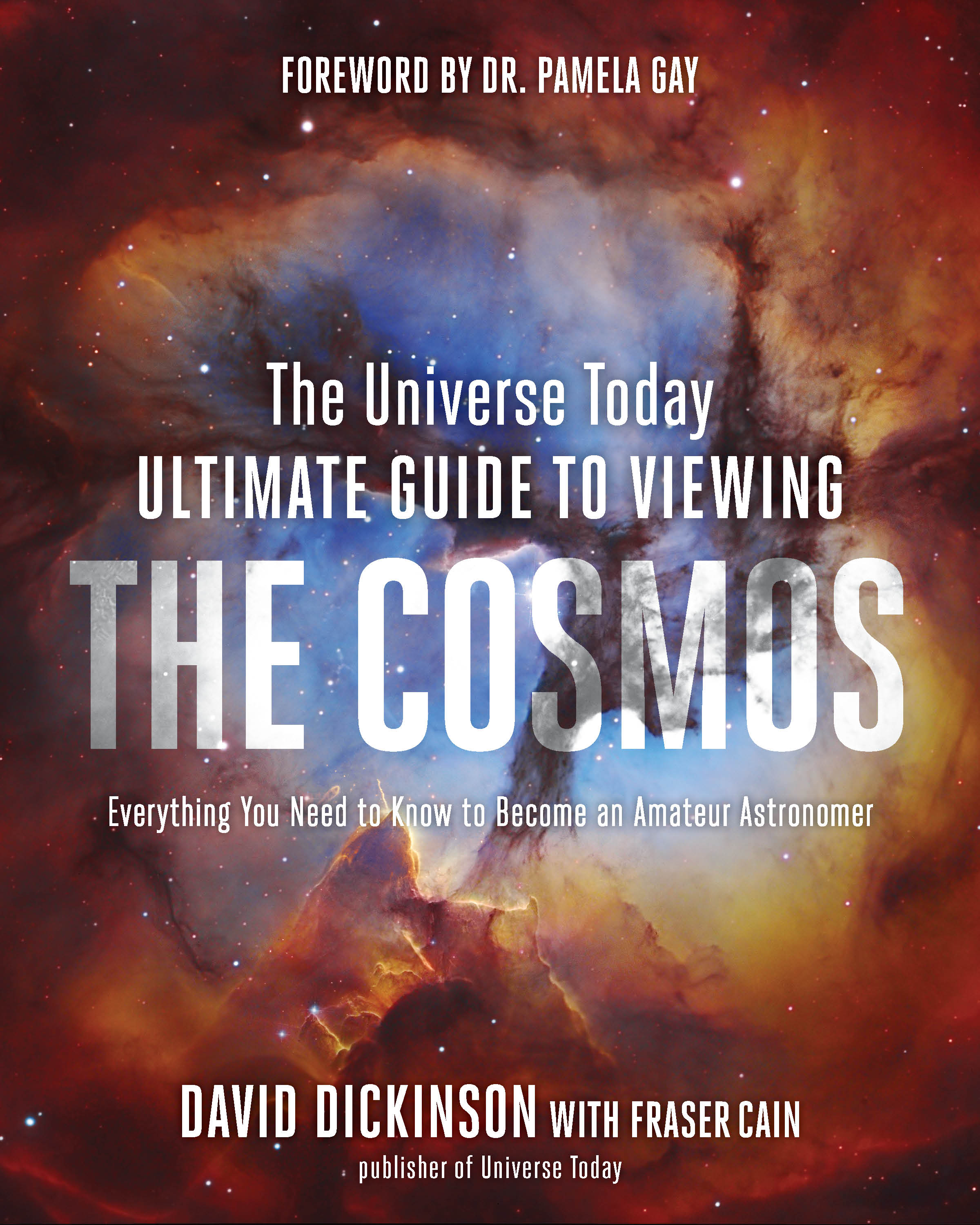
The Universe Today Ultimate Guide to Viewing the Cosmos is our practical book on how to get into astronomy, written by David Dickinson with Fraser Cain. It's filled with everything you need to become an amateur astronomer, with hundreds of photographs taken by other amateurs.
Continue reading
 Universe Today