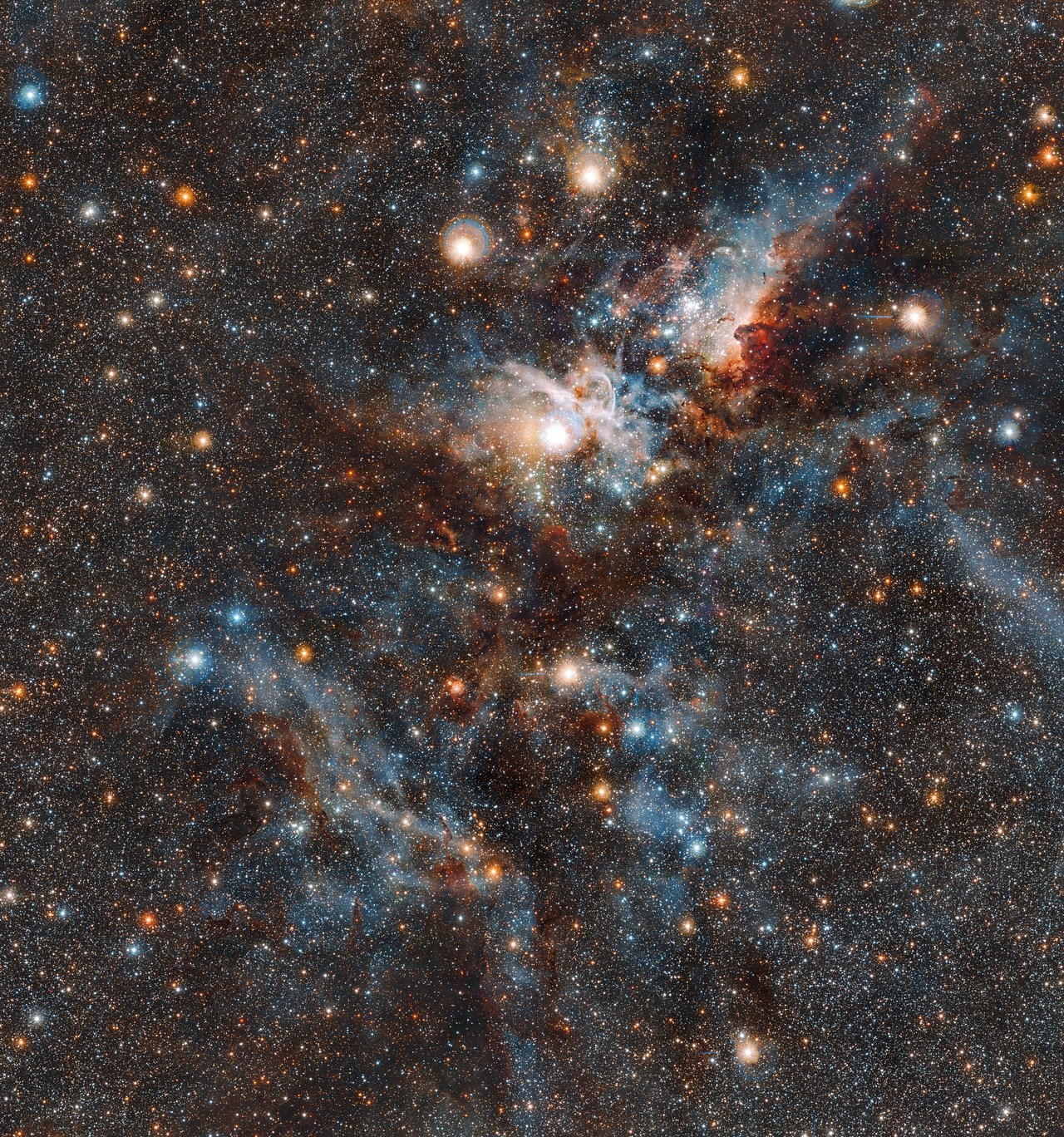
A recent survey conducted using the ESO's VISTA telescope revealed newly-formed stars and stars nearing their death in the Carina Nebula.
Continue reading

The NASA-funded Hawai'i Space Exploration Analog and Simulation (Hi-SEAS) program is preparing astronauts for long-term missions to Mars, which could include a lot of cave exploring!
Continue reading
Continue reading
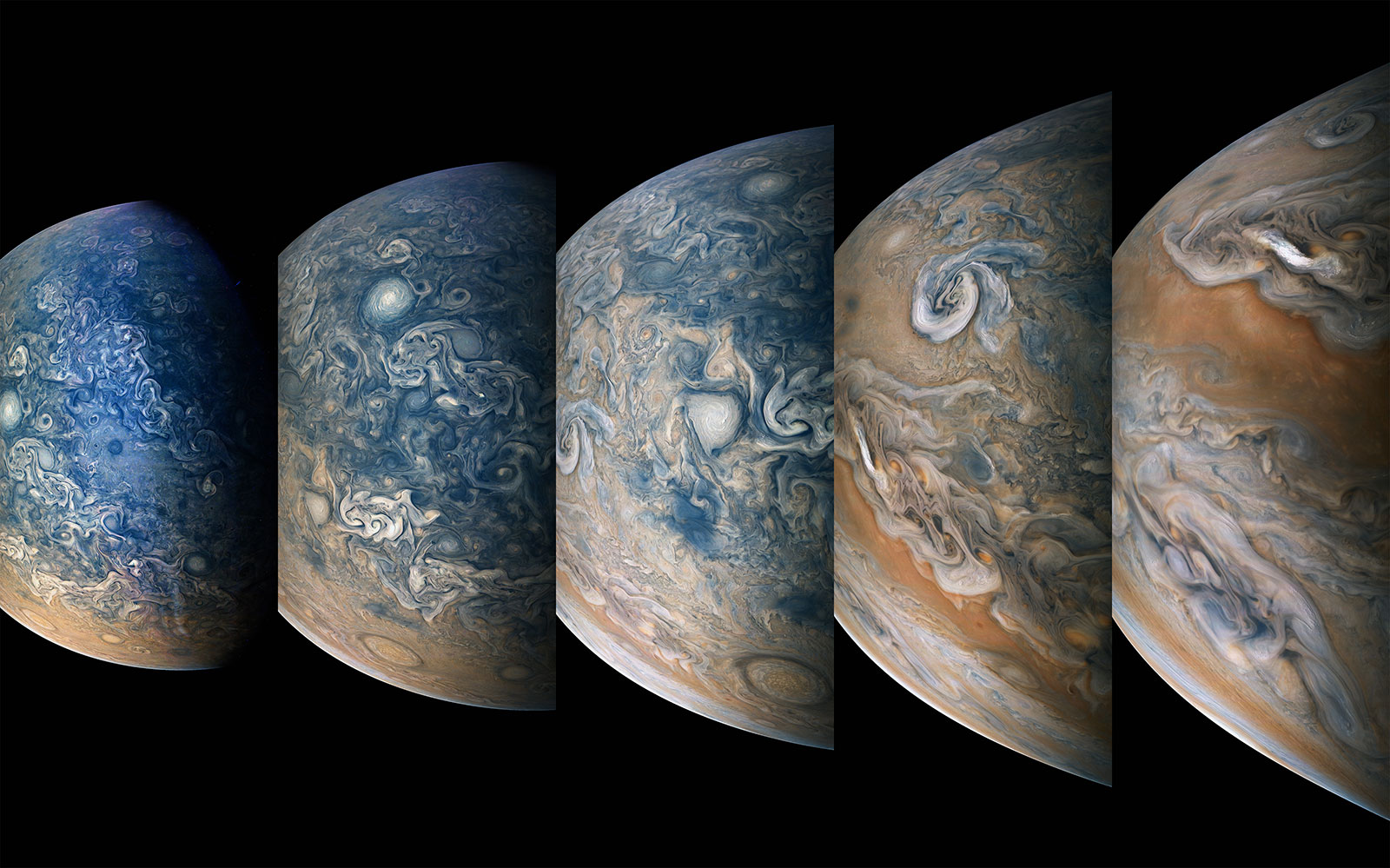
With its latest flyby of Jupiter, the Juno mission took more pictures with its JunoCam, which citizen scientists have once again processed to create a breathtaking image of the planet's atmosphere.
Continue reading
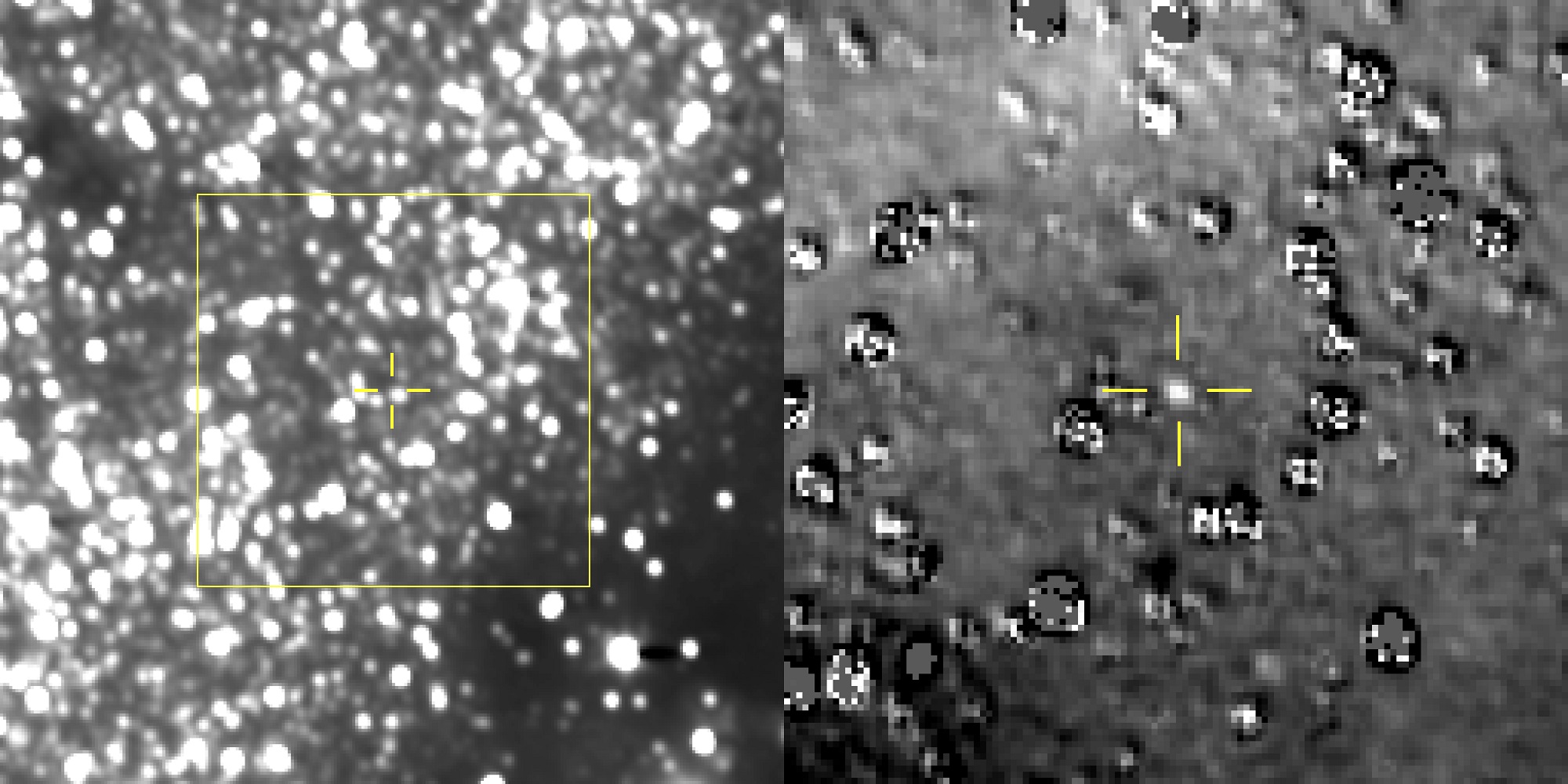
Earlier this month, the New Horizons team managed to capture the first images of Ultima Thule, the Kuiper Belt Object that it will rendezvous on Jan. 1st, 2019
Continue reading
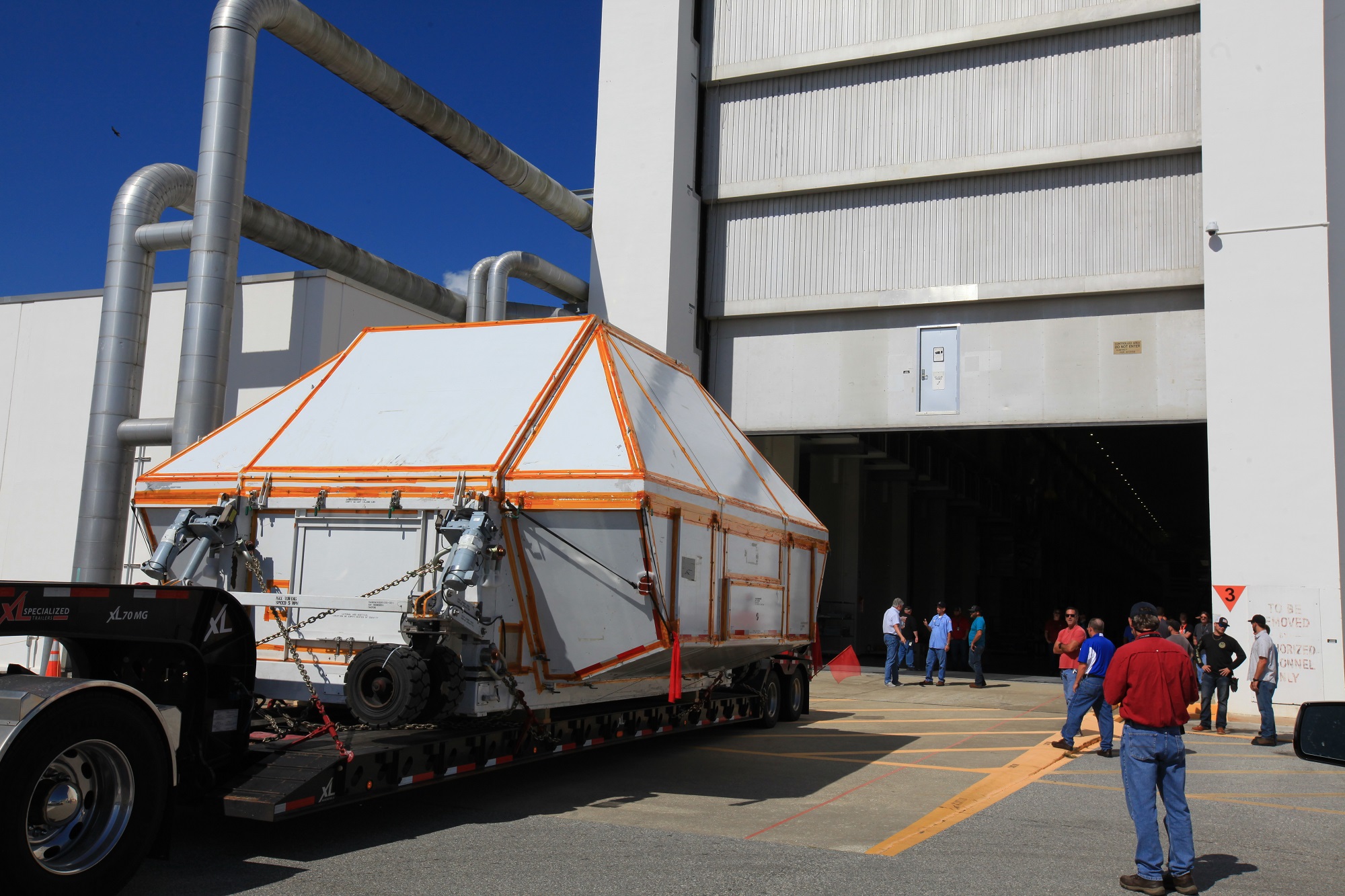
The Orion space capsule that will send astronauts on a flyby of the Moon just arrived at the Kennedy Space Center for final assembly.
Continue reading
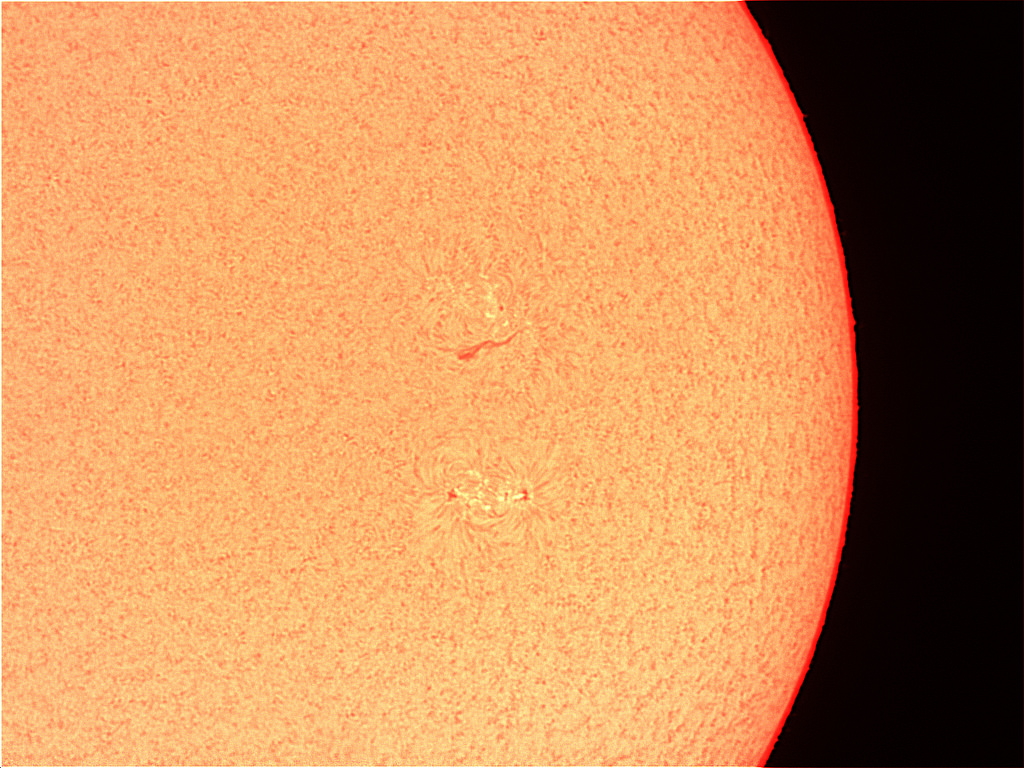
What's up with the Sun? As we've said previous, what the Sun isn't doing is the big news of 2018 in solar astronomy. Now, the Sun sent us another curve ball, with the strange tale of growing sunspot AR 2720.
Continue reading
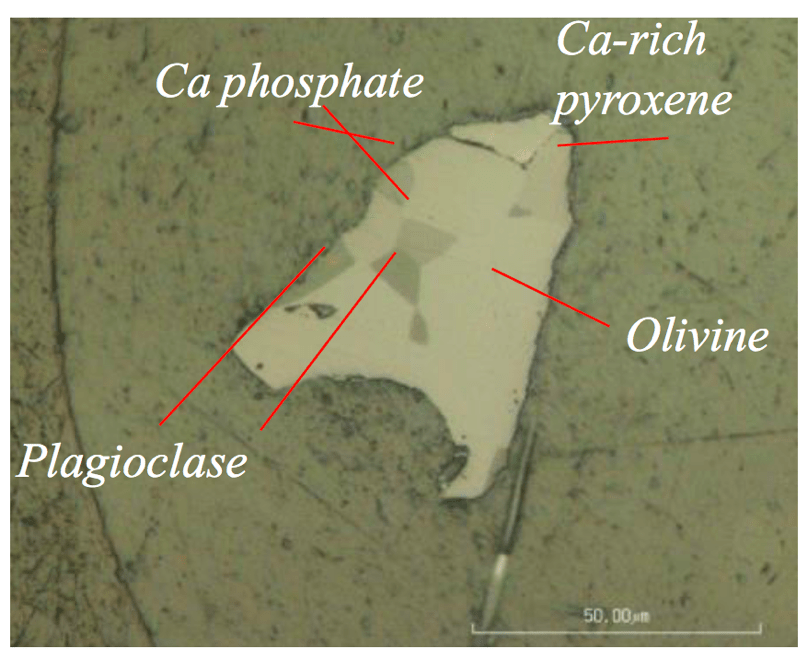
According to new research by a team of Japanese researchers, samples from the Itokawa asteroid provide new clues to the asteroid's evolutionary timeline.
Continue reading
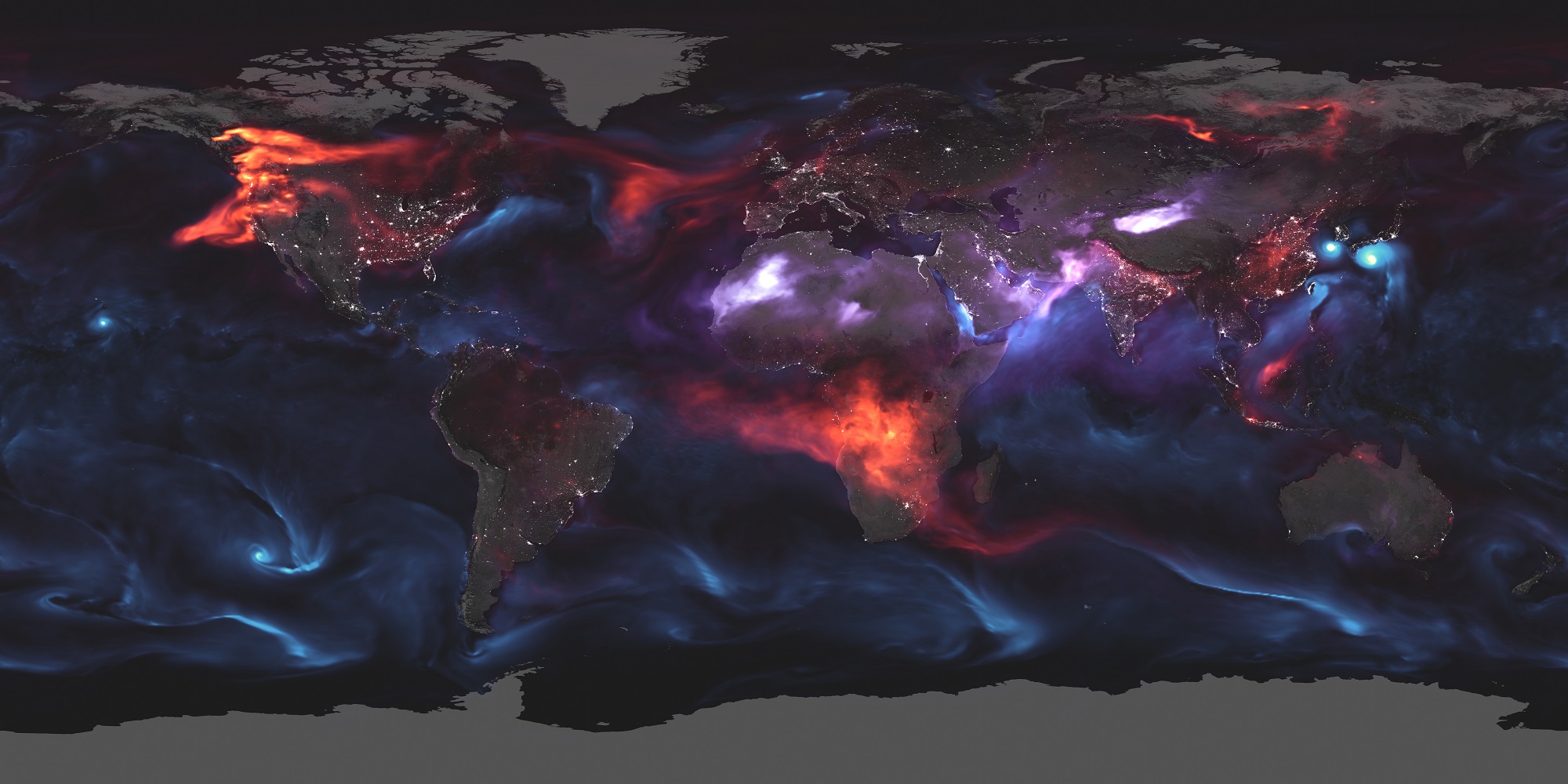
Using the Goddard Earth Observing System Forward Processing (GEOS FP) model, NASA recently released a visualization that showed all the aerosols that existed in our atmosphere on a single day.
Continue reading
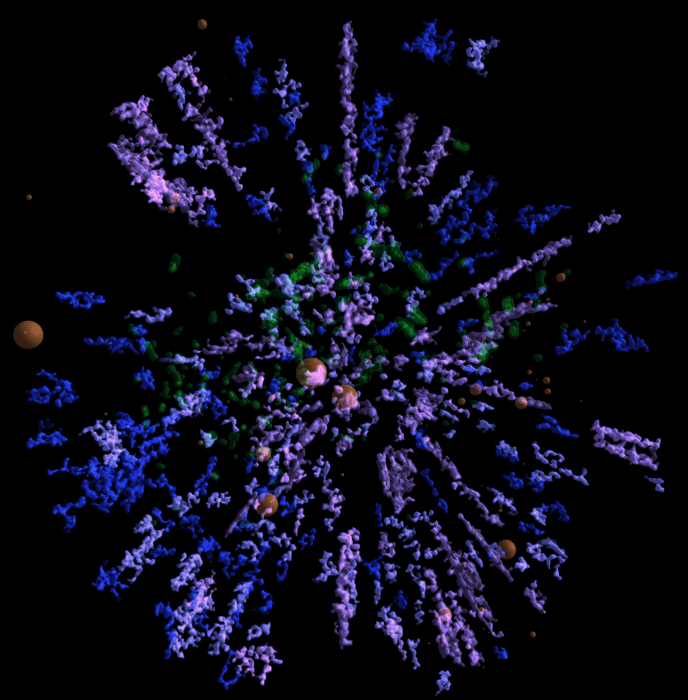
The latest gem to come from the second release of Gaia data is a 3D map that shows the positions of 400,000 stars within 10,000 light years.
Continue reading
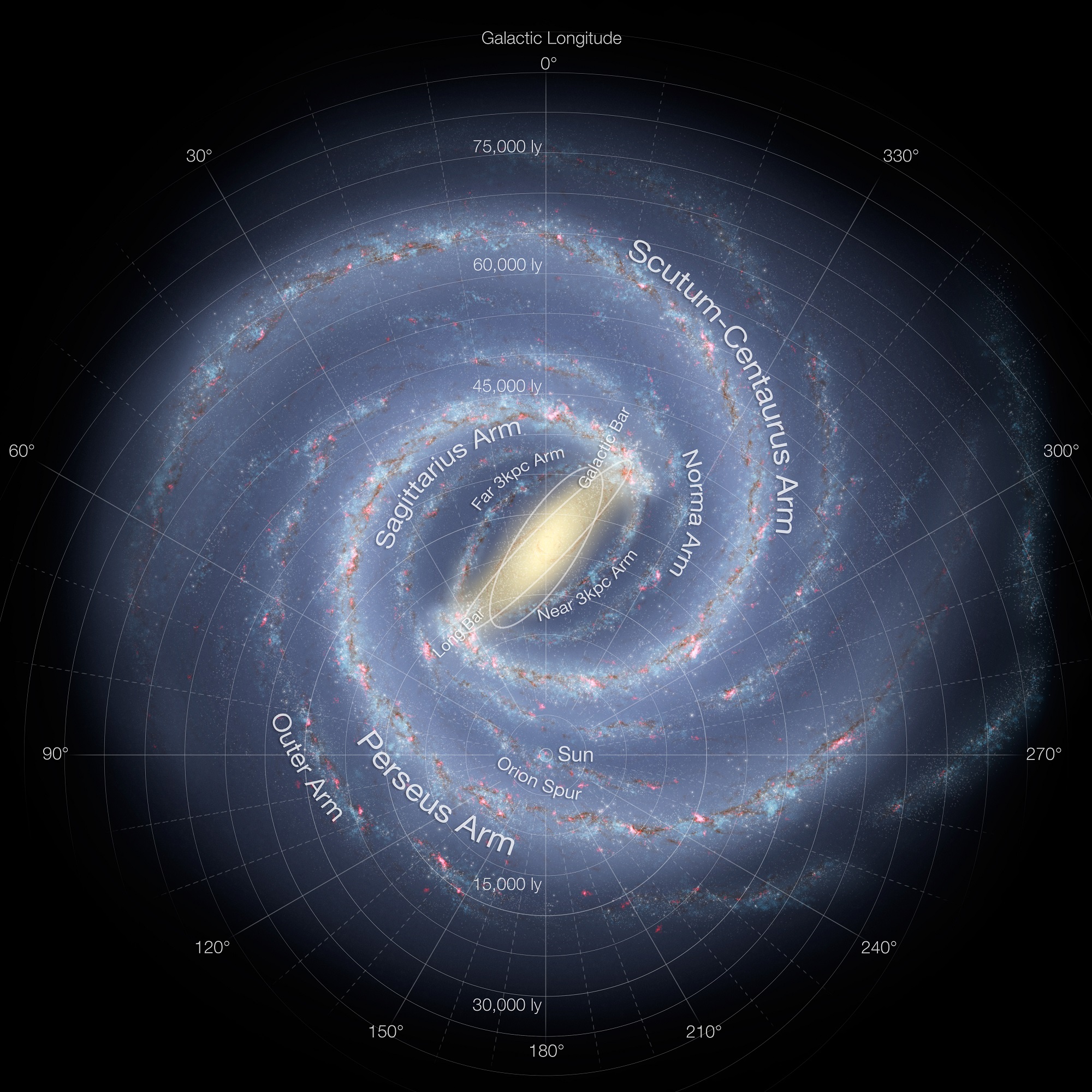
According to a new study, the Milky Way Galaxy experienced two periods of star formation, with a two-billion dormancy period in between.
Continue reading
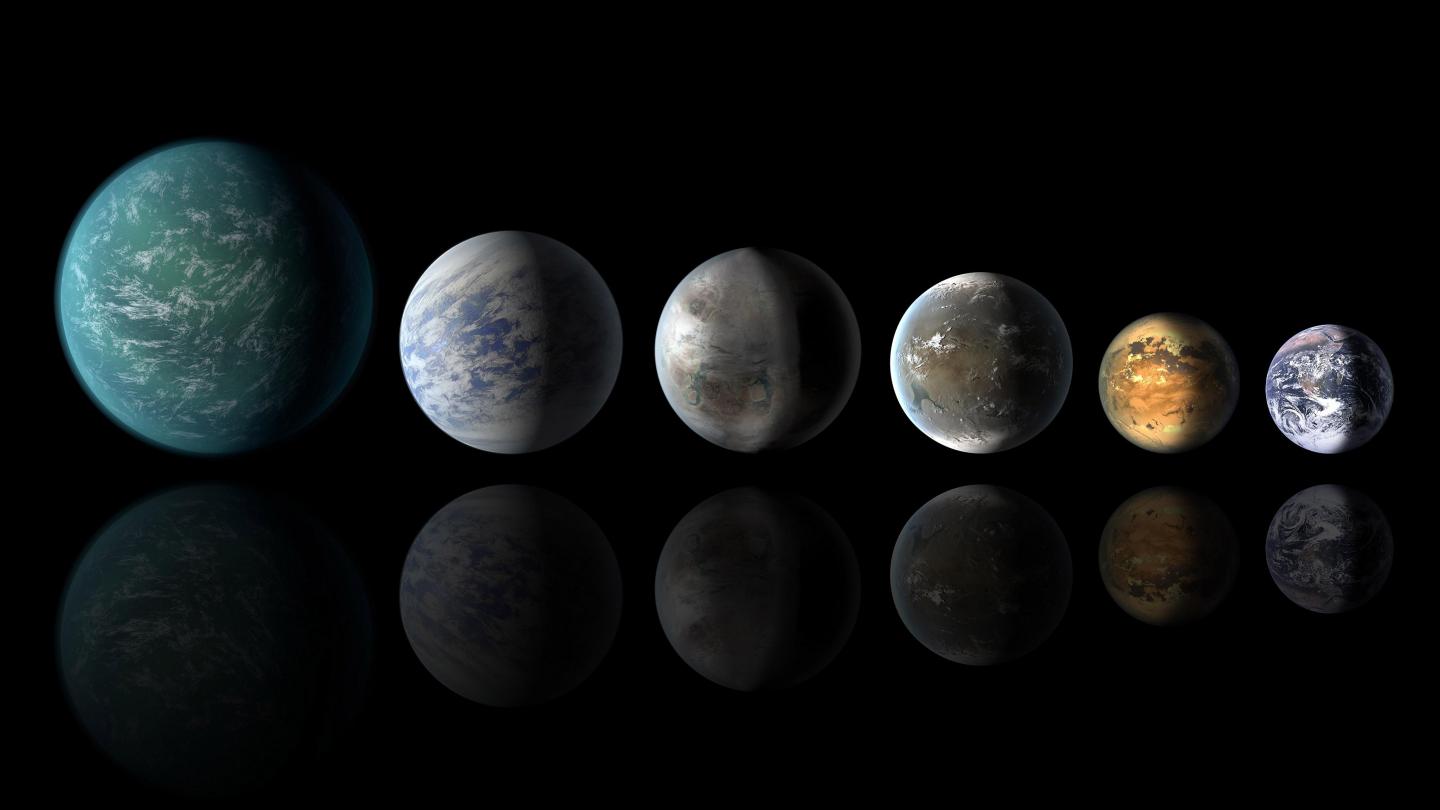
According to new research that was presented at the 2018 Goldschmidt Conference, "water worlds" may be more common than previously thought.
Continue reading
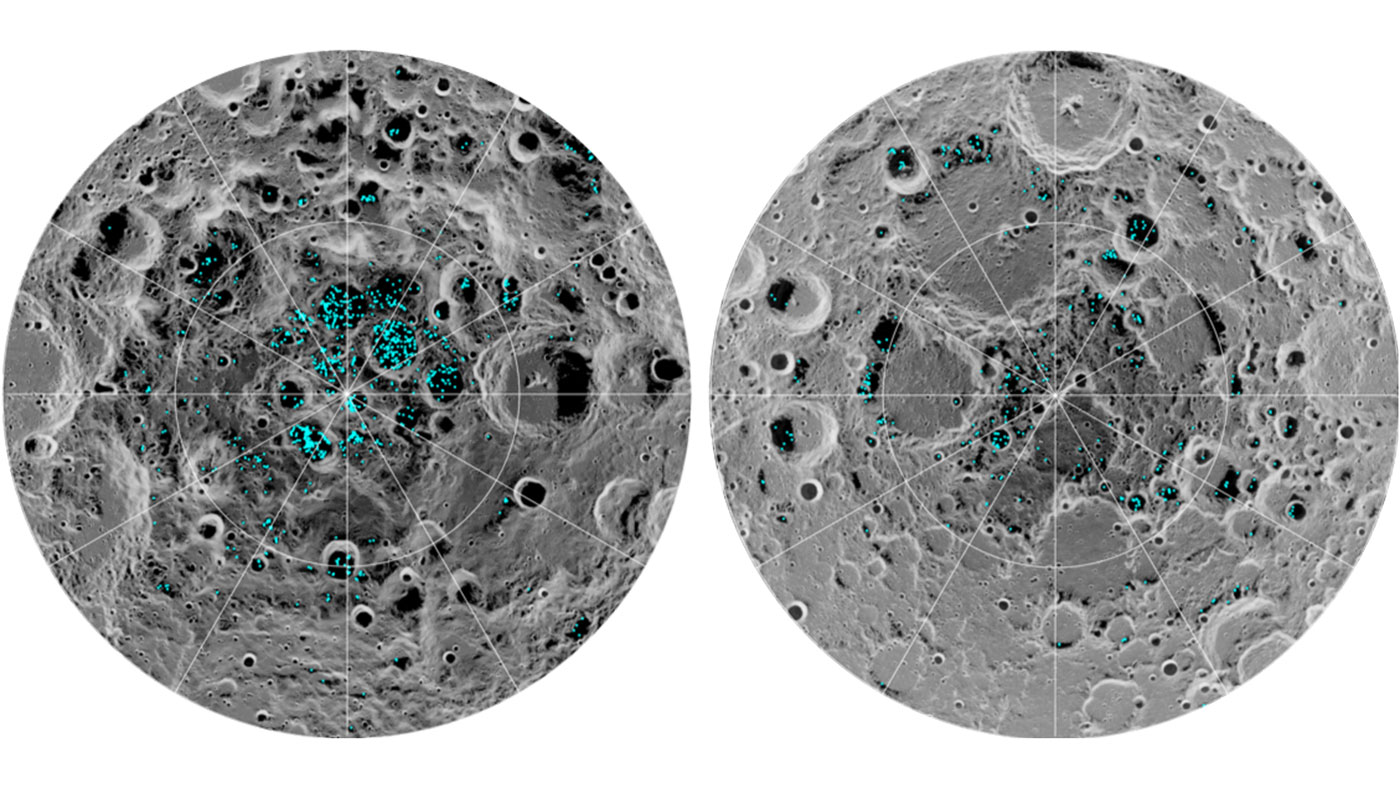
A team of American scientists have found the first definitive evidence of water on the Moon, which makes plans for a lunar base that much more feasible!
Continue reading
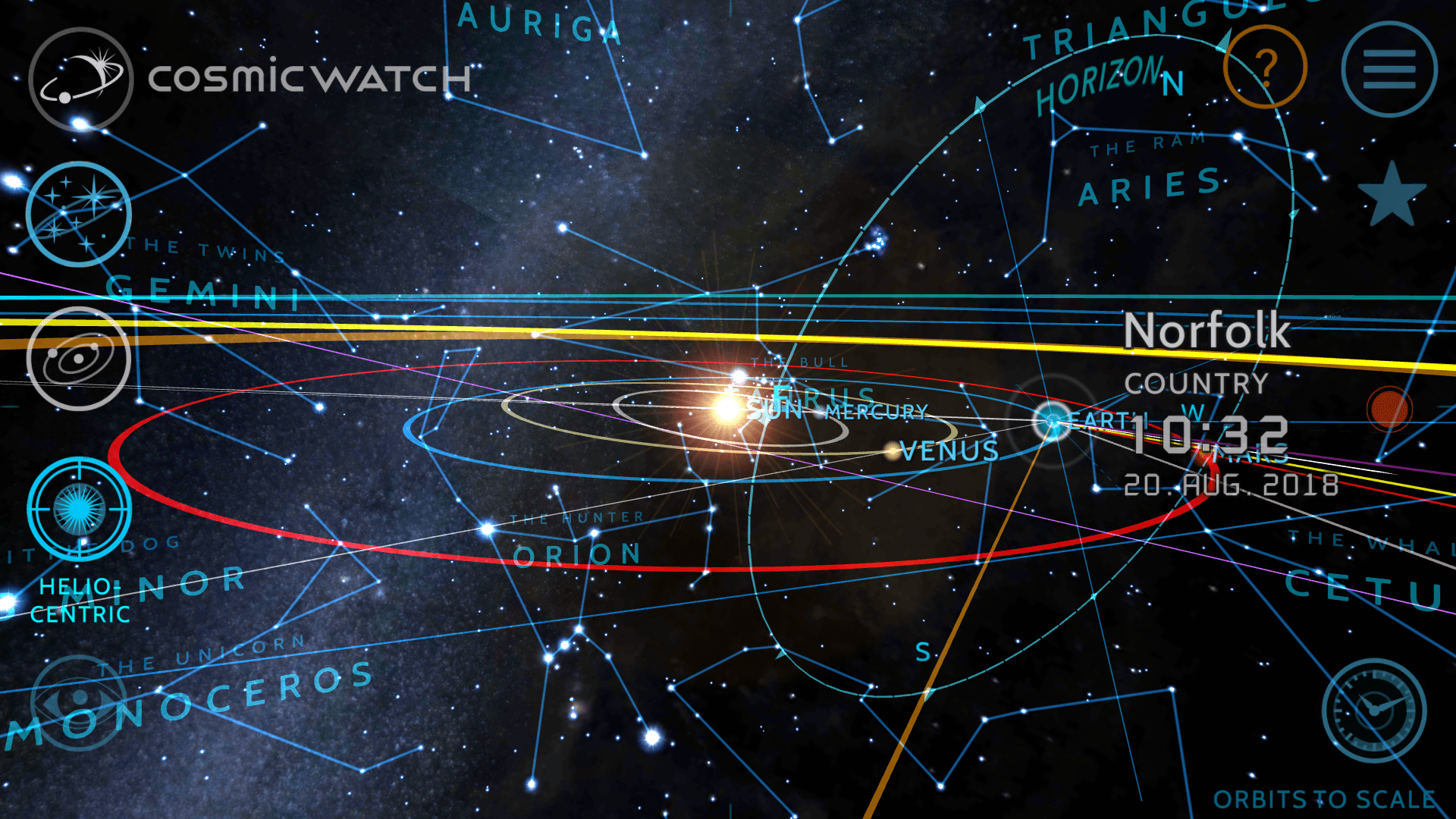
Watching the heavens on a nightly, or even casual basis? The web and modern technology has certainly altered the landscape of modern astronomy, (mostly) for the better. Once, we all huddled around cardboard planispheres, illuminated by red flashlights; now, it's now a common sight to see illuminated smartphone apps accompanying telescopes at star parties, all waving skyward with virtual planetarium programs guiding users around the night sky.
Continue reading

As part of their plan to establish an "international lunar village" on the Moon in the coming decades, the ESA is experimenting with making bricks out of lunar dust simulants.
Continue reading
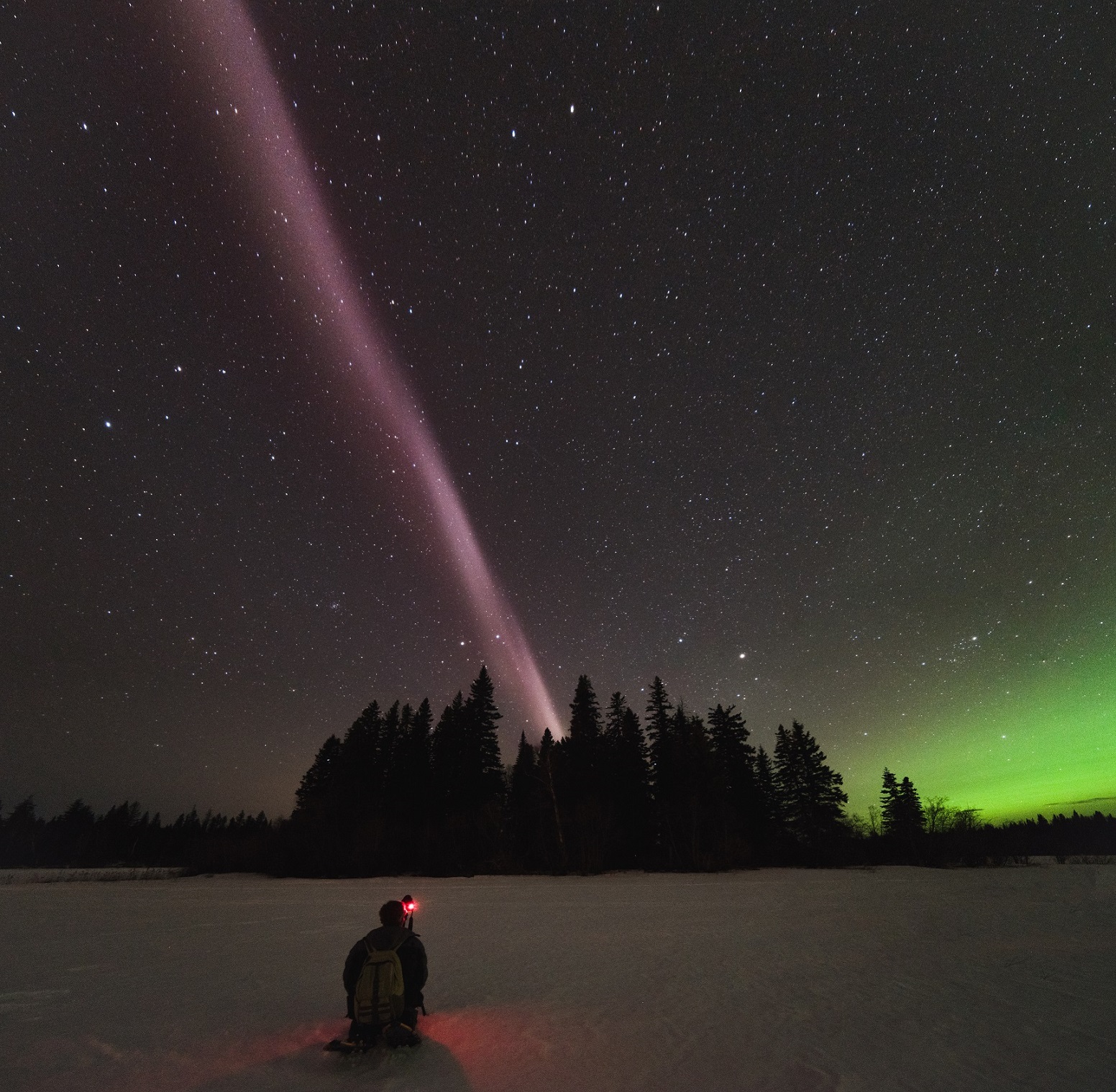
According to a new study by a Canadian-led team of researchers, the atmospheric phenomena known as STEVE is not an aurora, but something else entirely.
Continue reading
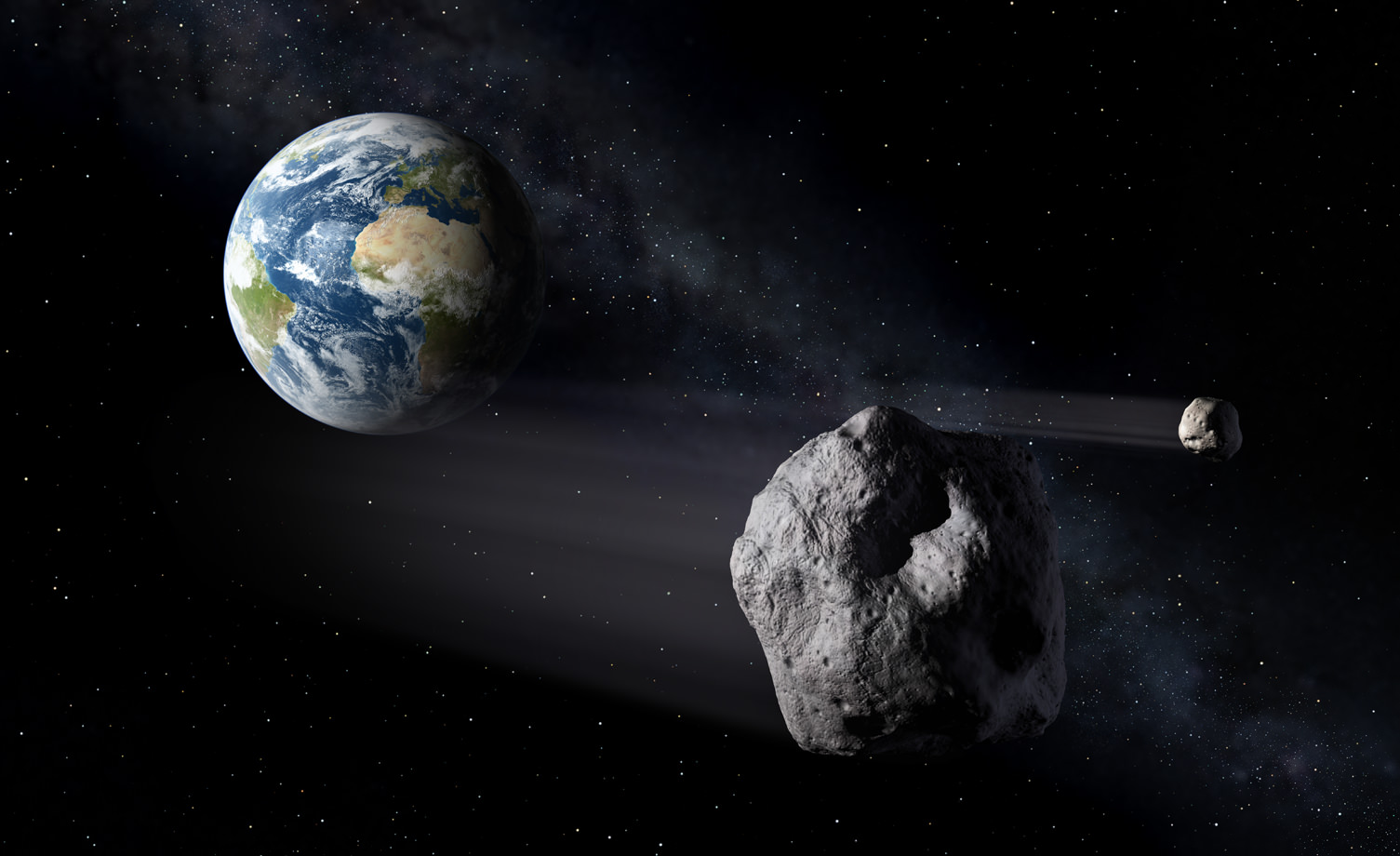
A new study by an international team of researchers indicates that "mini-moons" will soon be detectable, and could provide opportunities for research and asteroid mining.
Continue reading
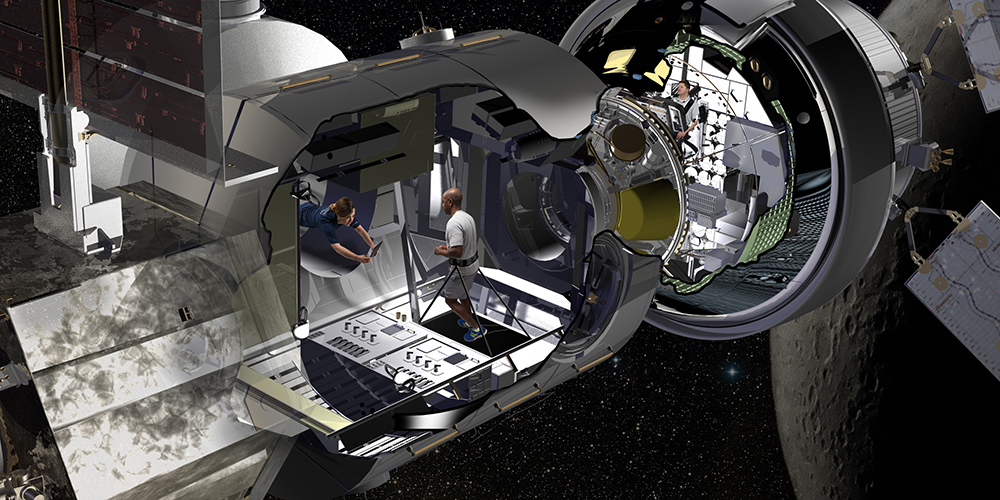
Lockheed Martin recently provided a first-look at the space habitat they are designing, as part of NASA's program to return astronauts to the Moon and sending crewed missions to Mars.
Continue reading
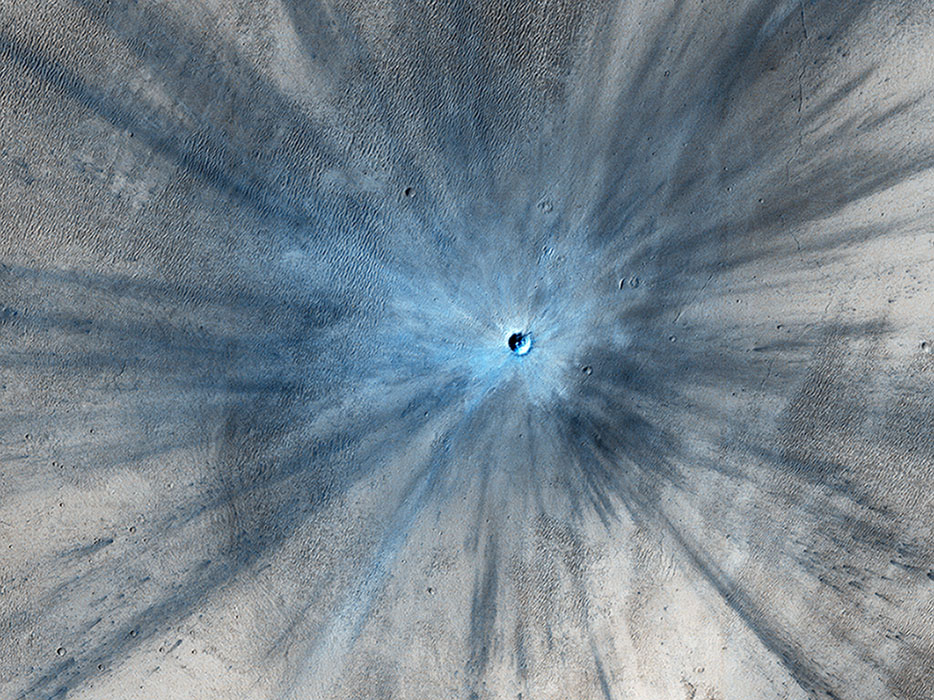
According to a new study by an international team of researchers, a good way to look for signs on life on exoplanets would be toe examine the ejected material of asteroid impacts.
Continue reading
Continue reading
 Universe Today