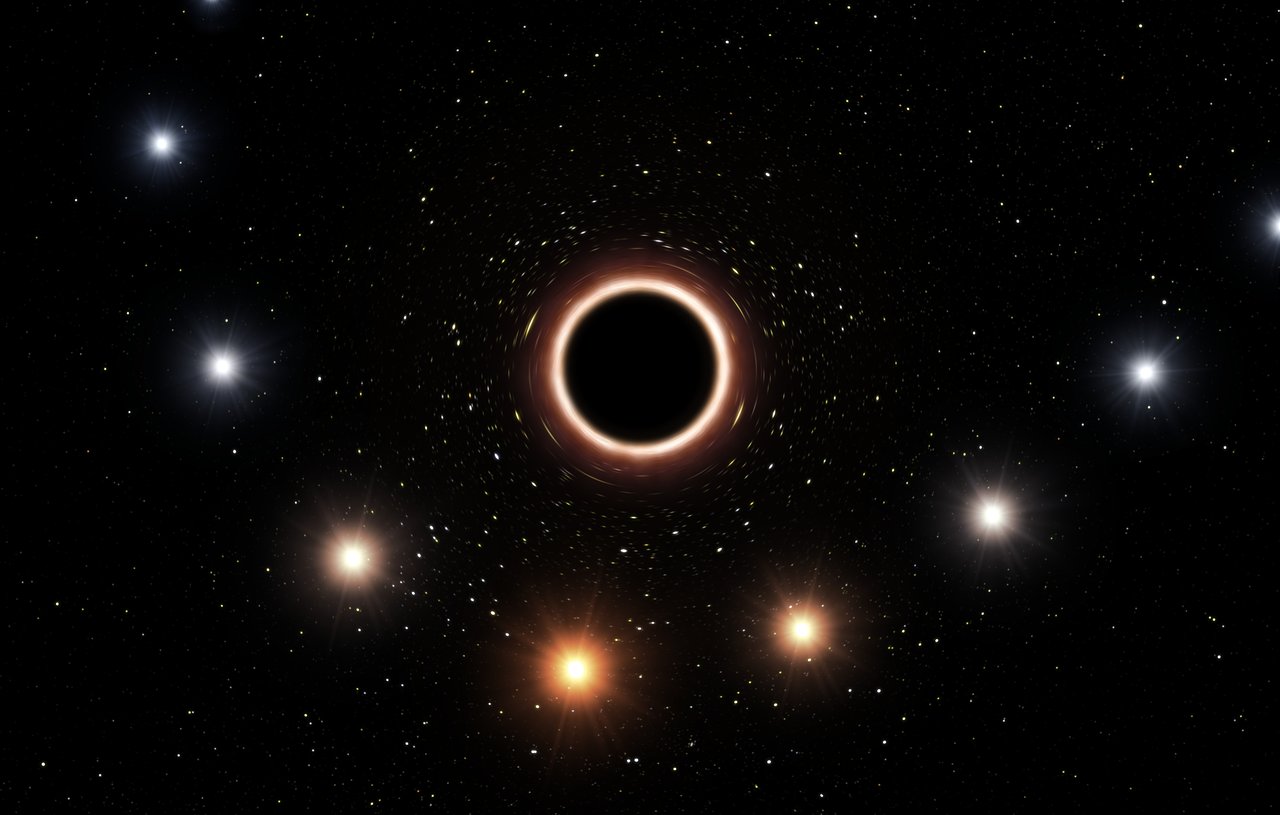
For the first time in history, Einstein's theory of General Relativity was confirmed by observing a star orbiting the supermassive black hole at the center of our galaxy
Continue reading
Continue reading
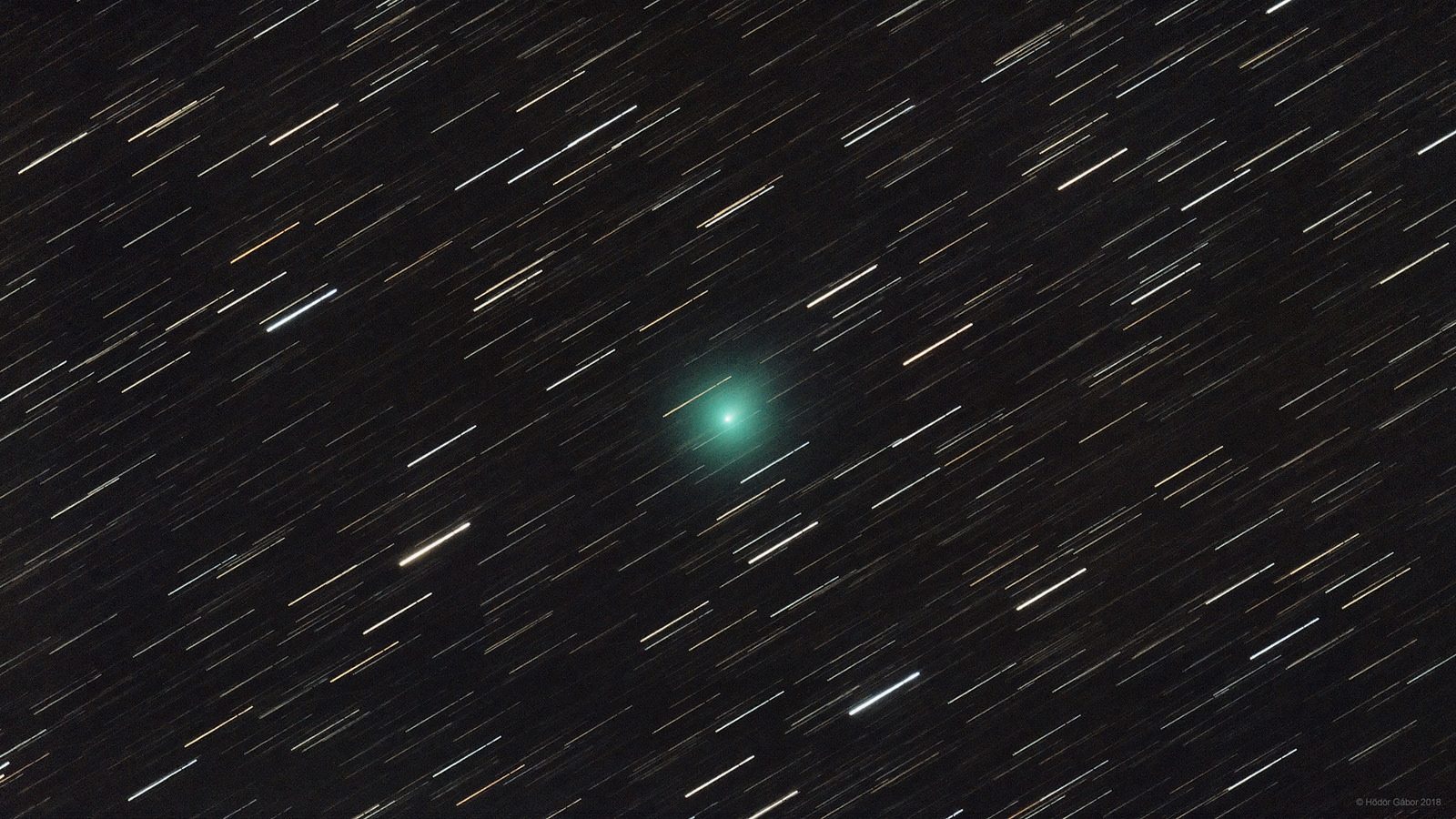
Comets are one of those great question marks in observational astronomy. Though we can plot their orbits thanks to Newton and Kepler, just how bright they'll be and whether or not they will fizzle or fade is always a big unknown, especially if they're a dynamic newcomer from the outer solar system just visiting the inner solar system for the first time.
We had just such a surprise from a cosmic visitor over the past few weeks, as comet C/2017 S3 PanSTARRS erupted twice, brightening into binocular visibility.
Continue reading
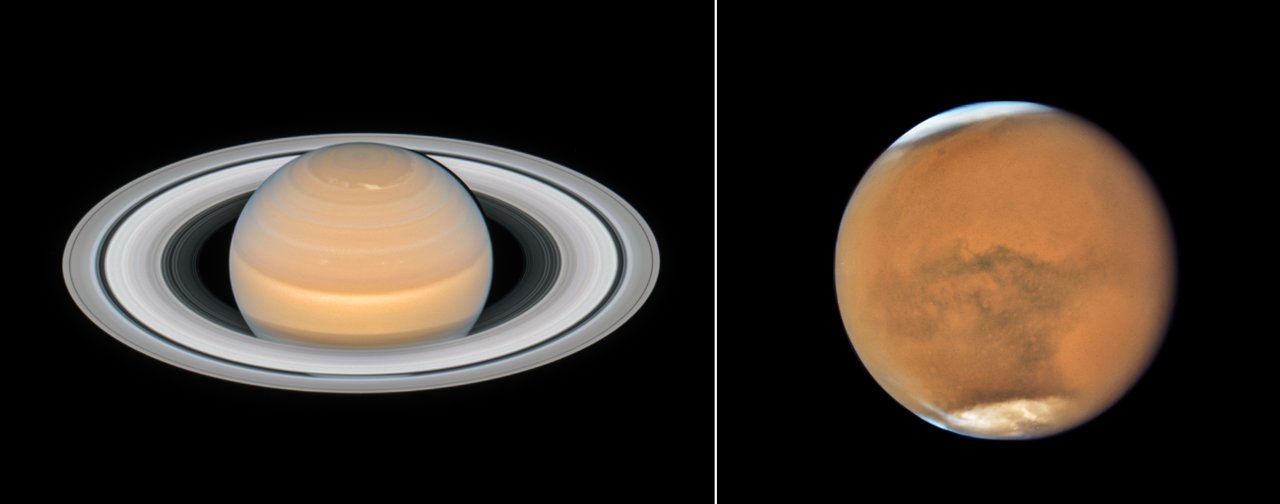
The Hubble Space Telescope took advantage of the fact that both Saturn and Mars are at opposition this summer and snapped some of the clearest and most beautiful images of them yet.
Continue reading
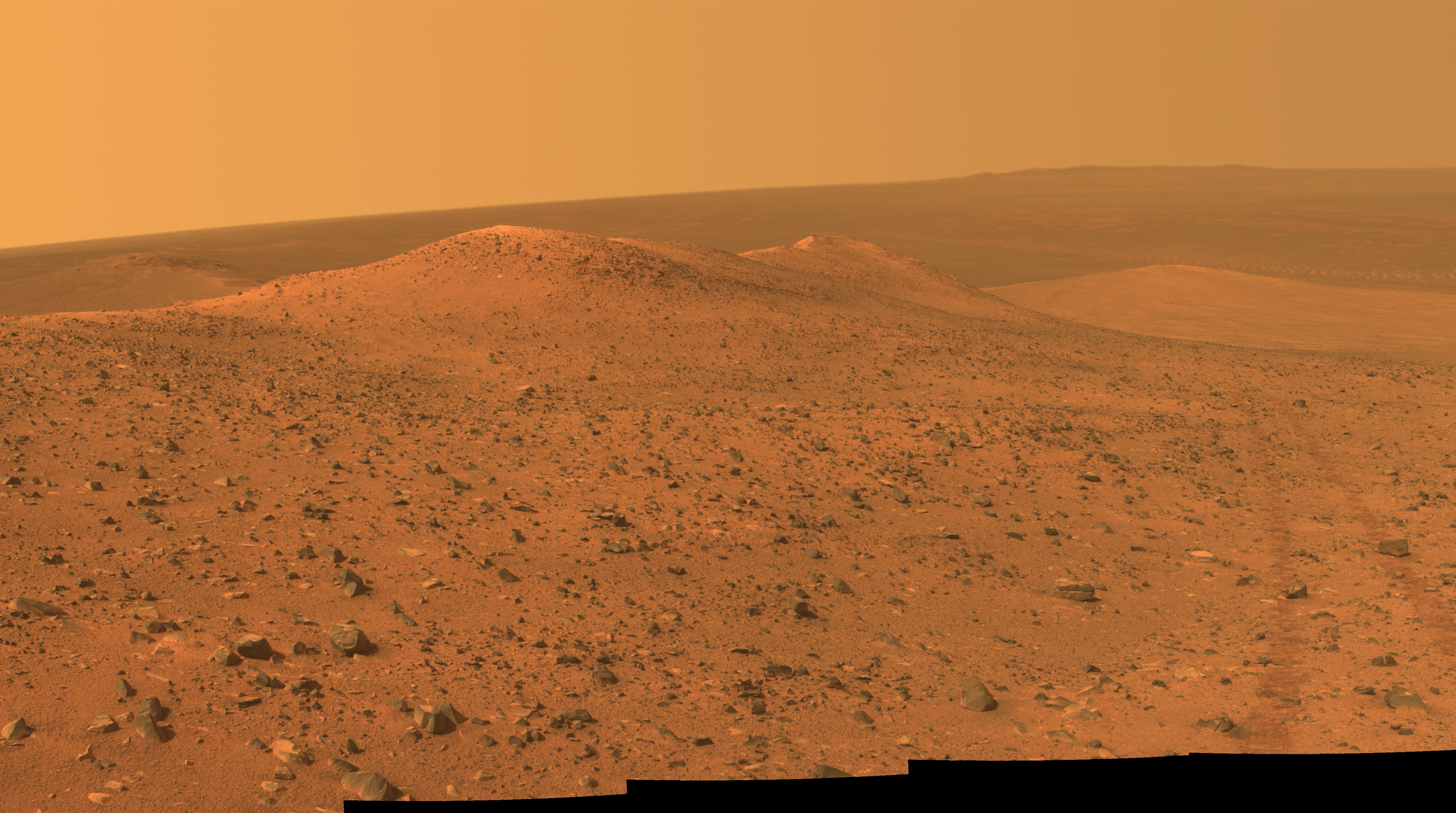
A new study led by NASA's Ames Research Center has indicated that microorganisms are not likely to survive in Mars' dry environment, but could be preserved there.
Continue reading
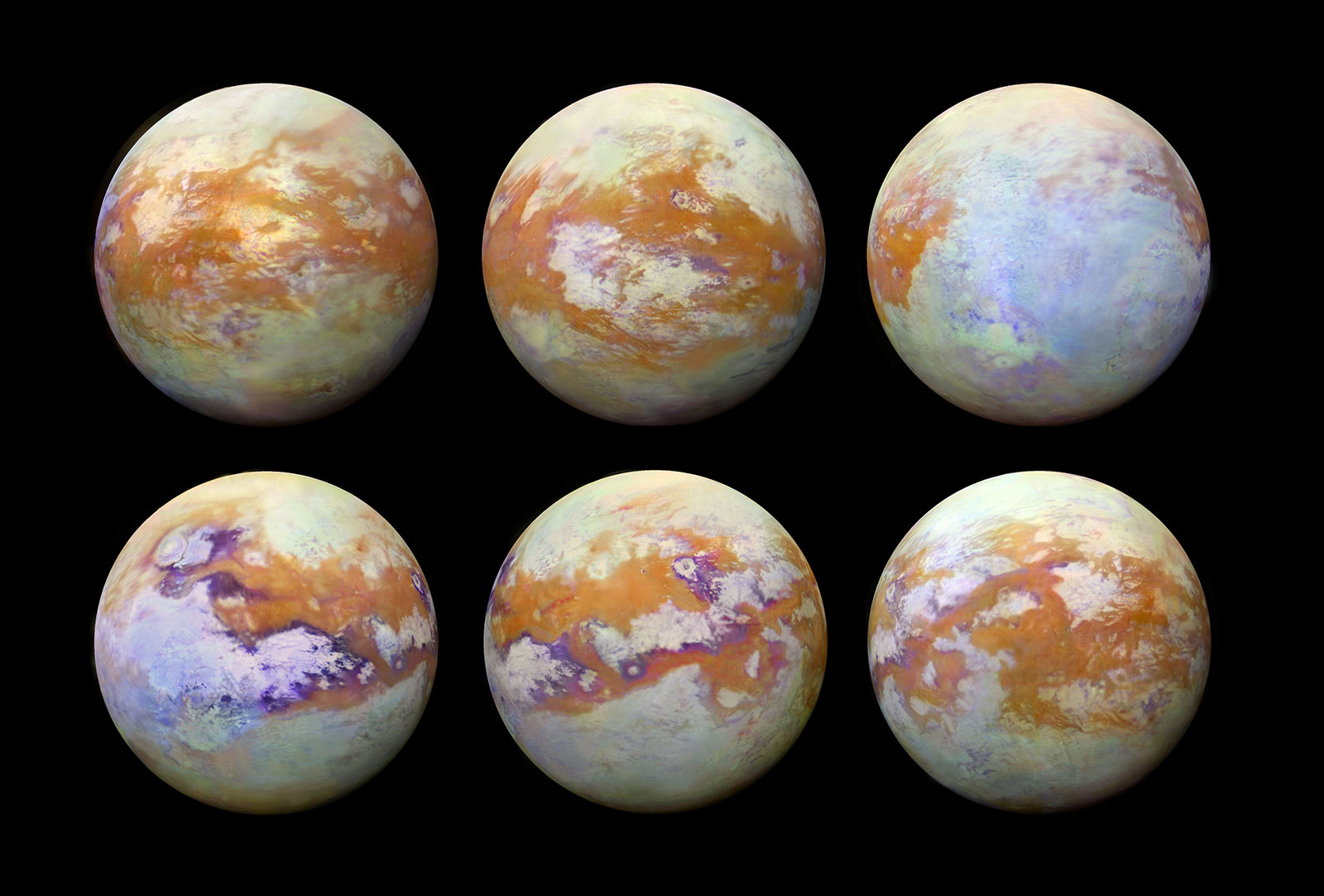
Using 13 years of data obtained by Cassini's Visual and Infrared Mapping Spectrometer (VIMS), the Cassini imaging team has produced some of the most detailed images of Titan to date.
Continue reading
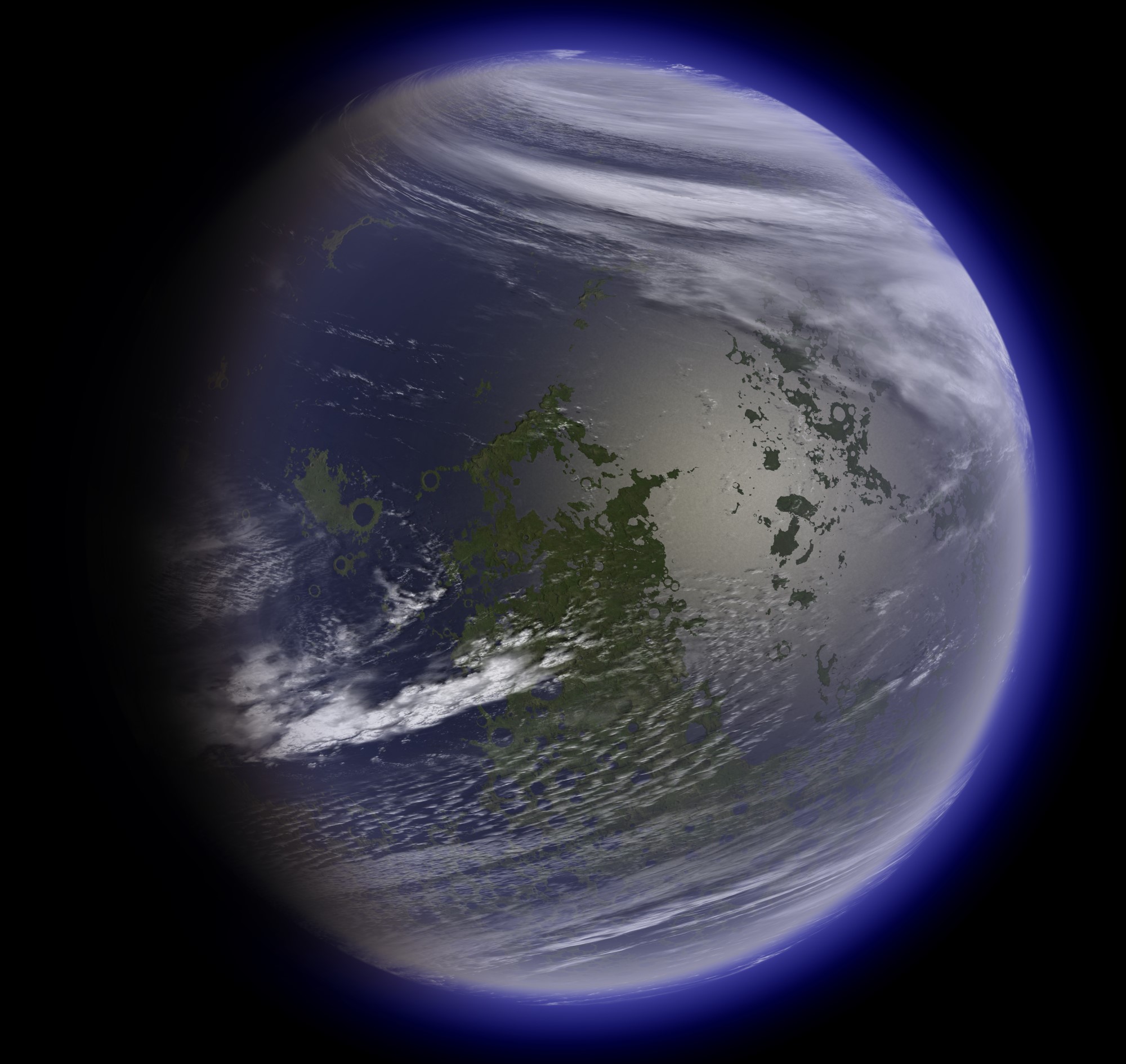
According to a new study by a European team, the Moon may have been habitable during two periods in the past.
Continue reading
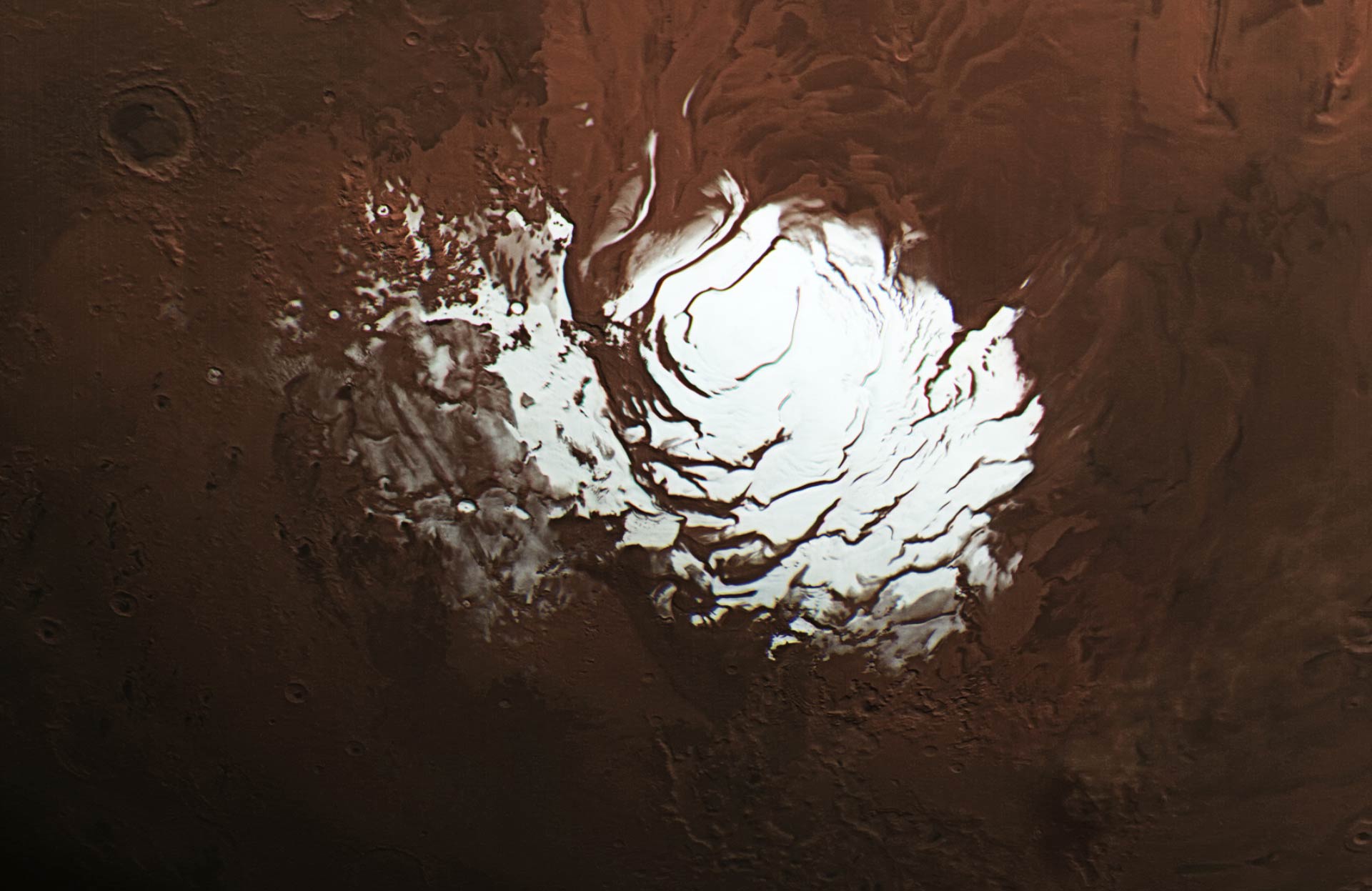
A new analysis of 15 years of data from the Mars Express probe by a team of Italian scientists shows compelling evidence for their being liquid water beneath Mars southern polar region.
Continue reading
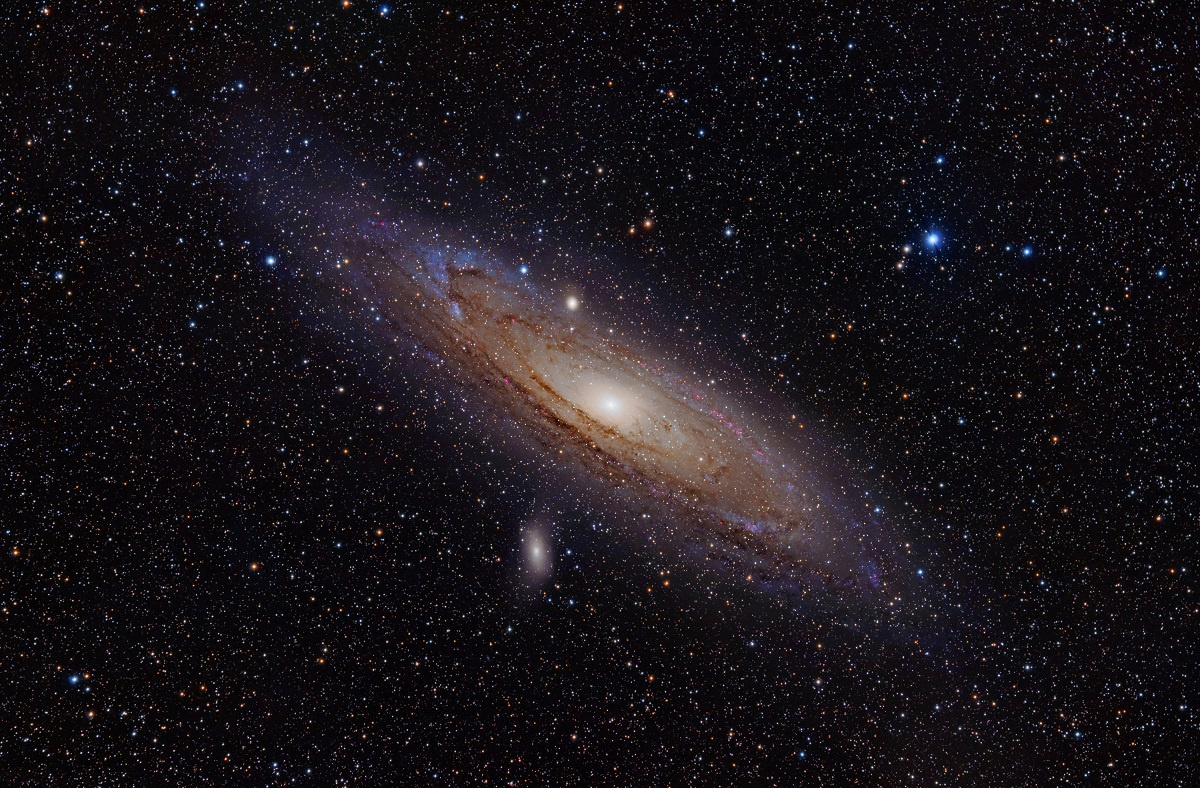
According to a new study by a team from the University of Michigan, Andromeda survived a merger with a massive galaxy 2 billion years ago.
Continue reading
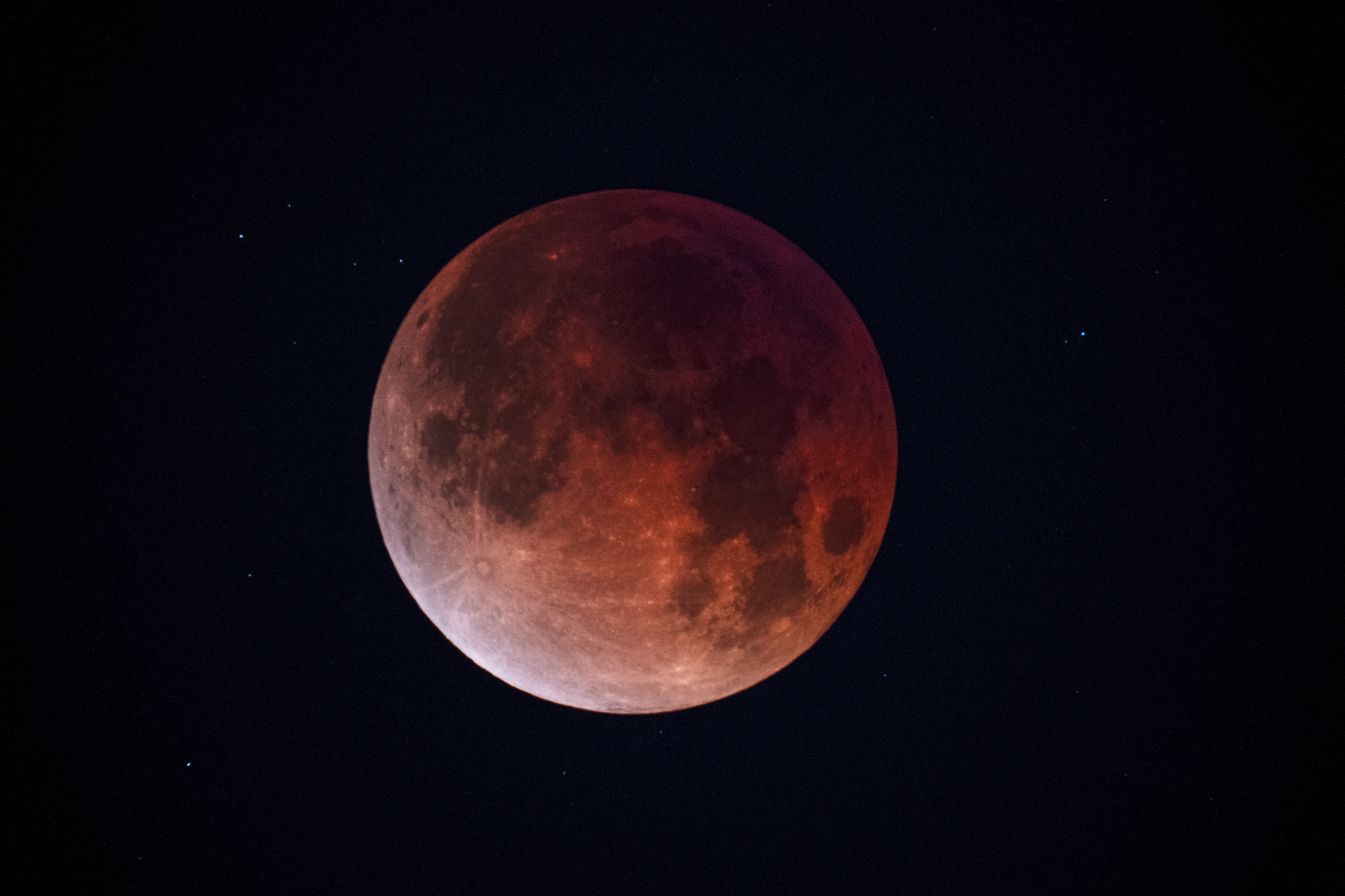
One of the top astronomy events of 2018 occurs on the evening of Friday, July 27th, when the Moon enters the shadow of the Earth for a total lunar eclipse. In the vernacular that is the modern internet, this is what's becoming popular as a "Blood Moon," a time when the Moon reddens due to the refracted light of a thousand sunsets falling on it as the pass through the ruddy limb of the Earth.
Continue reading
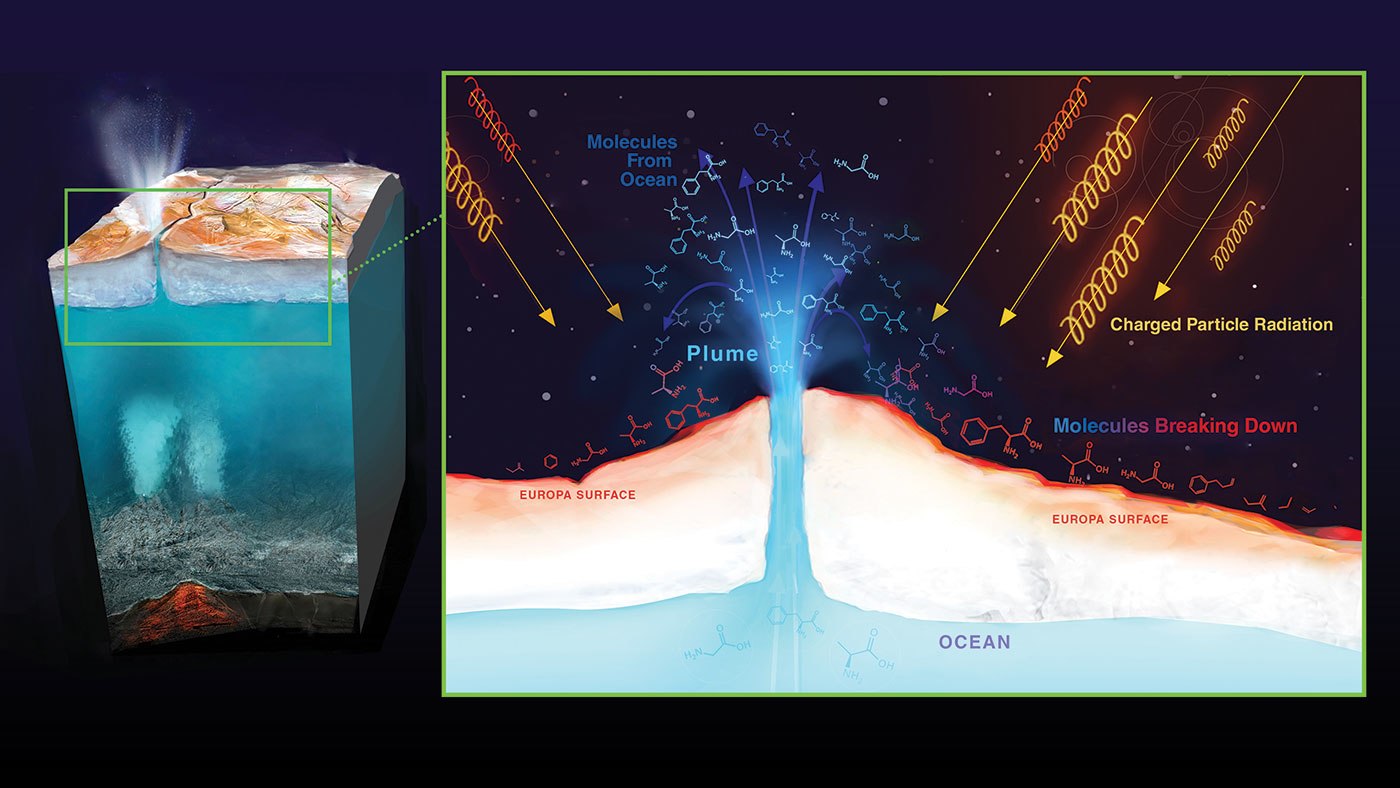
Thanks to a new study led by NASA's Jet Propulsion Laboratory, future missions to Europa will be more likely to find spots in the moon's ice sheet where biosignatures still exist.
Continue reading
Continue reading
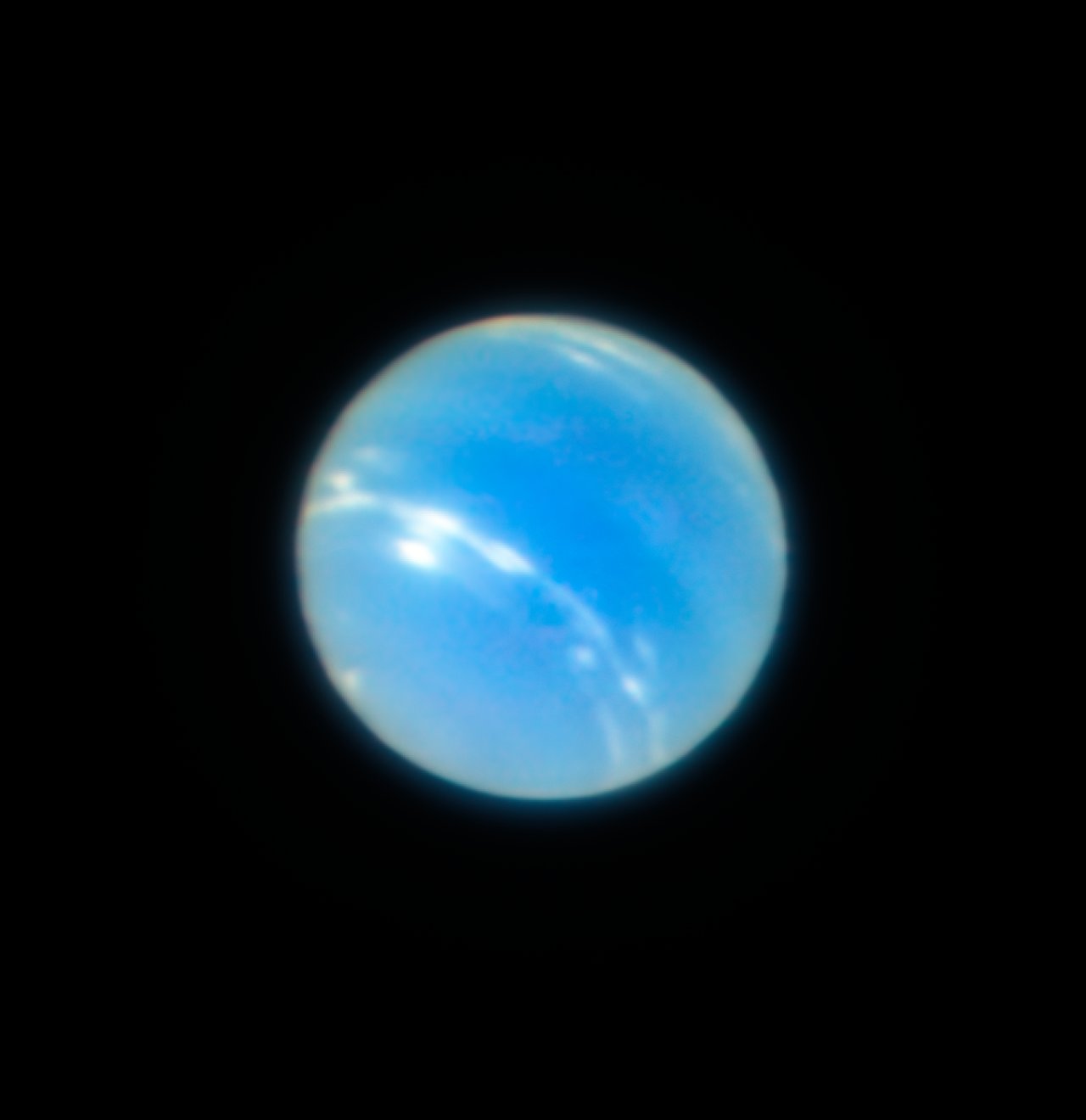
Using advanced adaptive optics, the ESO's Very Large Telescope was able to capture pictures of Neptune, star clusters and other objects with even greater clarity than Hubble
Continue reading

The ESA recently released stunning photos of a Martian storm front, which were acquired by the Mars Express orbiter in April of 2018.
Continue reading
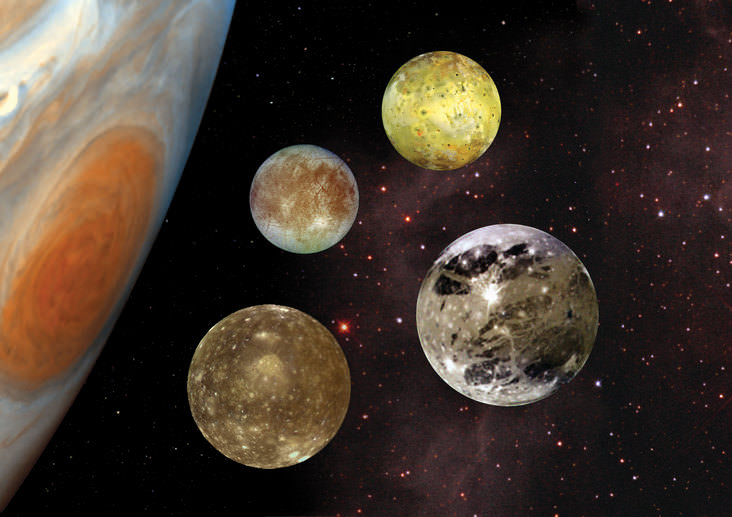
A new study led by Scott S. Sheppard has discovered 12 more moons around Jupiter, which could scientists a great deal about the history of the Solar System.
Continue reading
Continue reading
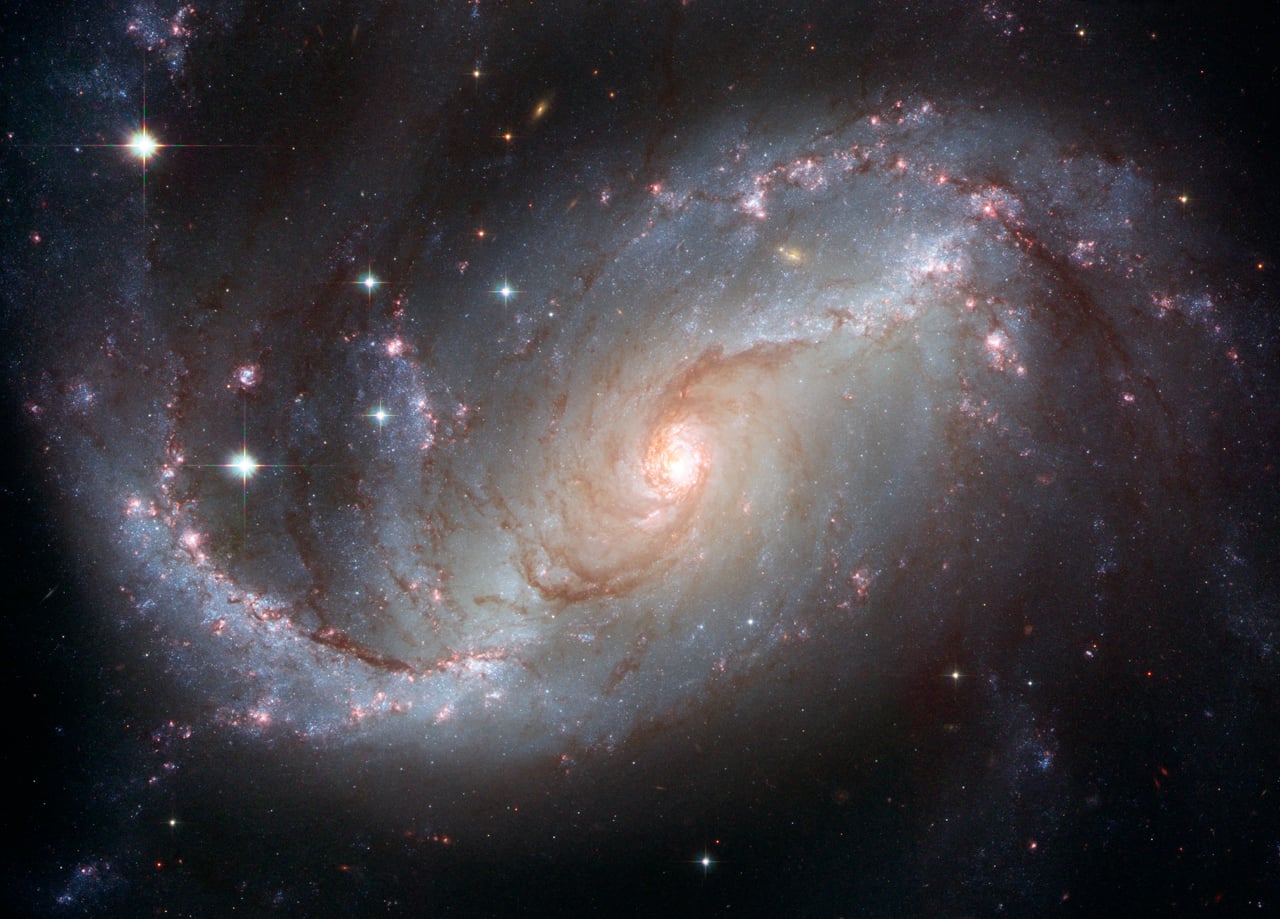
When the James Webb Space Telescope is deployed, it will study and characterize the atmospheres of gas giants, with the eventual goal of focusing on potentially-habitable exoplanets.
Continue reading
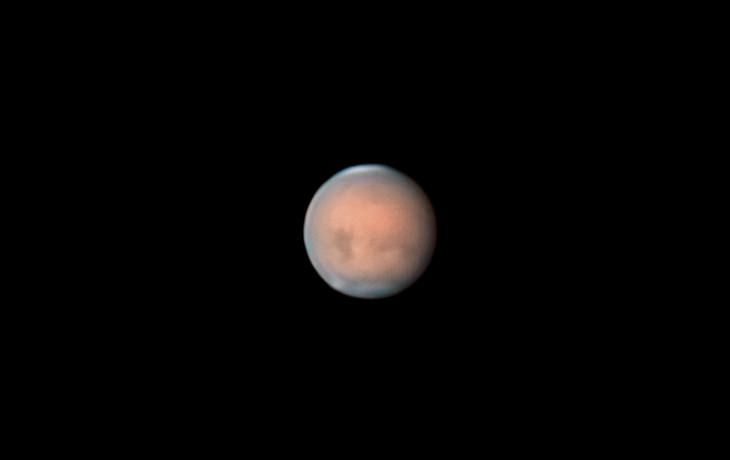
Have you been checking out Mars this season? Mars reaches opposition on July 27th at 5:00 Universal Time (UT) shining at magnitude -2.8 and appearing 24.3" across—nearly as large as it can appear, and the largest since the historic opposition of 2003. We won't have an opposition this favorable again until September 15th, 2035.
Continue reading
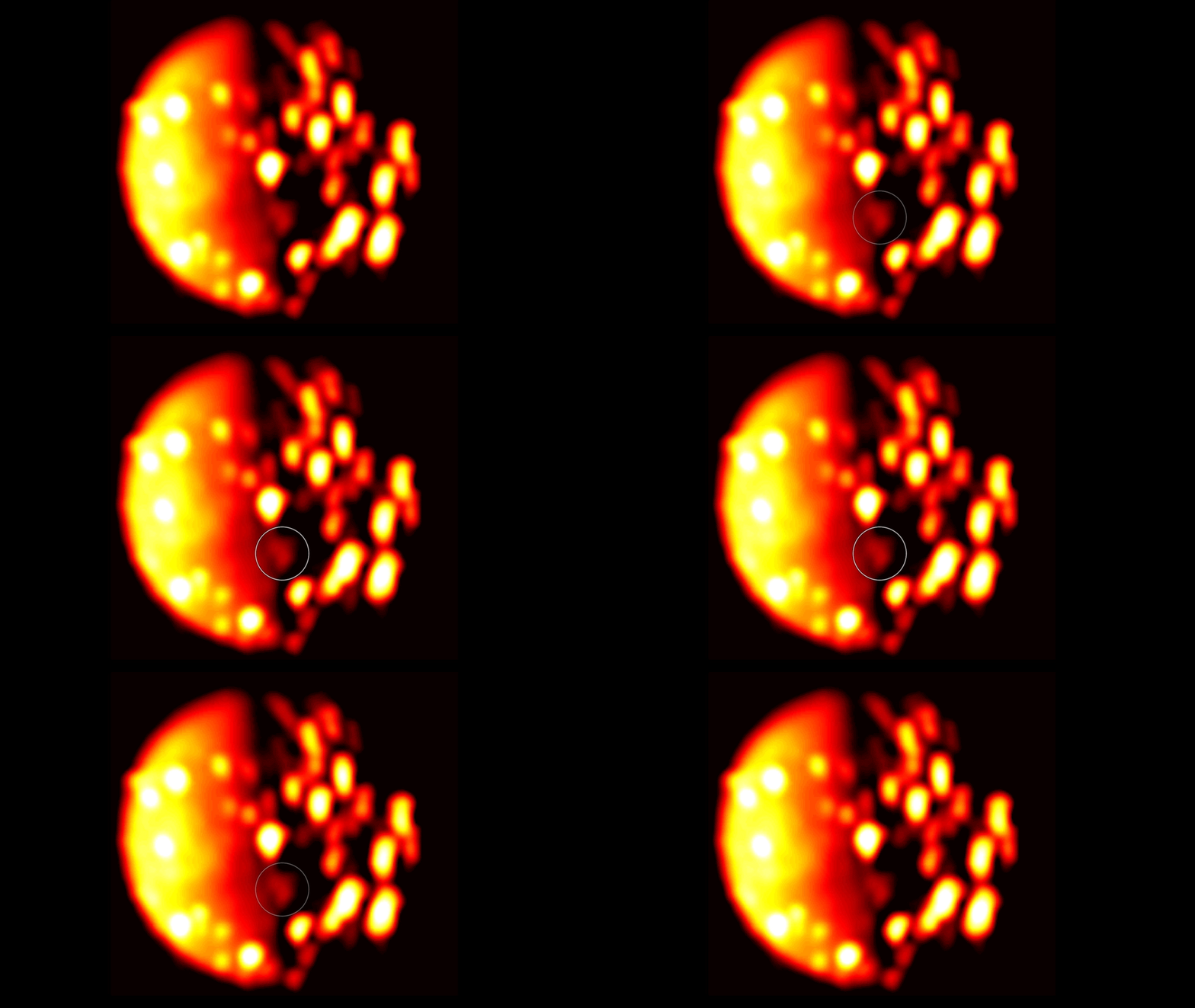
Using data from the Juno spacecraft, a team of scientists found a heat source on Io that could be a previously-undiscovered volcano.
Continue reading
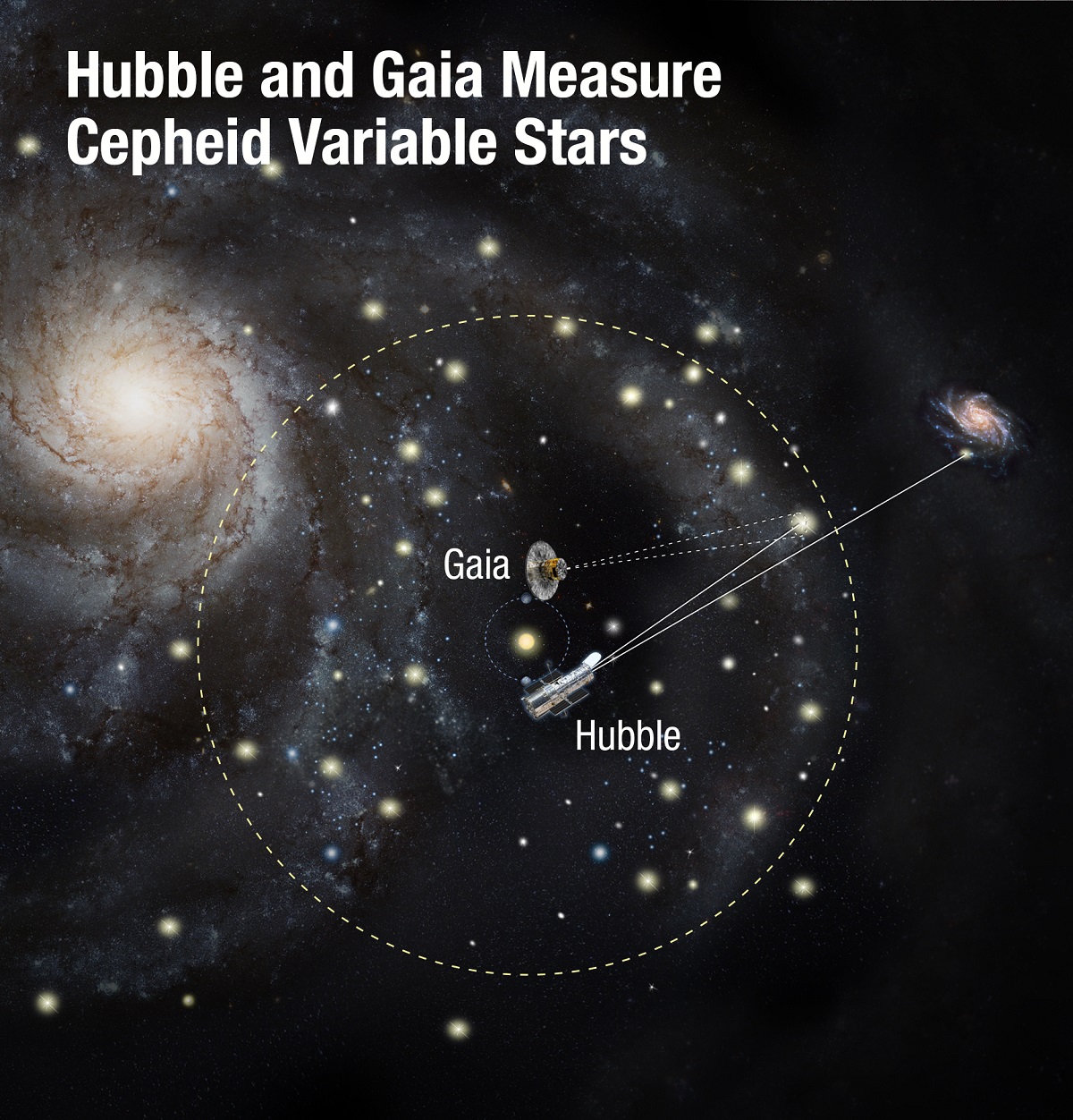
A new study used data from both Hubble and Gaia in order to obtain the most precise measurements of cosmic expansion to date.
Continue reading
 Universe Today