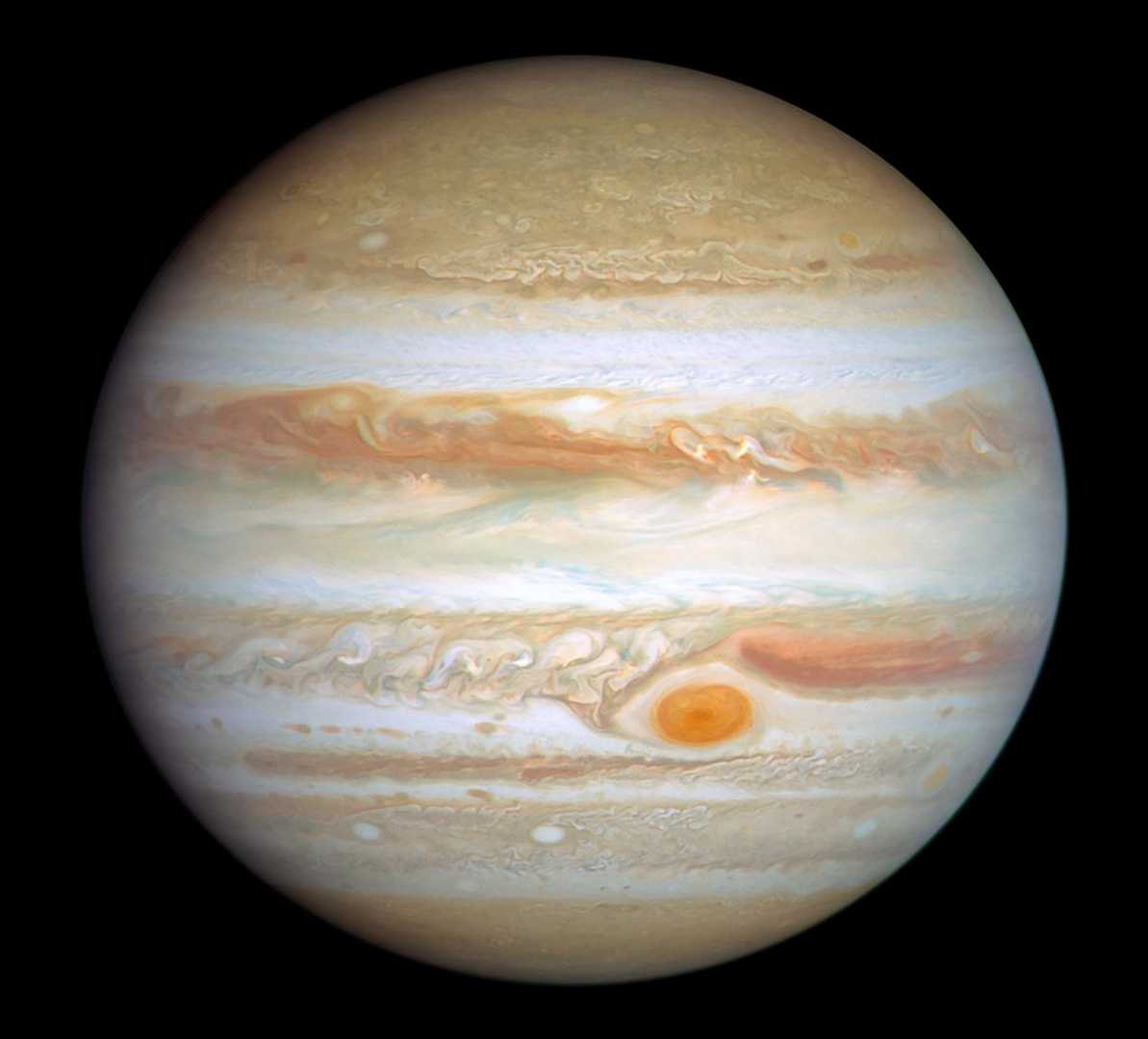
Scientists thought they had Jupiter figured out until NASA's Juno spacecraft peered inside our Solar System’s largest planet and discovered something completely unexpected. Jupiter doesn't have the solid, well defined core that researchers had imagined, instead, Jupiter's core is mysteriously fuzzy and blurred, defying everything we thought we knew about how giant planets form. Now, powerful computer simulations are overturning the leading theory about how this strange structure came to be, suggesting that Jupiter's secrets run deeper than anyone realised.
Continue reading
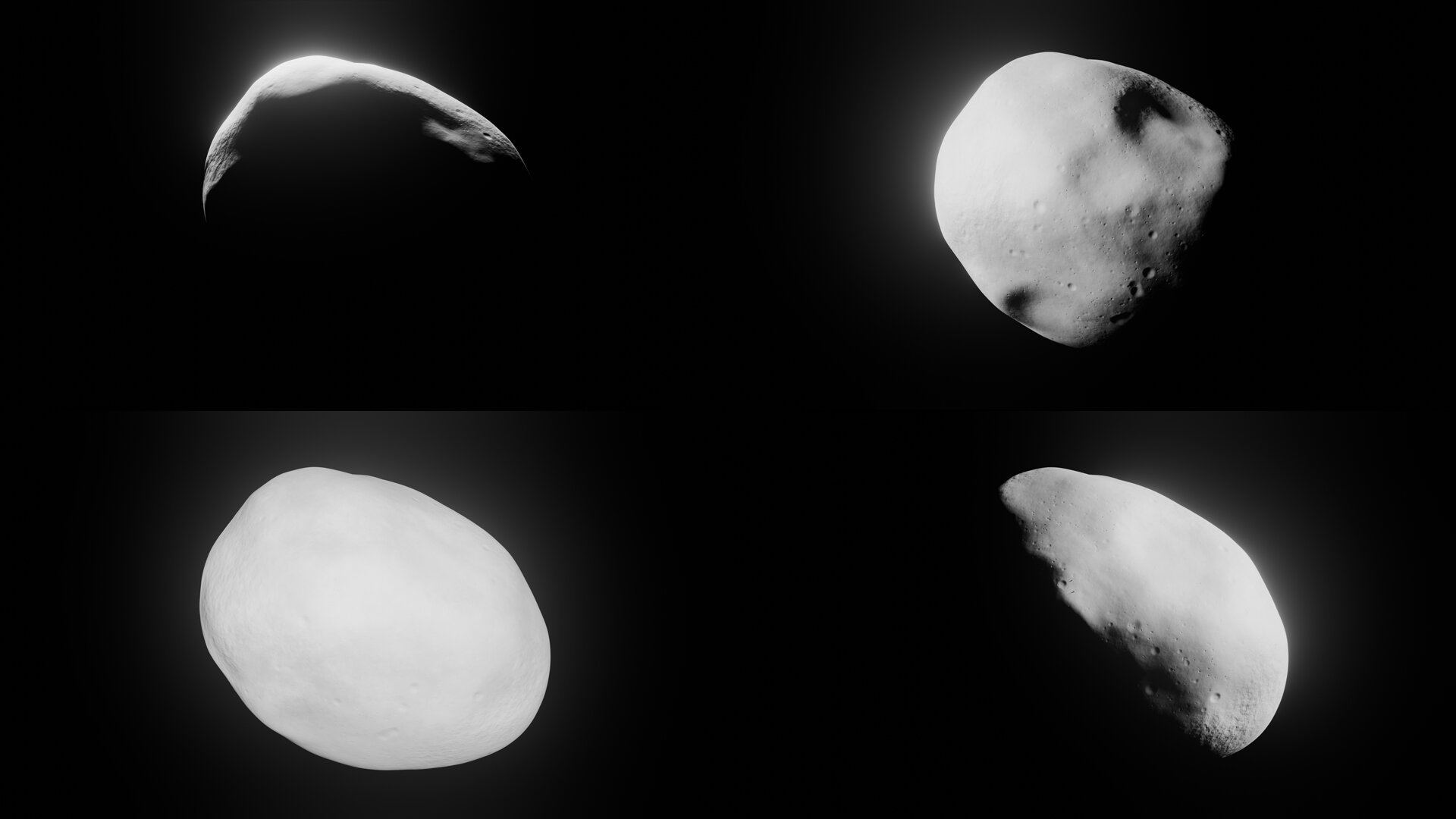
Asteroids floating through our Solar System are debris left over from when our planetary neighbourhood formed 4.6 billion years ago. Scientists study these ancient fragments as time capsules that reveal secrets about our Solar System's earliest days. Now, new research has uncovered a surprising connection between two completely different types of asteroids that may actually share the same dramatic origin story.
Continue reading
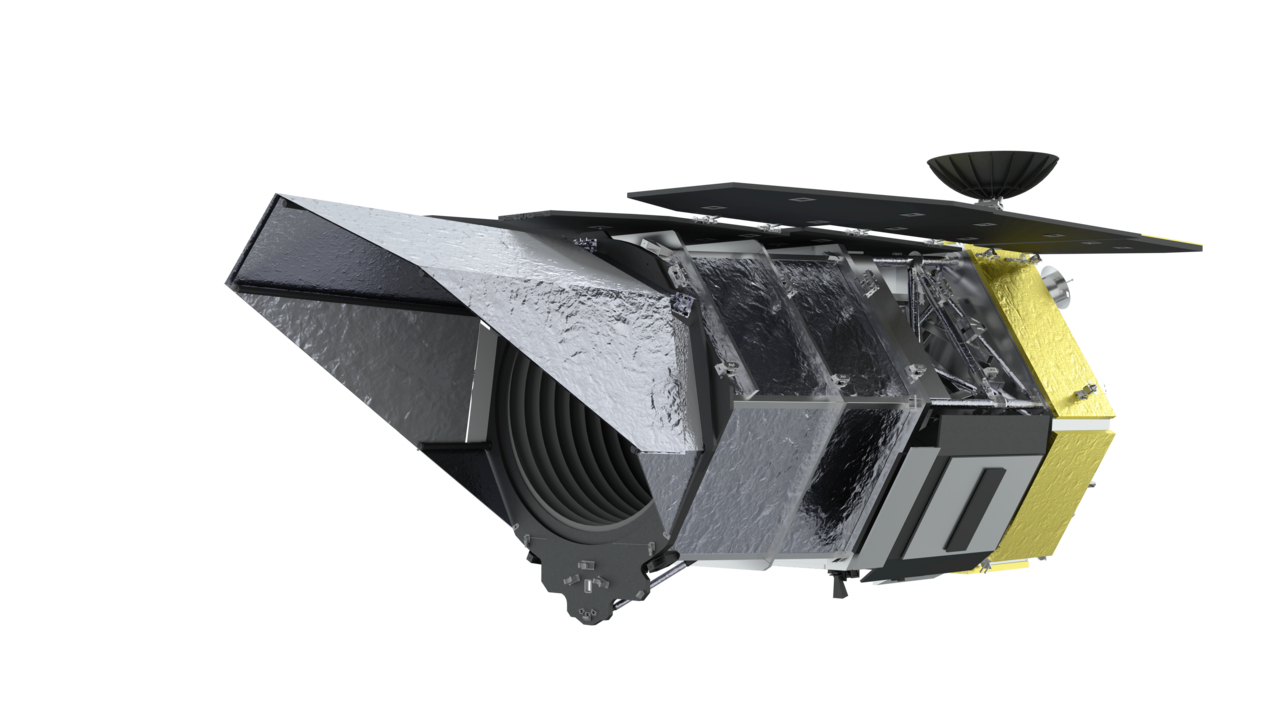
When NASA's Nancy Grace Roman Space Telescope launches in October 2026, it won't just be peering into the distant universe to study dark energy and exoplanets. This powerful observatory will also serve as Earth's newest guardian, helping scientists track and understand potentially dangerous asteroids and comets that could threaten our planet.
Continue reading
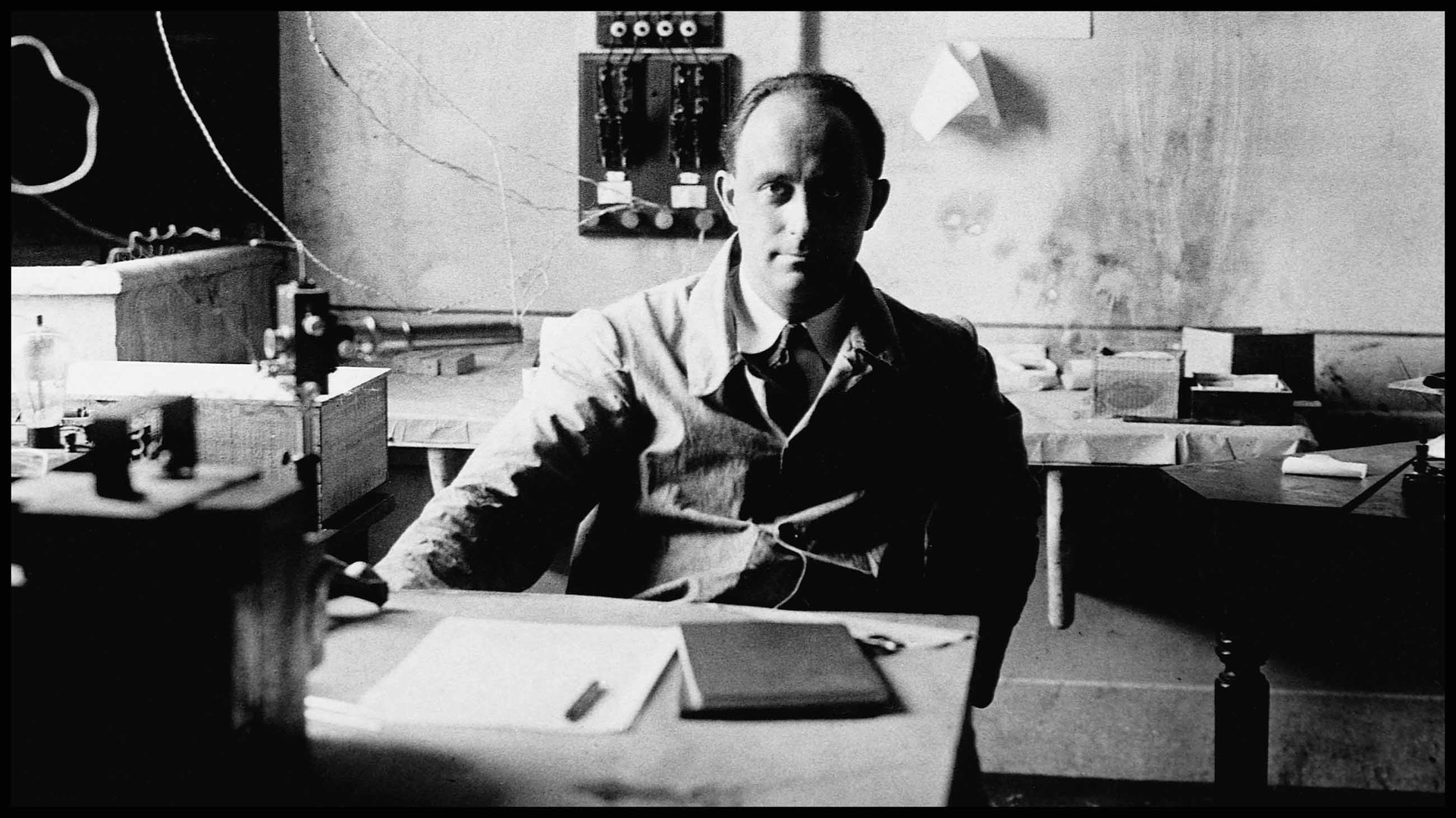
Where is everybody?
For decades that question was merely a part of physics legend, the kind of thing grad students overhear when their advisors take them out to dinner.
Continue reading
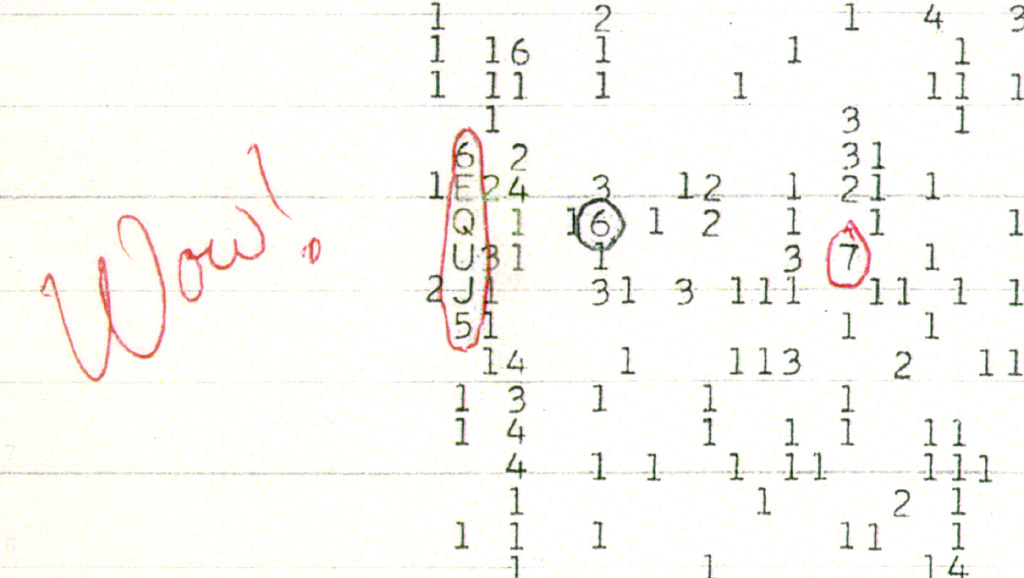
The “Wow!” signal has been etched red marker in the memory of advocates for the search for extraterrestrial intelligence (SETI) since its unveiling in 1977. To this day, it remains one of the most enigmatic radio frequency signals ever found. Now a new paper from a wide collection of authors, including some volunteers, provides some corrections, and some new insights, into both the signal and its potential causes.
Continue reading
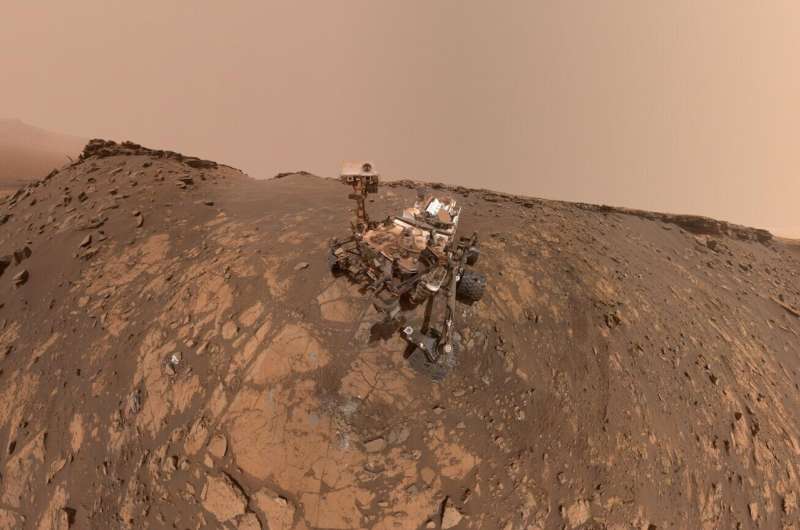
A Ph.D. student and his supervisor at Imperial College London have developed a simple way to test for active life on Mars and other planets using equipment already on the Mars Curiosity rover and planned for future use on the ExoMars Rosalind Franklin rover.
Continue reading
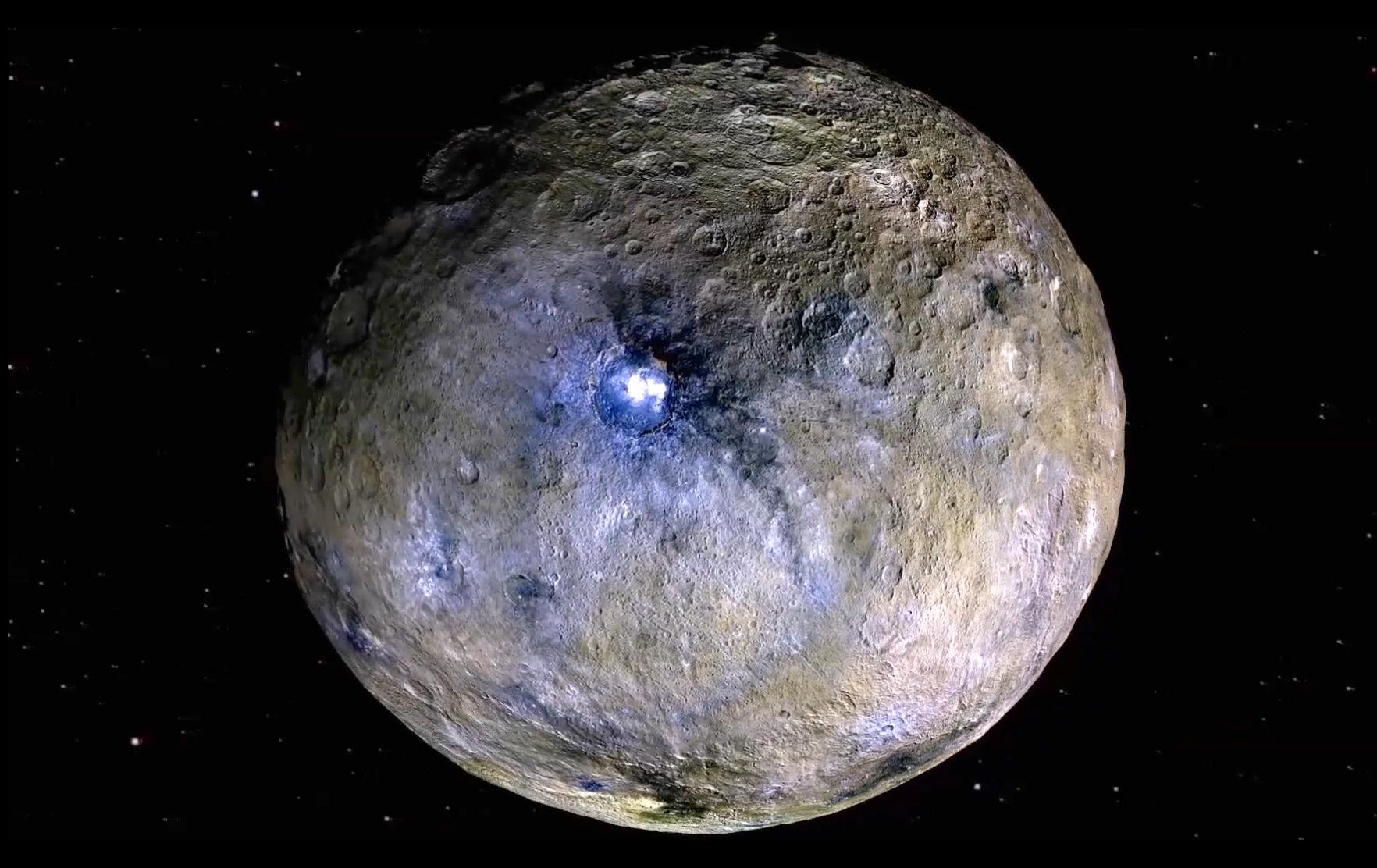
The dwarf planet is cold now, but new research paints a picture of Ceres hosting a deep, long-lived energy source that may have maintained habitable conditions in the past.
Continue reading
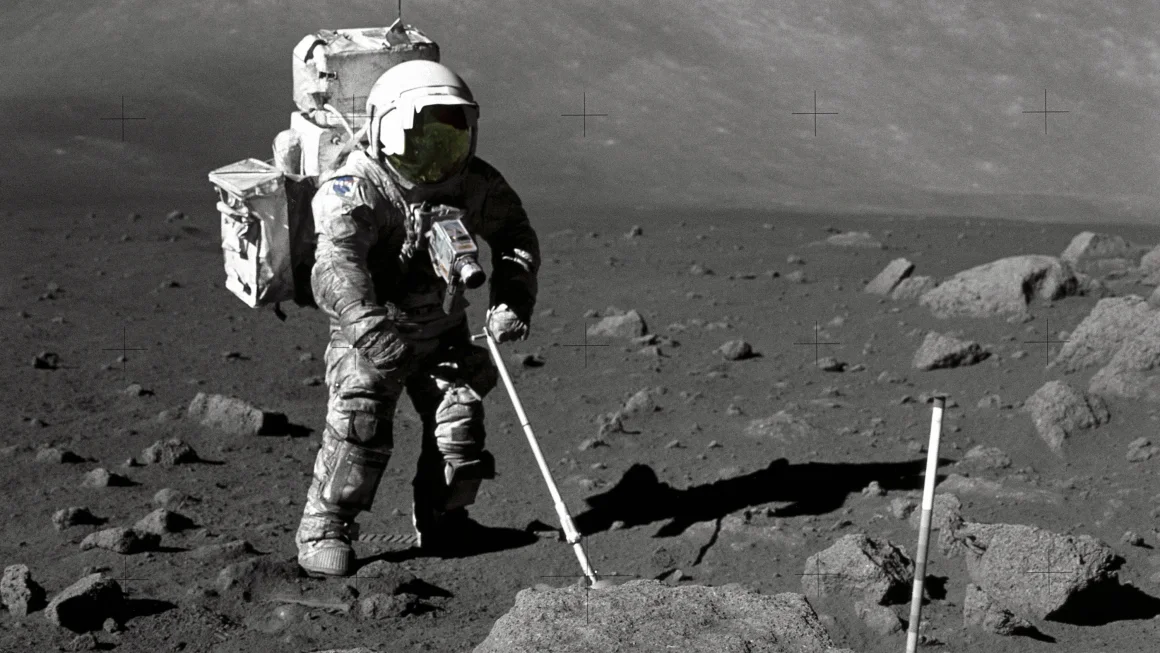
You know, if you think about it, and trust me we’re about to, the Moon is kind of weird.
Continue reading
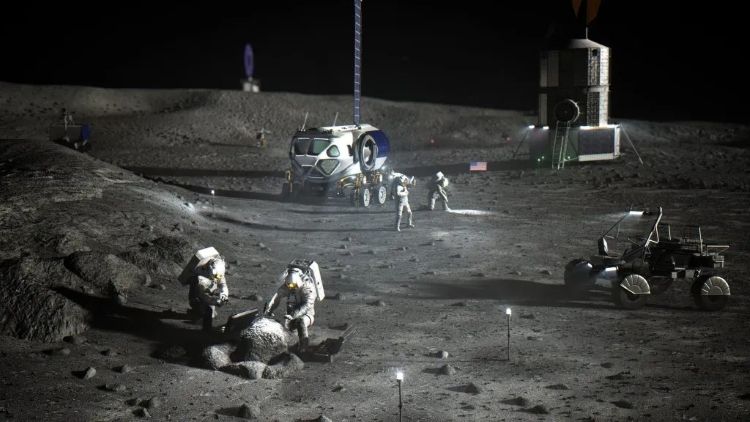
How can thermoelectric generators (TEGs) help advance future lunar surface habitats? This is what a recent study published in Acta Astronautica hopes to address as a team of researchers from the Republic of Korea investigated a novel technique for improving power efficiency and reliability under the Moon’s harsh conditions. This study has the potential to help mission planners, engineers, and future astronauts develop technologies necessary for deep space human exploration to the Moon and beyond.
Continue reading
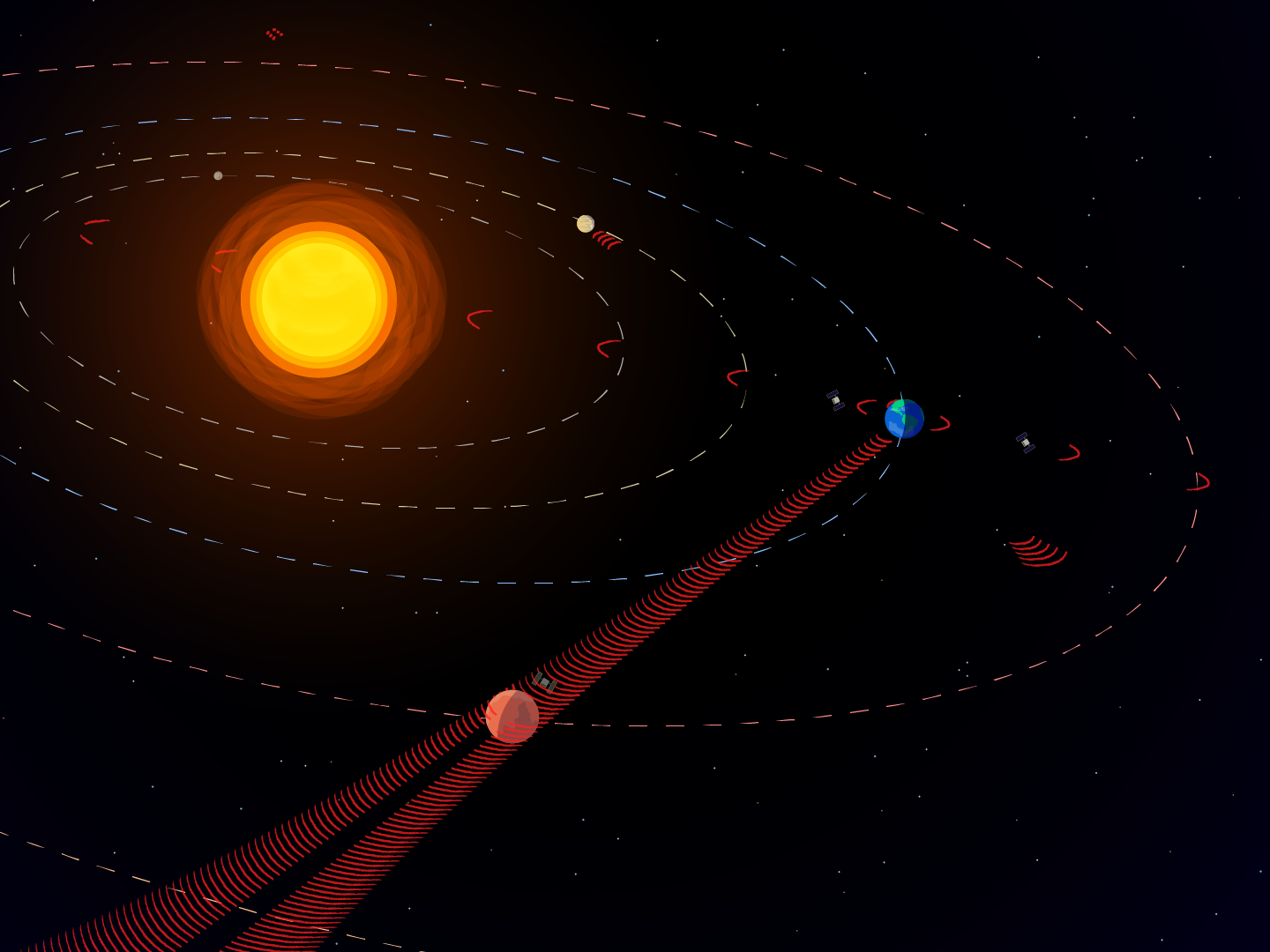
New analysis of human deep space communications suggests the most likely places to detect signals from an extraterrestrial intelligence.
Continue reading
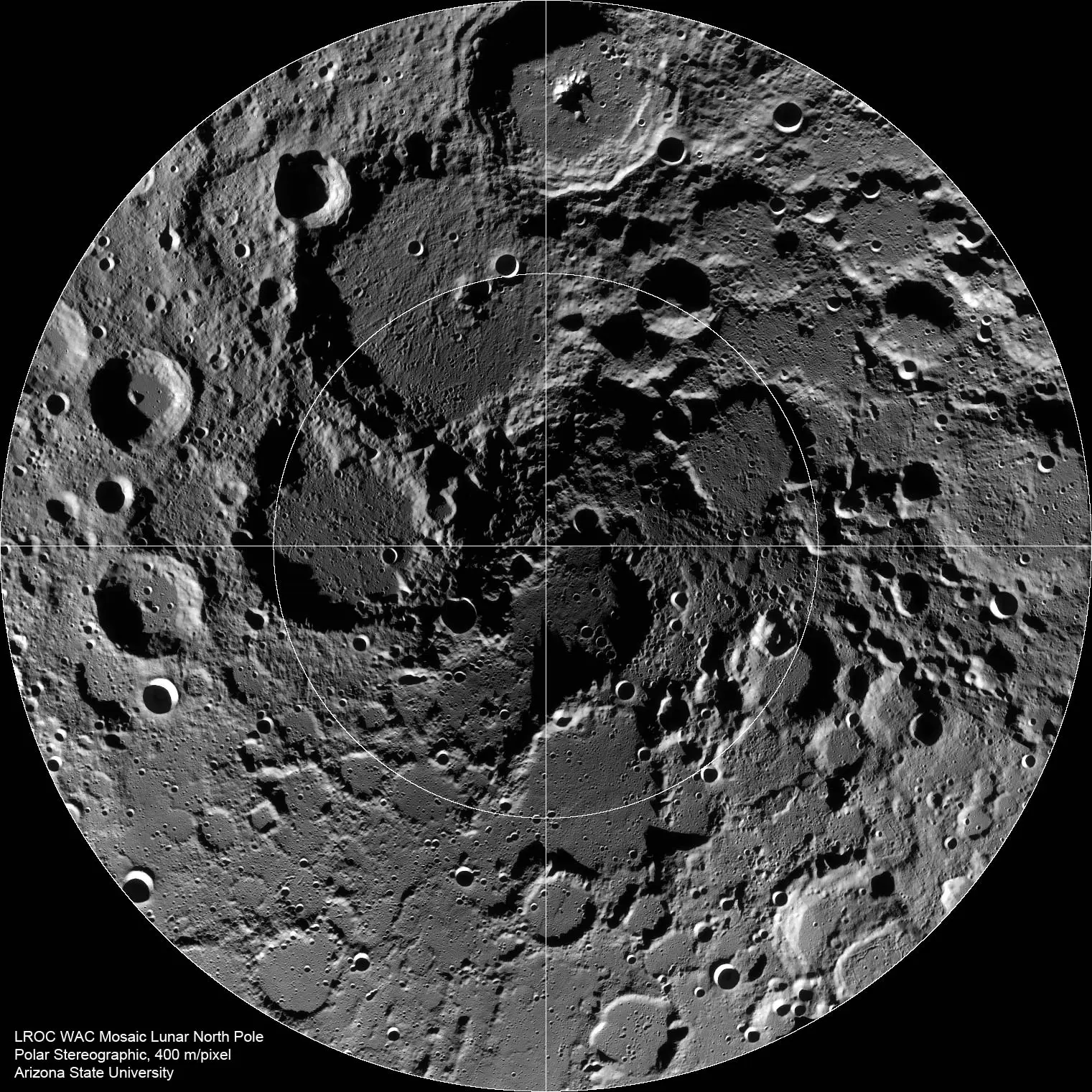
How do you tell how old an astronomical object is? I mean, the next time the Moon is in the sky, take a look at it. How would you even begin to answer that question?
Continue reading
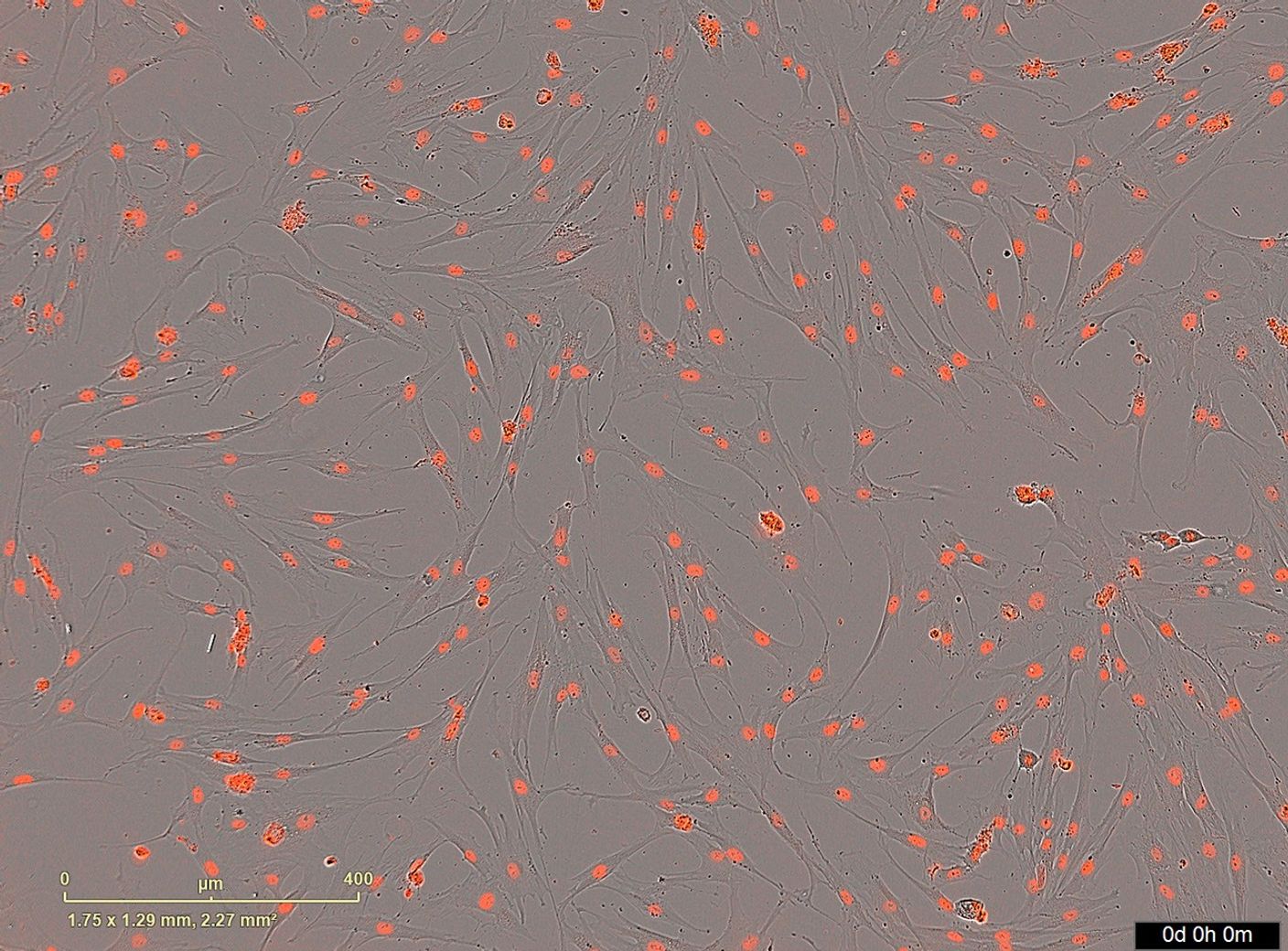
The 33rd SpaceX commercial resupply services mission for NASA, scheduled to lift off from the agency's Kennedy Space Center in Florida in late August, is heading to the International Space Station with an important investigation for the future of bone health.
Continue reading
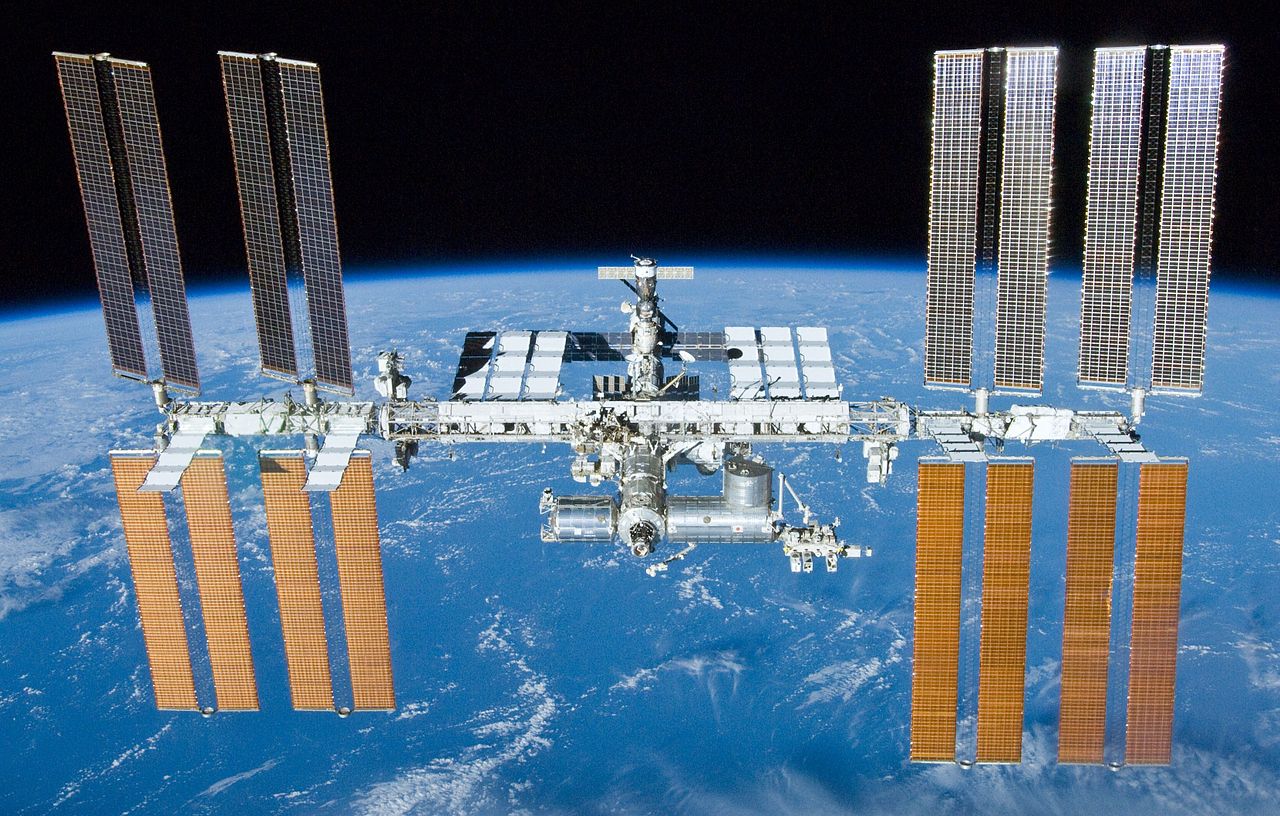
Using stem cells from mice, researchers from Kyoto University tested the potential damage spaceflight can have on spermatazoa stem cells and the resulting offspring. After six months aboard the ISS, the stem cells were used to successfully produce healthy offspring.
Continue reading
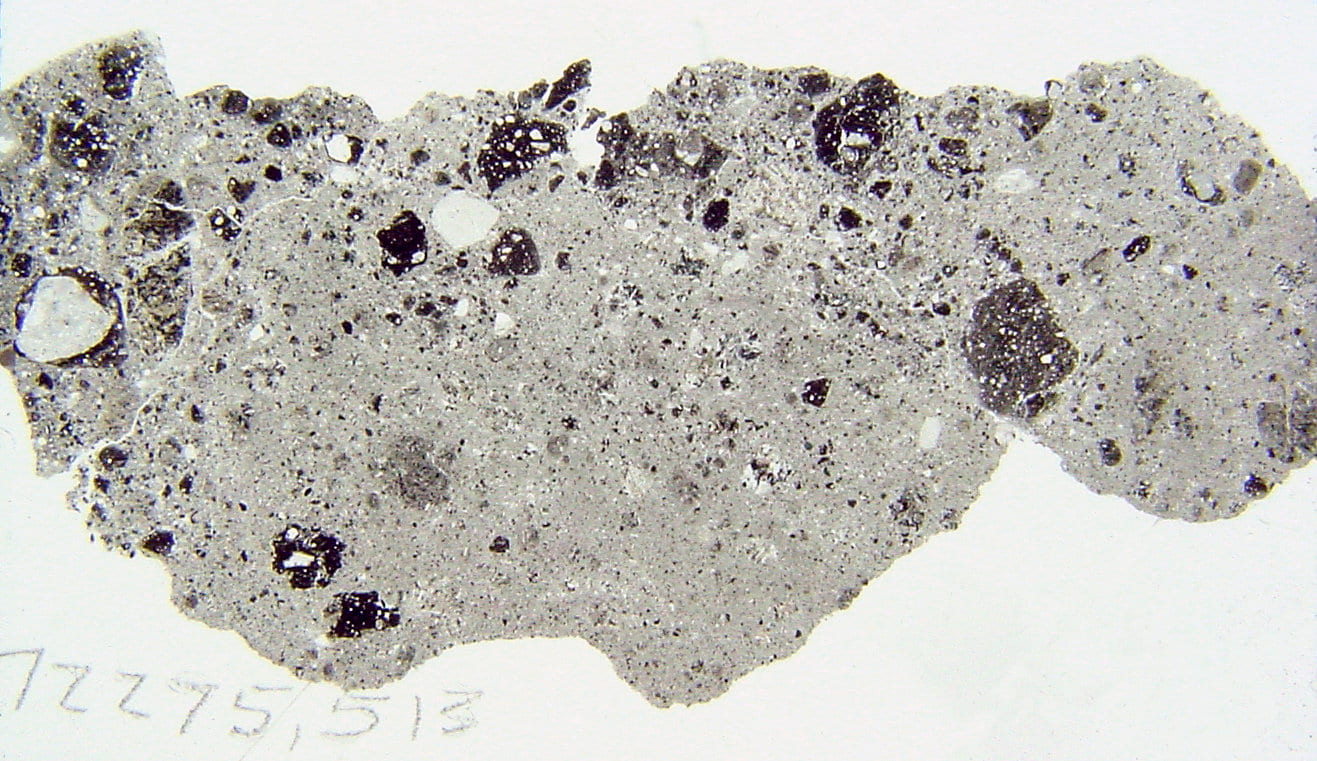
A set of instruments shut off almost 50 years ago are still producing useful results. It’s the seismometers left by the Apollo missions to monitor moonquakes, which as the name suggests are earthquakes but on the Moon.
Continue reading
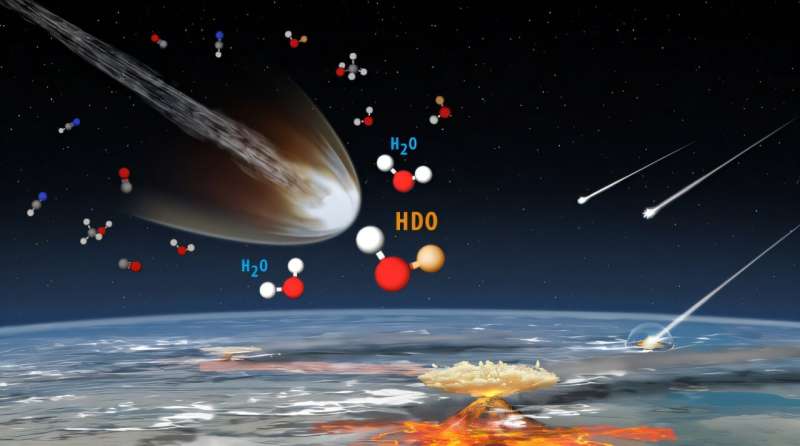
Comets are like the archeological sites of the solar system. They formed early on, and their composition helps us understand what the area around the early Sun was like, potentially even before any planets were formed. A new paper from researchers at a variety of US and European institutions used the Atacama Large Millimeter Array (ALMA) to capture detailed spatial spectral images of comet 12P/Pons-Brooks, which is very similar to the famous Halley’s comet, and might hold clues to where the water on the Earth came from.
Continue reading
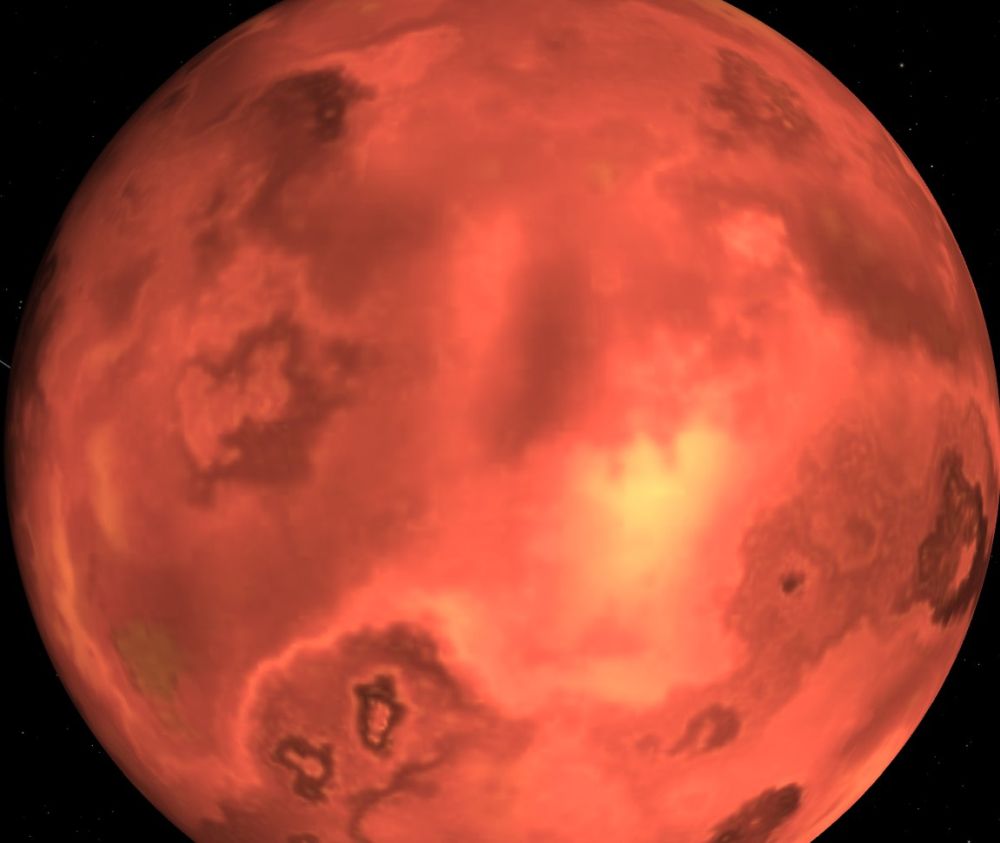
In 2022, astronomers announced the discovery of GJ 3929b. It's a rocky planet, similar to Earth in both mass and size. Astronomers have examined the planet with the JWST and concluded that it's a barren world with no atmosphere.
Continue reading
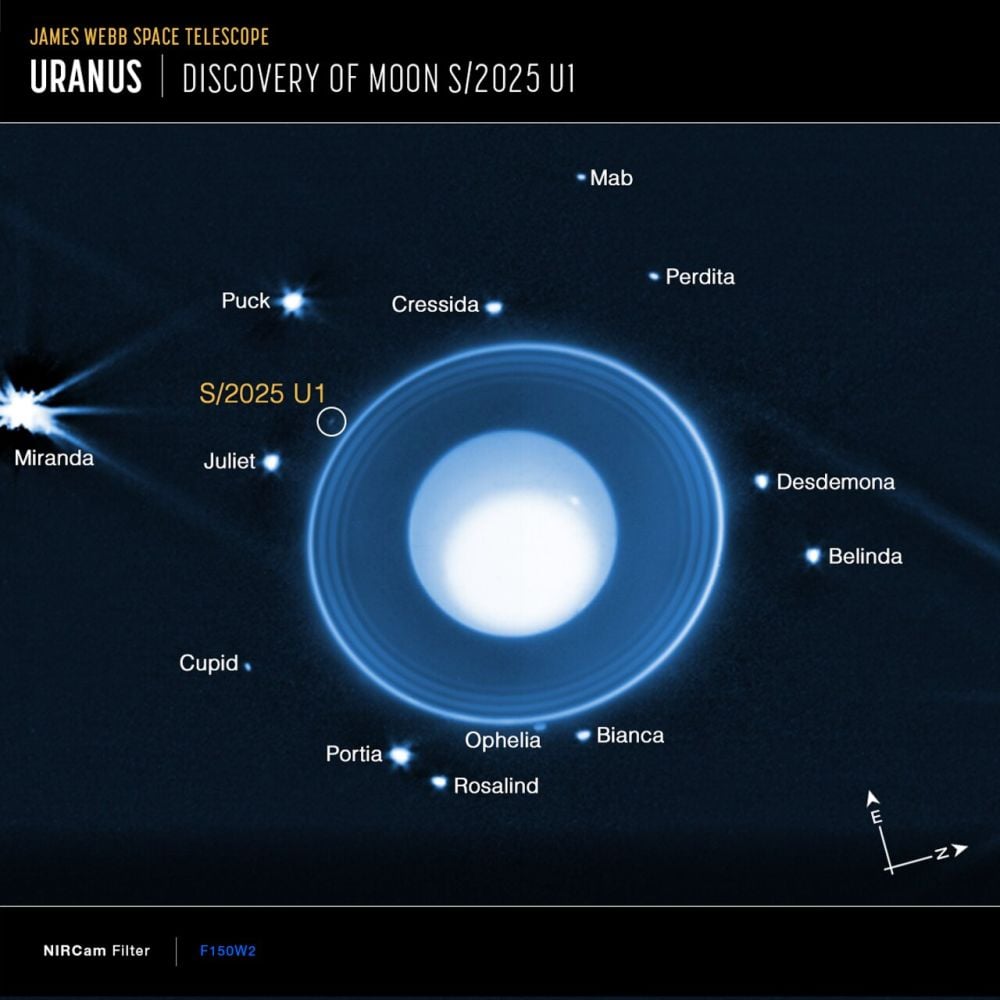
The JWST has found another moon orbiting Uranus. It's the planet's 29th known moon, and it bears the uninspiring, temporary name S/2025 U1. It's too small and faint to be detected by the Hubble, or by Voyager 2, the only spacecraft to visit the ice giant.
Continue reading
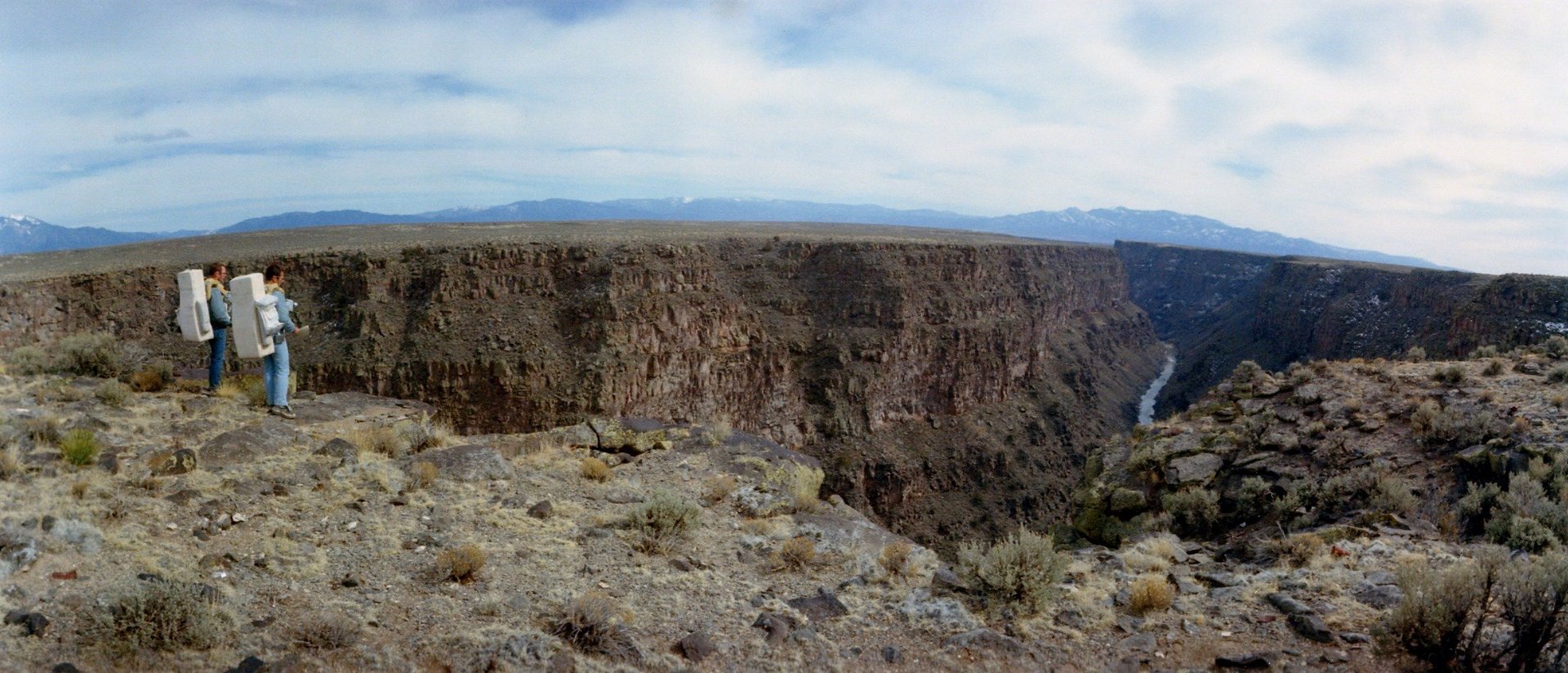
Neil Armstrong almost made a mistake. He had found an interesting rock sticking out of a formation. Curious to see what the rock was made of, he needed to examine its interior more closely. So he reached for his hammer and took a swing.
Continue reading
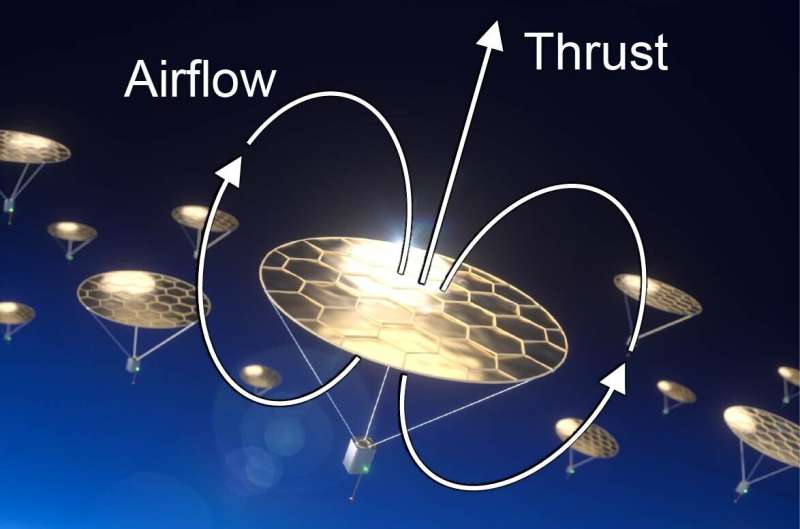
Earth’s atmosphere is large, extending out to around 10,000 km from the surface of the planet. It’s so large, in fact, that scientists break it into five separate sections, and there’s one particular section that hasn’t got a whole lot of attention due to the difficulty in keeping any craft afloat there. Planes and balloons can visit the troposphere and stratosphere, the two sections closest to the ground, while satellites can sit in orbit in the thermosphere and exosphere, allowing for a platform for consistent observations. But the mesosphere, the section in the middle, is too close to have a stable orbit, but too sparse in air for traditional airplanes or balloons to work. As a result, we don’t have a lot of data on it, but it impacts climate and weather forecasting, so scientists have simply had to make a lot of assumptions about what it's like up there. But a new study from researchers at Harvard and the University of Chicago might have found a way to put stable sensing platforms into the mesosphere, using a novel flight mechanism known as photophoresis.
Continue reading
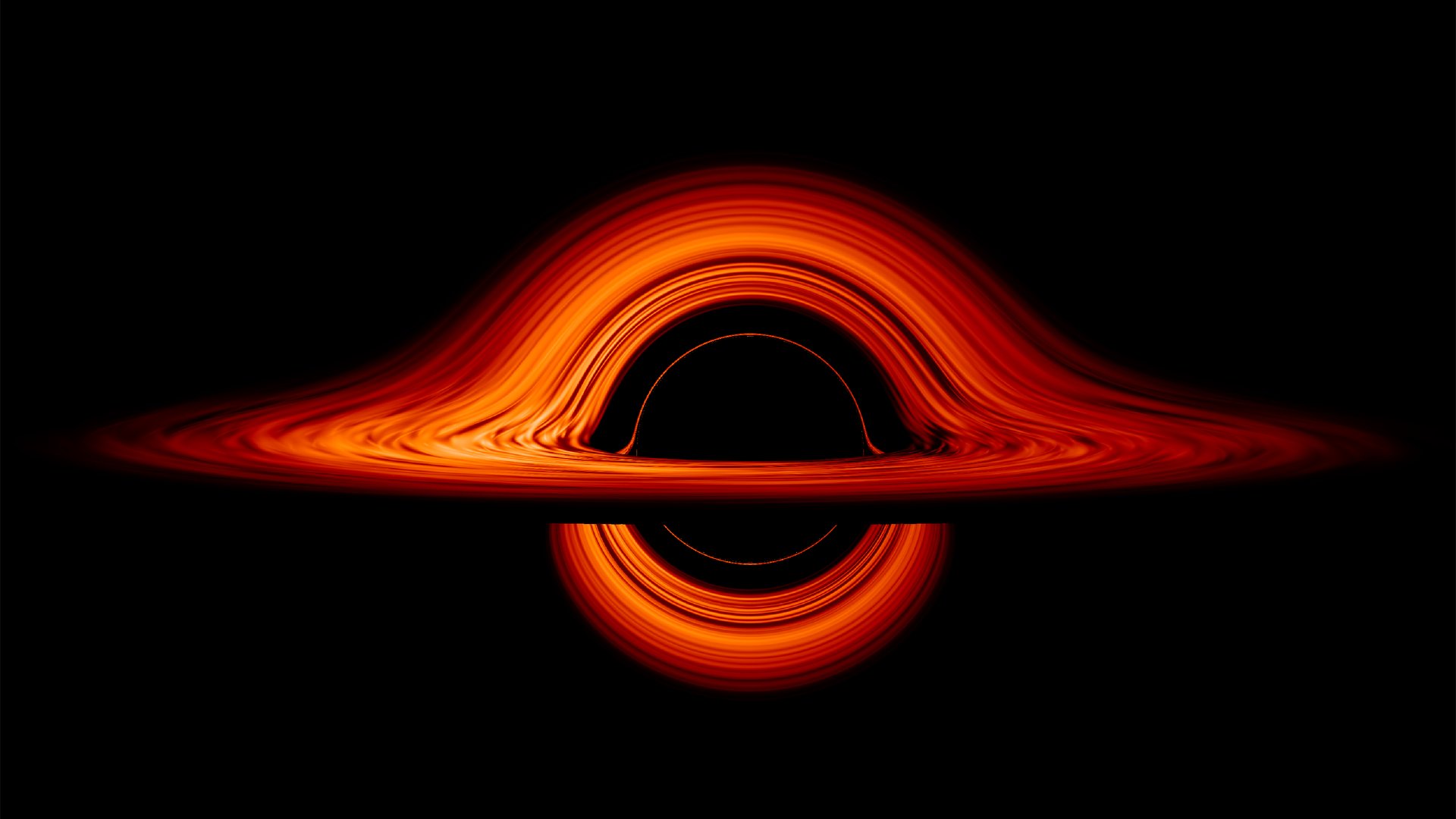
A new theoretical study by University of Virginia astrophysicist Jonathan Tan, a research professor with the College and Graduate School of Arts & Sciences’ Department of Astronomy, proposes a comprehensive framework for the birth of supermassive black holes.
Continue reading
 Universe Today