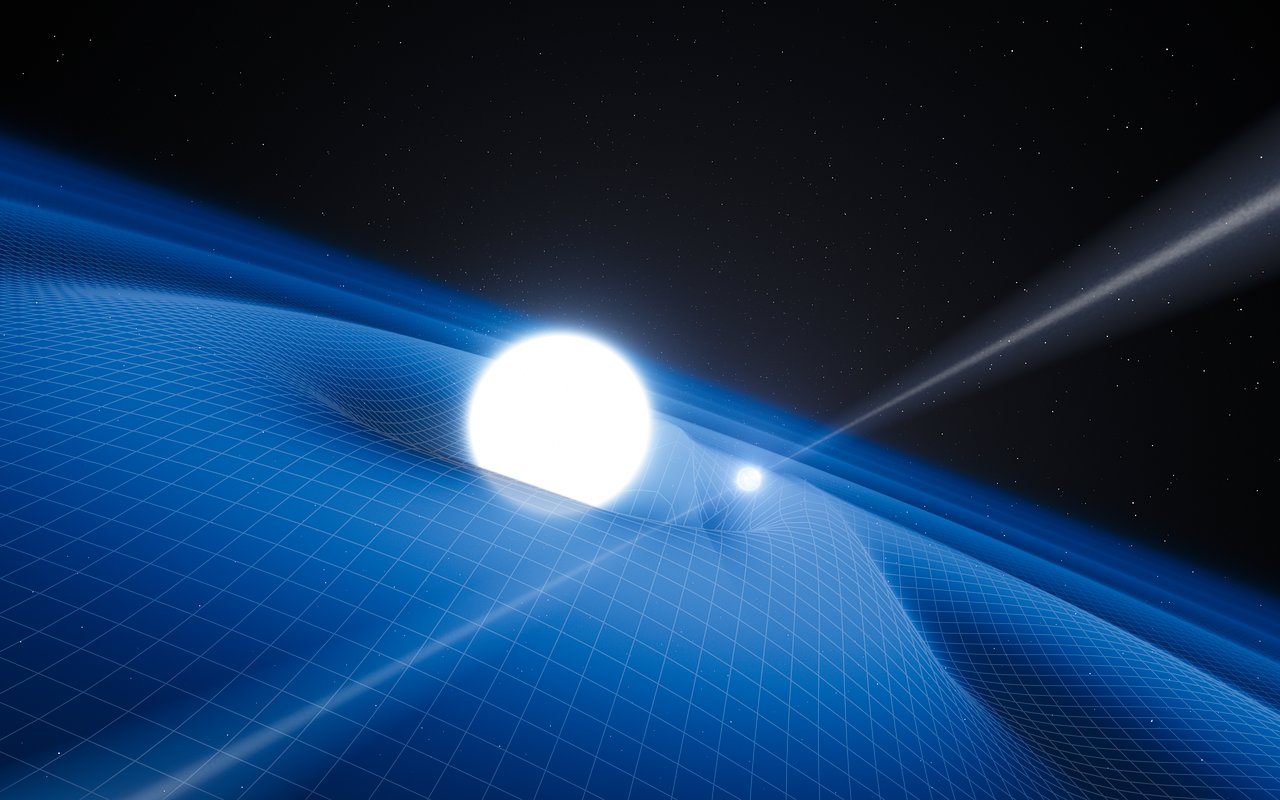
The discovery of a millisecond pulsar orbiting a low-mass white dwarf star has astronomers puzzled, mainly because its orbit defies conventional models of stellar formation
Continue reading
Continue reading
Continue reading

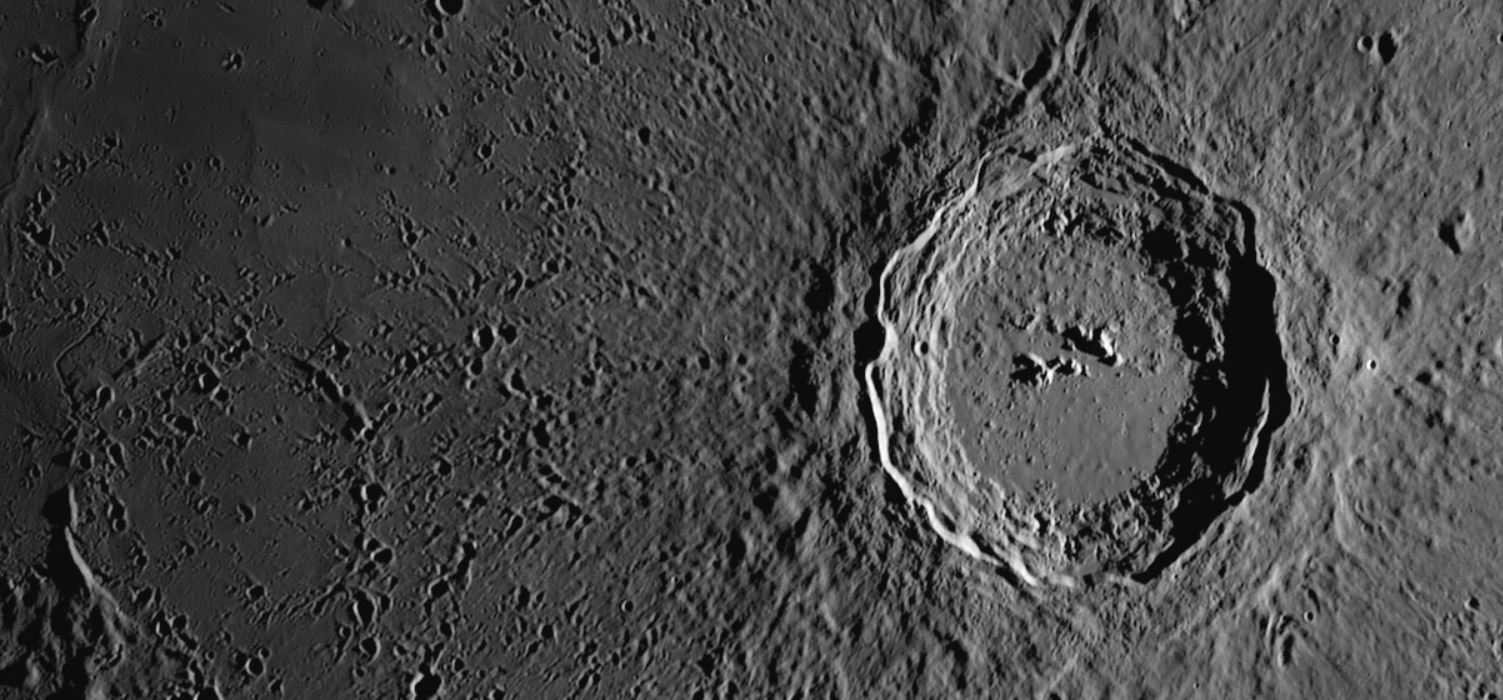
The Orbit of the Moon is strange, which gives rise to changes in its appearance. It is also slowly changing, moving farther away from Earth.
Continue reading
Continue reading
When was the first time that the Universe cooled down enough that light could finally move around?
Continue reading
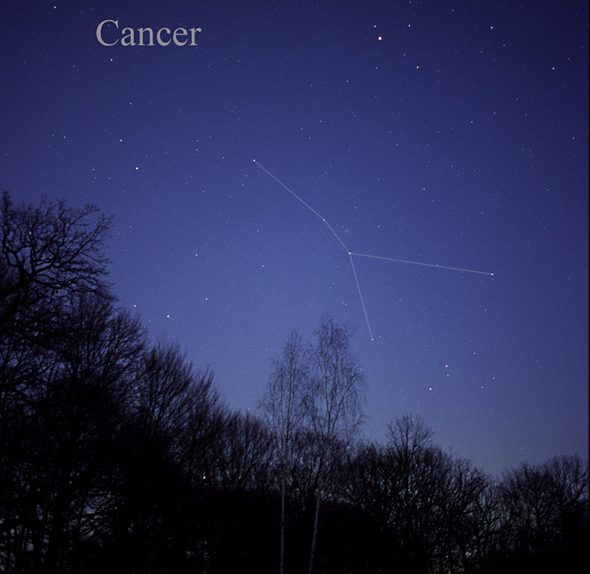
Located in the Zodiac, the asterism known as Cancer is a medium-sized and relatively faint constellation, and one of 88 recognized by the IAU today.
Continue reading
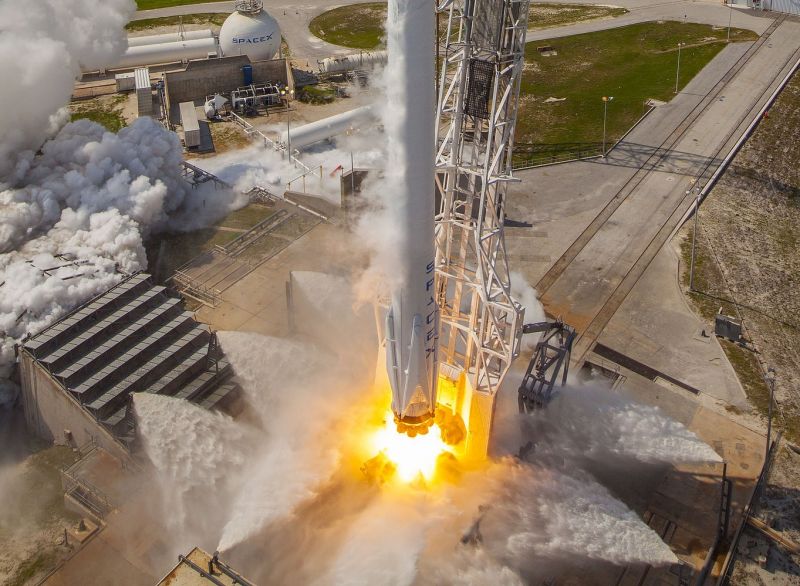
A NASA advisory group has expressed concerns over SpaceX's safety standards in the wake of the explosion that claimed one of the company's rockets
Continue reading
Continue reading
Continue reading
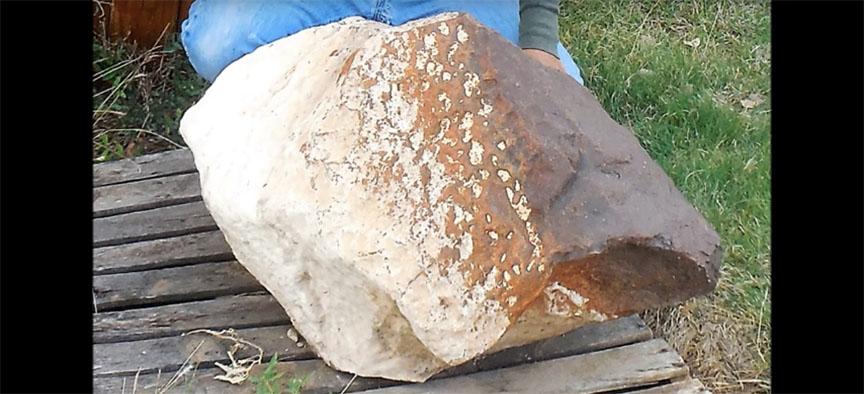
Meet the largest single chondrite in Texas.
Continue reading
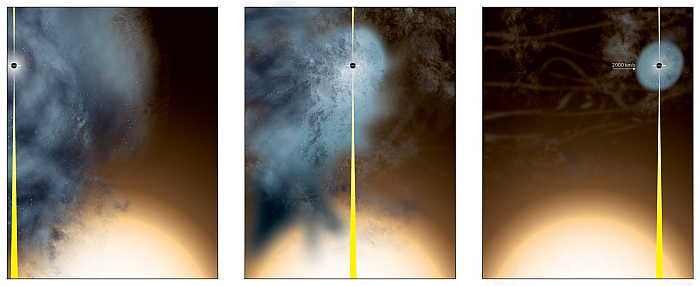
Two galaxies collide, and one super-massive black hole is stripped almost naked of stars.
Continue reading
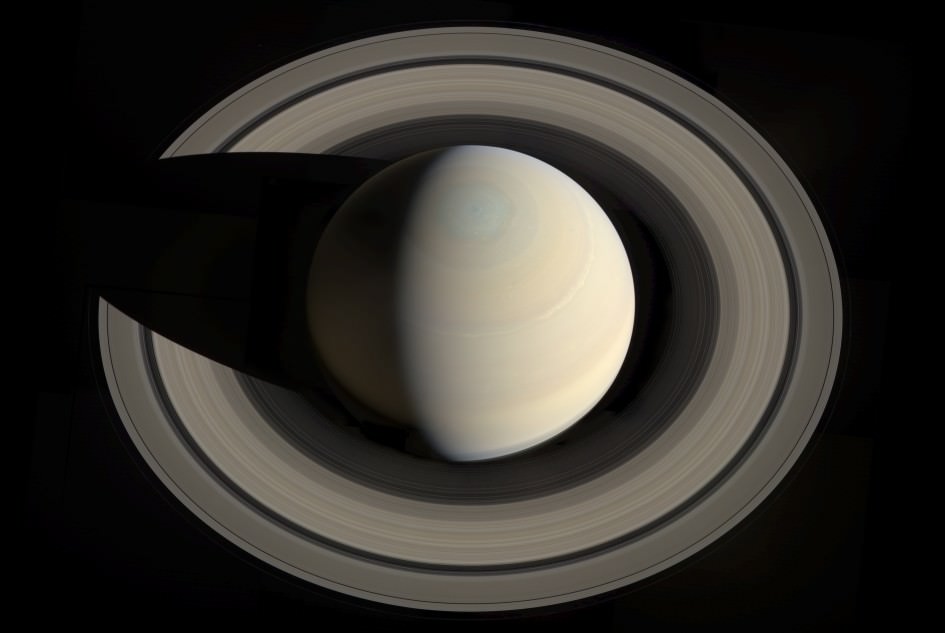
A new study from a team of Japanese researchers shows that the rings of the gas giants might be the remains of dwarf planets, which they encountered billions of years ago
Continue reading
Continue reading
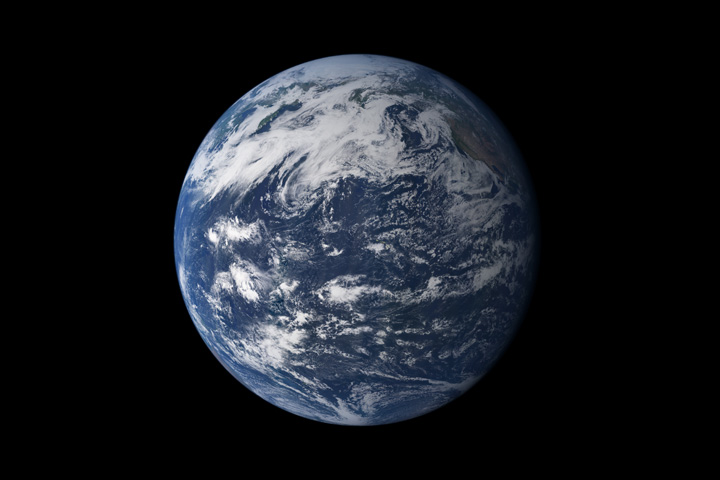
Determining which ocean is the deepest is tricky, but on average, the Pacific Ocean is deeper than the rest, thanks to the extreme depth of the Mariana Trench
Continue reading
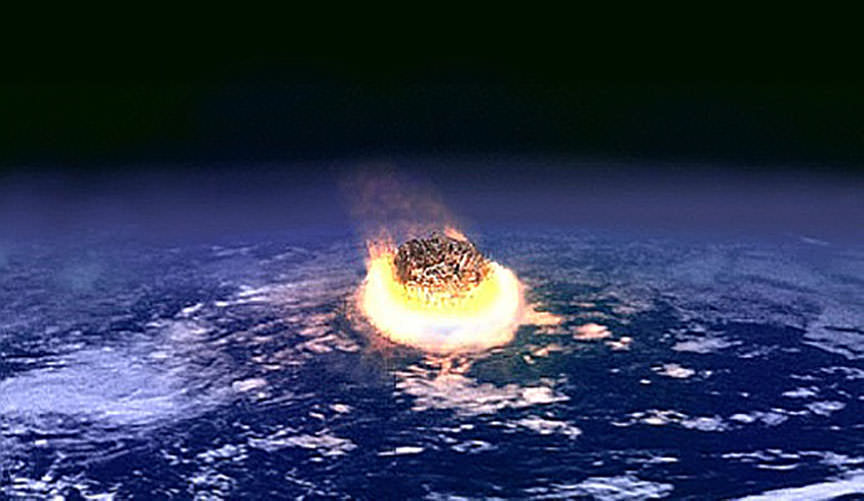
NASA's Scout Program for the early detection of asteroids passed it's first test, giving us 5 days notice of 2016 UR36's close encounter with Earth.
Continue reading
Continue reading

Water has been showing up in all sorts of unexpected places in our Solar System, such as the Moon, Mercury and Saturn's moon Ganymede. Add one more place to the list: Asteroid 16 Psyche. This metal-rich asteroid may have traces of water molecules on its surface that shouldn't be there, researchers say.
Continue reading
Did you hear that the Universe has 10x the number of galaxies? How did astronomers discover this, and what does it mean for the number of stars?
Continue reading
Rain is part of Earth's all-important hydrological cycle, where water evaporates from the Earth's surface, condenses, and falls from the sky.
Continue reading
 Universe Today