Continue reading

Continue reading

Continue reading
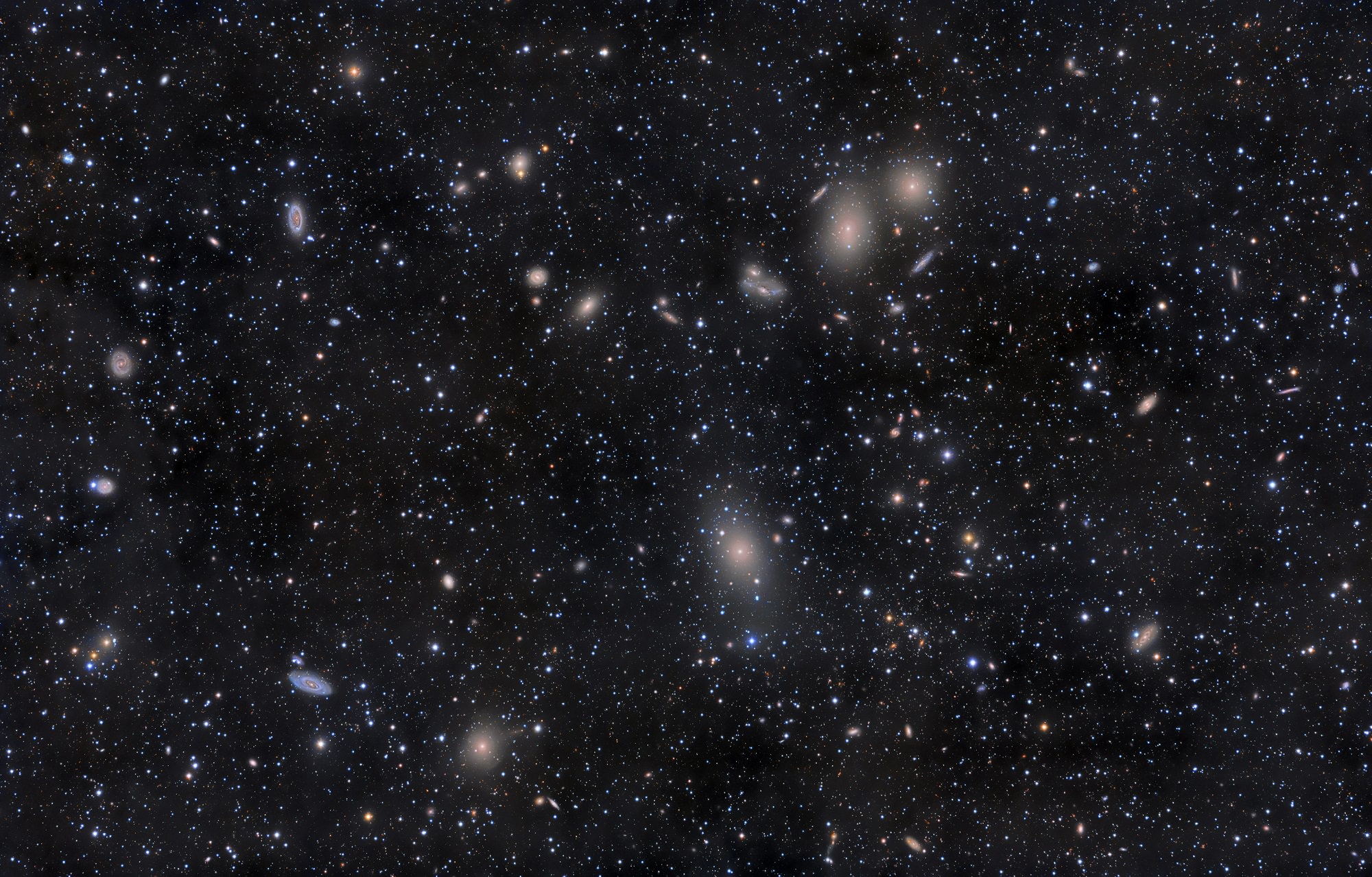
An international team of astronomers has created the largest map of the movements of galaxies within our Supercluster to date.
Continue reading
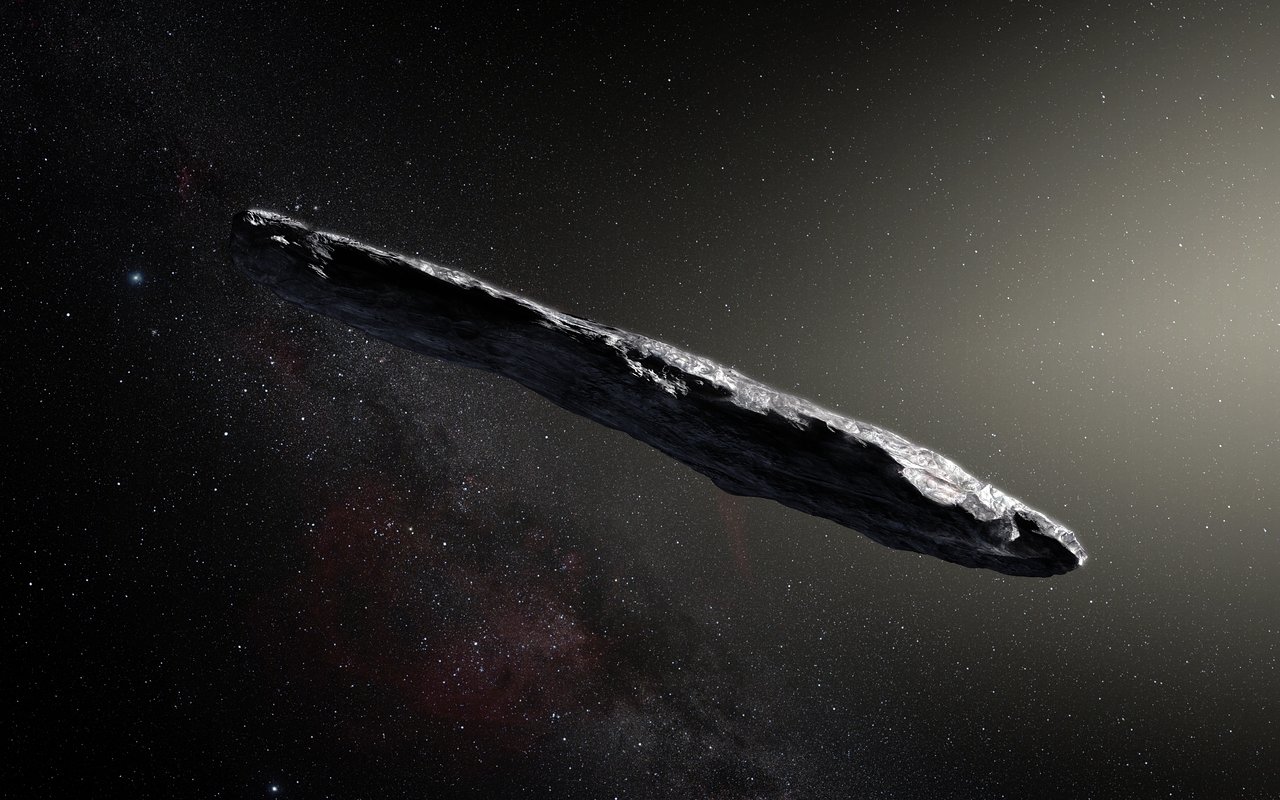
Using the Greenbank Radio Telescope, Breakthrough Listen plans to "listen" to 'Oumuamua to see if there are any signs of alien transmissions.
Continue reading
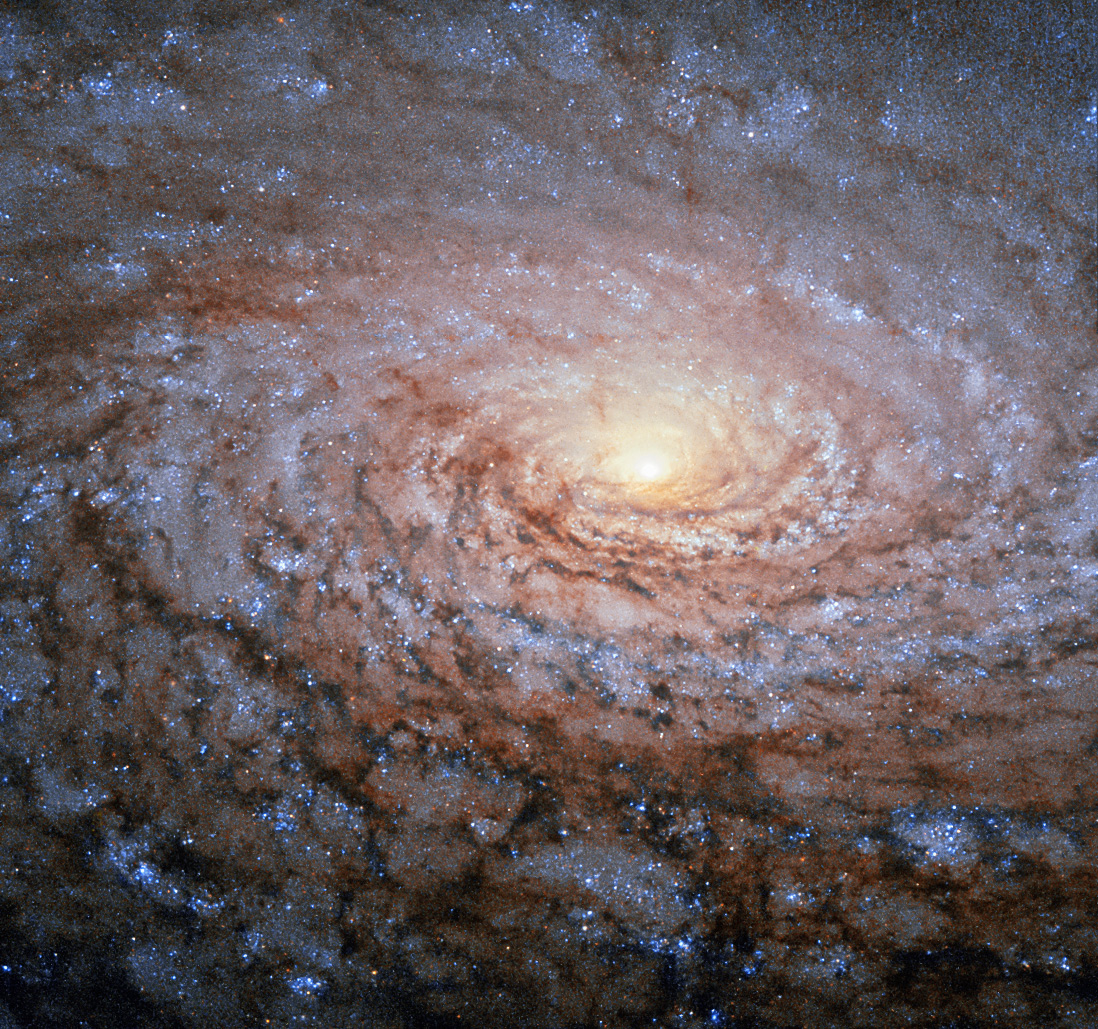
Located in the Canes Venatici constellation, roughly 37 million light-years from Earth, is the spiral galaxy know as Messier 63 (aka. the Sunflower Galaxy).
Continue reading

Continue reading
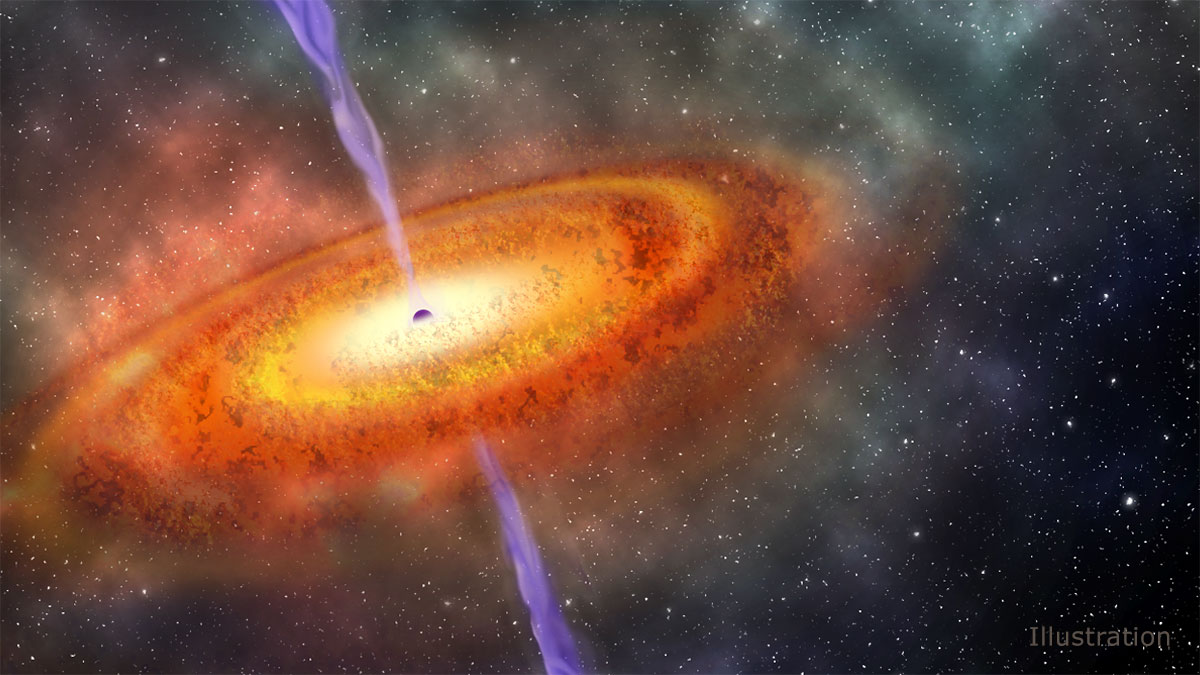
An international team of astronomers, using multiple observatories, have found the youngest and most distant quasar to date.
Continue reading
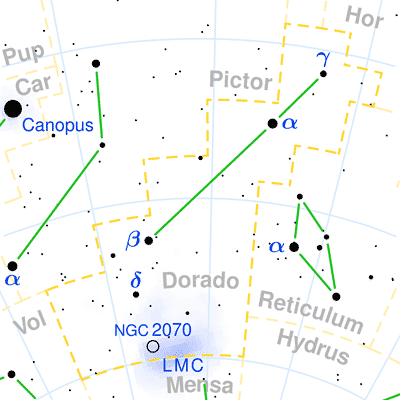
Located in the southern skies is the constellation of Dorado, one of the 88 modern constellations recognized by the IAU
Continue reading
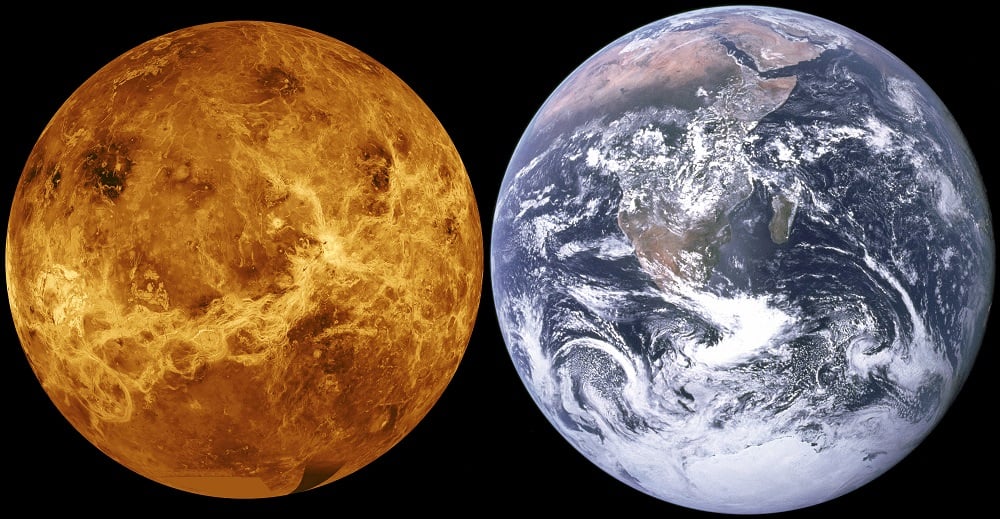
A new study lays out why Venus doiesn't have a magnetic field like Earth's. Basically, it may come down to the impact that formed the Moon.
Continue reading
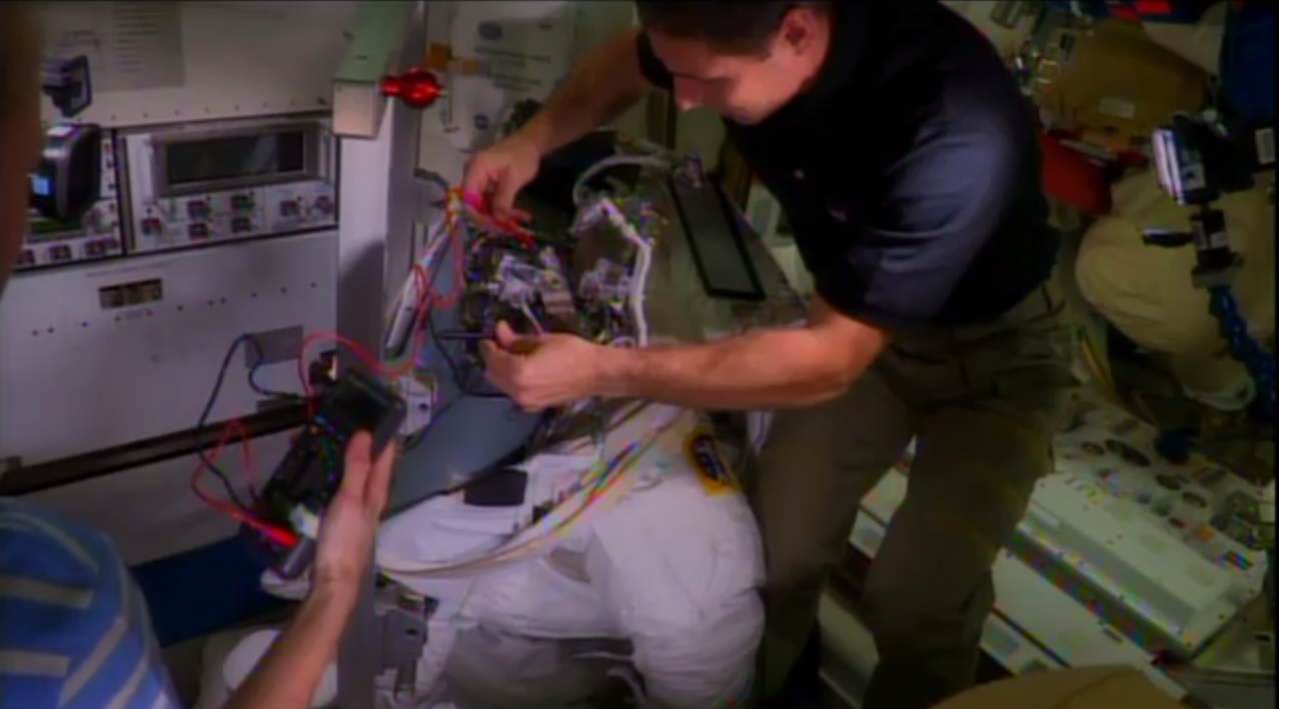
Massachusetts-based engineering company Draper recently filed a patent for a navigation system that will be able to bring astronauts home if they get in trouble
Continue reading
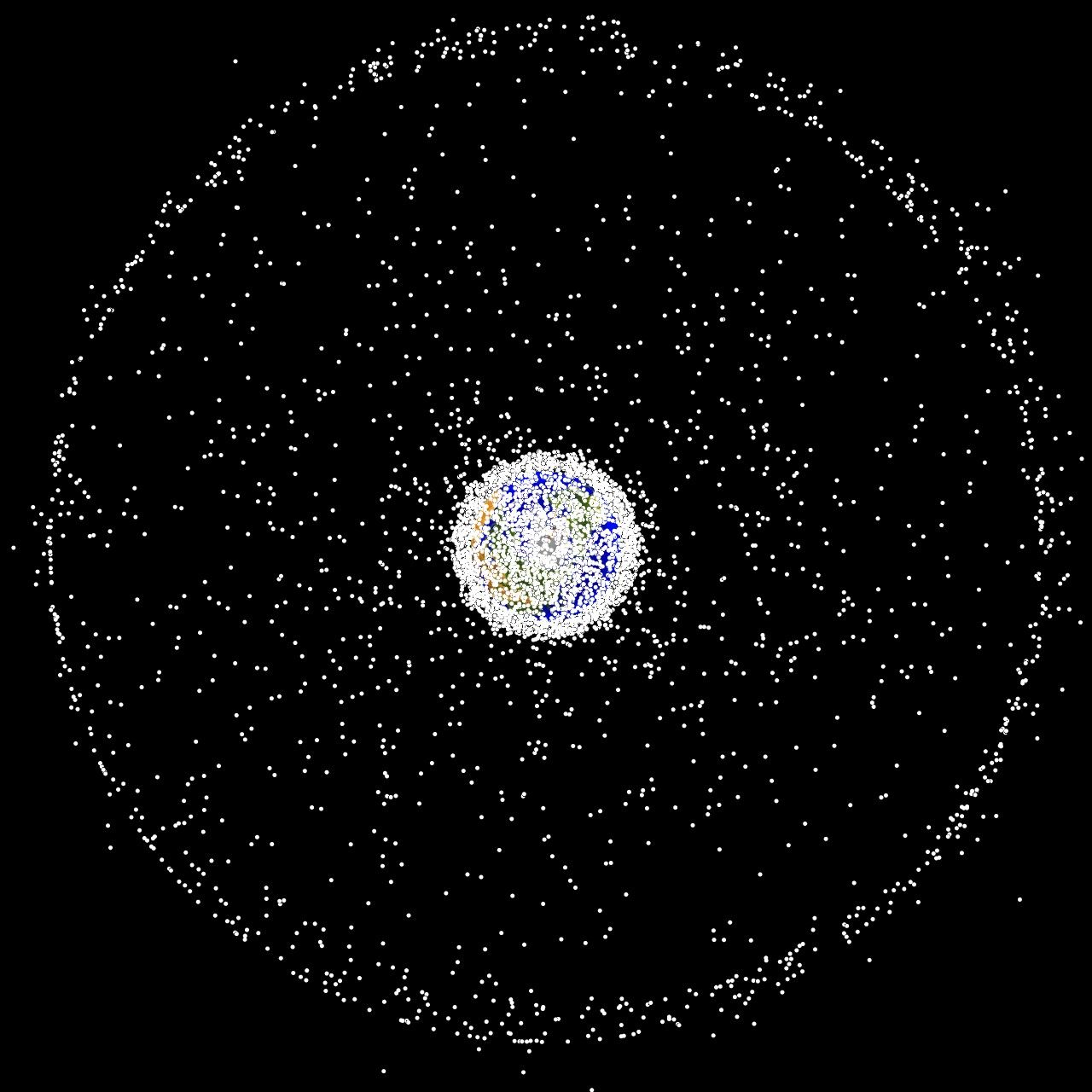
The Space Debris Sensor (SDS) aboard the International Space Station is allowing scientists to characterize the orbital debris environment
Continue reading
Continue reading
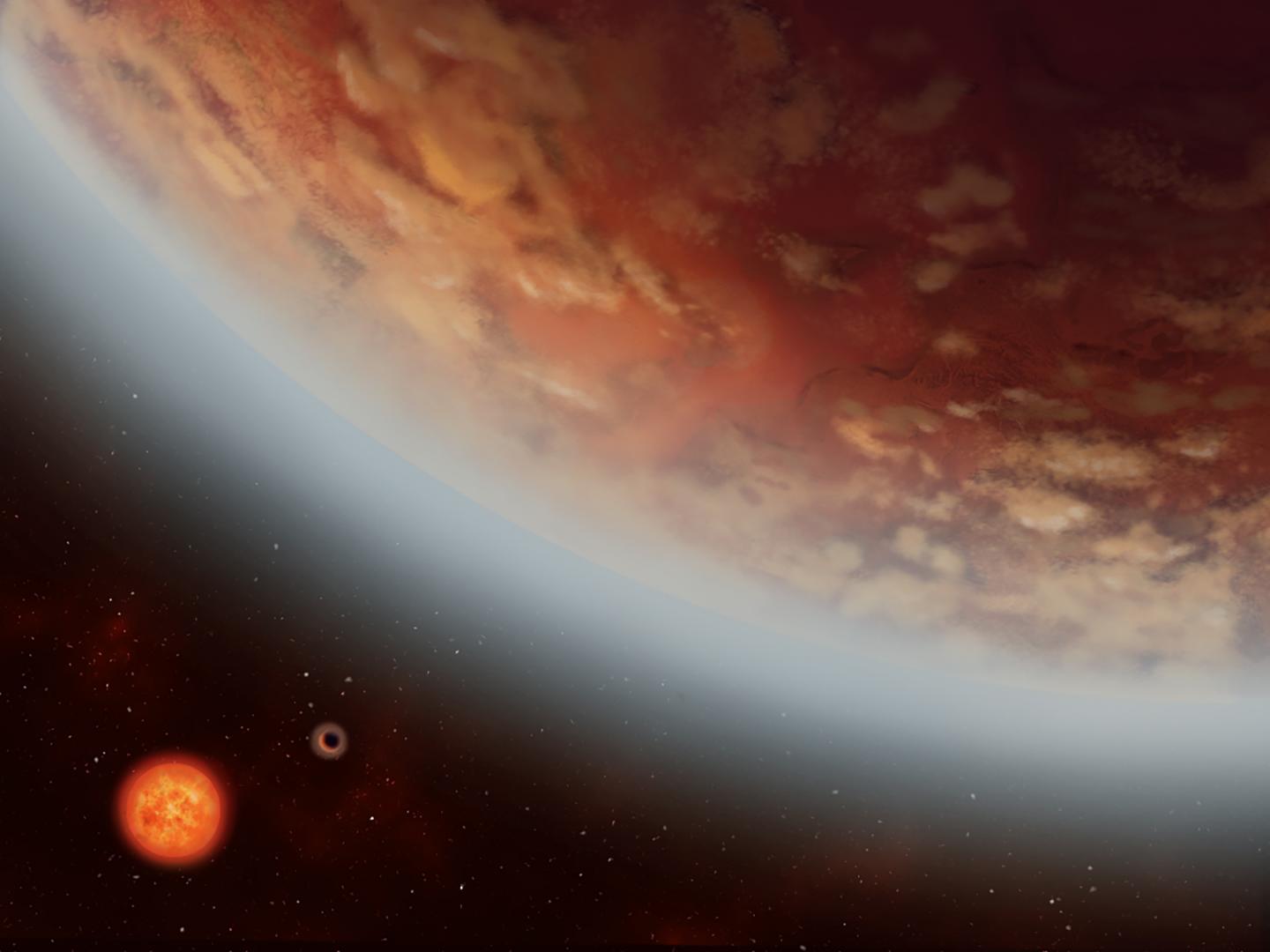
While examining a previously-discovered exoplanet, an international team of astronomers discovered a second Super-Earth around the star.
Continue reading
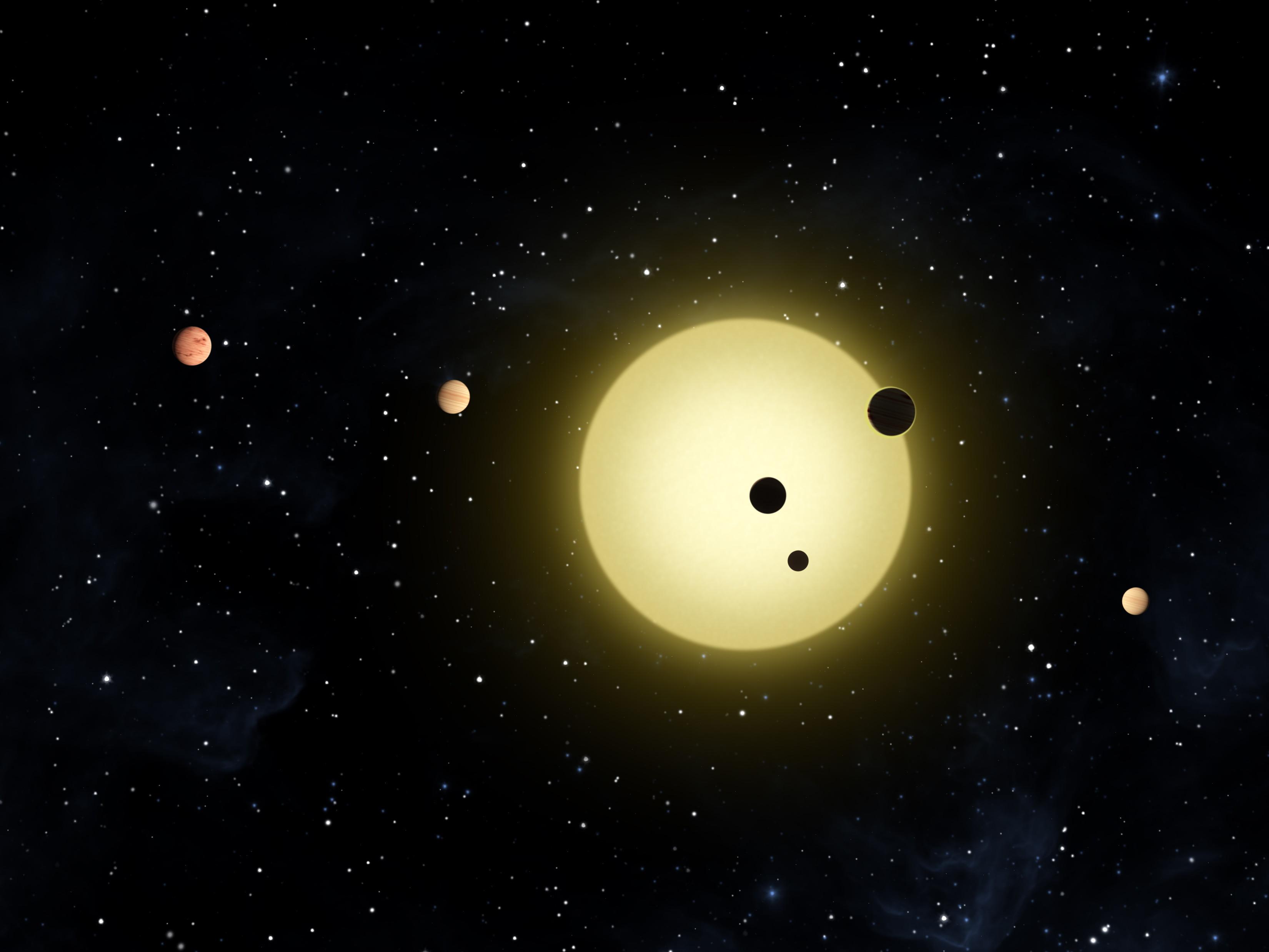
Of the many methods used to detect extra-solar planets, the most widely-used and effective is the Transit Photometry
Continue reading
Continue reading
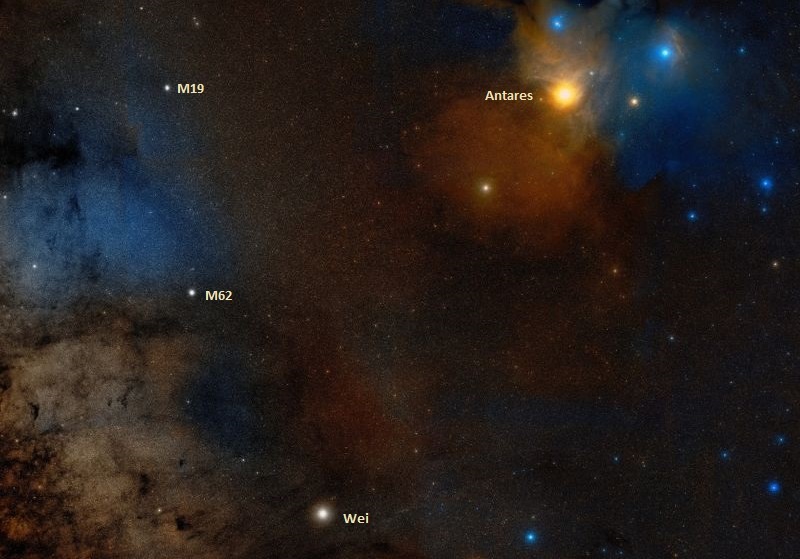
Located in the southern constellation of Ophiuchus, approximately 22,200 light-years from Earth, is the global cluster known as Messier 62.
Continue reading
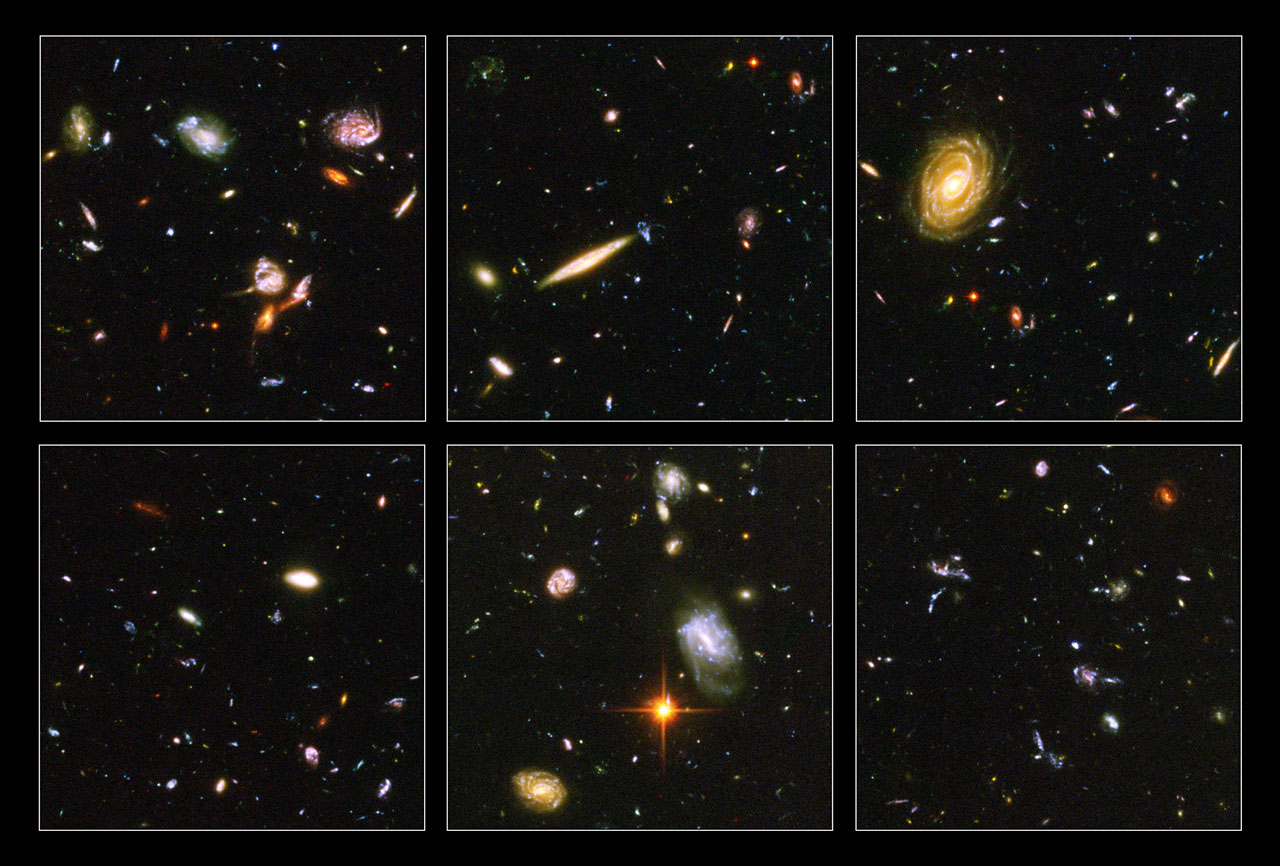
A new survey using the ESO's Very Large Telescope found 72 never-before-seen galaxies in the Hubble Ultra Deep Field data.
Continue reading
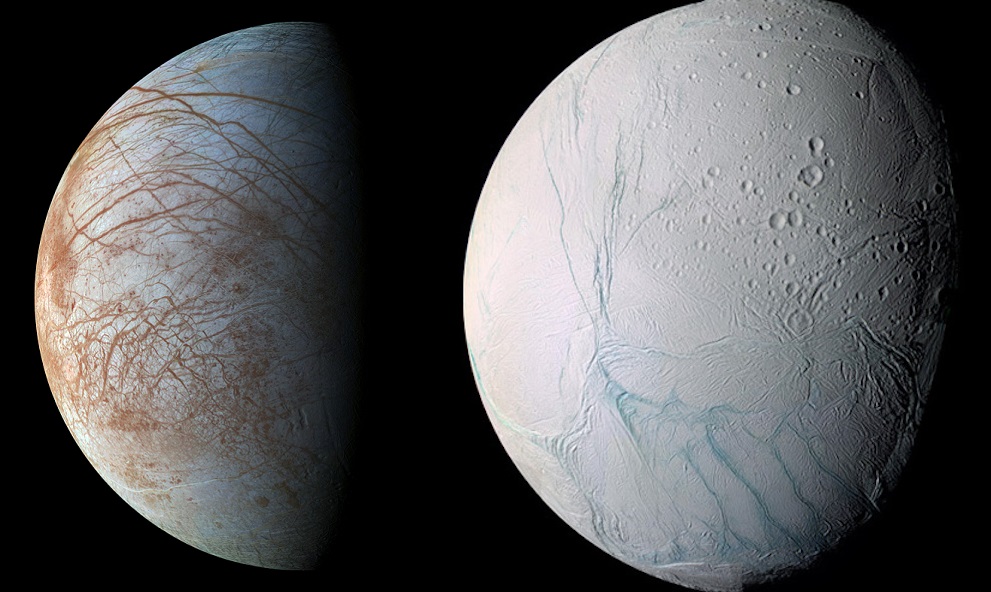
According to a new study by members of the Harvard Smithsonian Center for Astrophysics, there could be
Continue reading
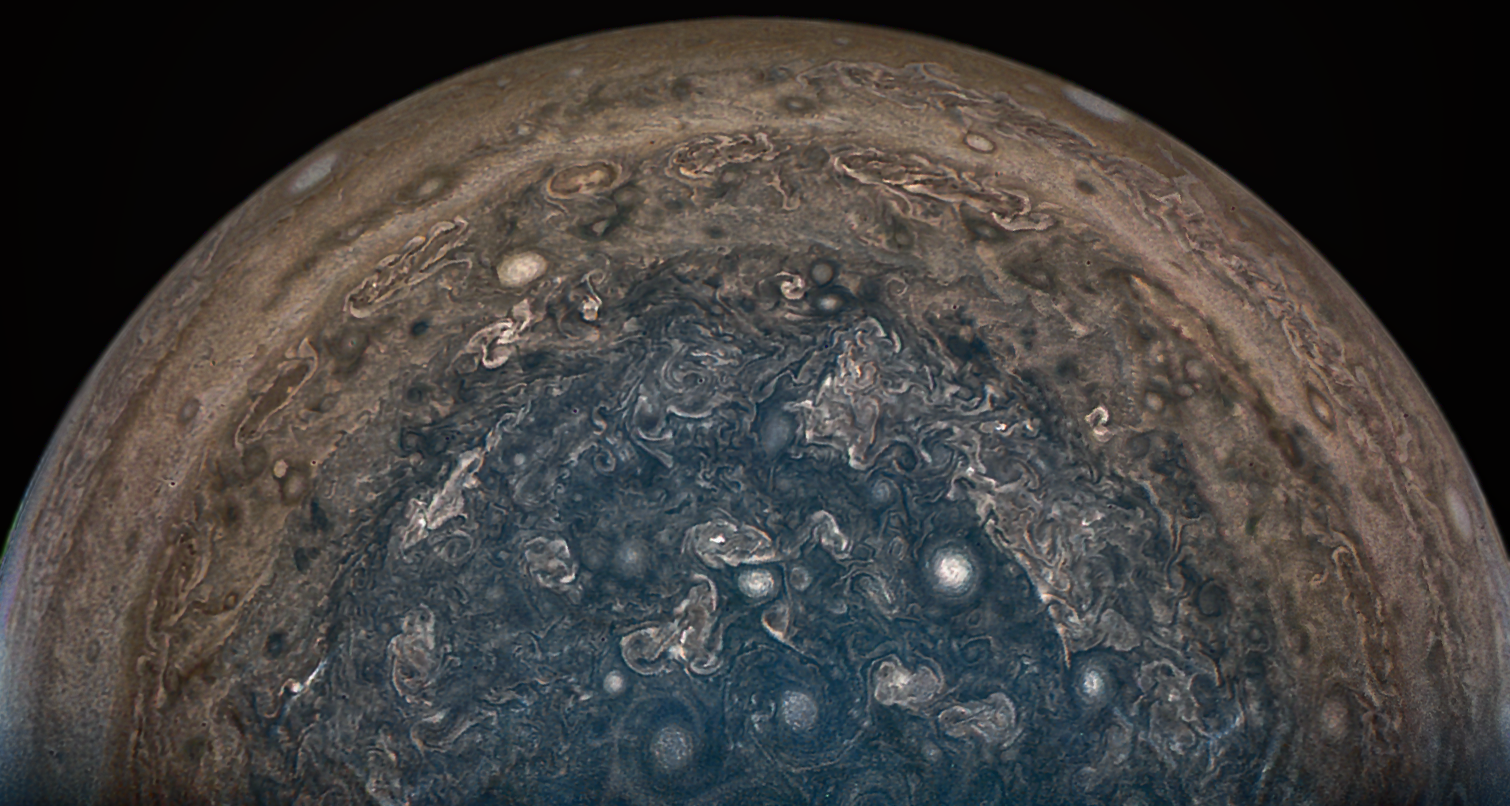
Using the Juno mission's orbit of Jupiter, a team of scientists has developed a possible explanation for the long-standing "flyby anomaly"
Continue reading
 Universe Today