
Continue reading
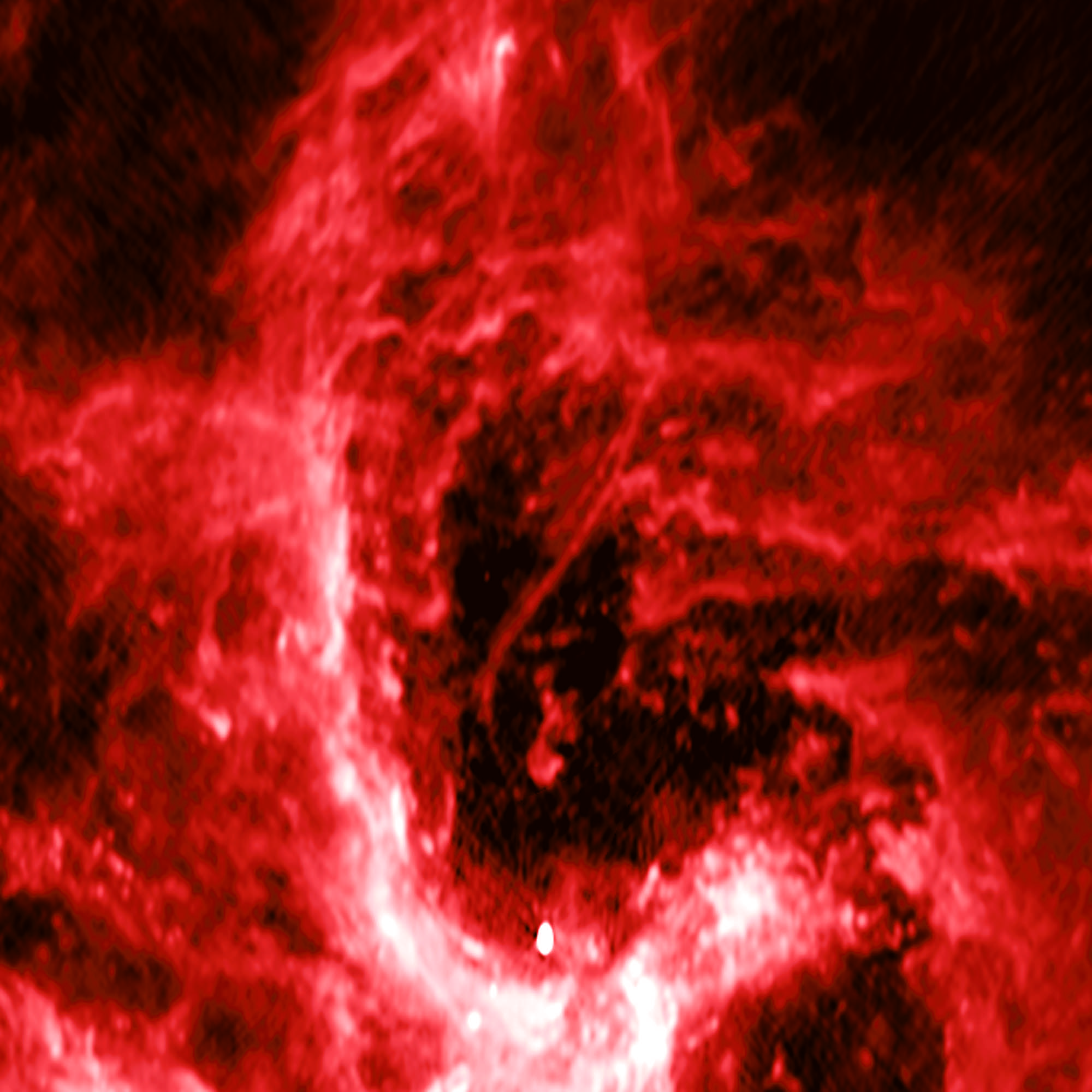
Looking to the center of our galaxy, astronomers noted the presence of a mysterious filament extending from the supermassive black hole located there.
Continue reading

According to a recent study, multi-celled lifeforms lived on Earth as early as 3.5 billion years ago - a good indication that life exists elsewhere in the Universe.
Continue reading
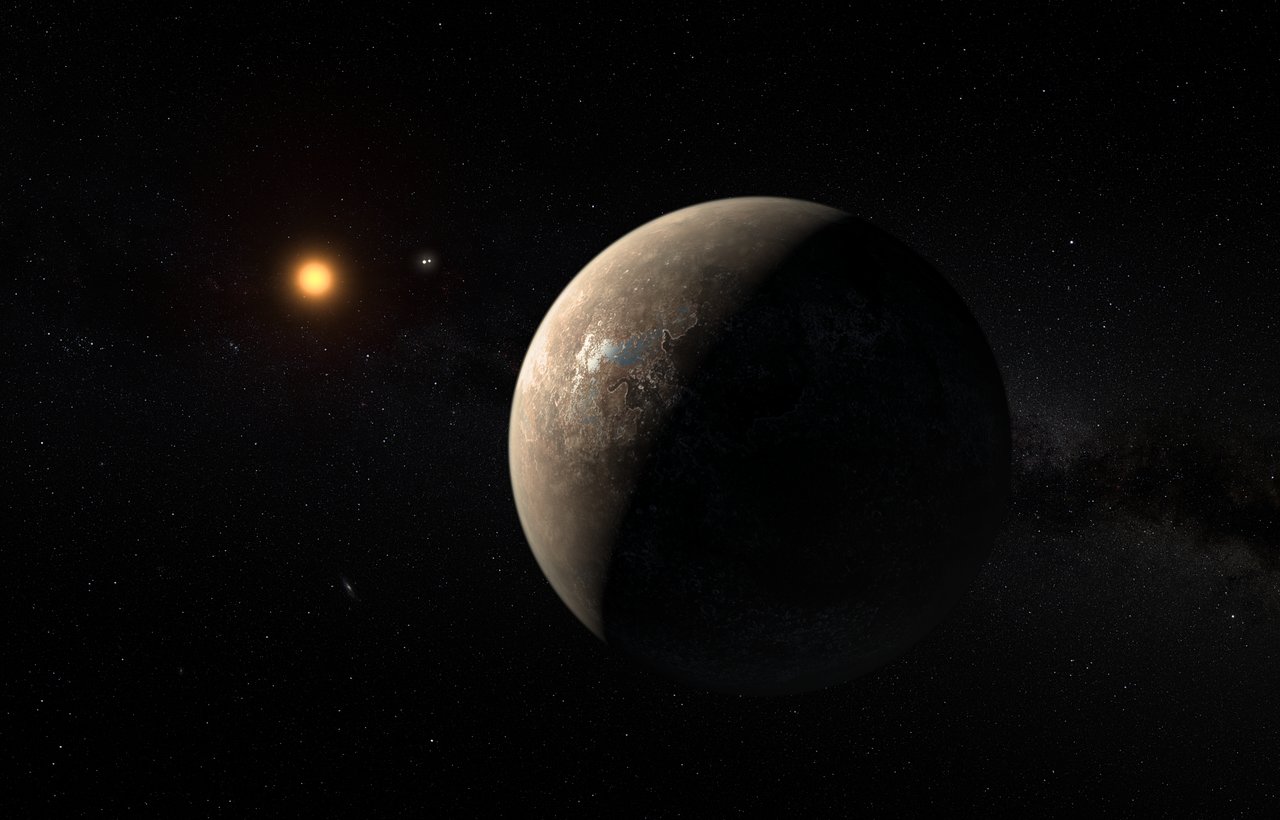
The Radial Velocity (aka. Doppler Spectroscopy) Method relies on measurements of a planet's "wobble" to determine the presence of one or more planets around it.
Continue reading
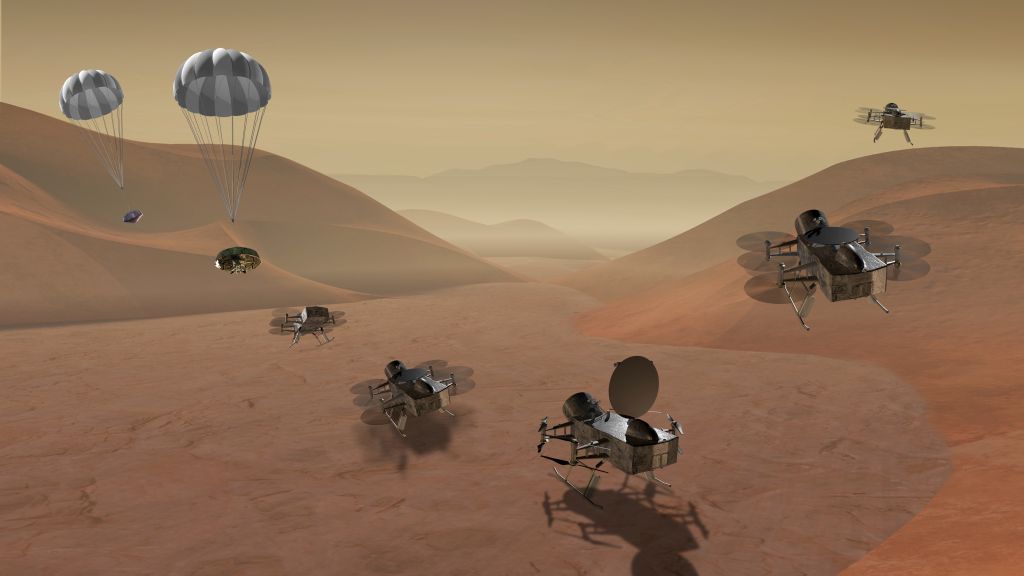
NASA has chosen the Dragonfly mission concept as a finalist in its New Frontiers program. The double-quadcopter drone is designed to explore Titan and study habitability.
Continue reading
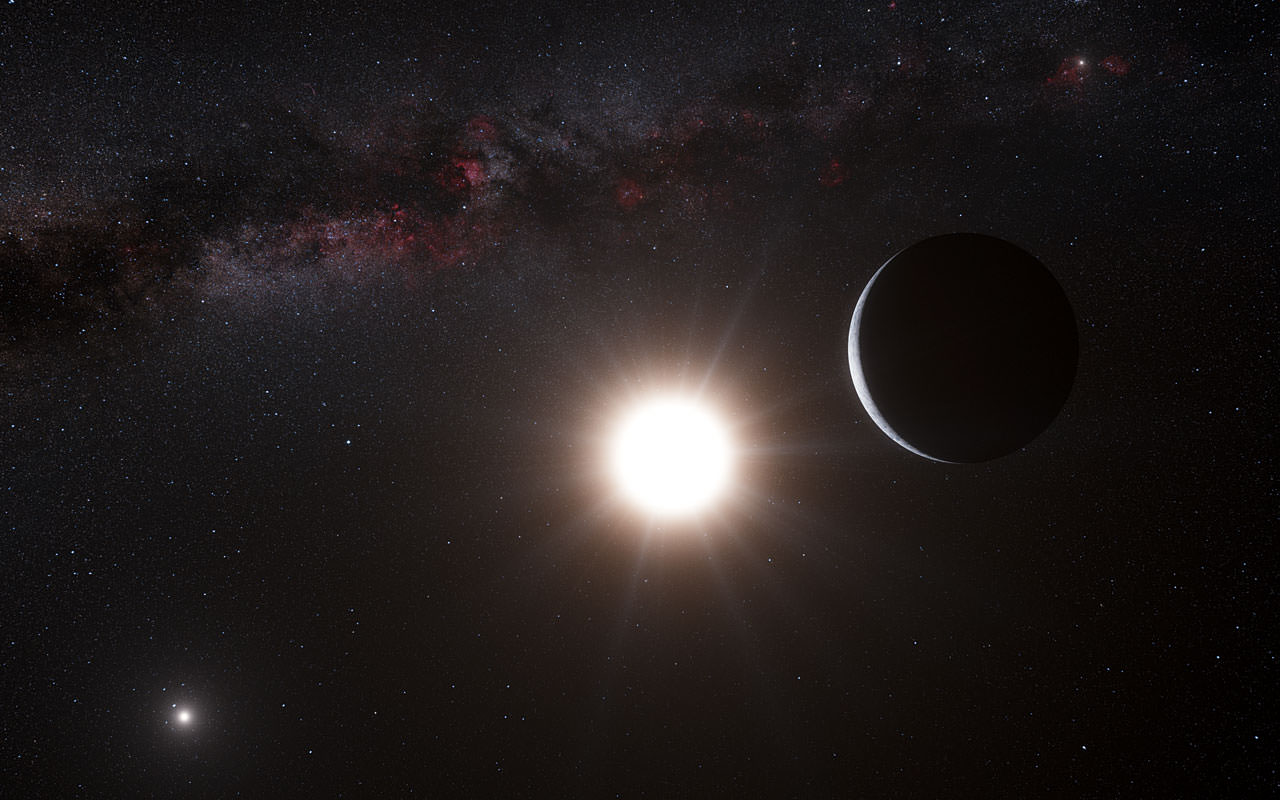
A mew study by a team of exoplanet scientists has revealed what kinds of planets are likely to lurk around Alpha Centauri, the nearest star system to our own.
Continue reading
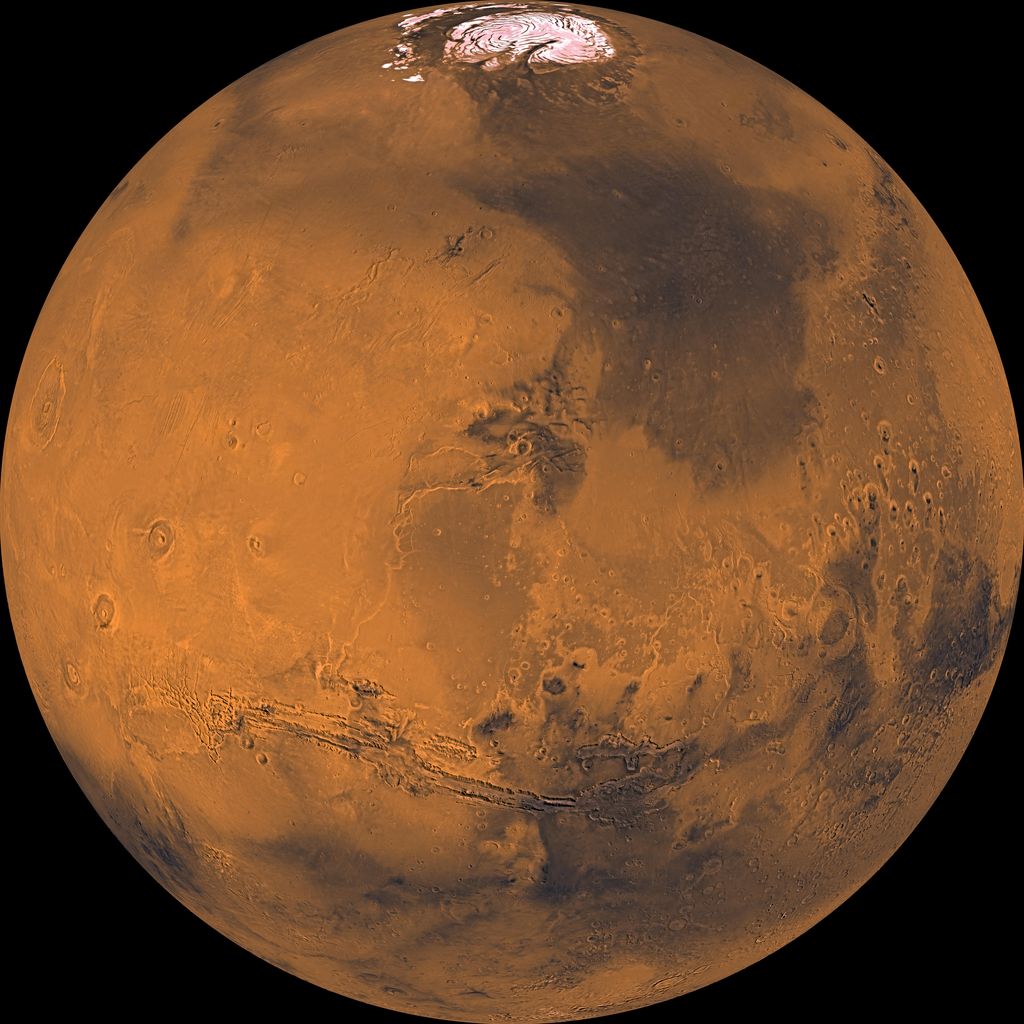
A new study by an international team of researchers has suggested that Mars formed farther from the Sun than previously thought.
Continue reading
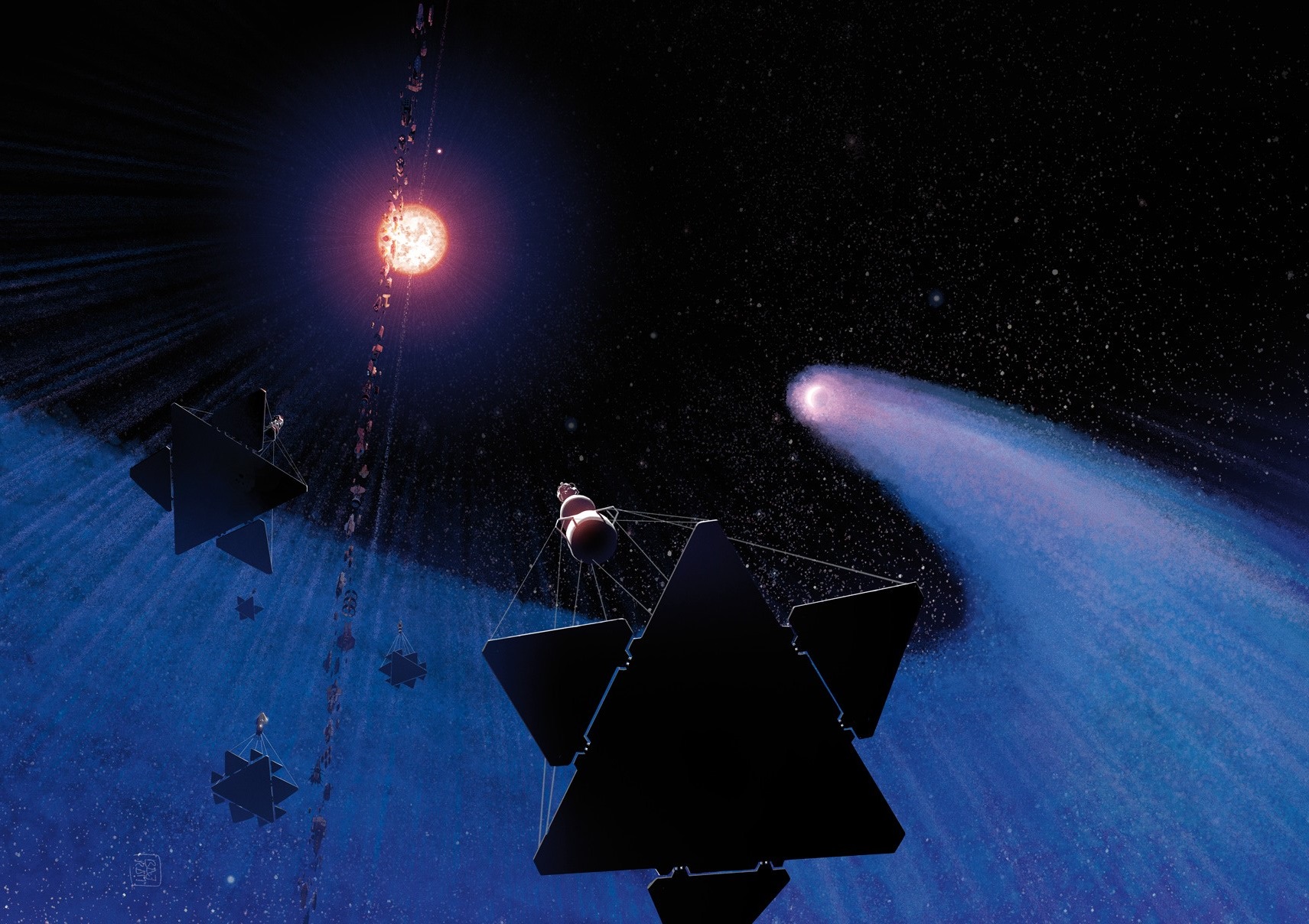
A new study of a well-known exoplanet has revealed something very strange. Apparently, the planet orbits its star from pole to pole.
Continue reading
Continue reading
Continue reading
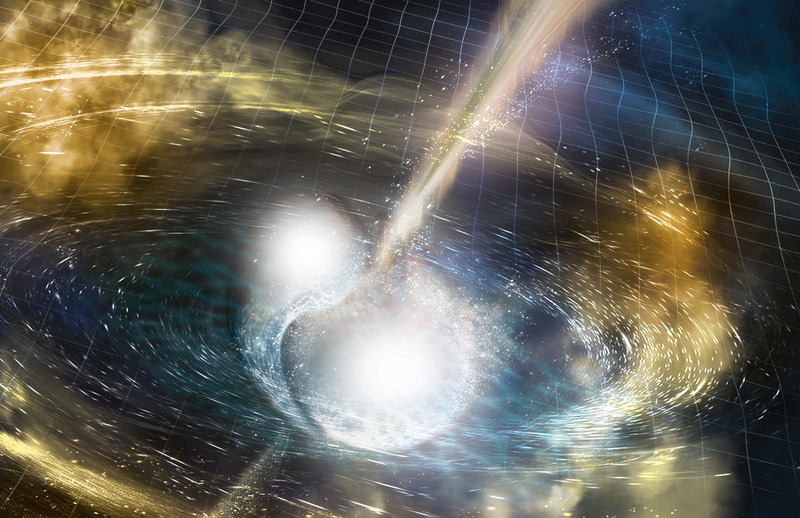
According to a new study, the recent merger of two neutron stars (which was detected thanks to the gravitational waves it created) most likely led to the creation of a black hole.
Continue reading
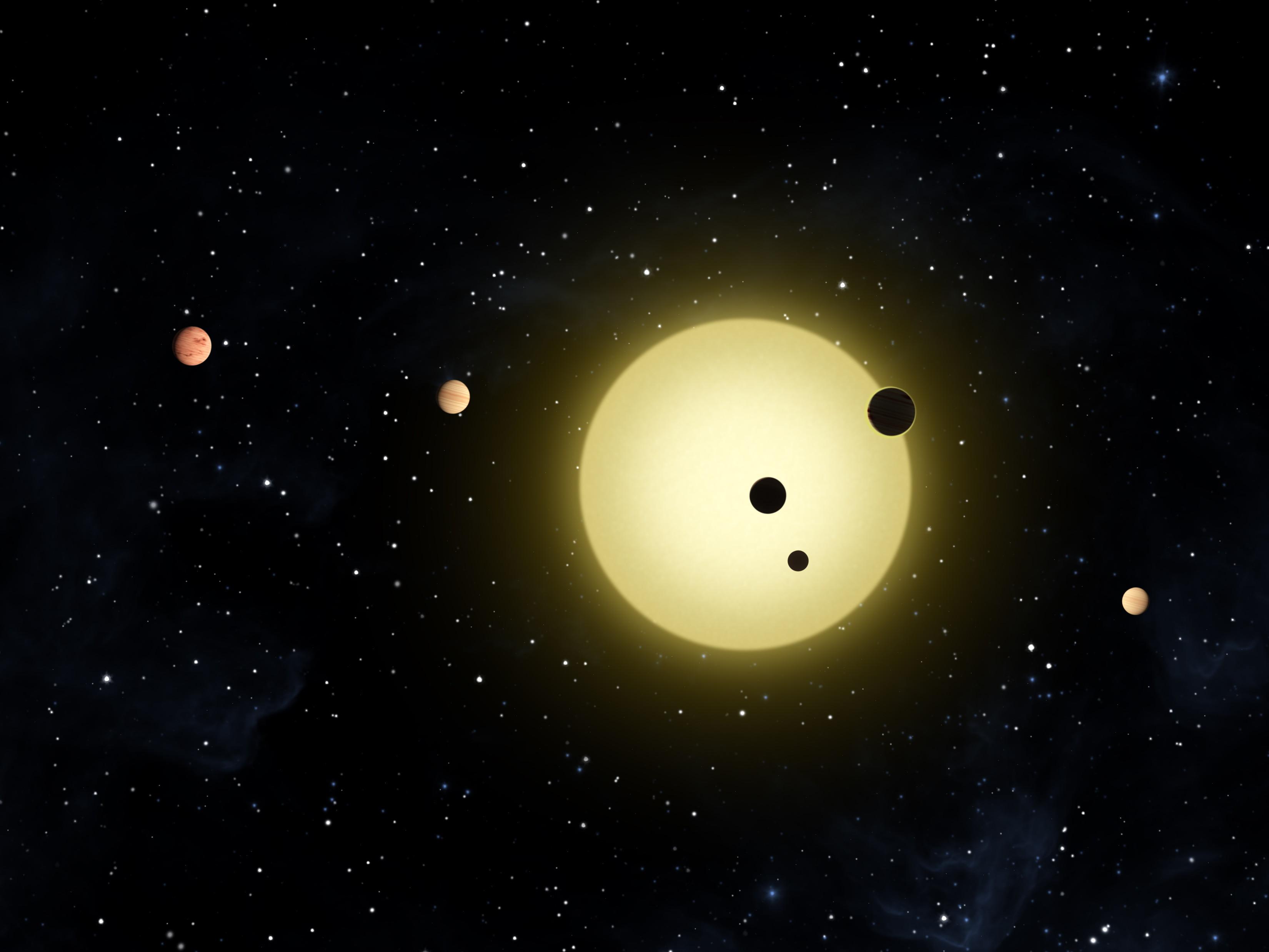
A research team recently applied a Google "neural net" to Kepler data, which conformed the existence of a star system with eight planets.
Continue reading
Continue reading

Continue reading
In a presentation at the Fall Meeting of the American Geological Union, a team of researchers showed how MAVEN data could help determine the habitability of rocky planets around red dwarf stars.
Continue reading
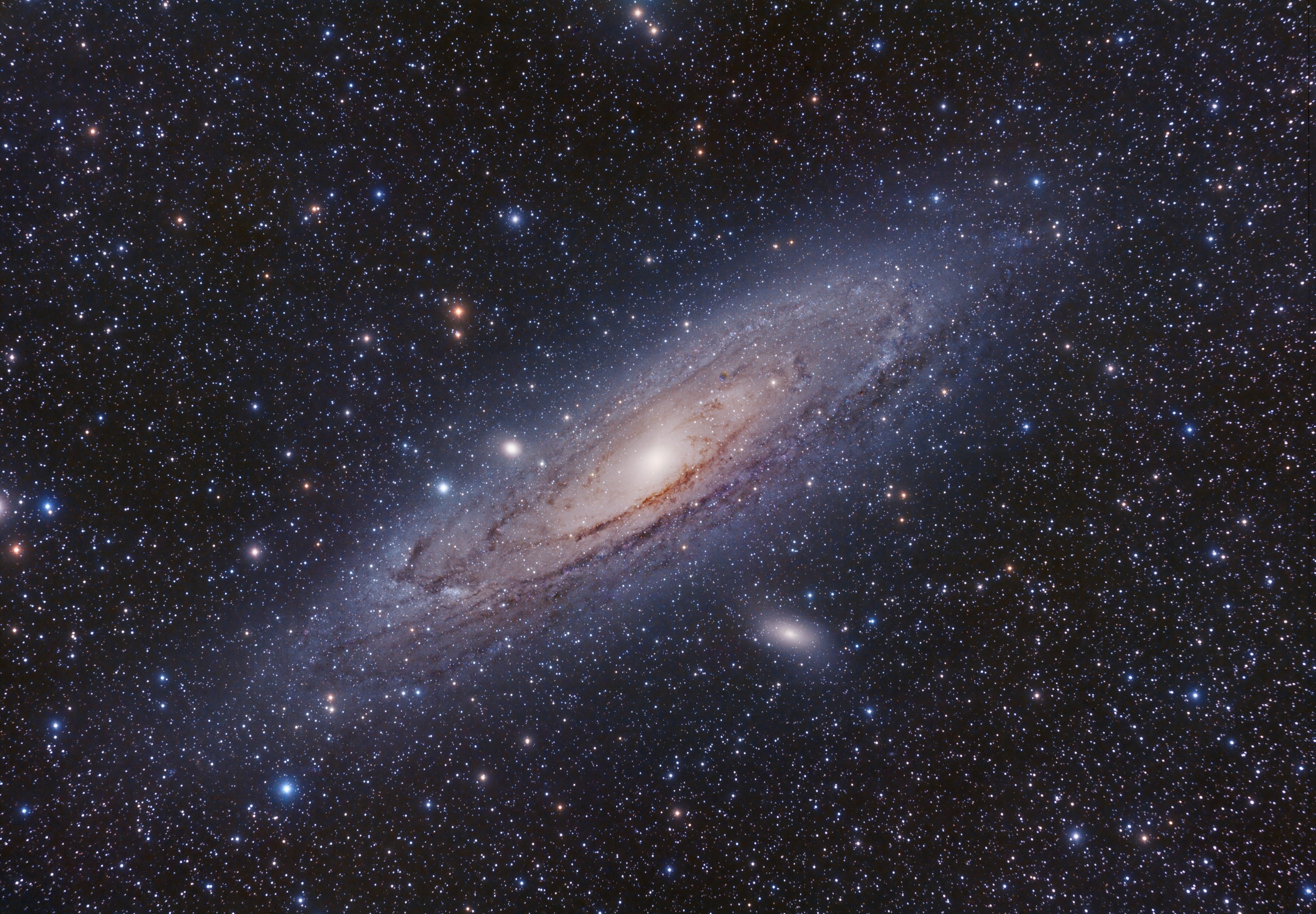
The latest scientific finds made from the first release of Gaia data include illuminating images of the Milky Way galaxy's neighbors.
Continue reading
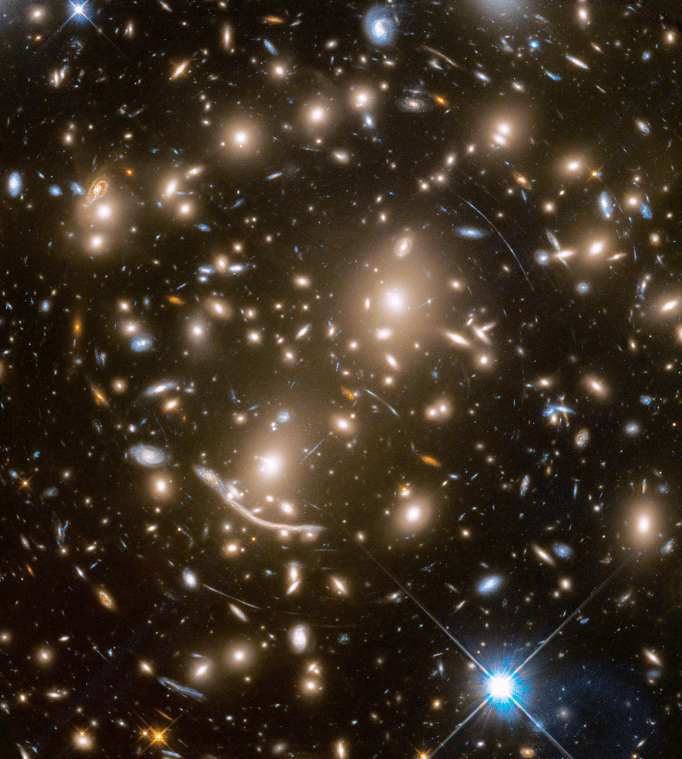
Using data from the Hubble Frontier Fields program, a team of astronomers has produced a study that indicates how globular clusters could be the remnants of dwarf galaxies from the early Universe.
Continue reading
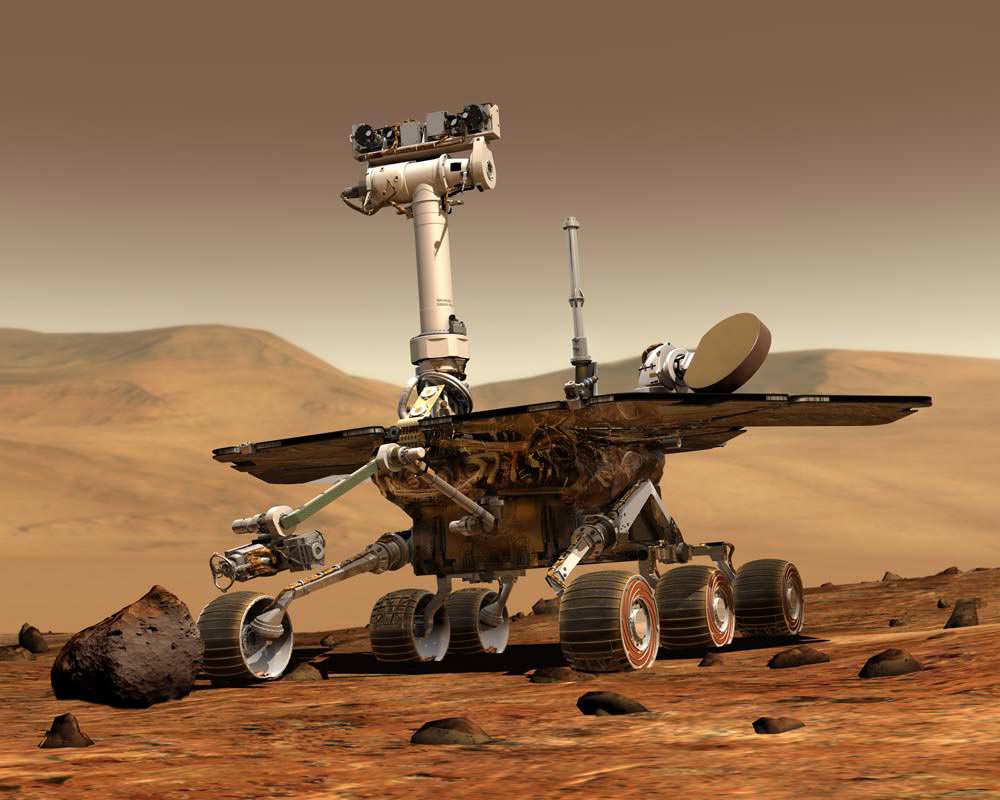
Having survived its eight winter in a row, the Opportunity rover continues to operate long past its original, anticipated lifespan.
Continue reading
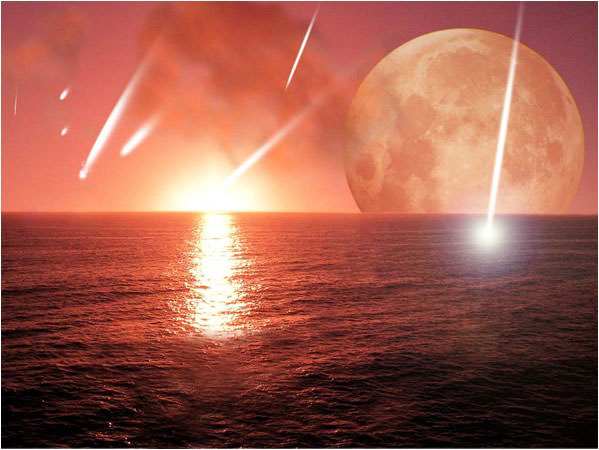
A new study from Purdue University indicates that Earth's atmosphere will break up small meteoroids, which is good news for planetary protection
Continue reading
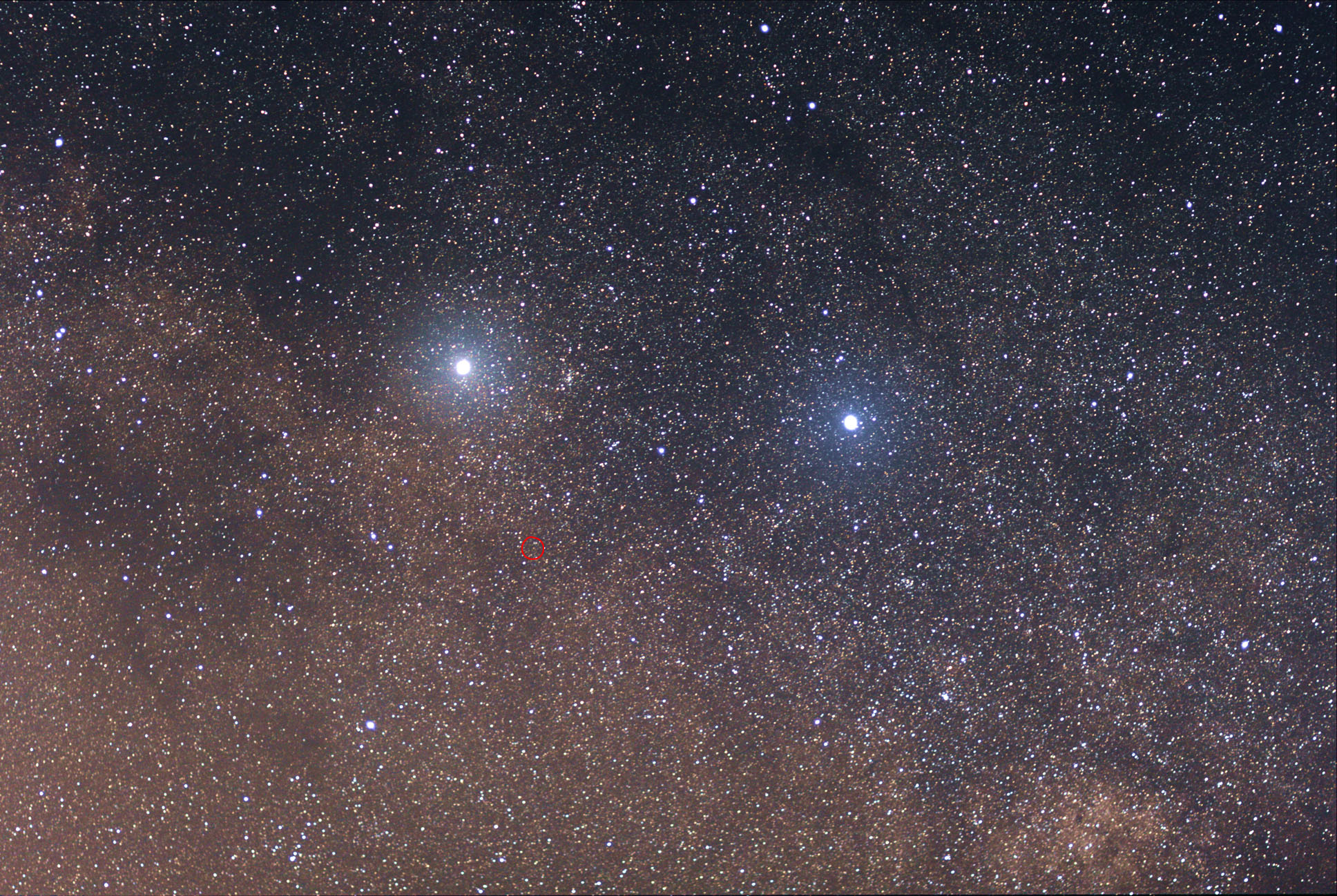
The IAU just approved the names of 86 new stars, the majority of which are derived from Chinese, Hindu, Aboriginal, South African, Coptic, Mayan, and Polynesian traditions.
Continue reading
 Universe Today