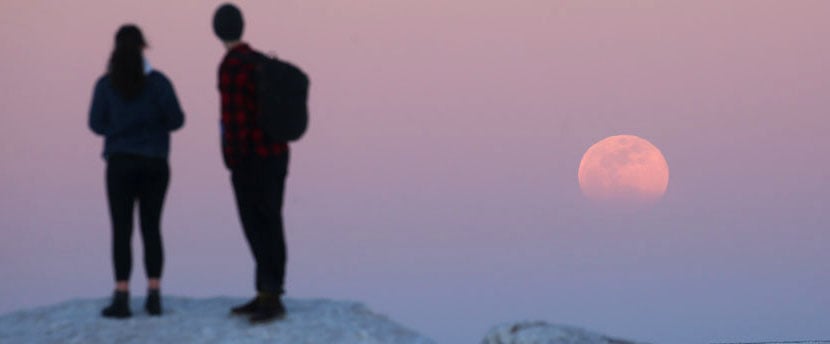
Skywatchers have a busy weekend ahead. The Chinese space station is expected to burn up in the atmosphere, the Moon is full and Mars and Saturn meet at dawn.
Continue reading
Continue reading
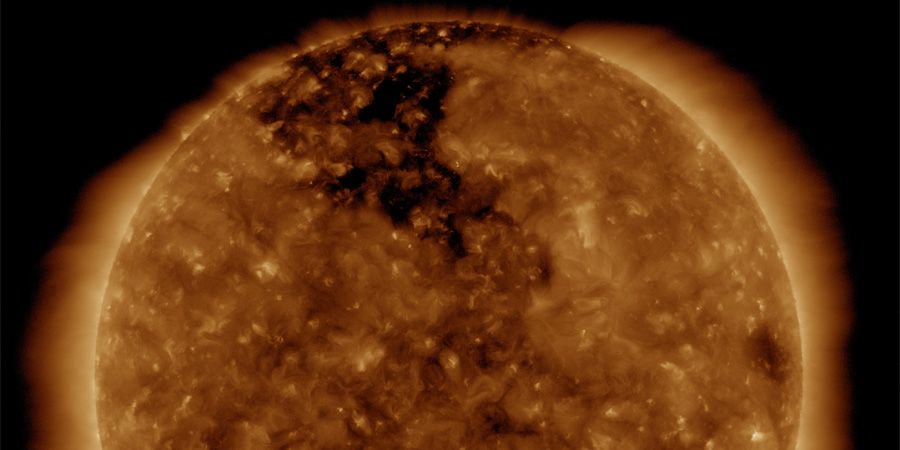
Scientists are getting better at predicting colorful auroras here on Earth by closely watching the behavior of the Sun.
Continue reading
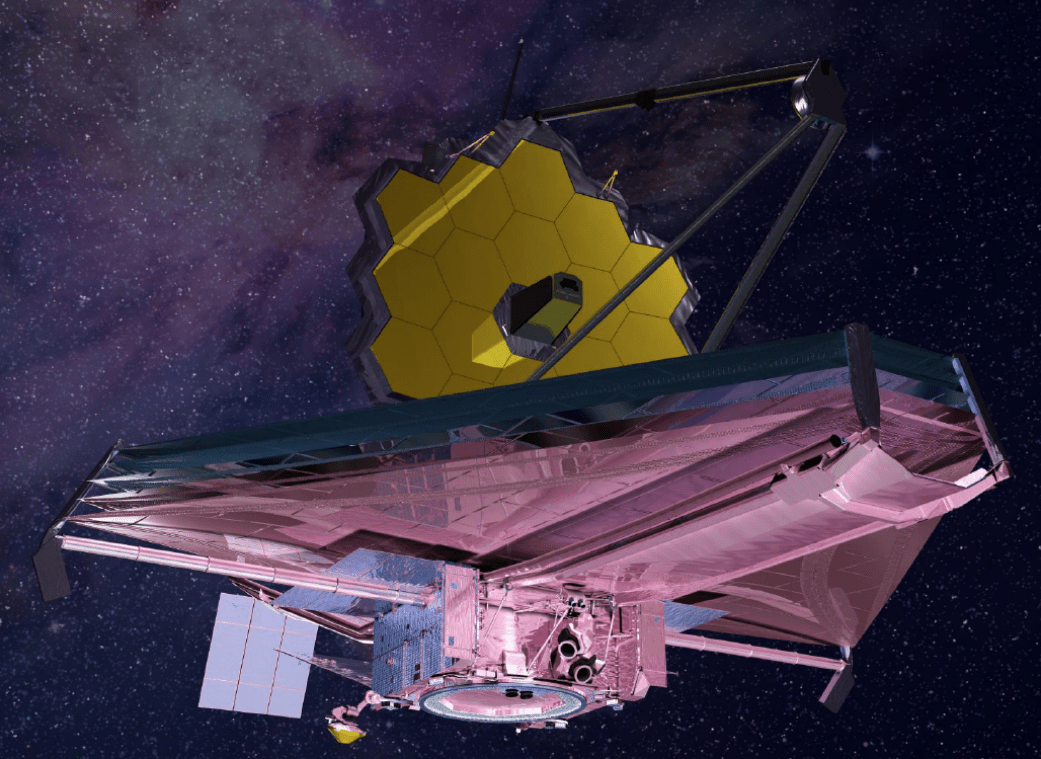
After being assessed by the Standing Review Board, NASA has announced that the launch of the James Webb Space Telescope's will be delayed until 2020.
Continue reading
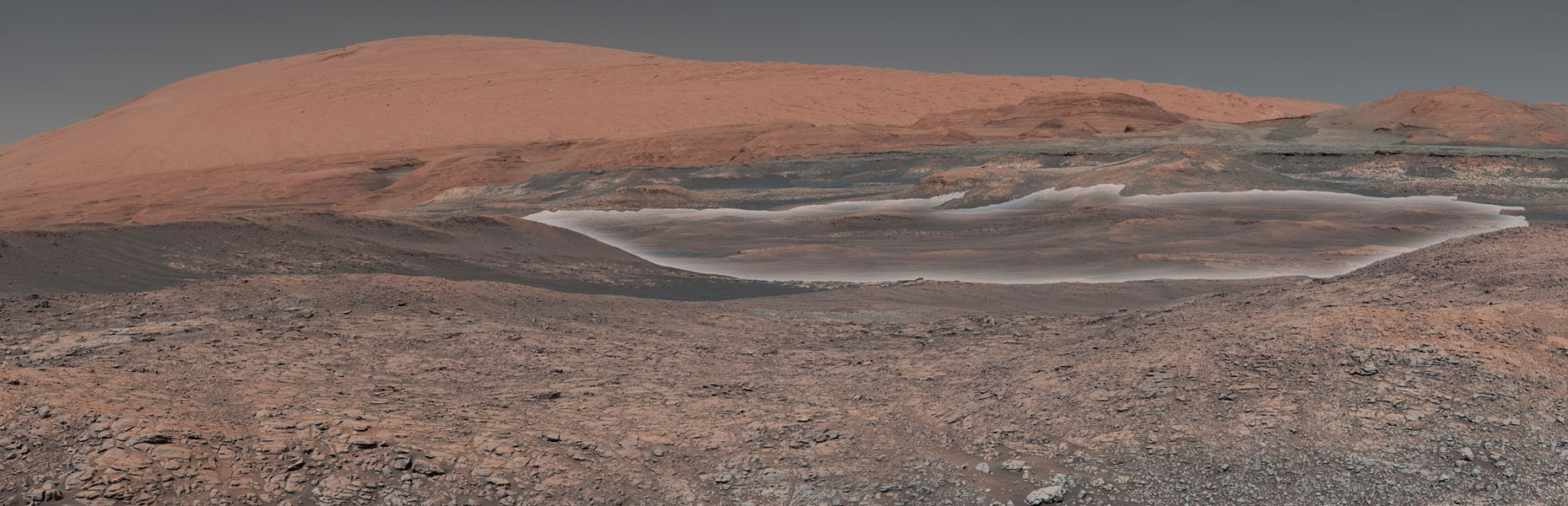
The Curiosity rover recently passed another major milestone. Since it landed in 2012, it has spent a total of 2000 Martian days (sols) exploring the Red Planet!
Continue reading
Continue reading
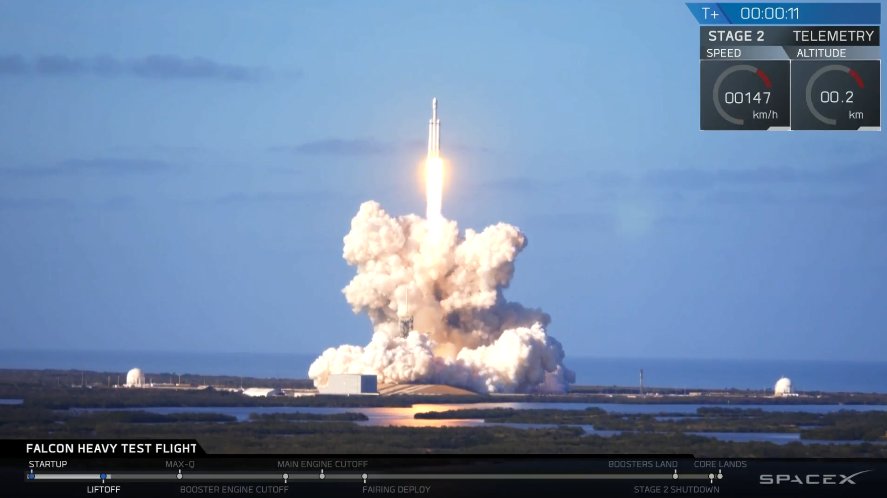
In response to the news of the Facebook data breach, SpaceX and Tesla founder Elon Musk has chosen to delete his companies official accounts
Continue reading
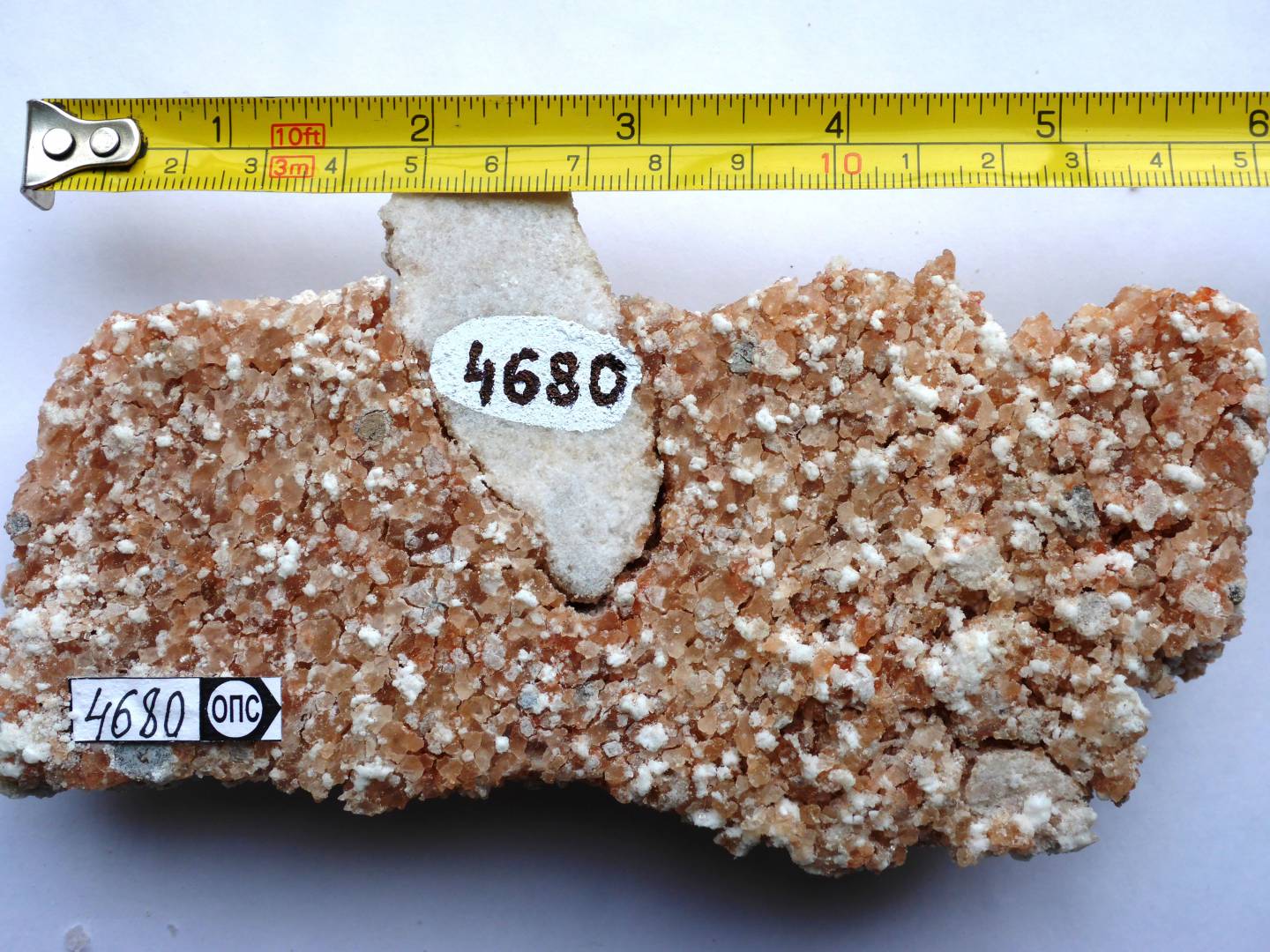
According to a new study by an international team of scientists, oxygen was introduced rather rapidly to Earth's atmosphere over 2 billion years ago
Continue reading
Continue reading
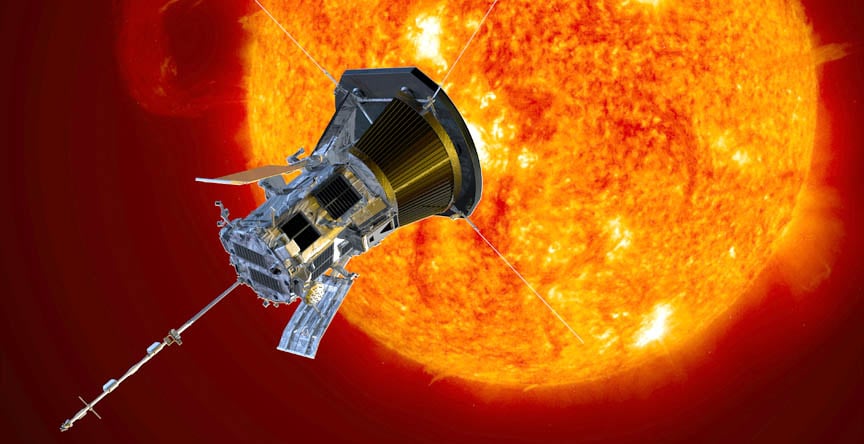
Join NASA's most daring mission to the Sun by sending your name along for the ride on the Parker Solar Probe that's set to launch this summer.
Continue reading
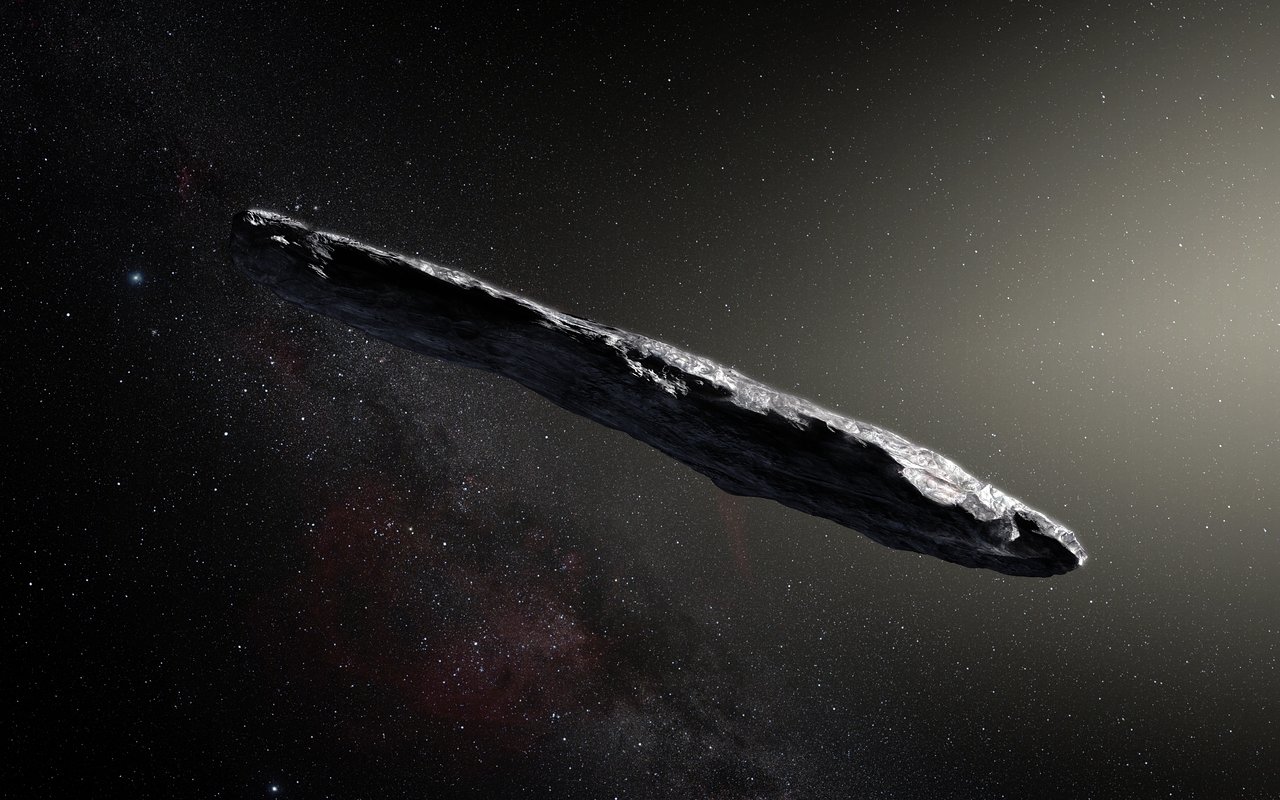
According to a new study by a team of Canadian astronomers, the interstellar asteroid 'Oumuamua likely came from a binary star system
Continue reading
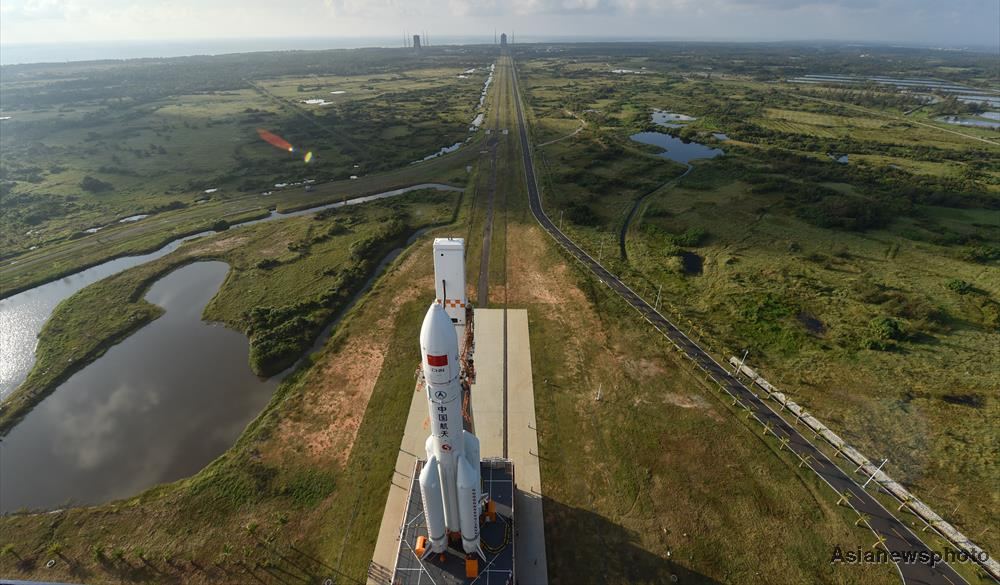
As part of their goal to conduct a crewed mission to the Moon, China is busy developing the Long March 9 - a heavy rocket as powerful as the Saturn V
Continue reading
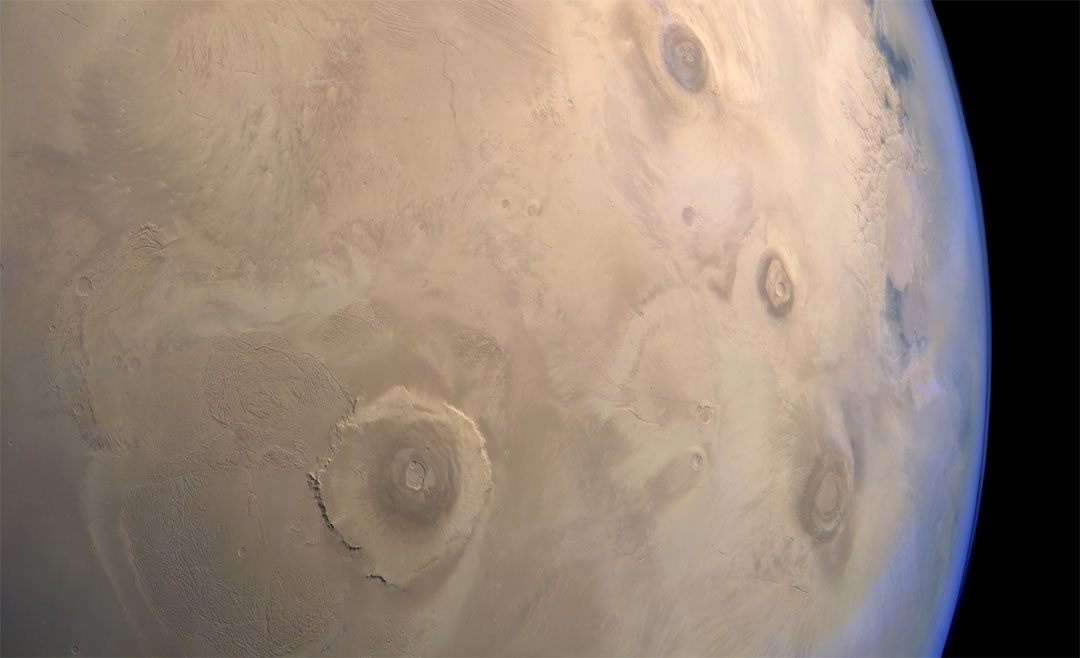
According to a new study by a team from UC Berkeley, the existence of oceans on Mars may have had to do a lot with early volcanic activity
Continue reading
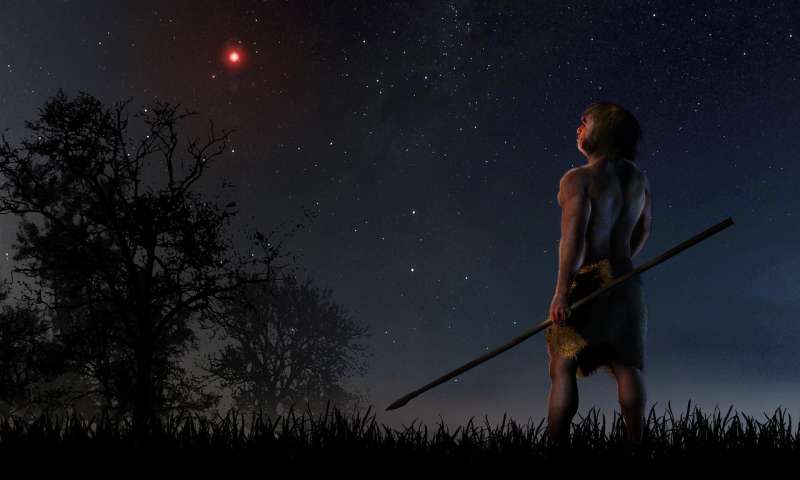
70,000 years ago, Scholz's Star visited our neighbourhood, and changed the trajectories of hundreds of objects in out Solar System.
Continue reading
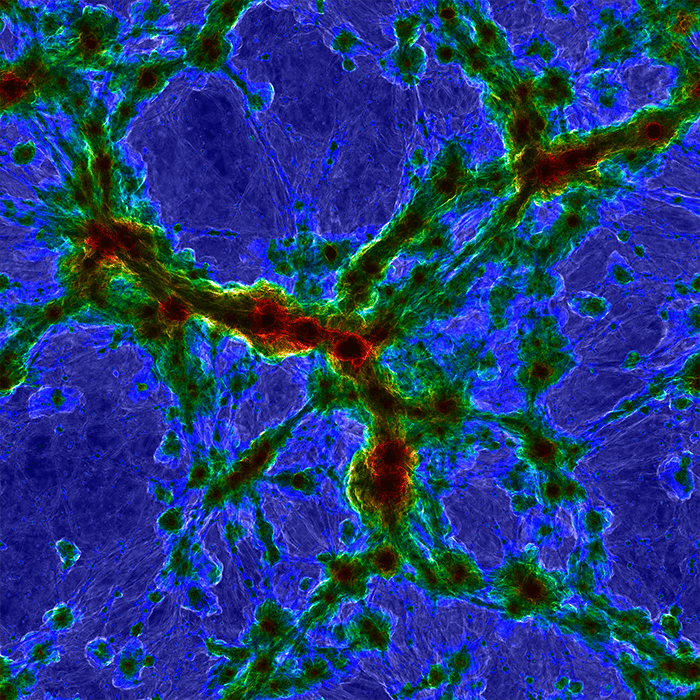
The team behind Illustris have now released the first results of their IllustrisTNG simulation, the most accurate simulation of the Universe to date.
Continue reading

Continue reading
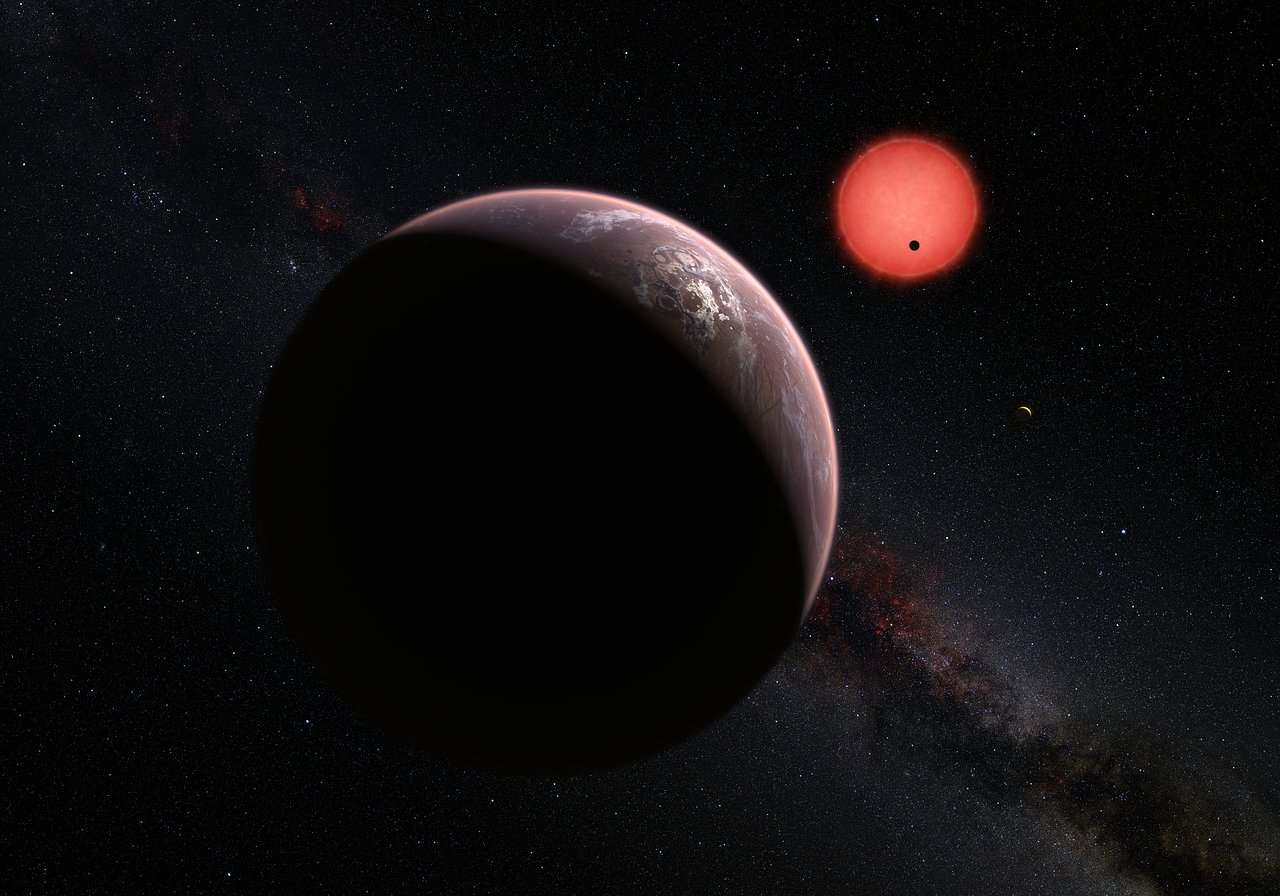
A new study has cast doubt on whether or not the TRAPPIST-1 system could be habitable, indicating that it has too much water to support life
Continue reading
Continue reading
Continue reading
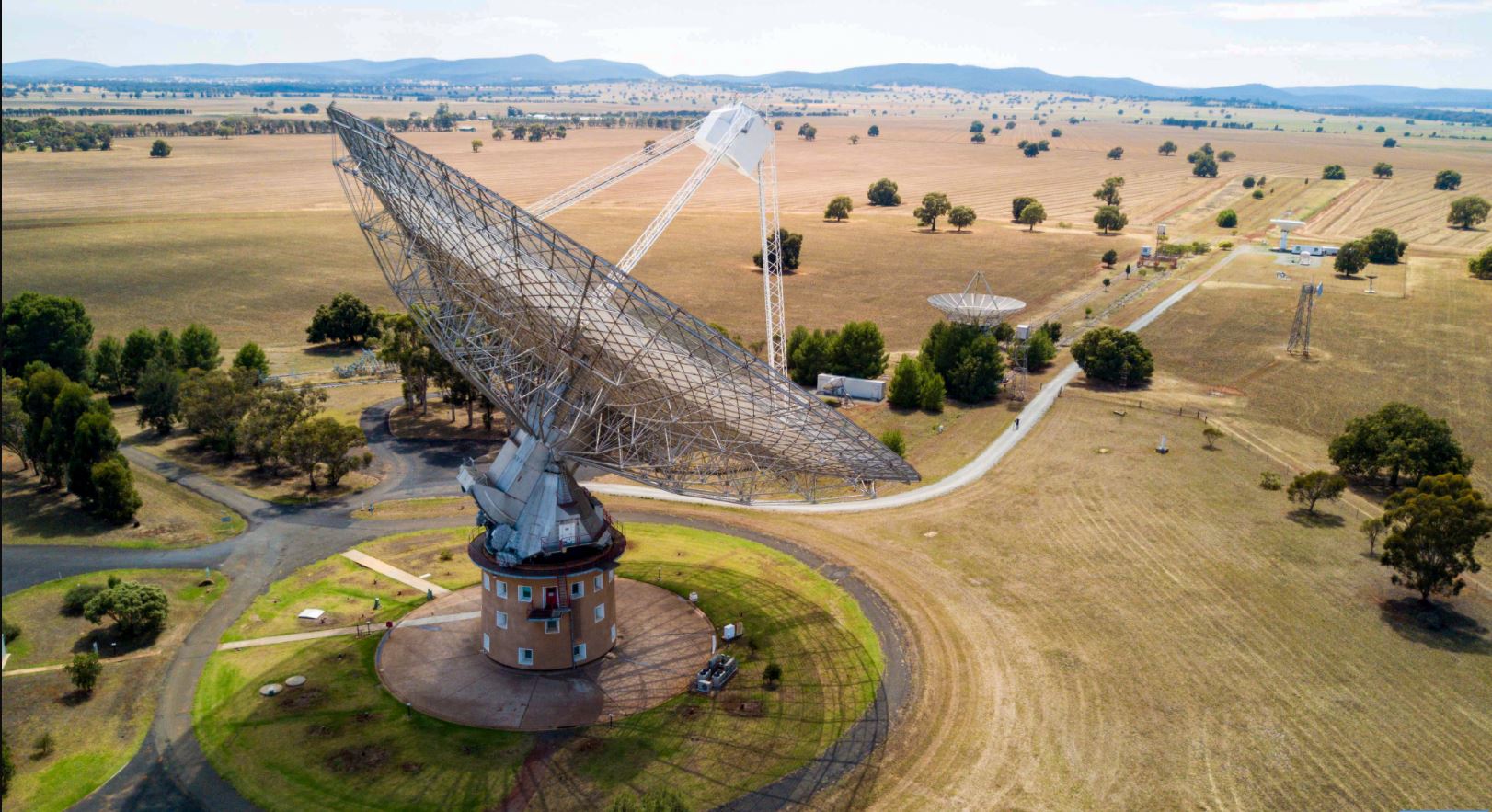
Earlier this month, scientists using the Parkes Radio Telescope detected three FRBs, one of which was the brightest ever observed
Continue reading
 Universe Today