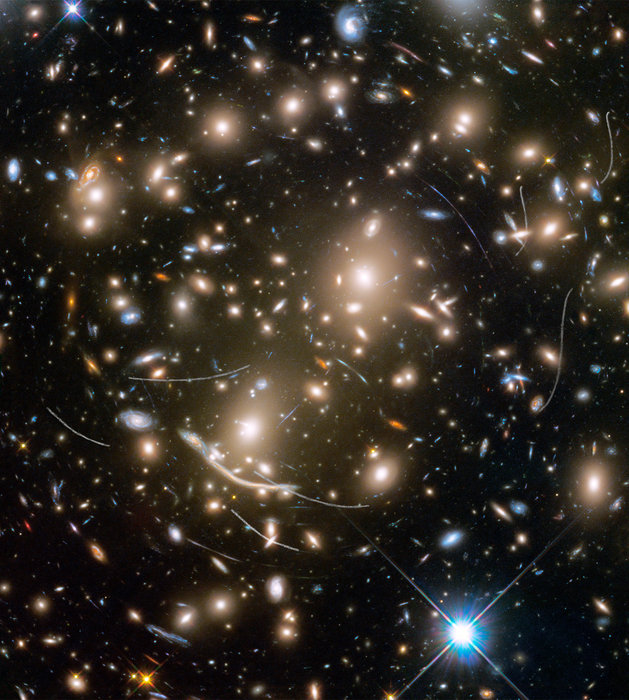
While observing a distant galaxy cluster, an image taken by Hubble was photobombed by 22 previously undetected asteroids.
Continue reading
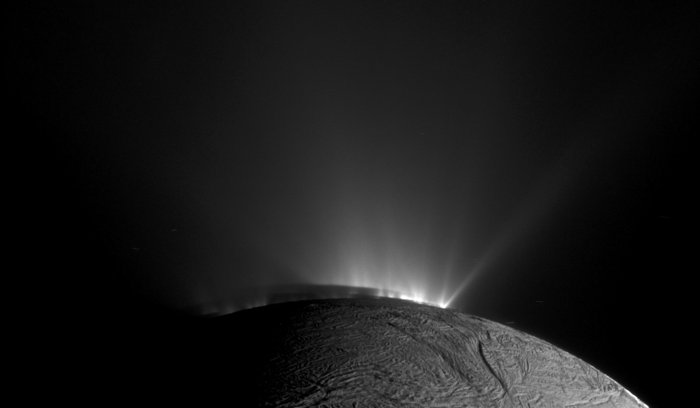
According to the last study based on Cassini data, complex organic molecules exist within Enceladus and are being released through its plumes.
Continue reading
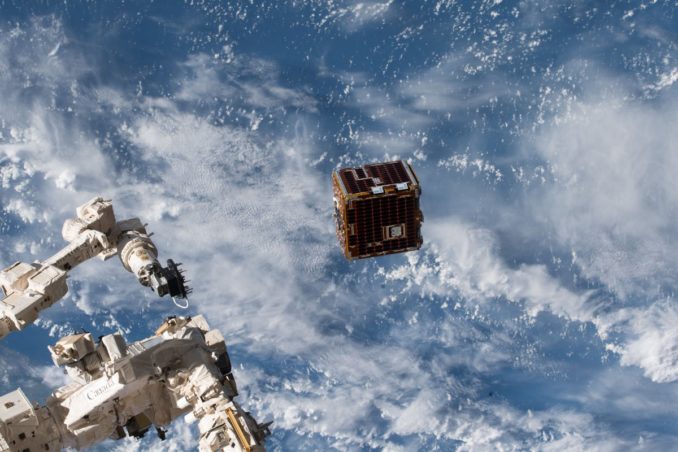
The RemoveDebris satellite, a spacecraft designed to remove junk from orbit, recently deployed from the ISS to begin demonstrating its capabilities.
Continue reading
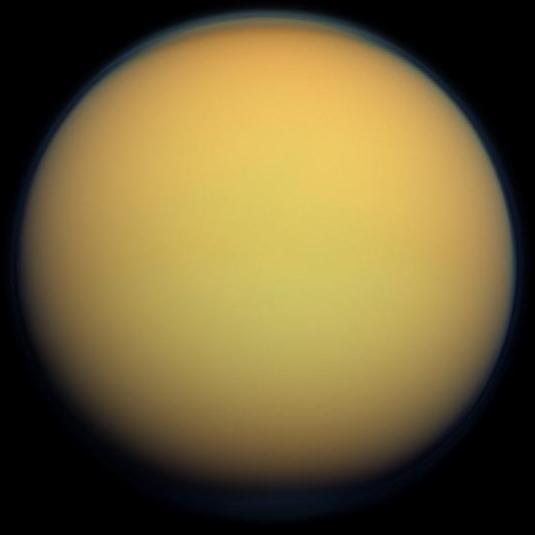
A new study led by researchers from John Hopkins University tackles the question of where Titan's mysterious sand dunes come from.
Continue reading
Continue reading
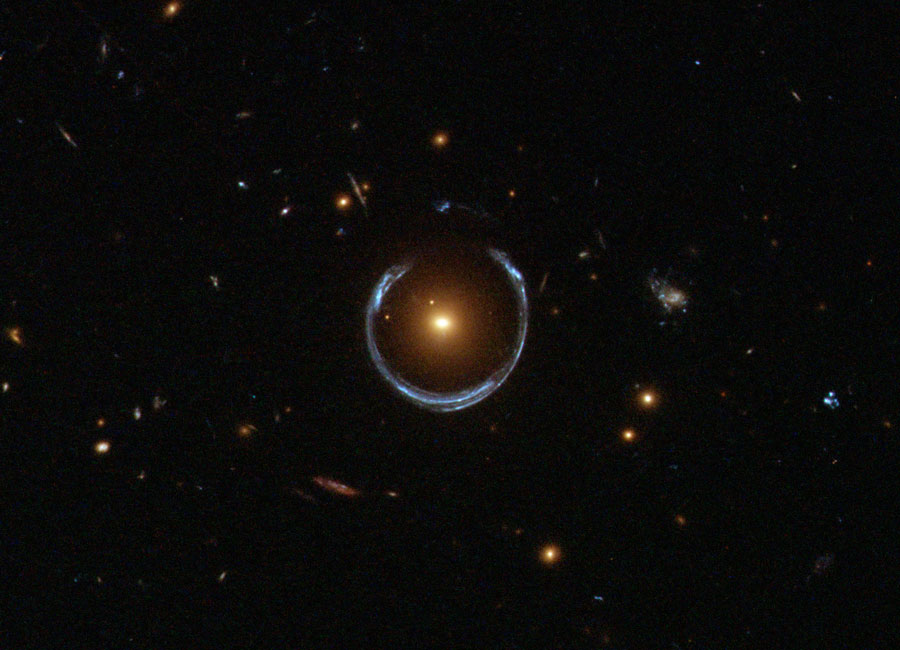
In a recent study, a team of international astronomers used the gravitational lensing technique to study the most distant individual star ever observed.
Continue reading
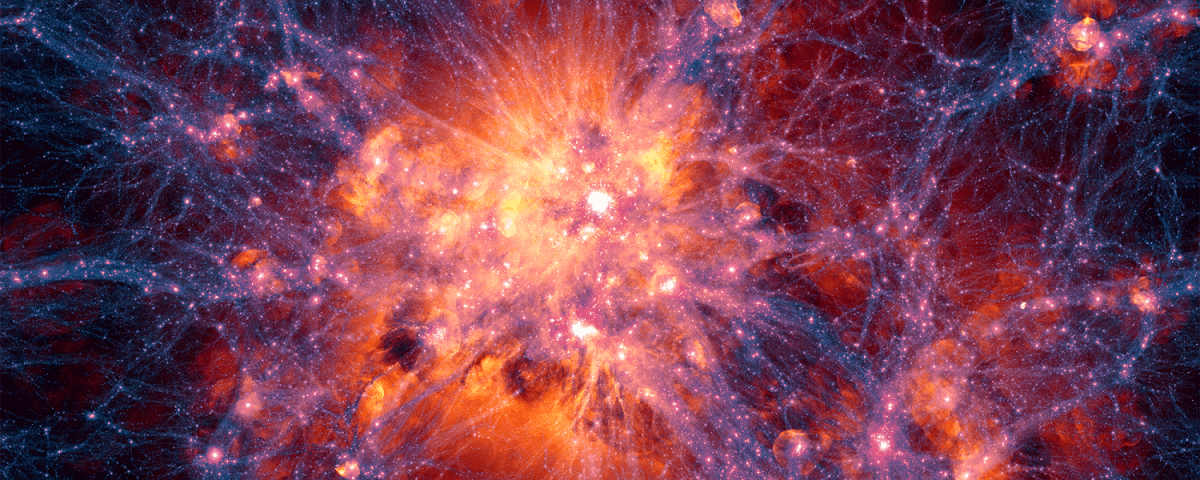
Thanks to a recent study by an international team of scientists, the remaining missing normal matter of the Universe may finally have been found!
Continue reading
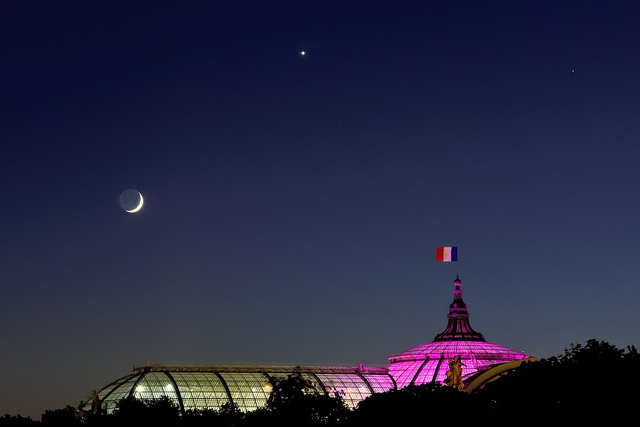
Missed the planets in the dusk sky in early 2018? This summer's astronomical blockbuster sees the return of all the classical naked eye planets in the dusk sky, in a big way.
Continue reading
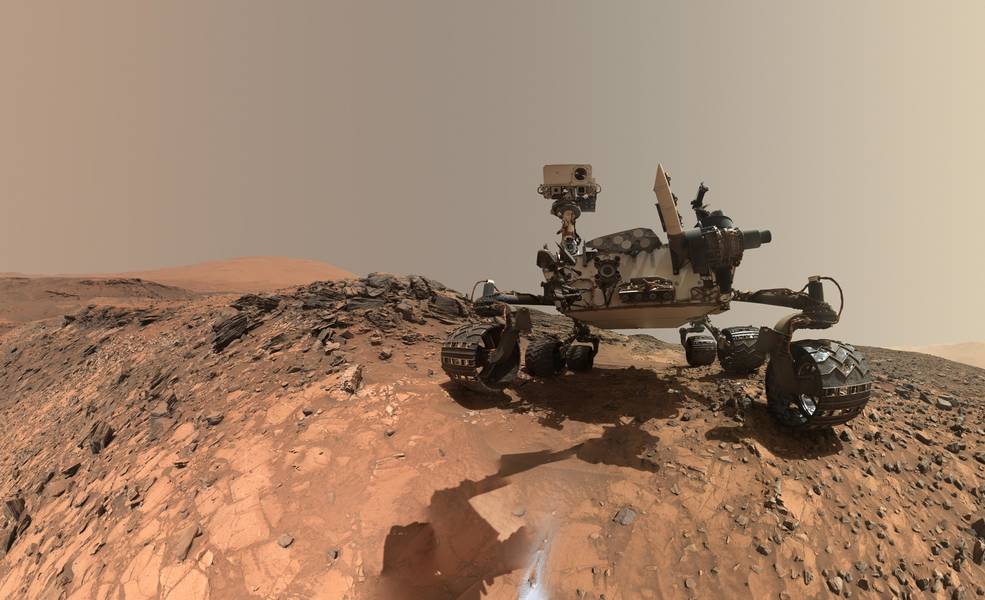
The Martian dust storm that began a few weeks ago has grown to engulf the entire planet, and Curiosity is well-positioned to get it on camera!
Continue reading
Continue reading
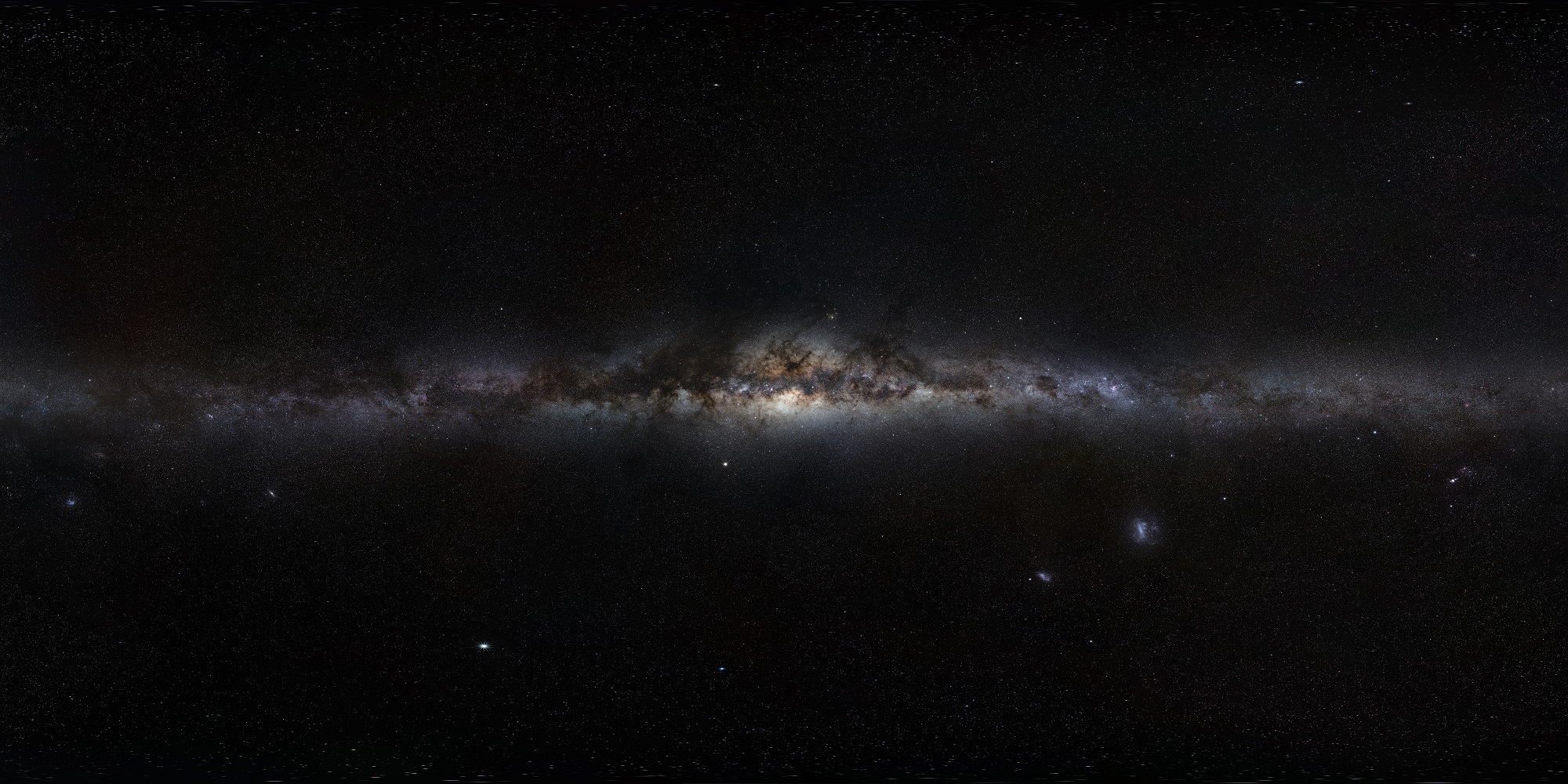
A recent paper by Harvest professor Dr. Abraham Loeb takes another look at an issue he has been addressing for years, which is how humanity might survive the accelerating expansion of the Universe.
Continue reading
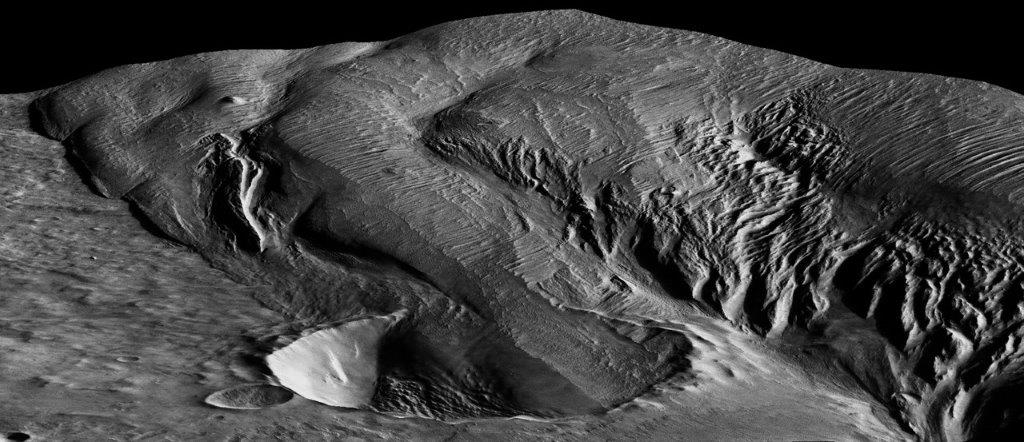
According to a new study from Johns Hopkins University, Mars' Medusa Fossae region was created by volcanic activity, a finding which has serious implications for the planet's past habitability.
Continue reading
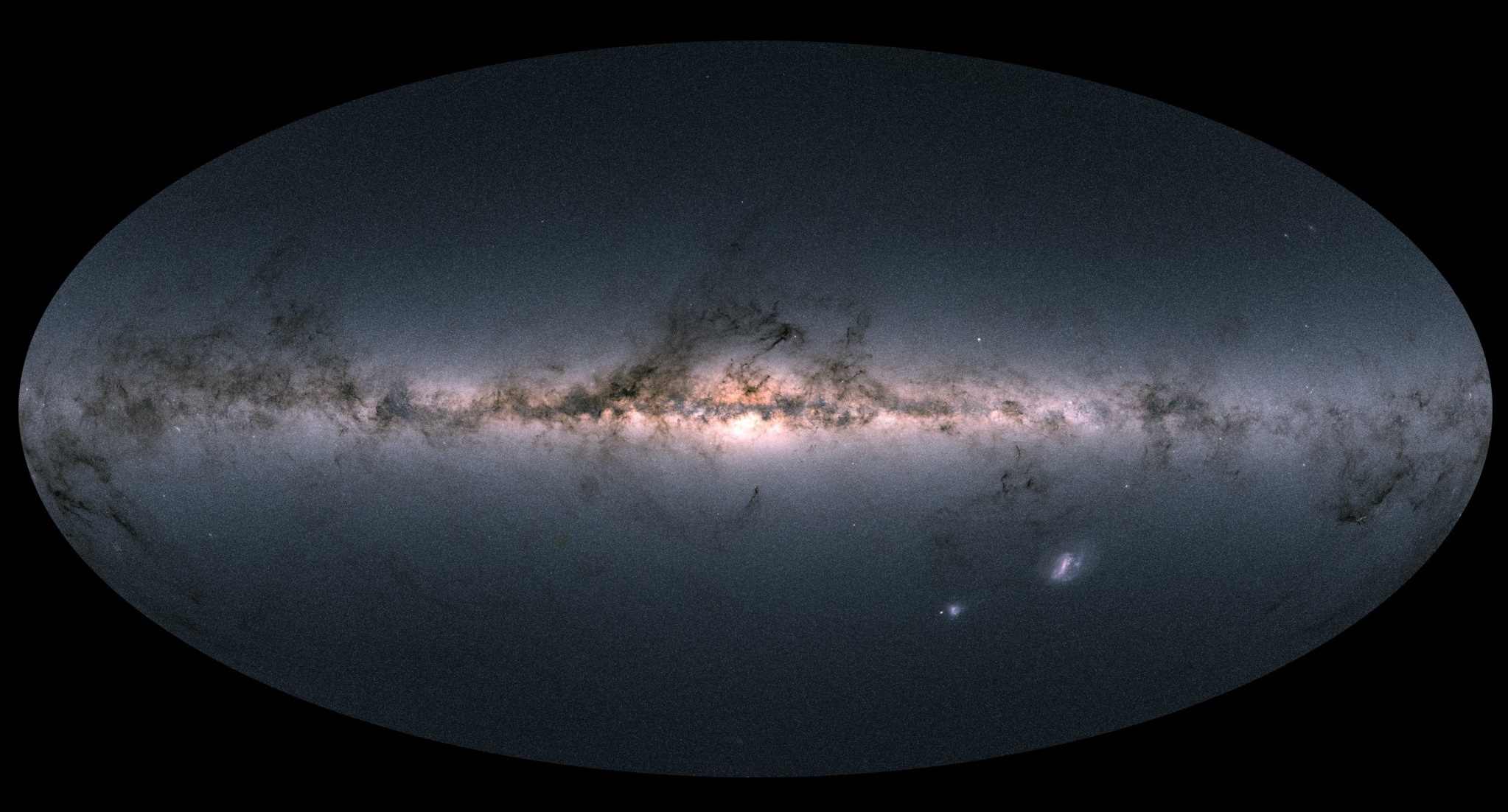
According to a new study by three famed scientists, the Fermi Paradox may have a simple resolution - humanity is the only intelligent species in our galaxy!
Continue reading
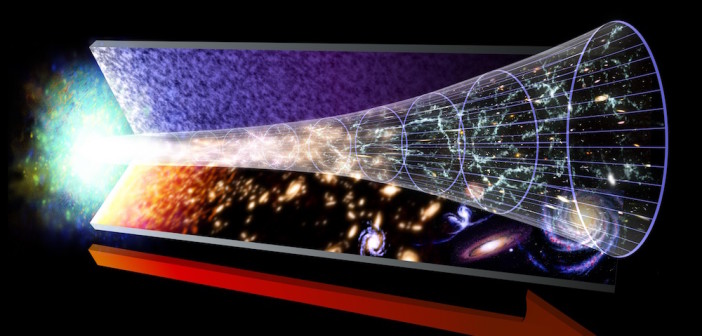
In a new study, an astrophysicist proposed how an advanced civilization might survive the inevitable expansion of the Universe, and how me might search for them.
Continue reading
Continue reading
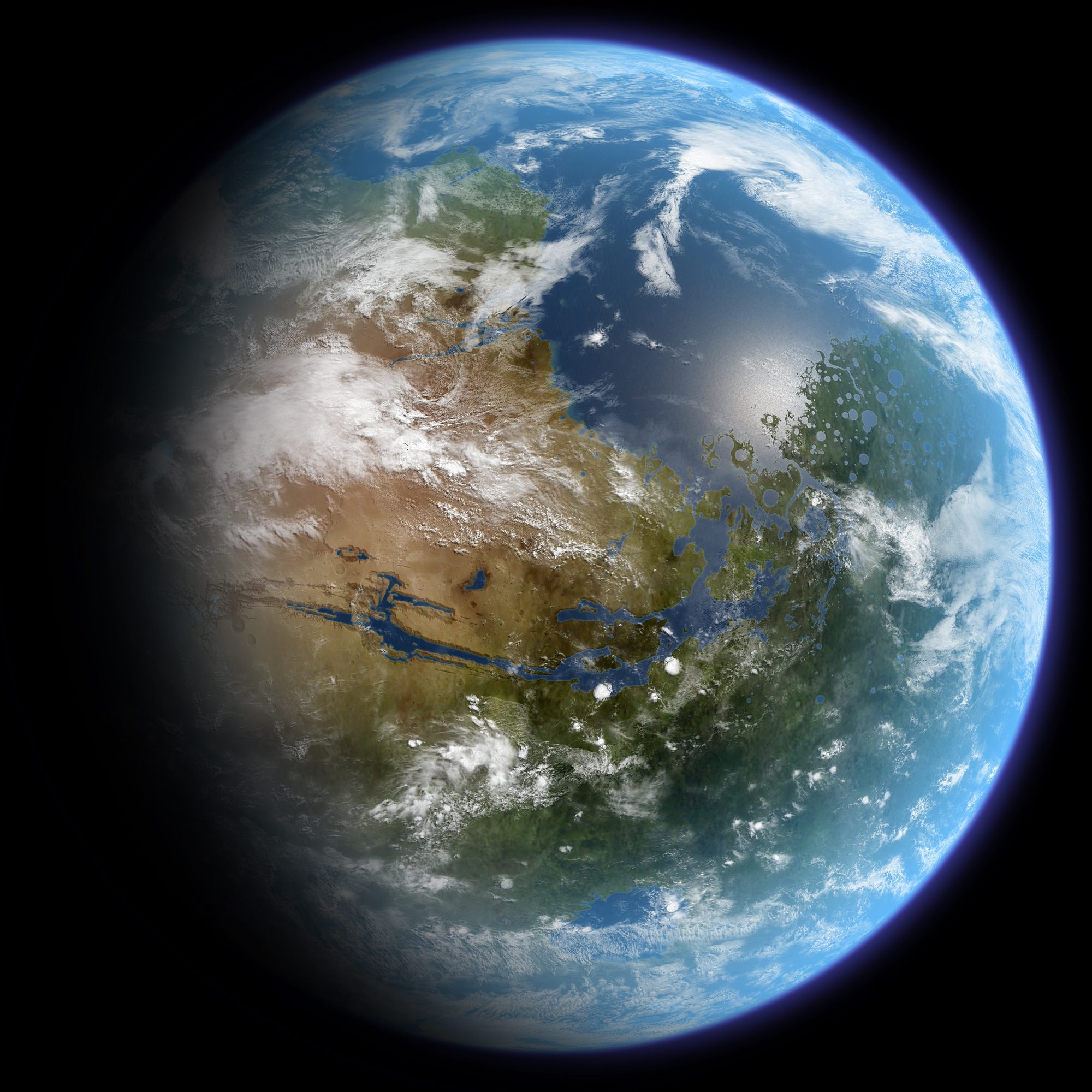
A team of international scientists recently conducted a study that indicates that cyanobacteria can conduct photosynthesis in low-light conditions, which has implications for plans to terraform Mars.
Continue reading
Continue reading
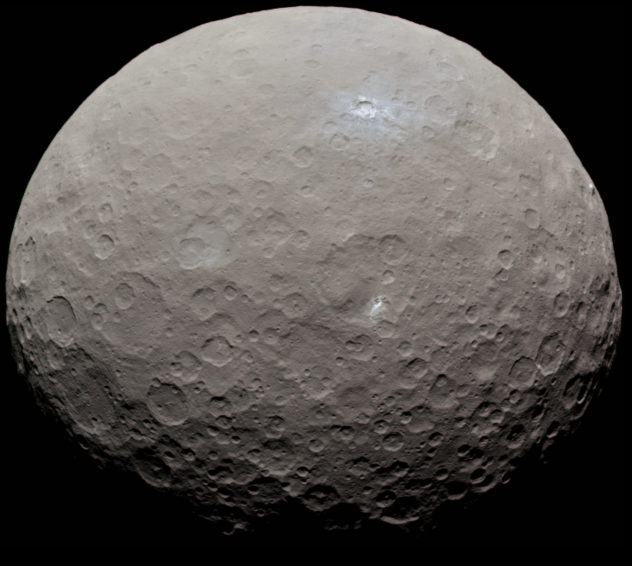
According to a new study from Brown University, it appears Ceres has more organic molecules on its surface than previously thought
Continue reading
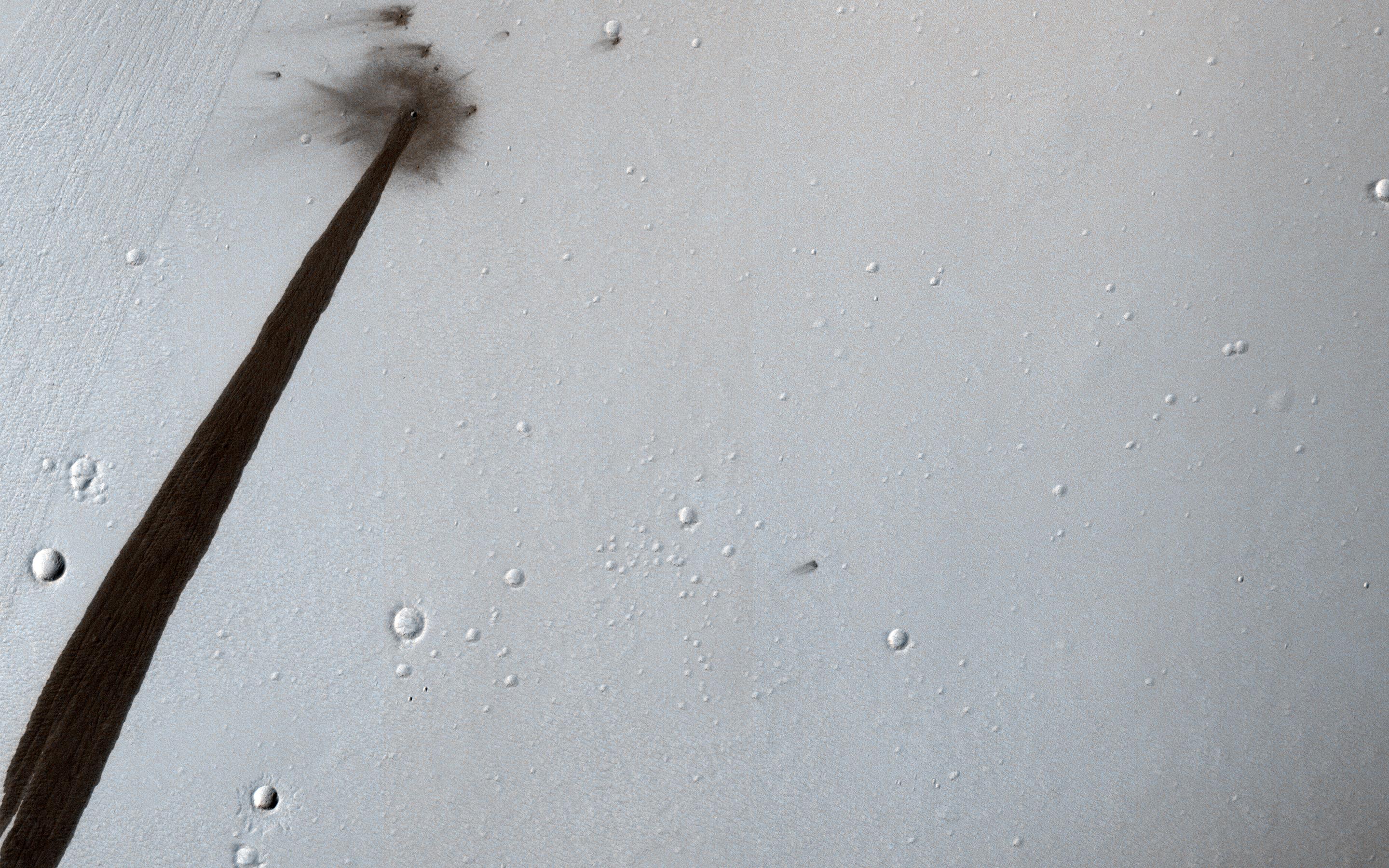
The Mars Reconnaissance Orbiter (MRO) recently captured an image of an impact crater on Mars that triggered an avalanche that left behind a dark streak.
Continue reading
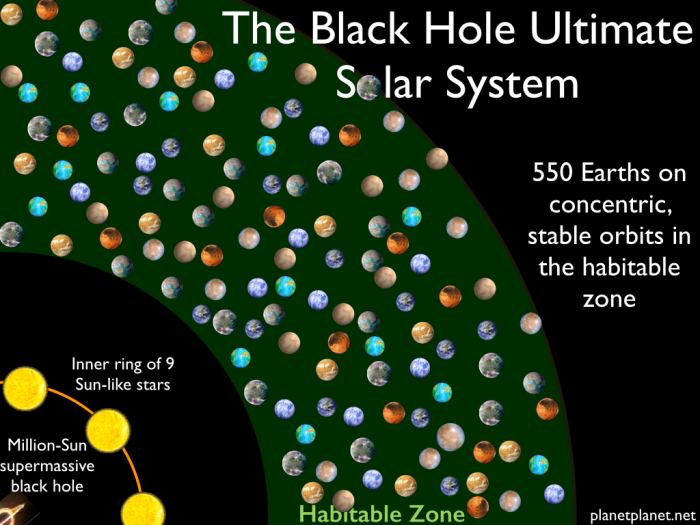
Physicist Dr. Sean Raymond recently created a hypothetical system where 550 planets and 9 Suns orbit around a central black hole, with fascinating results!
Continue reading
 Universe Today