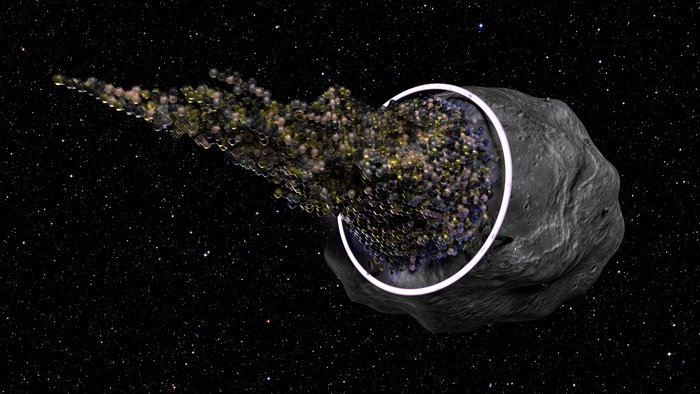
In a series of new studies, a pair of French researchers tackle the question of how many people would need to be sent on an interstellar journey to ensure that a healthy crew arrives.
Continue reading
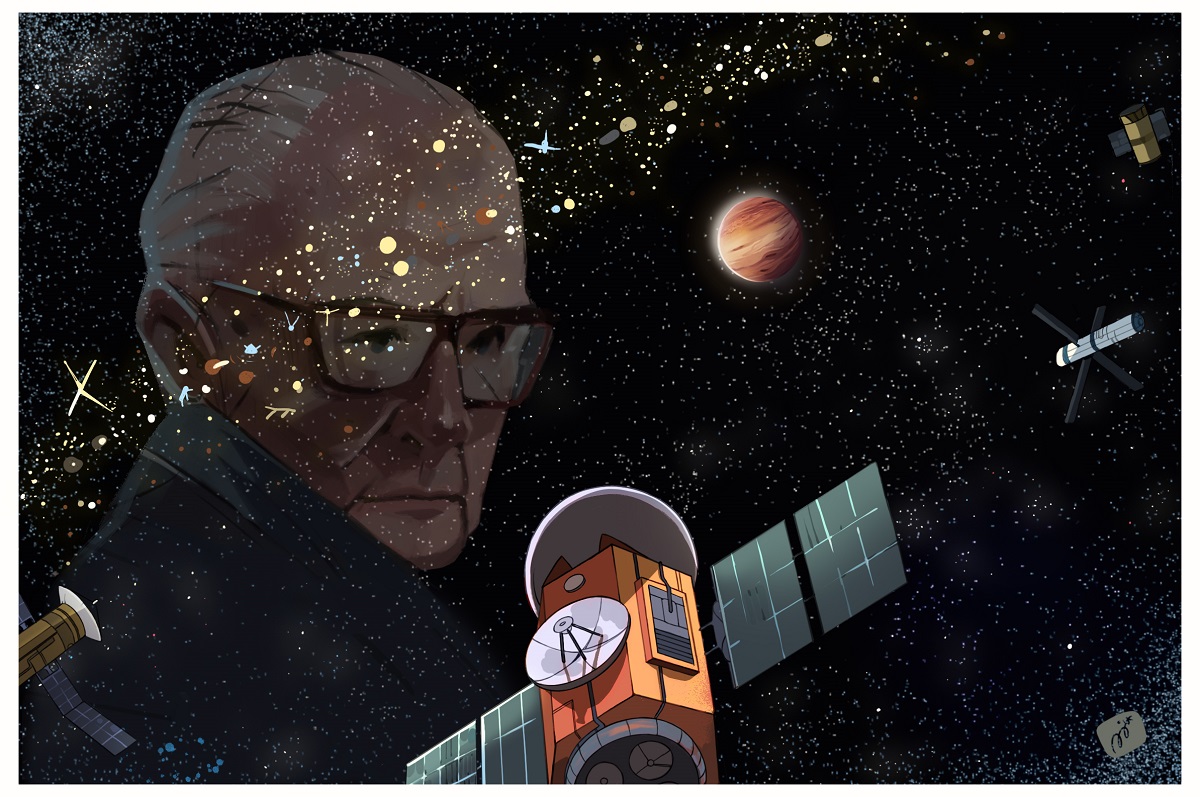
In a new study, astrophysicist Hector Socas-Navarro proposes searching for aliens by looking for signs of dense satellite rings around planets - aka. Clarke Belts.
Continue reading
Continue reading
Continue reading
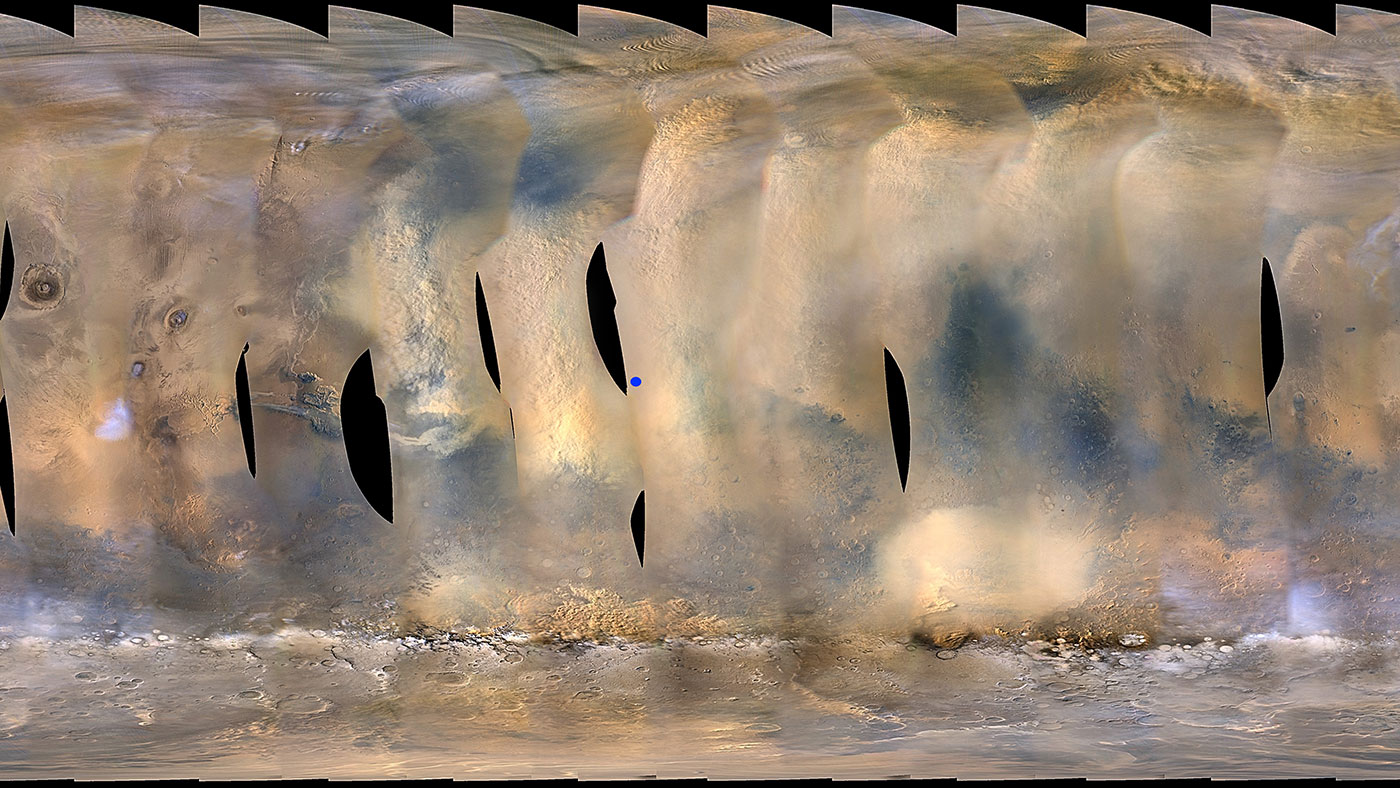
A massive Martian dust storm has settled in over the Opportunity rover's location in the Perseverance Valley, which could pose a danger to this rover's continuing mission.
Continue reading
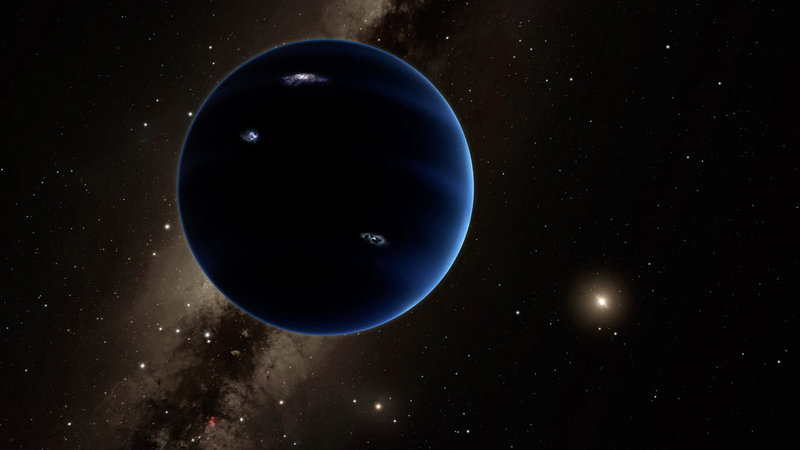
According to a new study by a team from CU Boulder, Planet 9 may not be necessary to explain the odd behavior of objects in the Kuiper Belt
Continue reading
Continue reading
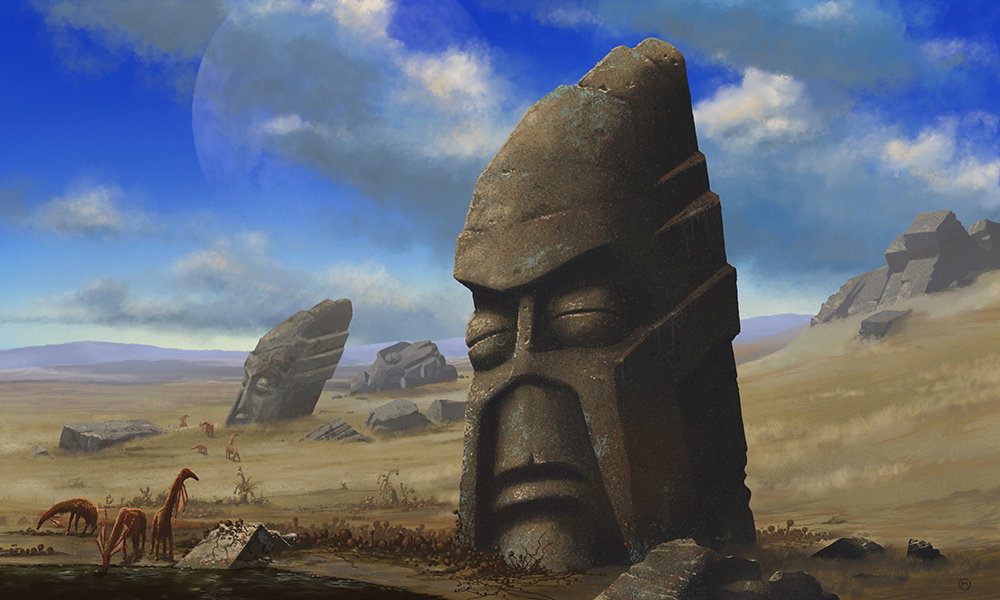
Addressing the Fermi Paradox, a team of researchers recently conducted a study predicts whether or not Climate Change may be what determines the fate of civilizations.
Continue reading
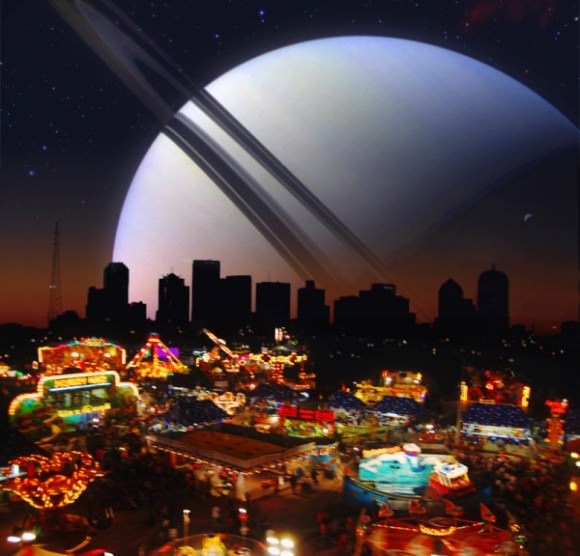
Continue reading
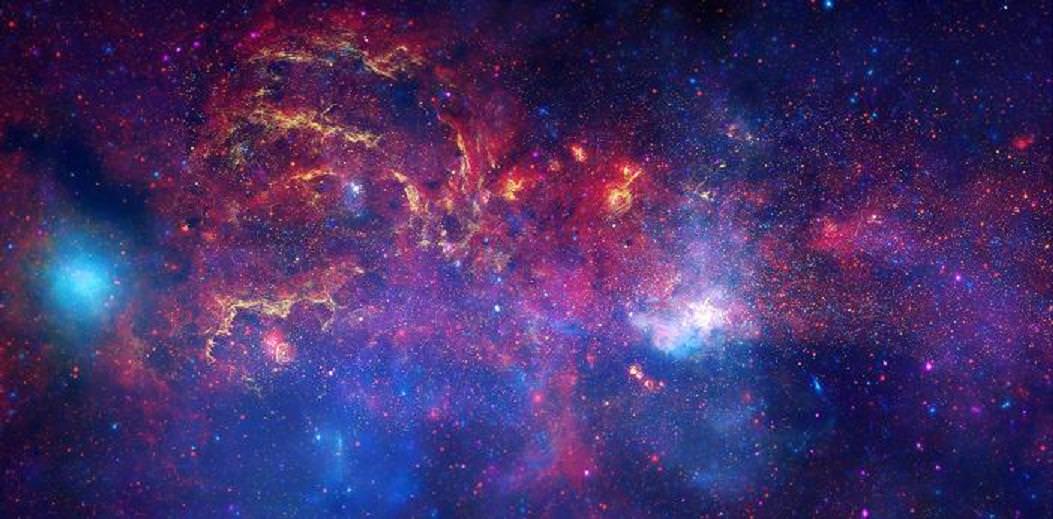
Using 12 years of data from the W.M. Keck Observatory, a team of astronomers discovered mystery objects near the center of the galaxy that could be "puffy" stars
Continue reading
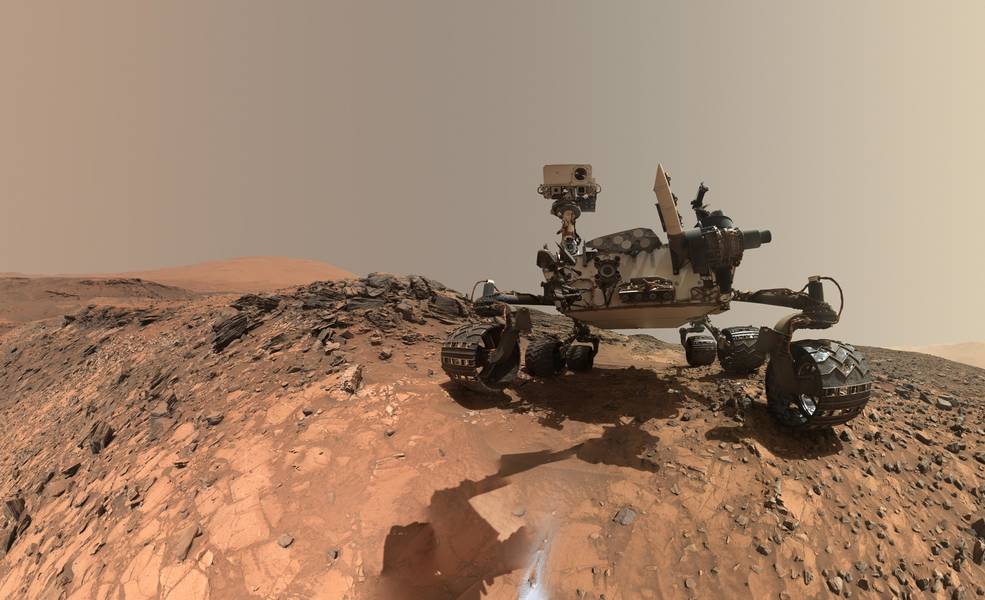
In its latest discovery, the Curiosity rover detected organic molecules in an ancient deposit of sedimentary rock, bolstering the case that Mars may once have supported life.
Continue reading
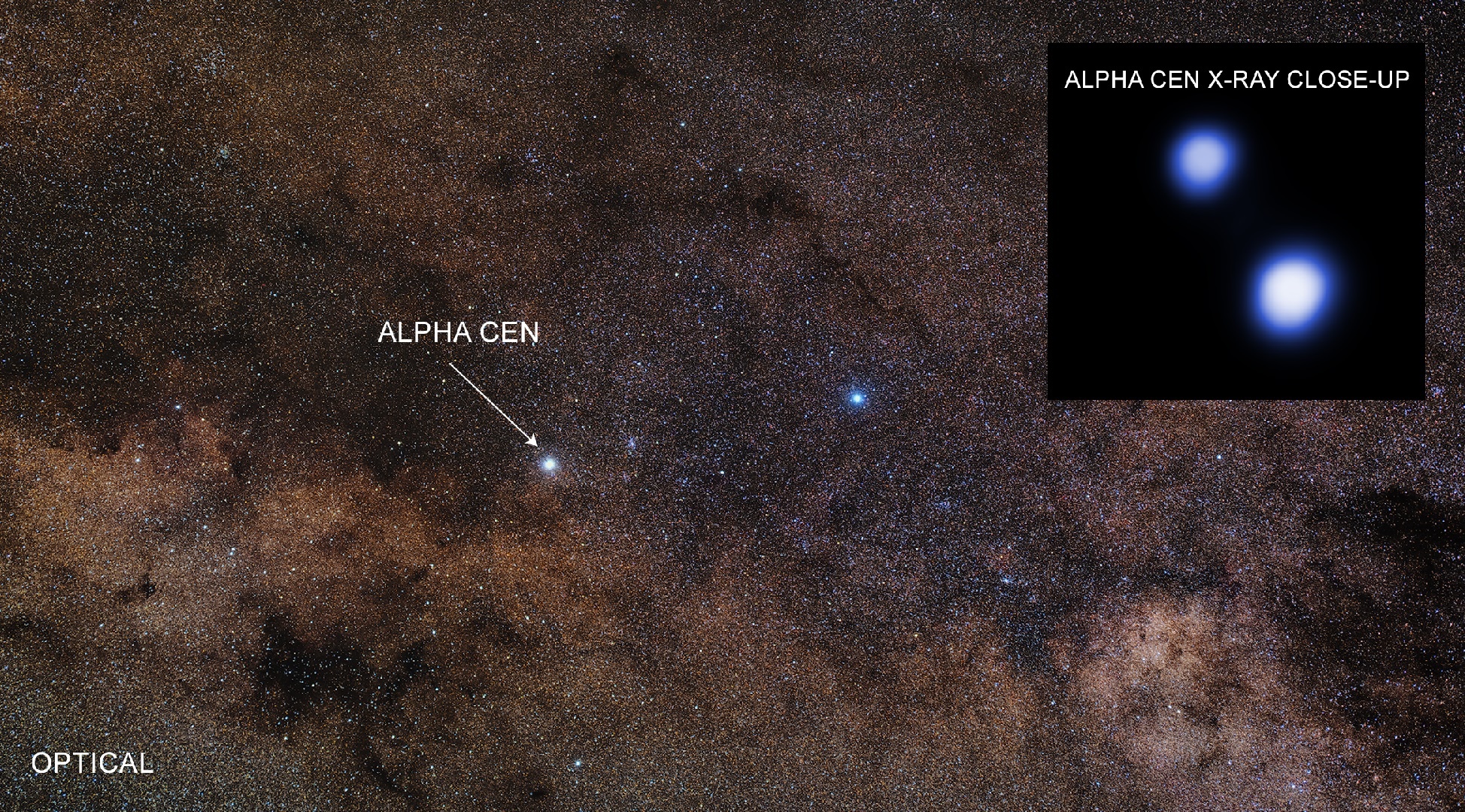
Using over a decade of data collected by the Chandra X-ray observatory, a new study indicates that the Alpha Centauri system could be hospitable to life.
Continue reading
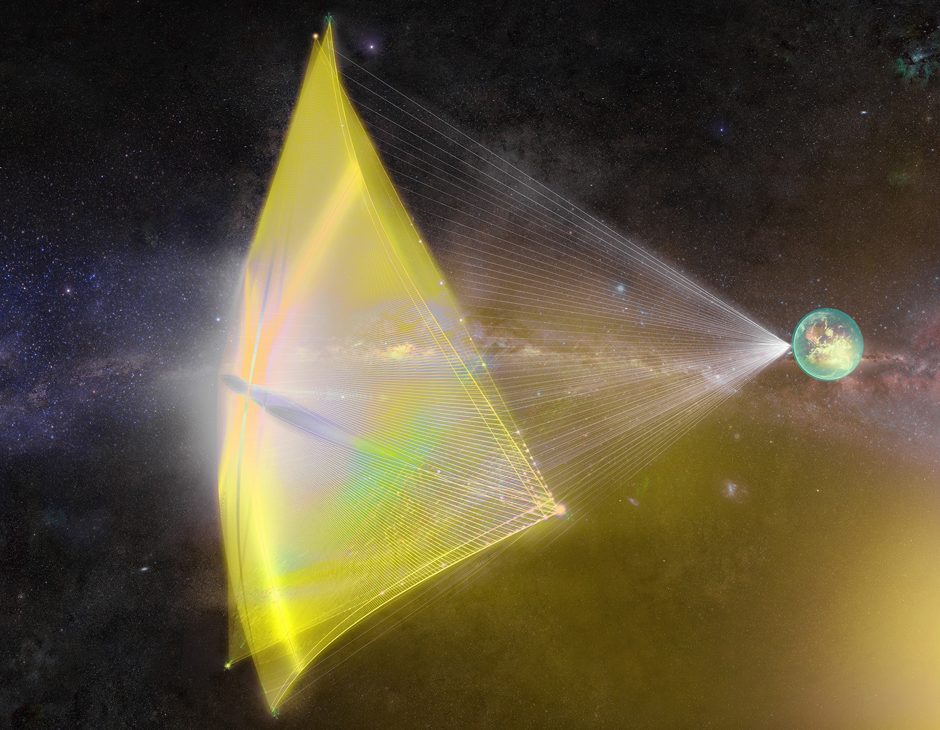
Breakthrough Starshot, a project that hopes to send a small spacecraft to Proxima Centauri in our lifetimes, is now looking for contractors to build its laser sail.
Continue reading
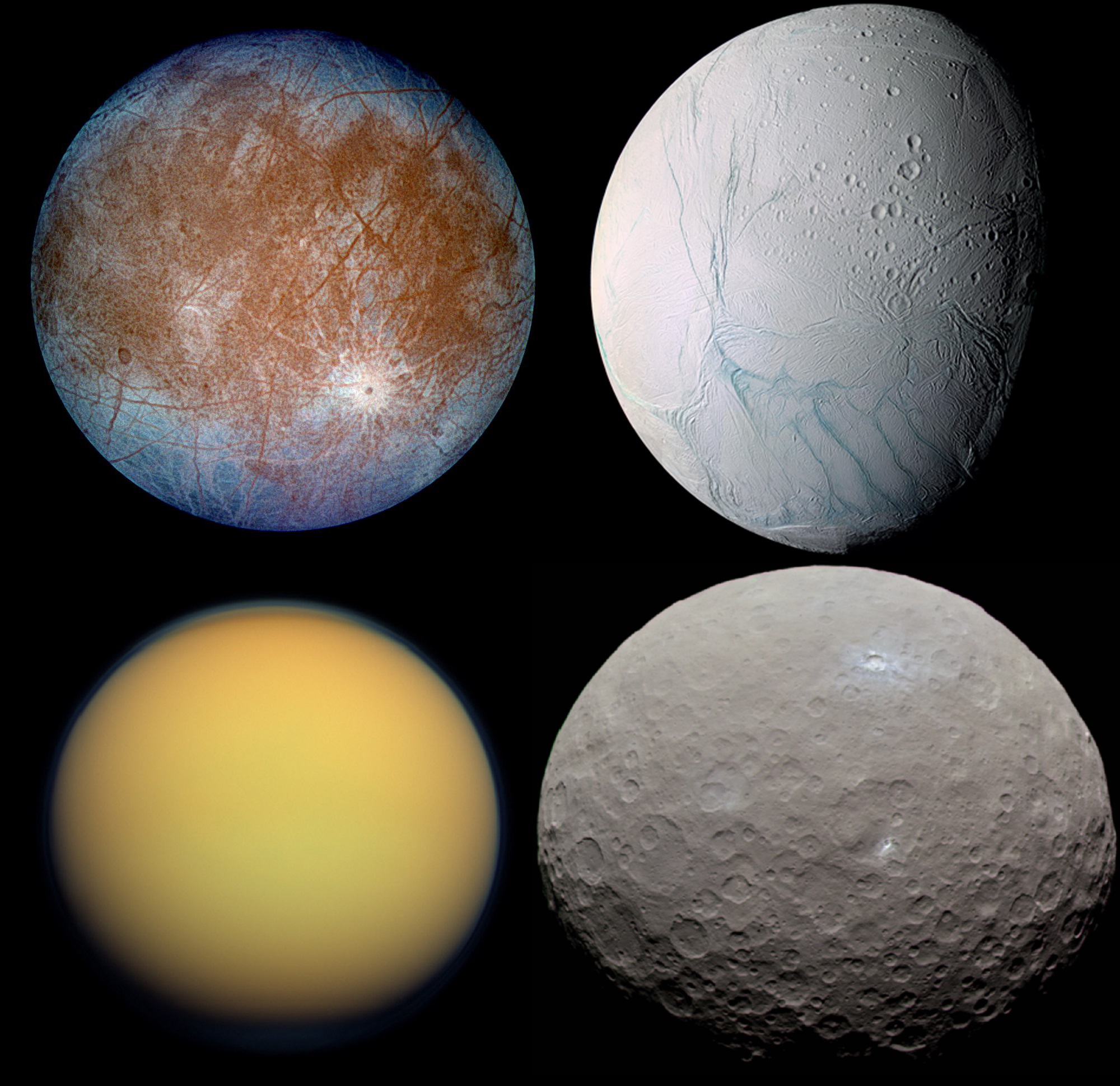
A new study by researchers from the Harvard Smithsonian Center for Astrophysics indicates that the chemicals necessary for life as we know it might be limited on Europa and other "ocean worlds".
Continue reading
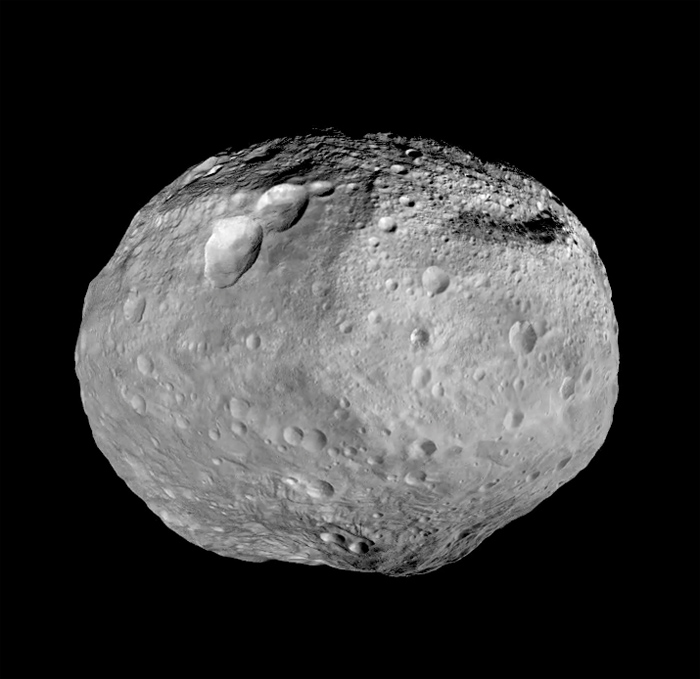
Up for a challenge? Planetary action is certainly heating up this summer: Jupiter passed opposition last month, Saturn does so in June, and Mars reaches favorable viewing next month. And with dazzling Venus in the west and Mercury to joining it starting in late June, we'll soon have all of the naked eye classical planets in the evening sky.
Now, I want to turn your attention towards a potential naked eye object, you've probably never seen: asteroid 4 Vesta.
Continue reading
Continue reading
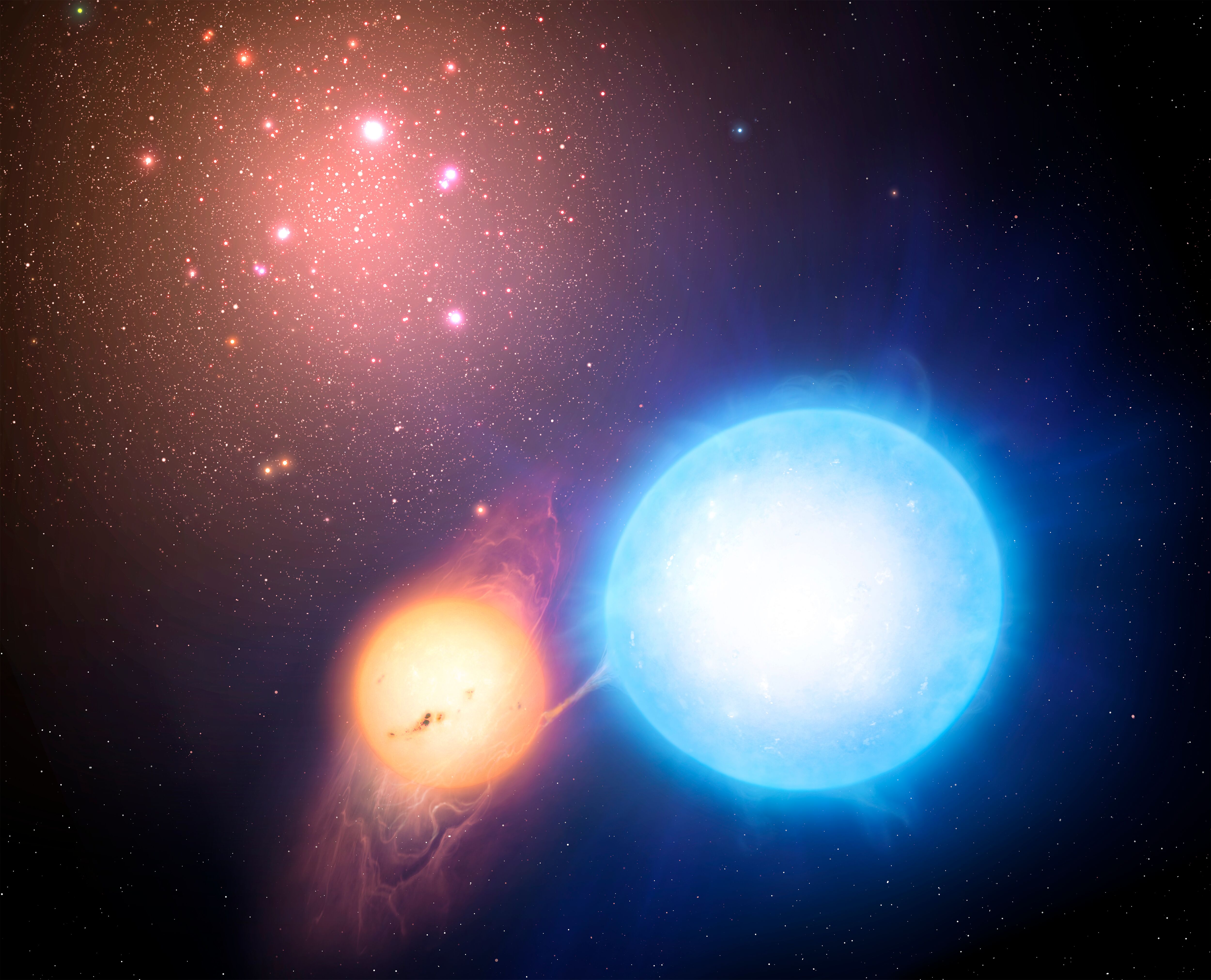
According to a new study by a team of astronomers, globular clusters are several billion years younger than previously thought.
Continue reading
Continue reading

Continue reading
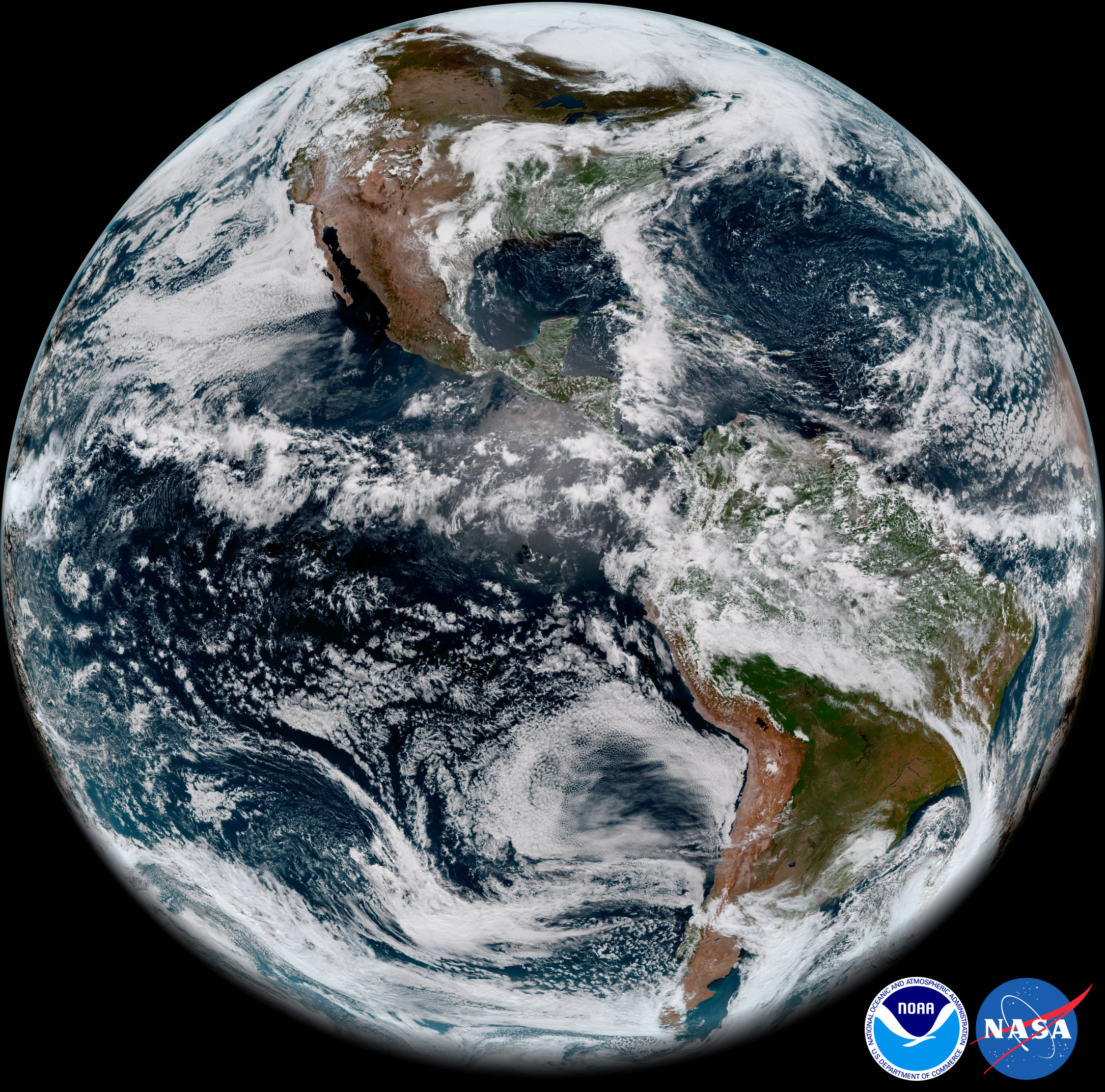
The NOAA's GOES-17 satellite, a second-generation Earth-observing satellite, recently released its "first light" pictures of Earth.
Continue reading
 Universe Today