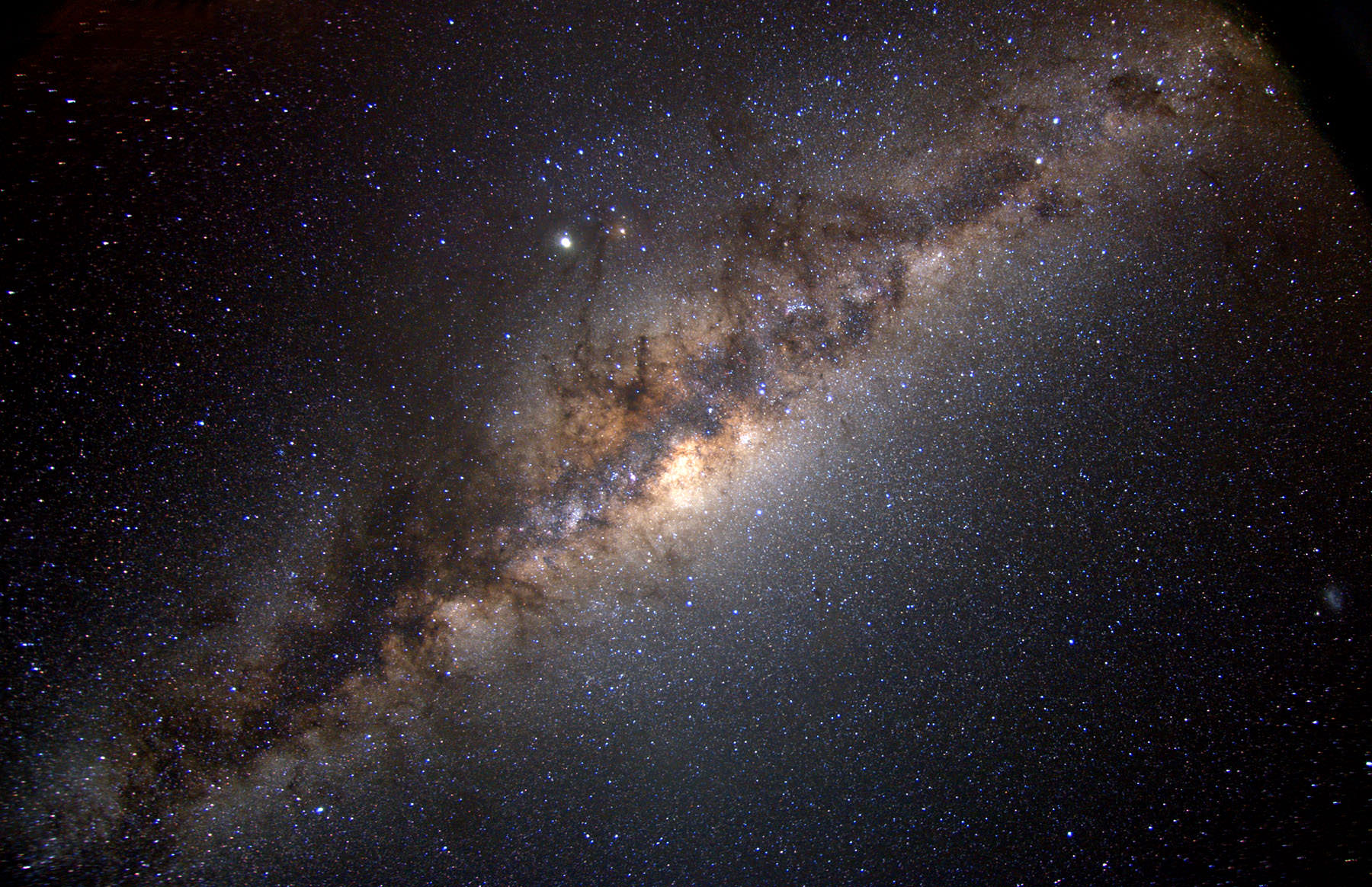
According to a new study using data from the SDSS, ripples in the Milky Way's disk may be indications of "ancient impacts" with other galaxies.
Continue reading
A recent survey conducted by the Arecibo Observatory detected a strange radio signal coming from Ross 128, a star system just 11 light-year from Earth.
Continue reading
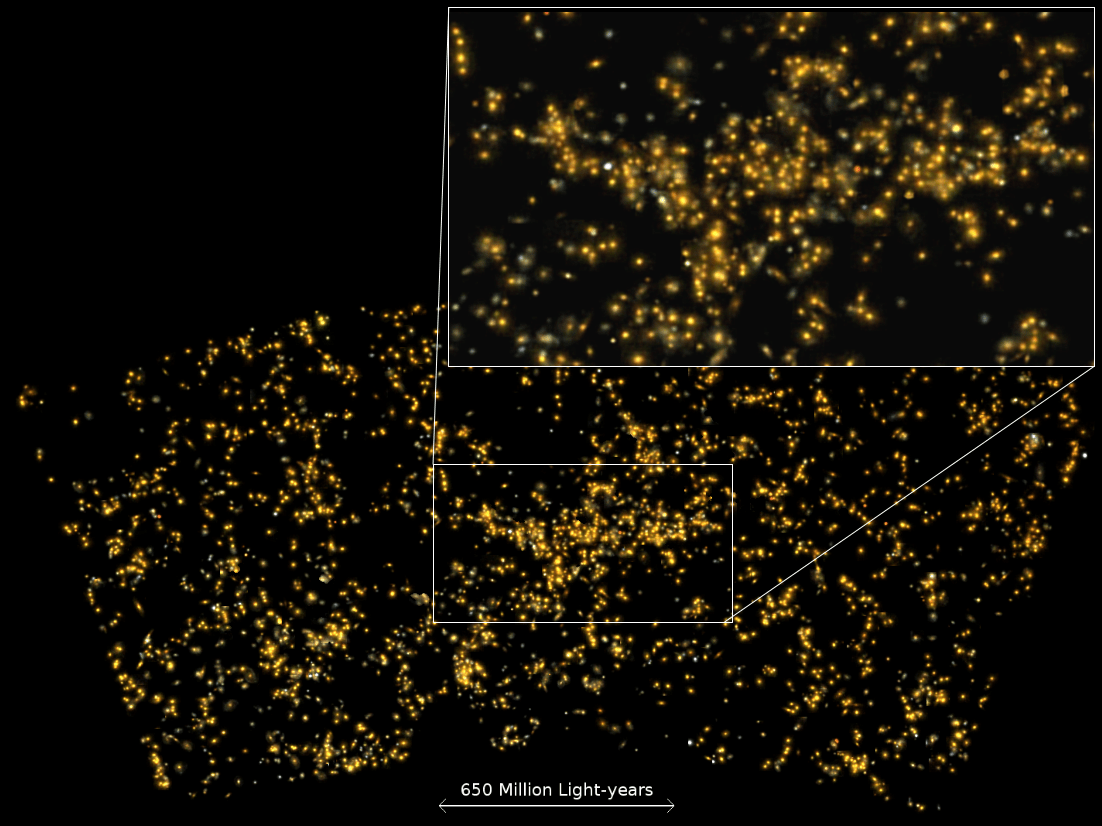
Using data from the Sloan Digitial Sky Survey, an Indian team of astronomers has discovered one of the largest cosmic structures to date - the Saraswati Supercluster!
Continue reading
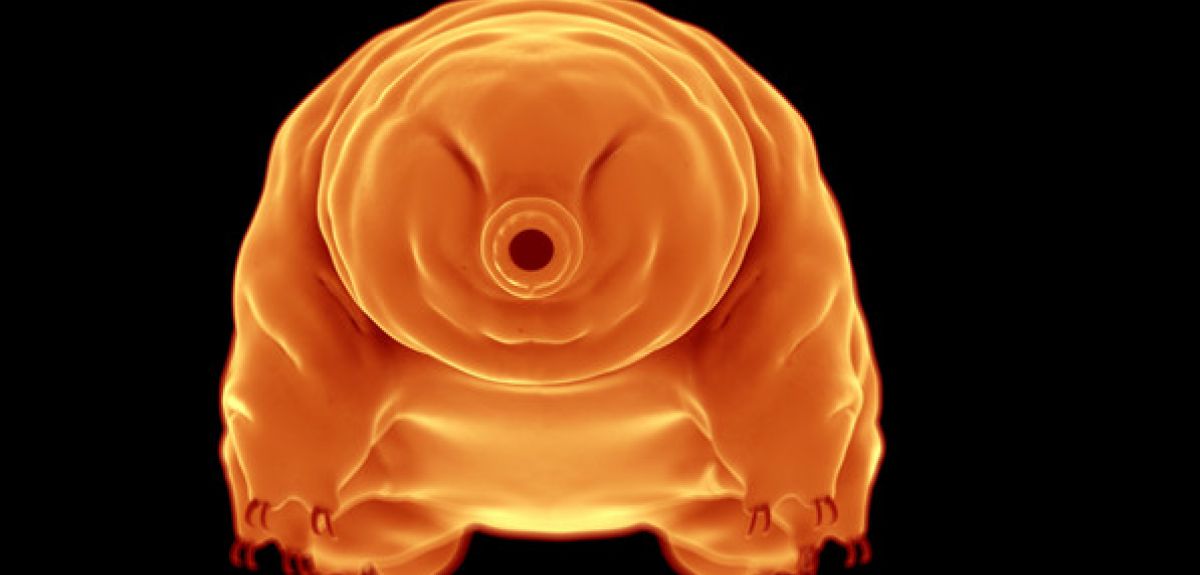
A new study from the University of Oxford has shown that long after humanity is gone, the tardigrade (aka. the "water bear") will still be living.
Continue reading
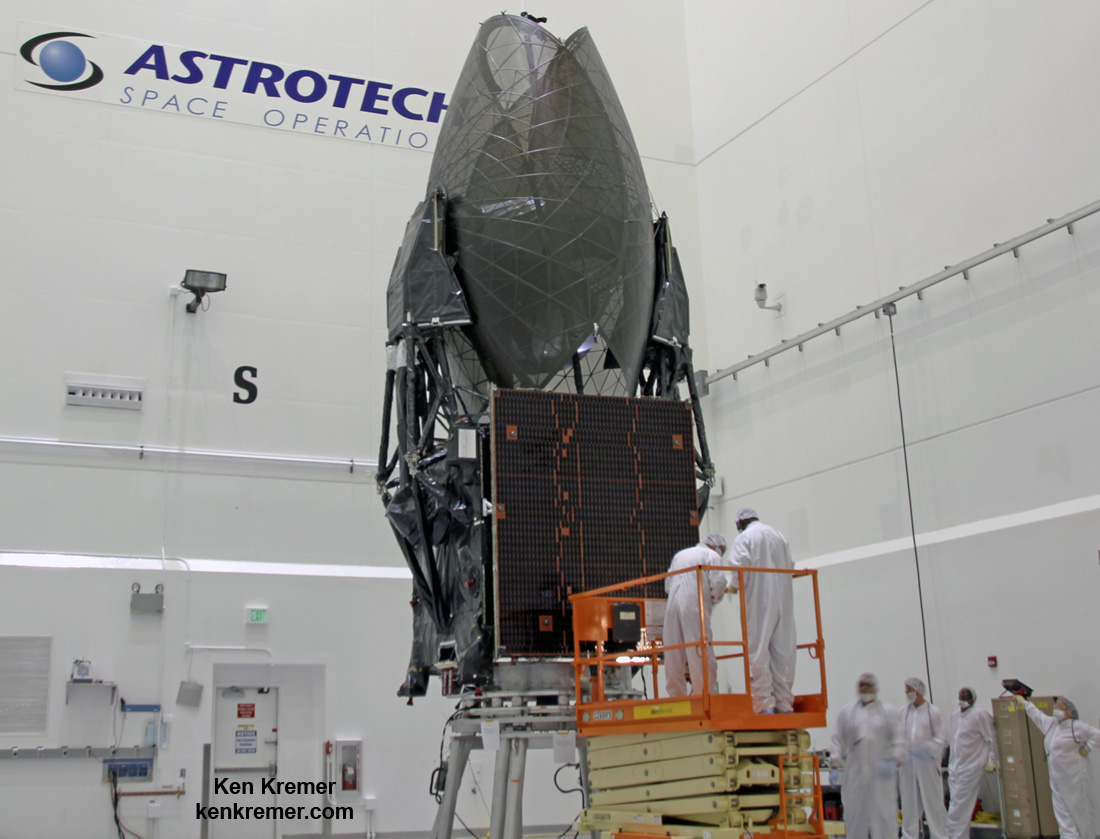
ASTROTECH SPACE OPERATIONS/KENNEDY SPACE CENTER, FL - The last of NASA's next generation Tracking and Data Relay Satellites (TRDS) designed to relay critical science data and research observations gathered by the International Space Station (ISS), Hubble and dozens of Earth-orbiting Earth science missions is undergoing final prelaunch clean room preparations on the Florida Space Coast while targeting an early August launch - even as the agency reviews the scheduling impact of a weekend "closeout incident" that "damaged" a key component.
Continue reading
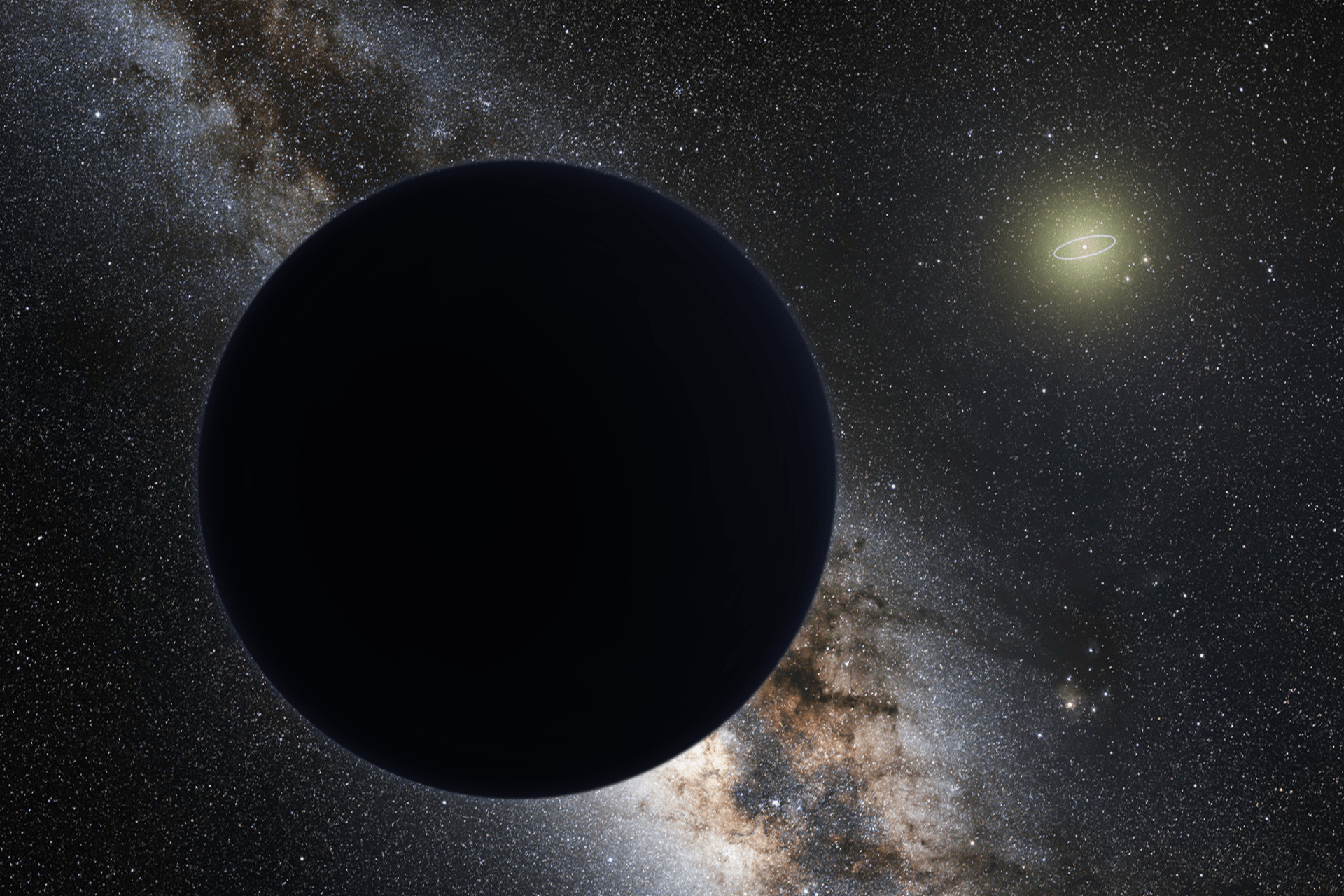
The latest study that looks into the possible existence of Planet 9 offers a new technique, one which is free of the "observational bias" which the others were criticized for.
Continue reading
Continue reading
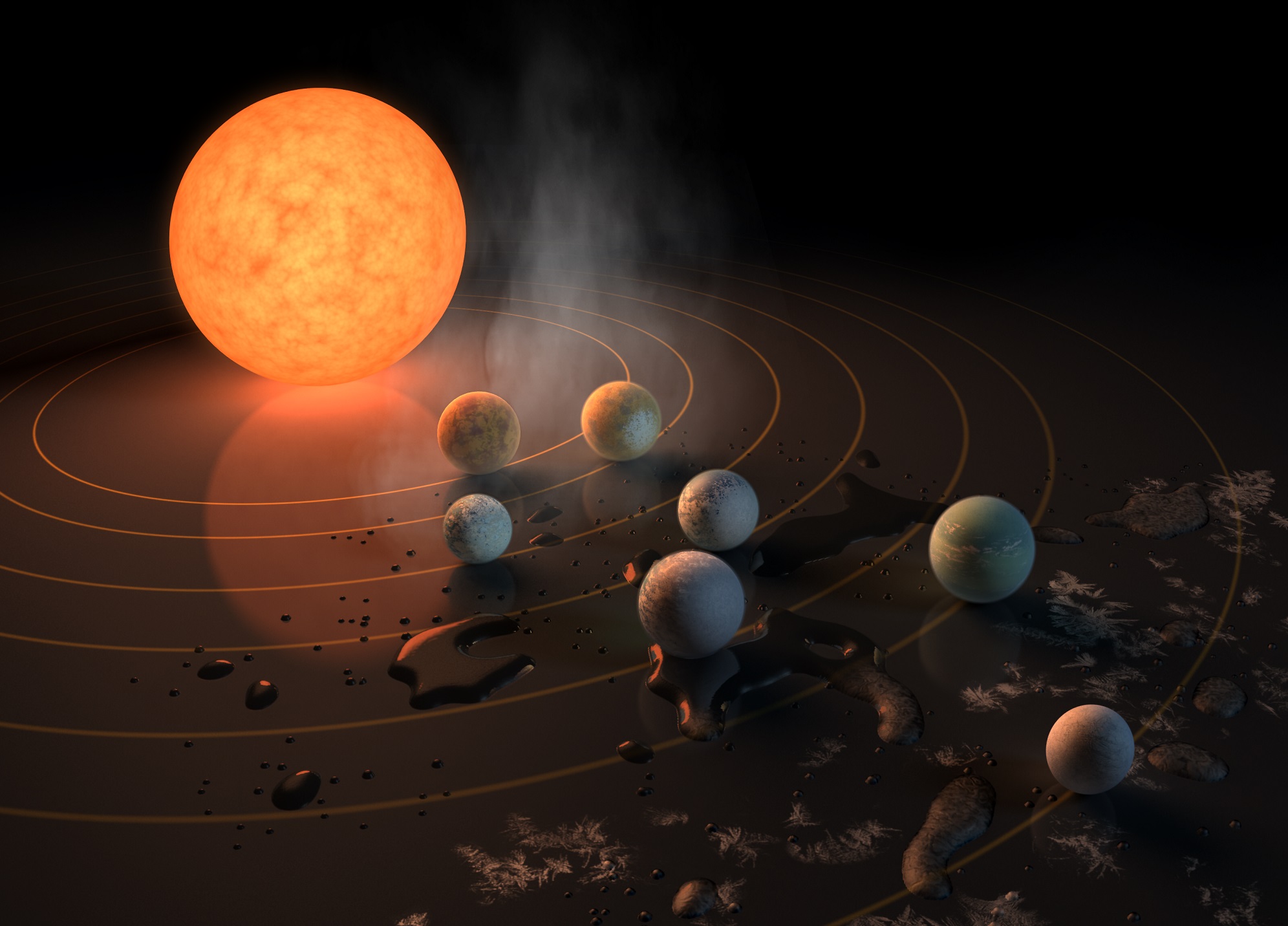
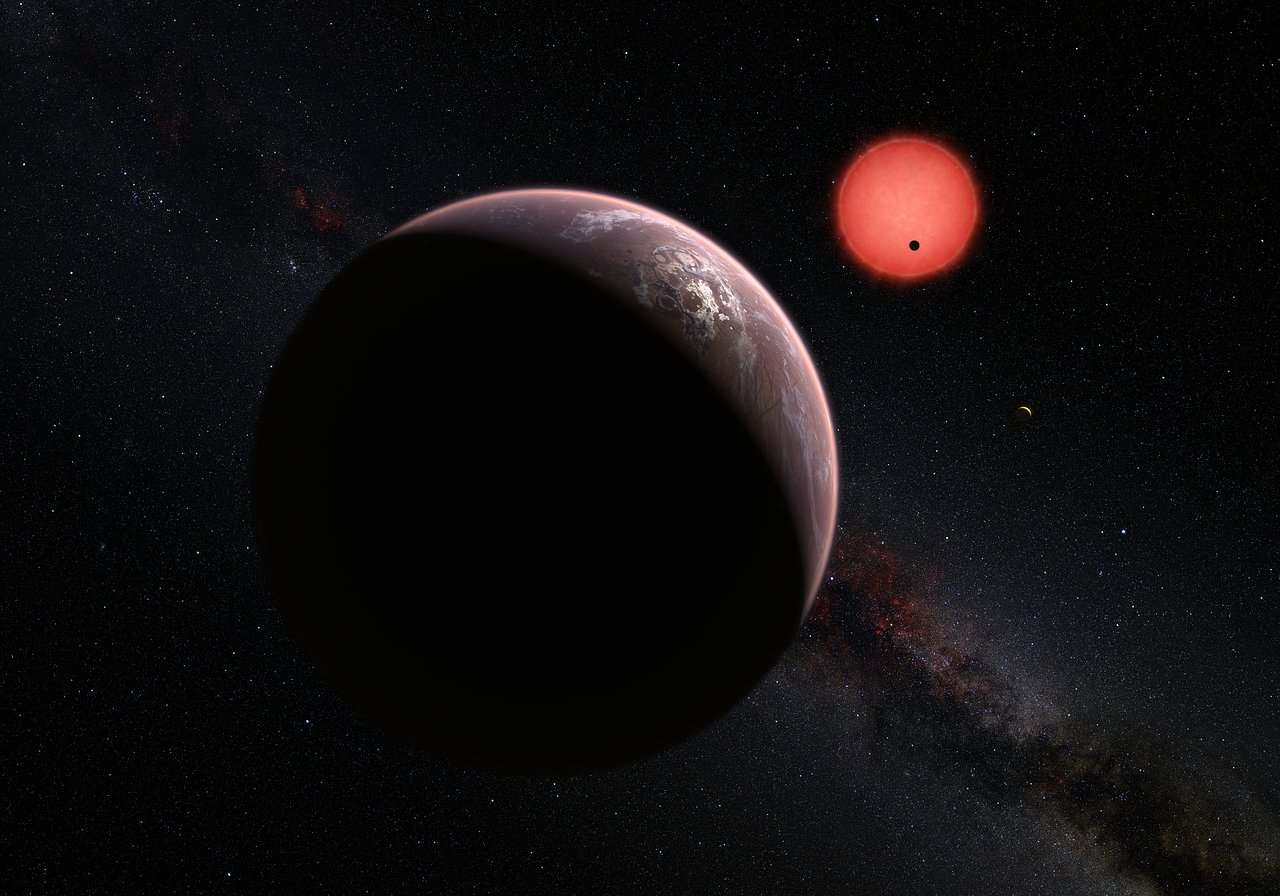
Two new studies from the Harvard-Smithsonian Center for Astrophysics (CfA) have thrown some cold water on the notion that planets in the TRAPPIST-1 system might be habitable.
Continue reading
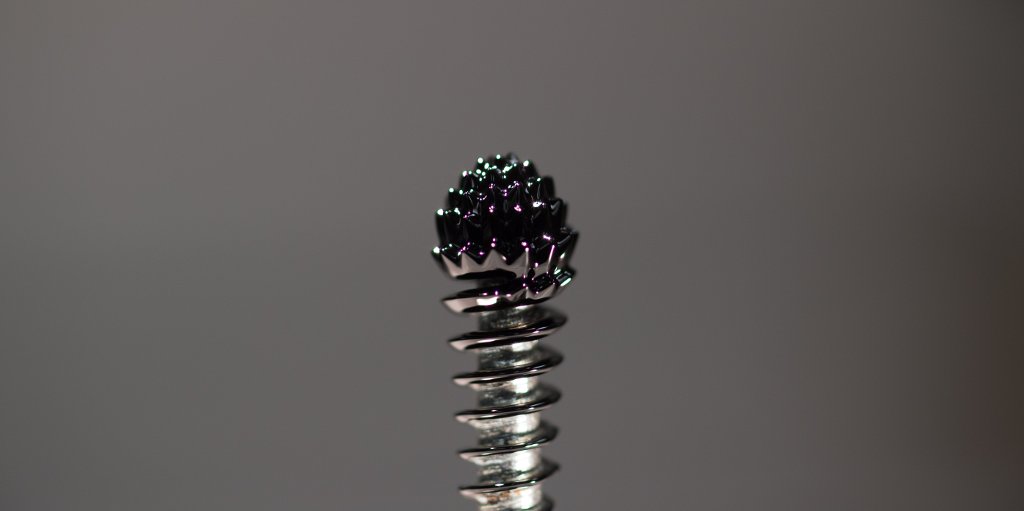
A new study from Michigan Tech presents a new concept for small satellite propulsion, one which relies on magnetically-activated fluids to generate thrust.
Continue reading
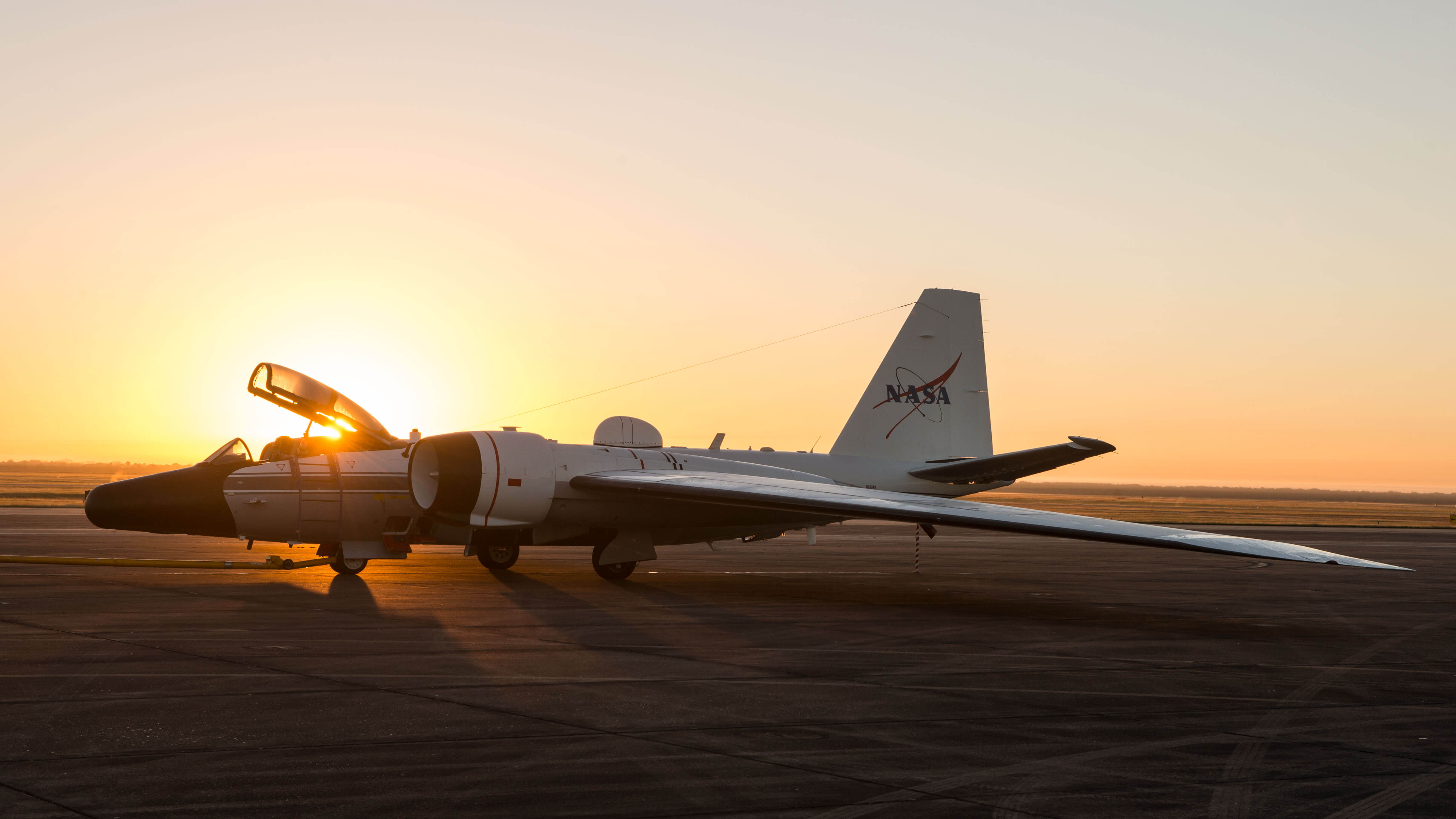
In a classic swords to plowshares move, two converted WB-57 aircraft flown by NASA's Airborne Science Program and scientists from the Southwest Research Institute (SwRI) in Boulder, Colorado will greet the shadow of the Moon as it rushes across the contiguous United States on Monday, August 21st on a daring mission of science.
Continue reading

Continue reading
Continue reading
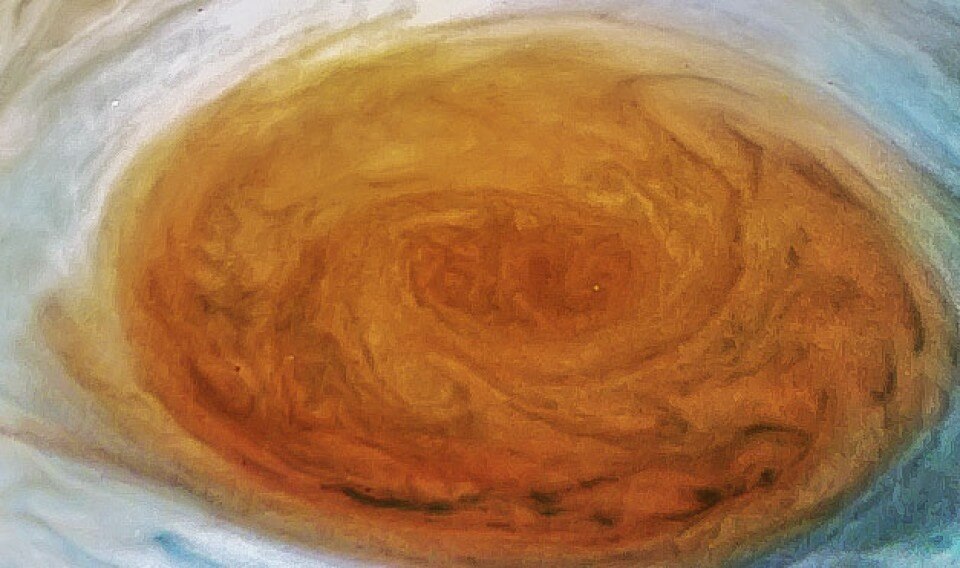
Juno made history the other day when it conducted the closest pass in history to Jupiter's Great Red Spot, and the photos are already coming in!
Continue reading
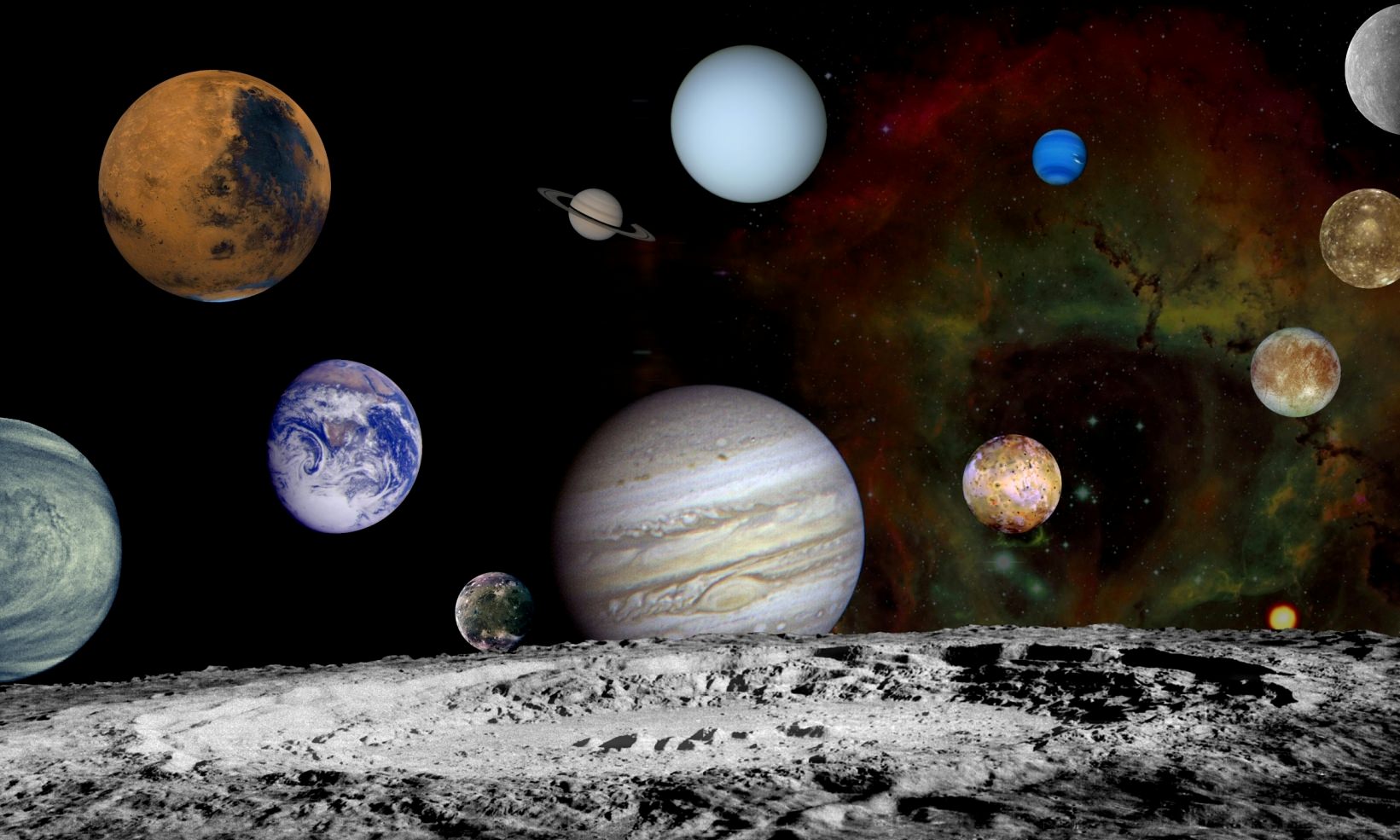
Why are the planets round? For that matter, why are all the big objects in the Universe this shape? The answer has to do with how gravity works and how star systems are formed.
Continue reading
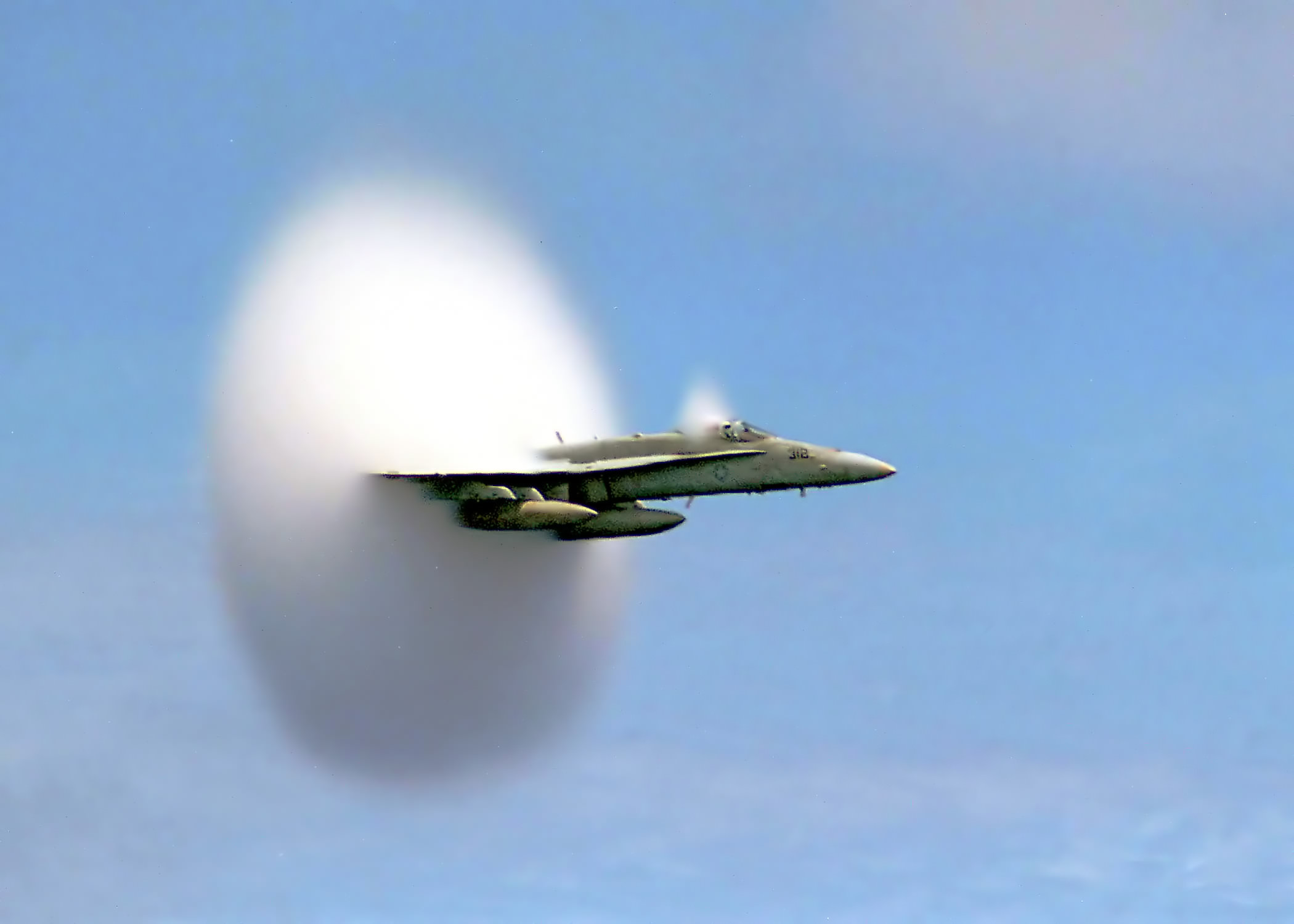
While we tend to think of Mach One as being the speed it takes to break the sound barrier, its a bit more complicated than that, and requires a little math!
Continue reading
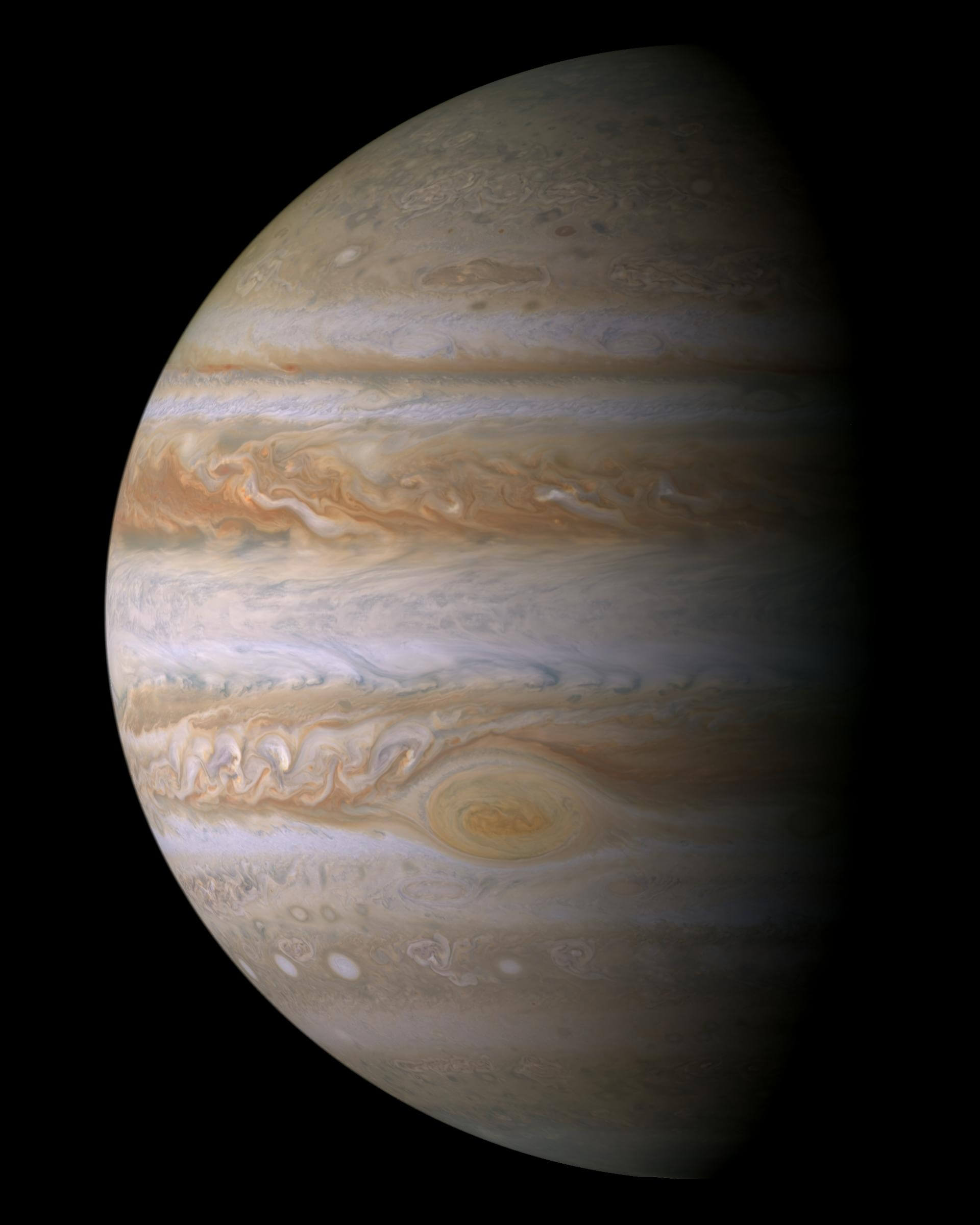
Days after celebrating the 1st anniversary of its arrival around Jupiter, the Juno probe will give us our most detailed look at Jupiter's Giant Red Spot.
Continue reading
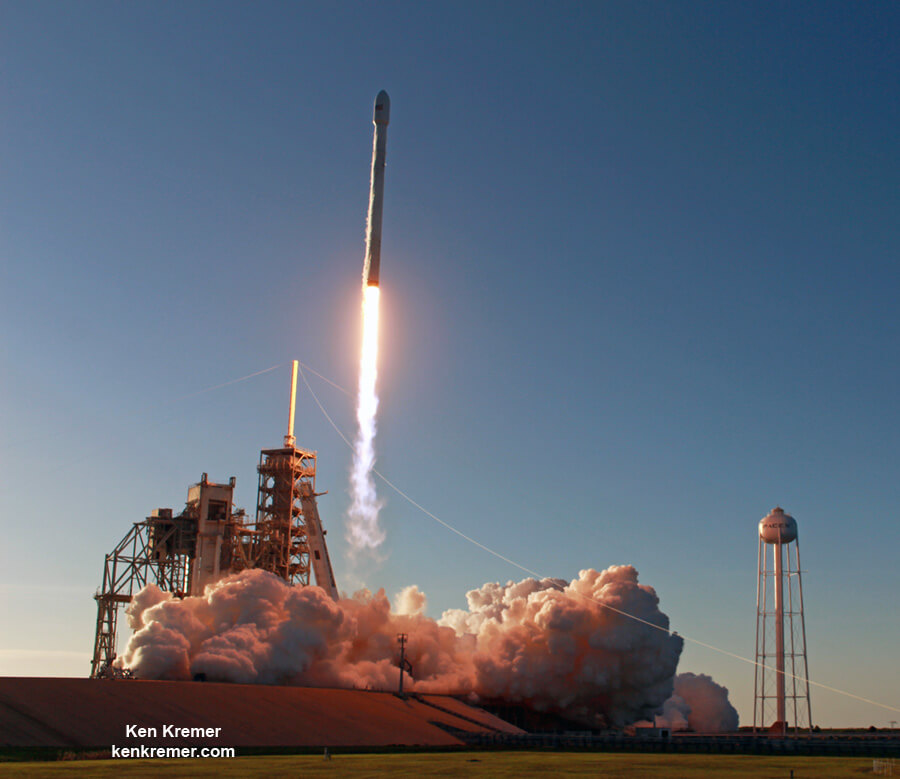
KENNEDY SPACE CENTER, FL – July has begun with SpaceX maintaining a blistering pace of blasting rockets and spaceships flying to space and returning to Earth for a host of multipronged missions furthering NASA science both on the International Space Station (ISS) and beyond, commercial space endeavors in the US and overseas and fulfilling billionaire founder Elon Musk's dreams of creating reusable rocketry to slash launch costs and advance humanity's push to the stars.
Continue reading
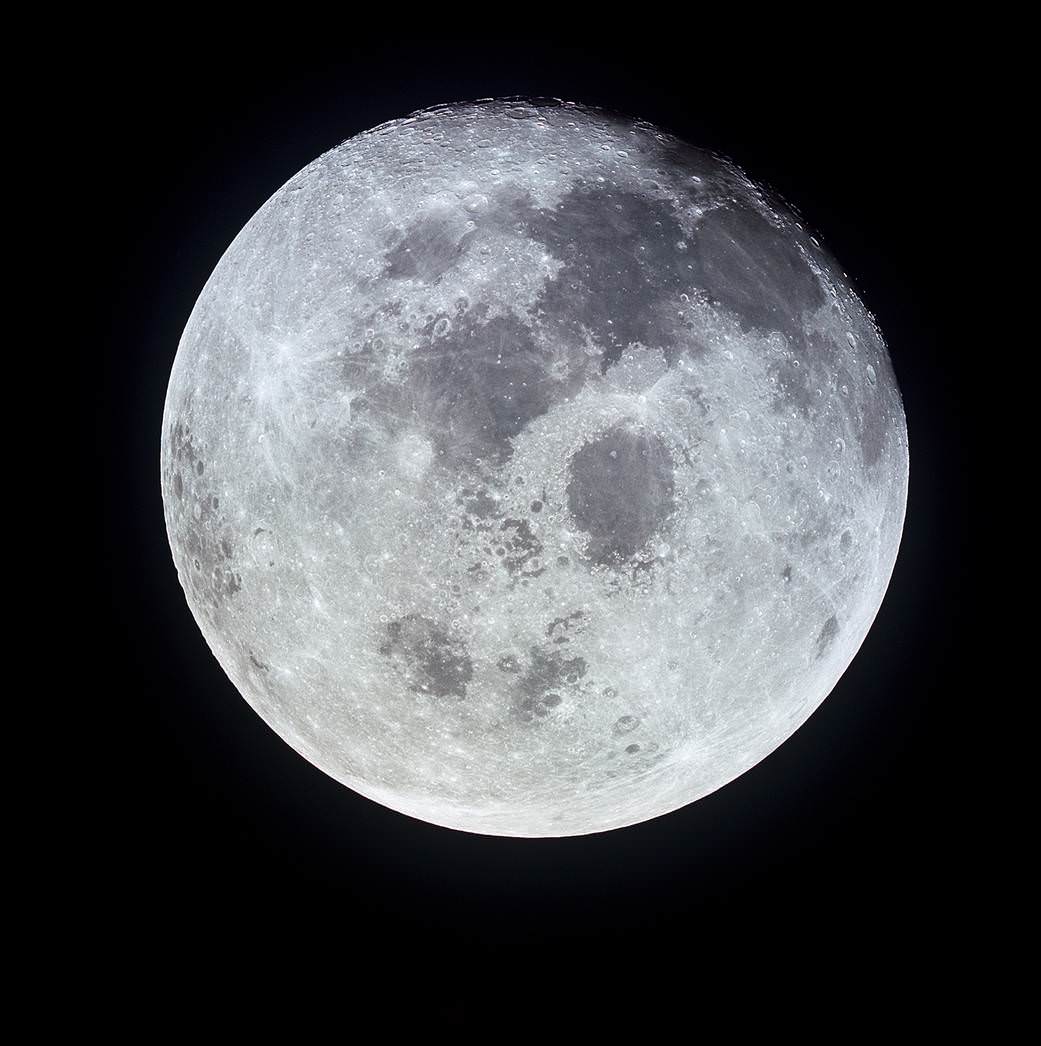
A single day on the Moon lasts the equivalent of 29.5 Earth days, which is the result of its tidally-locked orbit with Earth, and Earth's orbit around the Sun.
Continue reading
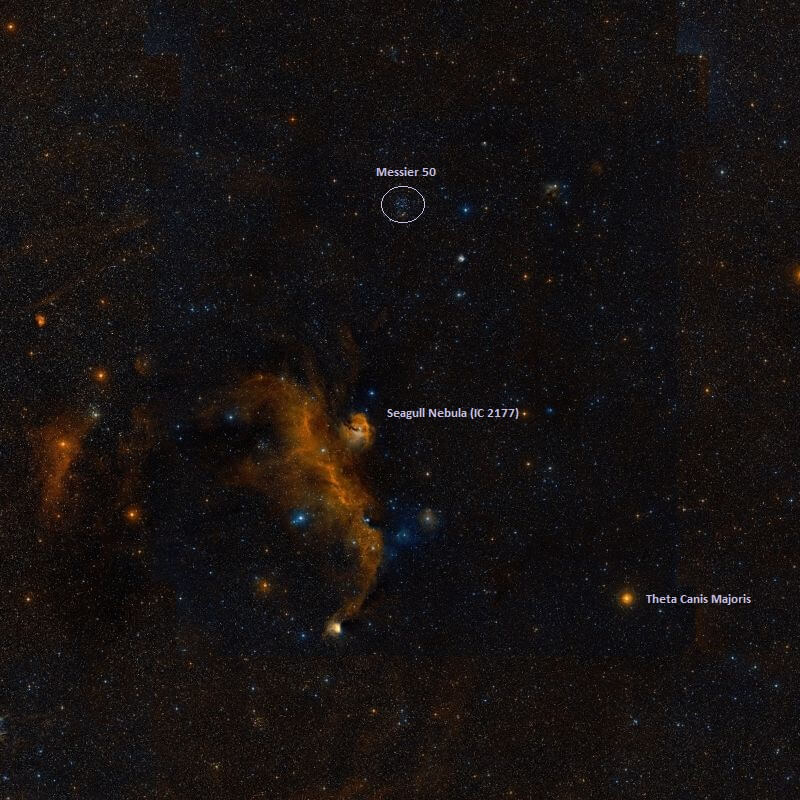
Located between the Monoceros and Canis Major constellations, about 3,200 light years from Earth, is the heart-shaped open star cluster known as Messier 50!
Continue reading
Continue reading
 Universe Today