A new study led by Princeton University shows that water worlds are likely to be stripped of their atmospheres (and most of their water) before too long
Continue reading
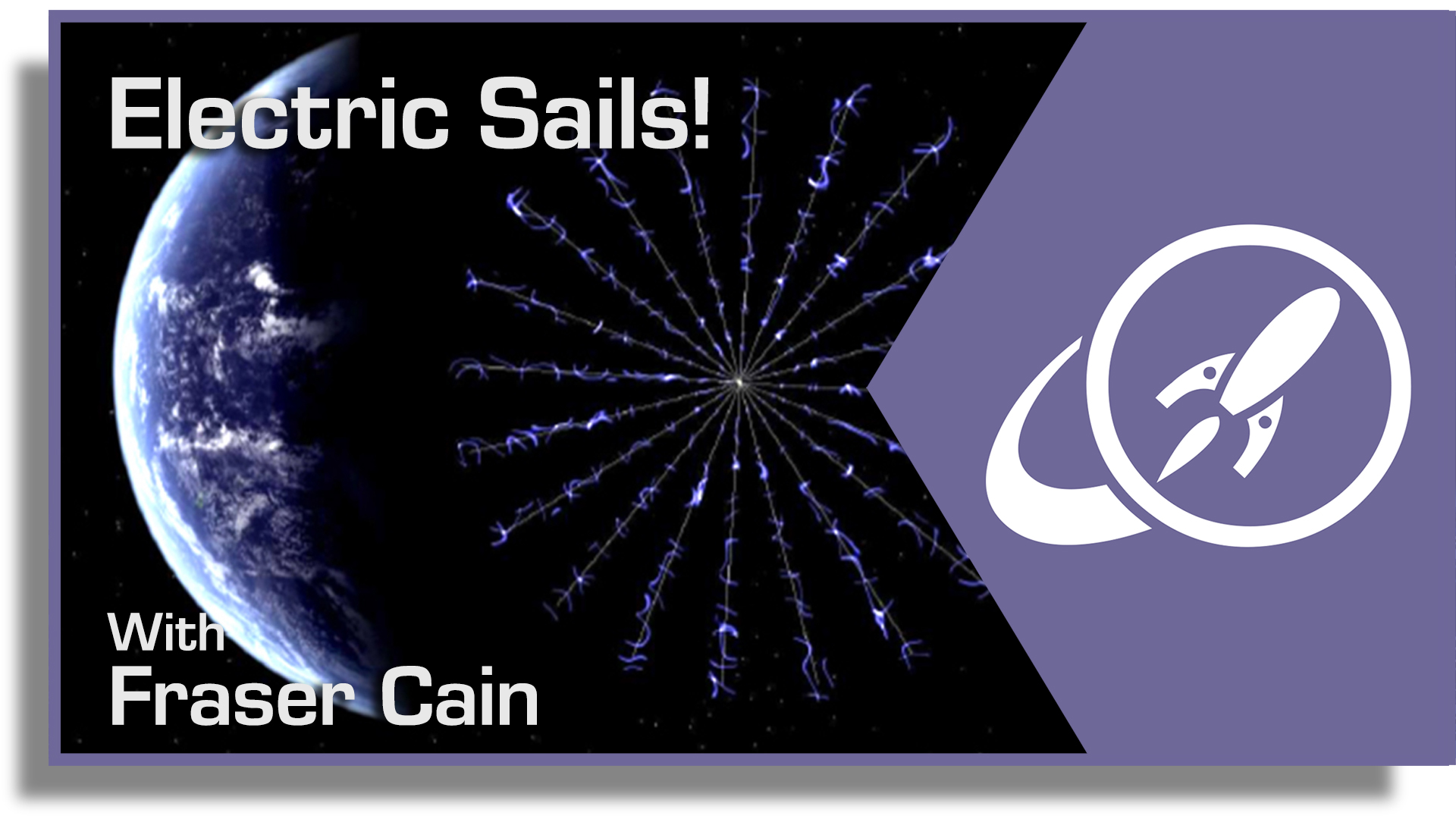
Space scientists are considering how they can catch the charged particles streaming from the Sun with electric sails as a way to propel spacecraft through the Solar System.
Continue reading
Continue reading
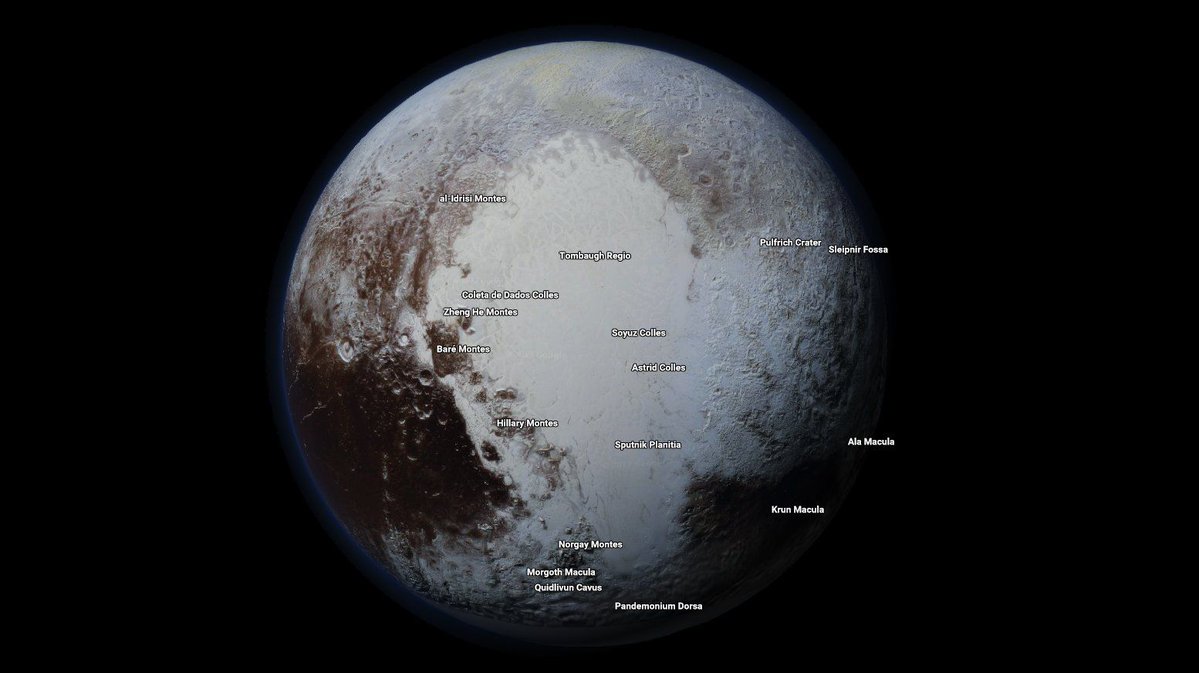
Thanks to the over 500,000 pictures taken by the Cassini mission, Google Maps has created a mapping tool that allows users to virtually explore the Solar System.
Continue reading
Continue reading
Continue reading
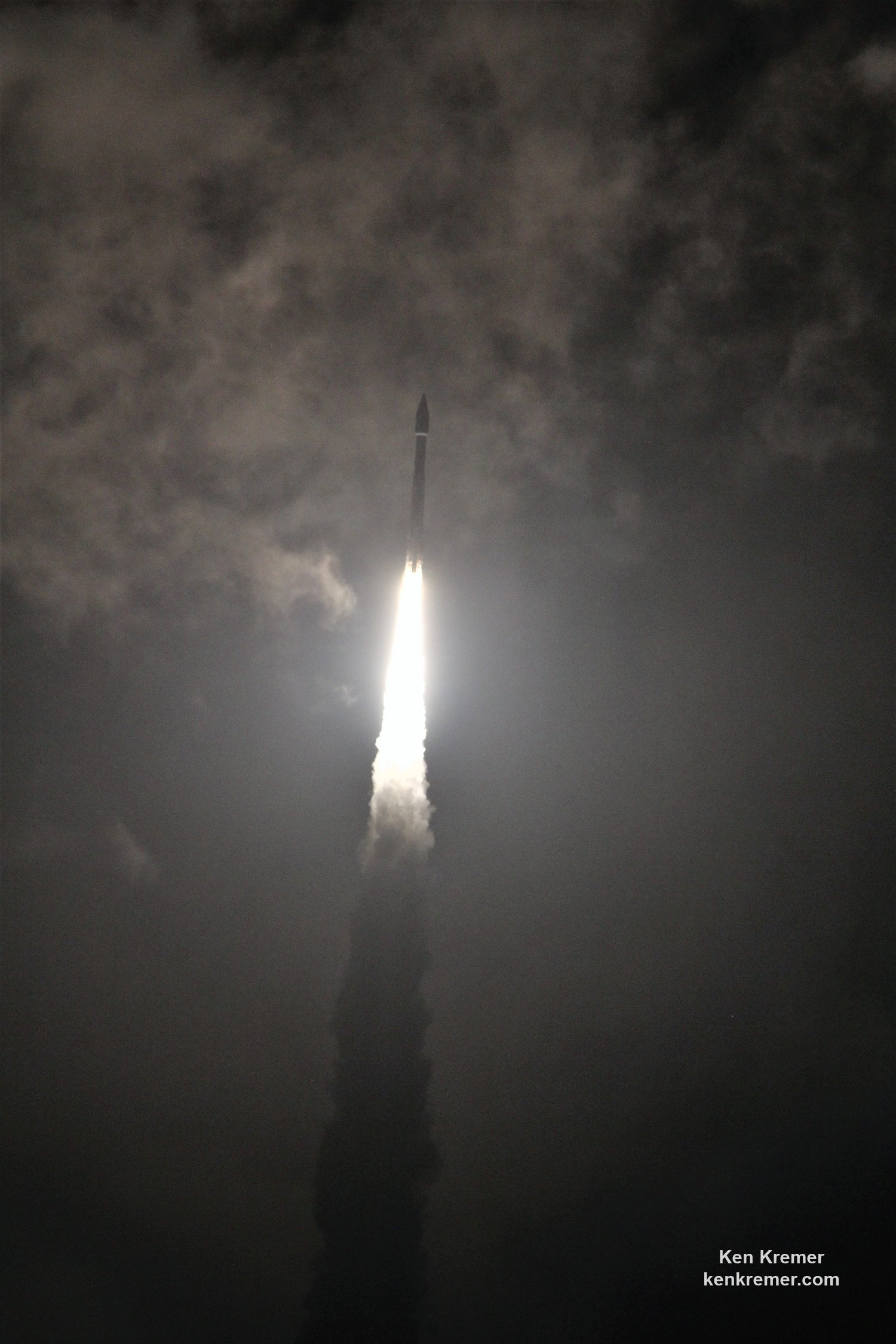
CAPE CANAVERAL AIR FORCE STATION, FL — As one Atlas rocket carrying a covert spy satellite for the U.S. National Reconnaissance Office (NRO) to monitor Earth for national security purposes faded into cloudy nighttime skies over the Cape in the dead of night shrouded in liftoff secrecy, rocket builder United Launch Alliance (ULA) won another significant Atlas launch contract for NASA's Landsat 9 satellite to monitor the health of Earth's environment.
Continue reading
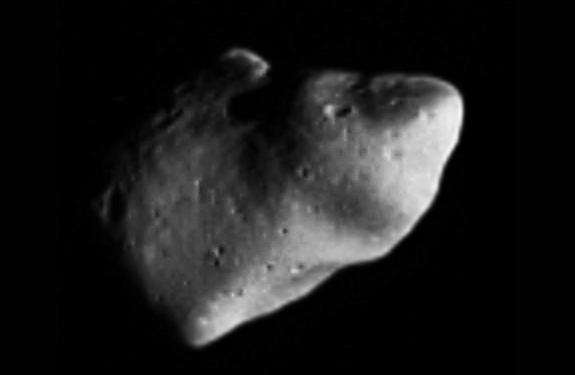
According to a new analysis, the number of undiscovered and potentially-hazardous asteroids could be lower than previously thought.
Continue reading
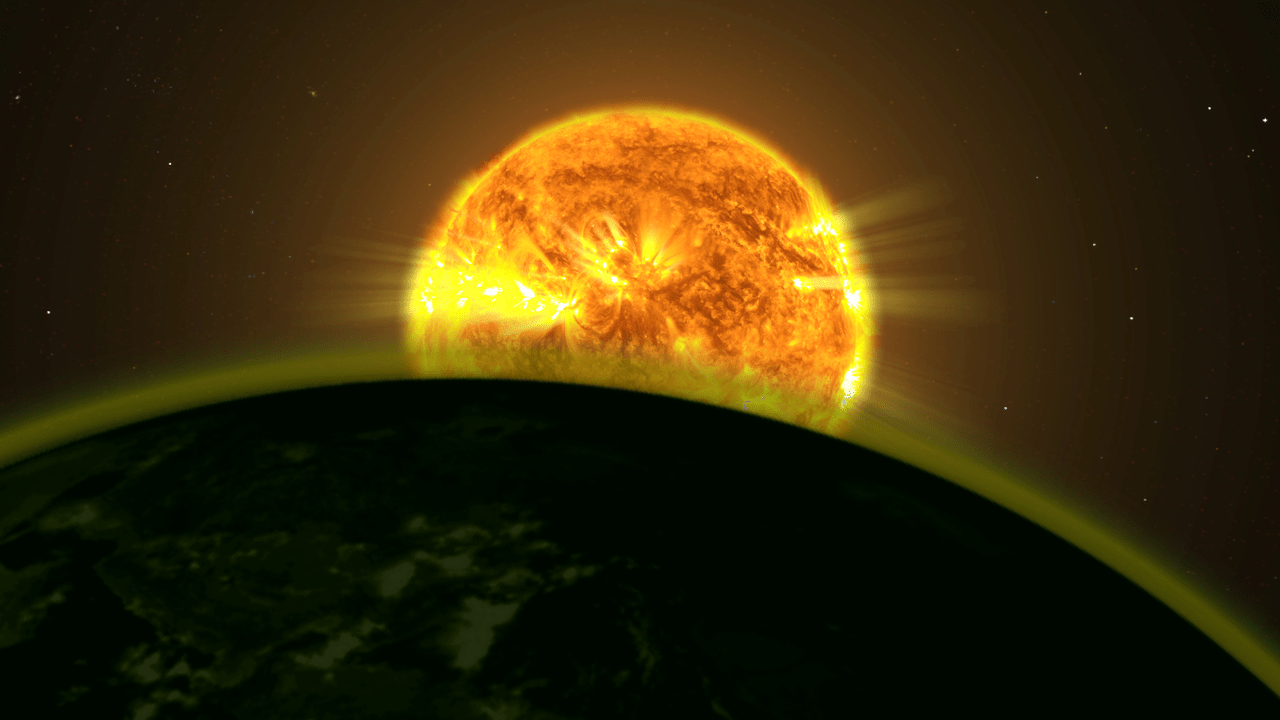
A recent study from NASA's Goddard Institute for Space Studies (GISS) has produced a new 3-D model for determining exoplanet habitability.
Continue reading
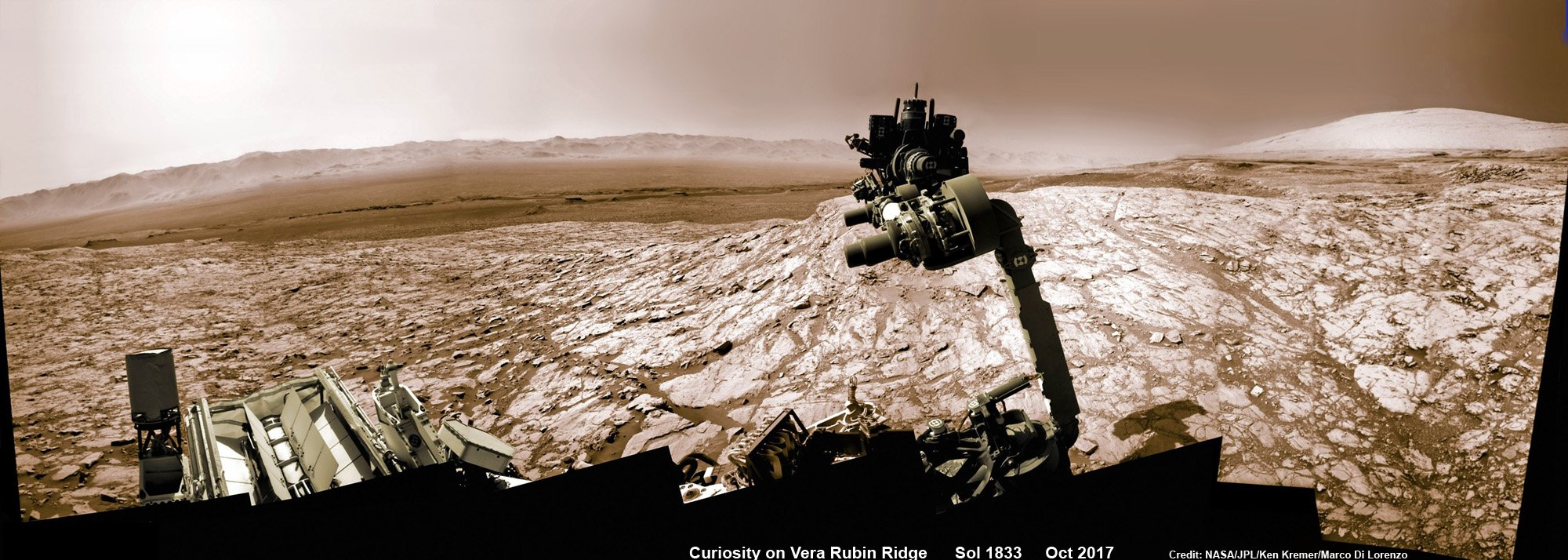
5 years after a heart throbbing Martian touchdown, Curiosity is climbing Vera Rubin Ridge in search of "aqueous minerals" and "clays" for clues to possible past life while capturing "truly breathtaking" vistas of humongous Mount Sharp - her primary destination – and the stark eroded rim of the Gale Crater landing zone from ever higher elevations, NASA scientists tell Universe Today in a new mission update.
Continue reading
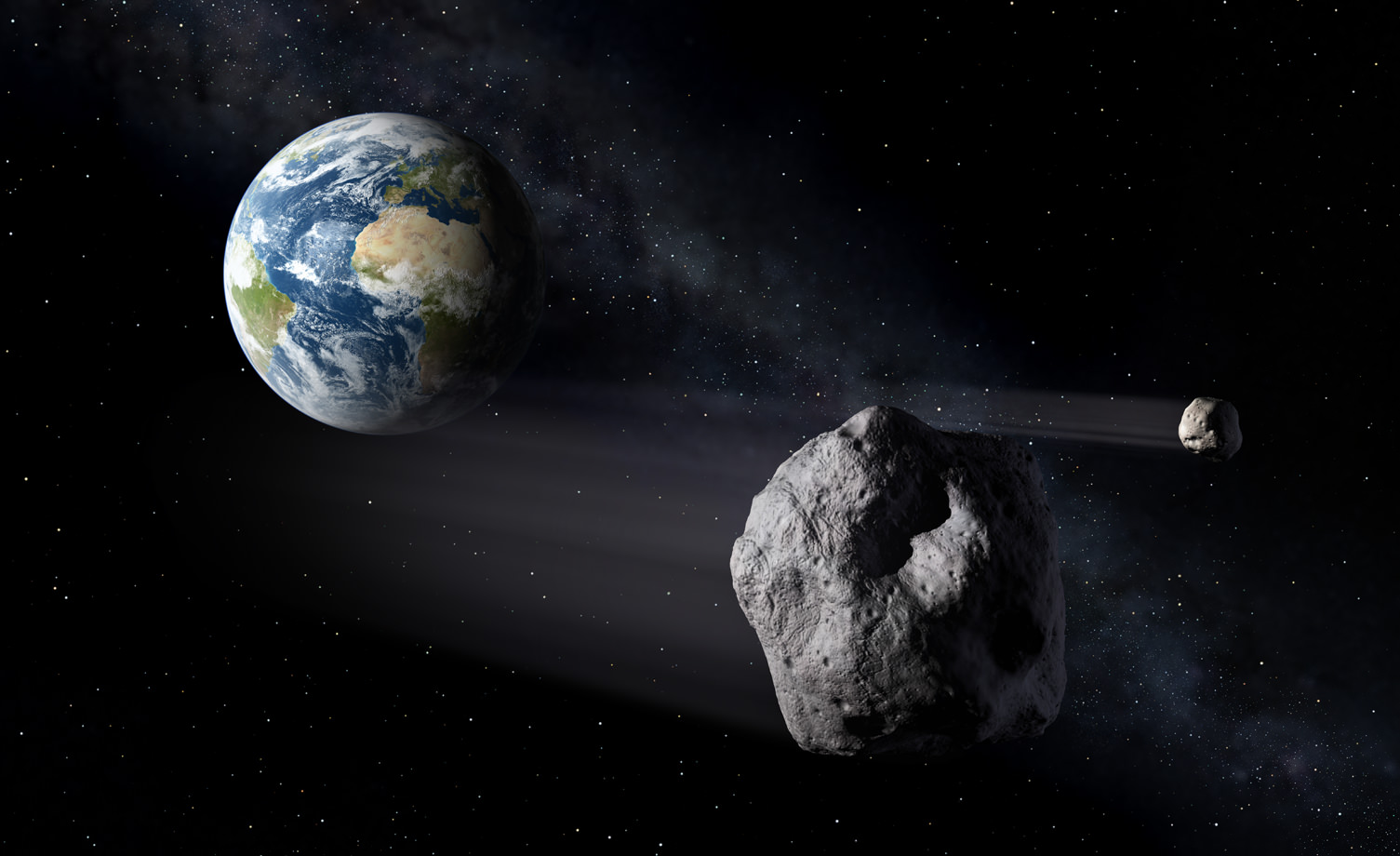
A team of astronomers from the University of Arizona's Lunar and Planetary Laboratory has confirmed that Earth's "temporary Moon" is an asteroid, and not space junk.
Continue reading
Continue reading
Some comets orbit the Sun on a regular basis, but others come in from deep space, a region known as the Oort Cloud. What causes them to make this journey, and will we ever be able to explore the Oort Cloud?
Continue reading
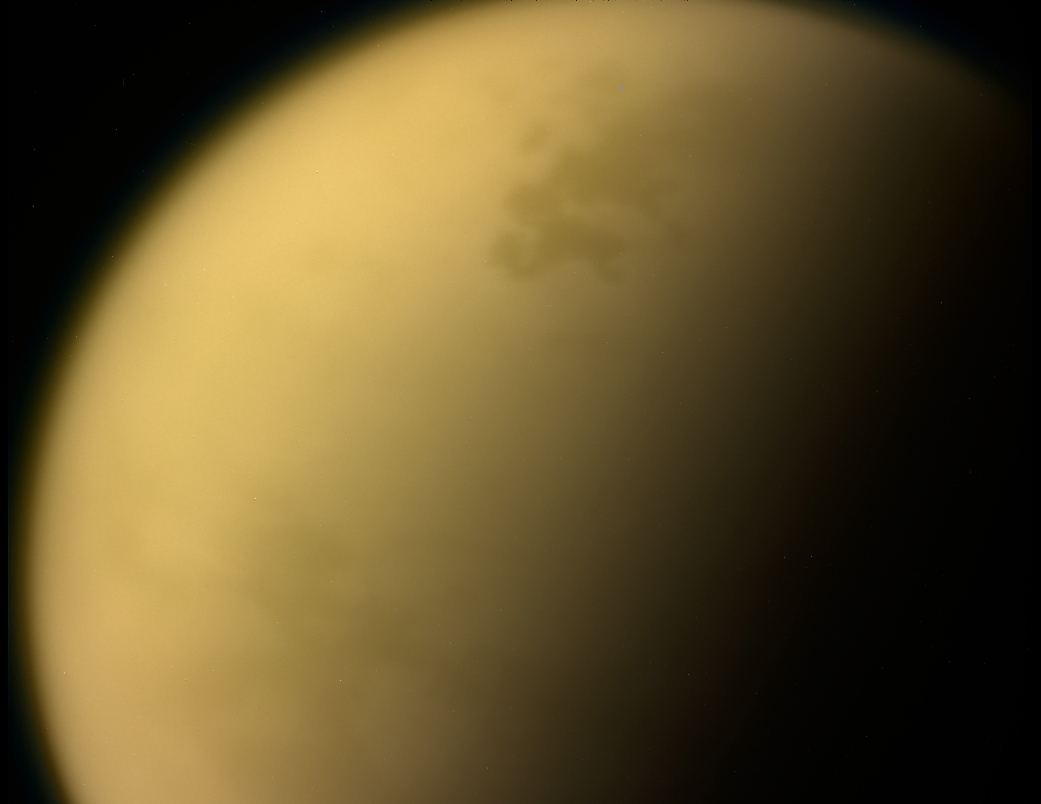
One of the many interesting finds made by the Cassini orbiter before it crashed into Saturn was evidence of a hybrid, toxic ice cloud above Titan's southern pole.
Continue reading
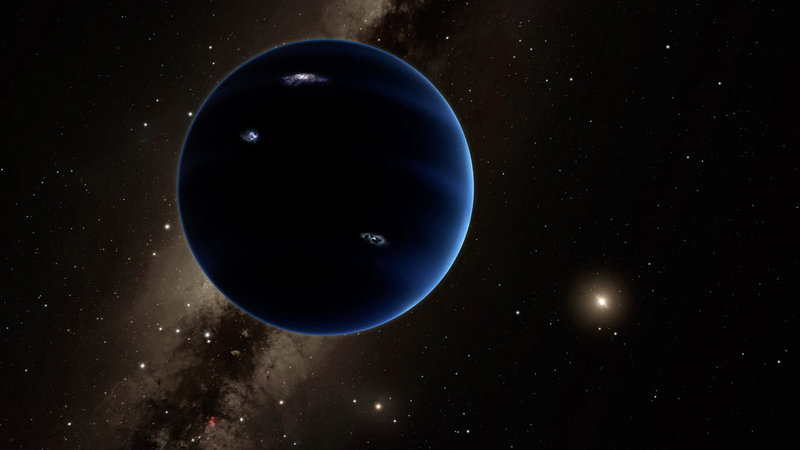
A new study by a team from the University of Michigan has shown how Planet 9 could have prevented TNOs from being destroyed or ejected over time.
Continue reading
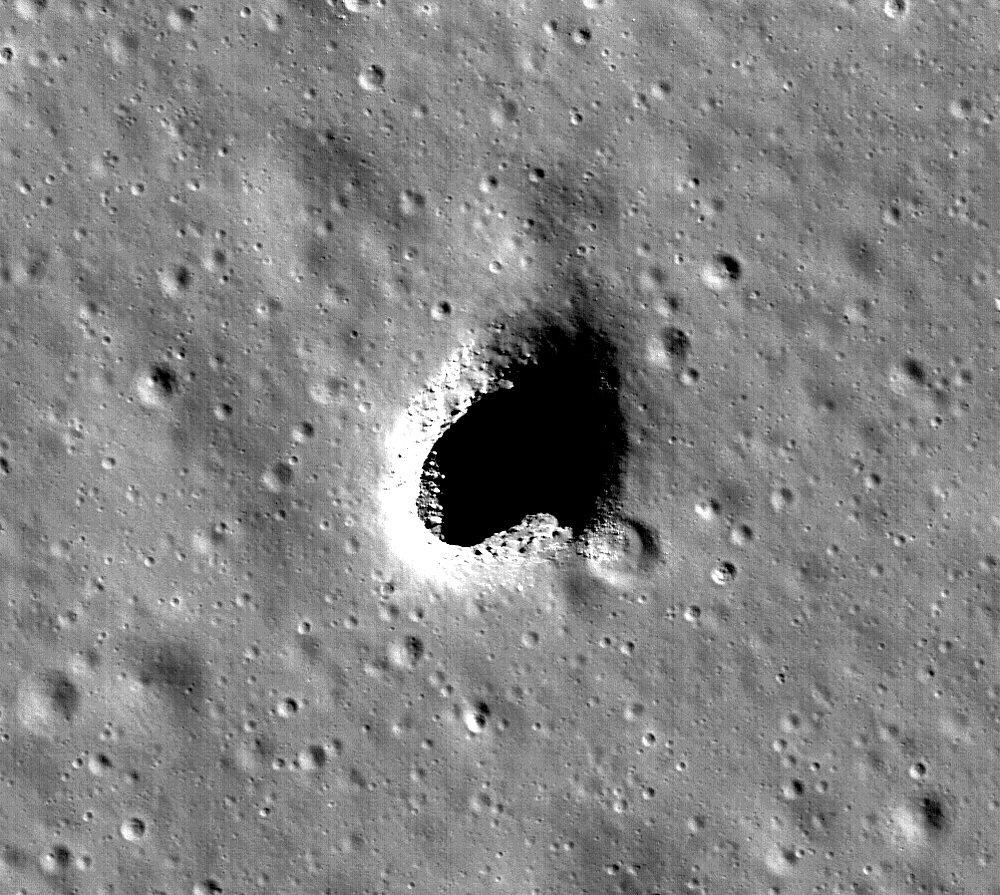
A new study by JAXA and international scientists has confirmed the existence of a stable lava tube in the Marius Hills region of the Moon.
Continue reading
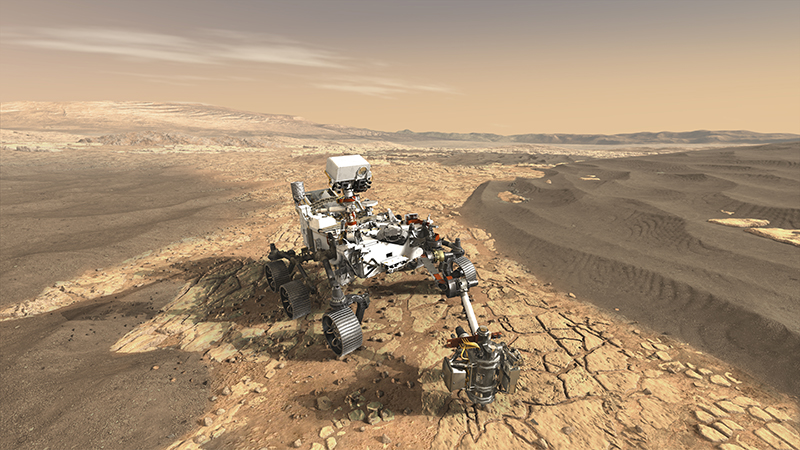
A new study by a team of European scientists has shown how metal-eating bacteria could have left their mark on Mars, which could be discovered by future missions
Continue reading

Continue reading
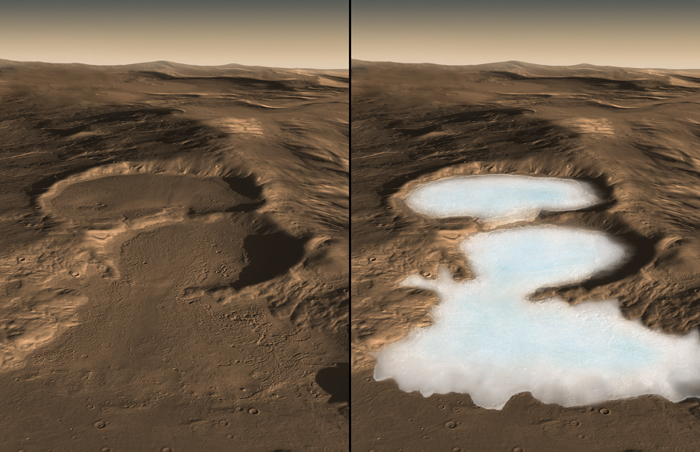
A new study from Brown University has offered a possible explanation for how surface water could have flown on Mars roughly 4 billion years ago.
Continue reading
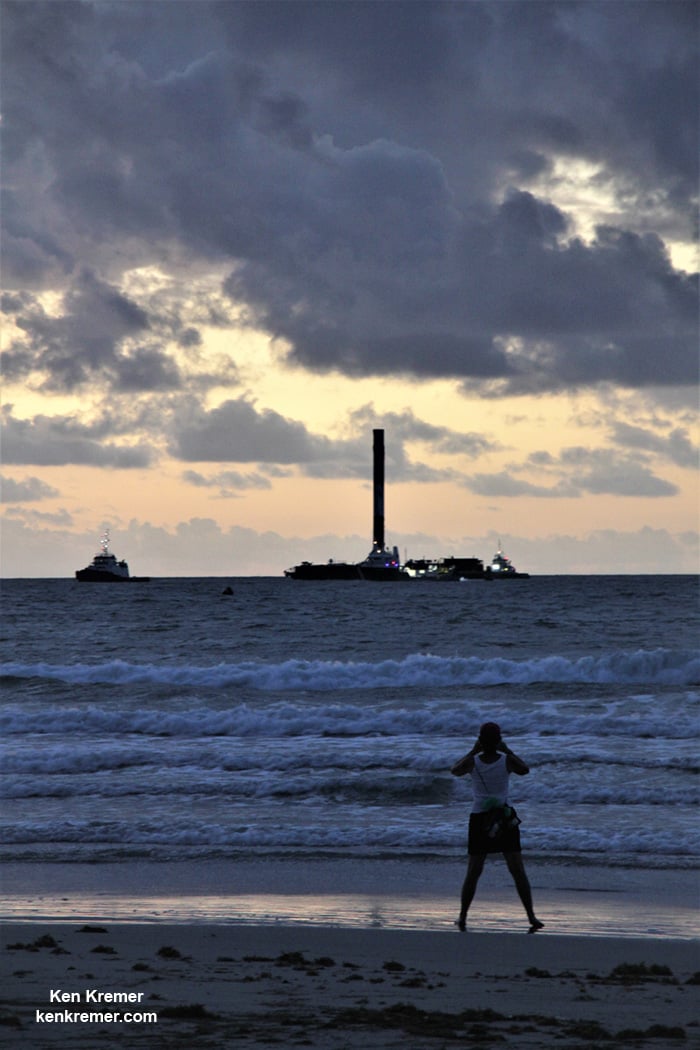
PORT CANAVERAL/KENNEDY SPACE CENTER, FL - The now twice flown SpaceX first stage booster that successfully delivered the SES-11 UHDTV satellite to orbit Wednesday, Oct 11, sailed proudly back home into Port Canaveral during a beautiful Sunday sunrise, Oct. 15 only three days after it safely landed on a tiny droneship at sea.
Continue reading
 Universe Today